
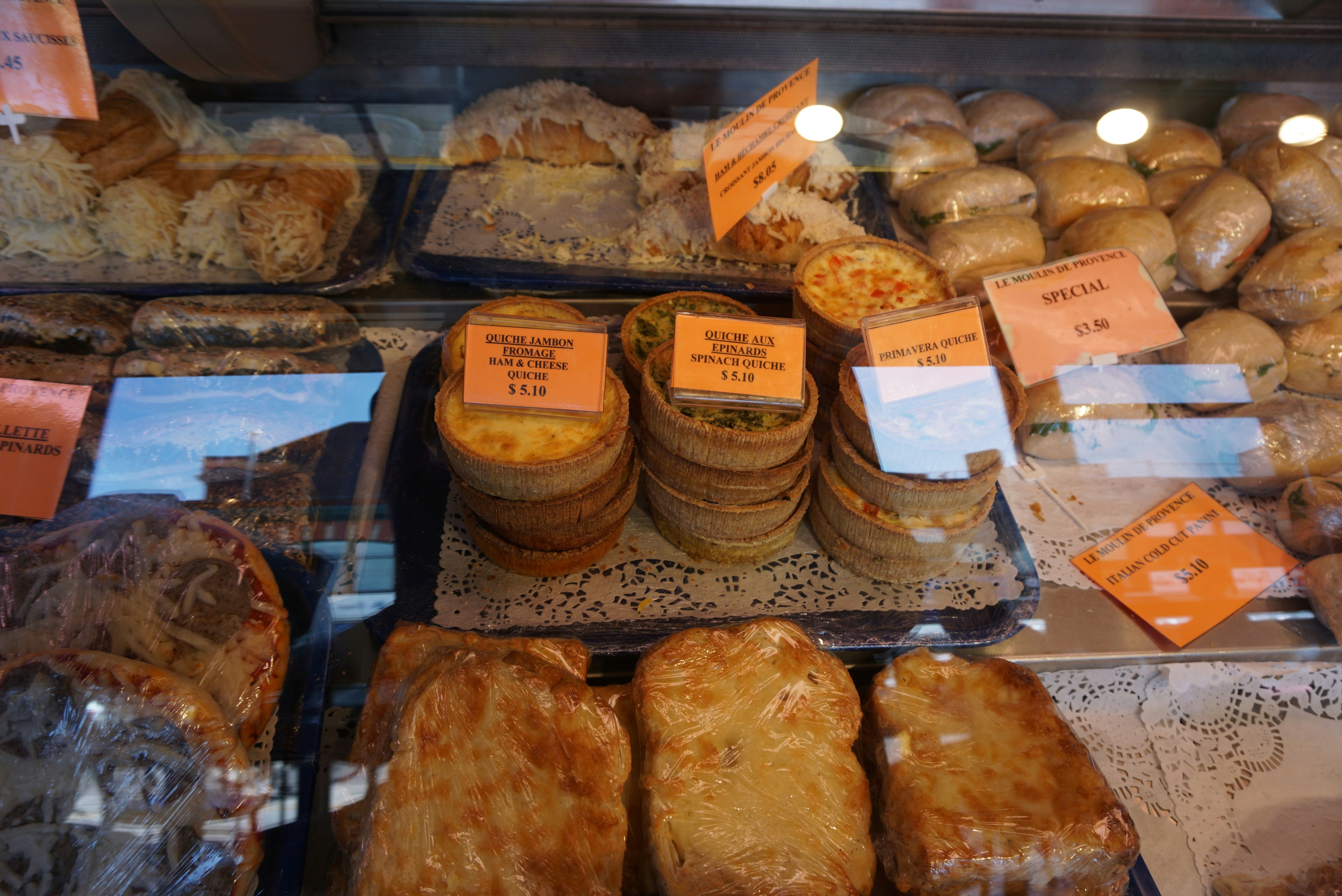
Introduction to Quiche Lorraine
Quiche Lorraine is a classic French dish that beautifully exemplifies the country’s rich culinary heritage. Originating from the Lorraine region in northeastern France, this dish traditionally consists of a savory pastry crust filled with a creamy mixture of eggs, cream, and lardons, a type of bacon. The history of Quiche Lorraine dates back to the Middle Ages when it was a simple peasant meal, leveraging readily available ingredients. Over time, it has transformed into a beloved staple, not only in France but across the globe, celebrated for its versatility and exquisite flavors.
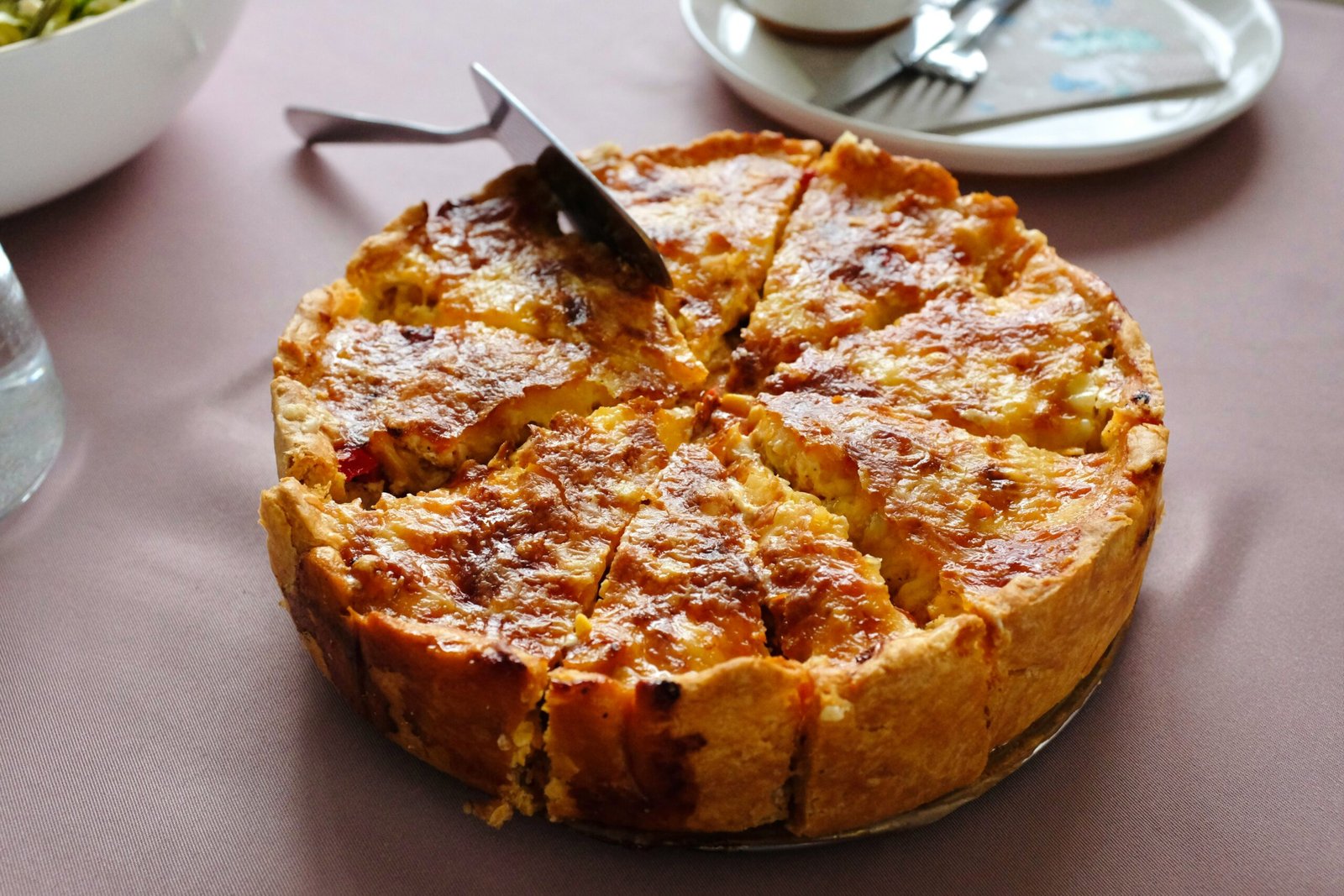
The key ingredients typically found in a Quiche Lorraine include a flaky pastry crust, eggs, heavy cream, and lardons. While the traditional version emphasizes these components, there are countless variations that incorporate additional ingredients, such as cheese, vegetables, and spices, enhancing its flavor profile. The creamy custard-like filling combined with the crispy crust creates a delightful contrast, making each bite a gastronomic experience. This dish can be enjoyed at any time of day, whether for breakfast, brunch, or dinner, further contributing to its popularity.
Throughout the years, Quiche Lorraine has evolved, adapting to different palates and culinary trends. As it gained recognition beyond its regional roots, many chefs began to offer their interpretations, merging other flavors while still honoring the fundamental elements of the original recipe. This evolution signifies its importance in French cuisine and culture, marking it as a symbol of culinary innovation and simplicity. The continued love for Quiche Lorraine reflects not only its delicious taste but also its status as a staple in households and restaurants, representing both tradition and modern flavor in the world of gastronomy.
The Flavor Profile and Texture of Quiche Lorraine
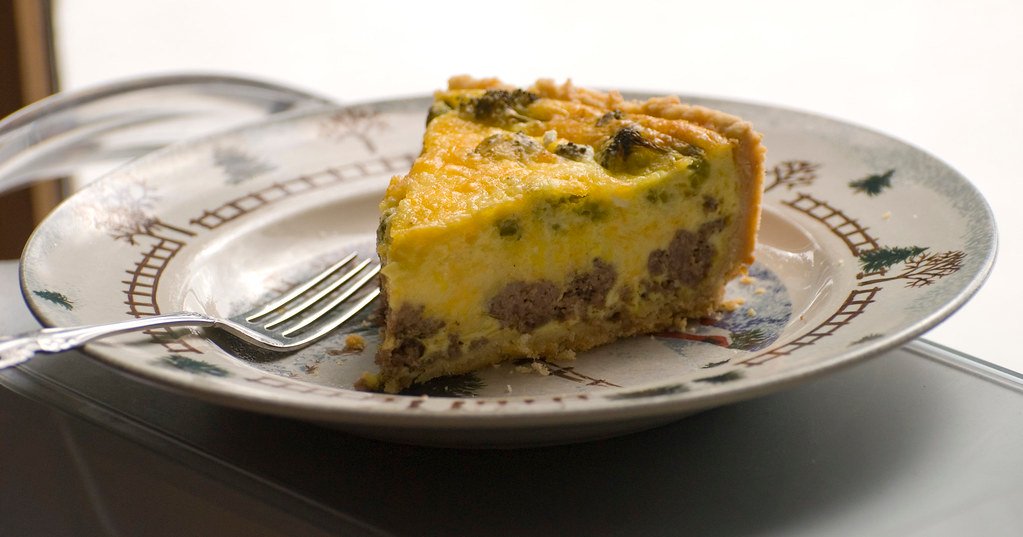
Quiche Lorraine is celebrated for its harmonious combination of flavors and textures, which together create a truly delightful culinary experience. At its core, the filling of Quiche Lorraine is comprised of eggs and cream, which lends a rich and creamy consistency. This creamy filling is often enhanced by the inclusion of smoky bacon or lardons, which adds a savory depth to the dish. The interplay between the richness of cream and the saltiness of bacon creates a satisfying balance that appeals to a wide range of palates.
The smokiness of the bacon or lardons in Quiche Lorraine introduces an additional layer of flavor, enriching the aromatic experience with a hint of indulgence. When cooked, the bacon contributes a crispy texture that complements the smoothness of the creamy filling, making every bite a joyful affair. This unique flavor profile is what distinguishes Quiche Lorraine from other types of quiches, setting it apart as a quintessential French dish.
Moreover, the flaky pastry crust plays a crucial role in the overall texture of Quiche Lorraine. It is meticulously crafted to achieve a light, crisp surface that serves as a delightful contrast to the rich filling. The pastry’s crunch provides a satisfying bite and enhances the overall enjoyment of the dish. As the crust encases the creamy filling and savory bacon, it binds together the various elements, ensuring that each mouthful is a combination of textures with varied sensations.
Overall, the balance of flavors and textures in Quiche Lorraine not only contributes to its popularity but also highlights the culinary artistry inherent in traditional French cuisine. Each component works in harmony to create a dish that is both comforting and sophisticated, catering to those who appreciate the finer nuances of food.
Variations and Customizations of Quiche Lorraine
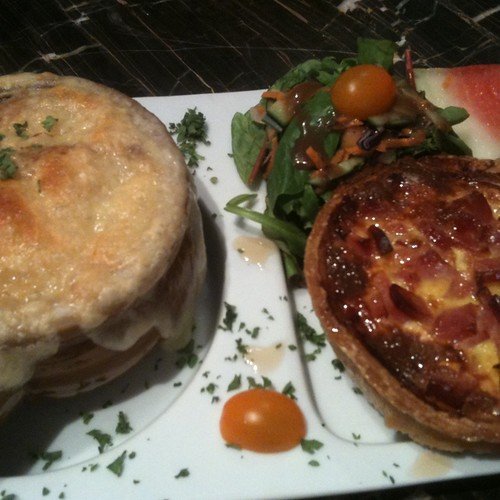
Quiche Lorraine traditionally features a creamy filling of eggs, cream, and lardons or bacon, set in a flaky pastry crust. However, this versatile dish has inspired a myriad of adaptations that cater to diverse tastes and dietary requirements, making it a beloved option for many occasions. Given its foundational nature, variations of Quiche Lorraine can incorporate different ingredients while still maintaining a connection to the classic recipe.
One popular adaptation involves the addition of vegetables, allowing for a delightful blend of flavors and textures. Spinach, mushrooms, and bell peppers are frequently used to enhance the nutritional profile and vibrant colors of the dish. Other variations might feature seasonal vegetables, such as zucchini or asparagus, enabling cooks to showcase the freshest produce available throughout the year. These vegetable-infusion approaches not only add depth to the flavor but also create a heartier dish that appeals to health-conscious diners.
Cheeses also play a prominent role in customizations. While Gruyère is a classic choice, many chefs and home cooks experiment with other varieties such as feta, goat cheese, or even sharp cheddar. The inclusion of aromatic herbs—such as thyme, basil, or chives—further elevates the overall taste and allows for personal expression in the kitchen.
For those with dietary restrictions, gluten-free and vegan versions of Quiche Lorraine are on the rise. Gluten-free crusts can be crafted from almond flour or a combination of different gluten-free flours, allowing individuals to enjoy this dish without concern for gluten intolerance. Vegan alternatives often employ silken tofu or cashew cream in place of eggs and dairy, producing an equally satisfying quiche that honors the spirit of the original recipe. These adaptations ensure that Quiche Lorraine remains inclusive, allowing everyone to experience its rich and comforting essence.
Where to Find the Best Quiche Lorraine
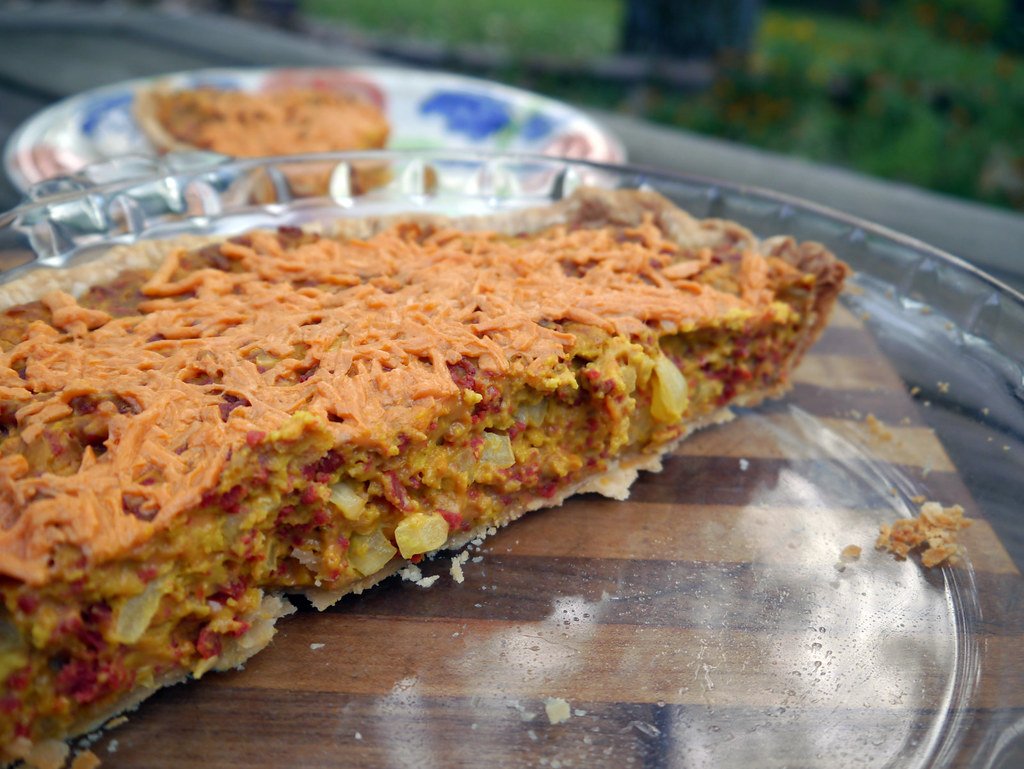
Quiche Lorraine is a beloved dish known worldwide, and many locations serve this delectable French classic with their unique spin. Whether you are in France or elsewhere, there are certain cafés and restaurants that stand out for their exceptional take on this savory tart. In France, visiting a traditional bistro is a must. Restaurants in regions like Lorraine, where the dish originated, often feature recipes passed down through generations. Renowned eateries such as “La Table de Jean” in Nancy offer authentic flavors, made with fresh eggs and cream sourced from local farms.
Internationally, cities like New York and London boast cafés and bakeries that have mastered the art of Quiche Lorraine. For instance, “Balthazar Bakery” in New York City is famed for its flaky crust and rich filling, which attracts both locals and tourists alike. In London, “Ladurée” not only presents a range of pastries but also serves a delightful Quiche Lorraine that blends traditional ingredients with a modern twist. Moreover, many artisanal bakeries experiment with different cheeses and seasonal ingredients reflecting local preferences.
When searching for the best Quiche Lorraine, certain characteristics can signal quality. First, pay attention to the crust; it should be buttery and flaky rather than dense. Secondly, the filling made with high-quality eggs and cream should exhibit a creamy texture and balance of flavors. Look for additional ingredients like crispy lardons or herbs, which can elevate the dish further. Lastly, a well-prepared Quiche Lorraine should be warm and served fresh, making it ideal for enjoying at any meal—whether breakfast, lunch, or dinner.