
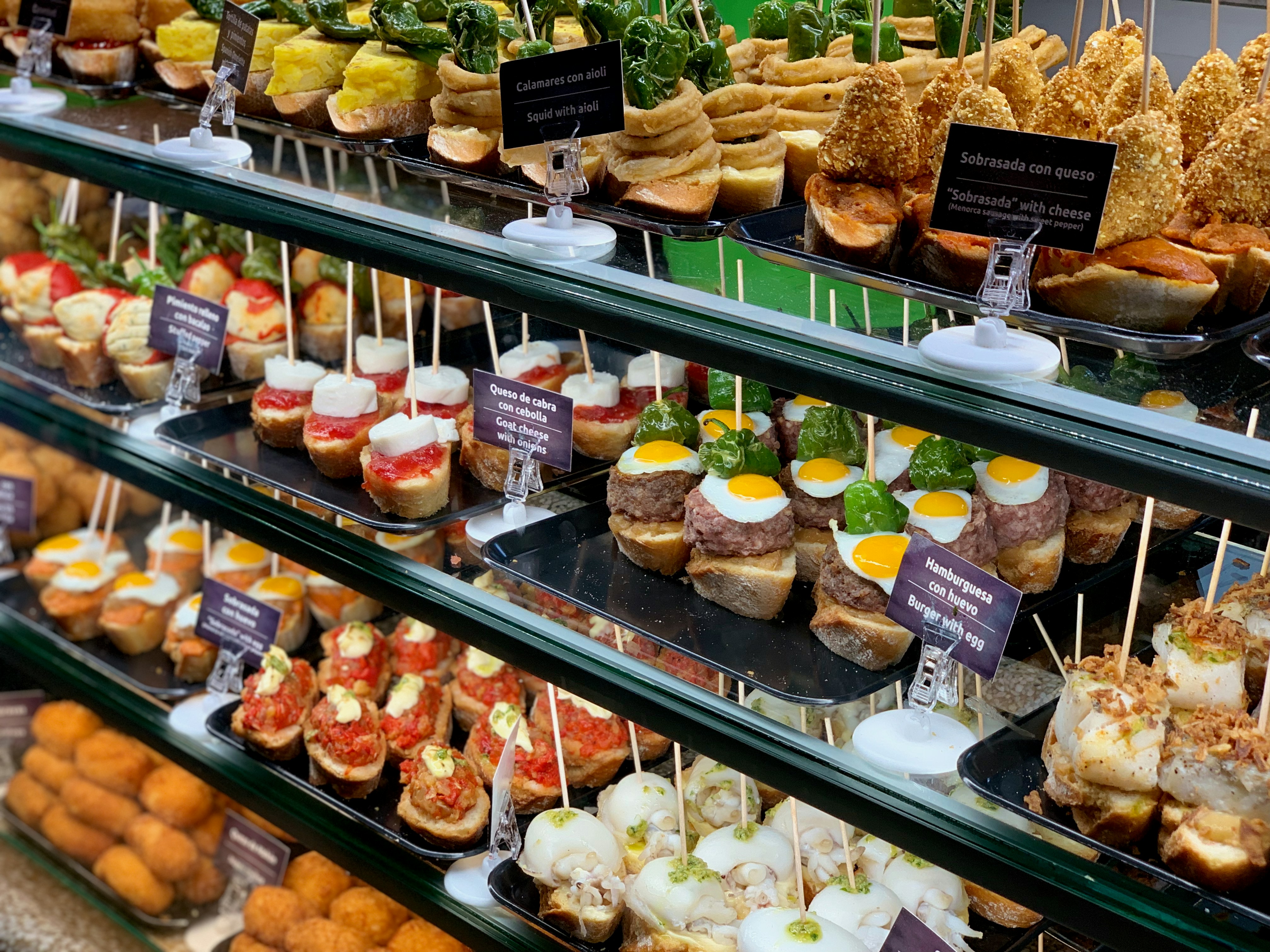
Introduction to Tortilla de Patatas
Tortilla de Patatas, commonly referred to as Spanish omelette, stands as a culinary icon in Spain, celebrated not only for its unique flavor but also for its rich history and cultural significance. Originating from humble beginnings, this dish has evolved over the decades to become a beloved staple across the nation. The earliest accounts of tortilla de patatas can be traced back to the 18th century, notably attributed to the region of Navarra, although variations exist throughout various Spanish provinces.
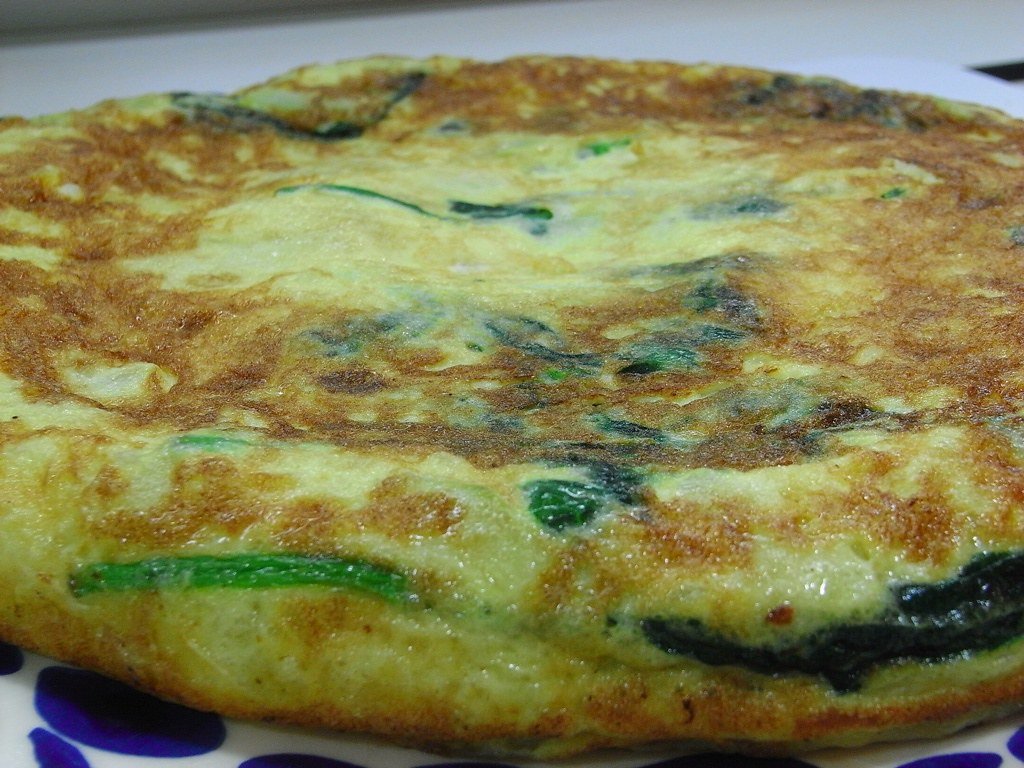
At its core, the tortilla is composed of two primary ingredients: eggs and potatoes, which are combined to create a delightful and satisfying dish. While the basic recipe remains consistent, regional adaptations exist, incorporating ingredients such as onions, chorizo, or greens, showcasing the versatility of this dish. In many households in Spain, tortilla de patatas takes center stage during family gatherings, social events, and even in tapas bars, where it is often served alongside other traditional Spanish dishes.
The cultural significance of tortilla de patatas extends beyond mere sustenance; it embodies a sense of national pride, often evoking nostalgia among Spaniards. As visitors indulge in this iconic dish, they experience more than just a meal; they partake in a shared cultural heritage, bridging generations and regions. The tortilla has also become a symbol of Spanish hospitality, frequently offered to guests as a token of welcome.
Overall, tortilla de patatas represents the heart of Spanish cuisine—simple yet profound. Its story reflects the evolution of food in Spain and highlights the integration of local ingredients that have shaped the culinary landscape. As we delve deeper into this dish, we will explore its variations, cooking methods, and the ways it continues to be cherished by people from all walks of life.
Ingredients and Preparation Techniques
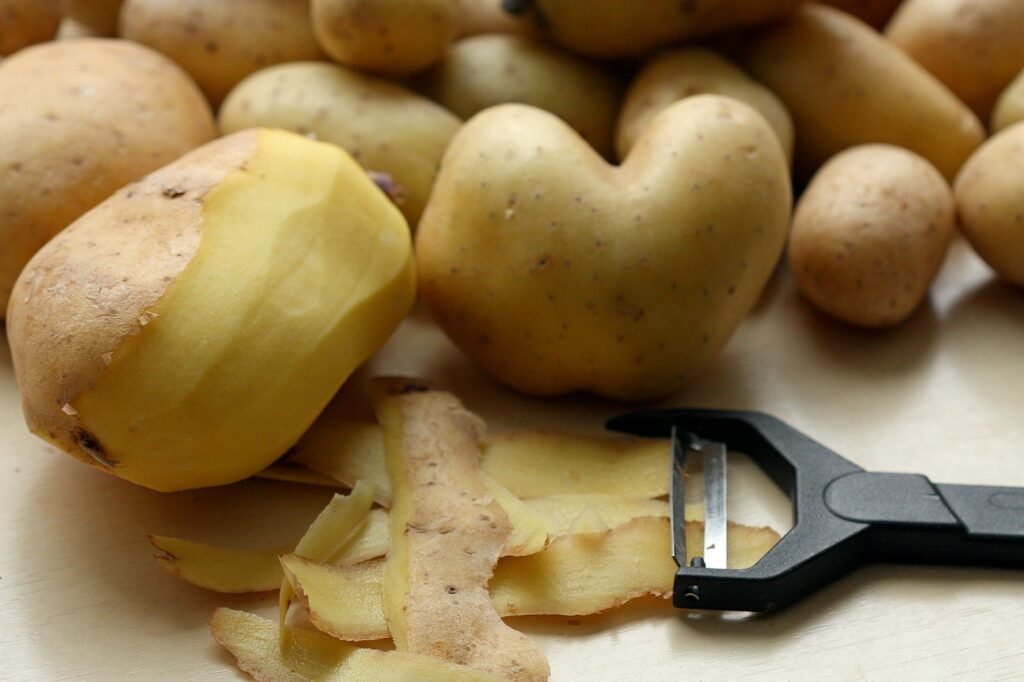
Tortilla de patatas, often regarded as one of Spain’s culinary treasures, primarily consists of three key ingredients: potatoes, onions, and eggs. The type of potatoes used significantly impacts the final texture of the dish. Floury or starchy potatoes, such as the Yukon Gold or Maris Piper, are typically preferred due to their ability to become creamy when cooked. Waxy potatoes, however, may hold their shape better but can result in a less cohesive tortilla.
The inclusion of onions is a topic of much debate among purists and modern interpreters alike. While some traditionalists argue against using onions, believing it detracts from the dish’s simplicity, others embrace their sweetness and moisture, which contribute depth to the tortilla de patatas. When adding onions, a yellow onion is commonly recommended for its balanced flavor, though red or white onions can serve as alternatives based on personal preference.
Preparation plays a crucial role in achieving the perfect tortilla. Begin by peeling and thinly slicing the potatoes, ideally using a mandoline for uniformity. This ensures even cooking and a harmonious texture. After slicing, the potatoes should be cooked in olive oil over medium heat until they are tender yet not browned. The onions, if included, can be added to the pan to soften slightly. Once the potato and onion mixture is ready, drain excess oil and combine with beaten eggs in a bowl.
Cooking the tortilla involves gently heating the mixture in the same pan or a new skillet. It is essential to control the heat and flip the tortilla carefully halfway through the cooking process to ensure even browning. Overcooking can lead to a dry texture, while undercooking may leave it too runny. Allowing the tortilla to rest for a few minutes before serving enriches the flavors and helps solidify its structure. By adhering to these guidelines, one can create a satisfying and authentic tortilla de patatas, reminiscent of those found in Spanish households.
Taste Test: A Journey Through Different Variations
Tortilla de patatas, a beloved dish in Spain, showcases remarkable versatility across various regions, with each locale offering its unique twist on the classic omelette. During a recent culinary exploration, several variations were sampled to spotlight the delightful creativity that chefs bring to this traditional fare. One notable variation encountered was the addition of chorizo, which introduced a rich, smoky flavor that complemented the earthiness of the potatoes and the creaminess of the eggs. This rendition, often found in the Andalusian region, achieved a textural balance that left a lasting impression on the palate.
In contrast, the inclusion of peppers, commonly seen in the Catalonia region, offered a fresher and lighter version. The sweetness of roasted red peppers brightened the dish, creating a vibrant color scheme that was as visually appealing as it was delicious. Tasting this variation revealed a delightful interplay between flavors, highlighting how simple ingredients can elevate a traditional Spanish dish.
Herbs, such as parsley or cilantro, are another common enhancement, especially in Basque cuisine. These variations presented an aromatic experience, with the fresh herbs lending a burst of fragrance and complexity to the tortilla. Local tasters shared personal anecdotes, recalling family gatherings where these herb-infused tortillas were the centerpiece of the meal, encouraging a sense of nostalgia and celebration.
Furthermore, the texture of these tortillas varied remarkably. Some regions offered a denser style, while others presented a fluffier omelette, showcasing the skill and artistry of the chef. The presentation also differed, with some tortillas served in wedges on rustic platters, while others were artfully arranged, emphasizing their regional significance. Through this taste test, it became clear that tortilla de patatas transcends being merely a dish; it embodies the diversity and richness of Spain’s culinary heritage, inviting diners to experience a true gastronomic journey.
Cultural Impact and Popularity Beyond Spain
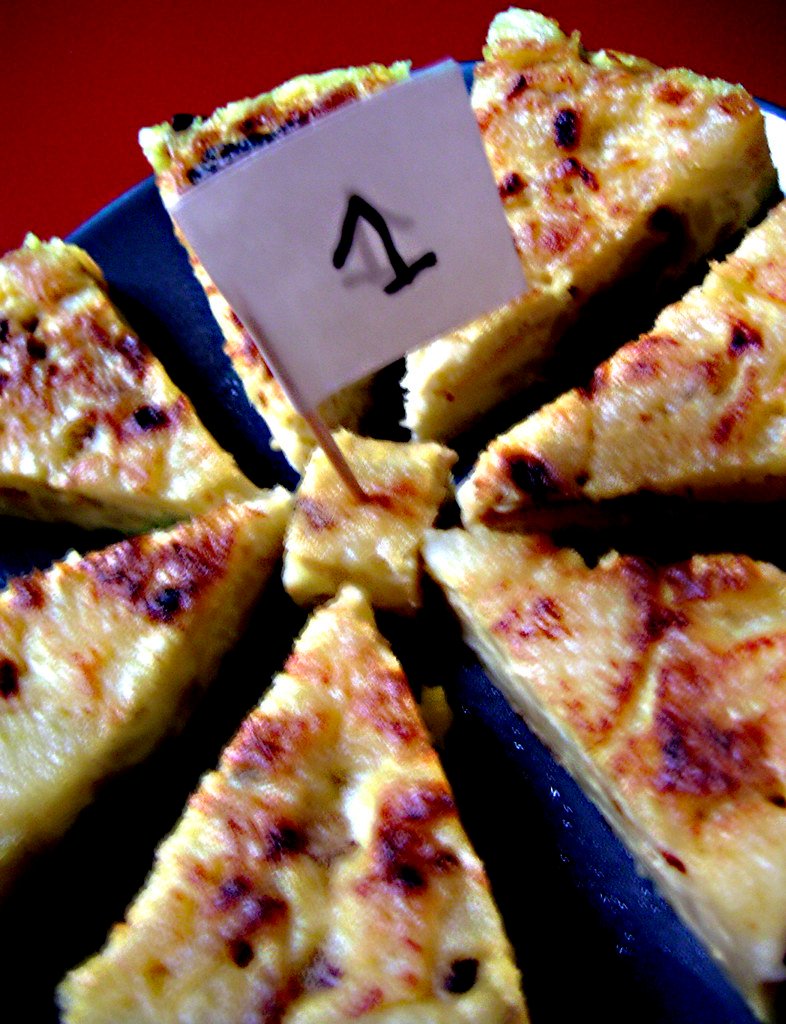
The tortilla de patatas has transcended its Spanish roots, becoming a beloved dish in various countries around the world. This iconic omelette has been embraced by an international audience, showcasing its versatility and appeal within diverse culinary contexts. Italian trattorias, Mexican taquerías, and even trendy cafes in urban centers have integrated tortilla de patatas into their menus, demonstrating its adaptability and charm. As a staple in Spanish cuisine, it is often featured in tapas bars worldwide, providing diners with a taste of Spain outside its borders.
The fusion of tortilla de patatas with local ingredients and culinary styles exemplifies its growing cultural significance. In places like the United States and Australia, chefs have begun to experiment with this classic dish, incorporating variations that reflect regional flavors alongside the traditional recipe. Such adaptations highlight the universal love for comfort food and the ways in which a single dish can unite people across different cultures. This has also led to a greater appreciation for Spanish cuisine as a whole, with tortilla de patatas acting as a culinary ambassador.
Tortilla de patatas is not just a dish; it represents community and social interaction. Commonly served during gatherings, celebrations, and social events, it encourages sharing and camaraderie. In Spain, it is a staple at birthdays or family reunions, often enjoyed with friends and loved ones. This aspect of the dish has resonated with food enthusiasts around the globe, turning it into a symbol of togetherness.
For those seeking the finest tortilla de patatas outside of Spain, numerous establishments have gained recognition for their authentic offerings. Tapas bars in major cities such as New York, London, and Sydney often serve delectable versions, making it easier for enthusiasts to experience this dish. By exploring these locales, one can enjoy the richness of Spanish culture through each bite of this iconic omelette.