
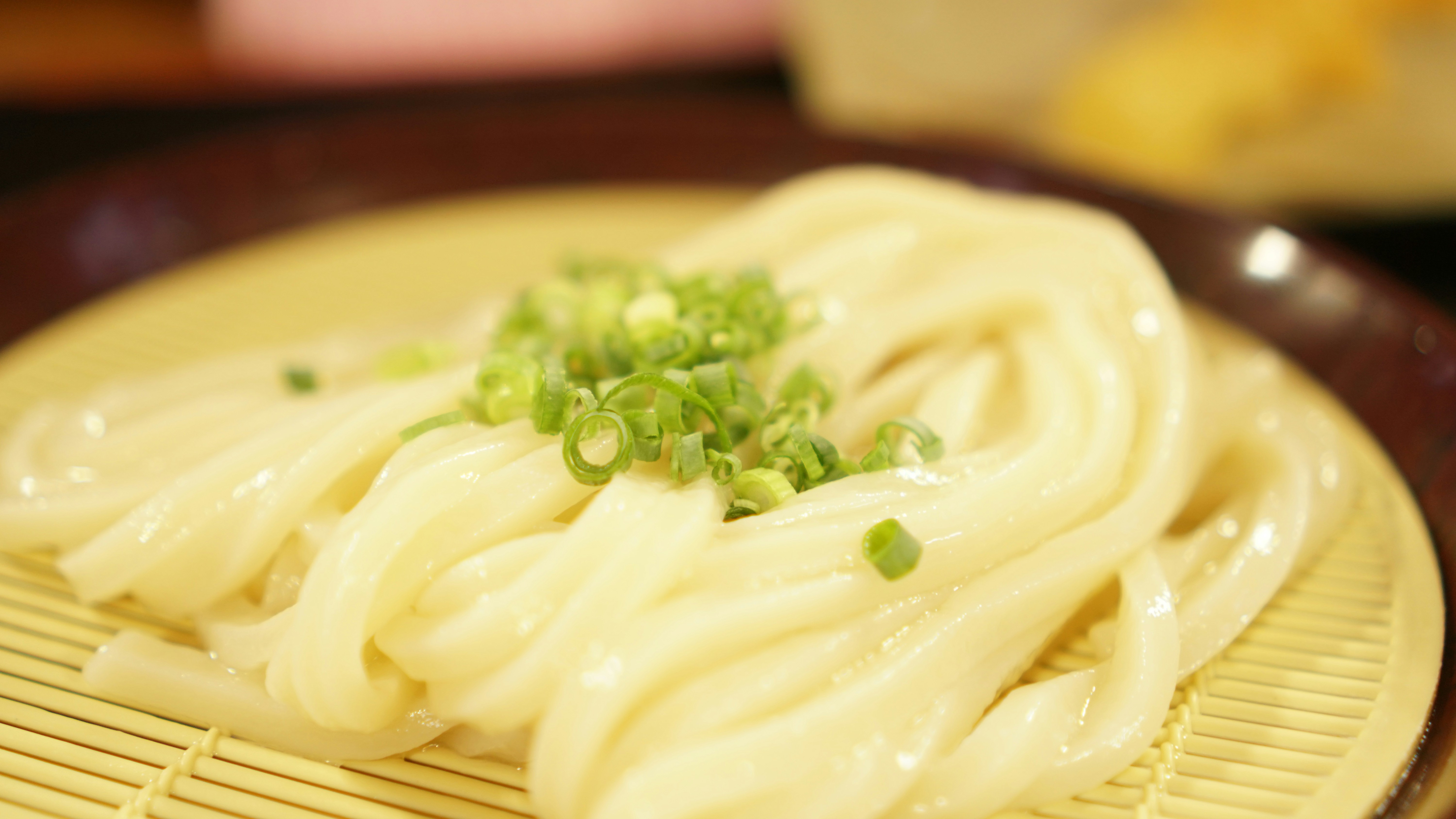
- The Origin of Udon
- A Brief History of Udon
- Understanding Udon: Meaning and Cultural Significance
- The Taste of Udon: Flavor Profiles and Varieties
- The Texture of Udon: A Sensory Experience
- Cooking Techniques: The Art of Making Udon
- Udon in Popular Culture
- Pairing Udon with Broths and Ingredients
- Udon Around the World: Global Influence and Adaptation
The Origin of Udon
Udon, a thick and chewy noodle, boasts a rich history that traces its origins back to China, where wheat-based noodles were first developed. Historical accounts suggest that udon was introduced to Japan during the Heian period (794-1185) by Buddhist monks who traveled to and from China. These monks brought back culinary practices, along with wheat flour, leading to the gradual integration of noodles into Japanese cuisine.
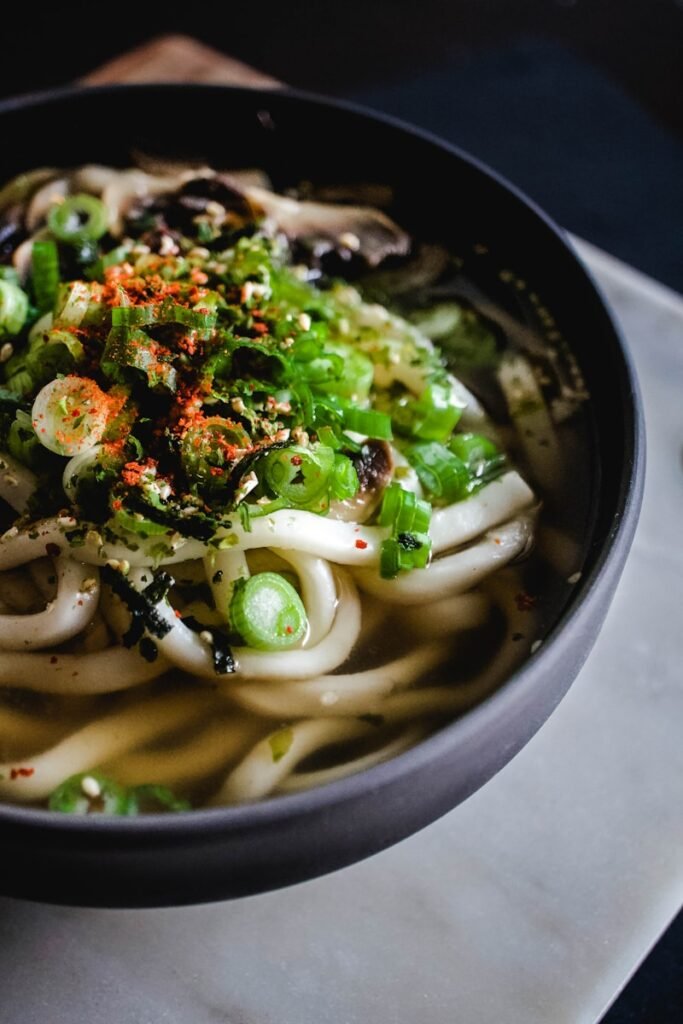
As the centuries progressed, udon began to evolve into its own distinctive form within Japan. The Kamakura period (1185-1333) saw the popularity of udon increase, as it was now enjoyed by the samurai class and commoners alike. The development of udon was further influenced during the Muromachi period (1336-1573), when regional variations emerged alongside the burgeoning trading networks that facilitated the exchange of culinary techniques and ingredients.
Throughout the Edo period (1603-1868), udon solidified its status as a staple in Japanese cuisine, particularly in cities like Edo (modern-day Tokyo). The culinary landscape expanded as udon shops proliferated, serving unique preparations according to local tastes. During this time, the use of dashi (a traditional Japanese stock) in udon soups became widespread, leading to flavorful broths that enhanced the noodle’s appeal.
Regional diversity played a significant role in shaping udon dishes, resulting in distinct styles such as Sanuki udon from Kagawa Prefecture, characterized by its firm texture, and Nishin udon from Kyoto, which features a sweet, nostalgic broth. Over time, udon’s significance transcended mere sustenance; it became intertwined with cultural practices, seasonal events, and communal dining experiences, highlighting its lasting impact on Japanese food heritage. Today, udon reflects Japan’s culinary evolution, symbolizing the fusion of tradition and innovation that characterizes the nation’s rich gastronomic history.
A Brief History of Udon
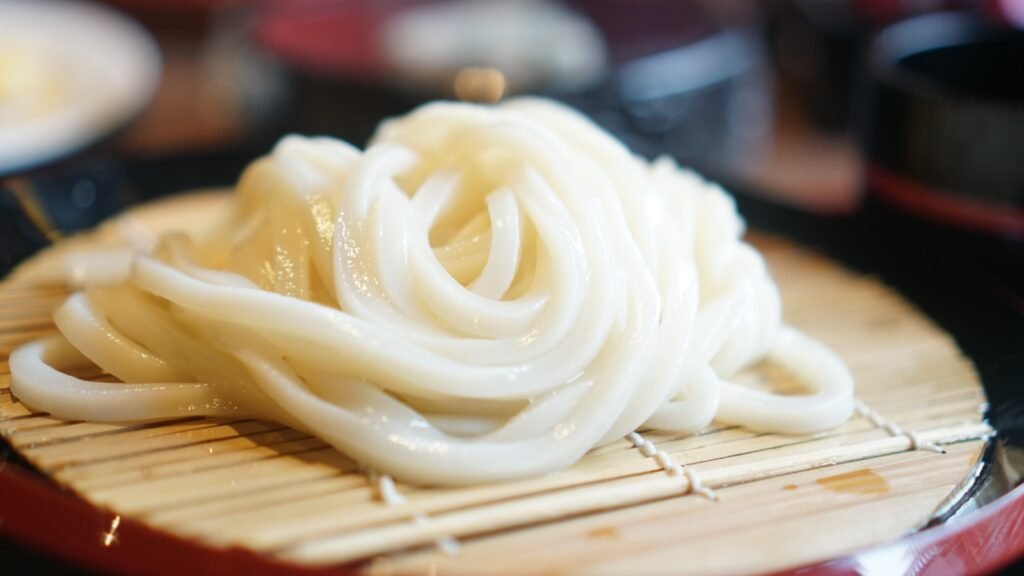
The history of udon, a beloved Japanese noodle dish, is both rich and multifaceted, tracing back to ancient times. According to historical documents, the earliest references to wheat noodles in Japan can be found in texts dating back to the early 9th century. During this period, these noodles were likely imported from China, a country with a long-standing tradition of wheat-based foods, including noodles. Scholars believe that the earliest udon in Japan closely resembled the Chinese equivalent, known as “mian.”
As Japan developed its own culinary identity, udon underwent significant transformations, evolving from its initial form. By the 13th century, records indicate that udon had become a staple in many Japanese households, particularly among the samurai class. During this time, the dish was often served in simple broths, emphasizing the freshness and flavor of the noodles themselves. Over the ensuing centuries, udon’s preparation methods diversified, reflecting regional ingredients and preferences. In cities like Kyoto, for instance, udon was infused with local flavors, incorporating seasonal vegetables and broths, while in the rural areas, simpler versions emerged, showcasing the versatility and adaptability of this noodle dish.
The Edo period (1603-1868) marked a significant milestone in udon’s history. As the urban population in cities such as Edo (modern-day Tokyo) grew, so did the demand for quick and convenient meals. Udon shops became common, serving as informal eateries where people from various social classes could enjoy this hearty dish. It was during this time that udon began to symbolize communal dining and accessibility, becoming a favorite among commoners and elites alike.
With the modernization of Japan in the late 19th and early 20th centuries, udon continued to flourish. Influences from Western cuisine, alongside the traditional recipes, led to new variations and innovations, ensuring that udon remained relevant in Japan’s evolving culinary landscape. Today, udon’s enduring presence in Japanese cuisine serves as a testament to its historical significance and cultural adaptability.
Understanding Udon: Meaning and Cultural Significance
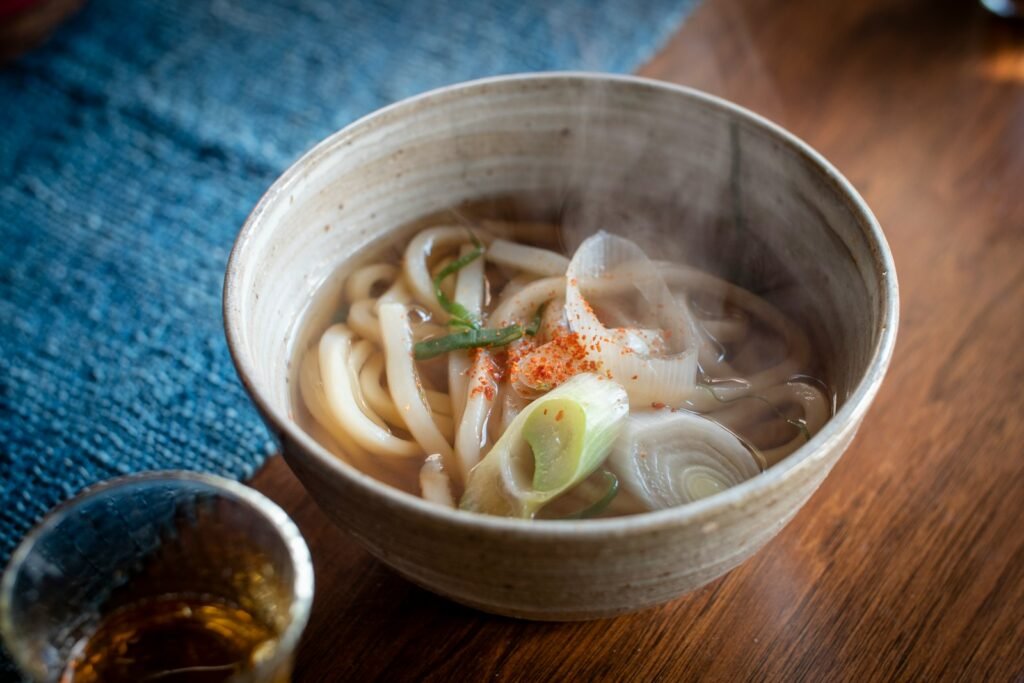
Udon, a thick wheat noodle, holds a prominent place in Japanese cuisine, not merely as a food item, but as an integral aspect of cultural identity and tradition. The term “udon” itself is derived from the Japanese word “udonno,” which translates to “thick,” aptly describing its characteristic size and texture. This noodle is commonly associated with comfort food in Japan, symbolizing warmth, nutrition, and sustenance during both ordinary and extraordinary times.
Udon’s cultural significance transcends individual consumption; it is often featured in communal meals, where family and friends gather to share dishes. This aspect underscores the value of social connections in Japanese society, where food serves as a conduit for fostering relationships. Additionally, udon plays a vital role in traditional Japanese festivals and rituals. For instance, during celebrations such as the New Year, special preparations of udon are made to symbolize longevity and prosperity, reinforcing its importance beyond the kitchen.
Moreover, udon is commonly consumed during various rituals and social occasions, highlighting its adaptability and significance in everyday life. Whether it is served in a hot broth during winter months or as a refreshing cold dish in summer, udon’s versatility makes it suitable for all seasons, catering to diverse preferences. Its preparation also varies regionally, with each area of Japan boasting unique variations, reflecting local ingredients and culinary practices.
In essence, udon encapsulates a richness in Japanese culture that extends far beyond its delicious taste. It embodies the spirit of togetherness, celebration, and the comforting embrace of traditional cuisine. As we delve deeper into the culinary experiences surrounding udon, we uncover layers of history and cultural resonance that make it a cherished component of Japanese heritage.
The Taste of Udon: Flavor Profiles and Varieties
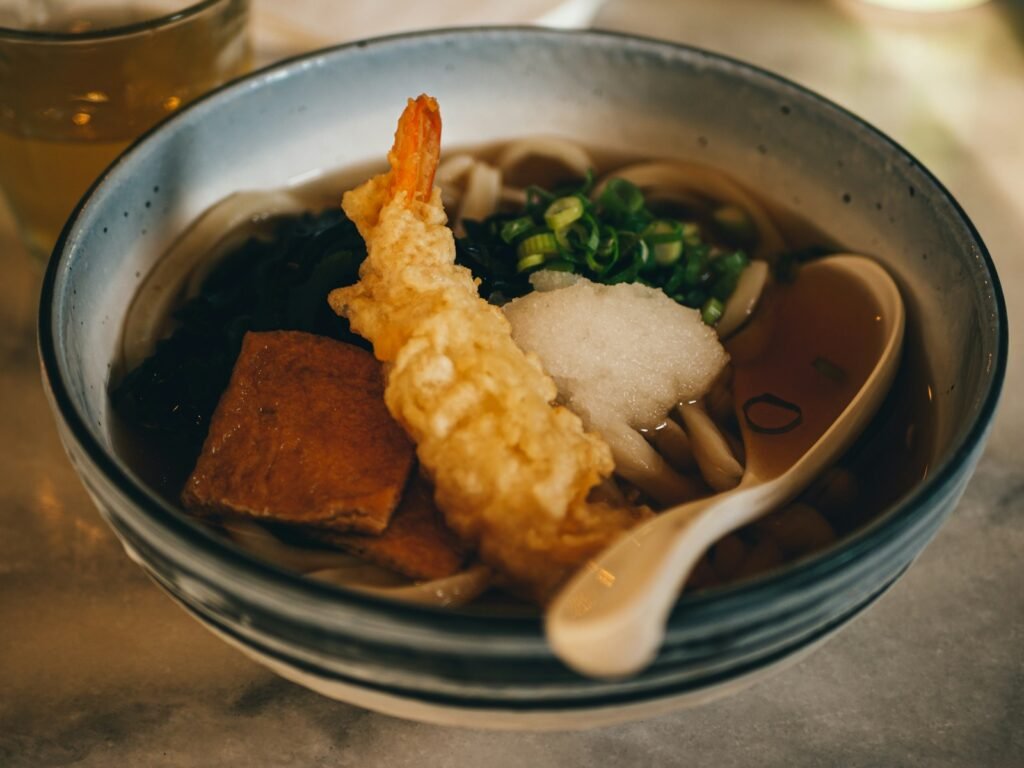
Udon, a beloved Japanese noodle dish, offers a remarkable range of flavors and textures that are largely influenced by its ingredients, broth, and garnishes. One of the key components of udon is the noodle itself, which is typically made from wheat flour, salt, and water. The thickness and chewiness of udon noodles can vary; thicker noodles tend to have a heartier, more substantial bite, while thinner varieties allow for a more delicate mouthfeel. This diversity provides a canvas for an array of flavor experiences.
The broth is another vital element that shapes the overall taste of udon. Traditionally, udon is served in a dashi-based broth, crafted from kombu (sea kelp) and katsuobushi (dried bonito flakes). The umami richness of the dashi contrasts beautifully with the soft, chewy noodles, creating a harmonious balance. Variants of udon, such as those found in the Sanuki region of Japan, often incorporate a clearer broth, while Hyōgo udon may feature richer, more robust flavors. Each regional style of udon showcases its unique culinary heritage, further enhancing the flavor profiles.
In addition to the foundational elements, the choice of garnishes plays an essential role in defining the taste of udon dishes. Common toppings such as green onions, tempura, tofu, or a raw egg contribute to the dish’s complexity, adding layers of flavor and texture. For instance, a bowl of udon dressed with tempura can introduce a crispy contrast to the soft noodles, while the addition of a raw egg can create a rich and creamy consistency. Other variations, such as curry udon, introduce spices that diversify the flavor experience, appealing to a wide range of palates.
The rich tapestry of udon flavors invites culinary exploration, making it a versatile dish in Japanese cuisine. From traditional bowls to modern interpretations, udon serves as a delightful culinary journey that continues to evolve, offering something for everyone to savor.
The Texture of Udon: A Sensory Experience
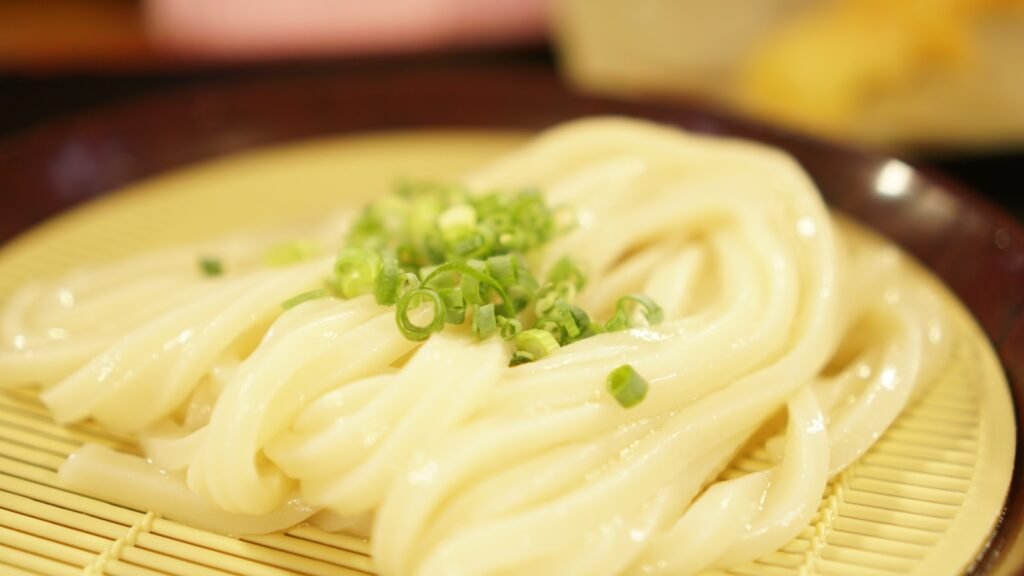
Udon noodles are renowned for their distinctive, thick texture, which significantly contributes to their appeal and overall eating experience. Unlike other varieties of noodles, such as soba or rice noodles, udon is made from wheat flour, water, and salt, resulting in a chewy and springy consistency that enhances the sensory experience. The unique texture arises from a specific production method that involves kneading the dough thoroughly, allowing the gluten to develop and create a satisfying bite.
The importance of thickness in udon cannot be overstated. Udon is typically listed as achieving a diameter of around 2 to 4 millimeters, offering a substantial mouthfeel that differentiates it from thinner noodles. This thickness not only allows for a more complex texture but also aids in the retention of soups and sauces, enhancing flavor absorption with each bite. As a result, the thicker udon can create a more fulfilling experience when combined with rich, hearty broths found in various udon dishes.
Another defining characteristic of udon noodles is their chewiness. As diners engage with the noodles, the satisfying resistance experienced when biting into each strand creates a pleasurable texture. This chewiness can vary significantly depending on the style of udon being served. For instance, in Kansai-style udon, the noodles tend to be softer and rounder, whereas Kanto-style udon may feature firmer and slightly more robust noodles. Additionally, the preparation method plays a role; for example, freshly made udon often possesses a more pronounced chewiness compared to its dried counterparts.
Incorporating udon into diverse dishes showcases its versatile texture, whether served in a hot broth or chilled with dipping sauces. Overall, the unique attributes of udon noodles elevate the culinary experience, allowing each bite to be savored, providing an encounter that transcends mere sustenance.
Cooking Techniques: The Art of Making Udon
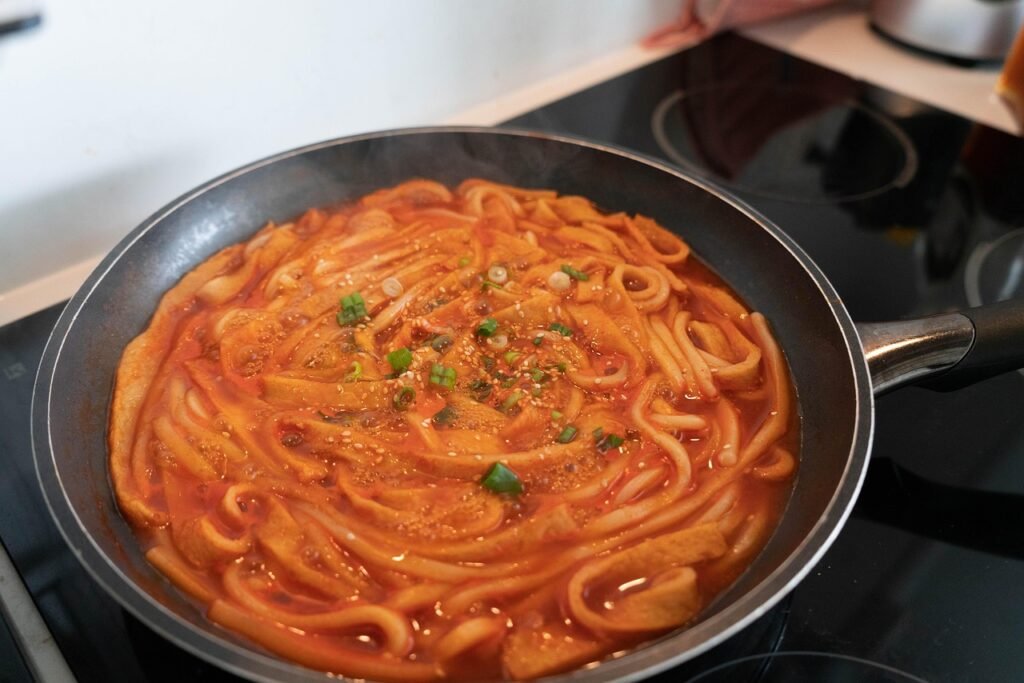
The creation of udon, a beloved type of Japanese noodle, is an art that requires skill, precision, and a deep understanding of traditional cooking techniques. A key aspect of crafting udon lies in the dough preparation, which involves a meticulous process of kneading, rolling, and cutting. Each step in the process is crucial, as it significantly influences the texture and overall quality of the final product.
To begin, the kneading of the udon dough is an essential part of the preparation. Traditional udon dough typically consists of just three ingredients: flour, water, and salt. The kneading process serves to develop gluten within the flour, imparting the chewy characteristic that udon is known for. Typically, this is performed by hand, allowing the chef to gauge the texture and adjust accordingly. The dough is kneaded with consistent pressure, often underfoot in a technique called “ashi-neri,” which combines body weight and rhythm, ensuring the right elasticity and smoothness is achieved.
Once the dough has been adequately kneaded, the next phase involves rolling it out to the desired thickness. This step is critical, as the thickness of the noodles can vary by region and personal preference. In some areas, thicker udon noodles are preferred, while in others, a thinner variety may be favored. The rolling process is usually done using a wooden rolling pin, allowing for even distribution and uniformity in the noodle shape.
The final stage is the cutting of the rolled-out dough into noodle strands. Craftsmen utilize a sharp knife to slice the dough, a skill that requires precision and practice. The width of the cut can also vary, determining whether the end product is thick udon or a slightly thinner type. Different regions in Japan have developed their unique practices and variations in these techniques, contributing to the rich tapestry of udon culture.
Udon in Popular Culture

Udon noodles, a staple of Japanese cuisine, have transcended their culinary boundaries and become emblematic in various forms of popular culture, including anime, manga, and film. The representation of udon in these media often underscores its significance as a symbol of comfort and nostalgia, reflecting the deep cultural ties that Japanese people have with their food. In many anime series, for instance, scenes featuring characters enjoying a warm bowl of udon after a long day convey a sense of warmth and intimacy, suggesting a sacred connection between nourishment and emotional well-being.
In manga, udon is frequently depicted in storylines that emphasize its role in familial bonds and traditions. Characters often reminisce about childhood memories associated with eating udon, showcasing how this simple dish can evoke powerful feelings of home and heritage. Such portrayals not only highlight the dish’s ubiquitous presence in everyday life but also serve as a reminder of the cultural identity tied to food, particularly in Japan. The act of sharing a bowl of udon becomes a metaphor for familial love and unity, reinforcing the idea that food is an integral part of relationships.
Film also embraces udon’s cultural significance, often featuring it as a central element in scenes that celebrate Japanese customs. For instance, culinary-themed films may showcase udon-making techniques passed down through generations, elevating it from mere sustenance to a revered art form. This highlights the craftsmanship involved and reflects Japan’s dedication to preserving its culinary heritage. The frequent appearance of udon in these artistic expressions reinforces the notion that food is not only about sustenance but is also a vital aspect of cultural continuity and connection, linking people to their past and to each other.
Pairing Udon with Broths and Ingredients
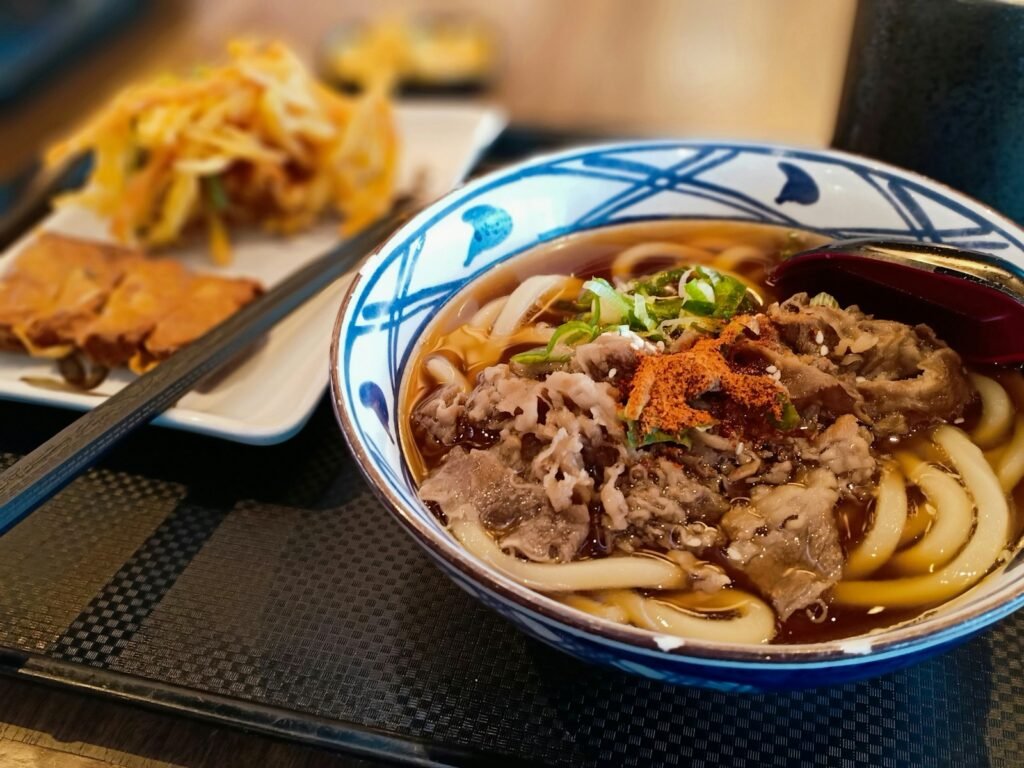
Udon, a traditional Japanese noodle, is celebrated for its thick, chewy texture and adaptability in various culinary contexts. One of the most delightful aspects of udon is its capacity to be paired with a wide range of broths and ingredients, creating diverse flavor profiles that cater to different tastes and regional preferences. The broth usually forms the backbone of any udon dish, with dashi, a stock made from kombu (sea kelp) and bonito flakes, being the most common base. This umami-rich broth complements the noodles beautifully, enhancing their inherent flavors.
In addition to dashi, other broths such as soy sauce-based or miso-based broths offer unique variations. These alternatives allow chefs to experiment and adapt udon dishes to regional flavors. For example, in the Kansai region, a lighter, clearer broth is favored, while in the Kanto area, a thicker sauce-based variant prevails. This regional distinction showcases the versatility of udon, allowing it to fit seamlessly within various culinary traditions.
Udon is often accompanied by an array of ingredients that elevate the dish further. Tempura, crispy battered vegetables or seafood, serves as a popular accompaniment, providing a delightful contrast in texture. Green onions add a refreshing crunch and a hint of sharpness, balancing the rich flavors of the broth. Eggs, whether boiled, poached, or raw, introduce creaminess and depth, making each bite more indulgent.
Moreover, fusion dishes emerging from the global popularity of udon highlight its adaptability. For example, udon may now be found in stir-fries or utilized in Italian-style pasta dishes, showcasing how this traditional noodle has transcended its cultural origins. Through these pairings, udon continues to evolve, appealing to both traditionalists and modern palates alike.
Udon Around the World: Global Influence and Adaptation

Udon, a traditional Japanese noodle, has transcended its regional origins to become a beloved dish within various culinary traditions across the globe. The thick, wheat-based noodles have quickly garnered attention beyond Japan, inspiring chefs and food enthusiasts alike to innovate and adapt this staple in numerous ways. As globalization spreads the boundaries of culinary arts, udon stands at the forefront of this evolution, demonstrating its versatility and appeal.
In many Western countries, udon has found its place on diverse restaurant menus, often coexisting alongside other Asian dishes. The rise of udon-centric restaurants outside of Japan speaks volumes about its growing popularity. For example, cities in North America and Europe have witnessed the establishment of dedicated udon shops that focus on a variety of preparation methods and flavors, appealing to local tastes while remaining true to its Japanese roots. Here, udon can be served in classic broth or combined with sauces and toppings that reflect regional cuisines, such as fusion dishes incorporating Italian ingredients or spices commonly found in Indian cooking.
Moreover, the accessibility of udon in supermarkets has made it easier for home cooks to experiment with this noodle as they seek to replicate restaurant-style dishes in their kitchens. Pre-packaged udon, instant varieties, and even gluten-free options are now widely available, allowing for greater experimentation and creativity. This adaptability has propelled udon into international culinary discussions, leading to innovative dishes that are reshaping its identity. Chefs are increasingly utilizing udon as a canvas to express unique flavors, pairing it with non-traditional elements and local produce.
As udon continues to evolve worldwide, its rich history and tradition blend with modern culinary influences, creating an exciting fusion of flavors and experiences. This journey illustrates how a simple dish can unite cultures, reflect innovation, and inspire a love for cooking across borders.