
Introduction to Egyptian Rice with Vermicelli
Egyptian rice with vermicelli, known locally as “Roz bil Shawaya,” holds a significant place in the culinary landscape of Egypt. This versatile dish is not only a staple at family dining tables but also a reflection of Egypt’s rich cultural heritage. Often served as a side dish alongside various stews, grilled meats, or lentils, it features prominently during family gatherings and special occasions. The harmonious blend of rice and thin vermicelli noodles creates a comforting texture that has won the hearts of many, making it a beloved component of traditional Egyptian meals.
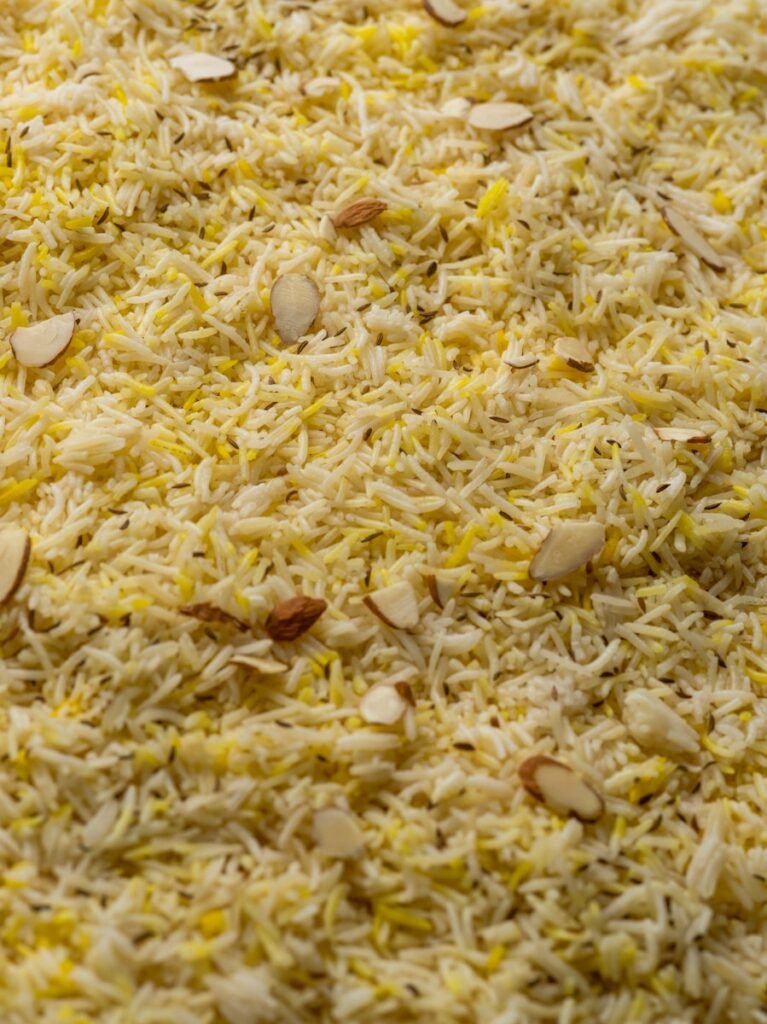
The origins of rice with vermicelli date back several centuries, influenced by the diverse cultures that have passed through Egypt. Its preparation showcases the ingenuity of Egyptian cooks, who skillfully blend simple ingredients to create delightful culinary experiences. The dish typically comprises long-grain rice, which lends itself to a fluffy texture, along with vermicelli that adds a unique crunch and nutty flavor once toasted. This distinctive pairing sets Egyptian rice apart from other rice dishes found in global cuisines.
Ingredients and Preparation Techniques
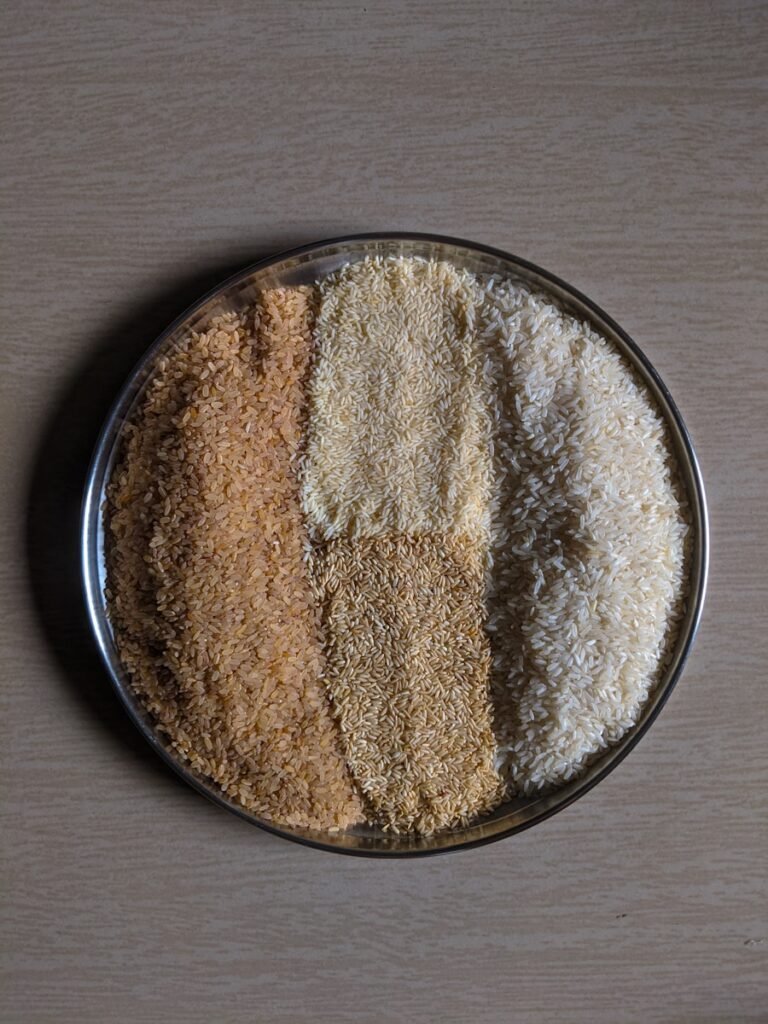
To prepare the authentic Egyptian rice with vermicelli, one must start with quality ingredients. The foundation of this dish is long-grain rice, which is commonly used for its fluffy texture and ability to absorb flavors. When selecting rice, it is advisable to opt for varieties such as Egyptian rice or Basmati, as these retain their shape well during cooking. Additionally, vermicelli noodles are critical; they should be thin and capable of achieving a golden, crispy texture when fried.
Another important aspect is the aromatic spices that enhance the flavor profile of the dish. Commonly used spices include cumin, cinnamon, and salt, which together create a harmonious blend that complements the rice and vermicelli. Fresh herbs, such as parsley or dill, can be added for garnish and provide an additional layer of freshness to the dish.
The preparation techniques employed in making Egyptian rice with vermicelli play a vital role in achieving the desired results. The first step involves frying the vermicelli noodles in a small amount of oil until they are golden brown. This step not only adds texture but also imparts a rich, nutty flavor to the dish. It is important to keep a close eye on the noodles while frying, as they can quickly shift from golden to burnt. Once the vermicelli reaches the perfect color, it is removed from the heat and set aside.
Next, the long-grain rice is rinsed thoroughly to remove excess starch, which prevents clumping during cooking. The rice is then combined with water and the fried vermicelli, along with the selected spices. Simmering the rice mixture allows the flavors to meld beautifully, resulting in a dish that is both aromatic and flavorful. By adhering to these ingredient selections and preparation techniques, one can create an authentic Egyptian rice with vermicelli experience.
Flavor Profile and Pairings
Egyptian rice with vermicelli is characterized by a unique flavor profile that combines rich, nutty notes with a warmth from aromatic spices. The vermicelli, often toasted to a golden brown before being added to the rice, contributes a distinct crunch and depth of flavor, elevating the dish beyond simple rice preparation. This subtle yet impactful nutty essence interacts beautifully with the well-seasoned rice, which is typically prepared with a blend of spices and broth, resulting in a delightful symphony of tastes and textures.
The seasoning in Egyptian rice usually incorporates a variety of spices, with cumin and coriander being particularly prominent. Cumin lends a warm earthiness that balances the nuttiness of the vermicelli, while coriander adds a hint of citrus and floral notes, enhancing the overall flavor complexity. When combined, these spices create a harmonious blend that can be further enriched by the addition of garlic and onion, deepening the savory qualities of the dish.
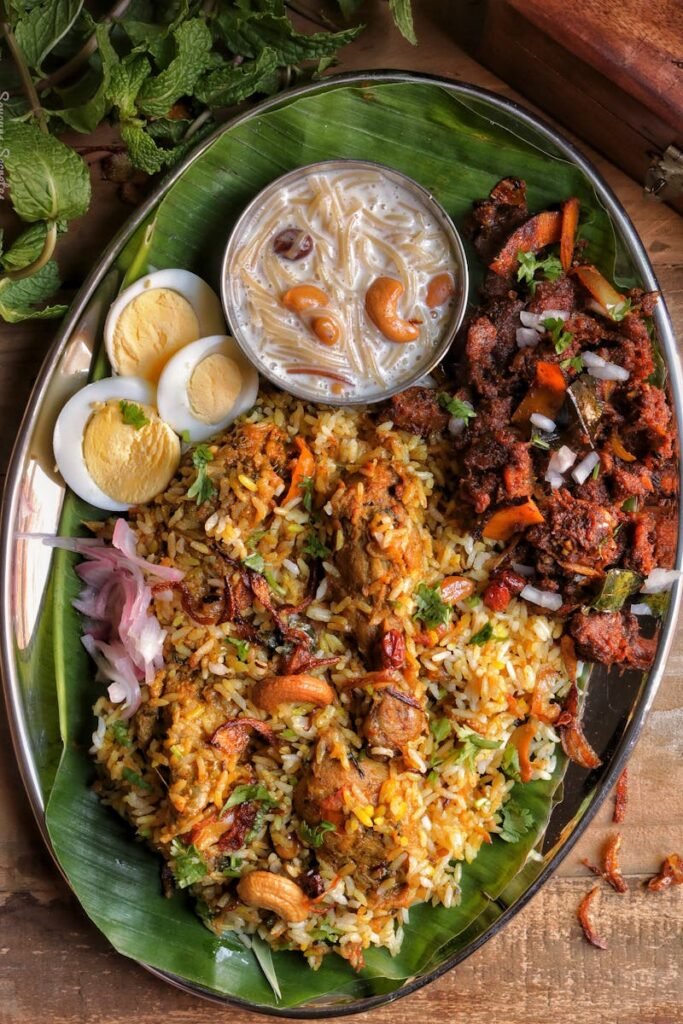
To create a complete and satisfying meal, various side dishes, proteins, and sauces can be paired with Egyptian rice and vermicelli. Roasted or grilled meats, such as lamb or chicken, complement the rich flavors, while vegetables—either sautéed or roasted—can provide a refreshing contrast. Additionally, a side of tahini sauce, yogurt, or a tangy cucumber salad can introduce a creamy or zesty element that heightens the overall dining experience.
For a more traditional approach, consider serving the rice alongside stews or tagines, which can further enhance the flavors through their sauce bases. Ultimately, Egyptian rice with vermicelli offers versatility in pairings, making it an appealing addition to any meal.
Cultural Context and Serving Suggestions
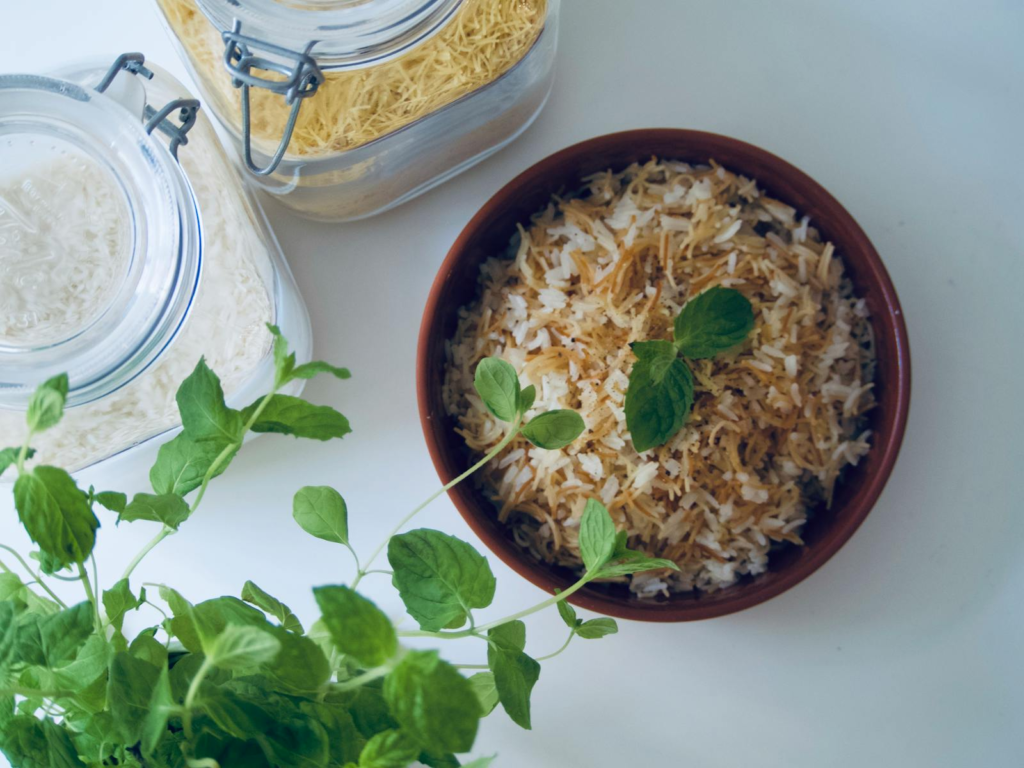
Egyptian rice with vermicelli is a traditional dish that holds significant cultural importance in Egypt. Often regarded as a comfort food, it transcends mere sustenance, encapsulating the history and communal values of Egyptian cuisine. Traditionally, this dish is served during family gatherings, religious celebrations, and festivals, symbolizing hospitality and unity. For instance, during Ramadan, Egyptian families frequently prepare rice with vermicelli as a staple accompaniment to main dishes, embodying the spirit of togetherness as they break their fast.
In festive contexts, it is common for this dish to be paired with various meats, such as roasted chicken or lamb, enhancing its flavor profile and making it a centerpiece on the dining table. The preparation methods can vary regionally, with some families adding spices like cinnamon or cardamom to elevate the taste. Rice with vermicelli is also found at weddings and special events, showcasing its adaptability to celebratory contexts where sharing a meal reflects deeper social bonds.
Modern home cooks around the world can honor this authentic Egyptian dish while also customizing it to suit diverse palates. For instance, introducing vegetables like bell peppers or peas into the rice can provide a contemporary twist on the classic recipe without losing its essence. Additionally, incorporating protein substitutes such as mushrooms or tofu can accommodate vegetarian diets while still offering the comforting texture and taste characteristic of the original dish.
Overall, Egyptian rice with vermicelli serves as a culinary bridge connecting generations and cultures. Whether appreciated at a large gathering or enjoyed as a simple meal at home, this dish encapsulates the warmth of Egyptian hospitality and invites everyone to partake in a shared experience around the dining table. Embracing these traditions while allowing for personalized adaptations ensures that the heritage of this beloved dish continues to thrive in a globalized culinary landscape.