
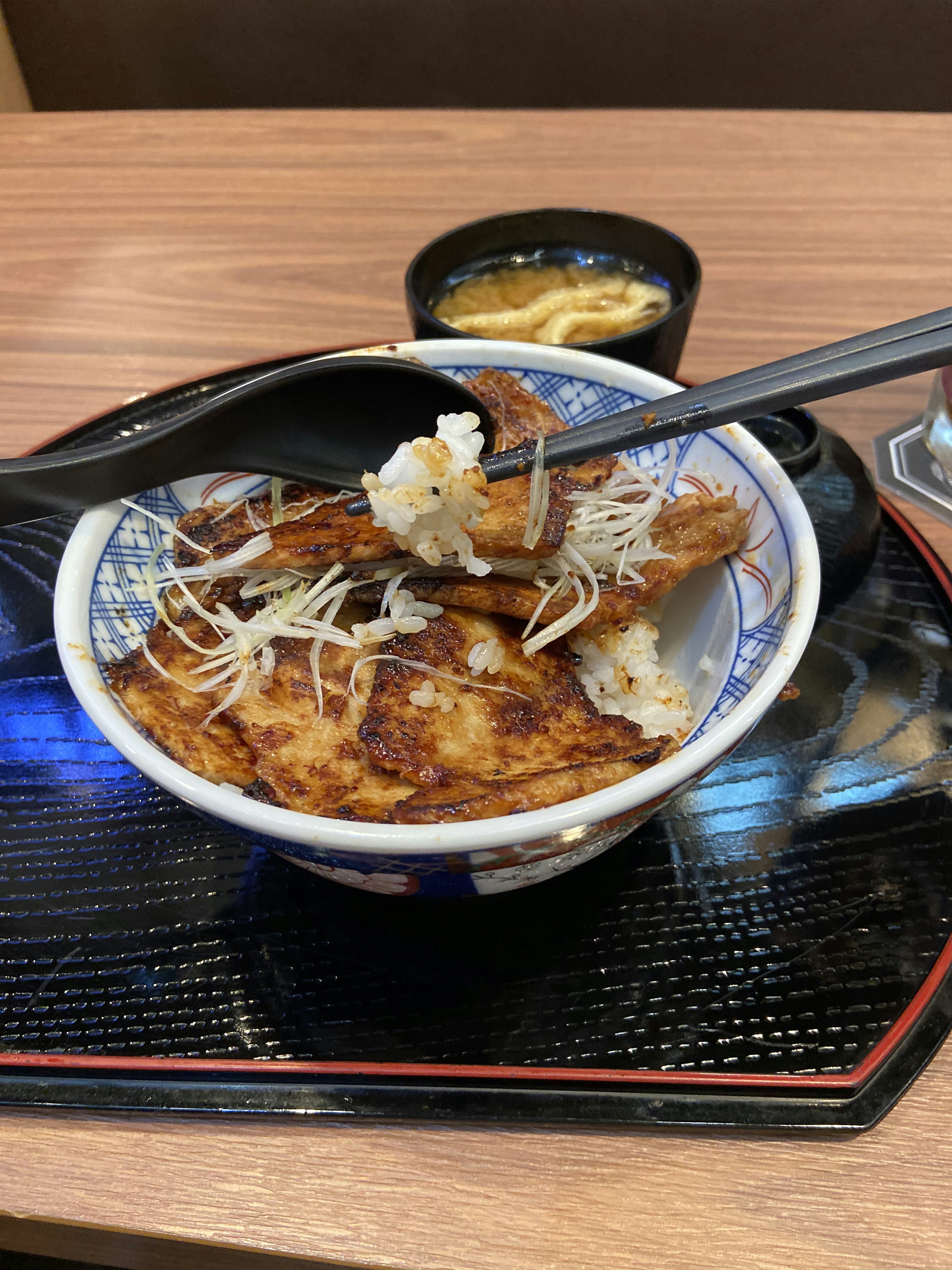
Introduction to Donburi
Donburi, a quintessential element of Japanese cuisine, is a rice-based dish that serves as a canvas for various toppings, embodying both comfort and culinary artistry. The term “donburi” itself refers to a bowl, specifically a bowl of rice topped with an assortment of ingredients such as meat, vegetables, and eggs, which together create a harmonious blend of flavors. This traditional dish has deep roots in Japan, tracing its origins back to the Edo period when it emerged as an accessible and convenient meal solution for workers and everyday citizens.
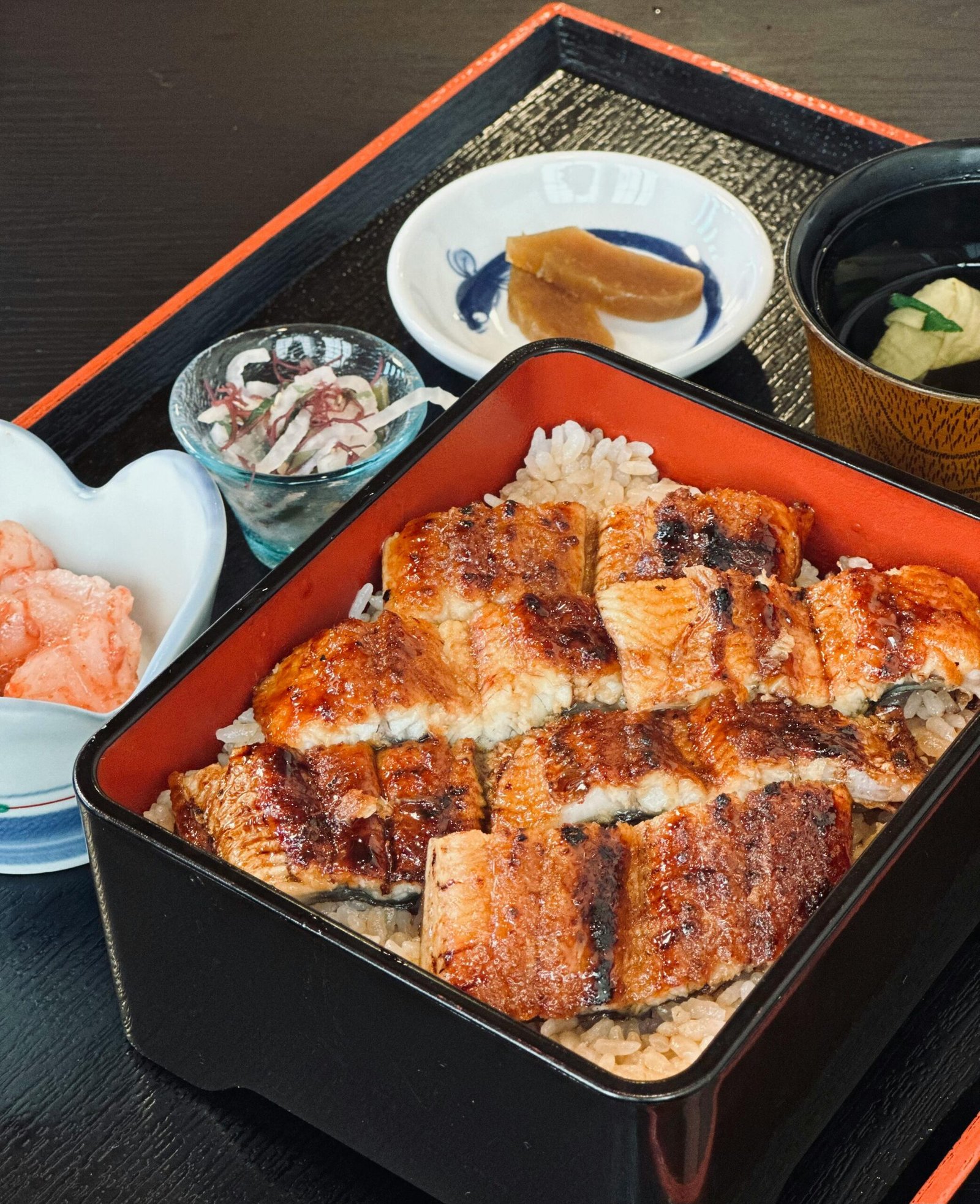
Throughout history, donburi has evolved to reflect the diversity of Japanese culinary practices. Its significance lies not only in its satisfying nature but also in its capacity to accommodate a variety of regional and seasonal ingredients. From the widely cherished gyudon, featuring tender beef and onions, to the seafood-rich kaisendon, donburi showcases the versatility of ingredients that celebrate local flavors. Each region of Japan presents its own distinctive variations, which can be influenced by geography, climate, and cultural traditions. For instance, the use of fresh fish and shellfish is prevalent in coastal areas, while meat-based preparations dominate the inland regions.
Beyond its regional differences, donburi is embraced for its ability to cater to varied dietary preferences. Vegetarian and vegan renditions are also available, highlighting healthy vegetables, tofu, or soy-based proteins as toppings. This adaptability is a significant reason why donburi has gained popularity not only in Japan but also on the global culinary stage, appealing to diverse palates. The combination of the fragrant rice base and the chosen toppings creates a meal that is not only filling but also visually appealing, making donburi a beloved dish worldwide.
Common Types of Donburi and Their Ingredients
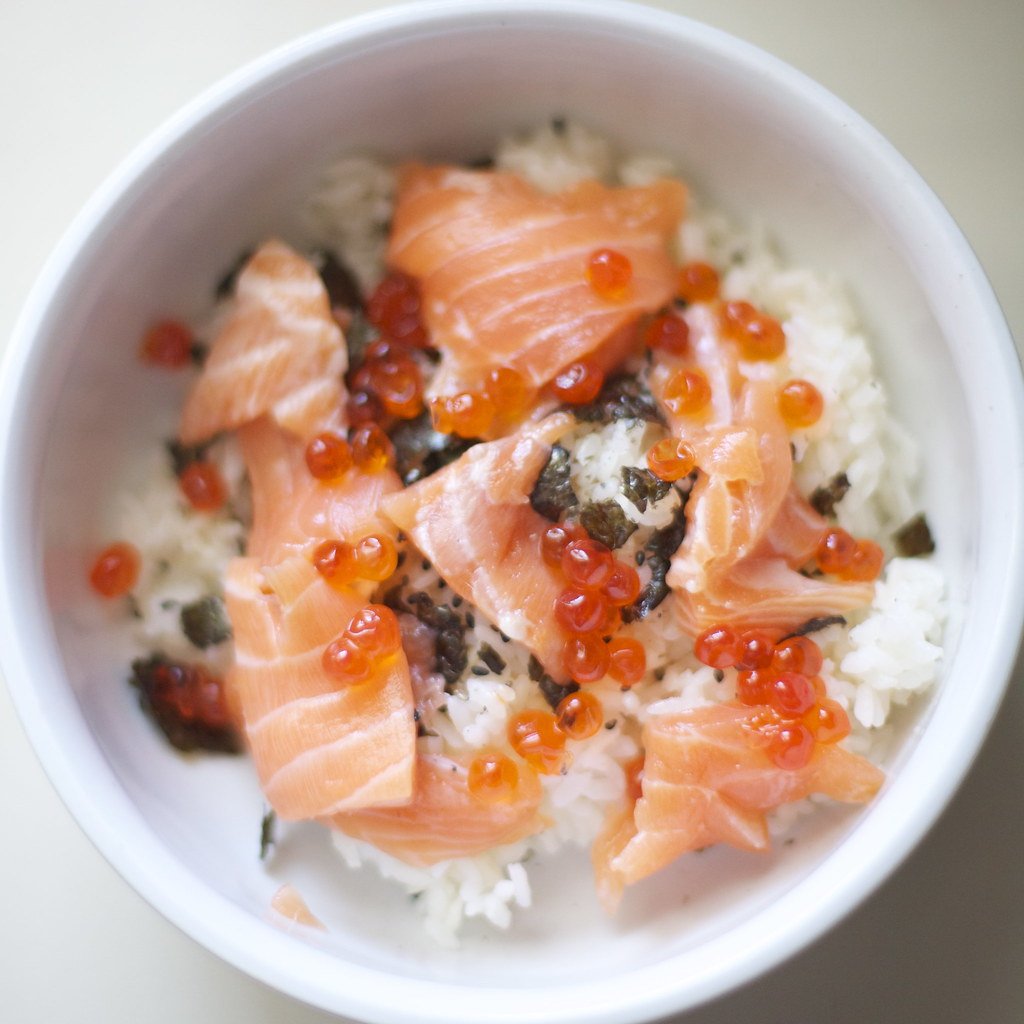
Donburi, a beloved staple in Japanese cuisine, presents an array of delightful dishes that cater to various palates. Among the most popular types are oyakodon, gyudon, and katsudon, each with its unique characteristics and ingredients that define them.
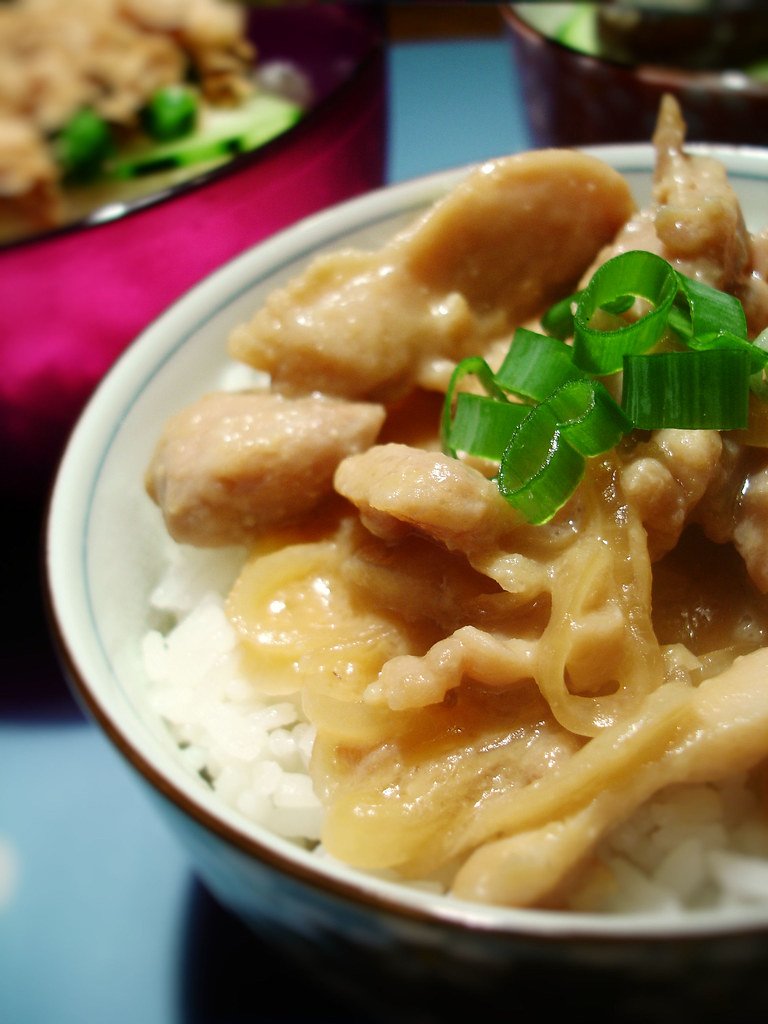
Oyakodon, which translates to “parent-and-child donburi,” features succulent chicken and tender eggs as its primary ingredients. The chicken is often sliced and gently simmered in a sweet and savory sauce made from soy sauce, mirin, and dashi. Once the chicken is cooked, beaten eggs are added, creating a rich, cohesive flavor that marries beautifully with the rice beneath. This donburi is cherished not only for its comforting taste but also for the symbolic relationship between the chicken and the egg.
Gyudon, or beef bowl, is another favored variant, known for its simplicity and satisfying flavors. The dish consists of thinly sliced beef, usually ribeye or sirloin, which is cooked alongside onions in a mixture of soy sauce, sake, and mirin. The seasoned beef is served over steamed rice, often garnished with green onions, pickled ginger, or a raw egg yolk for an added layer of richness. Gyudon stands out for its heartiness and is a popular choice for those seeking a fulfilling meal.
Katsudon, or pork cutlet donburi, is a delightful option that features a breaded and fried pork cutlet, known as tonkatsu. The cutlet is sliced into strips and placed over a bed of rice, topped with a mixture of eggs that are lightly cooked together with the meat and a savory sauce. With its crispy texture and rich flavor profile, katsudon is often considered a comfort food, making it a favorite among many.
Each of these donburi varieties offers a unique and comforting experience, showcasing the versatility and deliciousness of Japanese cuisine. As you explore the world of donburi, it becomes clear that these dishes are as diverse as they are delectable.
Experiencing Donburi: A Review of Popular Restaurants
The world of donburi presents a delightful fusion of flavors and textures that can be savored in various esteemed establishments. One notable venue is “Sushi Zen,” famed for its succulent Gyudon. This dish features tender slices of beef over a bed of perfectly cooked rice, accompanied by a savory yet delicate onion sauce. The atmosphere here is a blend of contemporary chic and traditional Japanese elegance, allowing diners to immerse themselves fully in the experience. The attentive staff is well-versed in the menu and readily offers recommendations for those who may be unfamiliar with donburi.
Another standout is “Katsu House,” which specializes in Ten Don, or tempura donburi. The restaurant’s warm and inviting ambiance is complemented by its visually appealing presentation. Each bowl arrives with an assortment of lightly battered and fried seafood and vegetables, all artfully arranged atop steaming rice. The freshness of the ingredients, coupled with a captivating dipping sauce, creates an elevated culinary experience. During my visit, the staff demonstrated exceptional service, promptly answering questions and ensuring a memorable dining experience.
Venturing into more casual territory, “Noodle & Rice Co.” offers a unique take on donburi with their Kimchi Don. This dish showcases a vibrant mix of kimchi, grilled chicken, and fresh vegetables, creating a perfect balance of spice and flavor. The modern, bustling atmosphere makes it an ideal spot for quick lunches or a laid-back dinner with friends. The staff’s approachability enhances the experience, as they share generous portions of their recommendations, ensuring that each guest leaves satisfied.
In exploring these restaurants, it is clear that donburi offers a myriad of culinary experiences, whether through traditional recipes or creative adaptations. Each venue possesses its own charm and signature dishes, encouraging diners to embark on their own savory journeys within the world of donburi.
How to Make Perfect Donburi at Home
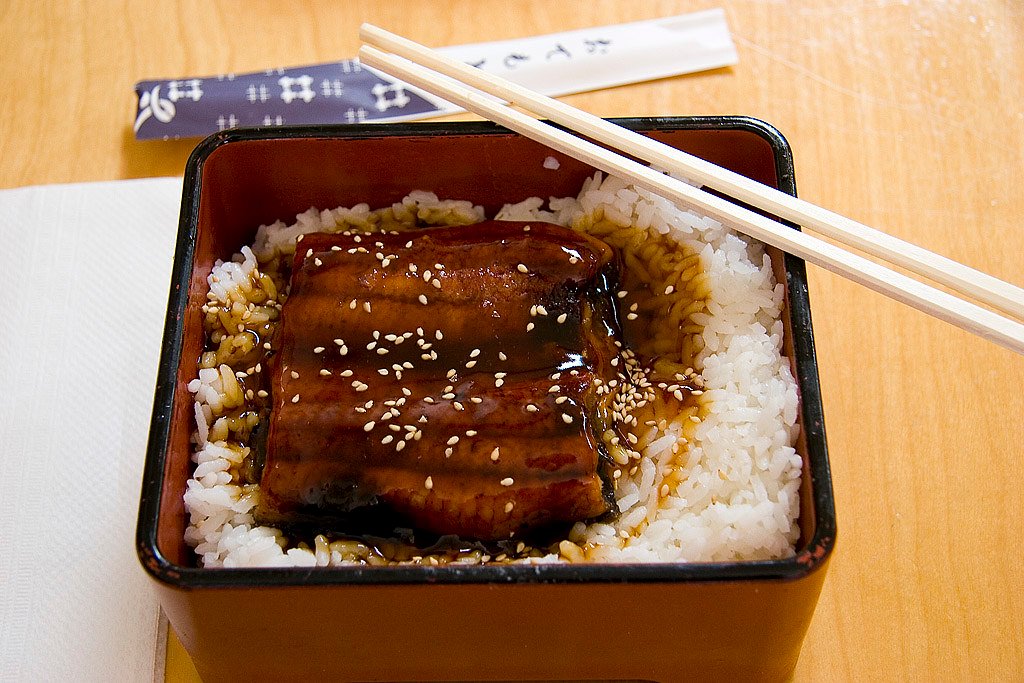
Creating the perfect donburi at home involves a combination of essential ingredients, cooking techniques, and creative adaptations. This Japanese rice bowl dish can be customized to suit individual tastes, making it a versatile meal for any occasion. Here’s a step-by-step guide to preparing a simple yet delicious donburi.
To begin with, gather the following essential ingredients: 2 cups of short-grain Japanese rice, 400 grams of protein (such as chicken, beef, or tofu), a selection of seasonal vegetables (such as green onions, carrots, and mushrooms), 4 tablespoons of soy sauce, 2 tablespoons of mirin, and 1 tablespoon of sugar. Additionally, you may want to include dashi stock for enhanced flavor, although it is optional.
Start by rinsing the rice thoroughly to remove excess starch and then cook it in a rice cooker, adhering to the appropriate rice-to-water ratio. While the rice cooks, prepare your protein. If using chicken or beef, slice it into thin pieces for quick cooking. In a skillet, heat a tablespoon of oil and sauté your protein of choice until browned and cooked through. Once adequately sautéed, add the diced vegetables, followed by soy sauce, mirin, and sugar to create a savory sauce.
After the rice is ready, fluff it with a fork and divide it into individual serving bowls. Spoon the protein and vegetable mixture over the rice, allowing the flavors to meld beautifully. While this recipe serves as a great foundation, donburi offers room for creativity. Consider variations such as using different sauces or substituting proteins and vegetables based on personal preference.
Remember, donburi is not merely about the ingredients, but also about the presentation. Garnish with sliced green onions or sesame seeds to elevate the visual appeal. Embracing this approach will ensure your donburi not only tastes remarkable but also looks enticing on the plate. With practice, you’ll be able to churn out exquisite donburi that reflects your culinary flair.