
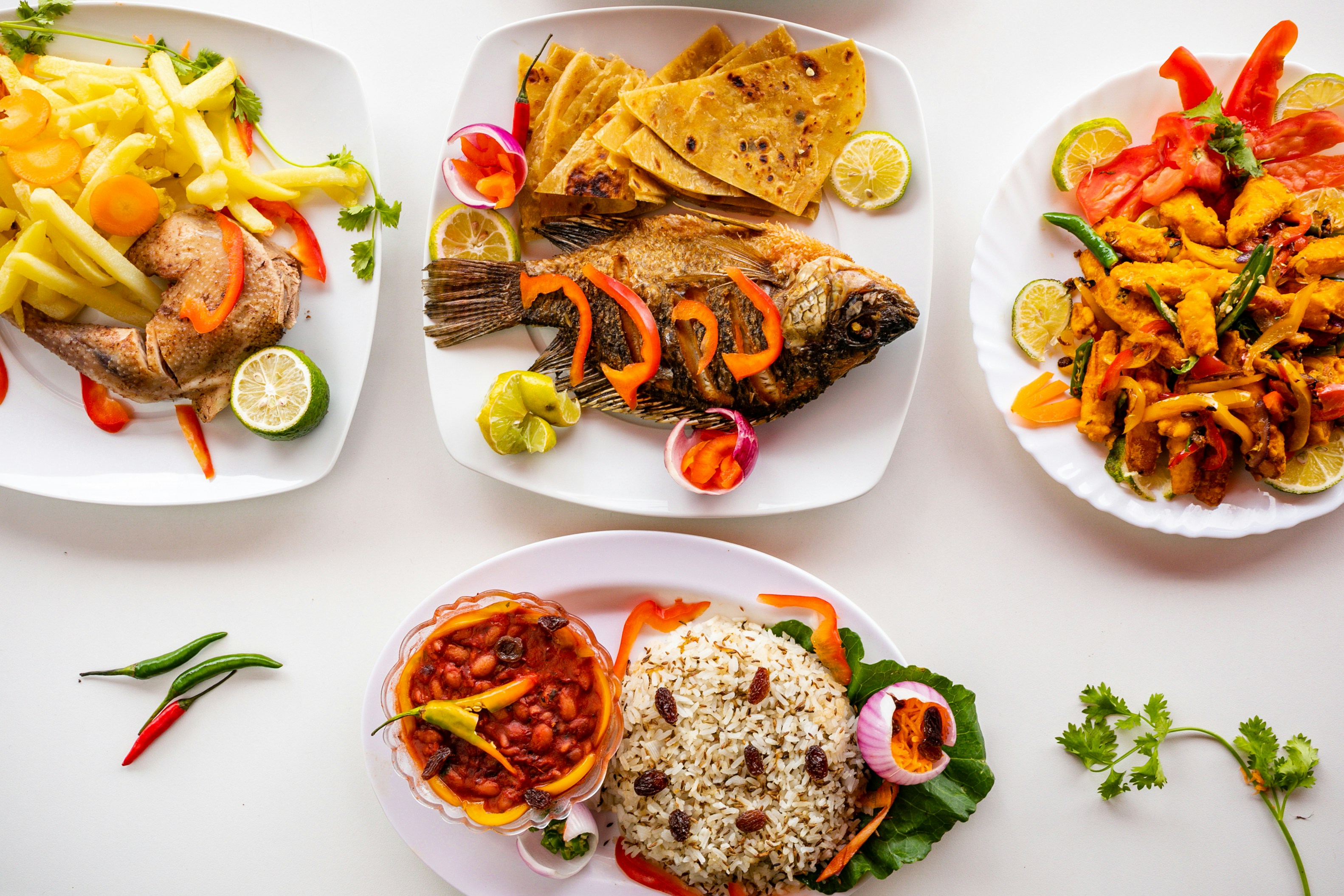
Introduction to Mukimo: A Cultural Staple
Mukimo is a traditional Kenyan dish that embodies the rich cultural heritage of the Kikuyu community and holds a significant place in the tapestry of East African cuisine. Its origins can be traced back centuries, deeply rooted in communal values and celebrations that foster togetherness among families and friends. Mukimo, which translates to “mashed,” is typically prepared from a delightful combination of green peas, potatoes, and corn. These ingredients are not only staple foods in Kenya but also represent the agricultural bounty of the region.
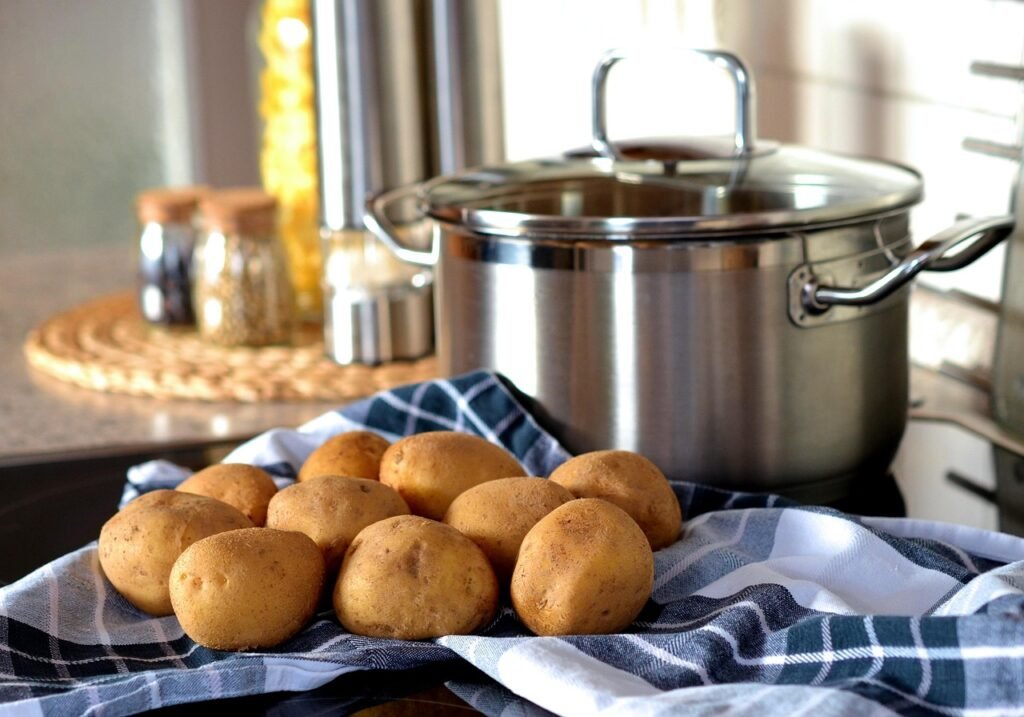
Preparing Mukimo is often a communal activity, symbolizing unity and shared effort. Family members and friends gather to wash, peel, and cook the ingredients together, creating a sense of togetherness that underscores the dish’s importance in Kenyan culture. Once cooked, the ingredients are mashed together to form a smooth and flavorful dish that is rich in both texture and nutrients. Mukimo is commonly served as a side dish to accompany various proteins such as meat, fish, or vegetables, making it a versatile component of the Kenyan meal.
The cultural significance of Mukimo goes beyond its nutritional value; it is often featured in celebrations such as weddings, harvest festivals, and other important gatherings, where it serves as a symbol of abundance and hospitality. In these contexts, Mukimo is not merely food; it acts as a bridge connecting generations, fostering stories, laughter, and an appreciation for ancestral traditions. Furthermore, its preparation and enjoyment reflect a deep respect for the land and the agricultural practices that sustain the community. Thus, Mukimo stands as a culinary staple that radiates warmth, love, and cultural identity, making it an essential part of daily life and special occasions within Kenyan culture.
Exploring the Flavors: A Taste Experience
Mukimo, a traditional Kenyan dish, stands out for its vibrant flavors and engaging texture. At the heart of this culinary delight is the combination of mashed potatoes, green peas, and corn. These primary ingredients not only provide a robust foundation but also contribute significantly to the overall taste experience. The creamy texture of the mashed potatoes lends a smooth and fulfilling mouthfeel, while the green peas introduce a subtle sweetness that invigorates the dish. The addition of corn enhances the natural sweetness and offers a delightful contrast in texture, making each bite an exciting exploration of flavors.
To elevate and enrich the taste profile of Mukimo, a variety of spices and herbs may be introduced. Commonly used enhancements include garlic and onions, which impart a fragrant aroma and a savory depth to the dish. The careful integration of herbs such as coriander or parsley adds a fresh brightness, balancing the earthiness of the potatoes and the sweet notes from the peas and corn. Sometimes, a hint of chili powder or black pepper is incorporated to introduce a gentle warmth, creating layers of flavor that cater to diverse palates.
The preparation of Mukimo is an art in itself, as each ingredient is meticulously blended to achieve a harmonious flavor profile. This dish is not merely a meal; it represents a cultural experience that resonates with locals and those embarking on their first encounter with Kenyan cuisine. As one savors Mukimo, the symphony of flavors comes together, providing an engaging taste experience that showcases the rich culinary heritage of Kenya. Each bite invites the eater to appreciate the careful craftsmanship behind this traditional meal, ultimately showcasing the potential of its simple yet flavorful ingredients.
Textures That Delight: From Creamy to Crunchy
Mukimo, a traditional Kenyan dish, presents a remarkable tapestry of textures that significantly enhances its overall appeal. The essence of Mukimo lies in its harmonious blend of creamy mashed components and the slight crunch of added vegetables. This interplay between textures not only augments the dish’s visual allure but also enriches the sensory experience that Mukimo offers.
The base of Mukimo typically consists of mashed potatoes or ripe bananas, which provide a creamy and smooth mouthfeel. This creaminess is a vital element, inviting the diner to indulge in its comforting nature. However, it is the incorporation of various vegetables, such as green peas, corn, and carrots, that introduces a delightful crunch to the dish. These vegetables are often diced or chopped into manageable pieces, providing an interesting contrast to the soft, velvety foundation. This combination of textures not only elevates the overall experience but also showcases the versatility of ingredients used in Mukimo.
The methods of preparation further influence the texture of Mukimo. For instance, steaming vegetables before adding them to the mash helps retain their crunchiness, while overcooking can lead to a mushier consistency. Moreover, the choice of cooking fat, such as ghee or butter, can impart a slight creaminess, enhancing the dish while still allowing the inherent crunch of vegetables to shine through. Each method uniquely contributes to the final result, creating a multifaceted texture profile that is both satisfying and enjoyable.
Ultimately, the aesthetics and pleasure of consuming Mukimo are deeply intertwined with its textures. The creamy and crunchy elements work together to create a balanced experience, allowing diners to appreciate the diverse attributes of this dish. Mukimo not only embodies the complexity of Kenyan cuisine but also illustrates the significance of texture in gastronomic enjoyment.
Visual Appeal: Plating and Presentation of Mukimo
The presentation of Mukimo plays a vital role in enhancing its overall dining experience. As a dish rich in history and culture, Mukimo’s aesthetic appeal can be significantly elevated through thoughtful plating techniques. Traditional Mukimo is typically a vibrant medley of green mashed peas, creamy potatoes, and often includes fresh greens, such as spinach or pumpkin leaves. These ingredients, when arranged artistically, create a visually stunning dish that captivates the senses long before the meal begins.
One effective way to enhance the visual appeal of Mukimo is through the use of colorful ingredients. Vibrant greens can be contrasted with the soft yellow or creamy white of potatoes. By incorporating additional garnishes such as finely chopped carrots, fresh herbs, or edible flowers, the dish can be transformed into a visual masterpiece. Plating techniques that emphasize height or layering can also contribute to an appealing presentation. For instance, stacking layers of Mukimo can create a more dynamic and inviting appearance, enticing diners to indulge in the meal.
Modern plating styles often advocate for negative space on the plate, allowing the dish to ‘breathe’ and preventing a cluttered look. By thoughtfully leaving some areas of the plate empty, the colors and textures of the Mukimo can stand out, drawing attention to its natural beauty. Additionally, utilizing small bowls or rings to mold the Mukimo can create a refined aesthetic that enhances the dish’s presentation. This approach not only showcases the dish’s ingredients but also invites diners to appreciate the careful preparation involved.