
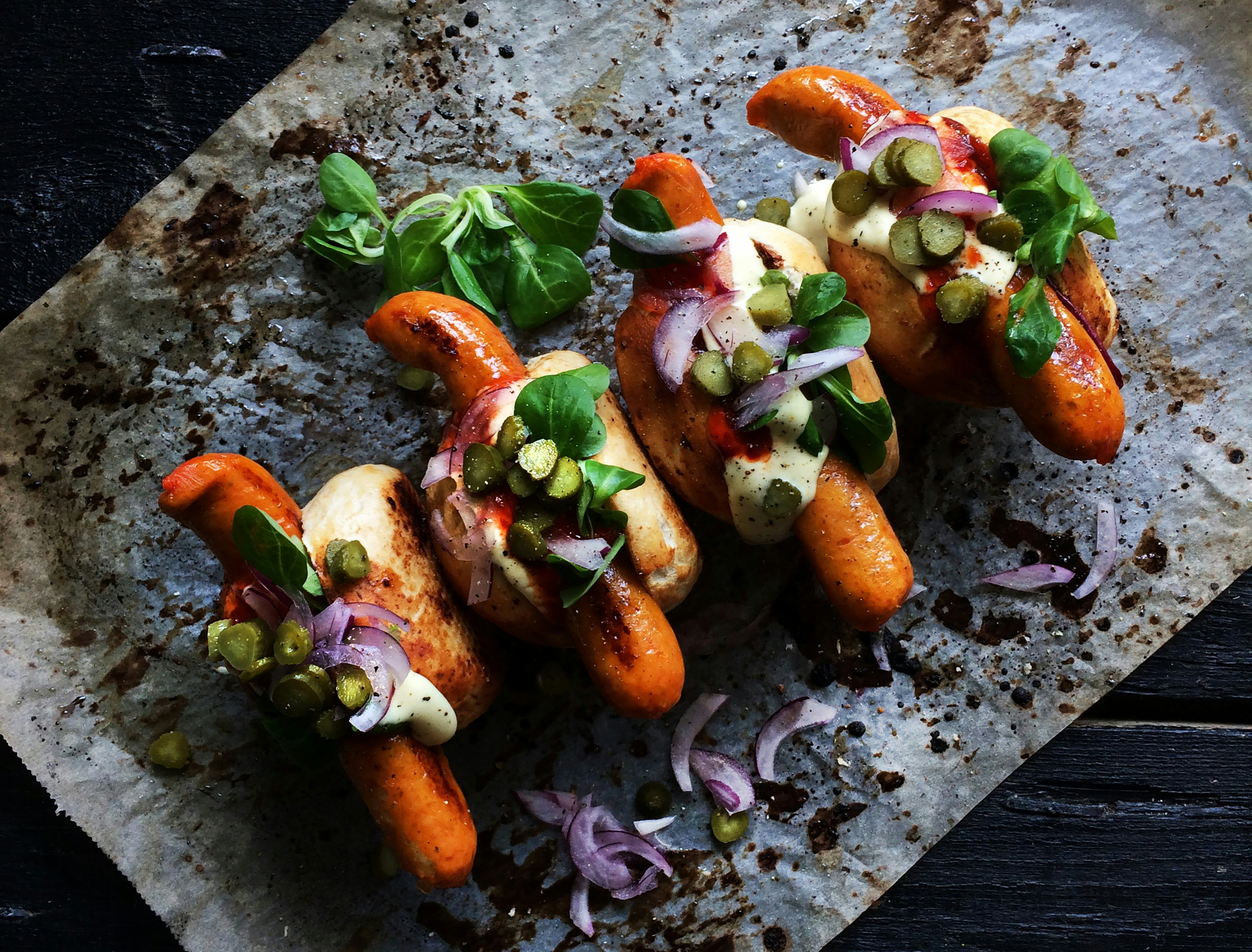
The Origins of Boerewors
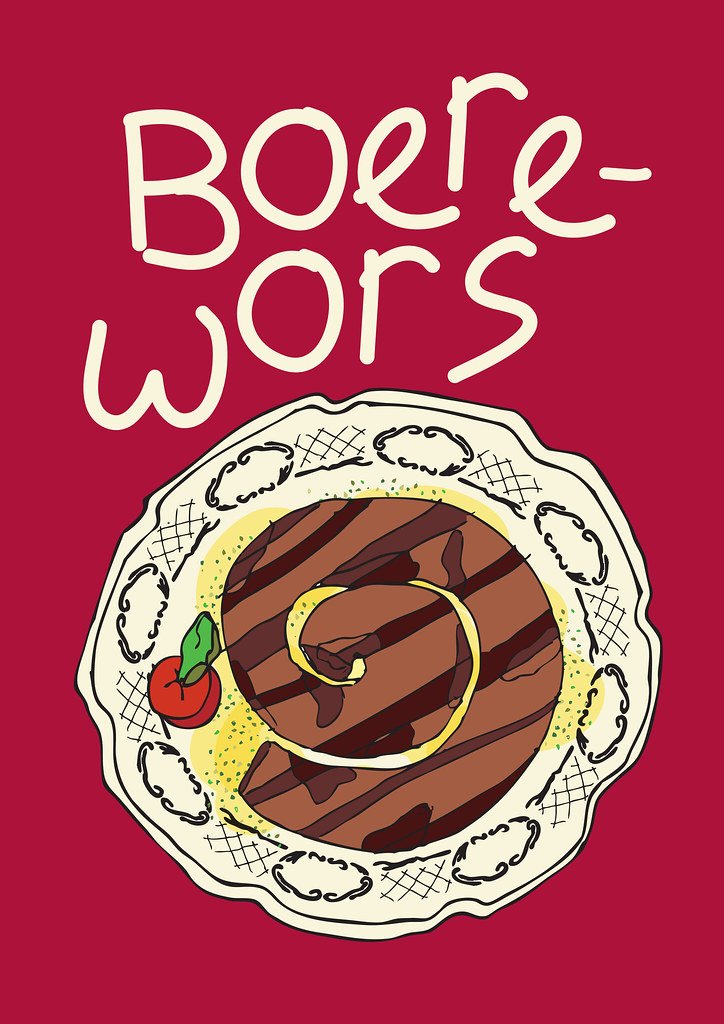
Boerewors, a traditional South African sausage, boasts a rich history that reflects the country’s diverse cultural influences. Its roots can be traced back to the early Dutch settlers, known as the Afrikaners, who arrived in the 17th century. These settlers brought with them a variety of meat processing techniques and recipes, which would eventually contribute to the creation of this distinct sausage. The term “boerewors” itself is derived from Dutch and Afrikaans, with “boer” meaning farmer and “wors” meaning sausage, emphasizing the agrarian lifestyle of the early settlers.
As time progressed, other cultural influences began to shape the evolution of boerewors. The German immigrants introduced their own sausage-making traditions, further enriching the flavor profiles and preparation methods. The incorporation of spices such as coriander, nutmeg, and allspice became common, reflecting both European culinary practices and local nuances. Additionally, indigenous African communities contributed their knowledge of utilizing available resources, leading to the integration of native ingredients that enhanced the sausage’s taste and texture.
The recipe for boerewors continued to adapt, with regional variations emerging across South Africa. Each community brought unique touches, whether it involved different meat blends or the inclusion of local herbs. Lamb and beef are traditional choices; however, some variations include venison or pork, depending on local preferences. As boerewors became increasingly popular, it evolved from a homemade specialty to a staple found at festivals, markets, and social gatherings, solidifying its place in South African culinary culture.
In essence, the origins of boerewors encapsulate a blend of influences that mirror South Africa’s rich tapestry of cultures. This culinary creation continues to be celebrated for its flavor and its historical significance, serving as a testament to the adaptive nature of food and its ability to carry stories through generations.
Cultural Significance of Boerewors
Photo by Hc Digital on Unsplash
Boerewors, a traditional South African sausage, holds a pivotal role in the country’s cultural landscape. Its prominence is particularly evident during communal gatherings, such as braais (traditional barbecues), where families and friends come together to enjoy not only the rich flavors of the dish but also the shared experience of cooking and eating outdoors. This culinary staple is far more than just a meal; it serves as a social glue that fosters camaraderie and strengthens bonds within communities.
During festive occasions, such as Heritage Day, boerewors takes center stage, symbolizing South Africa’s diverse yet unified identity. As people gather to celebrate their cultural heritage, the presence of boerewors reinforces the values of togetherness and tradition. Its preparation and enjoyment reflect a collective memory, as recipes are often passed down through generations, each imbued with personal stories and family histories. In this way, boerewors transcends mere sustenance, becoming a symbol of national pride and a celebration of the country’s rich culinary diversity.
The emotional connection to boerewors can also be observed in sports events where fans often prepare and share this delicacy while cheering for their favorite teams. This communal consumption enhances the excitement of the occasion, as individuals bond over a shared passion for both the sport and the food. Furthermore, the versatility of boerewors enables it to cross cultural boundaries, inviting various interpretations and flavors, thus enriching South African cuisine as a whole. As we explore the cultural significance of boerewors, it becomes clear that this dish is an integral part of the South African identity, serving as a medium for community bonding and celebration.
Unique Flavors of Boerewors

Boerewors is renowned for its distinctive and rich flavor profile, which derives from a harmonious blend of various spices and herbs. These ingredients are integral to its identity and significantly contribute to its aroma and taste. Traditionally, boerewors is composed of a mixture of 80% meat, usually beef, with pork or lamb, alongside a variety of seasonings that elevate its character and depth.
One of the hallmark spices of boerewors is coriander, which imparts a nutty and citrusy flavor that is both refreshing and aromatic. The use of black pepper adds a subtle heat, enhancing the sausage’s overall warmth and spice. Additionally, one can often find nutmeg and allspice in many traditional recipes, contributing sweet and warm notes that create a well-rounded flavor experience. These spices work in unison, allowing the taste of the meat to shine through while creating a complex and satisfying sensory experience.
Garlic is another common ingredient, adding a robust and savory element that helps to balance the fragrant qualities of the spices. Some recipes may include vinegar or Worcestershire sauce, which not only aids in preservation but also introduces a tangy zest that contrasts beautifully with the richness of the meat. Additionally, fresh herbs such as thyme or parsley may be used to introduce a vibrant freshness, tying together the diverse flavor elements. The combination of these ingredients results in boerewors having a taste that is not only unique but also deeply rooted in South African culinary traditions.
This intricate blend of spices and herbs positions boerewors uniquely among sausages worldwide, marking it as a staple in South African cuisine and a dish that embodies cultural heritage. Its unique flavor makes it a versatile option, suitable for various cooking methods, from grilling to frying, enhancing its appeal across diverse dining experiences.
Textures of Boerewors
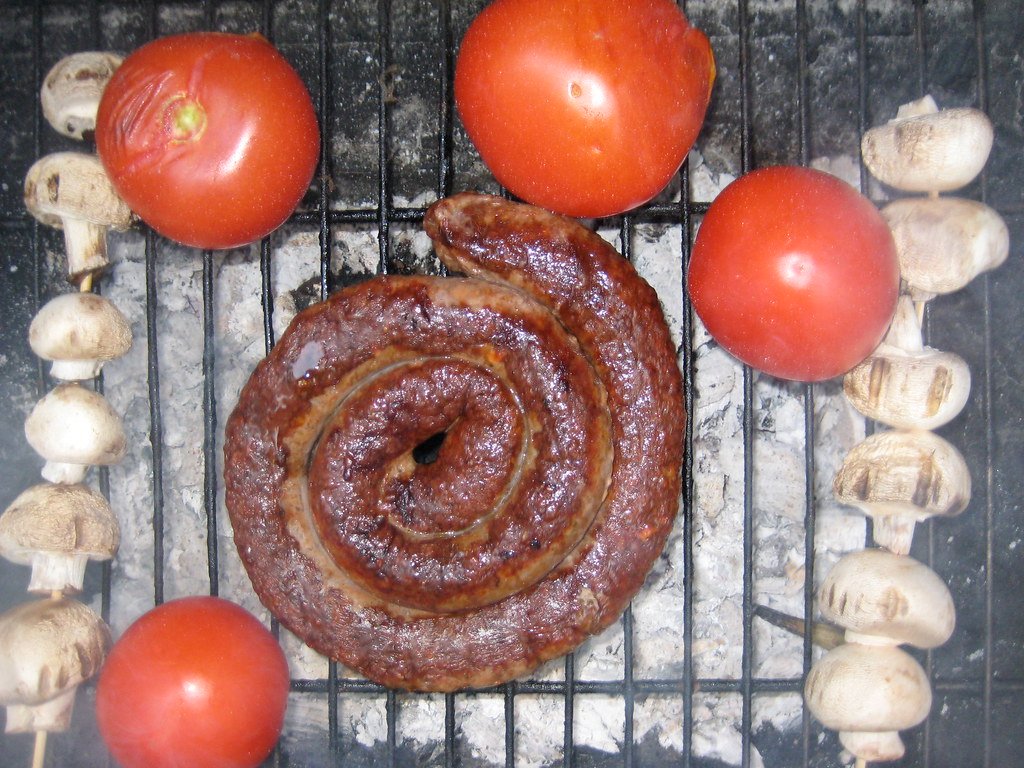
Boerewors, a traditional South African sausage, embodies a unique texture that greatly contributes to its appeal. The primary factors influencing its mouthfeel are the preparation of the meat, the fat content, and the blend of seasonings used in the recipe. Typically made from beef, pork, or lamb, the choice of meat plays a crucial role in defining boerewors’ overall texture. For instance, using a combination of lean meats and fatty cuts ensures a balance that prevents the sausage from being too dry or excessively greasy.
The fat content is particularly significant. While lean meats offer a firm bite, the inclusion of fat creates a juicy interior that contrasts beautifully with the sausage’s exterior. This fat melts during cooking, enriching the flavors and helping to maintain moisture inside the casing. As boerewors cooks—whether grilled or fried—the exterior develops a beautiful, crispy crust that provides a satisfying snap with each bite, enhancing the tasting experience. This duality of texture, where the crispiness of the outer layer meets the tender, succulent interior, is a hallmark of expertly prepared boerewors.
Furthermore, the seasoning blend also influences the mouthfeel, as spices such as coriander, cumin, and black pepper are integrated into the meat mixture. This preparation process allows for a full-bodied flavor profile that complements the textures present in the sausage. As the spices infuse into the meat and fat, they contribute to a robust experience that captivates the palate. The way boerewors feels in the mouth—juicy yet crisp—is fundamental to its charm and popularity among enthusiasts.
Visual Appeal of Boerewors Dishes

Boerewors, a traditional South African sausage, is not only celebrated for its rich flavors and cultural significance but also for its striking visual appeal. The vibrant colors of the spices used in the preparation, combined with fresh accompaniments, transform a simple dish into a feast for the eyes. The deep browns of the grilled boerewors, often contrasted with the bright greens of accompanying salads or vibrant reds of tomato-based sauces, create a visually appealing presentation that elevates the dining experience.
When served on a platter, carefully arranged boerewors curls invite diners to indulge. The sausage’s exterior can be beautifully charred, showcasing a glossy sheen that enhances its appeal. Incorporating side dishes such as roasted vegetables, herbed potatoes, or a tangy chutney bolsters the overall aesthetic value of the meal. Each of these components not only adds to the visual stimulation but also harmonizes flavors, ensuring a well-rounded culinary experience.
In recent dining trends, presentation has taken on a crucial role in culinary experiences. Boerewors can be plated creatively to highlight its textures and colors. Plating techniques, such as stacking, layering, or using negative space, draw attention to the sausage’s rustic qualities. Additionally, using contrasting colored plates can further emphasize the dish’s vibrant hues, creating an enticing visual narrative that engages diners right from the moment the dish is presented.
Ultimately, the visual appeal of boerewors dishes plays a significant role in preparing diners for the sensory journey ahead. By mindfully enhancing both the presentation and the use of complementary ingredients, boerewors transcends mere sustenance, becoming a centerpiece for sharing rich cultural narratives and enjoyment during mealtime.
Appearance of Boerewors
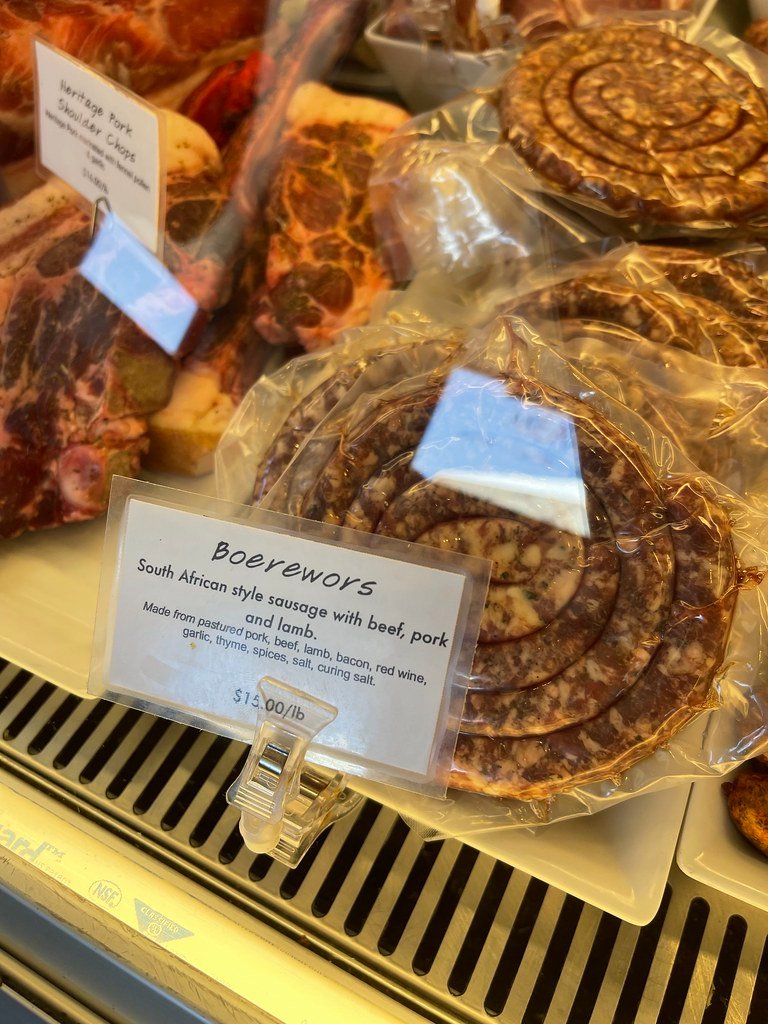
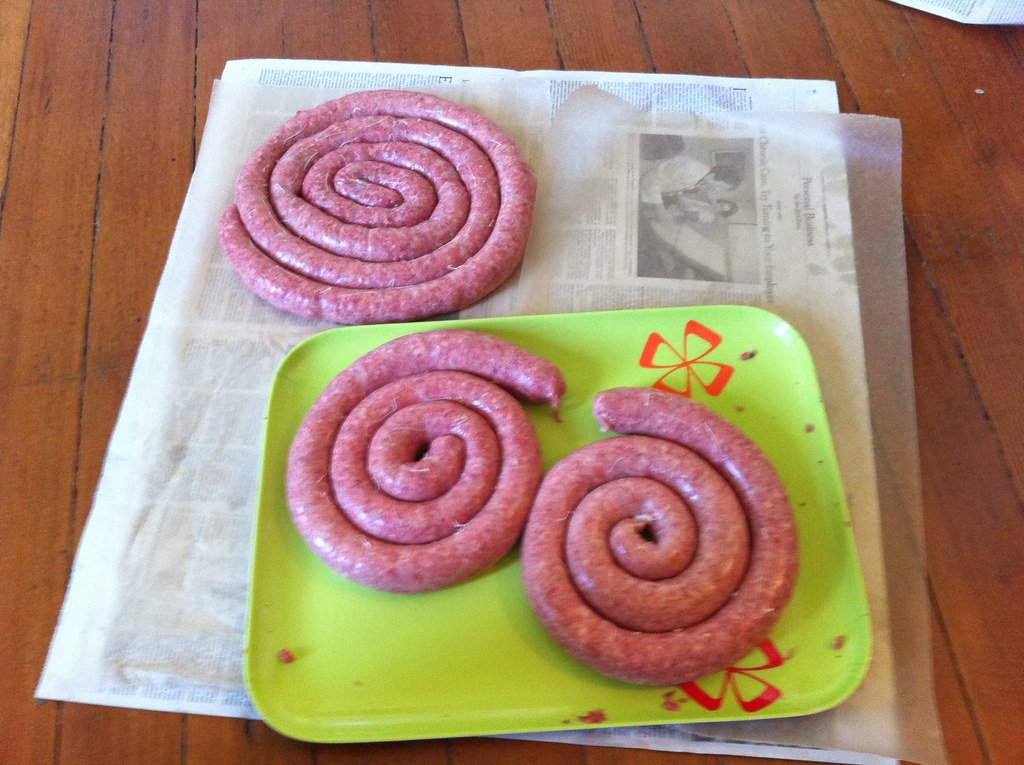
Boerewors, a revered South African sausage, is distinct not only in taste but also in its signature appearance. One of the most recognizable aspects of boerewors is its coiled shape, a characteristic that sets it apart from other sausages. The unique spiral form is created during the sausage-making process, where long strands of finely minced meat are twisted into a coil. This not only enhances its aesthetic appeal but also allows for even cooking. When grilled, this shape encourages a harmonious distribution of heat, ensuring that every bite of boerewors is flavorful and succulent.
The casing color of boerewors is another essential characteristic. Typically, the sausage is encased in a natural sheep or hog casing, which provides a robust texture that holds the filling together while allowing it to breath during cooking. This results in a rich, golden-brown hue once grilled, often marked with charred grill lines that denote proper cooking. The grill marks not only symbolize a well-prepared sausage but also add to the visual appeal, suggesting a smoky flavor that invites culinary exploration.
Moreover, boerewors is often displayed on platters at social gatherings, showcasing its appealing spirals and inviting color to enhance any feast. The sight of freshly cooked boerewors evokes a sense of warmth and togetherness, making it a popular choice at family gatherings, barbecues, and festive occasions. Its appearance does not merely serve a decorative purpose; it imbues the dish with grandeur and nostalgia, reminding many of shared meals and cultural heritage. Thus, the visual characteristics of boerewors contribute significantly to its desirability, making it not just a food item but an emblem of South African culinary traditions.
Plating Techniques for Boerewors
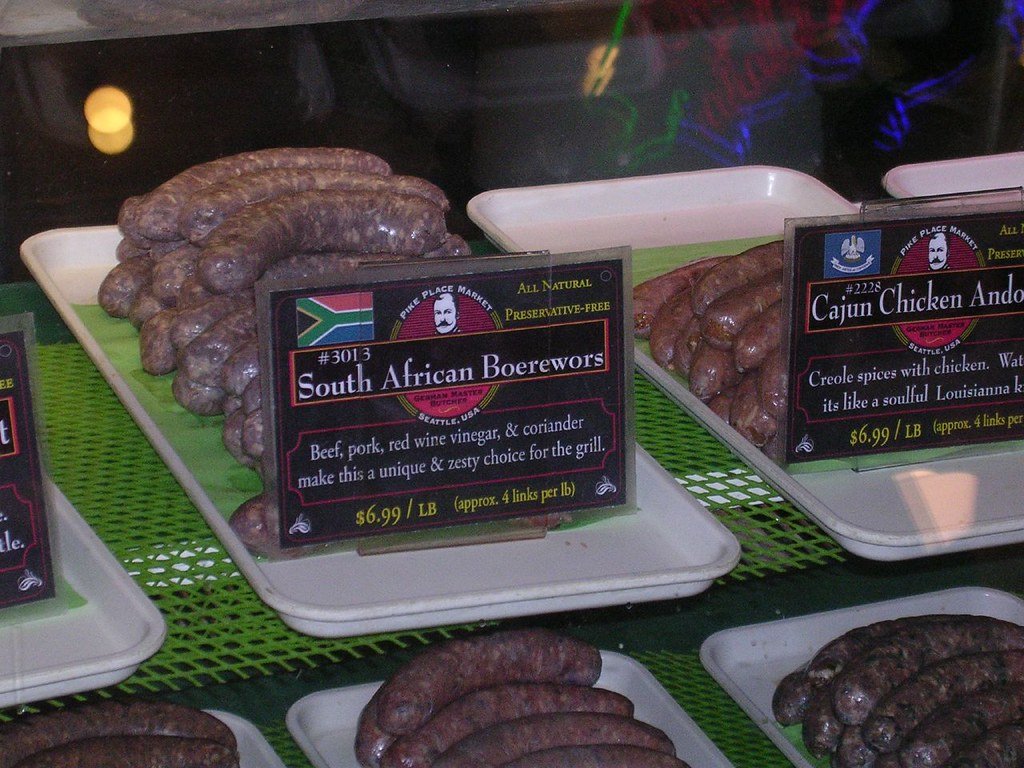
When it comes to presenting boerewors, the visual appeal plays a crucial role in enhancing the overall dining experience. Effective plating techniques can elevate this beloved South African sausage from a casual dish to a gourmet delight. The first step in creating an inviting plate is to consider the arrangement of the boerewors itself. Instead of placing it flat, consider coiling or spiraling the sausage on the plate to give it a more dynamic appearance.
Pairing boerewors with traditional sides can further enhance its presentation. Serving it alongside a vibrant medley of grilled vegetables, such as bell peppers, zucchini, and red onions, not only adds color but also provides a contrast to the richness of the sausage. Moreover, incorporating a starch element, such as pap or a simple creamy potato mash, can provide a solid base that grounds the dish visually. Consider using a ring mold to stack these sides, creating height and interest on the plate.
Dipping sauces can also contribute significantly to both the flavor profile and the visual presentation of boerewors. A drizzle of a spicy tomato chutney or a rich peri-peri sauce can add a splash of color while complementing the dish’s flavors. When plating, use a squeeze bottle or a spoon to artistically apply the sauce around the edges of the plate or directly over the sausage, ensuring that it enhances rather than overpowers the dish.
For a final touch, garnishing the plate with fresh herbs, such as chopped coriander or parsley, can provide texture and a pop of green. Alternatively, edible flowers can introduce an unexpected elegance that sets the dish apart from standard meals. With these plating techniques, boerewors transforms into a visually stunning and appetizing dish, ultimately reflecting its cultural significance and culinary appeal.
Accompaniments: What Goes with Boerewors?

Boerewors, a traditional South African sausage, is celebrated not only for its rich flavors but also for its versatility when paired with various accompaniments. These accompaniments can significantly enhance the overall flavor experience and reflect the cultural significance of the dish. When considering what to serve alongside boerewors, several traditional and modern options come to mind.
One of the classic companions is a type of bread, such as “braai broodjies,” which are grilled cheese sandwiches often enjoyed during a barbecue. The crusty exterior and melted interior of these sandwiches, filled with cheese, tomato, and onion, complement the savory notes of the boerewors beautifully. Additionally, traditional South African “potbrood,” a round loaf baked over an open fire, offers a delightful texture that pairs well with the sausage’s spiced meat.
Another staple accompaniment is various sauces, which can elevate the overall dish. For instance, a tangy tomato and onion relish adds a fresh burst of flavor, balancing the richness of the boerewors. Alternatively, a piquant chakalaka—a spicy vegetable relish—can introduce an exciting kick, making it a popular choice among both locals and visitors. These condiments not only enhance the dish but also serve as a nod to the diverse culinary influences present in South African cuisine.
Side dishes can also play a crucial role in rounding off the meal. Choices such as pap, a maize porridge, or coleslaw provide different textures and flavors that enhance the experience of enjoying boerewors. The creamy and comforting nature of pap, combined with a drizzle of sauce, offers a hearty balance to the succulent sausage. Similarly, coleslaw contributes a refreshing crunch that complements the robust taste of boerewors.
In essence, the selection of accompaniments for boerewors plays a vital role in both enhancing its appeal and reflecting the rich cultural tapestry of South Africa. Each choice contributes to a multifaceted dining experience that celebrates the essence of this iconic dish.
Conclusion: The Enduring Legacy of Boerewors
Boerewors has evolved far beyond its humble origins, firmly establishing itself as an indispensable element of South African cuisine and culture. Originally created as a means to utilize less desirable cuts of meat, this traditional sausage has transformed into a culinary icon, reflecting the rich tapestry of South Africa’s history. Its blend of flavors, seasoned with spices such as coriander, nutmeg, and cloves, resonates deeply with the country’s diverse communities, making it a symbol of unity and shared heritage.
Today, boerewors is commonly enjoyed at family gatherings, outdoor barbecues, and street food markets, bridging the gap between traditional practices and contemporary culinary trends. As chefs experiment with various ingredients and cooking techniques, they bring fresh perspectives to this beloved dish while honoring its historical roots. This adaptability has allowed boerewors not only to maintain its cultural significance but also to thrive in an increasingly globalized food landscape.
The presence of boerewors at social events emphasizes its role as a culinary centerpiece that fosters conversation and connection among people. Whether grilled on a fire or incorporated into gourmet dishes, boerewors is an invitation to appreciate the stories and flavors of South Africa. Furthermore, its continued prominence in both local and international markets showcases the dish’s ability to resonate with diverse palates, further solidifying its legacy.
As we reflect on the enduring legacy of boerewors, it becomes apparent that this flavorful sausage symbolizes much more than mere sustenance. It embodies a deep-rooted cultural heritage and fosters a sense of belonging among those who enjoy it. The legacy of boerewors is not just about its culinary appeal; it is a testament to the vibrant spirit of South Africa and a celebration of its rich culinary traditions that will undoubtedly continue to thrive for generations to come.