
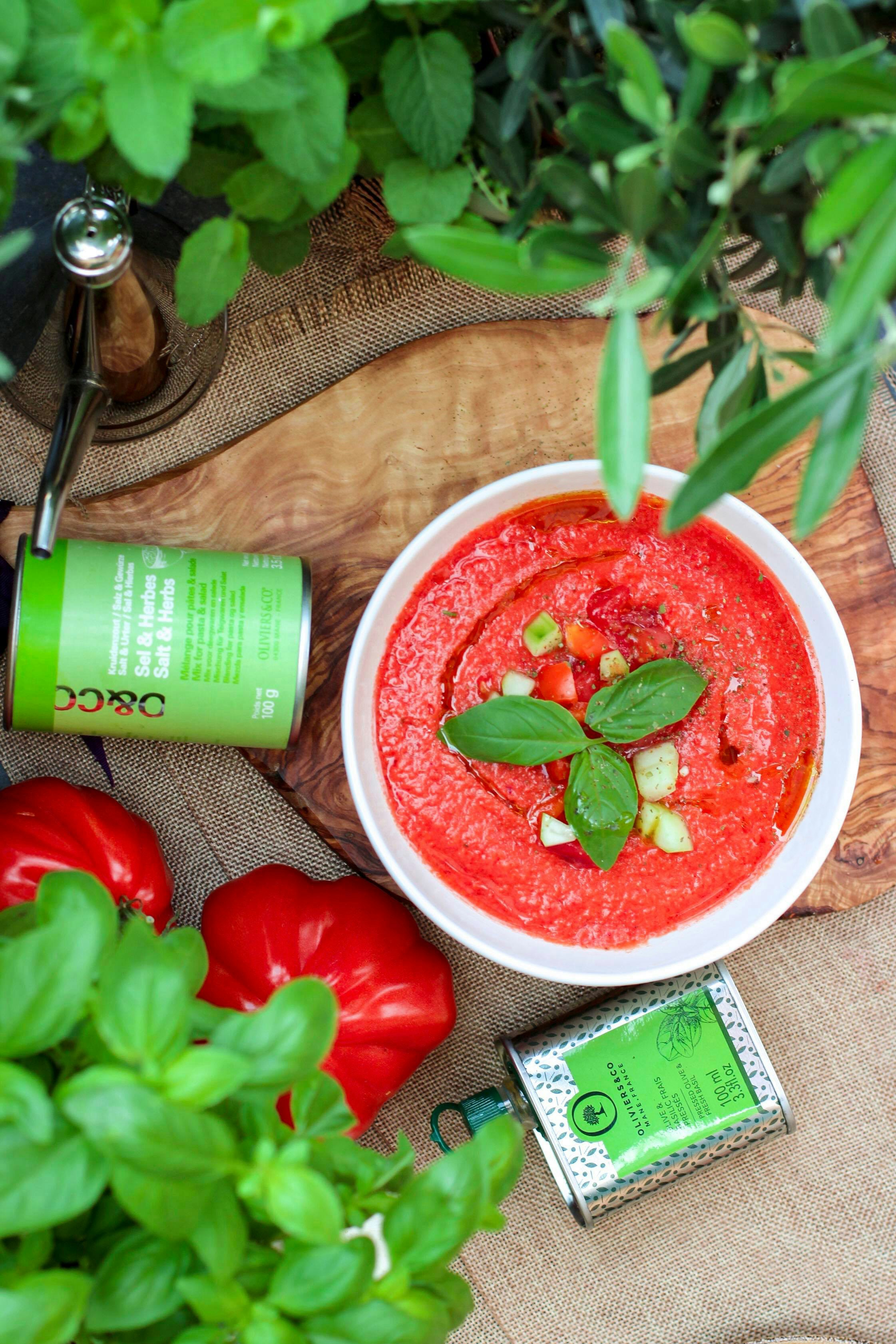
The Rich History of Gazpacho
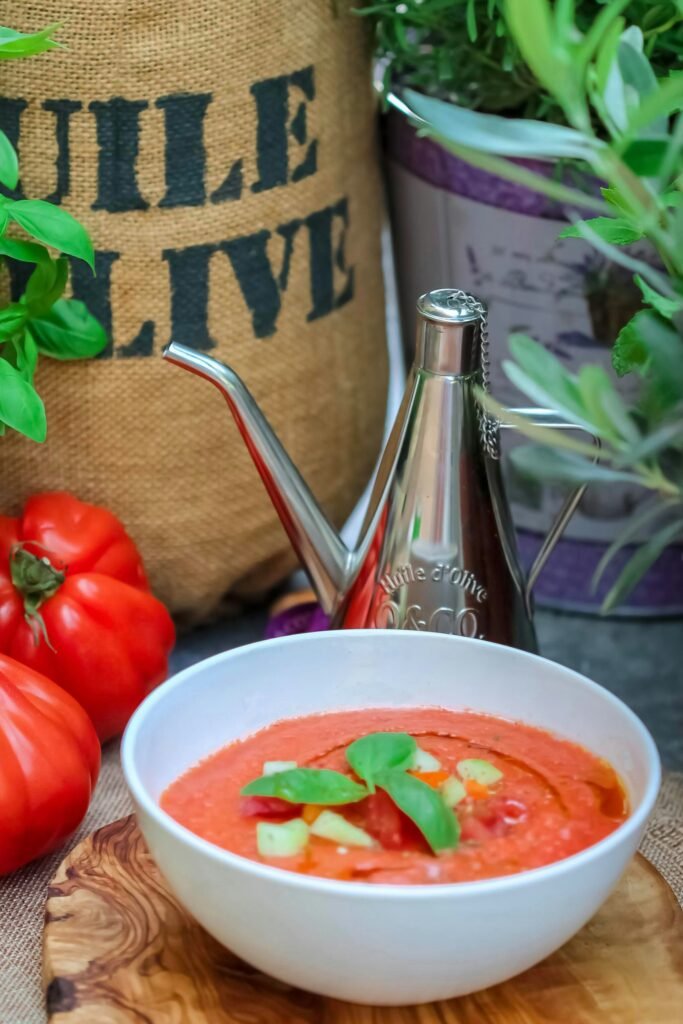
Gazpacho, a chilled soup characterized by its fresh vegetable flavors, boasts a history as rich and varied as its ingredients. Its origins are believed to trace back to the ancient cultures of the Mediterranean, particularly in regions such as ancient Rome and Greece. These early versions of gazpacho were often made with simple ingredients like bread, oil, garlic, and vinegar, mirroring the rustic and resourceful culinary practices of the time. The dish was primarily a way to make use of stale bread, which, when combined with fresh vegetables, created a nutritious and refreshing meal suitable for warm climates.
As time progressed, gazpacho evolved, particularly in the Andalusian region of Spain, where its popularity soared. Here, ingredients such as tomatoes, peppers, and cucumbers were introduced, enhancing both the flavor and nutritional profile of the soup. The fresh produce was often hand-picked from local gardens, emphasizing the significance of seasonality and local sourcing in Spanish cuisine. The traditional preparation of gazpacho involved grinding the vegetables using a mortar and pestle, allowing the flavors to meld beautifully before being served chilled, making it a favorite during hot summer months.
Culturally, gazpacho is not just a dish but an embodiment of Spanish culinary heritage. Variations abound across the country, with each region incorporating its local produce and culinary techniques. For instance, in some areas, fruits such as watermelon or melon are included, providing a refreshing twist on the classic recipe. These regional differences not only showcase the diversity of Spanish cuisine but also highlight how gazpacho serves as a canvas for creativity, inviting chefs and home cooks alike to reinterpret its fundamental elements. Through centuries of evolution, gazpacho has remained a staple of Spanish dining, celebrated for its vibrant flavors and the historical roots that continue to influence its preparation today.
Ingredients That Make Gazpacho a Refreshing Delight
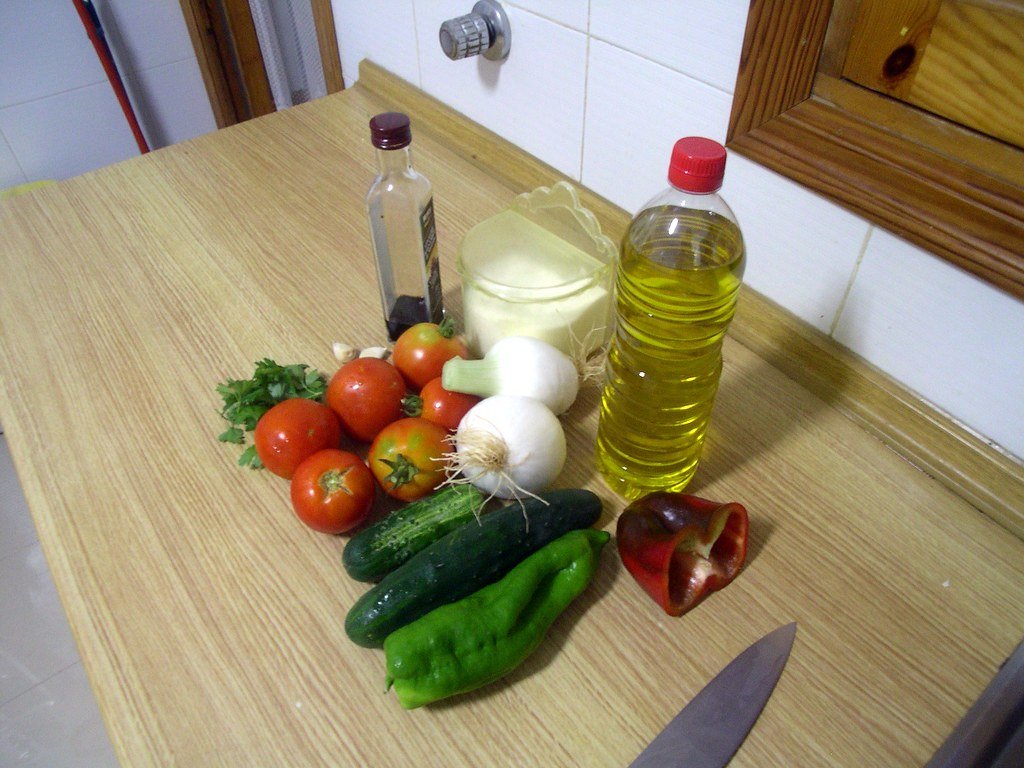
Gazpacho is a celebrated cold soup known for its vibrant flavors and refreshing qualities, primarily arising from its core ingredients. The traditional base of gazpacho consists of ripe tomatoes, which are essential for creating a balanced taste that is both sweet and tangy. Opting for high-quality, in-season tomatoes will significantly enhance the overall flavor profile, making the soup more enjoyable.
Cucumbers are another critical component of gazpacho, providing a crunchy texture and a subtle cooling effect. When selecting cucumbers, it is advisable to use English or Persian varieties, as they tend to be less bitter and have fewer seeds. Bell peppers, typically red or green, add a hint of sweetness and a touch of earthiness, complementing the acidity of the tomatoes.
Onions and garlic are used sparingly, yet their inclusion is vital for building depth in flavor. While red onions are a popular choice for their mildness, adding garlic can enhance the dish with a gentle kick. The aromatic qualities of these ingredients not only contribute to the taste but also provide a fragrant experience when savoring the soup.
A drizzle of high-quality olive oil adds richness and a smooth texture to the gazpacho. This ingredient also serves to bring together the ensemble of flavors, making each spoonful harmonious. Similarly, vinegar, particularly a good sherry or red wine variety, introduces an acidic element that highlights the freshness of the vegetables.
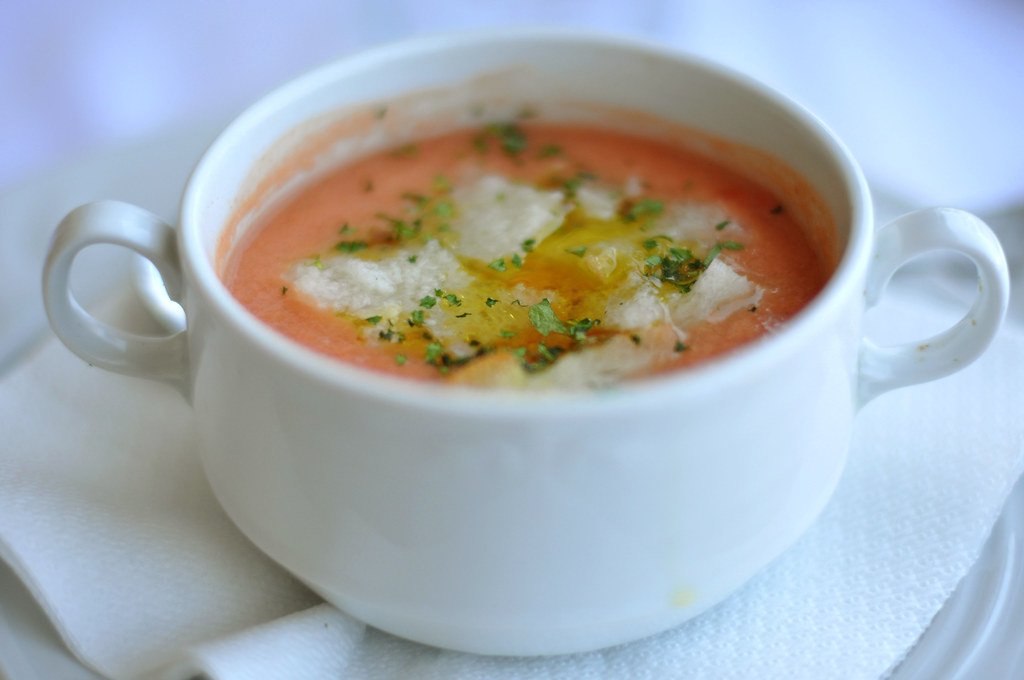
Lastly, the inclusion of bread is a traditional practice that helps to thicken the soup, providing a delightful mouthfeel. Day-old rustic bread works best for this purpose, absorbing the surrounding flavors while maintaining a subtle texture. Regional adaptations may vary the ingredient list to accommodate local produce, while dietary preferences could lead to the omission of certain components. Each variation, however, retains the essence of gazpacho as a refreshing delight.
Preparation Techniques: Crafting the Perfect Gazpacho
Gazpacho, a traditional Spanish cold soup, offers a refreshing and vibrant culinary experience that can be achieved through various preparation techniques. The most common method involves using a blender to combine the fresh ingredients into a smooth, harmonious mixture. However, some cooks prefer a chunkier texture, opting to blend only a portion of the vegetables and finely chop the rest.
When preparing gazpacho, it is important to select high-quality, ripe ingredients for optimal flavor. The primary ingredients typically include tomatoes, cucumbers, bell peppers, onions, garlic, and olive oil, along with vinegar and spices to enhance the taste. Begin by washing and roughly chopping the vegetables. Once prepared, the blending process can commence. For those seeking a creamy consistency, using a high-speed blender is recommended. It is essential to pulse the ingredients gradually, allowing them to combine without becoming overly processed.
Achieving the right balance of flavors is crucial to crafting the perfect gazpacho. Start with equal parts tomatoes and cucumbers, then adjust the ratios according to personal preference. A common tip is to incorporate a splash of sherry vinegar, which provides acidity and depth, while ensuring the soup remains fresh. Additionally, experimenting with seasoning—such as salt, black pepper, or even a hint of cayenne—can elevate the dish.
Serving suggestions for gazpacho are equally important. Classic accompaniments include crusty bread or croutons, which allow for additional texture and satisfaction. Garnishes such as diced vegetables, fresh herbs like basil or cilantro, and a drizzle of premium olive oil can enhance the presentation and flavor profile. With these preparation techniques and tips, crafting the perfect gazpacho can effortlessly transform into a delightful summer dish ideal for any occasion.
Taste Test: Evaluating Gazpacho from Different Restaurants

To truly appreciate the depth and diversity of gazpacho, we embarked on a taste test across several renowned eateries known for their interpretation of this classic Spanish dish. Our evaluation focused on three essential criteria: freshness, balance of flavors, and overall enjoyment—each pivotal to the gazpacho experience. Fresh ingredients are paramount in gazpacho preparation, often dictating the overall quality. We aimed to identify establishments that prioritize sourcing locally and serving their gazpacho within the seasonal confines of its key components, such as ripe tomatoes, cucumbers, and bell peppers.
In terms of flavor balance, we analyzed how well each restaurant harmonized the components. A well-made gazpacho should strike a balance between acidity and sweetness, with the brightness of lemon and the warmth of garlic playing synergistic roles. Additionally, the seasoning should enhance rather than overpower the natural characteristics of the vegetables. Each tasting presented an opportunity to discern how different chefs achieve this elusive equilibrium. Furthermore, texture played a crucial role in our assessment. The best gazpachos maintain a smooth yet slightly chunky texture, with small bits of vegetables contributing to both mouthfeel and visual appeal.
Our findings revealed a diverse culinary landscape; some establishments took a traditional approach, while others embraced innovative variations. After tasting, we developed a rating system to quantify our impressions, ultimately assigning scores based on our established criteria. By highlighting the highest-rated options, we aim to guide our readers toward places where they can relish authentic gazpacho experiences. As the popularity of gazpacho continues to grow, we encourage our audience to explore different interpretations and enjoy this dish in its most authentic form.