
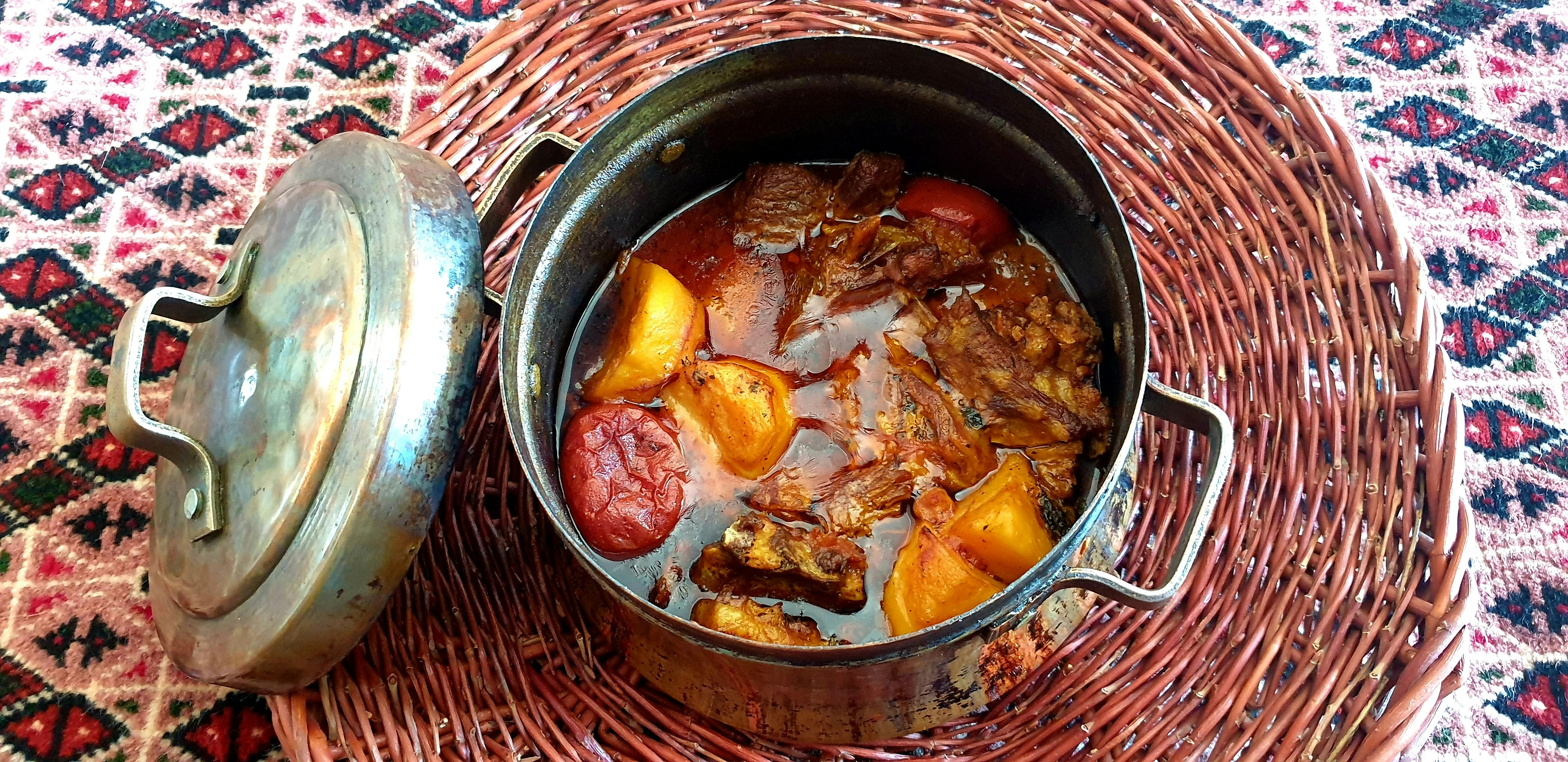
The Origins and History of Pepper Pot Stew
Jamaican style pepper pot stew has a rich history that encapsulates a blend of indigenous and African influences, which have shaped its flavor and presentation. The dish can trace its origins to the indigenous Arawak and Taíno peoples, who initially inhabited the islands and utilized local ingredients such as peppers and various meats. They developed early versions of the stew, incorporating earthy flavors and techniques that would later establish a foundation for Jamaican cuisine.
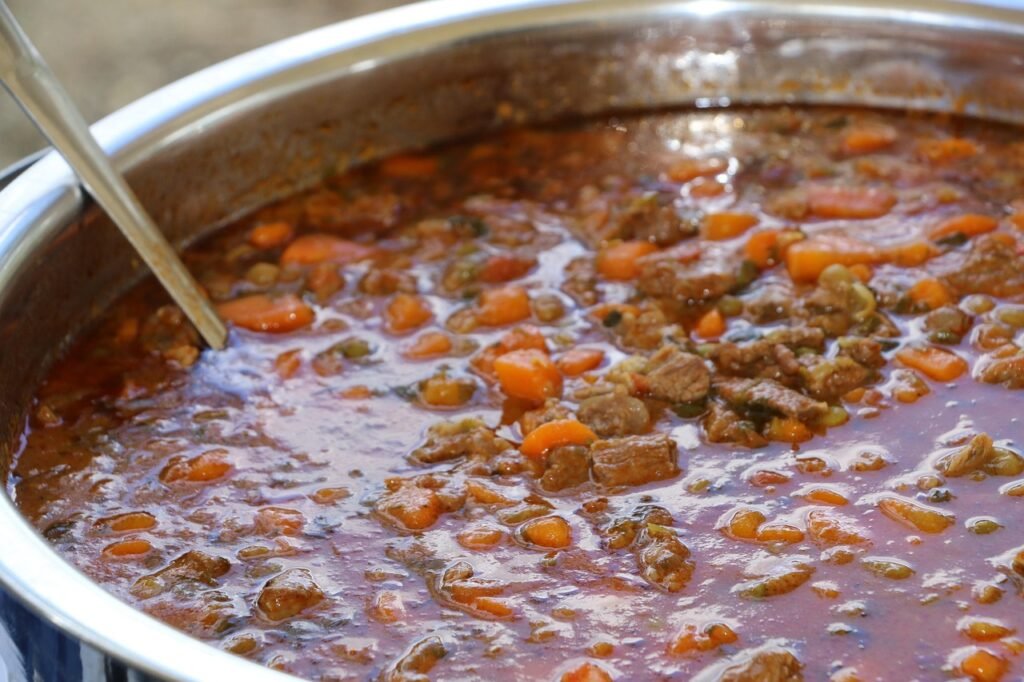
The arrival of African slaves during the transatlantic slave trade brought significant changes to culinary practices in Jamaica. Enslaved individuals brought with them a plethora of traditional cooking methods and ingredients, further infusing pepper pot stew with new layers of flavor. Techniques such as slow cooking and the use of spices played a critical role in transforming the dish into a staple within the Jamaican diet. The combination of accessible ingredients like root vegetables, legumes, and various meats facilitated its evolution into a beloved comfort food.
Colonialism also introduced a range of new spices and ingredients that would eventually find their way into the pepper pot stew. European traders imported items such as allspice, thyme, and scallions, which complemented the original flavors and expanded the dish’s complexity. The blending of these diverse culinary practices highlights the stew’s adaptability and resilience throughout Jamaica’s turbulent history.
Over the years, pepper pot stew has transitioned from a traditional meal into a symbol of cultural identity. It holds a special place during festive occasions, showcasing not only the evolution of a dish but also the enduring spirit of Jamaican heritage. As culinary traditions continue to evolve, pepper pot stew remains a testament to the intricate tapestry of influences that have crafted this unique and savory Jamaican specialty.
Cultural Significance and Meaning

Pepper pot stew holds a prominent place in Jamaican culture, embodying a rich history intertwined with the nation’s identity, heritage, and culinary traditions. This hearty dish is more than just a meal; it serves as a symbol of community, family, and communal ties. Often prepared during significant gatherings, such as family reunions, holidays, and local festivals, pepper pot stew plays a unifying role, bringing people together around the dinner table.
Family gatherings in Jamaica often feature pepper pot stew, where the warm, spicy aromas evoke a sense of nostalgia for many. This dish frequently features as the centerpiece of celebrations, highlighting its importance in traditional Jamaican cuisine. The preparation of pepper pot stew is often a collective endeavor, involving various family members contributing their unique flavors and ingredients, thus fostering a sense of belonging and collaboration.
Moreover, pepper pot stew reflects the cultural heritage of Jamaica, showcasing a blend of African, Indigenous, and European culinary influences. This amalgamation tells the story of the Jamaican people and their resilience through the centuries. The use of key ingredients, such as allspice and Scotch bonnet peppers, not only underscores the intense flavors found in Jamaican cooking but also signifies the island’s agricultural bounty.
Interviews with local chefs and community members enrich this narrative, with many sharing personal anecdotes about their experiences with pepper pot stew. For them, the dish often evokes feelings of comfort, love, and togetherness, symbolizing a connection to their ancestry and a continuation of culinary traditions. Through such stories, it becomes evident that pepper pot stew is deeply woven into the fabric of Jamaican society, serving as a cherished reminder of shared experiences and cultural pride.
Taste and Texture: An In-Depth Flavor Profile
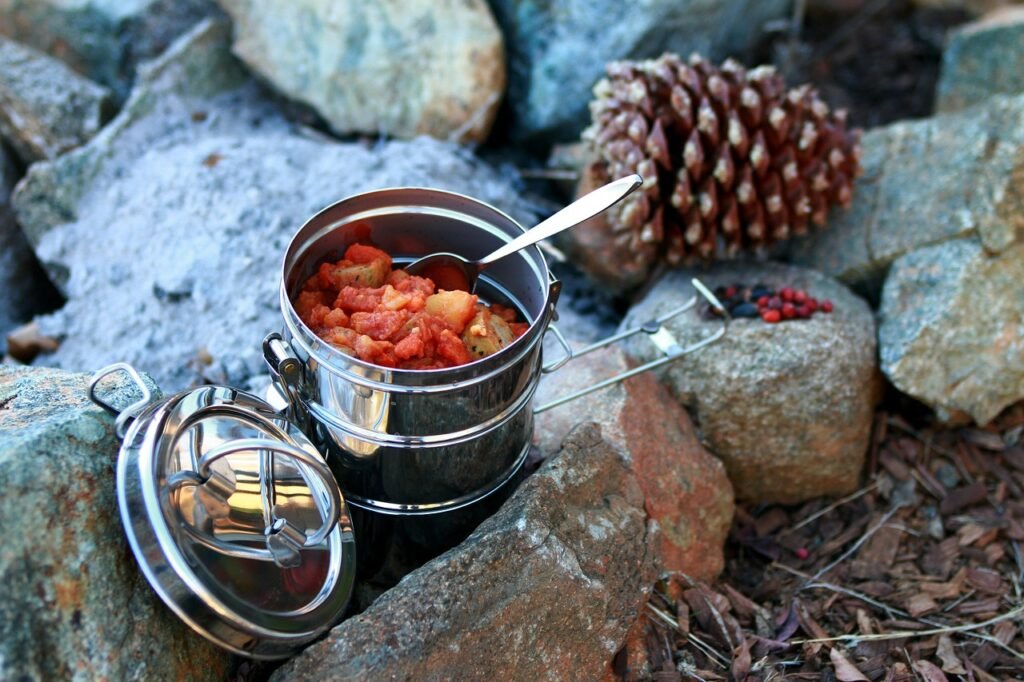
The Jamaican style pepper pot stew is a gastronomic delight characterized by its rich flavor and appealing texture. Central to its taste profile are the key ingredients: pimento, Scotch bonnet peppers, and assorted cuts of meat. Each component plays a distinctive role in creating a symphony of flavors that is both inviting and assertive. The berries of the pimento, also known as allspice, impart a warm, aromatic quality that strikes a balance between sweet and spicy. This distinctive spice integrates seamlessly with the potent heat of Scotch bonnet peppers, which are known for their fiery intensity as well as their fruity undertones, providing a significant depth to the dish.
The various types of meat, commonly including beef, pork, or chicken, contribute additional layers of flavor. When used in the stew, these meats undergo slow cooking, allowing their natural juices and flavors to meld with the spices and simmering broth. This method of preparation not only enriches the taste but also enhances the stew’s overall texture. The result is a hearty, thick consistency, inviting diners to indulge in the fullness of the dish.
Furthermore, the cooking techniques employed, such as braising and stewing, are crucial in developing the stew’s final texture. Braising allows tougher cuts of meat to become tender, absorbing the essence of the spices, while maintaining a succulent mouthfeel. The interplay of ingredients throughout the cooking process creates a delightful contrast; the smoothness of the broth pairs nicely with the tender pieces of meat and the crunch of any vegetables included. This harmonious blend of flavors and textures ensures that every spoonful of Jamaican pepper pot stew is a rich and gratifying taste experience.
Modern Interpretations and Serving Suggestions

The evolution of Jamaican pepper pot stew reflects the dynamic nature of culinary traditions, particularly as contemporary influences emerge. Modern interpretations have seen a significant shift, embracing diverse ingredients while respecting the essence of the original dish. This versatility has allowed for the incorporation of vegetarian and vegan adaptations, catering to a growing demand for plant-based options. Many chefs are experimenting with hearty vegetables such as sweet potatoes, carrots, and bell peppers, which mimic the stew’s traditional flavors while offering a nutritious alternative.
In addition to vegetable-based varieties, the use of locally sourced legumes and grains has become prominent in contemporary recipes. For example, chickpeas or lentils can be integrated to enhance the stew’s texture and protein content. This approach not only honors the dish’s roots but also broadens its appeal to those who prefer meatless meals. Global culinary trends have influenced these adaptations, showcasing how Jamaican pepper pot stew can seamlessly blend with various international cuisines.
When serving pepper pot stew, complementing it with appropriate accompaniments enhances the dining experience. Traditional pairings include rice and peas, which provide a satisfying and savory base for the stew. Alternatively, modern dining trends favor crusty bread or cornbread, perfect for soaking up the rich flavors of the dish. A crisp salad featuring tropical fruits can add a refreshing contrast, balancing the stew’s spiciness with sweetness.
Additionally, as the dish garners attention from international chefs and food enthusiasts, creative plating has become an integral aspect of its presentation. Incorporating vibrant garnishes or unique serving vessels can entice diners and elevate the overall experience. This artistic approach not only pays homage to the traditional roots of pepper pot stew but also invites a new audience to explore and appreciate the complexities of Jamaican cuisine.