
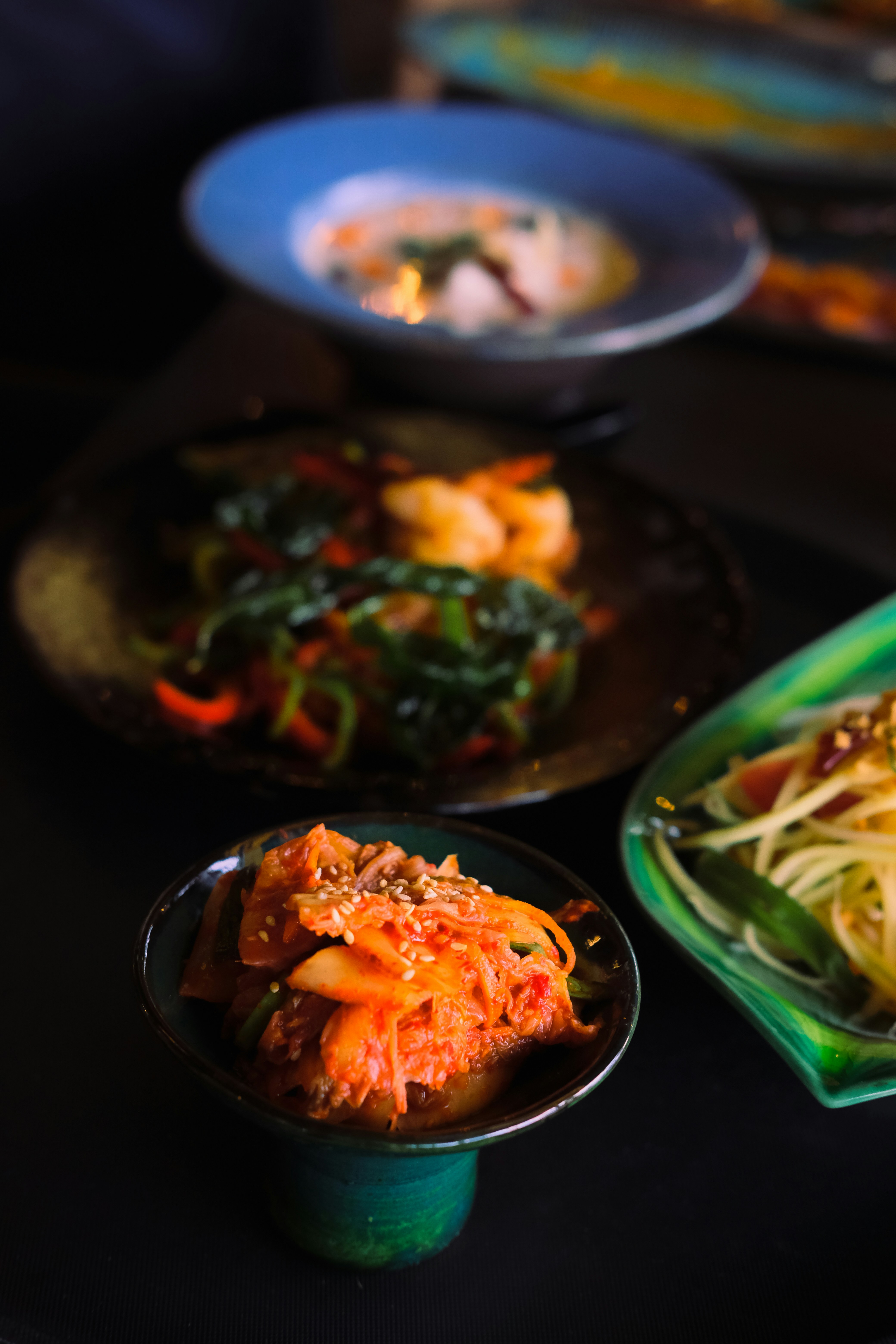
The Origins of Kimchi

Kimchi, a staple in Korean cuisine, has a rich history that dates back to ancient Korea. Its origins can be traced to the Three Kingdoms period, around the 6th century, when various forms of fermented vegetables were first mentioned in historical texts. Initially, kimchi served primarily as a method of preserving vegetables, a practice that developed out of necessity due to the agricultural lifestyle of Korean communities. The harsh winters made it essential to find ways of maintaining the nutritional value of seasonal produce throughout the year.
Over the centuries, the fermentation technique evolved, giving rise to the various forms of kimchi we see today. The introduction of salt and spices into the preservation process significantly altered the flavor and texture of kimchi. By the time of the Goryeo Dynasty, around the 10th century, deeper flavors began to permeate Korean kitchens as the use of garlic, ginger, and red chili peppers became incorporated into recipes, reflecting a burgeoning culinary culture.
Climate also played a crucial role in regional variations of kimchi. In regions with warmer climates, different vegetables became the norm, influenced by what was locally available. For instance, the adaptation of radishes, leafy greens, and other ingredients resulted in diverse forms of kimchi that are now beloved across Korea. Each region proudly claims its unique version, further enriching the kimchi tradition.
In contemporary times, kimchi has not only maintained its status as a preserved food but has transformed into a globally recognized fermented delight. The health benefits associated with fermented foods, including probiotics, have led to a renewed interest in kimchi, contributing to its ongoing evolution and popularity. It stands as a testament to the resilience and innovation of Korean culinary practices throughout history.
Cultural Significance of Kimchi

Kimchi, a staple in Korean cuisine, holds profound cultural significance that extends beyond mere sustenance. Its presence in traditional Korean meals showcases its role as an essential side dish, often served with almost every meal, reflecting the balance and variety that characterize Korean food culture. Notably, the making of kimchi is often a communal affair, especially during the kimjang season, where families and communities come together to prepare large quantities of this fermented delicacy. This tradition emphasizes the importance of collaboration and familial ties in Korean society.
Furthermore, kimchi serves a symbolic role during various Korean festivals and celebrations. For instance, during the Lunar New Year, the inclusion of kimchi in meals symbolizes prosperity and health for the coming year. Similarly, during important ceremonies and rites, kimchi is featured prominently, reinforcing its status as a dish that embodies the wishes for wellbeing and abundance. The cultural significance of kimchi is deeply intertwined with the rhythms of Korean life, marking the passage of seasons and family gatherings.
Beyond its culinary aspects, kimchi resonates with the broader theme of Korean identity and heritage. It represents the resilience and adaptability of Korean culture, as recipes and techniques have been passed down through generations. The diverse variations of kimchi across regions and families highlight the elements of local identity while still unifying Koreans under the shared cultural banner of this beloved dish. Thus, kimchi is not merely a food item but a representation of social bonds, historical narratives, and cultural pride, making it a central pillar in understanding Korean society.
A Symphony of Flavors: The Taste of Kimchi
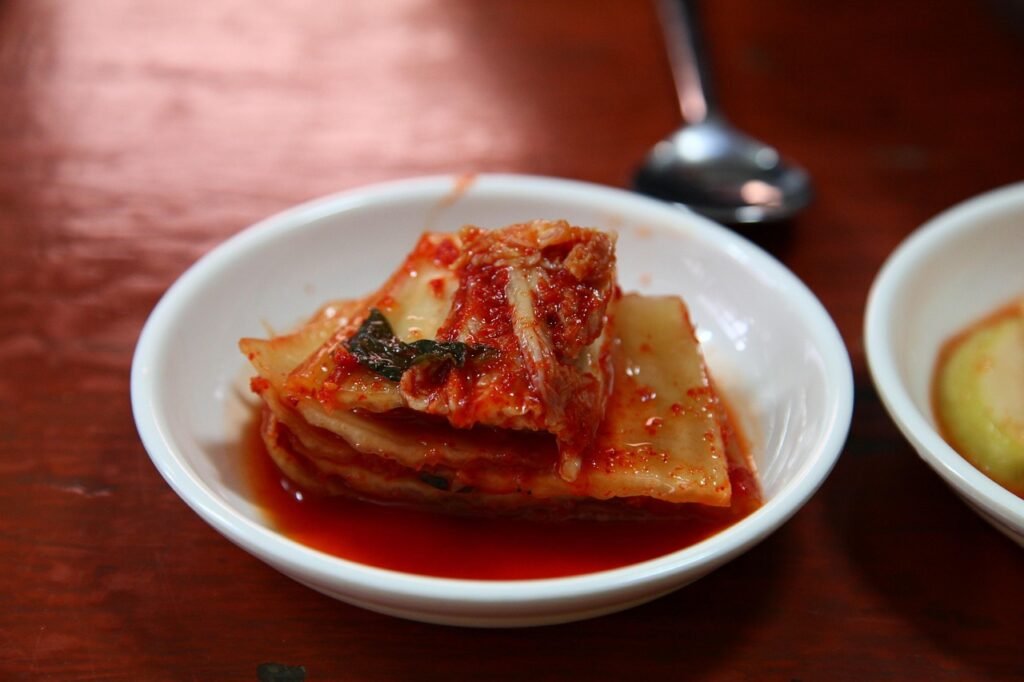
Kimchi, a quintessential element of Korean cuisine, serves as a testament to the intricate balance of flavors achieved through fermentation. At its core, the taste of kimchi is a harmonious blend of three primary notes: spicy, sour, and umami. Each bite offers an explosion of flavor, attributed to the unique ingredients and the fermentation process that elevates this dish beyond mere vegetables.
The spicy profile of kimchi comes predominantly from gochugaru, a Korean red pepper powder that infuses heat without overwhelming the palate. This spiciness often interacts with the tanginess, resulting from lactic acid produced during fermentation. The sour notes, while potentially startling to the uninitiated, are a vital aspect of the overall sensory experience. They emerge from the fermentation process, as the sugars in the vegetables convert into acids, creating a lively zest that tantalizes the taste buds.
Additionally, the umami effect in kimchi is not to be overlooked. Ingredients such as fish sauce or salted shrimp contribute depth, enriching the familiar taste of cabbage or radish. The fermentation process further amplifies umami, making kimchi not just a side dish, but a powerful flavor enhancer for various meals.
Several varieties of kimchi exist, each with its own distinct taste profile. Napa cabbage kimchi, perhaps the most recognized, has a crunchy texture and a complex flavor that varies depending on the seasoning and fermentation time. Radish kimchi, known for its crispness and spicy kick, offers a refreshing alternative, while cucumber kimchi presents a lighter, more refreshing option that’s perfect for hot days. Each type showcases the versatility of kimchi and highlights the beauty of its flavors, making it an essential component in both traditional and contemporary culinary applications.
Textures and Mouthfeel: What to Expect
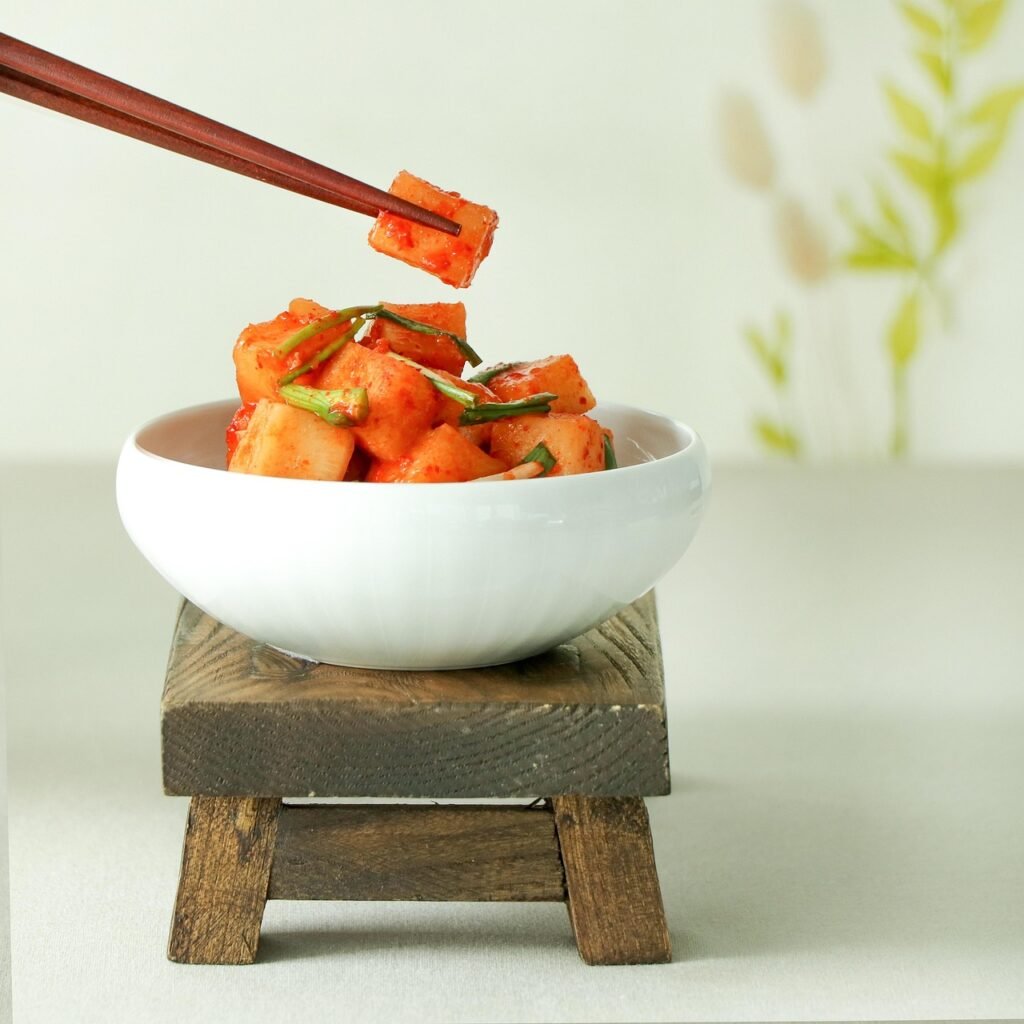
Kimchi, renowned for its complexity, offers a fascinating array of textures that significantly enhance its appeal. The initial crunchiness of fresh vegetables, particularly napa cabbage and radishes, lays the foundation for its diverse mouthfeel. As the kimchi ferments, these vegetables undergo a transformation, softening yet maintaining a delightful crispness that contributes to its overall structure. The interplay of these textures creates a multi-dimensional eating experience that reflects the skill and tradition behind kimchi preparation.
Moreover, different kimchi varieties introduce unique elements that influence texture. For instance, Baechu kimchi, made primarily from fermented napa cabbage, exudes a combination of crispness and juiciness. The leaves become tender with fermentation, yet retain enough bite to offer a satisfying crunch upon biting. Conversely, products like Kkakdugi, which utilizes cubed radishes, present a firmer texture that complements the taste. The uneven cuts and variations in size in the radish pieces lead to contrasting textures, allowing for an exciting surprise with each mouthful.
Another aspect to consider is how the fermentation process itself alters texture. As kimchi ages, the vegetables release moisture, making the brine thicker and the overall texture more cohesive. This results in a luscious mouthfeel that melds the ingredients together while still allowing the individual textures to shine through. The inclusion of additional ingredients, such as garlic and ginger, also contributes a nuanced, smooth mouthfeel, creating a balance between the crunchy vegetables and softer fermented elements.
Overall, the textures found in kimchi not only elevate its gustatory experience but also engage multiple senses. From the vibrant crunch to the mellow softness in each bite, these subtle yet significant variations cultivate a rich and memorable flavor journey.
Visual Appeal of Kimchi
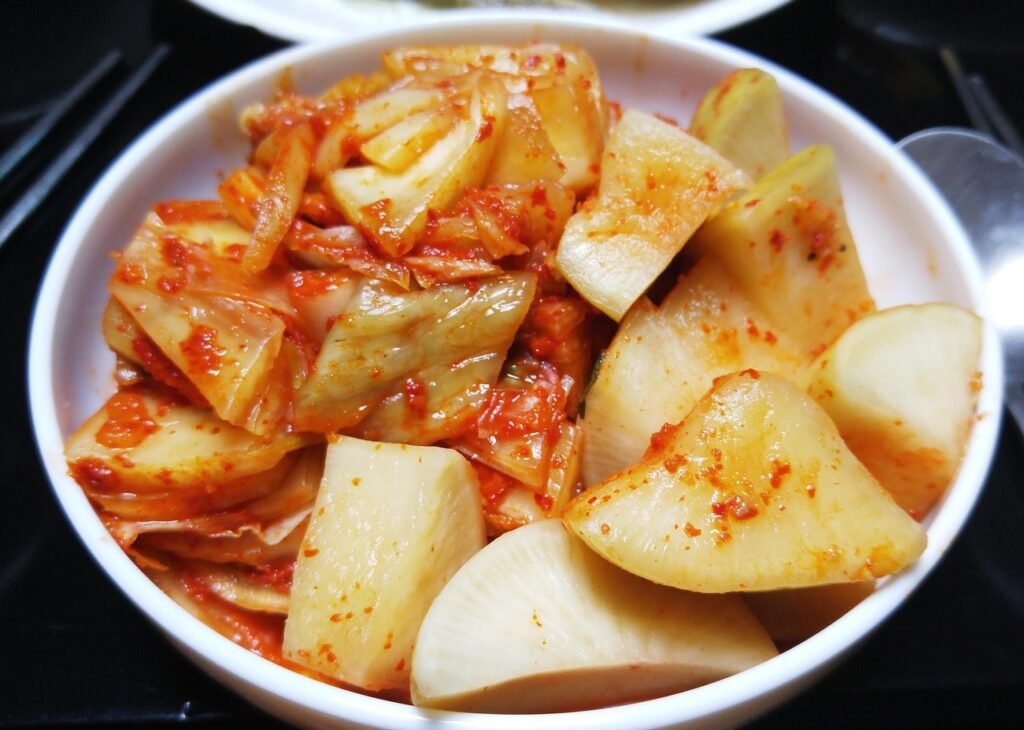
Kimchi, a cornerstone of Korean cuisine, is not only prized for its unique flavors and health benefits but also for its captivating visual appeal. The presentation of kimchi plays an integral role in enhancing the overall dining experience, as it showcases the vibrant array of colors characteristic of this fermented delight. The harmony of reds, greens, and whites creates a feast for the eyes, inviting diners to engage with the dish even before they taste it.
The vivid hues in kimchi primarily stem from key ingredients such as gochugaru, the Korean red chili pepper flakes that impart a striking crimson color, and fresh vegetables like napa cabbage and radishes that lend a refreshing green tone. The interplay of these colors serves not only an aesthetic function but also signals the complex flavors contained within. A well-crafted kimchi can evoke sensory anticipation, with the bright red indicating spiciness and the greens providing a sense of freshness.
Another aspect of kimchi’s visual appeal lies in the artful plating arrangements that can elevate this traditional dish. Whether served in a simple bowl or as part of an elaborate spread, the presentation can vary widely based on cultural context and personal preference. For instance, layered servings of different types of kimchi, showcasing various colors and textures, can create an eye-catching centerpiece for a meal. Additionally, garnishing with sesame seeds or green onions can further enhance the visual impact, elevating the kimchi from a mere side dish to a stunning component of the dining tableau.
Ultimately, the visual presentation of kimchi is an essential element that complements its cultural significance and enhances the overall enjoyment of the dining experience. The vibrant and contrasting colors not only draw attention but also invite curious diners to explore this marvelous fermented delight, making kimchi an art form in its own right.
Accompaniments and Pairing Suggestions
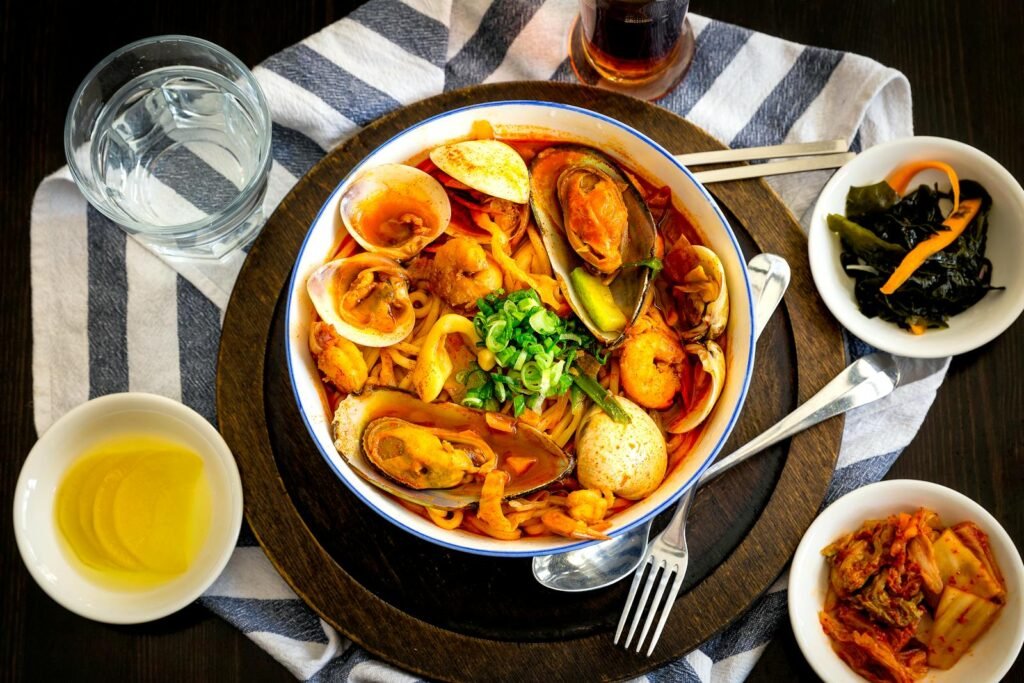
Kimchi, with its complex flavors and health benefits, serves as an excellent accompaniment to a variety of dishes. Traditionally, kimchi is a staple in Korean cuisine, often served with a bowl of steamed rice, where the tangy and spicy notes complement the mild flavor of rice perfectly. It adds a refreshing crunch and enhances the overall dining experience, elevating a simple meal to something extraordinary.
Among the most popular pairings are meats, particularly grilled or barbecued options such as bulgogi (marinated beef) and galbi (short ribs). The umami-rich flavors of these dishes find balance with the bold taste of kimchi, which cuts through the richness of the meat, providing a delightful contrast. Additionally, kimchi can be incorporated into various side dishes, such as kimchi jjigae (kimchi stew), enhancing both texture and flavor.
Beyond traditional Korean cuisine, kimchi’s versatility shines in fusion dishes. For example, it can be used as a topping on tacos, providing a unique twist that enhances both flavor and texture. Kimchi burgers have also gained popularity, where the spicy and sour notes elevate the savory richness of beef patties. Moreover, mixing kimchi with eggs creates a flavorful filling for scrambled egg wraps or omelets, offering a hearty breakfast option.
In more unconventional cuisines, kimchi can be paired with Asian-inspired salads, adding a zesty element to the fresh ingredients. It can also complement creamy dishes like mac and cheese, imparting a spicy kick that balances the lushness of cheese. Overall, the pairing possibilities with kimchi are vast, allowing for both traditional and creative interpretations that cater to diverse palates and culinary experiences.
Health Benefits of Kimchi

Kimchi, the traditional Korean fermented dish, is not just a staple in various cuisines; it is also renowned for its impressive health benefits. The fermentation process involved in making kimchi promotes the growth of probiotics, beneficial bacteria that play a vital role in gut health. Numerous studies have highlighted how probiotics can enhance digestion, support the immune system, and even assist in weight management. Nutritionists advocate for the incorporation of fermented foods like kimchi in one’s diet due to these advantages.
Beyond its probiotic content, kimchi is loaded with essential vitamins and minerals. It typically contains ingredients such as cabbage, radish, garlic, and chili pepper, which contribute to its nutritional profile. For instance, cabbage is rich in vitamins K and C, while garlic is known for its anti-inflammatory and antimicrobial properties. The antioxidants found in these ingredients combat oxidative stress in the body, promoting overall health. Furthermore, the chilli peppers in kimchi can boost metabolism, making it an excellent addition for those looking to maintain or lose weight.
Research indicates that the consumption of kimchi can have a positive impact on gut microbiota, which is increasingly recognized as crucial for overall wellness. A balanced gut microbiome is linked to various health benefits, including improved mental health and a lower risk of chronic diseases. Dietitians recommend that incorporating fermented foods into your daily meals can enhance not only digestive health but also provide a range of other benefits, such as increased nutrient absorption and a stronger immune response.
In summary, kimchi serves as a powerhouse of nutrition, thanks to its probiotics, vitamins, and antioxidant-rich ingredients. Including this fermented delight in your diet can be a simple yet effective strategy to promote gut health and support overall wellness.
How to Make Kimchi at Home
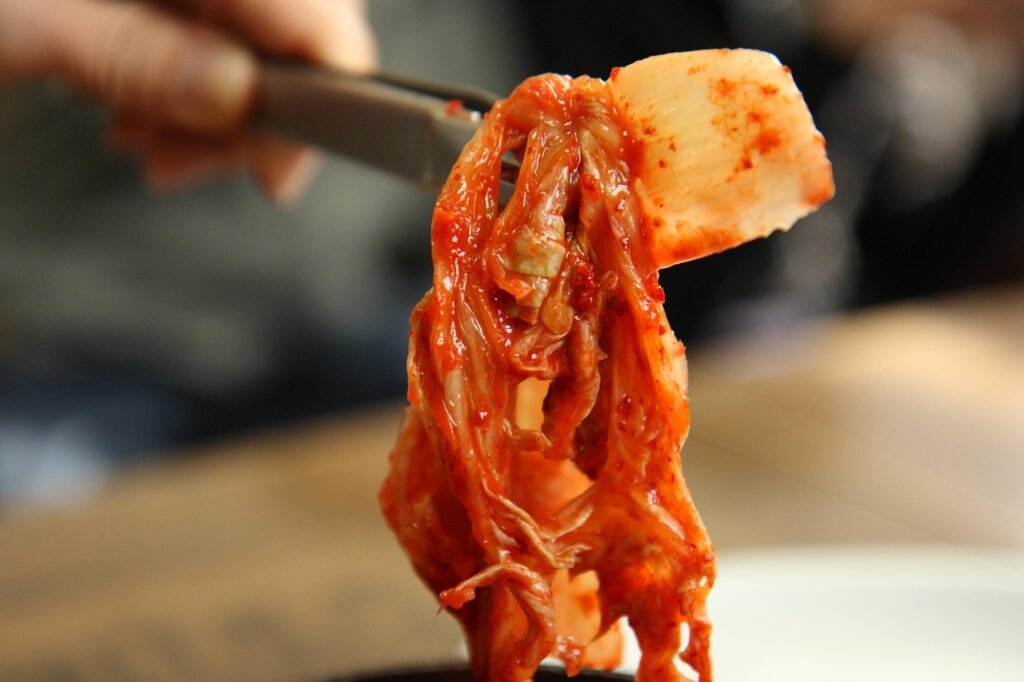
Creating kimchi at home is a rewarding process that enables enthusiasts to experiment with flavors and textures. The essential ingredients for traditional kimchi include Napa cabbage, Korean radish, garlic, ginger, green onions, chili pepper flakes (gochugaru), fish sauce, and salt. However, variations abound, so feel free to incorporate vegetables like carrots or cucumbers based on personal preference.
Begin your kimchi-making journey by preparing the main ingredient, Napa cabbage. Start by quartering the cabbage lengthwise and then cutting it into smaller pieces. Salt the cabbage generously and let it sit for two to three hours. This process allows the salt to draw moisture from the cabbage, creating a brine that softens the leaves.
While the cabbage is wilting, prepare the kimchi paste. In a bowl, mix gochugaru with minced garlic, ginger, fish sauce, and a small amount of water until a paste forms. Adjust the spiciness by varying the amount of gochugaru, ensuring it aligns with your personal taste. For those who prefer vegetarian options, soy sauce can be used instead of fish sauce.
After the cabbage has softened, rinse it thoroughly to remove excess salt, then drain well. In a large mixing bowl, combine the cabbage, prepared paste, and any additional vegetables you’ve chosen to include, such as sliced carrots. For an added crunch, mixing in some finely chopped green onions enhances flavor.
Once combined, pack the kimchi mixture tightly into a clean glass jar, ensuring as little air as possible is trapped inside. Leave some headspace at the top of the jar to accommodate the fermenting gases. Seal the jar and allow it to ferment at room temperature for one to five days, depending on your taste preference. After this process, store it in the refrigerator to slow fermentation. Experiment with adjusting fermentation times for desired sourness and flavor depth, making the process both an adventure and a way to personalize your homemade kimchi.
The Global Rise of Kimchi

In recent years, kimchi has experienced a remarkable surge in popularity beyond its traditional Korean roots. This fermented delight, characterized by its spicy and tangy flavor, is being embraced by various cultures around the world, marking a significant shift in global culinary trends. As a staple of Korean cuisine, kimchi has not only garnered attention for its unique taste but also for its health benefits, prompting chefs and home cooks alike to incorporate it into diverse recipes.
The introduction of kimchi into international cuisines can be attributed to increased globalization, with culinary exchanges occurring more frequently than ever. As a result, restaurants globally have begun to explore kimchi-inspired dishes, ranging from fusion tacos to kimchi burgers, highlighting its versatility as an ingredient. This creative incorporation into various food styles has opened doors for individuals unfamiliar with Korean cuisine to enjoy the rich flavors of kimchi.
Furthermore, the proliferation of Asian grocery stores and the rise of online food markets have made it easier than ever to find authentic kimchi across the globe. Consumers are increasingly seeking fermented foods due to their numerous health advantages, including improved digestion and strengthened immunity. Kimchi, with its probiotics and nutrient-rich ingredients, fits perfectly into this growing trend towards gut health and wellness.
Cultural exchange plays a significant role in the global rise of kimchi. As people travel and experience different cultures, they carry back their culinary discoveries, further popularizing kimchi outside Korea. Cooking classes, social media platforms, and food blogs have also facilitated exposure to kimchi, allowing individuals to share recipes and their personal experiences with this fermented marvel. Thus, kimchi is not simply gaining popularity; it is becoming a cherished ingredient embraced by a diverse global audience.