
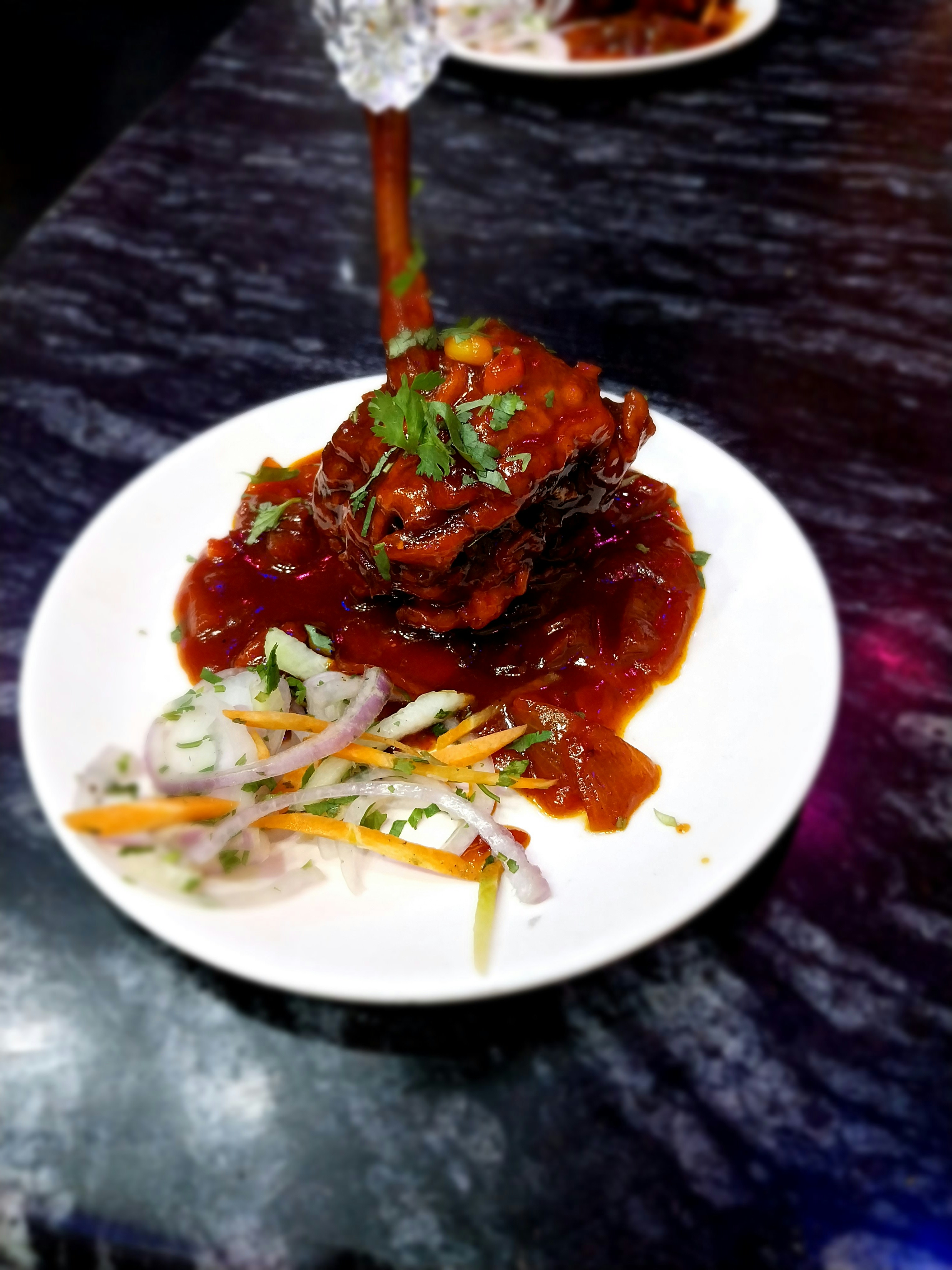
Origins and Historical Context of Lamb Vindaloo
Lamb Vindaloo is a dish that exemplifies the rich tapestry of culinary history shaped by cultural exchanges. Its origins can be traced back to the Portuguese colonization of India in the 15th century. The term “Vindaloo” is derived from the Portuguese dish “Carne de Vinha d’Alhos,” which means meat marinated in wine and garlic. When this dish made its way to India, particularly the coastal region of Goa, it underwent significant transformations, merging with local culinary practices and ingredients.
The adaptation process was vital to the evolution of Lamb Vindaloo. As the Portuguese settled in Goa, they integrated various Indian spices, such as tamarind, chili, and local vinegar, into the traditional recipe. The region’s climate allowed for the cultivation of these spices, which meant that the dish could be tailored to local palettes. This fusion created a unique flavor profile, characterized by its aromatic spices and a tangy, spicy sauce. Lamb, a staple meat in many Indian recipes, became a favored choice for this preparation, providing a rich and tender component that complements the robust spices.
Historical events, such as the spice trade and the migrations of various communities, further influenced the dish. With the influx of Indian Muslim culinary enterprising and the subsequent adoption of the dish by different communities, Lamb Vindaloo transcended its Portuguese origins, evolving into an integral part of Goan cuisine and Indian culinary culture at large. Today, it is not just a beloved dish in India, but has gained international fame, representing the beauty of cross-cultural culinary integration. The historical significance of Lamb Vindaloo highlights how cultural interactions can give rise to innovative and cherished gastronomic traditions.
The Meaning and Cultural Significance of Vindaloo
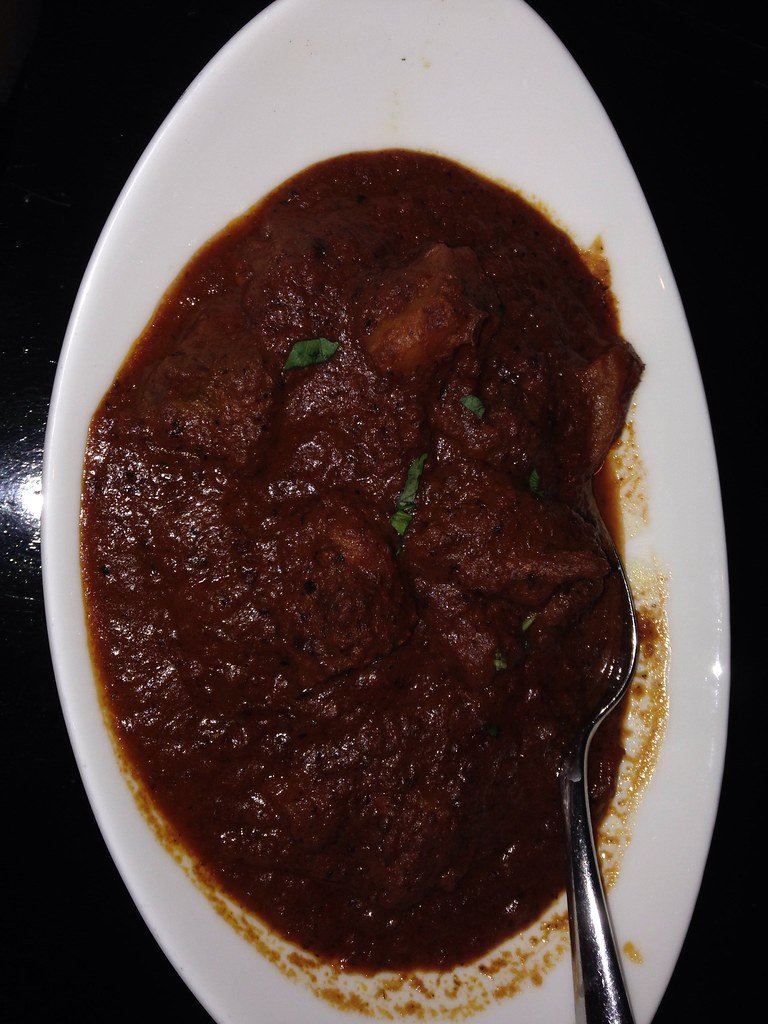
The term ‘Vindaloo’ has linguistic roots that trace back to its Portuguese origins, specifically deriving from the phrase ‘Carne de Vinha d’Alhos,’ which translates to ‘meat marinated in wine and garlic.’ As Portuguese explorers and settlers arrived in India, particularly in Goa, they adapted their recipe to the local ingredients and tastes. Over time, the dish evolved, resulting in the spicy and tangy Lamb Vindaloo that is widely recognized today. The word itself symbolizes a fascinating intersection of cultures, showcasing how global influences can shape local gastronomy.
Within the context of Goan cuisine, Lamb Vindaloo holds a prominent place, particularly during festive occasions and significant celebrations. It is not uncommon to find this dish featured during weddings, religious festivals, and gatherings, where it serves as a centerpiece of communal dining. Its complex flavors and rich heritage reflect the diverse culinary practices found throughout India, highlighting a blend of spices indicative of the region’s historical influences. Cooking Lamb Vindaloo has transcended mere sustenance; it has evolved into a tradition that brings families together, as recipes are handed down through generations.
The variations of Vindaloo across different regions of India further illustrate its cultural significance. While the core elements of vinegar and spices remain central, different interpretations exist, with each region adding its unique touch. For instance, some may incorporate local ingredients such as kokum or tamarind, altering the flavor profile and making each dish distinct. This adaptability not only enriches the dish’s narrative but also exemplifies the creativity within Indian cuisine, showing how Lamb Vindaloo continues to inspire culinary innovation while honoring its historical roots.
Taste and Texture Profile of Lamb Vindaloo
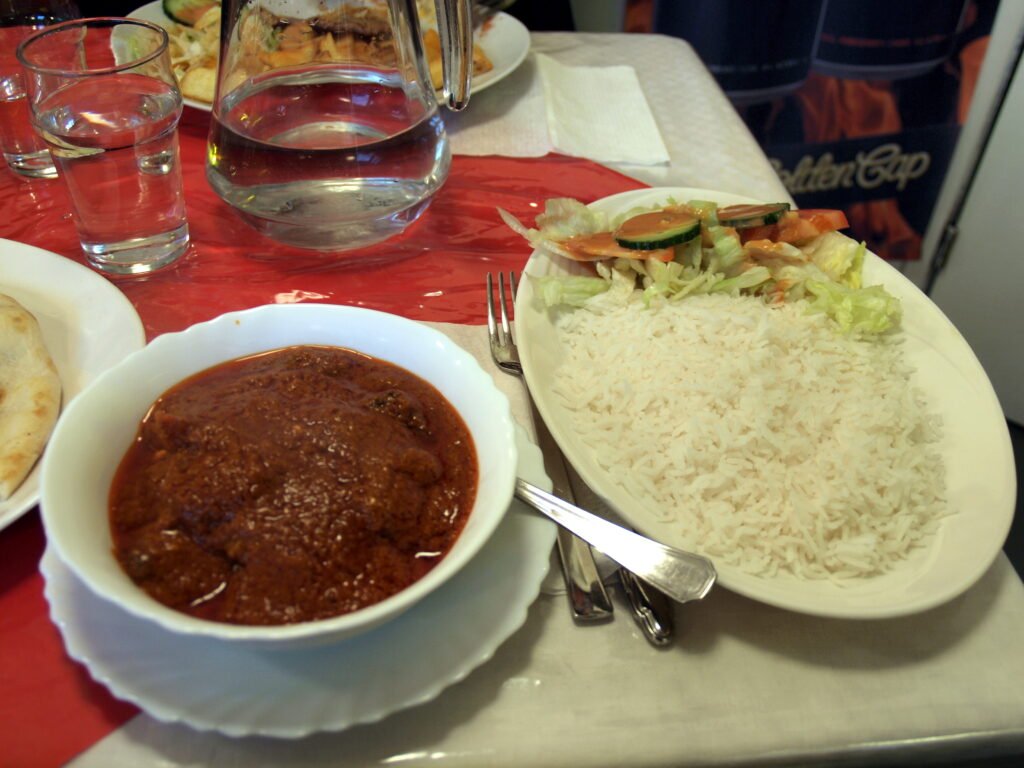
Lamb Vindaloo is a dish renowned for its complex interplay of flavors and textures, making it a favorite among culinary enthusiasts. The flavor profile is characterized by a delightful balance of spiciness, tanginess, and a hint of sweetness. The dish is built upon a base of several essential ingredients that contribute to its unique taste. A key component is the vinegar, which imbues the dish with a distinctive tang that elevates the overall profile. The use of garlic and ginger further enhances the taste, adding depth and warmth to each bite.
The spice blend used in Lamb Vindaloo is pivotal in defining its character. Traditional spices such as cumin, coriander, and mustard seeds are mixed with red chili powder to create a robust and fiery flavor. This fiery aspect can be adjusted according to personal preference, allowing for a tailor-made experience that can range from pleasantly mild to intensely spicy. The natural sweetness often comes from the caramelization of onions or the inclusion of a touch of sugar, creating a well-rounded profile that keeps the palate intrigued.
Texture plays an equally important role in the enjoyment of Lamb Vindaloo. The lamb itself is typically prepared to achieve a beautifully tender consistency through a process of slow cooking in an aromatic gravy. This method not only enriches the meat but also allows it to absorb the intricate flavors from the spice blend and sauces. The result is a melt-in-your-mouth experience that is complemented by the thick, rich sauce that envelops each piece of lamb. To achieve the perfect balance of heat and flavor, it is vital to allow the dish to simmer long enough for the flavors to meld harmoniously, ensuring that every spoonful is as delectable as the next.
Exploring Variations and Modern Takes on Lamb Vindaloo
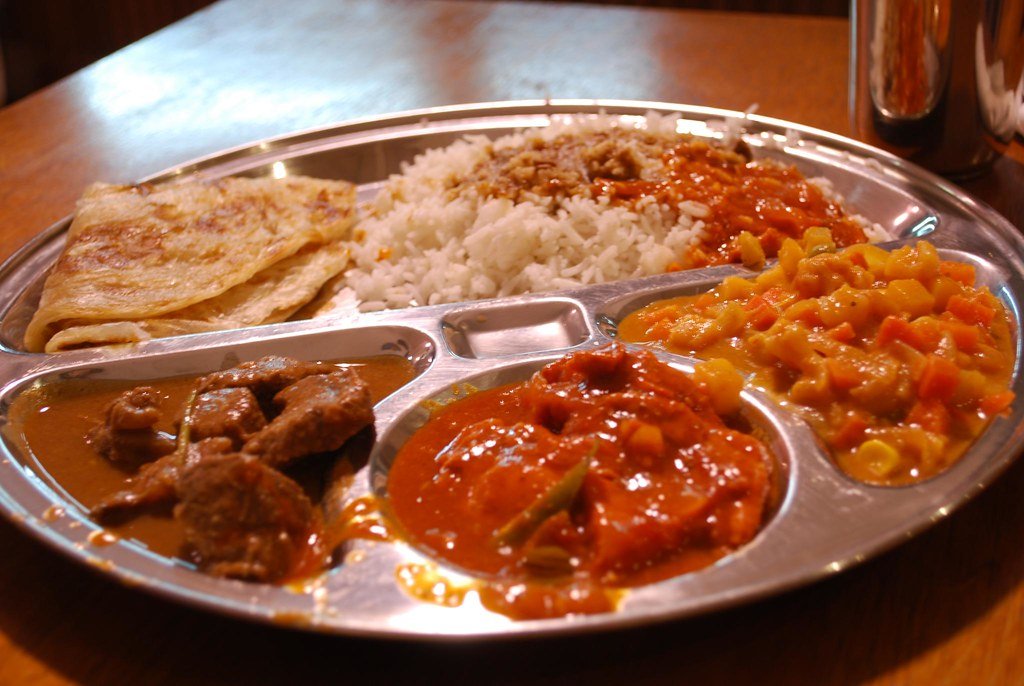
Lamb Vindaloo, traditionally known for its spicy and tangy flavor profile, has evolved significantly over the years, giving rise to numerous variations and modern interpretations. Chefs and home cooks alike have experimented with this classic dish, introducing diverse meats, seafood, and vegetarian options to cater to a wider audience. For instance, some establishments now offer chicken or seafood vindaloo, while others have embraced vegetarian innovations, using ingredients such as tofu, chickpeas, or eggplant to recreate the iconic dish without compromising on taste.
The influence of global culinary trends is another key factor in the evolution of Lamb Vindaloo. In Western countries, several restaurants have tailored the dish to suit local palates, reducing the heat level while emphasizing the rich flavors of the sauce. Additionally, the rise of fusion cuisine has led to creative interpretations, such as the use of Lamb Vindaloo in tacos or as a filling for gourmet sandwiches. These adaptations not only highlight the versatility of Lamb Vindaloo but also encourage culinary experimentation, resulting in unique dining experiences.
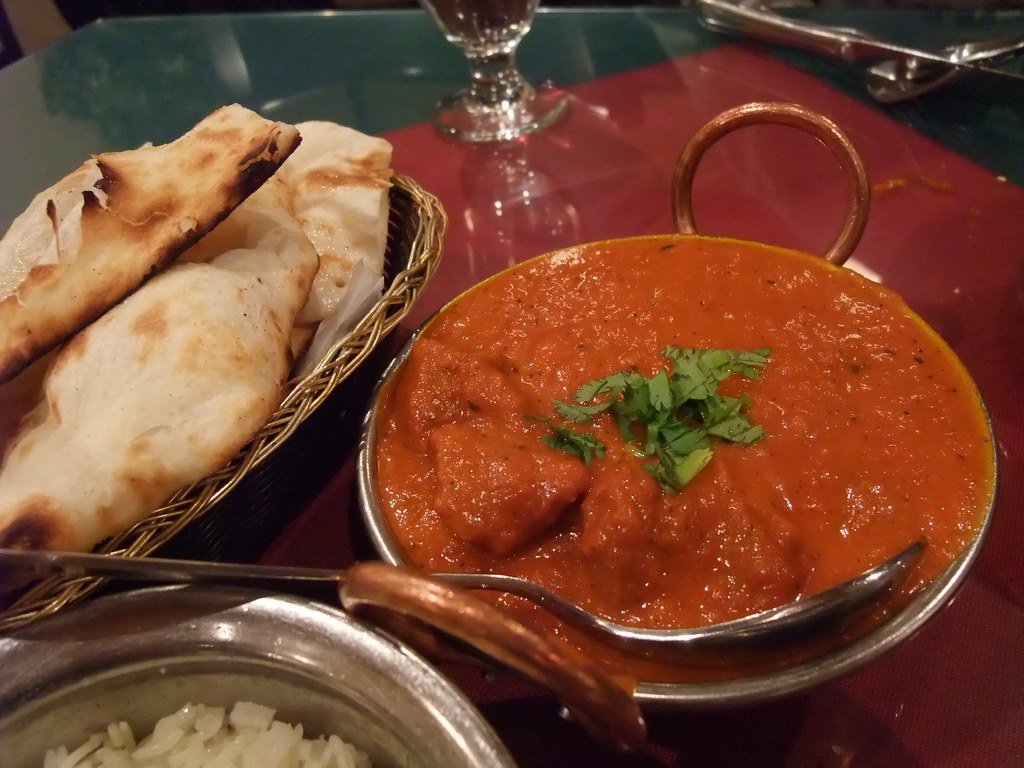
To elevate a Lamb Vindaloo meal, thoughtful pairing with sides and beverages is essential. Serving the dish alongside traditional accompaniments like steamed basmati rice or naan enhances the overall experience, allowing diners to savor the bold flavors. For those looking to complement their meal with beverages, a chilled Riesling or a hoppy IPA can be delightful choices, striking a balance with the spice and richness of the curry. Encouraging creativity in the kitchen and during mealtimes, exploring variations of Lamb Vindaloo can lead to a more vibrant culinary experience, bridging cultures and celebrating the adaptability of this beloved dish.