
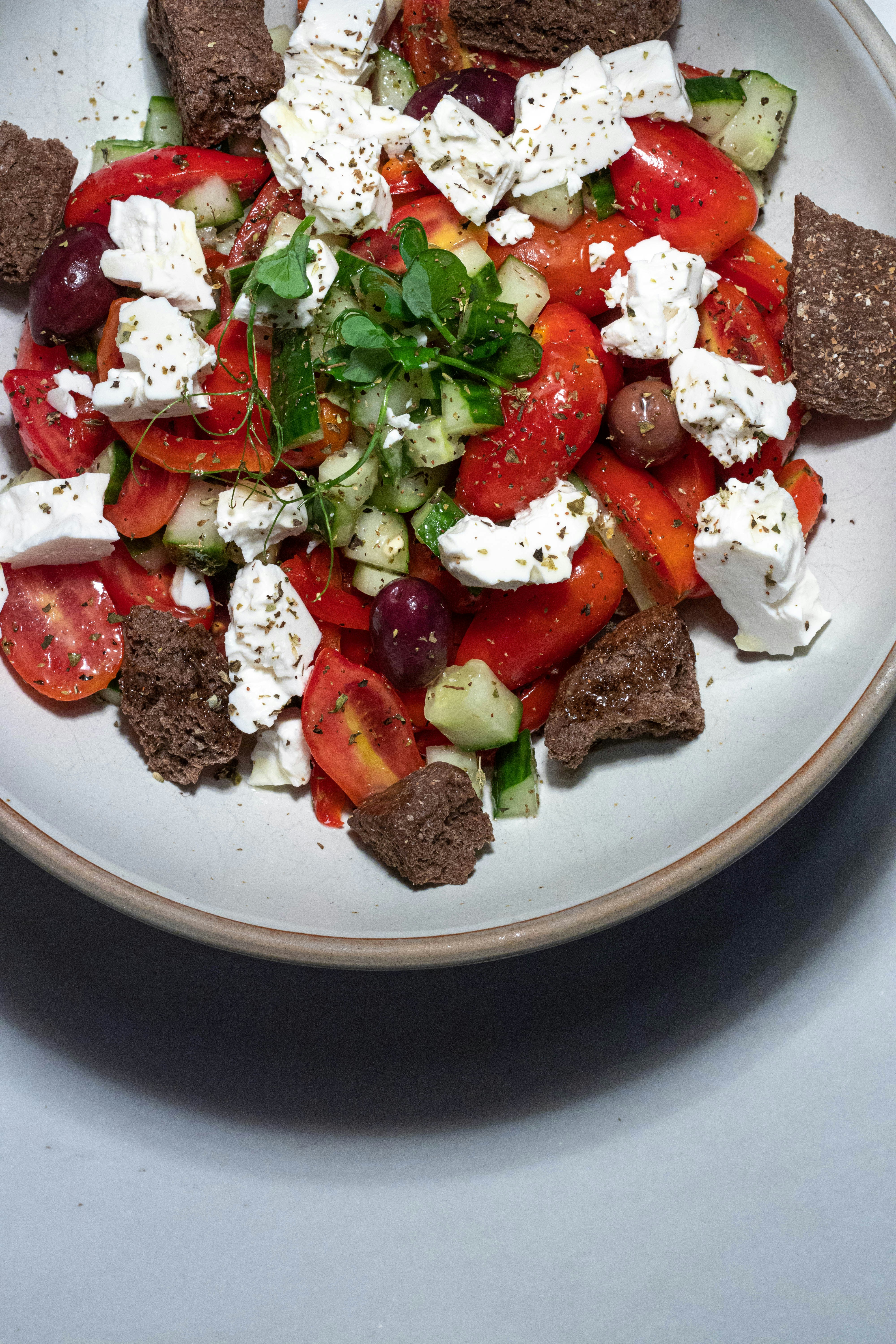
Introduction to Lahanosalata
Lahanosalata, commonly known as Greek cabbage salad, holds a significant place in the culinary landscape of Greece. This vibrant salad is not just a dish; it is a representation of Greek culture and the Mediterranean diet, which emphasizes the use of fresh, wholesome ingredients. With roots deeply embedded in Greek cuisine, lahanosalata is a staple that has been enjoyed by generations, celebrated for its simplicity and refreshing flavors.

The primary ingredients of lahanosalata include finely shredded cabbage, crunchy carrots, and a melange of fresh herbs that contribute to the salad’s aromatic profile. Cabbage serves as the star ingredient, offered in both green and red varieties, which not only enhances the visual appeal but also provides a myriad of health benefits. Carrots add sweetness and a satisfying crunch, while herbs such as parsley, dill, or mint infuse the dish with invigorating flavors. This combination not only showcases the natural goodness of vegetables but also aligns with the principles of the Mediterranean diet, which promotes a balanced intake of nutrients through plant-based foods.
The preparation of lahanosalata is straightforward, reflecting the broader philosophy of Greek cooking—simplicity achieved through high-quality ingredients. The salad is typically dressed with olive oil and lemon juice, allowing the fresh tastes of the vegetables to shine while adding a refreshing zest. This traditional recipe exemplifies the art of combining flavors harmoniously, emphasizing the value of fresh produce over heavy sauces or complex seasonings.
As we delve deeper into the different aspects of lahanosalata, it becomes evident that this humble salad is more than just a dish; it encapsulates a way of life that values health, flavor, and community. Through its origins and continuing presence on the tables of many, lahanosalata remains a beloved component of Greek culinary heritage.
Key Ingredients and Their Benefits
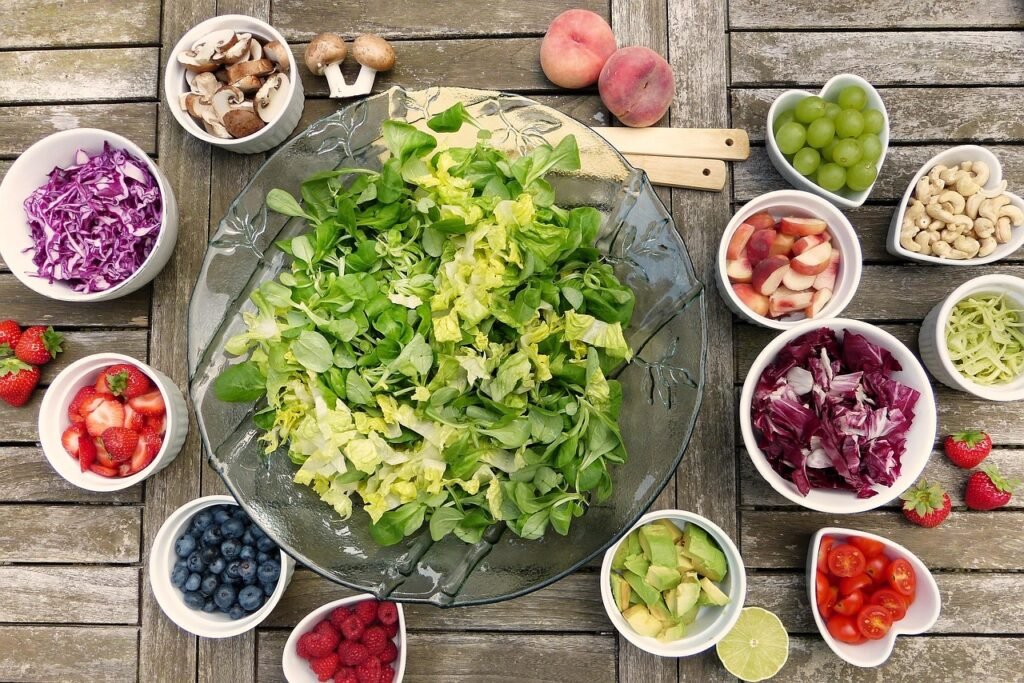
Greek cabbage salad, or lahanosalata, embodies a blend of vibrant ingredients that not only contribute to its distinct flavors but also provide numerous health benefits. The primary component of this salad is cabbage, which can vary from the refreshing green cabbage to the visually striking purple cabbage. Both varieties are rich in vitamins C and K, dietary fiber, and antioxidants, making them excellent for digestive health and immune support. The subtle sweetness of the cabbage balances perfectly with the dressing, ensuring a pleasant taste experience.
In addition to cabbage, common additions such as carrots, onions, and tomatoes further elevate the nutritional profile of lahanosalata. Carrots introduce beta-carotene, which the body converts into vitamin A, essential for eye health and immune function. Onions, packed with quercetin, have anti-inflammatory properties and can help reduce blood pressure. Tomatoes, rich in lycopene, contribute to heart health and offer cancer-fighting benefits. Together, these vegetables create a colorful and nutrient-dense dish that appeals to both the palate and the body.
Moreover, the dressing plays a crucial role in enhancing both flavor and health benefits. A typical lahanosalata dressing consists of high-quality olive oil and vinegar. Olive oil is renowned for its heart-healthy monounsaturated fats, which can aid in reducing the risk of heart disease. It is also packed with antioxidants and anti-inflammatory properties. Vinegar, particularly balsamic or red wine vinegar, not only adds a tangy zest but may also help in controlling blood sugar levels and promoting good digestion. The combination of these ingredients forms a delightful Greek salad that is as nourishing as it is flavorful.
Preparation Methods and Variations
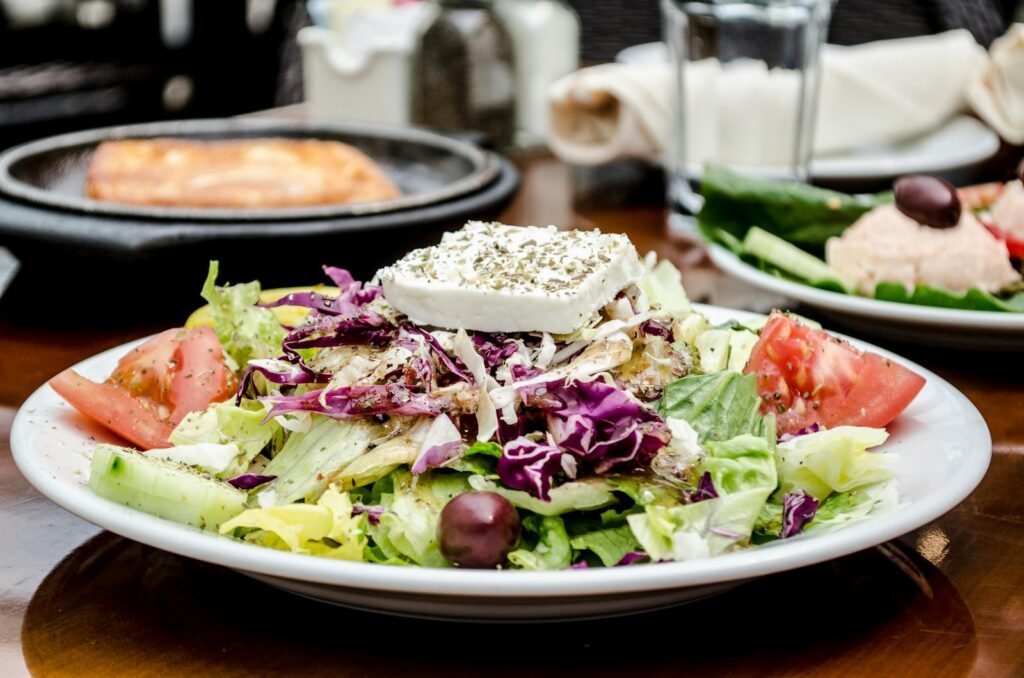
Preparing lahanosalata, or Greek cabbage salad, is a straightforward process that involves several important steps to achieve optimal flavor and texture. Begin by selecting fresh, green cabbage, which is the foundational ingredient of this dish. Start by removing the outer leaves and rinsing the cabbage thoroughly under cold water. Cut the cabbage into thin slices or finely shred it using a sharp knife or a mandoline slicer for a uniform texture. A well-prepared cabbage is essential for the salad’s crunchiness and overall appeal.
Once the cabbage is sliced, transfer it to a large mixing bowl. At this stage, one traditional method involves adding diced tomatoes, cucumbers, and bell peppers to enhance the flavor profile. For modern variations, consider incorporating vibrant vegetables such as radishes for an added bite or avocados for a creamy texture. Nuts, such as walnuts or almonds, can also be introduced for a nutty flavor, while proteins like feta cheese or chickpeas provide additional substance.
The next crucial step is seasoning. Use high-quality olive oil, red wine vinegar, salt, and freshly ground black pepper to dress the salad. The ratios can be adjusted based on personal preference, but a general guideline is three parts oil to one part vinegar, ensuring a balanced flavor. Toss everything thoroughly to achieve an even coating. To elevate the flavors further, consider adding fresh herbs such as dill or parsley, which complement the cabbage beautifully.
When it comes to storage, lahanosalata can be prepared in advance. It’s advisable to store the salad in an airtight container in the refrigerator, where it will keep for several days. However, be mindful that the textures may change over time, so it’s best served fresh shortly after preparation. For serving, lahanosalata can be presented on a large platter or as individual portions, making it a versatile dish suitable for various occasions.
Taste Profile and Serving Suggestions
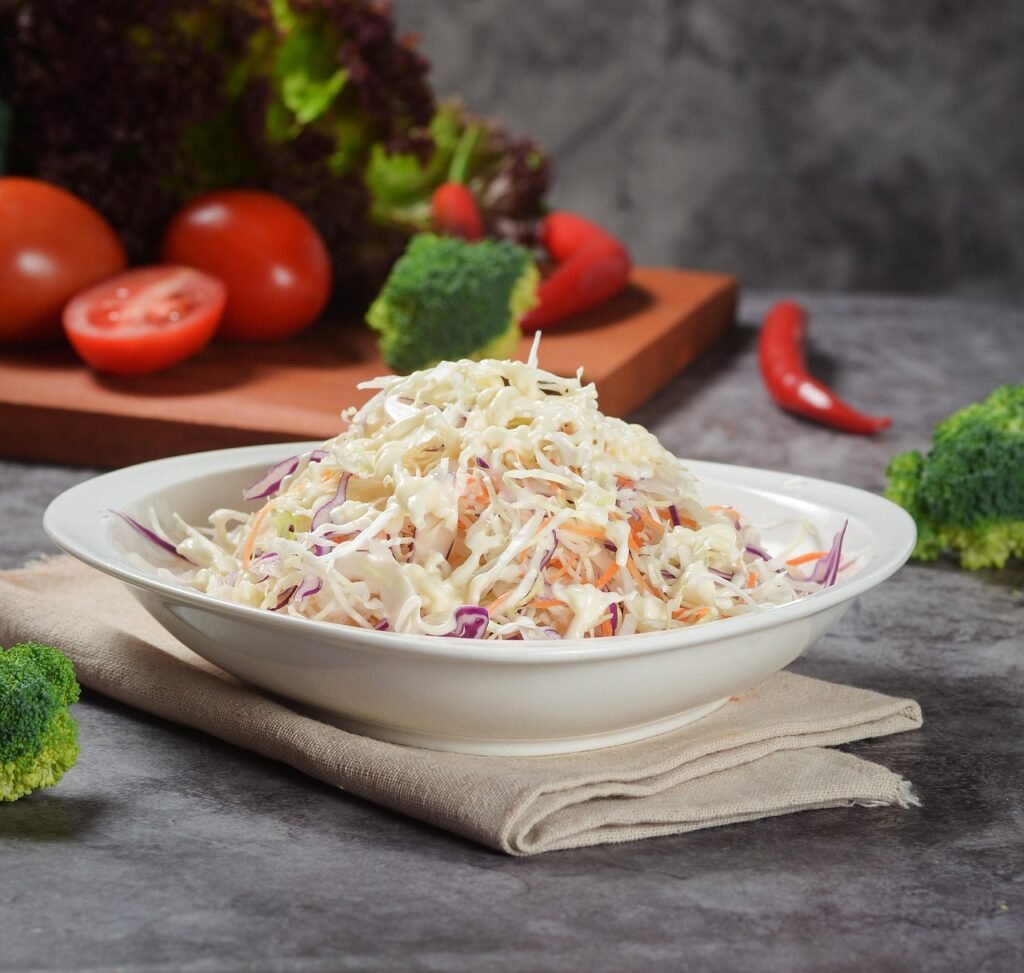
Lahanosalata, a traditional Greek cabbage salad, is distinguished by its enticing flavor profile that harmoniously combines crunchiness, tanginess, and freshness. The primary ingredient, finely shredded cabbage, provides a satisfying crunch that serves as the foundation for this vibrant dish. Its texture is complemented by an array of fresh vegetables such as carrots, bell peppers, and onions, which not only add color but also enhance the overall crunch factor, making every bite a delight.
The tanginess of lahanosalata mainly comes from the dressing, typically made with olive oil, vinegar, and a sprinkle of lemon juice. This combination offers a refreshing zing that elevates the simple ingredients, creating a salad that is both zesty and invigorating. The balanced acerbity of the dressing pairs beautifully with the natural sweetness of the vegetables, striking a perfect chord for those seeking a subtle yet flavorful addition to their meal.
This salad is incredibly versatile, making it an excellent accompaniment to a variety of dishes. It pairs particularly well with grilled meats, enhancing the savory flavors while adding refreshing contrasts. Whether served alongside succulent lamb chops or grilled chicken, lahanosalata complements the richness of the proteins, providing a light and healthful element to the plate. Additionally, it makes for a delightful side to seafood dishes, such as grilled fish or shrimp, adding a crisp texture and a burst of flavor.
Lahanosalata can also stand alone as a light meal, especially during warmer weather. For casual lunches or picnic gatherings, it can be complemented with crusty bread or pita and a dollop of tzatziki. For festive occasions, consider serving this salad as part of a mezze platter, alongside an array of dips and appetizers. By incorporating lahanosalata into various dining contexts, you not only embrace its delightful taste but also showcase its versatility as a beloved Mediterranean dish.