
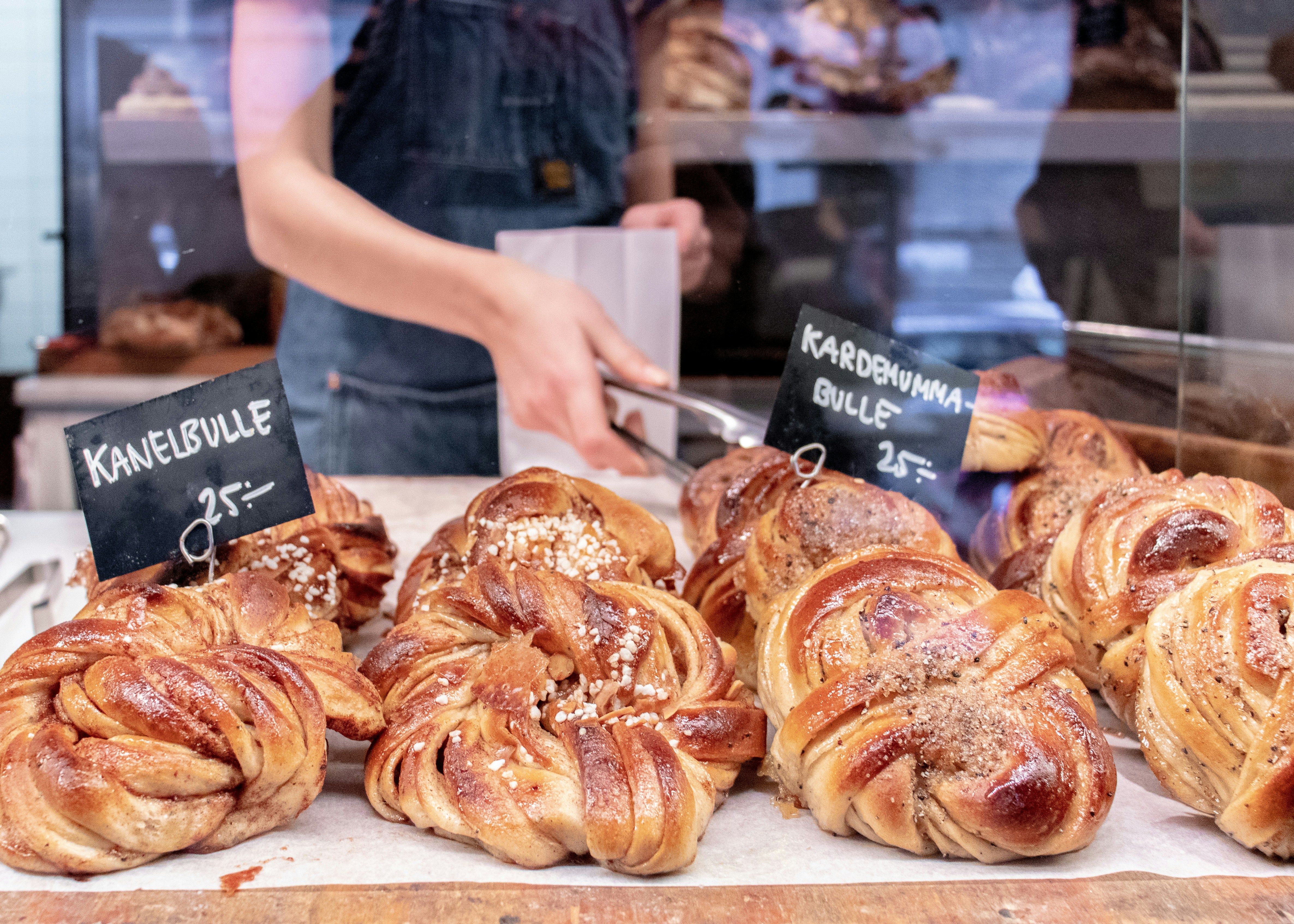
Introduction to Cardamom Buns
Cardamom buns, known as kardemummabullar in Swedish, have a rich culinary heritage that dates back several centuries within Scandinavia. These delightful pastries are characterized by their fragrant blend of cardamom-infused dough, which is often swirled with sugar and butter, creating a uniquely aromatic experience. The origins of cardamom buns can be traced to the baking traditions of Sweden, where cardamom has long been cherished for its warming, spicy flavor and its potential health benefits.

In Swedish culture, cardamom buns are not only a part of everyday life but are also significant to various festivities and gatherings. They are frequently served during Fika, a cherished coffee break in Sweden that emphasizes social interaction alongside enjoyment of food. As this tradition spreads beyond the confines of Scandinavia, the cardamom bun is gaining recognition in bakeries and cafes around the globe, introducing new audiences to its captivating flavor profile.
The key components of cardamom buns include flour, sugar, butter, and, of course, ground cardamom, which plays a pivotal role in defining the taste. The aromatic spice complements the sweetness of the bun, offering a distinctive taste that is both comforting and invigorating. Besides cardamom, variations may include additional elements such as cinnamon, almond paste, or even chocolate, reflecting the versatility of this delightful pastry.
As we embark on this delectable journey through the world of cardamom buns, readers can expect to immerse themselves in a sensory experience marked by enticing aromas, a soft and pillowy texture, and a complex, yet delightful flavor. The rich history and cultural significance of these buns only add to their allure, setting the stage for an in-depth review of their many iterations and variations across different regions.
The Baking Process: Artistry and Techniques
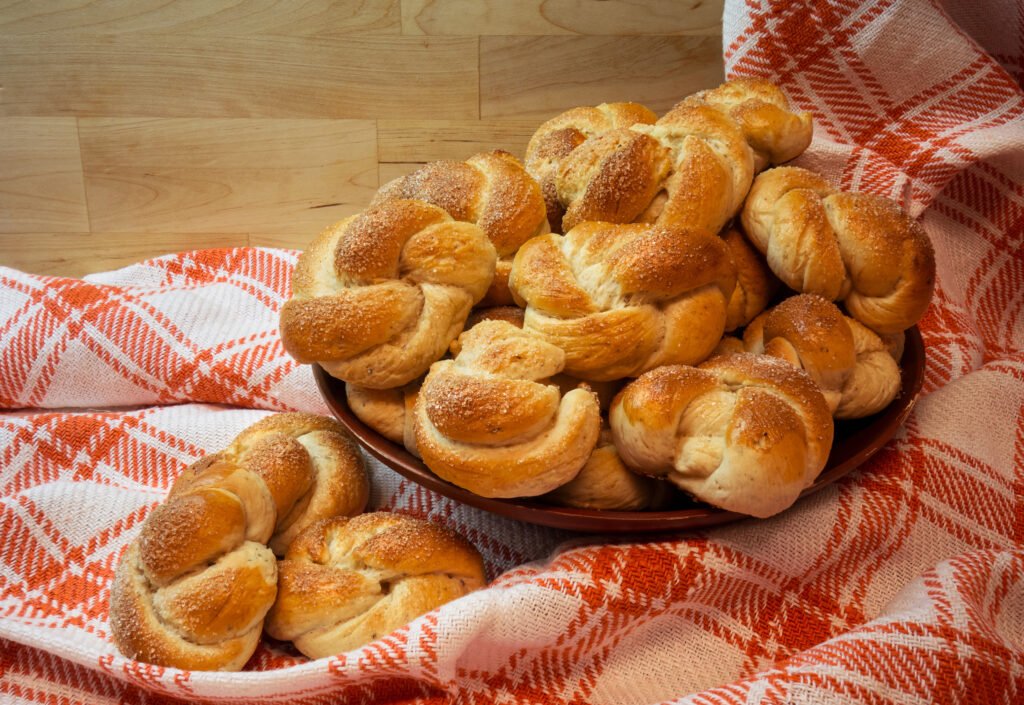
The creation of cardamom buns is a true testament to the artistry involved in baking. At the core of this process are the key ingredients, which include high-quality flour, fresh yeast, and the aromatic cardamom spice. The choice of flour is pivotal, as it contributes to the structure and texture of the bun. All-purpose flour is most commonly used; however, some bakers may opt for bread flour to enhance the bun’s chewiness. The quality of the flour can significantly impact the final product.
Fresh yeast is equally crucial, as it acts as the leavening agent that allows the dough to rise and become fluffy. Some bakers prefer using dry yeast for convenience and longer shelf life. Regardless of the type used, proper proofing is essential; yeast requires warmth and sugar to activate, which ultimately leads to a beautifully risen dough. One cannot overlook the star ingredient—cardamom. This spice not only imparts a unique flavor to the buns but also offers a fragrant aroma that elevates the overall sensory experience.
Preparation methods vary widely, reflecting both traditional and modern techniques. Traditional recipes often involve hand-kneading and allow for extensive resting periods, enabling the dough to develop its full flavor and texture. Modern methods, on the other hand, may utilize mixers and shortcuts like refrigeration. Each technique offers distinct advantages, and the skill of the baker will influence the outcome. For instance, slightly altering fermentation times or kneading durations can lead to variations in taste, texture, and appearance.
Understanding these intricate details of the baking process is essential for achieving the perfect cardamom bun. The balance between artistry and technique ultimately defines the success of this beloved treat, turning simple ingredients into a delightful culinary experience.
Tasting Experience: Flavor Profile and Pairing Suggestions
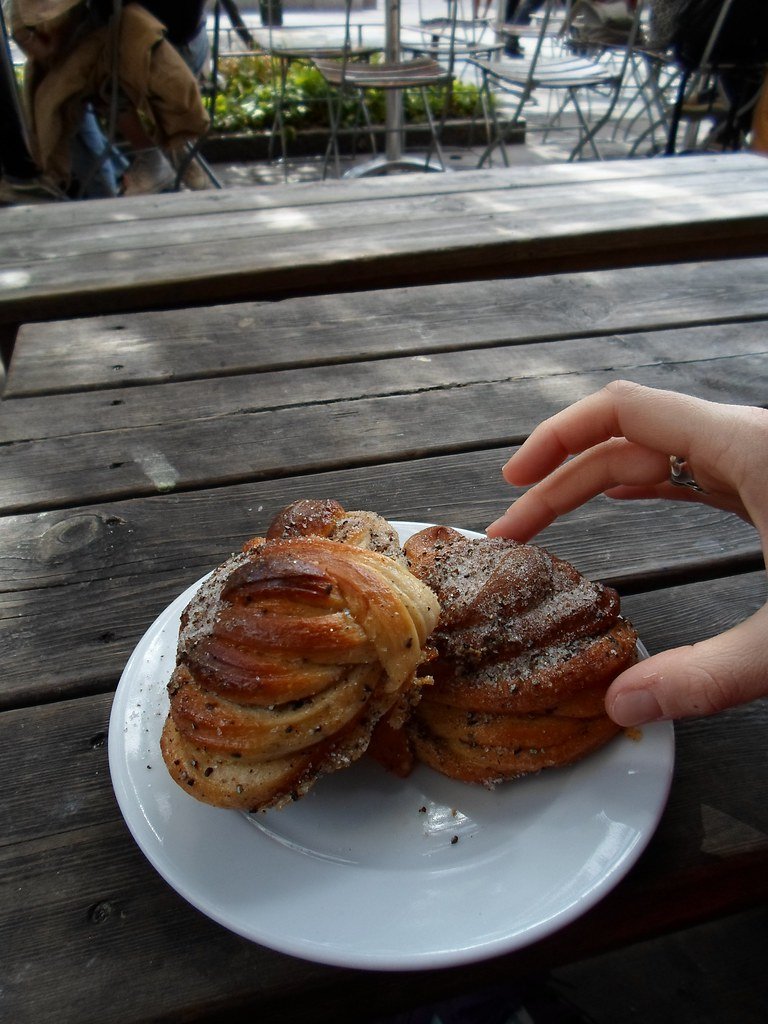
The tasting experience of cardamom buns is truly remarkable, providing a unique combination of flavors and textures that captivate the palate. Upon the first bite, one is greeted with the subtle sweetness of the bun, which is often enriched with a delicate balance of sugar and butter. The soft, pillowy texture of the pastry contrasts wonderfully with the warmth emitted by the aromatic cardamom, a spice known for its ability to evoke a sense of comfort and nostalgia. This initial taste sensation sets the stage for the deeper flavor notes that follow.
As you savor the bun, the aromatic notes of cardamom become increasingly pronounced, enveloping the senses with a fragrant and slightly spicy essence. This complexity is what distinguishes cardamom buns from other baked goods—each bite offers a layered flavor profile that evolves gradually, revealing a delightful interplay between sweetness and spice. The aftertaste leaves a lasting impression, showcasing the fragrant residue of cardamom that lingers on the palate, inviting you to take another bite.
To enhance the overall tasting experience of cardamom buns, pairing them with beverages such as coffee or tea is highly recommended. The rich, robust flavor of coffee complements the sweetness of the bun, while the bitterness acts as a counterpoint to the cardamom’s floral notes. On the other hand, a classic black tea or a spiced chai can elevate the aromatic qualities of the bun, creating a harmonious blend of flavors that enriches your senses. Overall, the experience of enjoying a cardamom bun is one that beckons for thoughtful pairing, allowing the individual flavors to shine while simultaneously enhancing the delightful eating experience.
Where to Find the Best Cardamom Buns
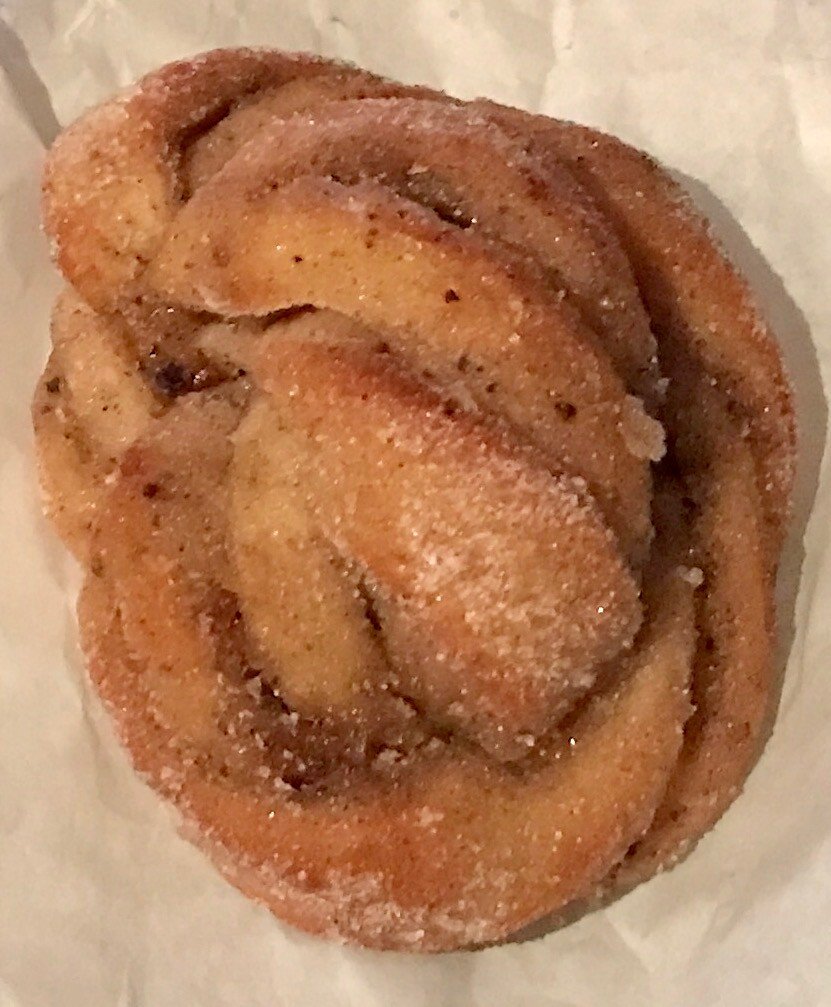
Finding the finest cardamom buns involves exploring various avenues that showcase this aromatic pastry. Local bakeries are often the heart of cardamom bun culture, providing freshly baked options that reflect traditional recipes. Seek out establishments that prioritize quality ingredients and artisanal baking methods. Look for bakeries with glowing reviews and dedicated sections highlighting their cardamom buns, as this indicates a level of expertise and commitment to authentic flavors.
Specialty cafes are another excellent option for tasting exquisite cardamom buns. Many of these cafes curate their menus to feature unique twists on classic pastries, often incorporating high-quality spices and fillings. When exploring specialty cafes, consider those that are well-regarded within the community, as their dedication to craftsmanship often results in outstanding offerings. Take note of locations that emphasize the use of organic and sustainably sourced ingredients, as these factors can contribute to the overall flavor and quality of the buns.
For those who prefer shopping from home, reputable online sellers offer a convenient alternative. Numerous bakeries have expanded their services to include shipping nationwide, enabling enthusiasts to enjoy delectable cardamom buns without geographical limitations. Ensure you choose sellers that maintain high standards for freshness and packaging to guarantee the buns arrive in optimal condition.
If you’re interested in creating your own cardamom buns, numerous recipes are available online that cater to various skill levels. When baking at home, consider sourcing authentic ingredients such as freshly ground cardamom and high-quality flour for the best outcomes. Experimenting with different fillings and preparing a traditional yeast dough can also enhance your culinary experience. By following trusted recipes and tips, you can embark on your own delightful journey into the world of cardamom buns.