

What is Okonomiyaki?
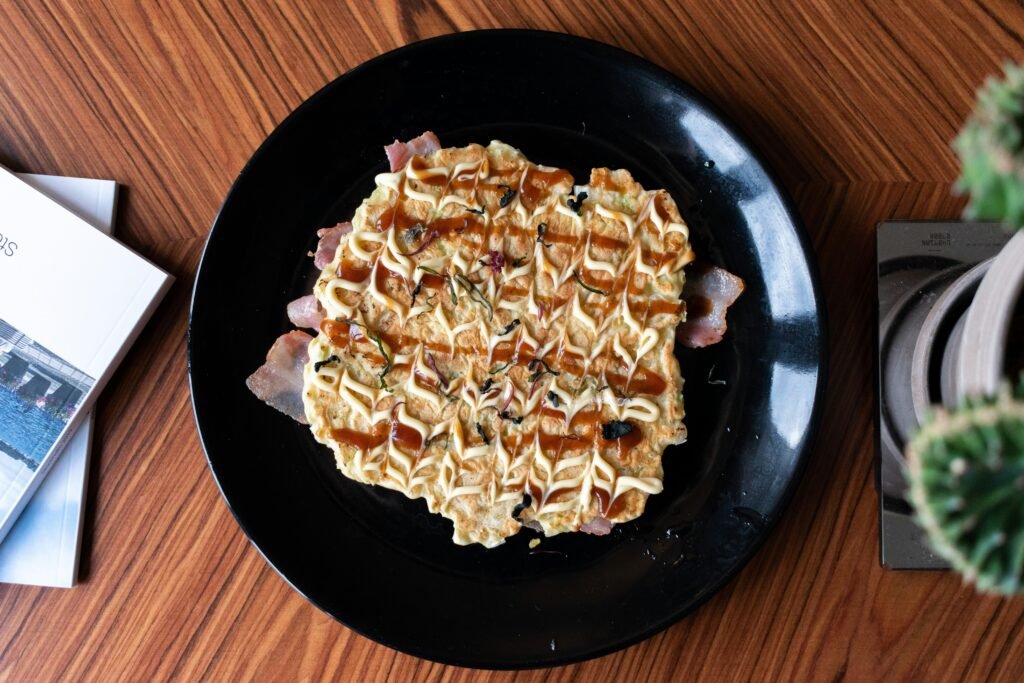
Okonomiyaki, often referred to as a savory Japanese pancake, is a versatile dish deeply embedded in the culinary landscape of Japan. The name okonomiyaki translates to “grilled as you like it,” reflecting the flexibility of its ingredients based on personal preferences and regional variations. Traditionally, the base is made from a batter consisting of flour, eggs, and shredded cabbage, to which various ingredients such as seafood, meat, and vegetables can be added. This adaptability not only makes it appealing to diverse palates but also highlights the creativity of cooks across Japan.
The origins of okonomiyaki can be traced back to the Edo period, where it began as a simple wheat-flour and water mixture served at street stalls. Over the years, it evolved, with different regions embracing their distinct styles. Osaka and Hiroshima are the two cities most renowned for their variations. In Osaka, the preparation involves mixing all ingredients into the batter before cooking. Conversely, Hiroshima’s rendition presents a layered approach where the batter is cooked first, followed by the addition of cabbage and noodles, and finally topped with an array of ingredients, creating a hearty meal.
Culturally, okonomiyaki is much more than just food; it represents a communal dining experience. Many families and friends gather around hot plates to cook their own pancakes, fostering a sense of togetherness and enjoyment of the cooking process. Additionally, okonomiyaki has earned its reputation not only as a popular dish in casual dining but also as a symbol of regional pride. The unique interpretations found in different locales offer insight into the local culture and culinary traditions that make Japan’s food scene vibrant and diverse.
The Ingredients that Make Okonomiyaki Shine
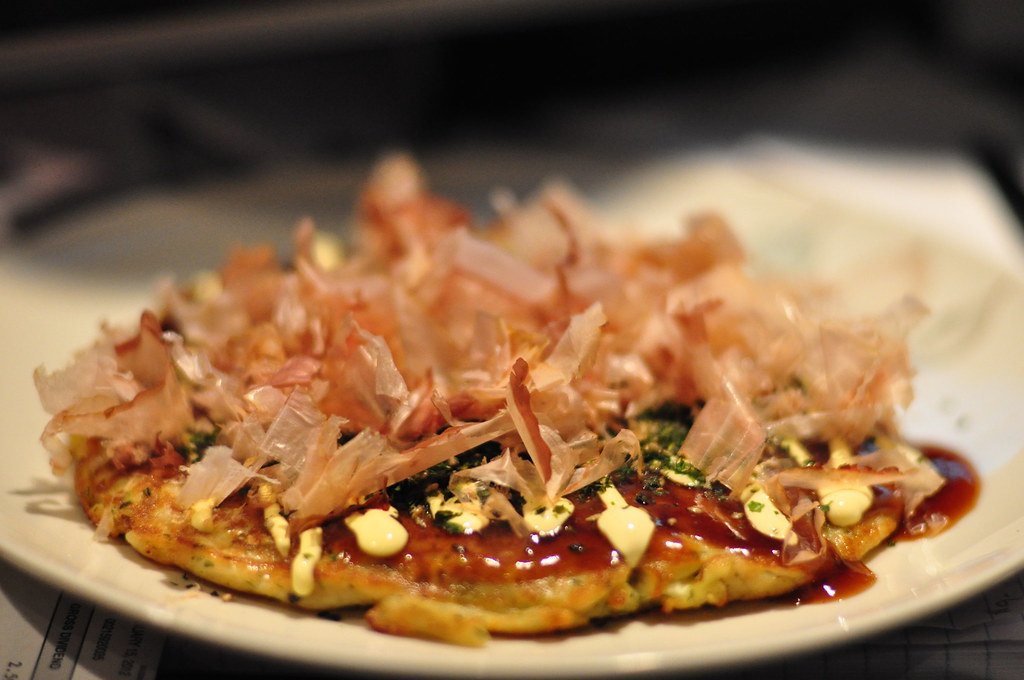
Okonomiyaki, often referred to as a savory Japanese pancake, stands out for its versatility and rich flavor, primarily deriving from its key ingredients. The foundation of okonomiyaki lies in the batter, which commonly consists of flour, eggs, and dashi stock. The flour serves as the primary structure, while the eggs provide moisture and binding, ensuring a cohesive mixture. Dashi, a traditional Japanese stock made from kelp and bonito flakes, imparts a unique umami flavor that heightens the taste of the entire dish.
Cabbage is another essential component in okonomiyaki, adding both texture and volume. The finely shredded cabbage not only contributes crunchiness but also balances the richness of the batter and other toppings. Beyond cabbage, the textural and flavor possibilities expand with various fillings and toppings. Common additions include seafood—such as shrimp, squid, and octopus—which offer a delightful marine taste. Meats like pork belly are also popular, providing a savory richness that complements the other ingredients. The selection of toppings is indeed diverse, with each region in Japan boasting its own variations.
Garnishes play a significant role in the overall presentation and flavor profile of okonomiyaki. Typical garnishes include aonori (dried seaweed), katsuobushi (bonito flakes), and a drizzle of tangy okonomiyaki sauce, which serves as a finishing touch, enhancing the dish’s visual appeal and taste. The quality and freshness of these ingredients are paramount; superior ingredients can elevate okonomiyaki, resulting in a more flavorful and texturally appealing experience. When selecting ingredients for okonomiyaki, prioritizing quality not only impacts the dish’s authenticity but also its overall enjoyment.
Cooking Techniques: From Street Stall to Home Kitchen
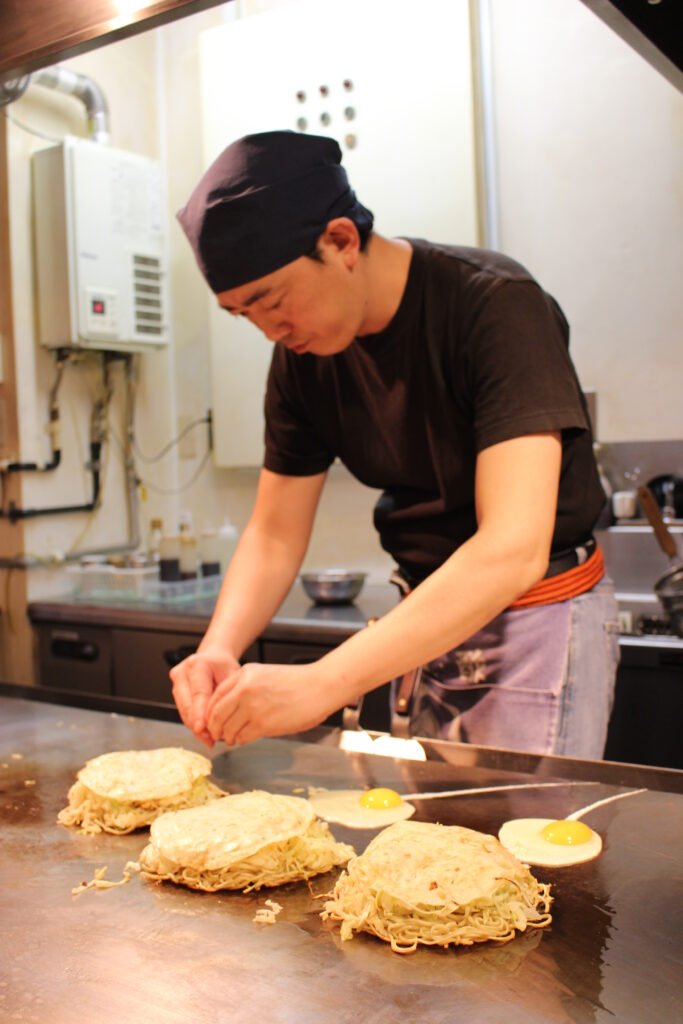
Okonomiyaki is a versatile Japanese dish that can be prepared using various cooking techniques, whether at a bustling street stall or in the comfort of your home kitchen. The traditional method involves using a teppan, a flat grill that evenly distributes heat, allowing the ingredients to cook uniformly. Street vendors often employ this technique, enabling them to serve fresh okonomiyaki in a matter of minutes. The preparation is typically quick, requiring only a few minutes on each side to achieve the desired level of crispiness.
For home cooks, investing in a high-quality non-stick frying pan or a griddle can replicate the teppan experience reasonably well. When cooking okonomiyaki at home, it is crucial to preheat your cooking surface adequately. This ensures that the batter begins to set immediately, promoting the ideal texture with a crispy exterior and a moist interior. A heat setting that is moderately high is recommended, as it facilitates the perfect balance between cooking the ingredients through and achieving the sought-after golden crust. Timing is key; generally, each side should cook for about 3-5 minutes, but factors such as thickness and additional ingredients may necessitate adjustments.
Additionally, incorporating special techniques can significantly enhance your okonomiyaki. For example, layering the ingredients can introduce diverse textures; consider placing pork belly or seafood atop the batter as it cooks. This method allows the toppings to blend harmoniously with the dough, resulting in heightened flavors. Experimenting with various fillings leads to exciting culinary discoveries, making each okonomiyaki uniquely delightful. Ultimately, achieving the perfect okonomiyaki involves understanding heat control, timing, and ingredient composition. You can enjoy a savory dish reminiscent of authentic street fare with practice and attention to detail.
Experiencing Okonomiyaki: Recommendations and Pairing
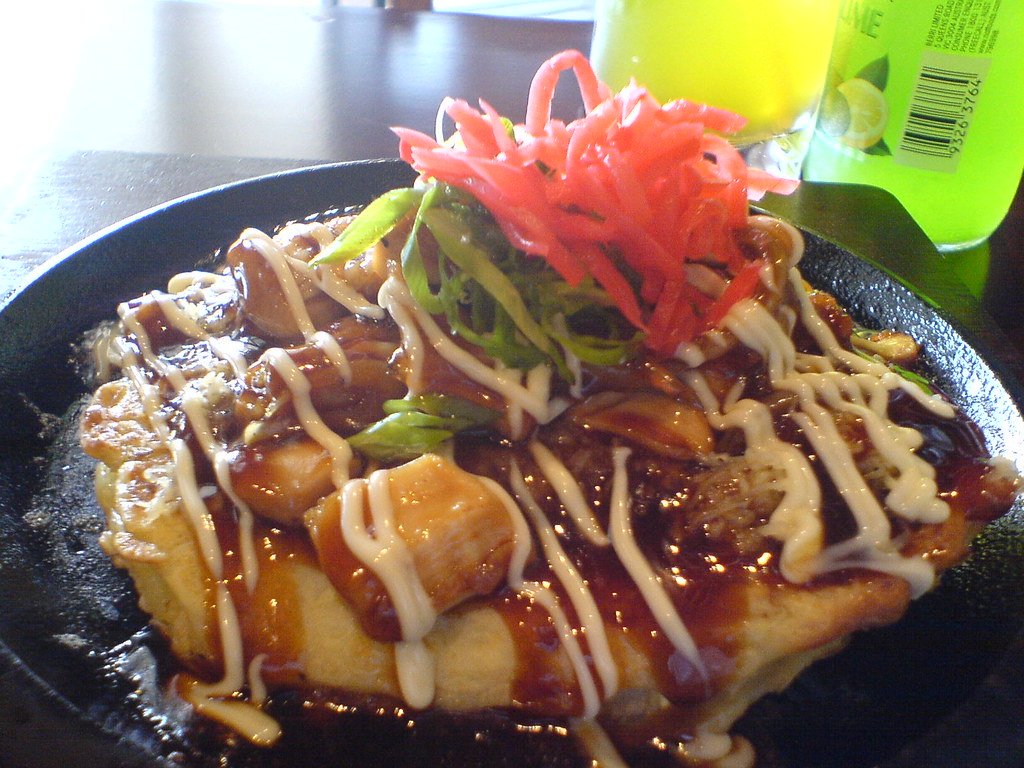
Okonomiyaki is a culinary delight that deserves to be savored in its most authentic forms. In Japan, a few establishments stand out as the epitome of this savory pancake dish. One such location is Mizuno, situated in Osaka, which has garnered a loyal following for its dedication to producing high-quality okonomiyaki. This restaurant is particularly famous for its signature dish, the Tokyo-style okonomiyaki, which boasts an exquisite combination of ingredients, enhancing the flavor profile remarkably.
Another must-visit is Chibo, which has multiple branches across Japan and is renowned for its variety of toppings and a family-friendly atmosphere. Their specialty, the Okonomiyaki with mixed seafood, exemplifies the personalized touch that many diners seek. For those outside Japan, restaurants such as Kaze in Los Angeles and Okonomi in Brooklyn stand out for their authentic flavors and creative interpretations, bringing the essence of okonomiyaki to the international dining scene.
Pairing your okonomiyaki with the appropriate beverage can also elevate your dining experience. Sake, the traditional Japanese rice wine, offers a superb complement, especially varieties like Junmai, which harmonize beautifully with the umami flavors present in the dish. For craft beer enthusiasts, a light lager or a citrusy IPA can provide a refreshing contrast, balancing the richness of the okonomiyaki. Additionally, side dishes such as takoyaki, a related octopus-filled snack, or a simple seaweed salad can enhance the meal’s diversity while maintaining its Japanese culinary roots.
Enhancing your culinary experience with thoughtful recommendations ensures that every bite of okonomiyaki resonates with flavor and tradition. Adopting these pairings and visiting these esteemed locations can facilitate a deeper appreciation of this Japanese favorite, truly embodying the spirit of culinary exploration.