

- The Origins of English Afternoon Tea
- A Brief History of Afternoon Tea
- The Meaning and Significance of Afternoon Tea
- The Essential Components of Afternoon Tea
- Taste Profiles of Afternoon Tea Dishes
- The Texture Experience: A Sensory Journey
- Cultural Variations of Afternoon Tea
- Modern Takes on Traditional Afternoon Tea
- Tips for the Perfect Afternoon Tea Experience
The Origins of English Afternoon Tea
The tradition of English afternoon tea has its historical roots firmly planted in the early 19th century. This practice was introduced during a time when the upper classes of England were accustomed to having two main meals: breakfast and a late dinner around 8 or 9 PM. It was during this lengthy interval between meals that many found themselves feeling famished. Anna Maria Russell, the Duchess of Bedford, is credited with the popularization of what we now recognize as afternoon tea. She sought a solution to her mid-afternoon hunger pangs by requesting a pot of tea and a selection of light snacks in her chambers.
This practice quickly caught on, leading to the Duchess inviting friends to join her for tea and refreshments. As the concept gained popularity, it evolved from a private meal into a fashionable social gathering. By the 1840s, afternoon tea had transitioned into a well-established social institution among the British aristocracy, which included not only tea but also an array of sandwiches, scones, and pastries. This gathering provided the opportunity for women to come together in a more relaxed setting compared to the formal dinners of the evening.
A Brief History of Afternoon Tea
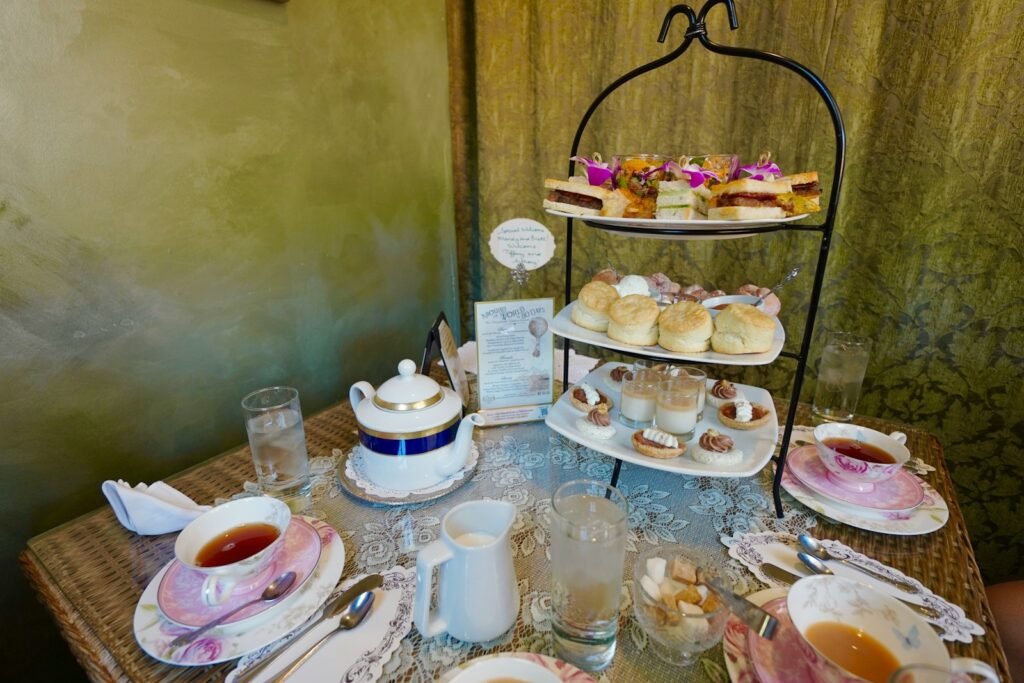
The tradition of afternoon tea has its origins in the early 19th century in England, particularly during the Victorian era. It is widely believed that Anna, the Duchess of Bedford, was the architect of this social practice, as she sought a remedy for the mid-afternoon hunger pangs she experienced between lunch and dinner. Initially a simple meal of bread and butter, it evolved into a more elaborate affair consisting of a variety of tea, delicate sandwiches, scones, and sweets.
The introduction of afternoon tea marked a significant shift in social customs and etiquette. It became a refined social event, signaling the importance of fashion and status during the Victorian period. Ladies would don their finest garments, wearing elaborate hats and gloves, as they gathered for this ceremonial event in the late afternoon. This practice served not only as a means to enjoy tea and food but also as an opportunity to showcase the latest fashions, reflecting the societal values of the time.
Today, afternoon tea remains a cherished British tradition, evolving yet preserving its classic elements. It is celebrated not just as a meal but as a cultural experience that invites people to engage in conversation, enjoy fine food, and partake in social bonding. The charm of afternoon tea can be seen in both luxurious establishments and cozy tea rooms, signifying its lasting legacy in British dining culture.
The Meaning and Significance of Afternoon Tea
Afternoon tea, an integral aspect of British culture, holds profound significance that extends beyond its culinary components. This traditional ritual emerged during the early 19th century, primarily attributed to Anna Marie Russell, the Duchess of Bedford, who sought to stave off hunger between meals. Over the years, afternoon tea has evolved into a social event marked by intricate ceremonies, becoming a quintessential representation of British hospitality and sophistication.
The practice of afternoon tea is not merely about consuming food; it embodies a rich tapestry of social interaction. During this leisurely break, friends, family, and colleagues connect over a carefully curated selection of teas, sandwiches, and pastries. This custom reinforces social bonds and fosters an atmosphere of conviviality, where conversation flows as effortlessly as the tea itself. As a result, afternoon tea has attained a distinct status, symbolizing refinement, continuity, and a pause in the sometimes hectic pace of modern life.
Furthermore, afternoon tea serves as a cultural artifact, embodying British traditions that have been passed down through generations. It reflects a unique aspect of British identity, encompassing the values of hospitality, leisure, and meticulous attention to detail. The elegant teapots, fine china, and beautifully arranged tiers of delicacies signify an appreciation for aesthetics, elevating an everyday meal into a memorable experience.
In contemporary society, the relevance of afternoon tea remains robust, adapting to modern tastes while retaining its classic essence. Cafés and hotels continue to offer themed afternoon teas, appealing to both locals and tourists seeking an authentic British experience. This adaptability reaffirms afternoon tea’s enduring charm, ensuring that this beloved tradition remains a celebrated and cherished ritual in British culture.
The Essential Components of Afternoon Tea
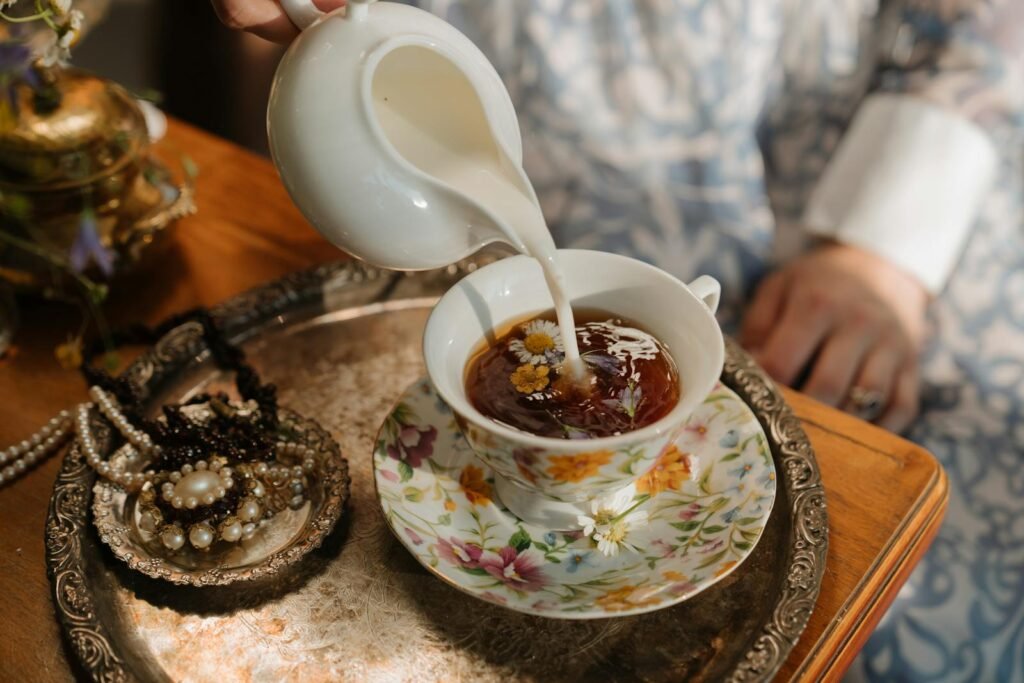
Afternoon tea, a quintessential British tradition, typically encompasses a specific structure that involves several key components. The cornerstone of this experience is the selection of tea itself, which might include classic varieties such as Earl Grey, Darjeeling, or Assam. Each type of tea serves not only to refresh but also to complement the food served alongside it. In contemporary settings, one might also encounter herbal and fruit infusions, providing a modern twist on this timeless ritual.
Following the tea, the first course of an afternoon tea service often includes finger sandwiches. These bite-sized delicacies are usually prepared with a crustless bread and feature a variety of fillings. Traditional options might consist of cucumber and cream cheese, smoked salmon, or egg salad, all carefully crafted to ensure ease of eating. Contemporary offerings have expanded these choices, introducing gourmet ingredients such as chicken with avocado or spicy hummus, showcasing the evolving nature of this splendid meal.
The second essential component is the scone, typically served warm and accompanied by clotted cream and jam. The most common types of scones are plain or fruit, with variations like cheese scones for a savory twist. The ritual of applying cream and jam is an ongoing debate in several regions, with the West Country advocating for cream first, while the Devonshire tradition favors jam as the front runner. These subtle variations in scone preparation and assembly highlight the region’s unique approach to afternoon tea.
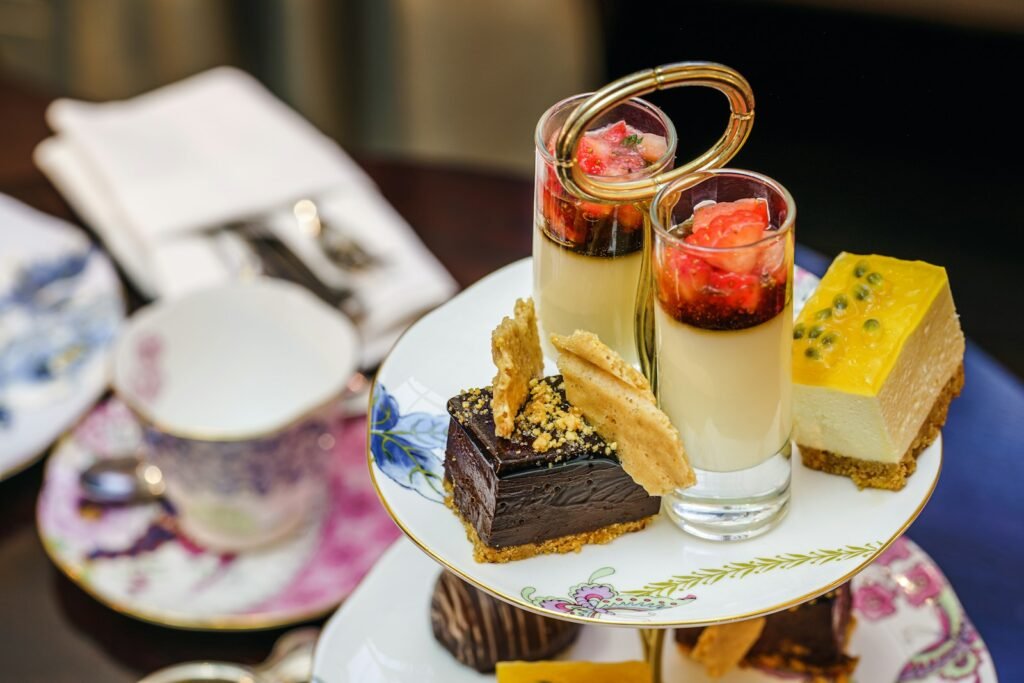
Finally, an assortment of pastries and cakes rounds out the experience. This selection may range from delicate macarons and tarts to rich, moist sponge cakes and seasonal treats. Both traditional and contemporary variations can be found, reflecting local culinary trends and preferences. Each component of afternoon tea, from the carefully brewed tea to the thoughtfully prepared pastries, encapsulates the essence of this refined dining experience, making it a cherished occasion for social gatherings.
Taste Profiles of Afternoon Tea Dishes
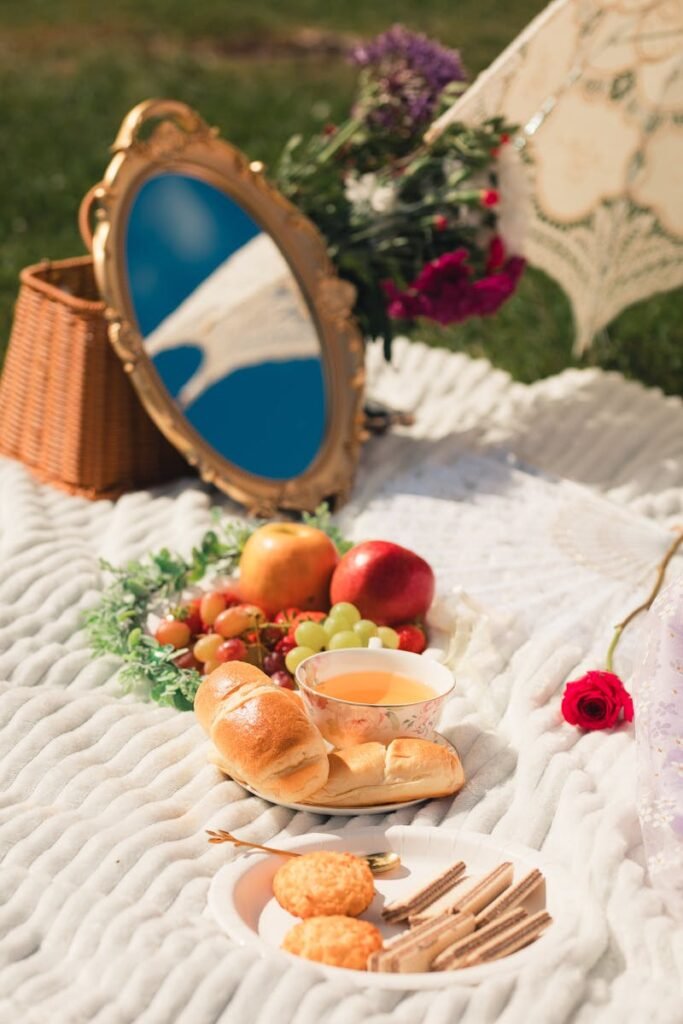
Afternoon tea is an elegant affair that boasts a remarkable variety of dishes, each bringing its unique taste profile to the table. Central to the experience are the contrasting flavors of sweet and savory components, which together create a harmonious balance that pleases the palate. The savory items, typically including finger sandwiches filled with cucumber, smoked salmon, or egg, offer a refreshing and delicate taste. The mild earthiness of the teas complements these flavors, enhancing their subtlety without overwhelming the senses.
On the sweet side, classic offerings such as scones served with clotted cream and jam, as well as pastries and cakes, introduce rich, sugary notes. The scones, which provide a crumbly texture, are often mildly sweet, serving as a perfect canvas for the sweetness of the accompanying jams. Each bite releases the buttery flavor, further elevated when paired with a well-chosen tea. A floral Earl Grey, for instance, can enhance the citrus notes of lemon curd, creating a delightful contrast that ignites the taste buds.
The impact of the tea selection on the overall tasting experience is profound. The myriad types of tea—from robust black teas to fragrant herbal blends—alter how flavors are perceived. A strong Assam or a fragrant Darjeeling can enrich savory dishes by providing depth, while lighter teas like green tea or white tea can brighten sweet elements without overshadowing their flavor. Ultimately, the interplay of tea with both sweet and savory dishes epitomizes the character of afternoon tea, as each sip leads to new dimensions of taste. The synergy between food and tea transforms afternoon tea into not merely a meal but a celebration of flavor and refinement.
The Texture Experience: A Sensory Journey
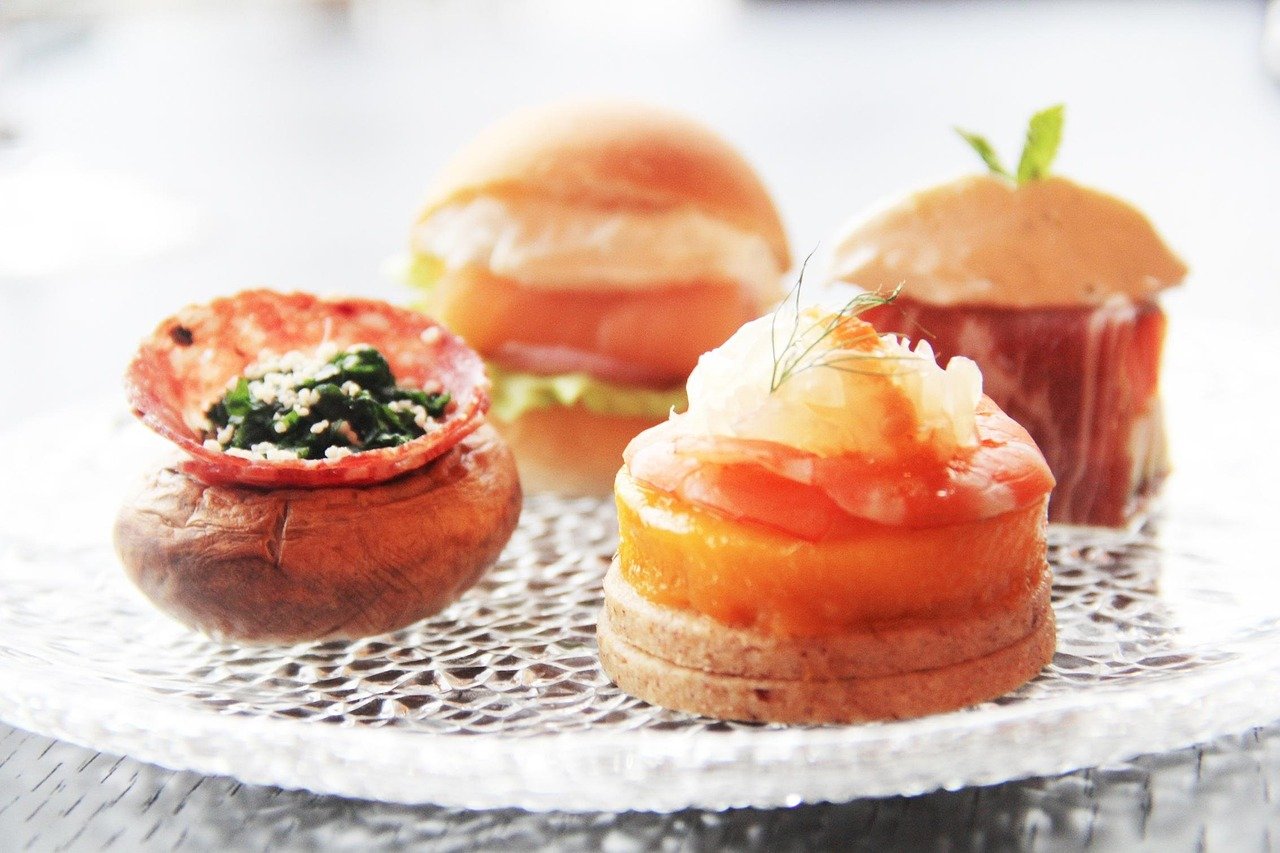
One of the most captivating aspects of English afternoon tea is the diverse array of textures that tantalize the palate and enhance the overall dining experience. From the initial crunch of the sandwiches to the velvety softness of clotted cream atop freshly baked scones, each component offers a unique texture that invites exploration and appreciation.
The sandwiches, typically crafted from light, crustless bread, provide a contrasting crunch that can elevate the consumption experience. The fillings, which vary from crisp cucumber slices to hearty smoked salmon, add depth, creating an engaging juxtaposition of textures. This contrast is not merely a delight for the taste buds; it elicits an anticipation that sharpens one’s appreciation for each bite. The experience is further enriched by the taste and freshness of ingredients, offering a savory start to the journey through afternoon tea.
Transitioning to the centerpiece of English afternoon tea, the scone is a soft and crumbly delight that beckons with warmth. The tactile experience of breaking open a scone, with its slightly crusty exterior yielding to a tender interior, is a fundamental pleasure. Accompanied by rich clotted cream and fruity preserves, the scone acts as a canvas for layers of flavor and texture, enhancing each mouthful. The creamy consistency of the toppings adds another layer, contrasting beautifully with the fluffy scone.
Finally, the pastries represent delicate artistry in texture. From the light, airy consistency of a macaron to the crisp outer shell of a tart filled with smooth, velvety ganache, each dessert is designed to engage the senses fully. The varying textures resonate well, transforming the act of eating into a sensory journey that lingers in memory. Overall, the texture experiences presented in an afternoon tea service play a pivotal role in elevating the meal from mere sustenance to a sophisticated culinary event.
Cultural Variations of Afternoon Tea
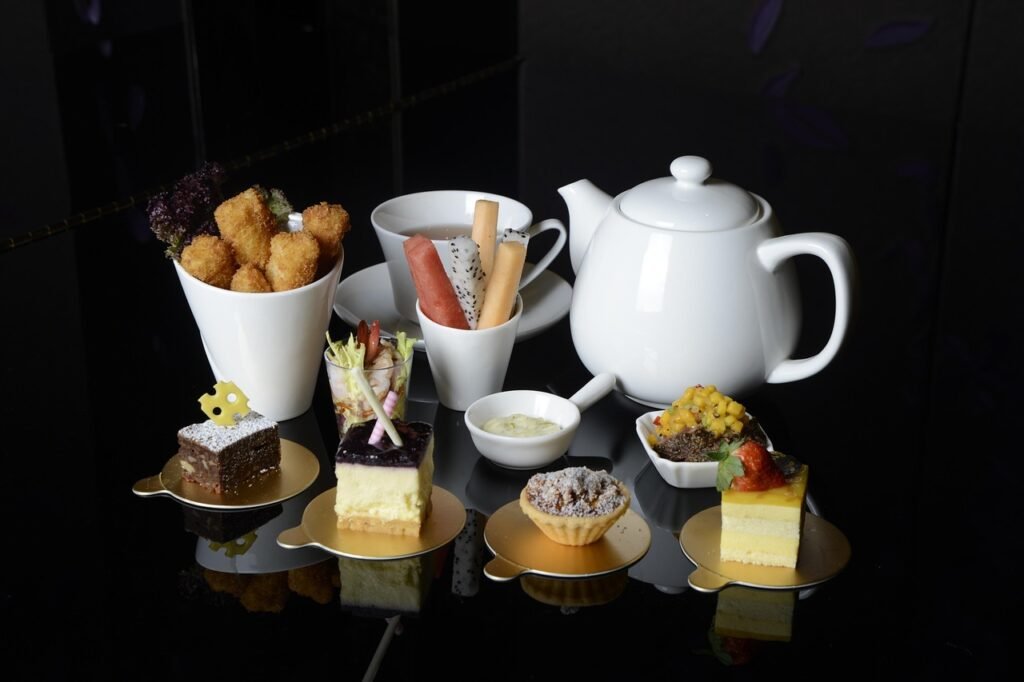
Afternoon tea, a traditional British custom, has traversed geographical boundaries and undergone various adaptations globally. This quintessentially English practice, characterized by its specific array of teas, sandwiches, and pastries, serves as a canvas for cultural expression, showcasing local flavors and customs while preserving its core identity. In regions such as Hong Kong, the infusion of local flavors dramatically transforms the experience of afternoon tea. Here, the ritual often features a blend of traditional British offerings alongside authentic Cantonese dim sum, reflecting the area’s colonial history and dynamic culinary landscape. The inclusion of unique items like egg tarts and barbecue pork buns introduces a savory element to the otherwise sweet and delicate fare, catering to the local palate and enhancing the afternoon experience.
Similarly, in India, the concept of afternoon tea has evolved to accommodate regional preferences and flavors. Indian afternoon tea often incorporates spiced chai, a strong tea brewed with milk and infused with various spices such as cardamom and ginger. The snacks served with tea frequently include regional specialties, such as samosas and pakoras, adding a distinct cultural twist. Through these modifications, the tradition of afternoon tea not only adapts to local tastes but also fosters social interactions among people, thereby reinforcing community bonds.
Interestingly, while the food and beverage components of afternoon tea may vary widely from one culture to another, the fundamental essence of the experience remains intact. Whether enjoyed in a luxury hotel in London, a bustling teahouse in Hong Kong, or a cozy café in Mumbai, the social aspect of afternoon tea continues to invite individuals to gather, converse, and relish in a shared appreciation for refined tastes. These cultural variations enrich the tradition, ensuring that afternoon tea remains a relevant and cherished ritual across diverse contexts worldwide.
Modern Takes on Traditional Afternoon Tea
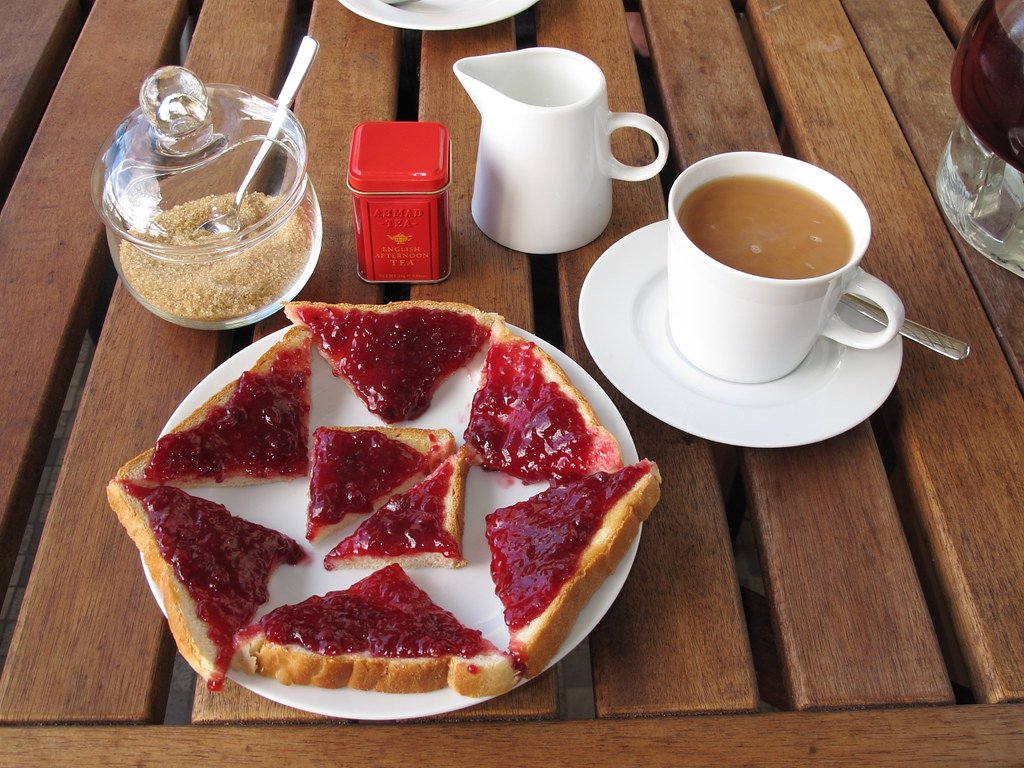
The concept of afternoon tea has evolved significantly, transitioning from a noble custom to a beloved social event. In recent years, modern innovations have emerged, bringing fresh perspectives to this classic tradition. One of the most prominent trends is the themed afternoon tea, where venues craft unique experiences around specific cultural influences, historical figures, or popular media franchises. These themed offerings captivate guests by incorporating related culinary elements into the menu while maintaining the quintessential afternoon tea format.
Furthermore, creative fusion options have gained popularity, melding diverse cuisines with the traditional afternoon tea experience. Chefs adeptly blend flavors and techniques from global culinary practices, producing unique dishes that excite the palate. For instance, one may find Japanese matcha-infused scones or Indian-spiced sandwiches alongside classic cucumber versions. This innovative approach not only caters to the ubiquitous demand for variety but also introduces guests to the rich tapestry of global flavors.
Aside from thematic and fusion concepts, modern chefs are reinterpreting classic afternoon tea components to engage a younger, more health-conscious audience. For example, traditional pastries are often reimagined using vegan, gluten-free, or lower-sugar ingredients while still delivering delightful flavors. Such adaptations reflect current dietary trends and preferences, ensuring that afternoon tea remains relevant in our dynamic food landscape.
Ultimately, the combination of creativity and innovation reshapes the traditional afternoon tea experience, appealing to a wider demographic. As more contemporary establishments embrace these modern takes, the charm of afternoon tea continues to thrive, welcoming in generations keen to partake in this time-honored ritual while enjoying the exciting twists that come with it.
Tips for the Perfect Afternoon Tea Experience

To truly enjoy an authentic afternoon tea experience, several key considerations should be kept in mind. Firstly, selecting a reputable location is essential, as the ambiance and service significantly contribute to the overall enjoyment. Prestigious hotels and tea houses in cities renowned for their tea culture offer the best services. Look for places that provide a well-curated tea menu, including a variety of traditional and contemporary blends. Researching recent reviews can give insights into the quality of both the food and service.
Next, understanding the etiquette associated with afternoon tea can elevate the experience. It is customary to dress in smart casual or formal attire, depending on the venue. Upon arriving, it is polite to greet the staff courteously, and waiting to be seated is advised. Once at the table, remember to wait for the host to begin before reaching for the food. When enjoying the sandwiches and pastries, employ the use of the appropriate utensils, as this reflects sophistication and respect for the tradition.
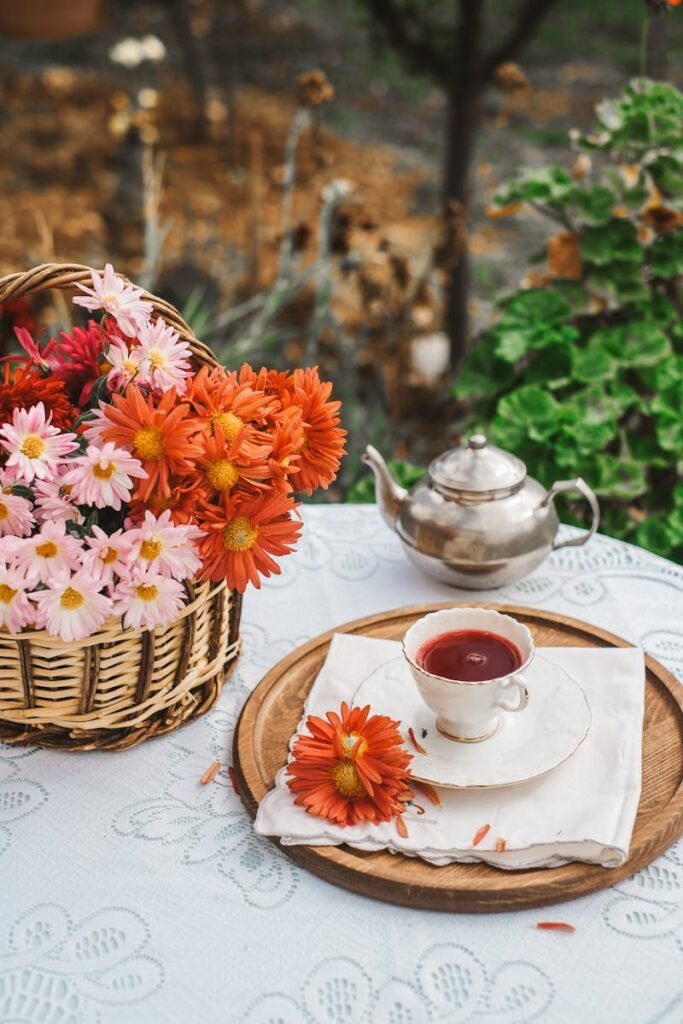
If recreating the afternoon tea experience at home, focus on creating a calming atmosphere. Consider setting up a beautifully arranged table with fine china, fresh flowers, and elegant cutlery to emulate a reputable tea house. You can include a selection of traditional items such as scones, finger sandwiches, and an assortment of pastries. Moreover, selecting a high-quality loose-leaf tea is essential; steep it correctly to unlock its full potential. Lastly, invite friends or family to share in the experience, thereby fostering a sense of community and connection over tea.
Implementing these tips will enhance your appreciation for afternoon tea, whether you choose to visit an esteemed venue or craft the experience in the comfort of your own home.