
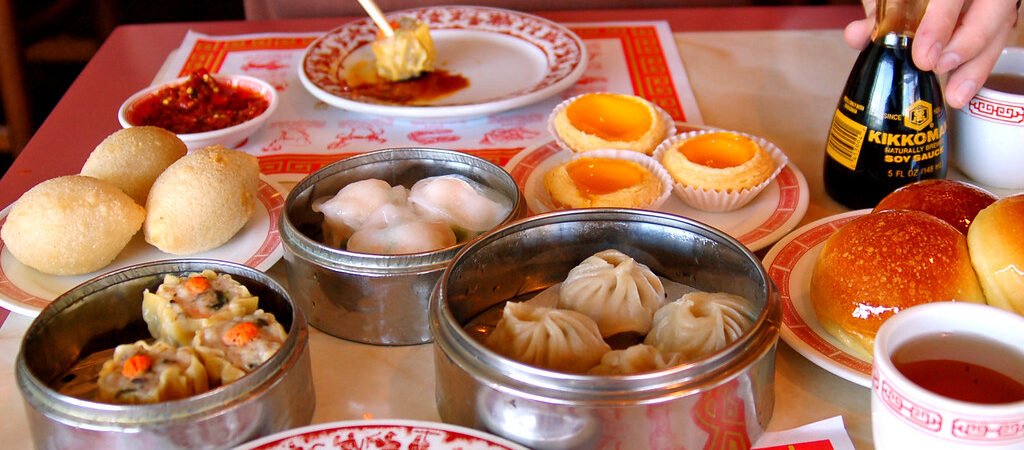
What is Dim Sum?
Dim sum is a traditional Chinese dining concept that originated from the southern regions of China, particularly Guangdong. It literally translates to “touch the heart,” and embodies a broader philosophy of shared meals that emphasizes family and fellowship. Historically, dim sum began as a light meal served with tea along the ancient Silk Road, designed to accompany the tea-drinking ritual. Over time, it evolved into an elaborate and diverse culinary experience, deeply embedded in Chinese culture.
A dim sum menu is a cornucopia of small dishes that offers an abundance of choices, typically served in steamer baskets or small plates. It features a variety of delicacies such as dumplings, buns, and pastries which vary in fillings and textures. Among the popular selections are shrimp dumplings (har gow), pork buns (char siu bao), and custard tarts, among many others. The dynamism of dim sum lies in its array of flavors and the variety of ingredients used, making it a delightful experience for diners.
One of the most appealing aspects of dim sum is the social nature of enjoying it. Typically served in an informal setting, dim sum is designed to be shared, fostering conversation and camaraderie among friends and family. This communal dining experience allows individuals to sample multiple dishes, encouraging a sense of togetherness.
The cooking methods employed in preparing dim sum are also noteworthy, primarily focusing on techniques such as steaming, frying, or baking. These methods enhance the textures and flavors of the dishes, whether it be the soft, silky skin of a dumpling or the crisp exterior of a fried pastry. The fusion of tradition and flavor in dim sum ultimately creates a unique and memorable culinary experience.
Essential Ingredients for Your Dim Sum
Dim sum is a delightful collection of small dishes that often include dumplings, buns, and various pastries. To create a successful dim sum dish, understanding the essential ingredients is crucial. This guide will help beginners navigate through the necessary components while considering dietary preferences and options.
One of the primary ingredients for many dim sum dishes is all-purpose flour. It’s used to make the dough for dumplings and buns, providing a soft and tender texture. For those seeking gluten-free options, rice flour can serve as a suitable alternative, allowing everyone to enjoy this beloved cuisine.
Ground meat, such as pork, chicken, or shrimp, is commonly incorporated into fillings. When selecting meat, consider quality; organic options yield a fresher taste. For vegetarian variations, tofu or mushrooms can be used to replace meat while still delivering a delectable umami flavor. Additionally, vegetables like carrots, bok choy, and scallions add vibrant colors and nutritional value to your dish.
Another essential ingredient is dipping sauce. A mixture of soy sauce, vinegar, and sesame oil often accompanies dim sum. For a twist, experiment with adding chili oil for those who prefer a spicy kick. It is important to consider the balance of flavors, ensuring the sauce enhances rather than overwhelms the dish.
To achieve optimal freshness, sourcing quality ingredients is paramount. Local Asian markets usually carry a vast array of dim sum essentials. Alternatively, many ingredients can be found in large grocery stores, making them accessible for all. Being mindful of ingredient quality ensures a rich taste in your dim sum creation.
Step-by-Step Guide to Making Your Dim Sum
Embarking on your first dim sum making experience can be a fulfilling yet daunting task. This step-by-step guide provides a straightforward approach to creating your very own dim sum, ensuring a fun and manageable process. From preparing the dough to crafting the perfect filling, we will cover each essential aspect.
To begin, gather your ingredients: all-purpose flour, water, and a pinch of salt for the dough, while for the filling, consider a mixture of minced pork, shrimp, scallions, soy sauce, and sesame oil. Start by making the dough. In a bowl, combine two cups of all-purpose flour with a quarter teaspoon of salt. Gradually mix in a cup of warm water until a dough forms. Knead the dough on a floured surface for about ten minutes until smooth. Cover the dough with a damp cloth and let it rest for thirty minutes.
While the dough is resting, prepare your filling. In a mixing bowl, combine your chosen proteins (pork and shrimp work well) with finely chopped scallions, a tablespoon of soy sauce, and a teaspoon of sesame oil. Mix thoroughly to ensure even distribution of the flavors. After the dough has rested, divide it into small pieces and roll each piece into a thin circle, approximately four inches in diameter.
Next, place a spoonful of filling in the center of each dough circle. Carefully fold the edges over the filling to create a pleated design, sealing it securely. At this point, you can choose to steam or fry your dim sum. For steaming, place the dumplings in a steamer lined with parchment paper and steam for about fifteen minutes. If you prefer frying, heat oil in a pan and fry each dumpling until golden brown on both sides.
As you venture into the world of dim sum, remember to keep your workspace organized and practice patience. Common mistakes include overfilling the dumplings or improperly sealing them. By following these steps and tips, you’ll be well on your way to mastering your first dim sum experience.
Serving and Enjoying Your Dim Sum
Once you have prepared your dim sum, the next step is to serve and enjoy these delightful morsels. Presentation plays an important role in the overall experience of dining on dim sum. A traditional way of serving these dishes is in small bamboo steamers or on a tiered serving platter, which not only highlights the variety of offerings but also evokes the authentic ambiance of a dim sum house. Adorn your table with vibrant fruits, fresh herbs, or edible flowers to add a touch of color and freshness to the meal.
Dipping sauces are essential companions to enhance the flavors of your dim sum. Soy sauce, chili oil, and hoisin sauce are common choices that complement the savory fillings of dumplings and buns. For those who enjoy a spicy kick, consider preparing a homemade chili garlic sauce. These sauces not only amplify the taste but also allow your guests to personalize their dining experience based on their preferences.
Dim sum is often shared among family and friends, promoting a sense of togetherness and conviviality. Set out multiple dishes on your dining table, encouraging everyone to partake in the various offerings. This communal approach invites conversation and enhances the enjoyment of the meal. Introducing a small tea service alongside your dim sum can further enrich the experience, as tea is traditionally enjoyed with these small bites in Chinese culture.
Lastly, it’s vital to recognize the cultural significance of dim sum as both a culinary art and social activity. It represents more than just food; it embodies moments of togetherness and family bonding. Sharing your dim sum creations with loved ones not only cultivates a warm atmosphere but also fosters a greater appreciation for this exquisite cuisine. Encouraging others to try their hand at making dim sum can also strengthen community ties through culinary exploration.