
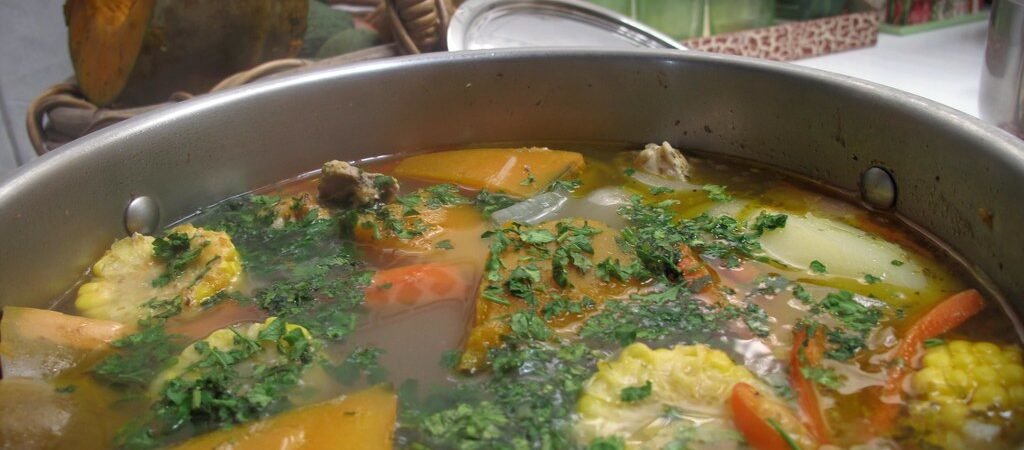
Introduction to Cazuela: A Cultural Dish
Cazuela, a traditional dish originating from Latin America, embodies the rich cultural tapestry of the region. This hearty stew not only represents a culinary staple but also serves as a symbol of community and familial bonds. Its origins can be traced back to indigenous cultures where cooking techniques were closely tied to the available ingredients and local customs.
The significance of cazuela transcends mere nourishment; it is intertwined with the history and traditions of various Latin American countries. Each nation has its own distinct versions, resulting in a rich diversity of flavors and ingredients. For instance, the Peruvian cazuela commonly incorporates ingredients like potatoes and corn, reflecting Peru’s agricultural bounty. Conversely, in Chile, cazuela might include local meats and vegetables, showcasing regional characteristics. These variations highlight how this dish adapts to local tastes while preserving its essence.
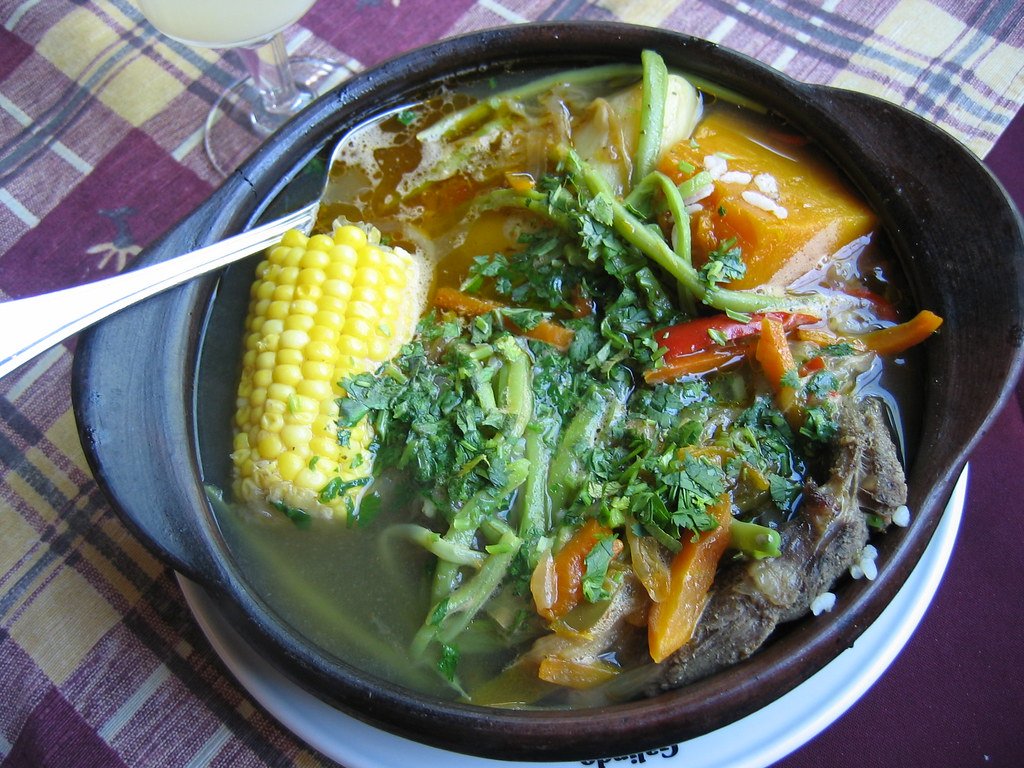
Cazuela is more than just a meal; it holds a central place in family gatherings and celebrations. During festive occasions, preparing bajada de cazuela becomes a communal activity, bringing family members together to share stories and laughter while cooking. This practice fosters connections and strengthens relationships, as the shared experience of preparing and enjoying cazuela plays a pivotal role in reinforcing cultural identity.
In essence, cazuela is a vessel that carries the flavors and stories of Latin America. Through its various adaptations, it encapsulates the spirit of cooperation and festivity, making it a beloved dish among families and communities. As we explore authentic recipes, we not only savor its taste but also appreciate the rich cultural significance it brings to the dining table.
Ingredients Needed for Authentic Cazuela
To prepare an authentic cazuela, a traditional dish beloved in various Latin American cuisines, a carefully selected array of ingredients is essential. Each component contributes uniquely to the rich flavors and comforting essence that define this dish.
Firstly, the base of the cazuela often includes a variety of fresh vegetables, such as tomatoes, bell peppers, and onions. Fresh tomatoes not only provide acidity but also enhance the overall depth of flavor. When possible, use vine-ripened tomatoes for their superior taste. Bell peppers add sweetness and a subtle crunch, while onions form the aromatic backbone of the dish.
Moreover, a selection of proteins, traditionally chicken, beef, or a robust seafood mix, is crucial. Chicken thighs are recommended due to their moisture retention during cooking, which enriches the broth. For a seafood variant, aim for fresh shrimp or fish that do not disintegrate easily, elevating the cazuela with their briny flavors.
Herbs and spices play a pivotal role in defining the cazuela’s character. Fresh cilantro, oregano, and cumin are commonly utilized. Cilantro infuses a fresh, lime-like flavor, while oregano adds earthiness and complexity. Cumin complements the dish with its warm undertones, grounding the overall taste.
Don’t overlook essential extras like chicken broth, which is crucial for building a robust liquid base. Quality brands or homemade broth are preferable, enhancing authenticity. Additionally, using lime wedges for serving brings a delightful acidity, cutting through the richness of the broth.
To source these ingredients, local Latin American markets often offer authenticity through fresh produce, spices, and high-quality proteins. For those who may have difficulty finding specific items, consider online specialty shops or farmers’ markets as alternatives. In case of ingredient shortages, suitable substitutes can be used, such as using smoked paprika in place of cumin for a different flavor profile. This adaptability ensures that even a home cook can successfully create an authentic cazuela that resonates with traditional roots.
Step-by-Step Guide to Making Cazuela
Creating an authentic cazuela, a traditional stew popular in various Latin American countries, requires attention to detail and adherence to traditional cooking methods. Here is a comprehensive step-by-step guide to help you prepare this delightful dish.
Ingredients:
- 1 kg of meat (beef, chicken or pork)
- 4 medium potatoes, diced
- 2 carrots, sliced
- 1 cup peas
- 1 onion, chopped
- 2 cloves garlic, minced
- 2 tablespoons olive oil
- 1 teaspoon paprika
- Salt and pepper to taste
- Fresh herbs (cilantro or parsley) for garnish
Preparation:
Start by cleaning and cutting the meat into bite-sized pieces. In a large pot, heat olive oil over medium heat. Add the chopped onions and minced garlic, sautéing them until they become translucent. Following the sauté, incorporate the meat and cook until it is browned on all sides.
Once browned, season the meat with paprika, salt, and pepper for flavor. Introduce the diced potatoes and sliced carrots into the pot, stirring to combine all ingredients. Cover the mixture with water, allowing it to simmer gently.
Cooking:
Bring the cazuela to a boil, then reduce the heat to low and allow it to simmer for approximately 40 to 60 minutes. Regularly check the tenderness of the meat and vegetables. If needed, add more water to maintain a soupy consistency. About five minutes before serving, stir in the peas to enhance the dish’s flavor and color.
Once cooked to perfection, taste and adjust seasonings accordingly. To serve, ladle the cazuela into bowls and garnish with fresh herbs. Employing these steps not only ensures a delicious outcome but also preserves the authenticity of this beloved Latin American dish.
Serving Suggestions and Cultural Significance
Cazuela, a traditional dish that embodies the rich culinary heritage of Latin America, is often served as a centerpiece during family gatherings and festive occasions. To enhance the dining experience, it is commonly accompanied by a variety of sides such as rice, crusty bread, or tortillas, which serve to complement its robust flavors. A fresh salad or a side of avocados can also elevate the overall meal, adding a refreshing contrast to the warm, hearty cazuela.
In terms of presentation, serving cazuela in its cooking vessel can create an inviting atmosphere at the table. A decorative pot not only retains heat but also showcases the vibrant colors of the ingredients used, making it visually appealing. When ready to serve, it is customary to allow guests to help themselves directly from the shared dish, promoting a sense of community and connection through the meal.
Culturally, cazuela holds a special place in the hearts and homes of Latin American families. It is often prepared during important celebrations, such as birthdays, holidays, and family reunions, symbolizing togetherness and hospitality. Anecdotes abound about families gathering around a simmering pot of cazuela, sharing stories and laughter, thereby reinforcing bonds among relatives and friends. In many communities, the act of preparing cazuela is a familial tradition passed down through generations, with each cook imparting their unique touch to the recipe. This collective experience not only preserves cultural identity but also fosters a sense of belonging and warmth that transcends the meal itself.