

Introduction to Bacon and Cabbage
Bacon and cabbage is a traditional dish that has garnered attention for its simplicity and depth of flavor. Its roots can be traced back to various cuisines, particularly within Irish cooking, where it has stood the test of time as a staple meal. This dish typically features a combination of cured pork belly or bacon, paired with cabbage, a sturdy vegetable that offers a lovely contrast in texture and taste. The dish is emblematic of frugality, using affordable ingredients to create a nourishing meal that has made its way into the hearts of many.
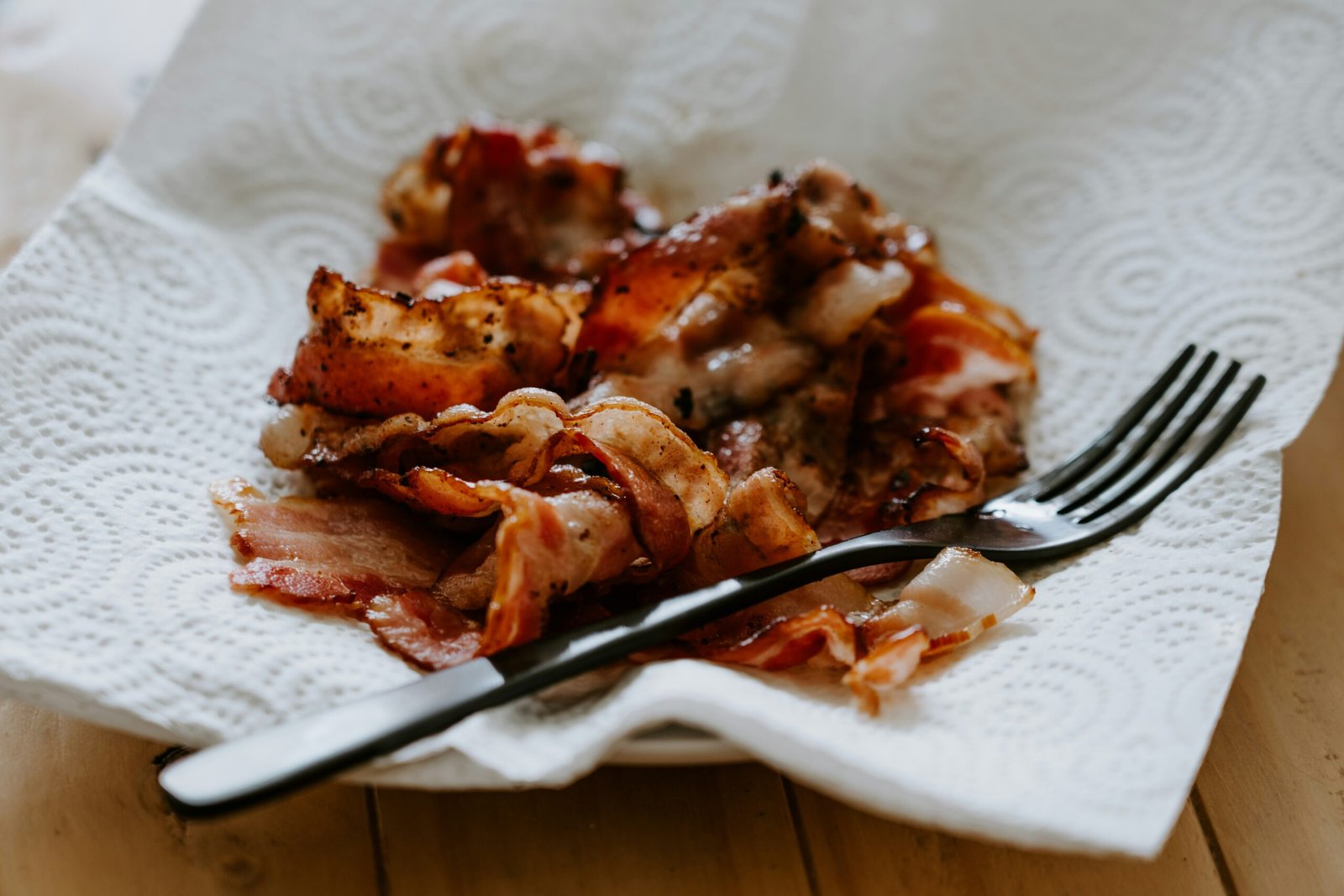
The history of bacon and cabbage is intertwined with the socio-economic landscape of Ireland. During the 19th century, it became a popular choice for rural families as both ingredients were accessible and easy to prepare. The tradition has since transcended its humble beginnings, evolving into a beloved meal served on special occasions and holiday celebrations. Its association with comforting home-cooked meals has solidified its place within Irish culture and beyond.
The primary ingredients in this dish—bacon and cabbage—work in harmony to deliver a rich flavor profile. The saltiness and smokiness from the bacon meld beautifully with the subtle bitterness of the cabbage, resulting in a well-rounded taste experience. Often, additional components such as potatoes or carrots are included to enhance the nutritional value and add extra dimensions of flavor. The dish exemplifies how simple ingredients can yield satisfying and wholesome meals, which lead many to appreciate both its culinary and cultural significance.
Preparation and Cooking Methods
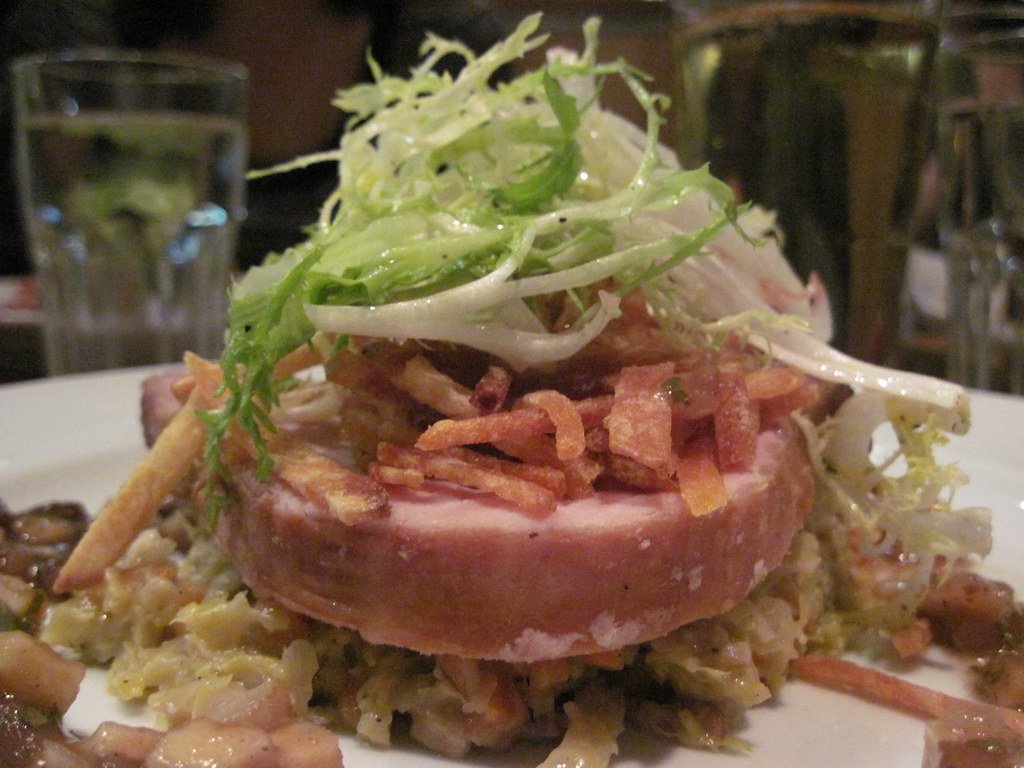
When embarking on the culinary journey of preparing bacon and cabbage, the selection of quality ingredients plays a pivotal role in the final taste. It is advisable to opt for fresh, high-quality cabbage, preferably green or savoy varieties, as these have a natural sweetness and tenderness that enhance the dish. For bacon, selecting artisanal or thick-cut varieties can offer a richer flavor profile. The balance between the smokiness of the bacon and the crunch of the cabbage is critical, making the choice of bacon fundamental to the overall experience.
Once the ingredients are selected, the next step involves prepping the cabbage. Begin by removing the outer leaves, washing the head thoroughly, and cutting it into quarters before slicing it into bite-sized pieces. Cooking methods such as boiling or frying are popular for this dish and bring out different textures and flavors. Boiling the cabbage can result in a softer texture but may lead to nutrient loss if overcooked. To maintain the integrity of both the flavor and the structure of the cabbage, a brief blanching followed by sautéing in bacon fat can be an ideal method. This approach imparts a smoky essence to the cabbage while achieving a delightful caramelization.
Frying the bacon first until it is crispy and has rendered its fat allows for a robust base that can elevate the flavors of the dish. After removing the bacon, the cabbage can be sautéed in the rendered fat, absorbing the savory notes from the meat. Optional spices, such as black pepper, and herbs, including thyme or bay leaves, can further enhance the flavor. Additionally, a splash of vinegar or a sprinkle of chili flakes provides an exciting contrast to the richness of the bacon. A final combination of the sautéed cabbage with the crisped bacon creates a delicious harmony, making the dish satisfying and well-rounded.
Flavor Profile and Taste Experience
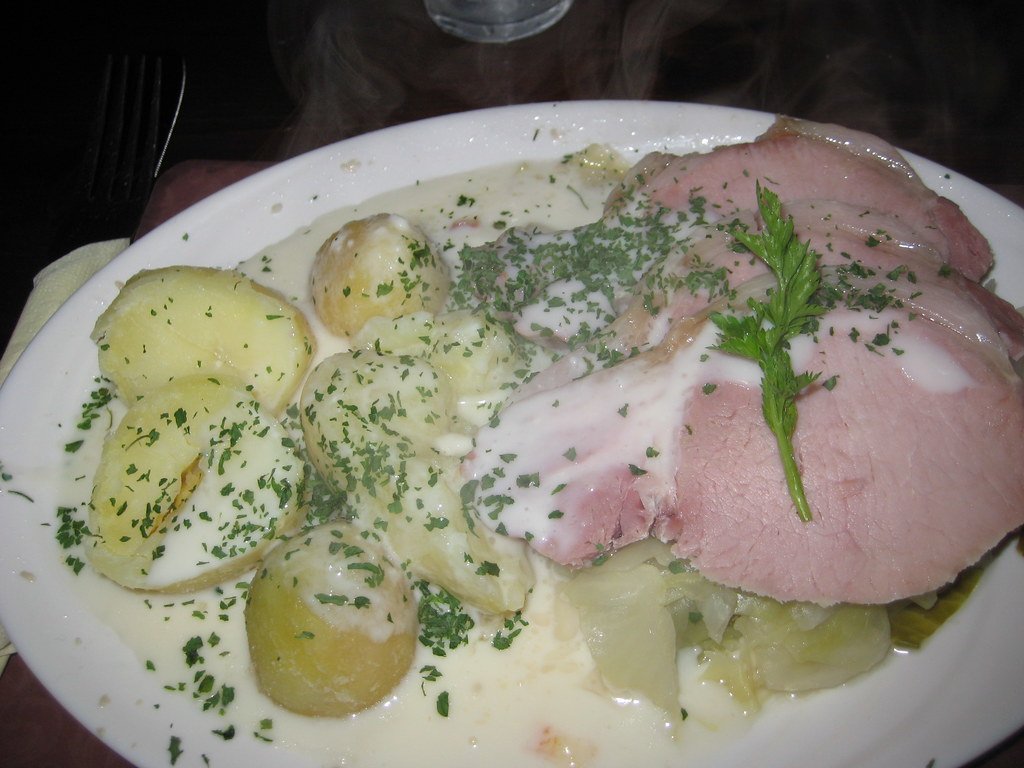
The culinary marriage of bacon and cabbage creates a harmonious blend of flavors that delight the palate. At the forefront is the savory, umami-rich profile of bacon, which contributes a robust, salty dimension to the dish. Each bite of crispy bacon instills a sense of decadence, with its smoky undertones heightening the overall flavor experience. The quality of bacon used can significantly influence the final outcome, with artisanal or thick-cut varieties yielding an even deeper flavor resonance.
Cabbage, on the other hand, brings an earthy sweetness and a mild crunch, providing a refreshing contrast to the richer notes of the bacon. When cooked, cabbage softens, retaining a slight crunch that enhances the dish’s texture. The juxtaposition of crisp bacon and tender cabbage creates a pleasing mouthfeel that elevates the overall enjoyment of the meal. This textural interplay is particularly important; it not only satisfies the taste buds but also adds an element of visual appeal to the dish.
Personally, my first encounter with bacon and cabbage was unforgettable. The moment I took my first bite, the combination of flavors brought back memories of cozy family dinners. The richness of the bacon complemented the mellow, slightly sweet taste of the cabbage, evoking a sense of comfort. To enhance this experience, pairing the dish with a crisp white wine or a light beer can be highly advisable. These beverages cut through the richness and provide a refreshing counterbalance. In addition, serving the dish alongside roasted potatoes or a light salad can further enhance the meal, bringing additional textures and flavors to the table.
Health Aspects and Variations
The combination of bacon and cabbage offers a unique culinary experience, but it is essential to consider its health aspects, especially given the varied dietary preferences among consumers. Bacon, while undeniably flavorful, is often high in saturated fats and sodium, which can raise concerns for people monitoring their heart health or sodium intake. However, it does provide protein and essential micronutrients like vitamin B12 and zinc, specifically when consumed in moderation. On the other hand, cabbage is a nutritional powerhouse. This cruciferous vegetable is low in calories yet rich in vitamins C and K, fiber, and several beneficial phytonutrients that promote digestive health and may lower the risk of chronic diseases.
For health-conscious consumers, there are numerous variations to consider when preparing this dish. One popular alternative is using turkey bacon or lean cuts of pork, which can significantly reduce fat and calorie content while still providing that familiar savory flavor. Incorporating additional vegetables, such as carrots, bell peppers, or even a medley of leafy greens, can boost the nutritional profile of the dish, providing more fiber and vitamins without adding substantial calories. Additionally, consider using low-sodium options for bacon to help mitigate the salt content.
When serving bacon and cabbage, versatility plays a crucial role. This dish can be adapted to fit seasonal ingredients, allowing for fresher flavors throughout the year. For instance, during summer, fresh herbs like parsley or dill may be added for enhanced taste and aesthetic appeal, while in fall, root vegetables can be introduced for richer flavor. Overall, balance and variety can make bacon and cabbage a suitable choice for various dietary lifestyles, allowing for indulgence without compromising health considerations.