

- Introduction to Bifanas
- The Historical Origins of Bifanas
- Cultural Significance of Bifanas
- Unique Flavors and Textures of Bifanas
- Visual Appeal and Plating of Bifanas
- Comparative Review: Bifanas Across Different Regions
- Pairing Bifanas with Beverages
- Where to Find the Best Bifanas
- Conclusion: The Legacy of Bifanas
Introduction to Bifanas
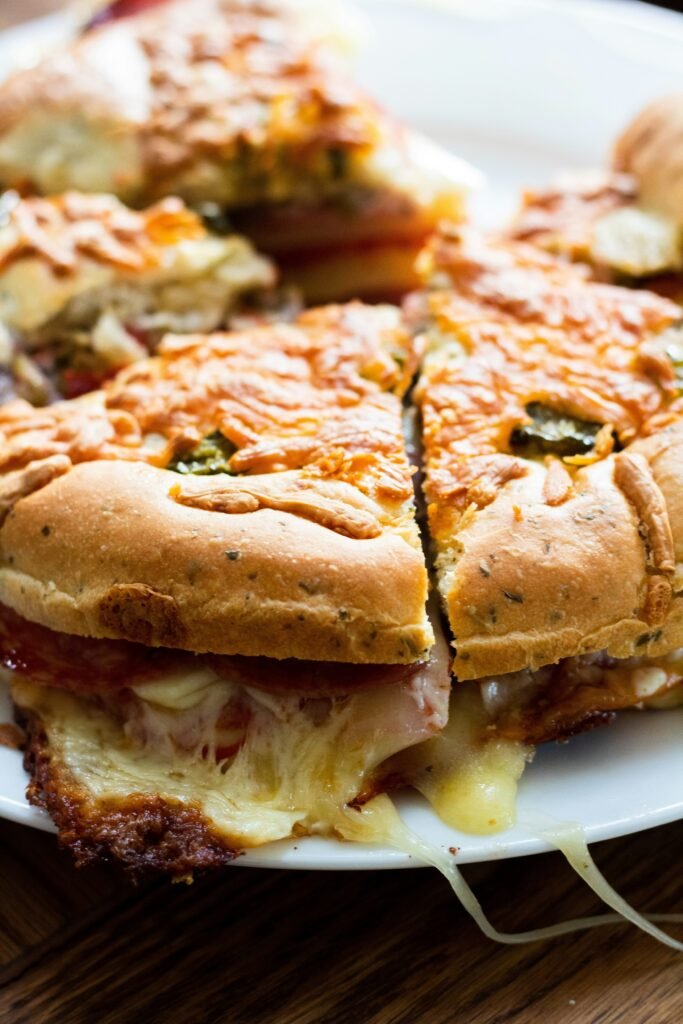
Bifanas are a quintessential Portuguese dish, widely recognized and cherished across the nation. At the heart of this culinary delight is a simple yet flavorful preparation of marinated pork cutlets, served within a crusty roll. This traditional sandwich has transcended its humble origins to become a staple of Portuguese street food, drawing locals and tourists alike to savor its unique taste. The popularity of bifanas can be attributed to the rich history of Portuguese cuisine, which emphasizes bold flavors and the use of high-quality ingredients.
The preparation of bifanas typically involves marinating thin slices of pork in a blend of garlic, white wine, paprika, and spices, imparting a savory depth to the meat. Once marinated, the pork is then grilled or fried, resulting in a tender and juicy filling that is further complemented by the crispy texture of the bread. Traditionally, the sandwich is served with a generous sprinkling of piri-piri sauce, which adds a spicy kick that enhances the overall flavor experience.
Culturally, bifanas hold a special place in the hearts of the Portuguese people, often associated with social gatherings and festivities. Street vendors in bustling urban centers frequently offer bifanas, turning them into a convenient meal option for those on the go. The dish is commonly enjoyed at various times of the day, making it a versatile choice for breakfast, lunch, or a late-night snack. Whether enjoyed in a casual eatery or at a local celebration, bifanas symbolize the warmth of Portuguese hospitality and the joy of sharing food with others.
As we delve deeper into the specifics of bifanas, we will explore their regional variations, preparation methods, and their significance in both historical and contemporary Portuguese society. The bifana, far more than just a sandwich, represents the essence of Portuguese comfort food and the enduring love for rich, robust flavors.
The Historical Origins of Bifanas

The bifana, a quintessential sandwich in Portuguese cuisine, has a rich and intricate history that can be traced back to several regions in Portugal, particularly the Alentejo, where it was first popularized in the 20th century. Initially, this dish consisted of marinated pork steak served in a simple bread roll, embodying the heartiness that Portuguese cuisine is known for. The origins of bifanas are somewhat humble, reflecting the working-class roots of the dish, where affordable and accessible ingredients were paramount.
The evolution of the bifana can also be attributed to the diverse cultural influences that have permeated Portuguese society over centuries. As Portugal engaged in maritime exploration, it encountered various culinary traditions that made their way back to its shores. The spices and cooking techniques adopted from places such as Africa, India, and Brazil contributed to the distinct flavor profile of the bifana. For instance, the use of garlic, paprika, and white wine in marinating the pork is reminiscent of flavors found throughout these regions, showcasing a fusion of tastes that made this sandwich not only a staple but also a culinary delight.
Cultural Significance of Bifanas
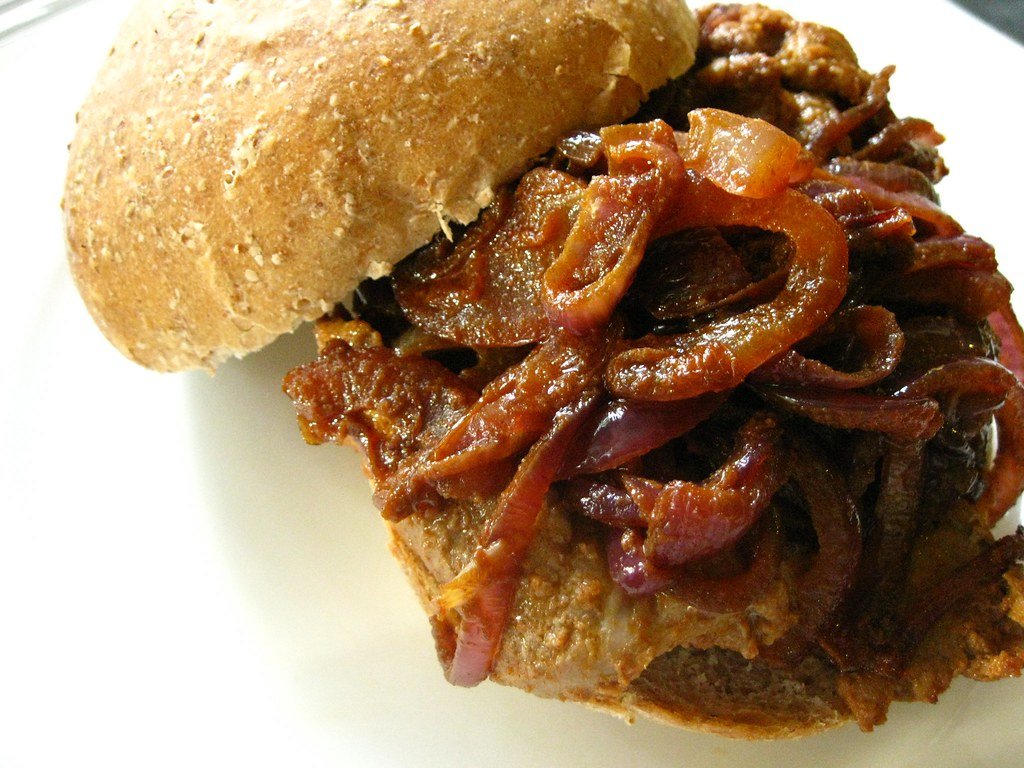
Bifanas hold a cherished place in Portuguese culture, transcending their status as a mere sandwich to become emblematic of comfort food and social unity. These flavorful pork sandwiches, often seasoned with a blend of garlic and spices, are more than just culinary delights; they represent a key component of family gatherings, local festivals, and the vibrant street food scene that characterizes Portugal.
In family settings, bifanas are typically enjoyed during casual gatherings, celebrations, and even on significant occasions. Their presence at a dining table fosters warmth and togetherness, making them a staple in homes across the nation. It’s not uncommon to see families preparing large quantities of bifanas for holidays or special events, as this dish brings loved ones together around shared flavors and memories. The preparation and enjoyment of bifanas often become a collective experience, enhancing the familial bond through traditions passed down through generations.
Moreover, during local festivals, bifanas serve as a popular offering that draws crowds to food stalls, showcasing their integral role in the community’s culinary landscape. Street vendors expertly grill the marinated pork, creating enticing aromas that lure passersby. The accessibility and affordability of bifanas make them a go-to food option for both locals and tourists, enhancing their role in communal celebrations and social activities. Bifanas are often accompanied by refreshing beverages, making them a staple in festive gatherings where people come together to rejoice and share experiences.
In essence, bifanas symbolize not only a beloved treat but also the spirit of Dine Portuguese culture. They encapsulate the joy of coming together, making them a significant reflection of Portugal’s heritage and communal values.
Unique Flavors and Textures of Bifanas
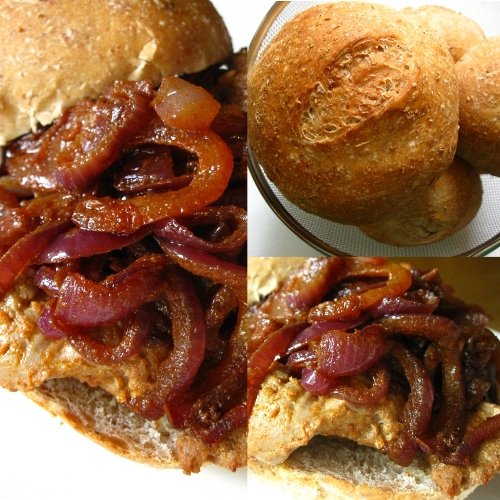
Bifanas, a traditional Portuguese sandwich, stands out for its unique combination of flavors and textures that create a culinary experience revered by many. At the heart of this dish is marinated pork, which is typically thinly sliced and cooked to perfection. The marination process often involves a rich blend of spices, garlic, and white wine, resulting in meat that is incredibly tender and juicy. This careful preparation ensures that each bite delivers a burst of flavor, highlighting the pork’s natural savory notes.
The garlic and spice mixture used in bifanas adds a distinct sharpness that complements the richness of the meat. Common seasonings include paprika, bay leaves, and sometimes even a touch of vinegar, all of which contribute to the sandwich’s complex taste profile. This layering of flavors is essential, as it enhances the overall eating experience, making it not just a meal but rather a savory delight. Every ingredient serves a purpose, from the initial marination to the final preparation, ensuring that the sandwich holds true to its traditional roots while also appealing to contemporary palates.
Texturally, bifanas also offer a delightful contrast. The tender pork pairs beautifully with the soft bread, which often features a slight crust to provide a satisfying bite. The sandwich is typically served with a accompaniment of mustard or spicy sauce, which adds another layer of complexity and a hint of heat. This tapestry of flavors and textures is what has led bifanas to be cherished by both locals and visitors alike, solidifying its status as a true Portuguese culinary icon.
Visual Appeal and Plating of Bifanas
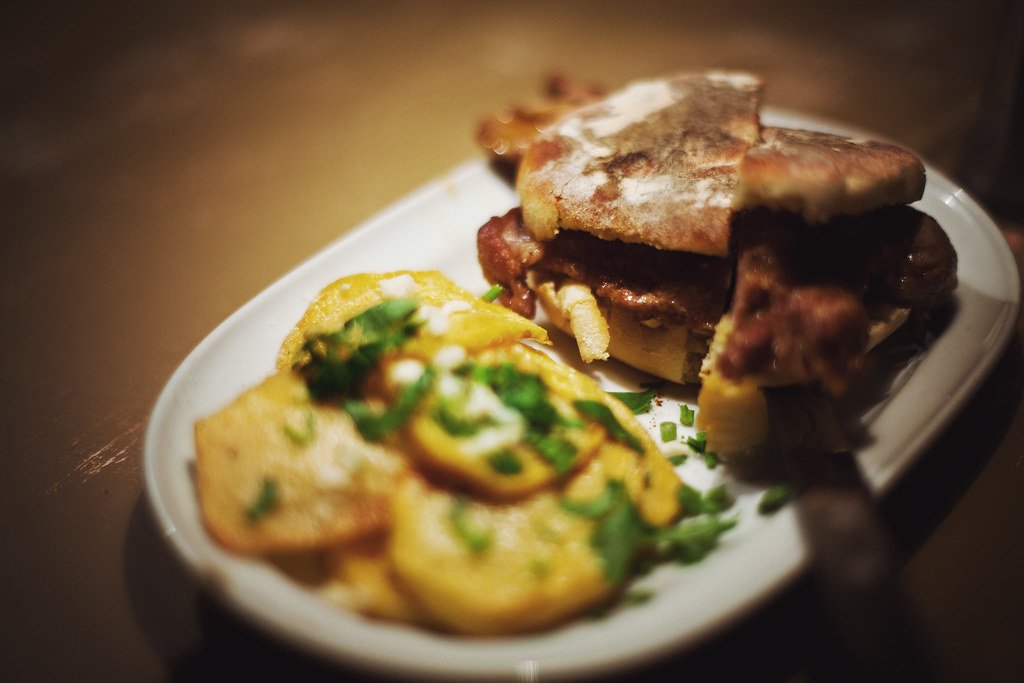
The visual appeal of bifanas is one of the key factors that draws diners to this beloved Portuguese sandwich. Traditionally, a bifana consists of marinated pork, often served in a crusty roll which allows for an enticing contrast between the tender meat and the crispy exterior. The rich golden-brown hue of the pork, developed during the cooking process, captures the attention of anyone who visits a local eatery.
Plating plays a significant role in enhancing the overall dining experience. In many traditional settings, bifanas are accompanied by a small dish of spicy mustard or a drizzle of hot sauce, which adds to the presentation while offering an opportunity for customization. This combination not only pays homage to the dish’s roots but also allows for an appealing rustic aesthetic, often featuring simple but colorful accompaniments such as pickles, onions, or olives that are artistically arranged alongside the sandwich.
In contrast, modern interpretations of bifanas may showcase the sandwich in more contemporary styles, with sleek plating techniques that elevate its appearance. For instance, gourmet variations could include a brioche bun, which lends an air of sophistication. Accompanying elements might include elegantly tossed salad greens or gourmet fries served in a stylish cone, instilling a sense of creativity that appeals to a diverse audience.
The garnishes not only enhance the visual appeal but also complement the flavors of the bifana itself. Fresh herbs, such as parsley or coriander, can provide a pop of color, while also enhancing the dish’s aromatic qualities. Regardless of the setting—be it a humble roadside stand or an upscale restaurant—the allure of bifanas is magnified through thoughtful plating and presentation, making it a true feast for the eyes as well as the palate.
Comparative Review: Bifanas Across Different Regions
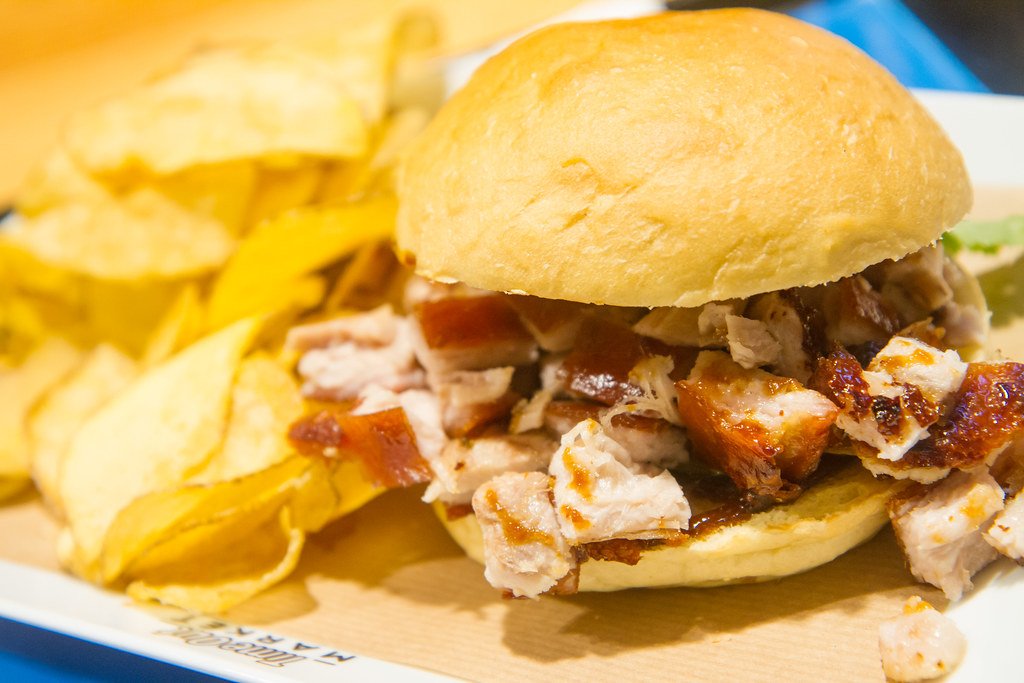
Portugal, with its rich culinary landscape, offers an intriguing array of bifanas, each region presenting its unique interpretation of this beloved sandwich. The bifana, essentially a marinated pork cutlet served in a bread roll, varies significantly in taste and preparation based on geographic and cultural influences. A deep dive into these regional adaptations showcases how local ingredients and cooking traditions shape the bifana’s flavor profile.
In Lisbon, the bifana is often characterized by its simplicity and a rich garlic marinade. The pork is typically simmered in a paprika-infused sauce which gives it a distinctively robust flavor. This approach embodies the urban culinary style where street food meets gastronomical elegance. On the other hand, in the Alentejo region, bifanas may feature a slightly spicier marinade, sometimes incorporating local wines and herbs, further amplifying the sandwiches’ flavor dynamics. The vast pastures in Alentejo also allow for the use of high-quality pork, which directly impacts the overall taste and texture of the bifana.
Meanwhile, in the northern regions, particularly in Porto, the bifana is generally served with a more complex sauce, often enriched with red wine, which complements the robust regional cuisine. The addition of local spices and an emphasis on slow-cooking yields a tender, flavorful meat that stands out in the traditional bread roll. In contrast, the Algarve region showcases its bifanas with a touch of Mediterranean influence, sometimes incorporating fresh herbs like coriander and a zest of lemon, resulting in a lighter, yet equally delicious version of this classic dish.
Ultimately, the variations of bifanas across different regions in Portugal are a testament to the country’s rich culinary diversity. Each region adapts the fundamental recipe to reflect local tastes and available ingredients, demonstrating that while the bifana serves as a beloved staple, its cultural significance and execution are as diverse as the landscapes of Portugal itself.
Pairing Bifanas with Beverages
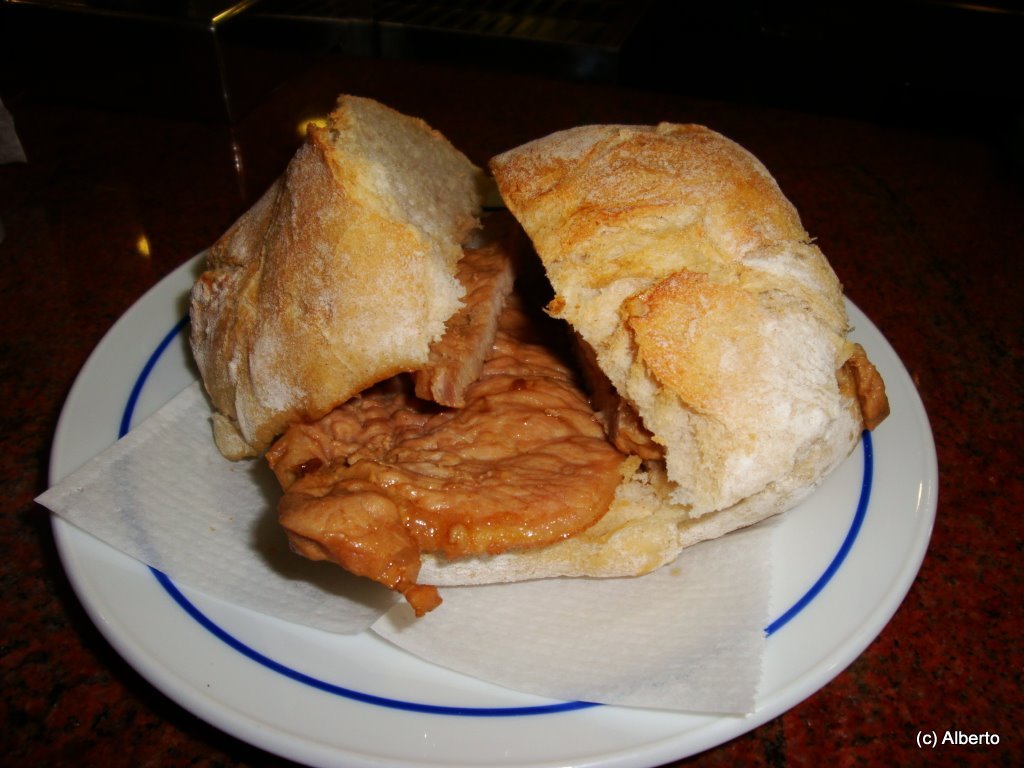
When indulging in the rich flavor of bifanas, a thoughtful selection of beverages can elevate the dining experience to new heights. This traditional Portuguese sandwich, known for its marinated pork and savory spices, calls for drinks that complement its robust taste. Among the most favored beverages to accompany bifanas are regional wines, particularly those produced in Portugal’s esteemed wine regions.
Red wines from the Alentejo, known for their full-bodied characteristics, provide an excellent pairing. A well-structured wine, such as a regional Alicante Bouschet or a soft ripe Trincadeira, can enrich the savory notes of the pork while balancing the spice and acidity inherent in bifanas. The tannins from these wines can cut through the richness of the meat, enhancing the overall flavor profile.
Furthermore, for those seeking a lighter alternative, a crisp white wine, such as Vinho Verde, offers a refreshing contrast. The zesty acidity and slight effervescence of this wine can cleanse the palate and beautifully complement the sandwich’s tender meat. Additionally, the natural fruitiness of Portuguese whites enhances the spices used in the bifanas without overwhelming them.
Craft beers also serve as an excellent choice for pairing with bifanas. The growing craft beer scene in Portugal presents a range of options, from hoppy IPAs to rich stouts. An IPA’s pronounced bitterness can offset the sandwich’s richness, while a stout’s roasted malt flavors may echo the grilling process of the pork, creating a harmonious blend of flavors. Ultimately, pairing bifanas with the right beverage can provide a balanced and satisfying culinary experience, emphasizing the dish’s delightful nuances.
Where to Find the Best Bifanas
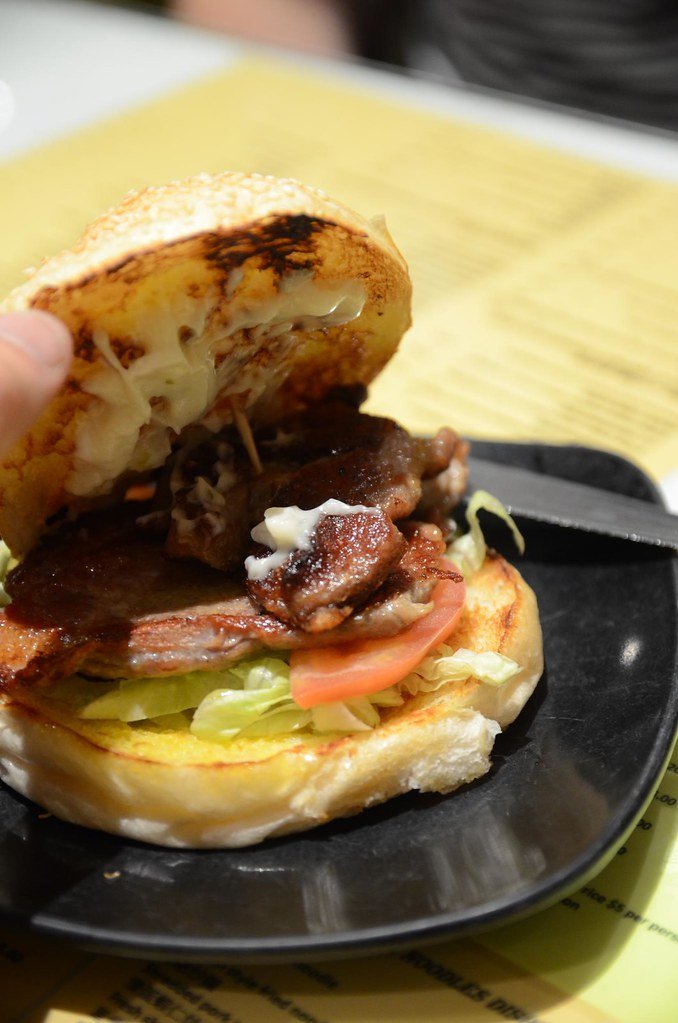
Exploring the vibrant culinary landscape of Portugal would not be complete without savoring authentic bifanas. These delectable sandwiches, typically filled with marinated pork, are commonly found throughout the country. To guide you on your gastronomic journey, we have compiled a list of fantastic places renowned for their bifanas.
One must-visit spot is the famed Tasquinha do Oliveira in Lisbon, known for its traditional approach to preparing bifanas. Here, the marinated pork is slow-cooked with a secret blend of spices, providing a robust flavor that locals adore. To enhance your experience, be sure to order the bifana with a side of their homemade piri-piri sauce, which adds an extra kick.
Another excellent location is Fábrica da Nata, found in the bustling Mercado da Ribeira. This vibrant food market offers a plethora of culinary options, but it is the bifanas that draw in the crowd. The casual atmosphere, paired with the lively market vibe, creates a memorable dining experience. The use of artisanal bread that complements the juicy pork elevates their bifanas to new heights.
For those venturing out to the coastal city of Porto, Taberna da Ribeira should be on your list. This charming tavern prides itself on sourcing high-quality meat and preparing its bifanas using time-honored techniques. Insider tip: visiting during lunchtime will provide you with the chance to taste their special variant, which includes a delicious blend of local cheeses.
Lastly, street vendors like the ones at Feira da Ladra in Lisbon offer an authentic, on-the-go option for bifanas lovers. The aroma wafting from these stalls is irresistible, and you can enjoy your sandwich amidst the lively atmosphere of this flea market. Don’t forget to pair it with a local beer for a complete experience.
Conclusion: The Legacy of Bifanas
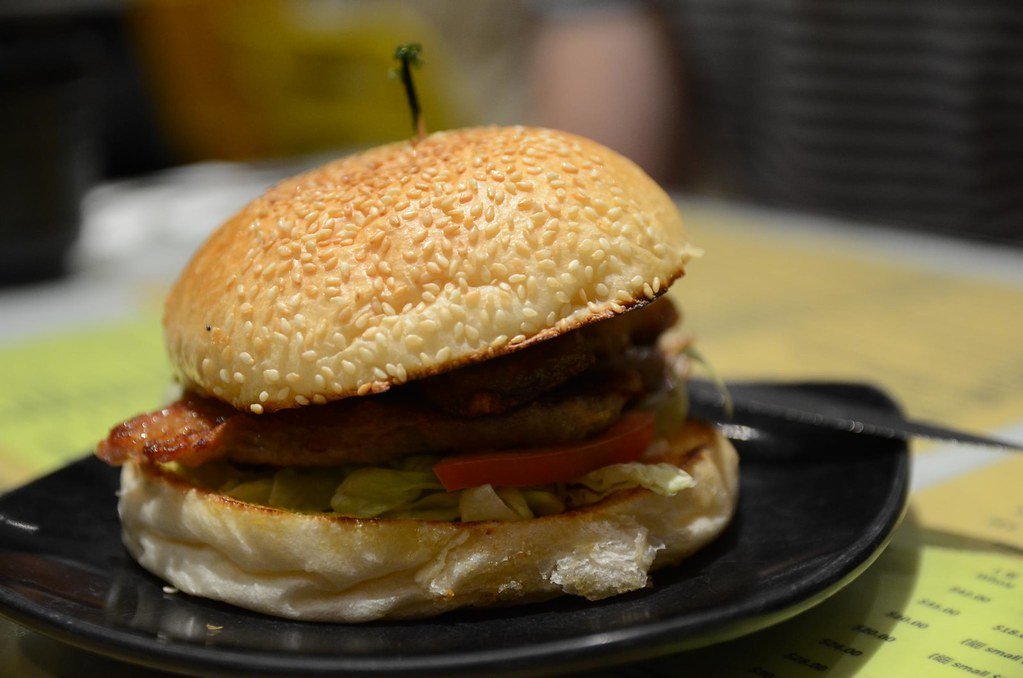
Bifanas remain an enduring symbol of Portuguese culinary heritage, captivating both locals and visitors with their rich flavors and comforting essence. This ubiquitous sandwich, generously filled with marinated pork, offers a taste experience that is deeply intertwined with the cultural identity of Portugal. Throughout the post, we have traversed the origins of bifanas, uncovering their roots in various regions and understanding how this humble dish has been embraced and adapted over the years.
The importance of bifanas is underscored by their overwhelming presence at local celebrations, street festivals, and in casual dining establishments across the country. Each bite of a bifana is not just a moment of culinary delight; it is a reflection of age-old traditions, family recipes, and regional variations. From the spiced marinade to the choice of bread, every component contributes to the sandwich’s signature taste, ensuring its place in modern gastronomy.
Moreover, bifanas have gone beyond their traditional confines to adapt to contemporary palates. Gourmet variants have emerged, showcasing high-quality meats and innovative ingredients that pay homage to the classic while inviting new audiences. This evolution is a testament to the resilience and versatility of bifanas, proving that even a simple sandwich can maintain its relevance in a rapidly changing food landscape. As you embark on your own culinary adventures, we encourage you to savor the flavors of Portugal by indulging in the delightful experience that bifanas offer. Whether enjoyed in a bustling market or a quiet café, each bifana encapsulates the heart and soul of Portuguese gastronomy, an invitation to discover a rich cultural legacy through its memorable taste.