
Introduction to Bun Cha
Bun Cha is a quintessential Vietnamese dish that has gained recognition and appreciation far beyond the borders of Vietnam. This remarkable culinary creation perfectly marries the smoky flavors of grilled pork with the delicate texture of rice noodles, enhanced by a vibrant assortment of fresh herbs and vegetables. Each component plays a significant role in crafting a harmonious balance of taste and aroma that characterizes this traditional meal.
The origins of Bun Cha date back to the bustling streets of Hanoi, where it is often enjoyed as a popular street food. Locals and tourists alike frequent small eateries that specialize in this dish, drawn by the tantalizing scents of marinated pork being grilled over charcoal, filling the air with an alluring smokiness. Typically, Bun Cha is served with a side of nuoc cham, a savory dipping sauce made from fish sauce, sugar, lime juice, and chili, which elevates the dish, adding a tangy kick to every bite.
As global interest in Vietnamese cuisine continues to grow, Bun Cha’s fame has surged, capturing the hearts and palates of food enthusiasts worldwide. With its complex flavor profile and emphasis on fresh ingredients, it has made its way onto many restaurant menus outside Vietnam. Chefs across the globe have embraced this staple, adapting traditional recipes while still paying homage to its roots. As a result, Bun Cha is now celebrated not only for its culinary merit but also as an embodiment of the rich cultural heritage that Vietnamese food represents.
In the following sections, we will delve deeper into the preparation of Bun Cha, exploring both its traditional roots and contemporary adaptations that keep this vibrant dish relevant in today’s culinary landscape.
Historical Background and Origins
Bun cha, a delectable Vietnamese dish, has its roots deeply embedded in the historical and cultural tapestry of Hanoi. Its inception can be traced back several decades, with local narratives suggesting that it emerged as a humble street food in the bustling alleys of Vietnam’s capital. Traditionally, bun cha comprises grilled pork (cha) served alongside vermicelli noodles (bun) and a distinct dipping broth, rich in flavors that are carefully balanced.
The dish gained prominence in the mid-20th century, coinciding with the post-colonial period, where Vietnamese chefs began to elevate traditional recipes. Originally, bun cha was crafted using a simple ensemble of pork, marinated with spices and grilled over charcoal, evoking the true essence of local culinary practices that emphasized fresh, local ingredients. This method distinguished it from other dishes and established it as a favorite among the local population, eventually gaining recognition among tourists visiting the city.
As bun cha evolved, its preparation methods and ingredients mirrored the changing socio-economic landscape in Vietnam. The integration of herbs and fresh vegetables into the dish signifies the importance of farm-to-table sourcing that remains prevalent in Vietnamese cuisine. Moreover, the ongoing popularity of bun cha reflects not only its delightful taste but also its significance within the context of communal dining in Vietnamese culture. Sharing a meal of bun cha among friends and family serves as an enduring symbol of hospitality and familial ties.
In essence, bun cha transcends mere sustenance, representing a snapshot of Vietnamese heritage. The dish encapsulates the resilience and creativity of the Vietnamese people as they navigate the currents of history while preserving their culinary traditions. Today, bun cha continues to be a beloved representation of Hanoi’s rich food culture, inviting gastronomes from across the globe to savor its unique flavors and historical significance.
Cultural Significance of Bun Cha
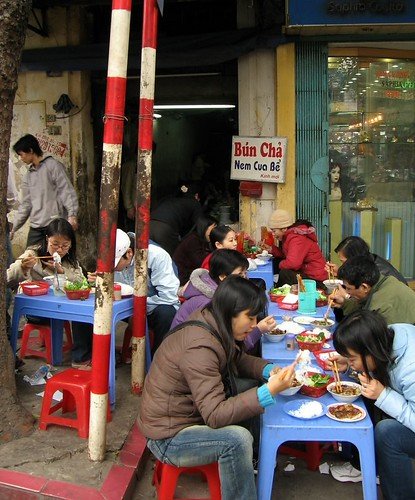
Bun cha holds a prominent place in Vietnamese cuisine, transcending its role as merely a dish to become an essential cultural symbol. Originating from Hanoi, this dish combines grilled pork (cha) with rice noodles (bun) and is often served alongside a fragrant dipping sauce and fresh herbs. Its preparation and enjoyment embody the rich culinary heritage of Vietnam, highlighting the importance of food in social interactions and community bonding.
In Vietnamese society, bun cha is frequently associated with family gatherings and festive occasions. Whether enjoyed during a special celebration or simply on a weekend lunch, the dish fosters togetherness among family members and friends. The communal aspect of bun cha is evident in how it is served—shared among diners, encouraging interaction and conversation while reinforcing familial and social ties. The act of sharing this flavorful meal creates a sense of unity, making it an essential part of many Vietnamese households.
Moreover, bun cha’s significance extends beyond personal gatherings to larger cultural events. It is often featured at festivals and traditional celebrations, symbolizing good fortune and happiness. The delightful combination of flavors and textures not only satisfies hunger but also enriches the experience of dining, reflecting Vietnamese values of hospitality and generosity. As visitors enjoy this dish, they are not just tasting a meal; they are participating in a cultural practice that has been cherished for generations.
Incorporating bun cha into various ceremonies and family traditions highlights its role as a marker of identity, showcasing the rich tapestry of Vietnamese culture. This beloved dish is thus a testament to the importance of food in Vietnamese society, serving as both nourishment and a bridge between generations, reinforcing the communal spirit that is central to the Vietnamese way of life.
Unique Flavors and Aromatics
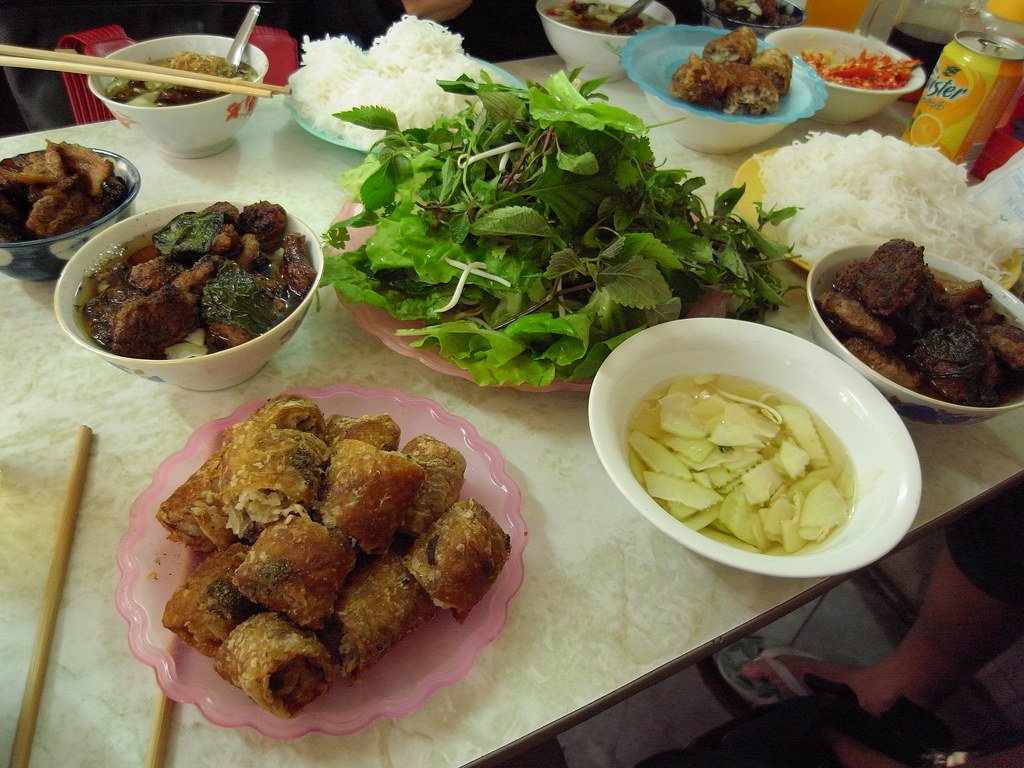
Bun cha is a quintessential Vietnamese dish that showcases a remarkable balance of flavors, making it a favorite among culinary enthusiasts. The layered profile of sweet, sour, salty, and umami elements harmoniously blends to create an exquisite dining experience. A central component of bun cha is the marinated pork, which plays a significant role in developing its unique taste. Typically, the meat used is either pork belly or grilled pork patties that undergo a meticulous marination process. This usually involves a mixture of sugar, garlic, shallots, and fish sauce, which infuses the meat with a rich depth of flavor.
Fish sauce, an indispensable ingredient in Vietnamese cuisine, further enhances the umami taste of bun cha. Its distinct salty and savory notes complement the sweetness from the sugar in the marinade, crafting a multi-dimensional flavor profile. During the grilling process, the sugar caramelizes, imparting a subtle smokiness to the pork, which contrasts beautifully with the dish’s fresh components.
Additionally, fresh herbs contribute significantly to the aromatic qualities of bun cha. Herbs such as cilantro, mint, and perilla are commonly served alongside or incorporated into the dish, serving not only as flavor enhancers but also providing a refreshing contrast to the rich meats. The inclusion of pickled vegetables adds a tangy element, augmenting the overall taste experience with a pleasant crunch. Each element in bun cha works cohesively to provide a quintessential Vietnamese meal, where the interplay of flavors and aromatics makes for an unforgettable culinary journey. This harmony of ingredients reflects not only the artistry of Vietnamese cooking but also the cultural importance of shared meals in their traditions, making bun cha a beloved staple across the globe.
Textures and Layers of Bun Cha
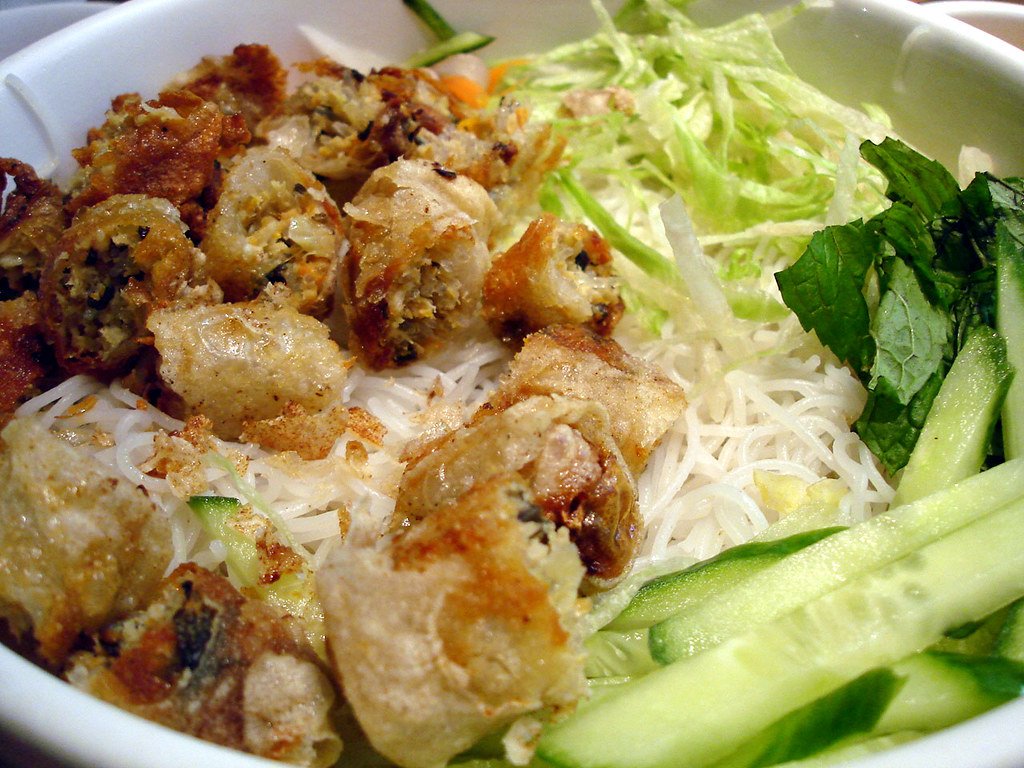
Bun Cha, a traditional Vietnamese dish, is celebrated not just for its flavors but also for its varied textures that contribute significantly to the overall dining experience. At the heart of this culinary creation lies the smoky and charred pork, typically made from marinated slices of pork belly and meatballs. Grilled to perfection, this layer delivers a satisfying crunch on the outside while remaining tender and juicy inside. The cooking process imparts a distinctive smoky aroma, enhancing the sensory experience as diners approach their meal.
The dish is complemented by chewy rice noodles, known as bun, which serve as a base. These thin, round noodles are glutenous and provide a soft yet firm texture that contrasts beautifully with the grilled meat. The interplay between the succulent, charred pork and the chewy noodles creates a delightful textural balance on the palate, making each mouthful enjoyable. Bun Cha is often served with a tangy dipping sauce that adds another layer of taste and depth, while also incorporating a slightly viscous consistency that coats the other components, enhancing the overall mouthfeel.
Visual Appeal and Plating Techniques
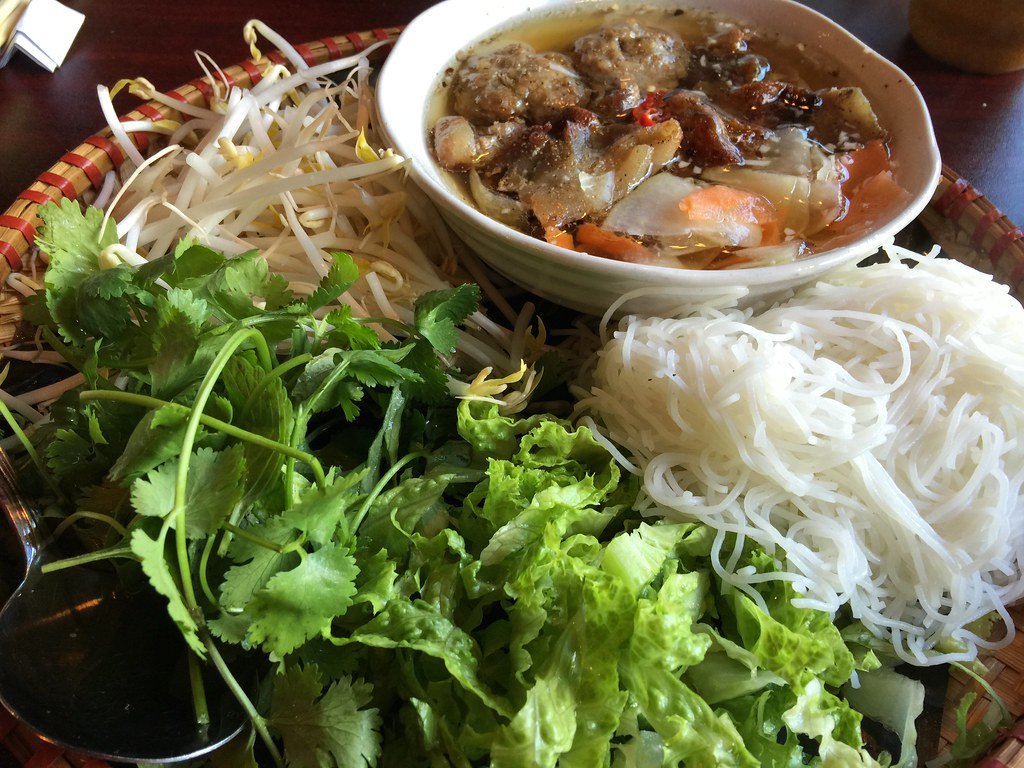
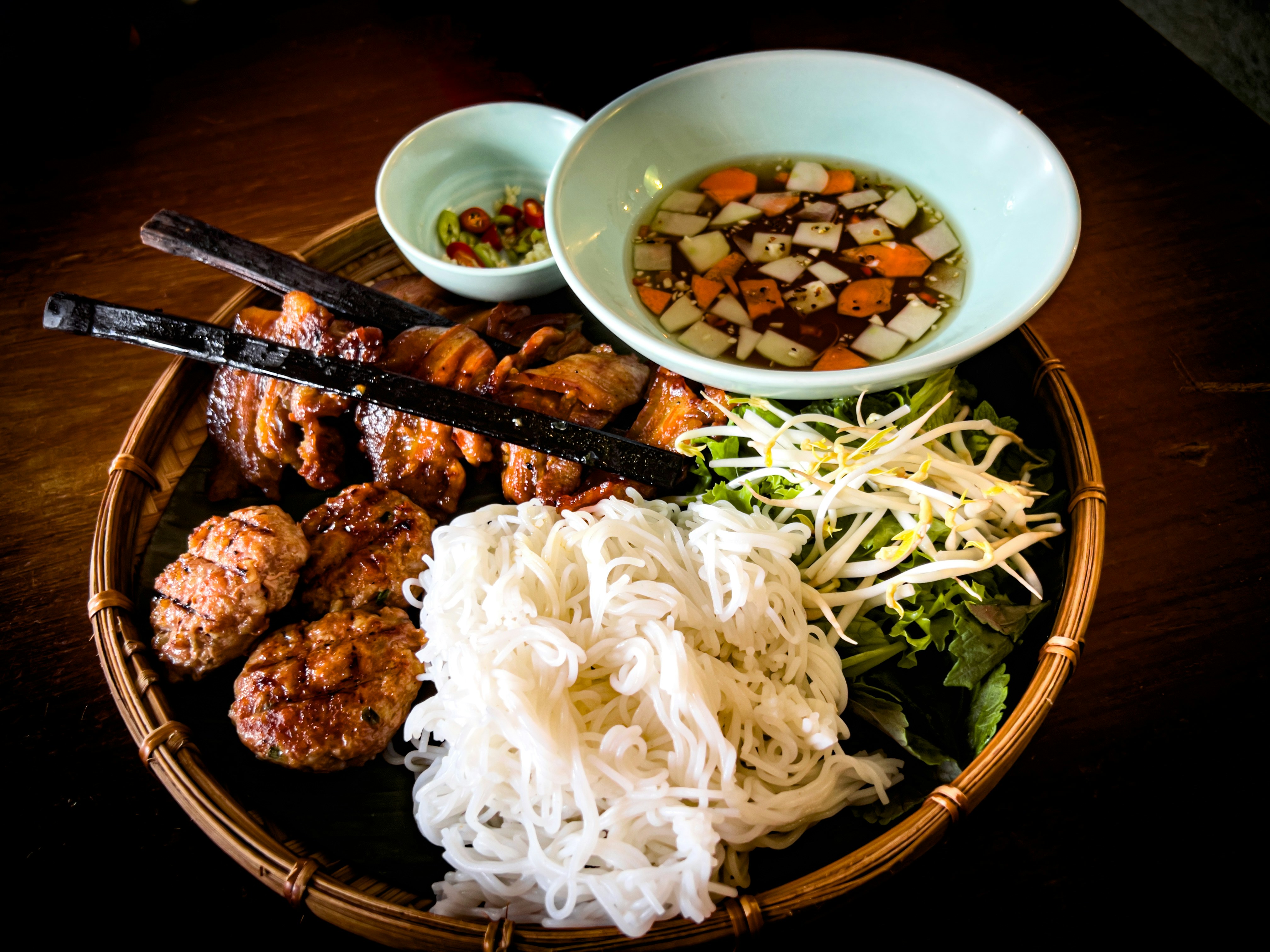
Bun cha, a traditional Vietnamese dish, offers a feast for the eyes as much as it does for the palate. The visual appeal of bun cha is integral to its overall experience, showcasing the vibrant ingredients and meticulous preparation involved. When plated, bun cha typically features a harmonious arrangement of its main components: grilled pork patties, rice noodles, fresh herbs, and dipping sauce. Each element plays a vital role in creating an inviting presentation that reflects the dish’s rich culinary heritage.
To emphasize color contrast and enhance visual appeal, the grilled pork is often placed centrally, allowing its golden-brown exterior to stand out. Surrounding these succulent patties, delicate strands of rice noodles are artistically arranged, providing a stark white backdrop that accentuates the vivid greens of the accompanying fresh herbs, such as cilantro and mint. This interplay of colors not only captivates the diner but also highlights the freshness of the ingredients, which is a hallmark of Vietnamese cuisine.
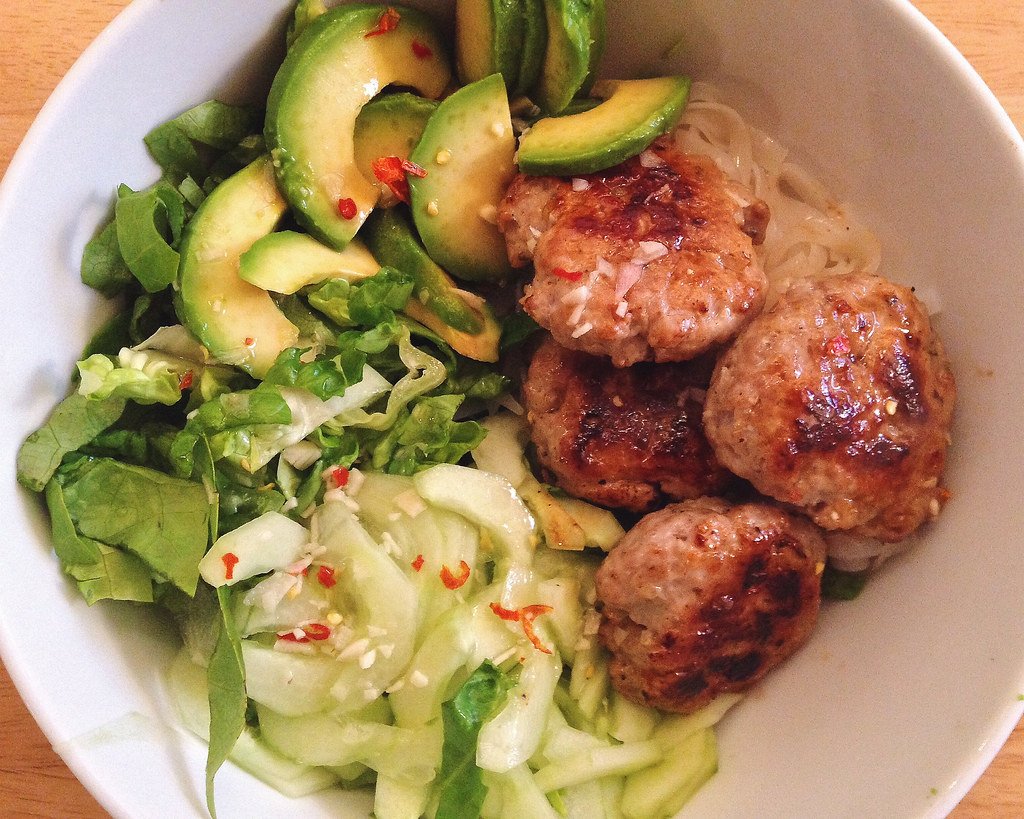
Incorporating traditional plating techniques, chefs often stack or layer the ingredients rather than simply arranging them side by side. This adds dimension to the dish and encourages the diner to explore each flavor as they delve into the bowl. Creative garnishes, such as sliced chilies and lime wedges, can further enhance the visual presentation while also inviting diners to customize their meal according to personal taste preferences.
The final touch is the dipping sauce, usually served in a small bowl alongside the main components. Its rich, amber hue adds another layer of visual interest and invites the diner to engage with the dish interactively. Overall, the visual appeal and innovative plating techniques of bun cha elevate it from mere sustenance to an art form, making each meal an unforgettable sensory experience.
Variations of Bun Cha Across Regions
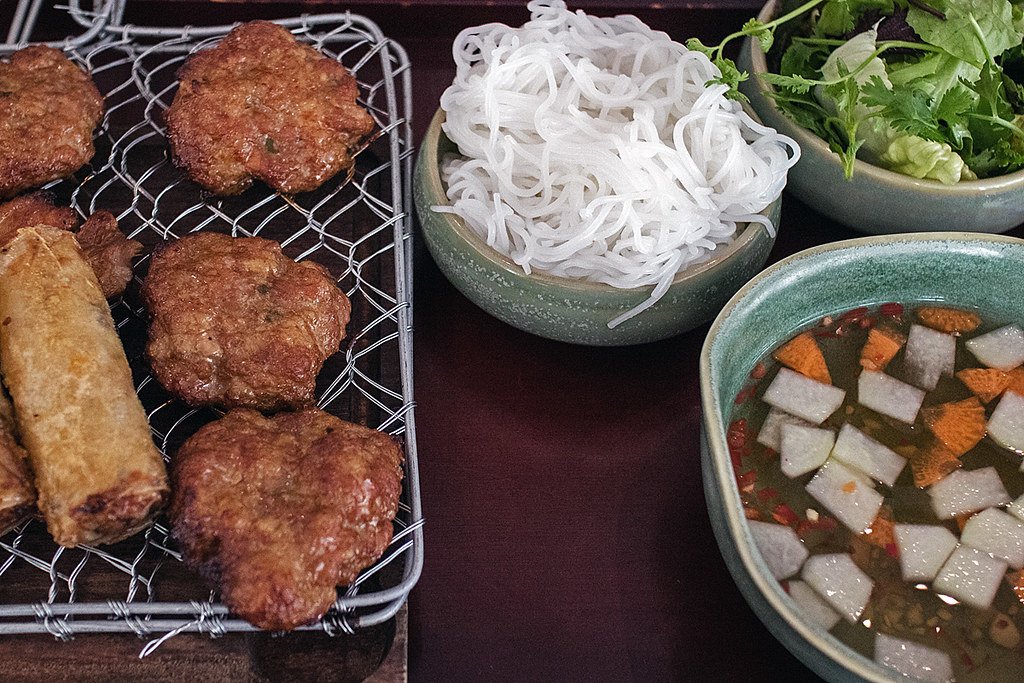
Bun Cha, a beloved Vietnamese dish, showcases significant regional diversity that reflects the country’s rich culinary landscape. While the core elements of bun cha include grilled pork, rice noodles, and a flavorful dipping sauce, the specific ingredients and preparation methods vary widely from one region to another. This variety results in distinctive flavor profiles that cater to local tastes and traditions.
In Hanoi, where bun cha is believed to have originated, the dish typically features marinated pork patties and sliced grilled pork belly, which are cooked over charcoal for an authentic smoky flavor. The accompanying dipping sauce is made from a delicate balance of fish sauce, vinegar, garlic, and sugar, resulting in a tangy and slightly sweet profile. Diners often enjoy this version with fresh herbs like mint and cilantro, as well as an array of pickled vegetables, enhancing the overall experience.
As we venture south towards Ho Chi Minh City, the bun cha variations begin to shift. Here, the grilled pork may be accompanied by a broader selection of toppings, including fried shallots and peanuts, which introduce a delightful crunch. The dipping sauce might lean towards the sweeter side, integrating coconut water or additional sugar to complement the dishes’ robust flavors. Furthermore, in this region, bun cha is frequently served alongside a wider variety of fresh herbs and vegetables, providing diners with a more vibrant and diverse culinary experience.
Other regions in Vietnam also showcase their unique twists on bun cha. For instance, some coastal areas infuse local seafood into the dish, while the central regions highlight influences from the local cuisine traditions. Understanding these variations not only celebrates the adaptability of bun cha but also underscores the importance of local ingredients and cultural influences that shape this iconic dish.
The Experience of Eating Bun Cha
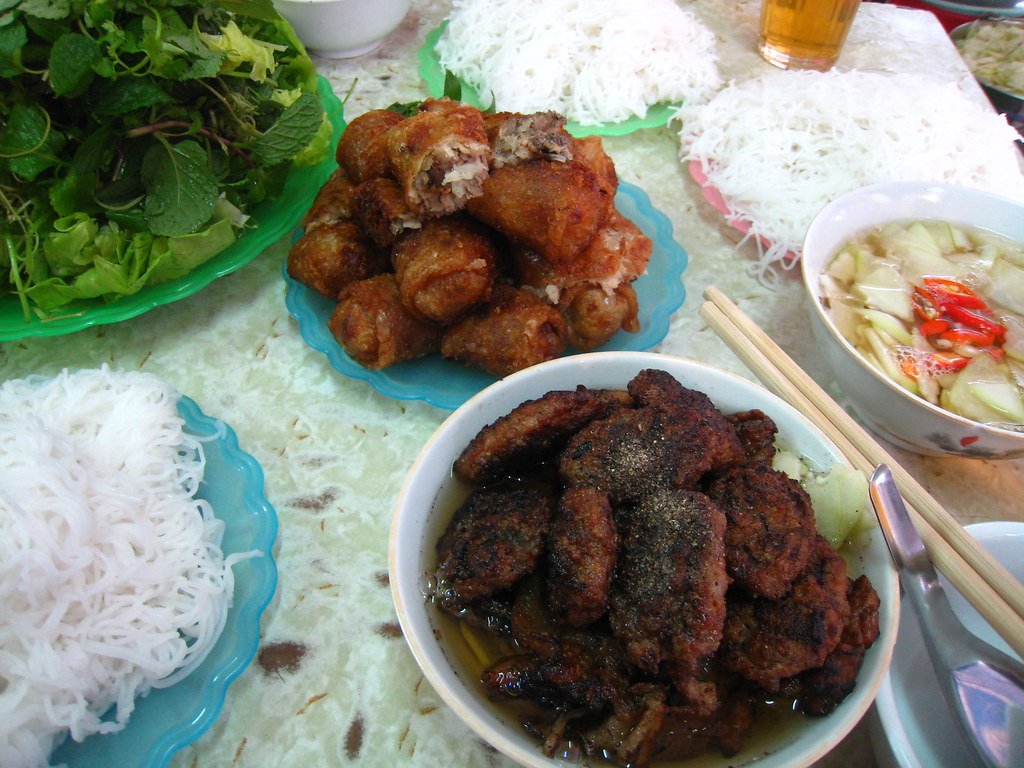
Enjoying bun cha is a sensory journey that begins the moment the dish is presented. The first sight of bun cha is visually appealing: vibrant colors from fresh herbs, crisp lettuce, and steaming noodles beautifully intertwined with slices of succulent grilled pork. The enticing aroma wafting from the bowl is a prelude to the delightful flavors that await. Upon taking the first bite, diners are greeted with a medley of textures and tastes that truly define this iconic Vietnamese dish.
The first taste is typically a combination of savory char from the pork, balanced by the freshness of herbs like cilantro and mint. As the grilled meat melds with the sweet and tangy dipping sauce, a harmonious flavor profile emerges. The noodles, typically rice vermicelli, provide a soft and comforting base that enhances each bite. The experience is further enriched by the crunch of pickled vegetables, which add brightness and complexity.
To fully appreciate the intricacies of bun cha, it is recommended to integrate various side dishes. A refreshing green papaya salad can lend a crunchy contrast, while spring rolls may add another layer of flavor and texture to the meal. For beverage pairings, a light beer or a traditional Vietnamese iced coffee complements the dish remarkably, enhancing the overall dining experience without overpowering the meal.
Ultimately, savoring bun cha is not merely about consumption but an appreciation of the meticulous preparation and vibrant culture that surrounds it. Taking the time to relish each bite and explore its subtleties allows for a deeper connection to Vietnamese culinary traditions, creating a memorable and fulfilling experience.
Conclusion: Embracing Bun Cha in Global Cuisine
Bun cha, a traditional Vietnamese dish, encapsulates the essence of Vietnamese hospitality and culinary artistry. Throughout this exploration of bun cha, we have delved into its rich flavor profile, the intricate preparation methods, and the cultural significance it holds within Vietnam. This dish is not merely a meal; it is an experience that tells a story of community, warmth, and shared moments. The harmonious combination of grilled pork, rice noodles, fresh herbs, and the distinctive dipping sauce creates a symphony of flavors that can transport diners to the bustling streets of Hanoi, where bun cha originated.
As global cuisine continues to evolve, bun cha stands as a testament to the power of food to connect people across cultures. The contrasting flavors and textures found in bun cha make it an enticing option for both adventurous eaters and those seeking comfort in familiar tastes. By incorporating locally sourced ingredients and adapting the recipe to fit personal dietary preferences, everyone can enjoy the authentic taste of this beloved dish in their own kitchens.
Moreover, as diners increasingly seek authentic culinary experiences, the rise of Vietnamese cuisine in non-Vietnamese establishments highlights the universal appeal of bun cha. Local restaurants and food markets are beginning to embrace this dish, allowing a broader audience to appreciate its unique characteristics. Whether you choose to experiment with cooking bun cha at home or venture out to discover it in a nearby restaurant, indulging in this flavorful dish can deepen your understanding of Vietnamese culture and hospitality.
In creating avenues for connection and expanding palates, bun cha not only flavors the table but also promotes cultural exchange, making it a cherished addition to the ever-diversifying global food landscape.