

Introduction to Ceviche
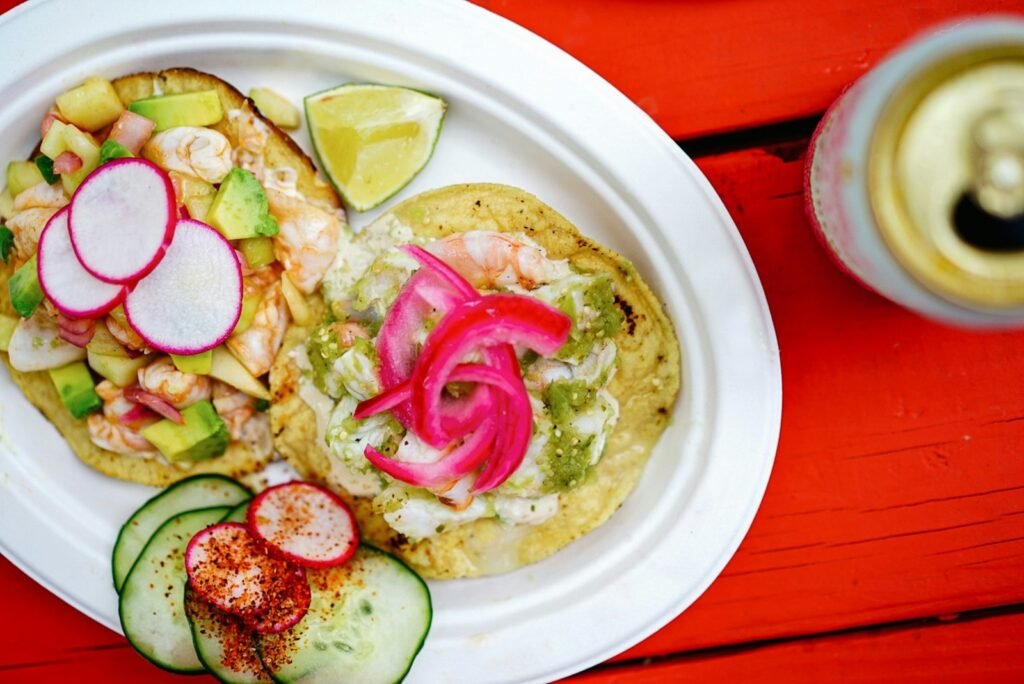
Ceviche is a beloved seafood dish that captivates the palates of food enthusiasts around the globe. Originating from the coastal regions of Latin America, this culinary delight features fresh raw fish or seafood that is delicately cured in citrus juices, typically lime or lemon. The acidity of the citrus not only imbues the dish with vibrant flavors but also serves to “cook” the seafood, transforming its texture and making it safe for consumption. Ceviche is often complemented with ingredients such as onions, cilantro, and chili peppers, enhancing its complexity and appeal.
While ceviche is most commonly associated with Peru, where it is considered a national dish, variations exist throughout various cultures. Each region showcases its unique twist, influenced by local ingredients and culinary traditions. For instance, in Mexico, ceviche may incorporate avocado and tomato, while in Ecuador, it can be served with a side of sweet plantains. This adaptability underscores the dish’s significance in diverse cuisines, evidencing its evolution and popularity beyond its geographic origins.
As a culinary creation, ceviche not only highlights the freshness of seafood but also emphasizes the importance of balancing flavors—an aspect that is crucial in culinary arts. It serves as a symbol of shared culinary heritage, encapsulating regional identity and cultural pride. This dish is often enjoyed during family gatherings, celebrations, and festivals, making it a centerpiece in traditional dining experiences. As we delve further into the world of ceviche in subsequent sections, we will explore its variations, preparation techniques, and the cultural significance attributed to this remarkable seafood delicacy.
The Origins of Ceviche
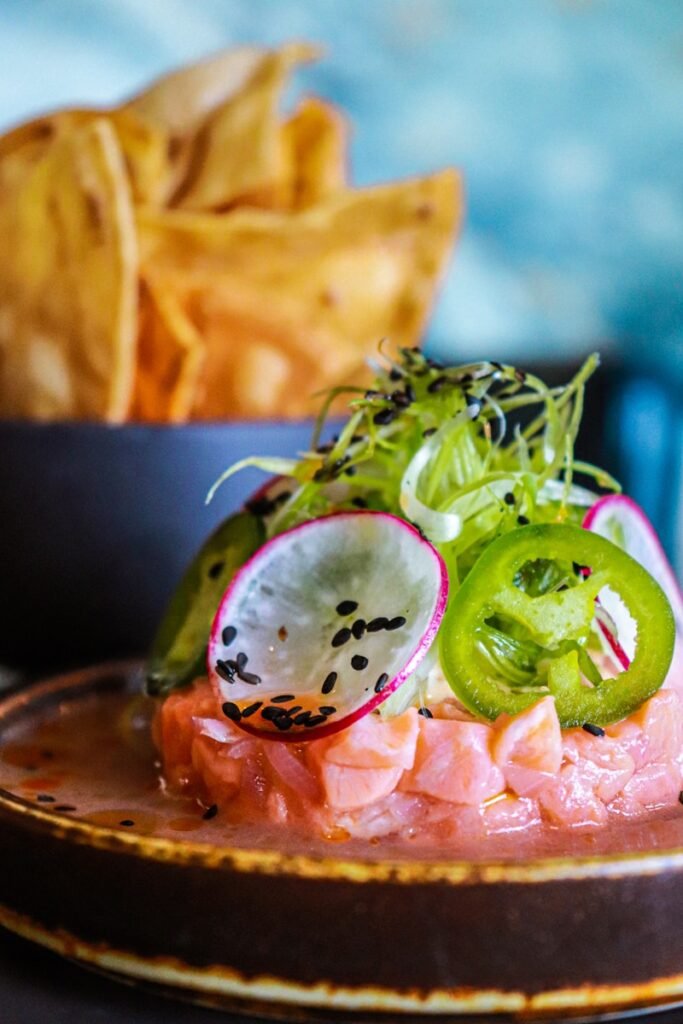
Ceviche, a dish renowned for its refreshing flavors and unique preparation, holds a fascinating history that dates back to ancient civilizations along the coastal regions of South America. The specific origins of ceviche are somewhat elusive, with multiple theories positing its inception in various cultures. One of the most widely accepted theories suggests that ceviche has roots in the indigenous peoples of Peru, where fish was preserved using the natural acidity of local citrus fruits, such as limes.
Indigenous tribes along the Pacific coast would marinate freshly caught fish in these acidic juices, creating an early version of this iconic dish long before the arrival of European settlers. The incorporation of additional ingredients, such as chili peppers and herbs, likely emerged from local culinary traditions that provided distinct regional flavors. This ancient practice of marinating raw fish laid the groundwork for what we now recognize as ceviche.
The arrival of Spanish explorers in the 16th century further influenced the evolution of ceviche. They introduced new ingredients, such as onions and garlic, which were incorporated into the marination process. Additionally, the use of other types of seafood became more commonplace, reflecting the diverse marine life available along the coasts. This merging of indigenous techniques and European culinary practices contributed to the distinct ceviche styles that developed in different regions of South America, particularly in Peru and Ecuador.
Across the centuries, ceviche has transcended its origins, evolving into a celebrated dish not only in its homeland but on international culinary stages. Today, ceviche is recognized for its fresh taste, cultural significance, and adaptability, featuring variations that cater to diverse palates. The journey of ceviche from its ancient roots to modern interpretations showcases its importance in the culinary heritage of coastal South America.
The Evolution of Ceviche Through History

Ceviche, a dish primarily made from fresh fish cured in citrus juices, has a rich historical background that traces its origins back thousands of years. The earliest accounts suggest that ancient Peruvians prepared a form of ceviche using locally sourced fish marinated in fermented fruit juices, such as chicha, a traditional beverage made from maize. This initial incarnation of ceviche showcases how indigenous communities utilized the resources available to them, highlighting their deep connection with coastal ecosystems.
As colonial influences emerged, particularly from the Spanish, the preparation methods and ingredients underwent significant transformations. The introduction of citrus fruits, such as limes and oranges, not only made the dish more appealing but also enhanced its preservation, allowing for a wider variety of fish to be used. This adaptation marked a pivotal shift in the evolution of ceviche, as it began to spread beyond its Andean roots and into various coastal regions across Latin America.
Throughout the years, ceviche has continued to evolve, influenced by regional tastes and culinary techniques. For instance, in Ecuador, cooks often incorporate tomato sauce and avocado into their ceviche, enhancing both flavor and texture. In contrast, Mexican ceviche might feature the addition of seasonal ingredients like mango or cilantro, showcasing the versatility and regional variations of the dish. Today, ceviche is no longer confined to traditional recipes; contemporary chefs experiment with flavors and presentations, incorporating items such as coconut milk or various spices, further expanding its culinary horizons.
In conclusion, the evolution of ceviche reflects a rich tapestry of cultural influences and adaptive culinary practices. From its ancient origins to its current status as a beloved dish across various countries, ceviche continues to symbolize the intersection of tradition, innovation, and regional identity in the culinary world.
Ceviche in Different Cultures
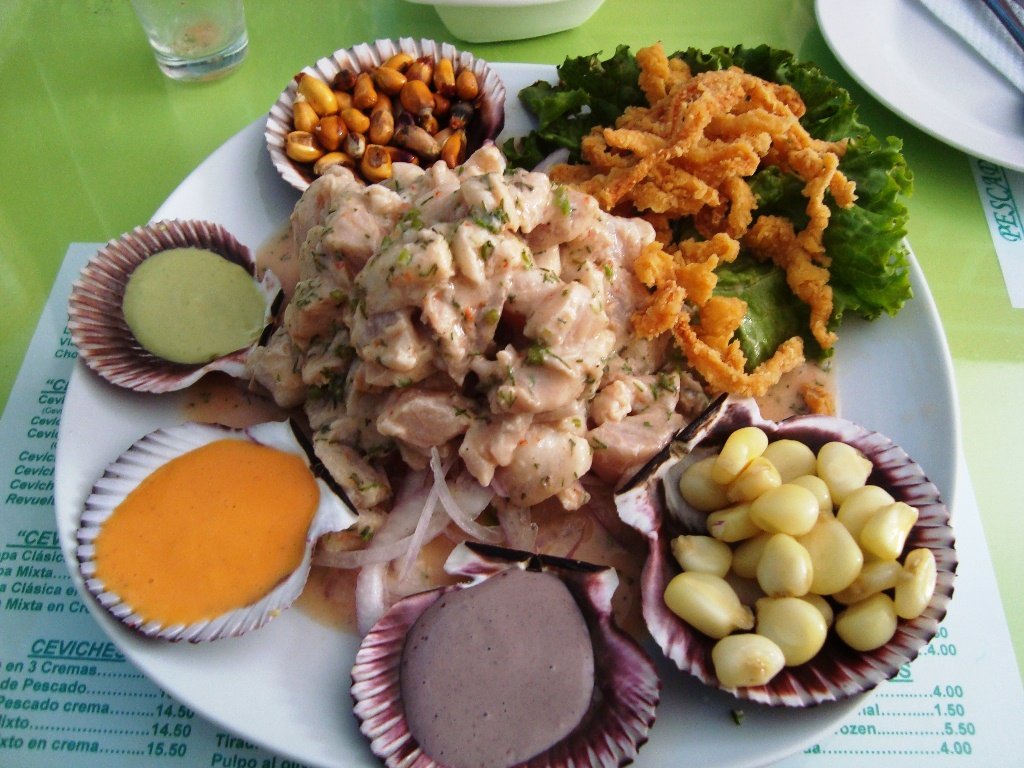
Ceviche, a dish primarily made from fresh raw fish marinated in citrus juices, has evolved into various forms across the globe, particularly in Latin America. Each culture has embraced and adapted ceviche, creating unique ingredients and presentation styles that reflect their culinary traditions and local preferences. Among the most notable is the Peruvian version, widely regarded as the birthplace of ceviche. In Peru, ceviche is typically prepared with fresh flounder or sea bass, accompanied by ingredients such as red onions, cilantro, and aji pepper. The dish is often served with sides like sweet potato or corn, emphasizing the blend of flavors and textures, and it plays a pivotal role in social gatherings and celebrations.
Mexico also has its own distinctive take on ceviche, often incorporating a wider array of seafood, such as shrimp or octopus. The Mexican version is typically seasoned with lime juice, tomatoes, and avocado, showcasing a vibrant and colorful presentation. This adaptation not only highlights regional seafood availability but also reflects Mexican culinary heritage, where fresh and zesty flavors dominate. In many coastal areas, ceviche serves as a popular appetizer at family gatherings and festive occasions, symbolizing the communal joy of eating together.
Ecuador adds another layer to the ceviche narrative by introducing its unique twist, often utilizing a broth made from tomato and citrus, giving the dish a soup-like consistency. Typically served with popcorn or plantain chips, Ecuadorian ceviche embodies a blend of textures and flavors that resonate with the country’s rich culinary history. This variation is especially significant in the coastal region, where it represents the local culture, emphasizing the importance of seafood in their diet.
The diverse interpretations of ceviche across these countries not only highlight the dish’s adaptability but also reflect how food can act as a vessel for cultural expression, preserving traditions while inviting innovation.
Understanding the Meaning of Ceviche
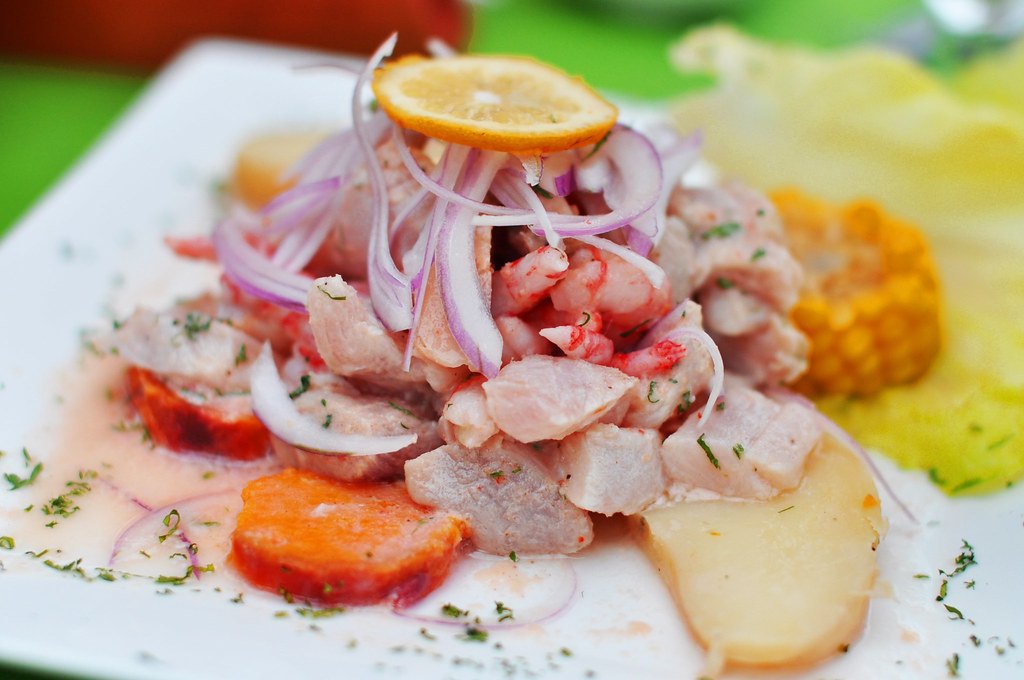
Ceviche, a renowned dish originating from Latin America, holds a profound significance that transcends mere culinary appreciation. It is more than just a gastronomic delight; it acts as a cultural emblem that represents the traditions and social practices of various communities. The dish, traditionally made from fresh raw fish marinated in citrus juices, is particularly celebrated in coastal regions where seafood is a staple of the local diet. Its preparation often involves blending various ingredients, including herbs and spices, reflecting the diverse culinary influences present in these areas.
Ceviche’s role in communal dining cannot be overstated. It is frequently served during gatherings, festivals, and family celebrations, symbolizing hospitality and togetherness. For many, sharing a plate of ceviche is a ritual that fosters collaboration and connection among participants. Several cultures have distinct variations of ceviche, showcasing local ingredients and culinary methods, allowing it to serve as a representative dish that brings communities together across different regions. Its presence on the dining table often evokes nostalgia, with shared recipes passed down through generations becoming a vital link to cultural heritage.
Moreover, ceviche has garnered national pride, particularly in countries like Peru, where it is considered the national dish. This status elevates ceviche beyond its delicious taste, turning it into a symbol of identity and cultural expression. The pride associated with ceviche is often showcased in culinary festivals, competitions, and even international events, positioning it as a key player in the global gastronomy scene. With its rich history and cultural implications, ceviche stands as a testament to the value of food as a vessel for cultural identity and social connection, reminding us of the intricate relationship between cuisine and community.
Taste and Texture Profile of Ceviche
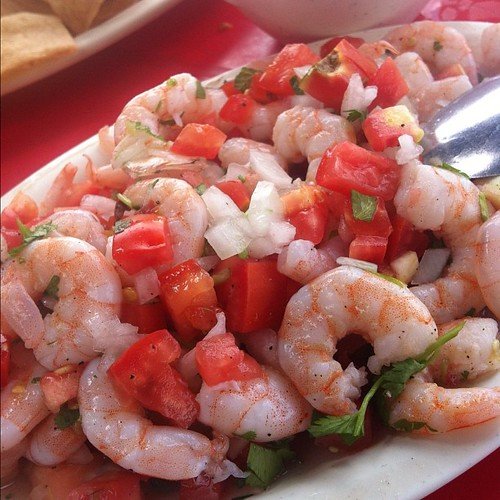
Ceviche stands out as a dish celebrated for its unique taste and inviting texture, making it a culinary delight for seafood enthusiasts. Central to its flavor profile is the use of fresh seafood, typically fish or shrimp, which forms the foundation of this dish. The quality and freshness of the seafood are paramount, as they contribute to the overall taste experience. When one takes a bite of ceviche, the initial flavor is often characterized by the natural sweetness of the seafood, which is beautifully enhanced by the tangy acidity derived from citrus juices, such as lime or lemon.
The addition of these citrus elements serves not only to flavor the seafood but also acts as a curing agent, giving it a tender, yet firm texture. This balance of flavors is further elevated by additional ingredients such as diced onions, cilantro, and chili peppers, which introduce a medley of zest and spice. The onions provide a sharp, pungent note, while the cilantro adds a hint of earthiness, and the chilies impart a gentle heat, creating a complex flavor interplay that tantalizes the palate.
In terms of texture, ceviche offers a delightful contrast between the chewy yet tender seafood and the crisp vegetables. The fish maintains a slight firmness, thanks to the curing process, while the finely chopped vegetables add a refreshing crunch. This combination results in a multi-layered eating experience that is both satisfying and invigorating. With every bite, the interplay of textures and flavors harmonizes, creating a dish that is not only pleasing to the taste buds but also visually appealing. Each ingredient plays a vital role in achieving this exquisite balance, making ceviche a culinary masterpiece cherished across diverse cuisines.
Ingredients and Preparation Techniques
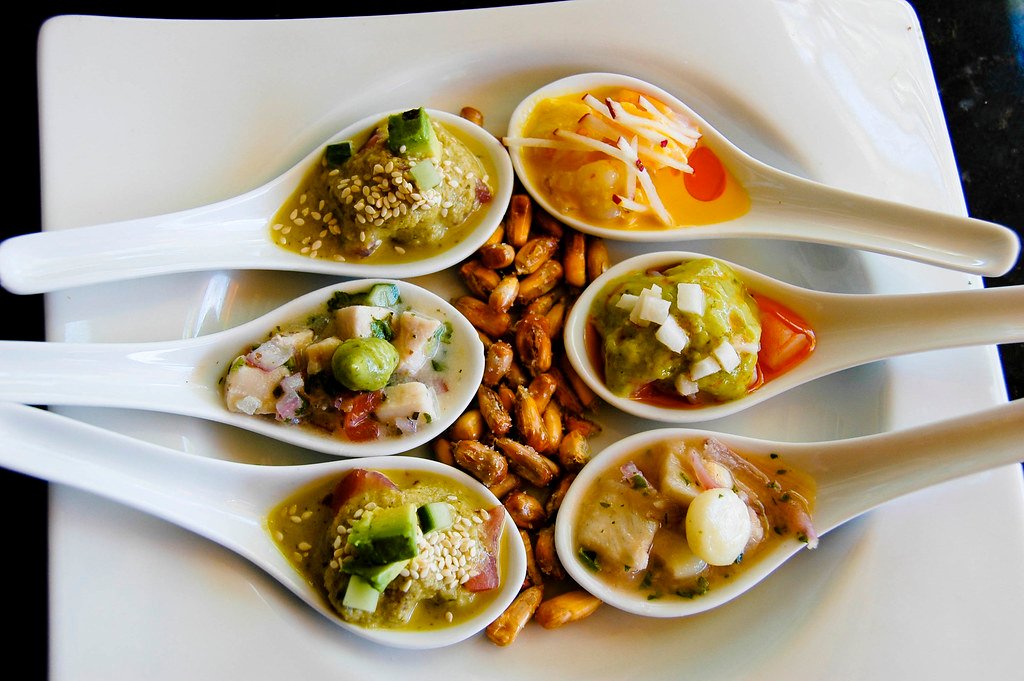
Ceviche is a dish that exemplifies the harmony of fresh ingredients and precise preparation techniques, showcasing the skill and tradition that go into creating this culinary delight. The primary element in ceviche is the fish, which is often selected based on its freshness and texture. Common choices include white fish varieties such as seabass, snapper, or tilapia. These fish are ideal due to their firm flesh, which holds up well during marination. In some regional variations, shrimp or octopus may also serve as the main protein, catering to a broader palate.
The marination process is crucial to achieving the desired flavor profile of ceviche. Fresh citrus juices, particularly lime or lemon, are typically used to “cook” the fish by denaturing its proteins. This cooking method results in a unique texture and transforms the fish’s taste, allowing it to absorb the brightness of the citrus. It is important to note that the duration of marination can vary depending on the type of fish used; for example, thinner fillets require shorter marination times compared to firmer fish.
In addition to the fish and marinade, ceviche is often embellished with a range of garnishes that enhance its visual appeal and flavor complexity. Ingredients such as diced red onions, tomatoes, and cilantro are commonly added. The onions provide a sharp contrast to the acidity of the citrus, while tomatoes add sweetness and color. Additionally, a hint of heat can be introduced with the inclusion of chili peppers, making each ceviche a balance of flavors that reflects the specific region from which it originates.
Overall, the choice of ingredients and the techniques employed in the preparation of ceviche are critical in delivering an authentic experience. The interplay between the fresh fish, zesty marinade, and thoughtful garnishing contributes tremendously to the dish’s popularity and universal appeal.
Health Benefits of Ceviche
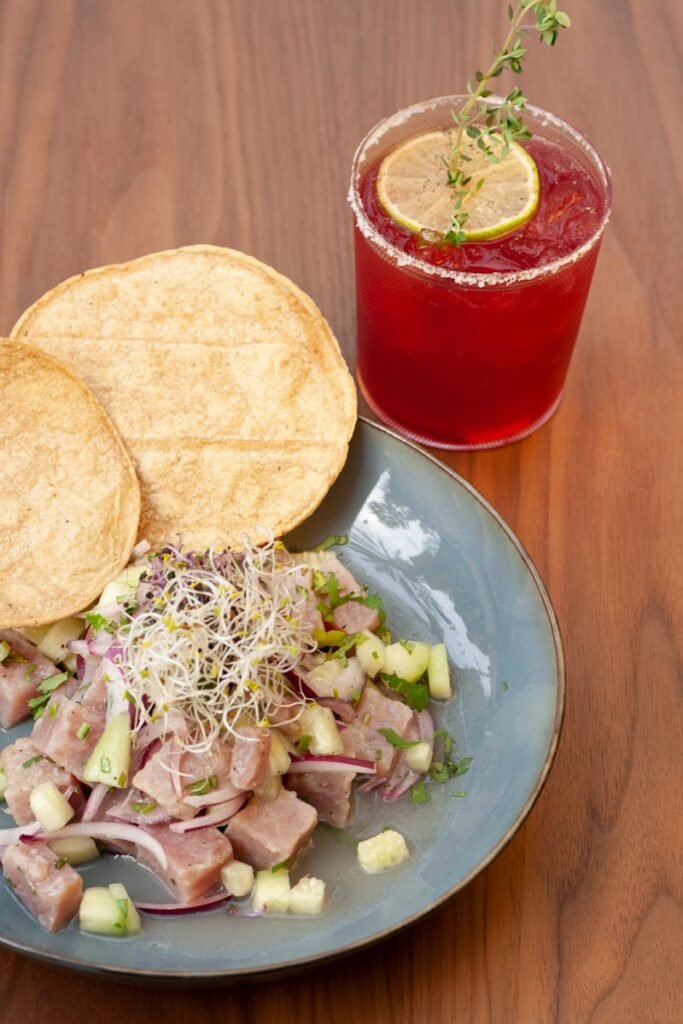
Ceviche, a popular dish in various coastal cuisines, particularly in Latin America, offers an array of health benefits, primarily due to its key ingredients: fresh seafood, citrus juices, and vegetables. One of the primary health benefits of ceviche lies in its high protein content. Seafood, such as fish and shrimp, provides high-quality protein, essential for muscle repair and growth, while also playing a pivotal role in various bodily functions, including the production of enzymes and hormones.
Moreover, ceviche is often made with fatty fish, which are a remarkable source of omega-3 fatty acids. These healthy fats are known for their cardiovascular benefits, including lowering triglycerides, reducing blood pressure, and decreasing the risk of heart disease. Omega-3 fatty acids also support brain health, promoting cognitive function and potentially reducing the risk of cognitive decline in later life. Therefore, including ceviche in one’s diet can be a tasty way of incorporating these essential fatty acids into one’s meals.
Another significant aspect of ceviche is the use of fresh, raw seafood. When prepared safely, it can provide a wealth of vitamins and minerals, including vitamin B12, vitamin D, and selenium, all crucial for maintaining overall health. Fresh fish is also low in calories, making ceviche a suitable option for those seeking to manage their weight without sacrificing flavor.
However, it is essential to acknowledge the potential risks associated with consuming raw fish. There is a chance of exposure to harmful bacteria and parasites, which can lead to foodborne illnesses. To mitigate these risks, it is crucial to ensure that only high-quality, fresh seafood is used and that proper food safety practices are followed during the preparation of ceviche. By balancing the health benefits and risks, ceviche can indeed be a nutritious and delicious addition to a healthy diet.
Conclusion: The Timeless Appeal of Ceviche
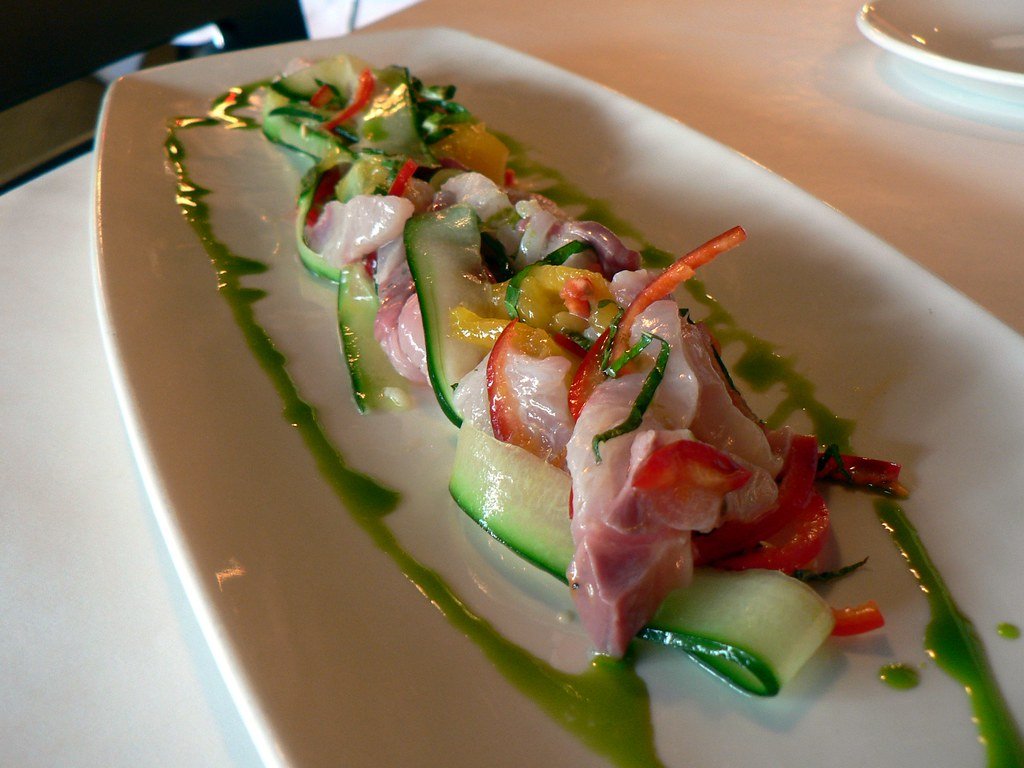
Ceviche stands out as a vibrant dish that reflects both culinary sophistication and cultural heritage. The preparation involves marinating raw fish in citrus juices, typically lime or lemon, which not only cooks the fish through acidity but also infuses it with refreshing flavors. This method of preparation is not only crucial for the taste but also a testament to the ingenuity found within traditional Latin American cuisine.
The popularity of ceviche has transcended its geographical origins, with variations now present in various culinary practices around the globe. Each region adapts the dish, incorporating local ingredients such as mango, avocado, or coconut, thus showcasing the versatility of ceviche. This adaptability speaks volumes about its timeless appeal, allowing it to maintain a significant place in restaurants and on dining tables across cultures. Whether enjoyed at a seaside café in Peru or as part of a gourmet meal in a metropolitan city, ceviche continues to enchant diners with its bright flavors and tantalizing textures.
Moreover, ceviche serves as a cultural artifact, connecting people from different backgrounds through a shared appreciation for bold flavors and fresh ingredients. It is often enjoyed in social settings, making it a centerpiece for celebrations and gatherings, which further cements its role in fostering community and connection. As we explore the various regional interpretations of ceviche, it becomes evident that this dish is more than just a recipe—it is a symbol of culinary tradition and innovation.
In essence, ceviche invites all of us to engage with a dish that embodies both history and contemporary taste. By choosing to appreciate ceviche, we not only savor its complex flavor profile but also honor a rich cultural legacy that continues to evolve and inspire. As we look to the future, the enduring charm of ceviche assures us that it will remain a beloved dish for generations to come.