
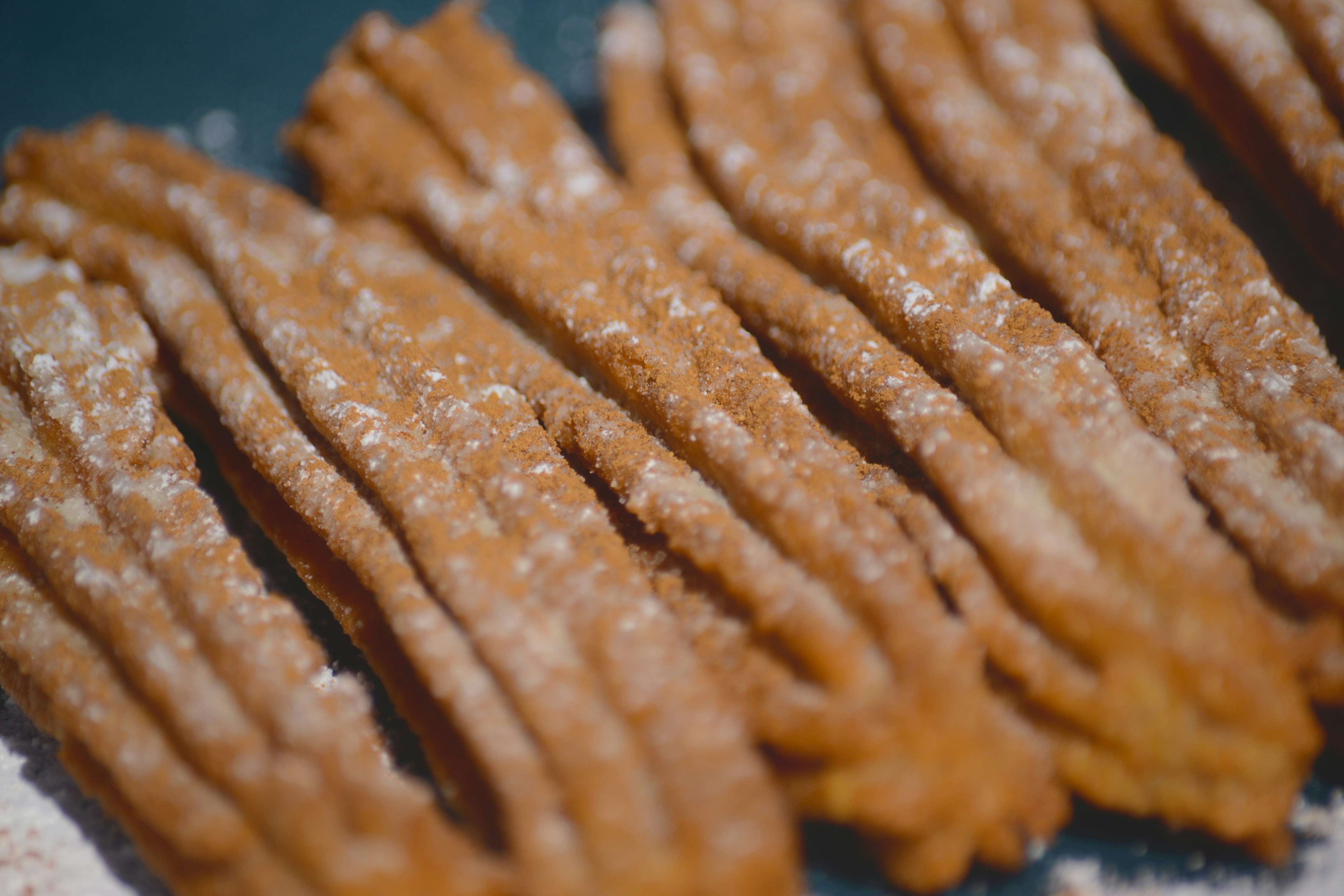
The Origins of Churros
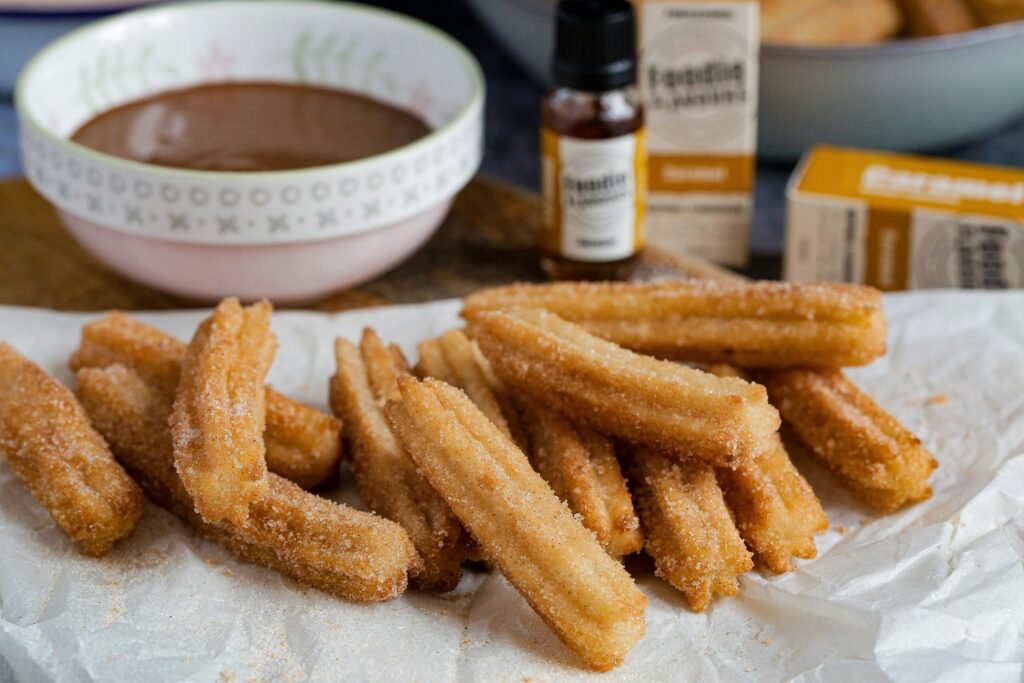
The history of churros is a fascinating journey through time that highlights their enduring appeal across different cultures and geographies. The origins of churros are often traced back to ancient civilizations, with some theories suggesting that they may have been influenced by the Chinese pastry known as youtiao, which dates back to the Tang dynasty. As trade routes expanded, the exchange of culinary practices between East and West began to flourish, contributing to the evolution of many dishes, including churros.
Churros are most commonly associated with Spanish cuisine, particularly after their rise during the 19th century. The common narrative posits that Spanish shepherds developed churros as a portable breakfast that could be easily cooked over an open fire. This theory underscores the practicality of churros, which are made from simple ingredients like flour, water, and salt, making them accessible in rural settings. Over time, these early versions of churros began to take on more elaborate forms, including the introduction of various fillings and toppings.
The Spanish colonial era played a significant role in the dissemination of churros beyond the borders of Spain. As the Spanish empire expanded into regions of Latin America, churros were adopted and integrated into various culinary traditions. Each nation added its unique twist to the dish: for instance, in Mexico, churros are often served with chocolate sauce, while in Argentina, they may be dusted with sugar or filled with dulce de leche.
In contemporary times, churros have transcended cultural boundaries, becoming a beloved treat worldwide. Evolving from their humble origins, they are now enjoyed at fairs, street vendors, and high-end restaurants alike. This versatility showcases the ability of churros to adapt while retaining their rich historical significance, allowing them to endure as a symbol of cultural exchange and culinary creativity.
Cultural Significance and Symbolism
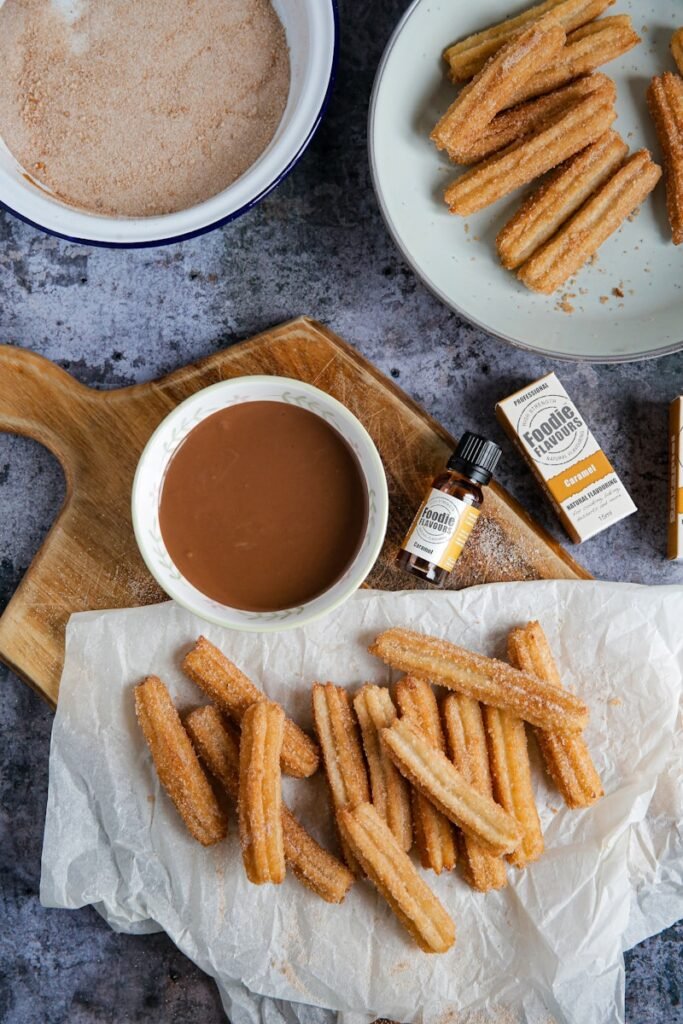
Churros hold a significant place in the culinary landscape of Spanish-speaking countries and beyond, embodying more than just a sweet treat. They are often associated with festive occasions and traditions, celebrated for their role in gatherings and family events. In Spain, churros are not just a popular snack; they are an integral part of breakfast, often accompanied by thick hot chocolate. This combination creates a social atmosphere where families and friends unite to enjoy these delightful pastries, reflecting the essence of communal bonding and shared experiences.
Beyond Spain, churros enjoy a rich presence in Latin American countries, where their variations allow for regional interpretations. In Mexico, for instance, churros are frequently enjoyed during celebrations such as weddings and festivals, symbolizing joy and festive abundance. Their presence at such moments reinforces their connection to happiness and togetherness. In contrast, the United States has embraced churros as a staple at fairs and theme parks, linking them with feelings of nostalgia and carefree enjoyment. This adaptation highlights their versatility and cultural permeability, as churros continue to evolve while retaining their fundamental characteristics.
The symbolism of churros extends into popular culture, where they are often depicted as symbols of comfort and indulgence. From movies featuring characters enjoying churros in light-hearted scenes to references in literature that evoke pleasant memories, churros serve as reminders of everyday joy. This representation fosters a sense of familiarity among diverse audiences, making churros a remarkable symbol of indulgent comfort. As such, churros transcend mere culinary delights, embodying cultural narratives that celebrate community, family ties, and cherished traditions across various societies.
Unique Flavors and Variations
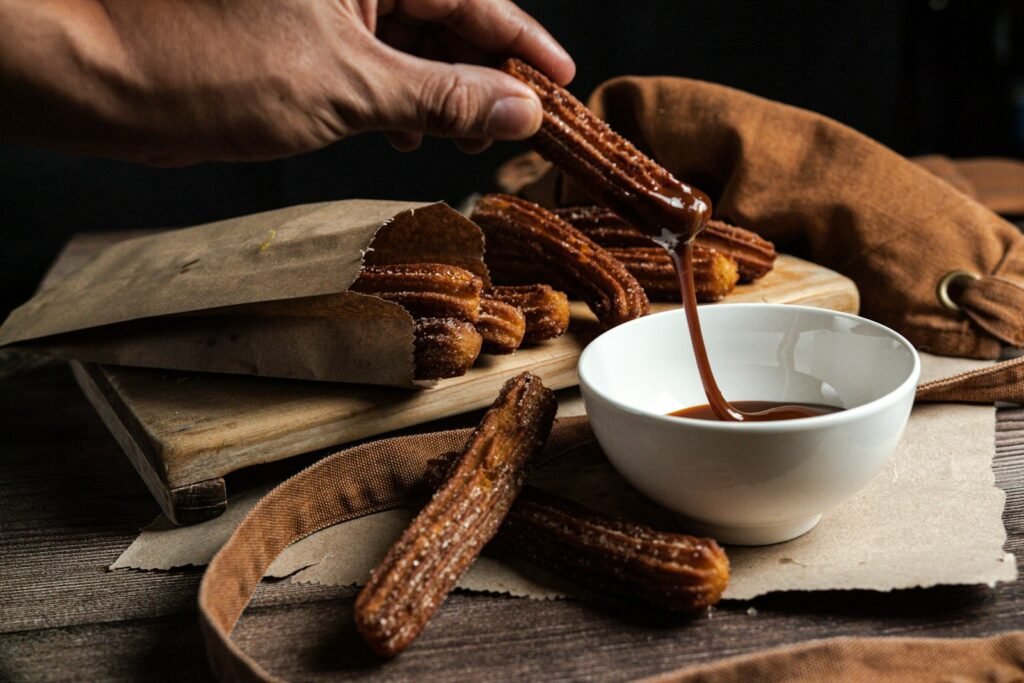
Churros, a beloved pastry with origins steeped in tradition, have evolved significantly over time, leading to an array of unique flavors and variations. While the classic churro is typically coated in a delightful mixture of cinnamon and sugar, contemporary culinary creativity has introduced various innovative fillings and toppings that elevate this simple treat to new heights. Chocolate, caramel, and dulce de leche are now commonly used to fill churros, providing a rich and indulgent experience for those who indulge in them. These flavors add a decadent twist to the traditional recipe, making churros even more appealing to a diverse audience.
Regional variations further exemplify the versatility of churros. In Spain and Latin America, for instance, churros rellenos are particularly popular; these versions feature a crispy exterior that encases luscious fillings, often served with a warm cup of thick chocolate sauce for dipping. This combination enhances the sensory experience, as the contrast between the crunchy outer layer and the gooey interior offers a delightful mouthfeel. Meanwhile, savory churros, which incorporate ingredients like cheese, herbs, or spices, are making their mark in fusion cuisine. These delightful twists provide an intriguing alternative to the sweet classic and reflect the ever-evolving nature of culinary traditions.
Ingredient substitutions also play a significant role in the modern churro landscape. For health-conscious consumers, alternatives such as whole grain flours or gluten-free blends are increasingly used, enabling individuals with dietary restrictions to enjoy this cherished treat. Furthermore, creative flavorings such as matcha, pumpkin spice, or even lavender have emerged, appealing to adventurous palates and expanding the churro’s culinary footprint. As technology and globalization continue to influence gastronomic trends, churros remain a canvas for exploration, inspiring chefs and home bakers alike to develop their distinctive versions while honoring the rich history of this iconic pastry.
Textures and Culinary Techniques
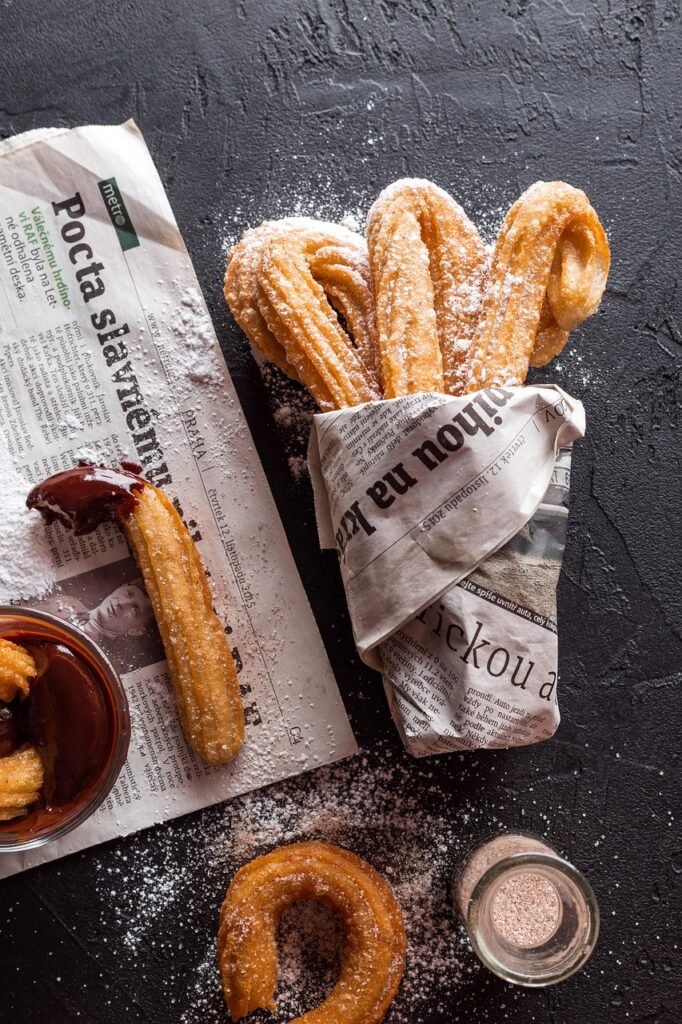
Churros are renowned for their distinctive textural qualities that play a crucial role in their appeal. The juxtaposition of a crispy exterior against a soft, airy interior creates a delightful contrast that is both satisfying and addictive. The outer layer, often achieved through precise frying techniques, serves as a protective barrier that locks in the steam produced from the dough, giving churros their characteristic height and lightness. This frying method is pivotal; traditionally, churros are deep-fried in oil until they attain a golden-brown color, resulting in a crisp shell that crumbles beautifully as it is bitten into.
The dough preparation for churros is equally essential and requires a careful balance of ingredients. Typically made from flour, water, and a small amount of salt, the addition of butter or oil enriches the dough, contributing to its flavor and texture. By using the choux pastry technique, which involves cooking the dough before mixing in the eggs, chefs can create a light mixture that expands rapidly when subjected to heat. This approach not only ensures the churros are airy but also helps develop a desirable chewiness that enhances the overall mouthfeel.
Variations in preparation techniques can significantly influence the dining experience. Differences in frying temperature, for instance, can affect the texture; a hotter oil can lead to a more fibrous structure, while cooler oil may produce denser churros. Furthermore, regional variations often involve infusing the dough with flavors such as cinnamon or vanilla, adding aromatic dimensions to the classic treat. Other adaptations may include baking rather than frying, which results in a healthier option but alters the traditional crispiness and texture. Each method contributes to the churro’s cultural significance and culinary charm, making churros a versatile delight enjoyed worldwide.
Visual Appeal and Plating Techniques
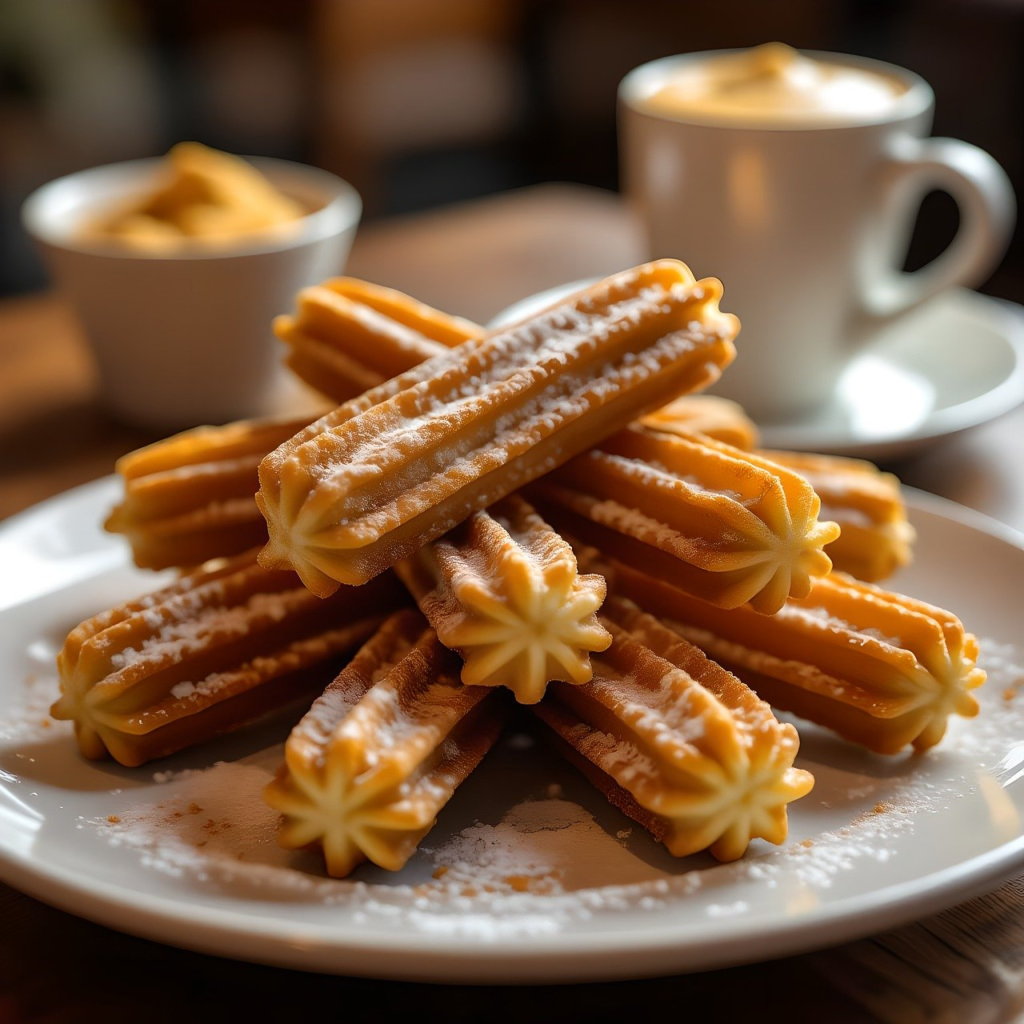
The visual allure of churros plays a significant role in their overall dining experience. These classic Spanish treats, known for their elongated shape and crispy exterior, invite attention. Their golden-brown hue, often dusted with sugar, creates an inviting aesthetic that appeals to the senses even before the first bite is taken. The juxtaposition of a rustic churro’s texture with the simple elegance of its shape can make for a visually striking presentation on a plate.
In gourmet settings, churros can be transformed into an art form, utilizing innovative plating techniques that elevate their appeal significantly. For instance, incorporating a variety of dips such as rich chocolate sauce, dulce de leche, or a vibrant fruit coulis can enhance both the visual and culinary experience. Strategically placing these dips in small cups or an elegant drizzle can draw the diner’s eye while adding depth to the presentation. Furthermore, garnishing the plate with colorful edible flowers or fresh fruits introduces an additional layer of color and freshness, creating a feast for the eyes and the palate.
In contrast, churros served in traditional environments may lean towards simplicity. However, even in those settings, the use of presentation can still enhance their appeal. For example, a simple sprinkle of cinnamon and sugar can highlight their surface while being served on rustic wooden boards or traditional ceramic dishes to evoke a sense of authenticity. While the core of churros remains the same, playing with plating, textures, and colors can vastly improve the diners’ experience, bridging the gap between everyday enjoyment and gourmet cuisine. Thus, the aesthetics of churros, whether in a renowned restaurant or a local café, are crucial in captivating diners and enriching their culinary journey.
Churros Around the World
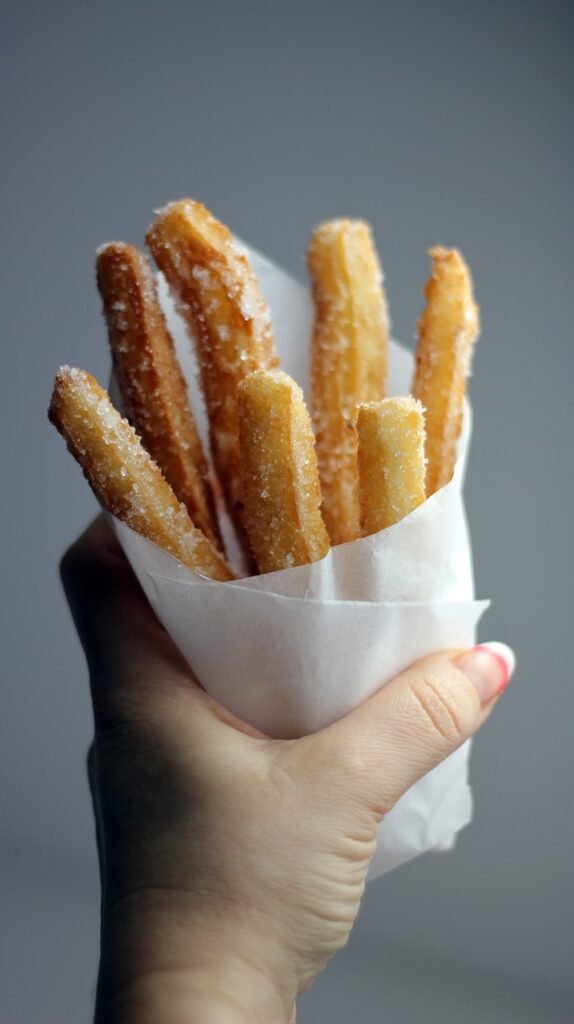
Churros, a delightful pastry loved across the globe, exhibit fascinating regional variations that reflect diverse culinary traditions. Originating from Spain and Portugal, these elongated fried dough treats have transcended borders, adapting to local tastes and ingredients. In Mexico, churros are often enjoyed with a warm cup of thick chocolate for dipping, creating a comforting dessert that is both rich and satisfying. This traditional preparation emphasizes the importance of chocolate in Mexican cuisine, providing an indulgent experience that encourages social interaction among diners.
Meanwhile, in Portugal, churros find a unique expression as they are frequently dusted with powdered sugar, creating a lighter alternative that appeals to those seeking a sweet yet uncomplicated treat. This version often pairs well with coffee, making it a perfect accompaniment for breakfast or afternoon snacking. The subtle adaptations of churros in these countries underscore not only culinary preferences but also cultural significance, as these treats often accompany festive occasions and celebrations.
As globalization takes hold, churros have emerged in various fusion interpretations, resulting in innovative flavors and fillings. In the United States, for instance, it is common to find churros stuffed with an array of fillings such as dulce de leche, cream cheese, or even Nutella, showcasing a blend of culinary practices from different cultures. These variations enable churros to appeal to an even wider audience, as people incorporate local flavors while still honoring the traditional aspect of churro-making.
This global tour of churros highlights the adaptability and universal charm of this pastry. Its rich history, combined with modern interpretations, allows churros to stand as a testament to cultural exchange and the enduring appeal of comfort foods. As we explore the world of churros, it becomes evident that each region’s unique take enhances the overall experience and enjoyment of this beloved treat.
Pairing Suggestions: Drinks and Dips
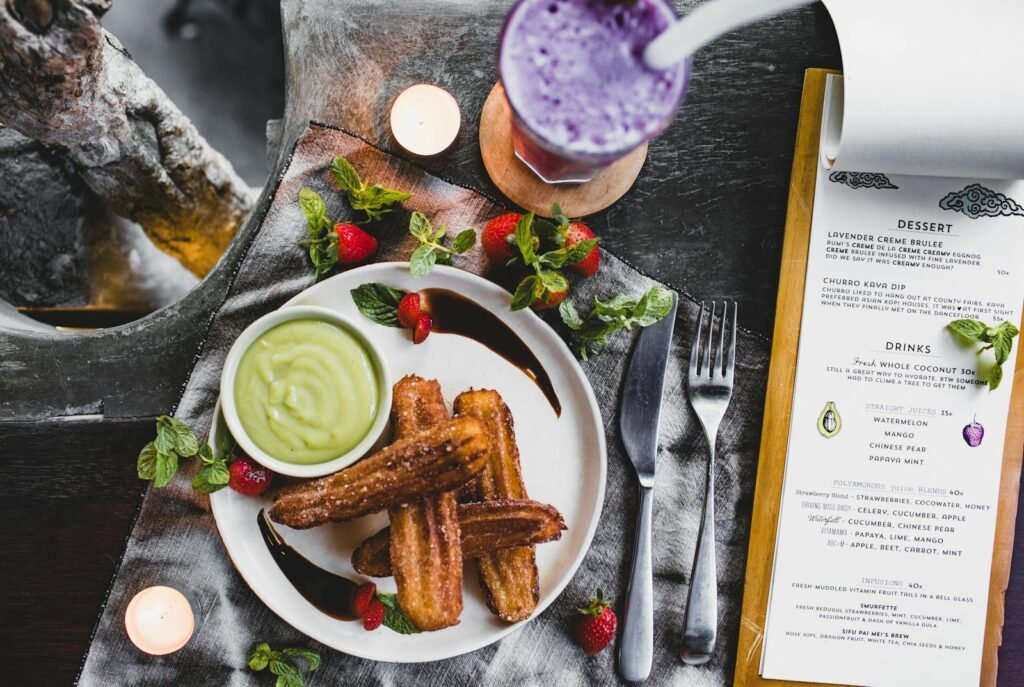
Churros, with their crispy exteriors and soft interiors, are a versatile treat that can be enjoyed in numerous ways. To elevate the churro experience, selecting the right accompaniments can make a significant difference. Traditional pairings often highlight the rich flavors and textures of churros, while modern options offer exciting new experiences.
One of the classic beverages that pairs stunningly well with churros is hot chocolate. Traditionally thick and velvety, this beverage provides a rich counterpoint to the churro’s sweetness. The combination is particularly popular in Spain, where churros are often dipped into a cup of hot chocolate as a delightful breakfast or snack. Similarly, café con leche, a combination of strong coffee and warm milk, is another time-honored companion that adds a caffeinated boost to the churro experience. The boldness of the coffee beautifully balances the churro’s sugary notes, enhancing the overall flavor profile.
For those looking to explore modern offerings, pairing churros with various dips can take the experience to another level. One popular choice is dulce de leche, a creamy caramel dip that adds a luscious texture and sweetness. Alternatively, fruit-based dips such as strawberry or raspberry compote can bring a refreshing tartness that contrasts beautifully with the churro’s flavors. Additionally, a rich chocolate ganache offers a more intense chocolate flavor, appealing to chocolate lovers.
Experts in culinary arts emphasize that the sensory experience of pairing flavors and textures is vital. When enjoying churros, consider how the warmth and crunch complement the dip’s richness or tanginess. These thoughtful combinations elevate churros from a simple snack to a truly delightful experience. Ultimately, whether sticking to tradition or experimenting with modern pairings, the right drinks and dips can enrich the churro experience tremendously.
Churros in Modern Cuisine
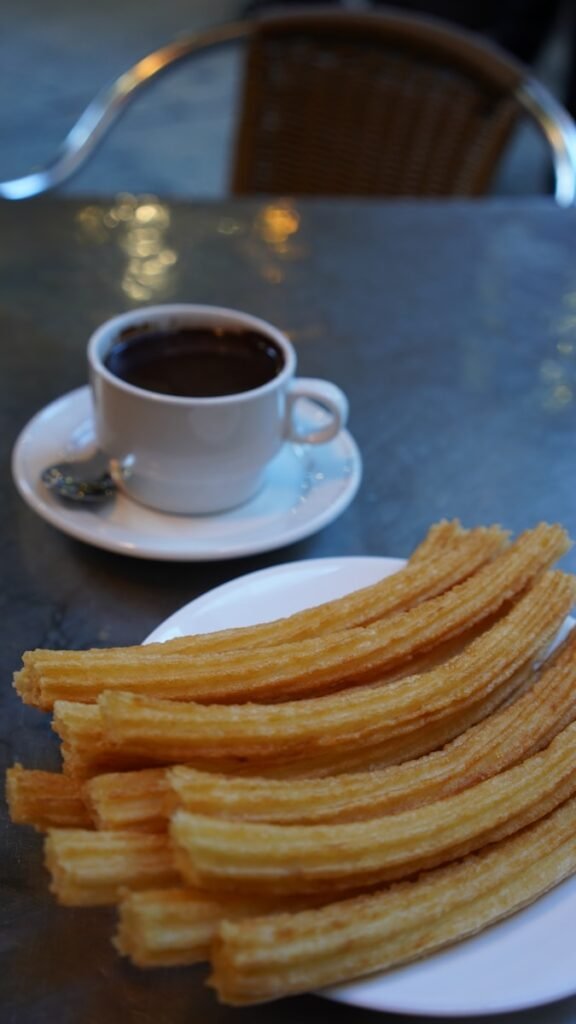
The churro, a once humble street food originating from Spain, has evolved significantly in contemporary culinary culture. Today, churros are not just confined to fairs or casual eateries but have found their way into modern gastronomy, making a notable impact in food trucks, cafes, and high-end restaurants alike. This metamorphosis emphasizes the versatility and adaptability of churros, allowing chefs to explore innovative flavors and presentations.
In recent years, gourmet churros have surged in popularity, as chefs experiment with flavors beyond the traditional cinnamon sugar. Ingredients like matcha powder, chocolate, and even exotic spices such as cardamom are being incorporated into churro recipes, enticing a wider audience. Various establishments are pushing the boundaries by offering filled churros with creative fillings such as dulce de leche, sweet cream cheese, or fruit compotes, enhancing the tasting experience. By transforming the classic churro into gourmet masterpieces, these culinary pioneers are appealing to both the adventurous palate and the Instagram-savvy consumer.
Notable establishments, such as Churros Calientes in New York City and The Churro Guy in Los Angeles, exemplify the modern take on this nostalgic snack. These innovative outlets have redefined the churro experience by providing options such as churro ice cream sandwiches or churro sundaes, merging textures and flavors in exciting ways. Renowned chefs across the globe are joining the churro trend, integrating this beloved treat into their dessert menus, often elevating them with artistic presentations.
Ultimately, churros play a significant role in today’s culinary landscape. With the increasing trend of gourmet adaptations and creative twists, churros have secured a place not just in street food culture, but as versatile and sophisticated delicacies appealing to a diverse range of patrons. The churro’s journey from a simple snack to a culinary canvas showcases its enduring charm and limitless potential in modern cuisine.
Tips for Making Perfect Churros at Home
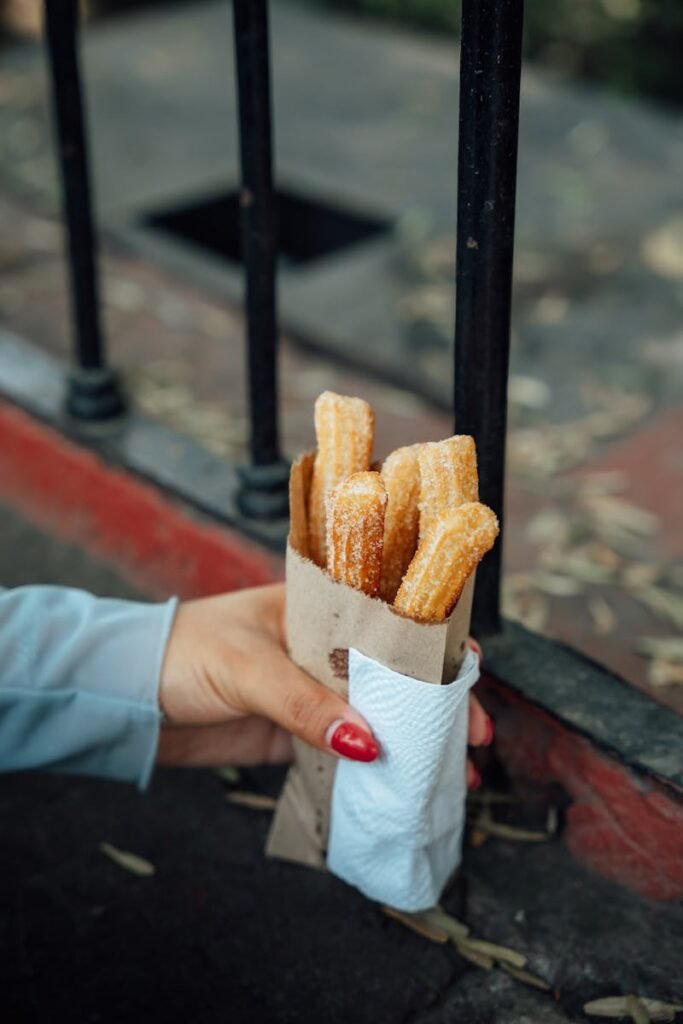
Creating mouthwatering churros in the comfort of your home can be a rewarding experience. However, to achieve that ideal texture and flavor, attention to detail is essential. Start with high-quality ingredients, particularly the flour. All-purpose flour works well, but using a blend of cake flour can yield a lighter texture. Fresh eggs also contribute to the richness and structure of the dough, so don’t compromise on quality.
The consistency of the dough is crucial. It should be smooth and pliable, without being too wet or too dry. A good test is to pipe a small amount of dough; if it holds its shape without collapsing, you have it right. Remember to let your dough cool slightly after incorporating the eggs. This not only helps in achieving the right consistency but also minimizes the risk of the eggs curdling.
Frying churros requires precision. Use a deep skillet or pot filled with oil heated to around 350°F (175°C). This temperature ensures a crispy exterior while allowing the inside to cook through. Utilizing a thermometer can help in maintaining a consistent frying temperature. Be cautious not to overcrowd the pan; this can decrease the oil temperature and lead to soggy churros.
Common pitfalls include using excessively cool oil or not allowing the churros to drain properly after frying. To enhance the texture, consider dusting the churros with cinnamon sugar immediately after frying. A classic churro recipe to start with consists of 1 cup of water, 2 tablespoons of sugar, 1/2 teaspoon of salt, 1 cup of all-purpose flour, and three eggs. Cook water, sugar, and salt until boiling, then add flour and mix energetically before adding eggs one at a time.
By following these steps and tips, anyone can recreate authentic churros that delight the senses and evoke cultural traditions cherished around the world.