
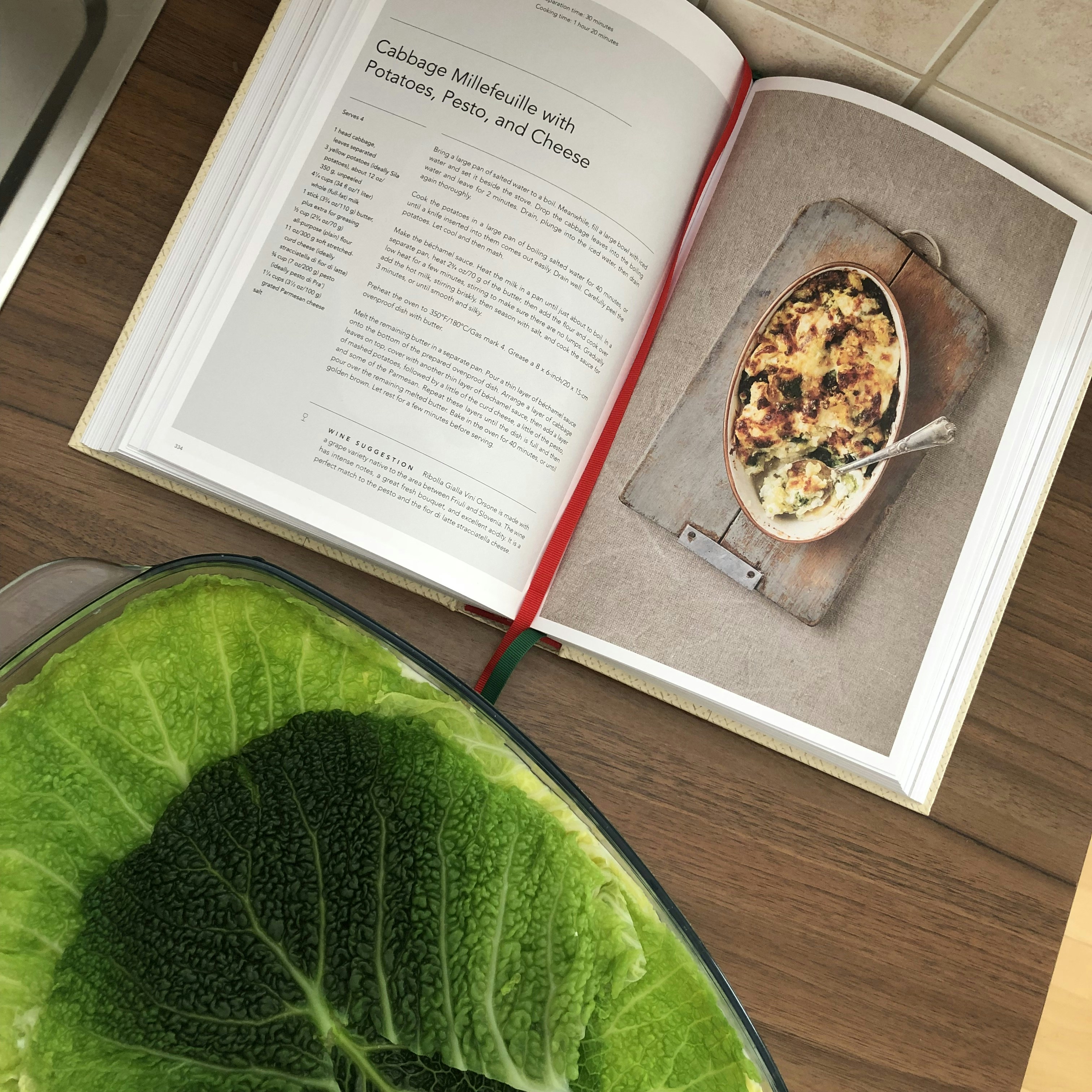
Introduction to Colcannon
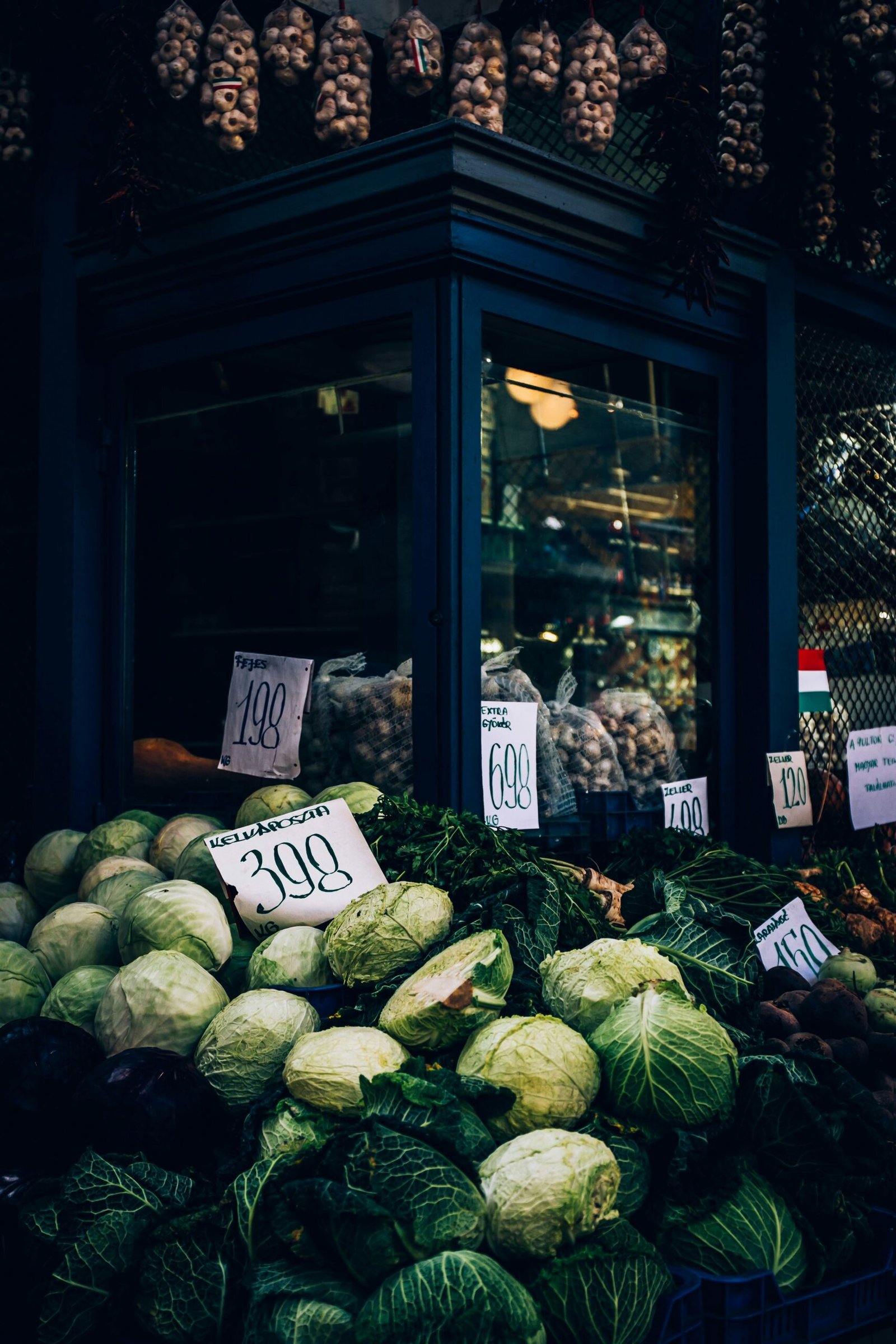
Colcannon is a traditional Irish dish that holds a special place in the heart of Ireland’s culinary landscape. Primarily composed of creamy mashed potatoes combined with either cabbage or kale, colcannon offers a delightful comfort food experience. This hearty dish not only nourishes the body but also serves as a symbol of Irish culture and heritage, often enjoyed during festive occasions such as St. Patrick’s Day and Halloween. Its origins can be traced back to the rural kitchens of Ireland, where simple ingredients were readily available and transformed into a beloved staple.
The significance of colcannon in Irish cuisine extends beyond its basic ingredients. It represents sustenance during times of hardship, providing warmth and comfort for families over generations. When preparing colcannon, one often finds that variations exist depending on regional and familial traditions, yet the core of the dish remains unchanged: a satisfying blend of flavors and textures that embodies the essence of home cooking. Throughout Ireland, colcannon is frequently served alongside meats or enjoyed as a main dish on its own, allowing for versatility in meal planning.
The appeal of colcannon has transcended the borders of Ireland, gaining popularity in various parts of the world. As the Irish diaspora spread across continents, so did the desire to recreate this comforting dish, leading to its adaptation while still retaining its authenticity. Today, enthusiasts appreciate colcannon not only for its taste but also for its cultural connections, exploring the dish in restaurants and kitchens alike. As we delve deeper into its origins, history, and continued significance, it becomes clear that colcannon is more than just a recipe; it is a representation of Ireland’s rich culinary identity.
The Origin of Colcannon
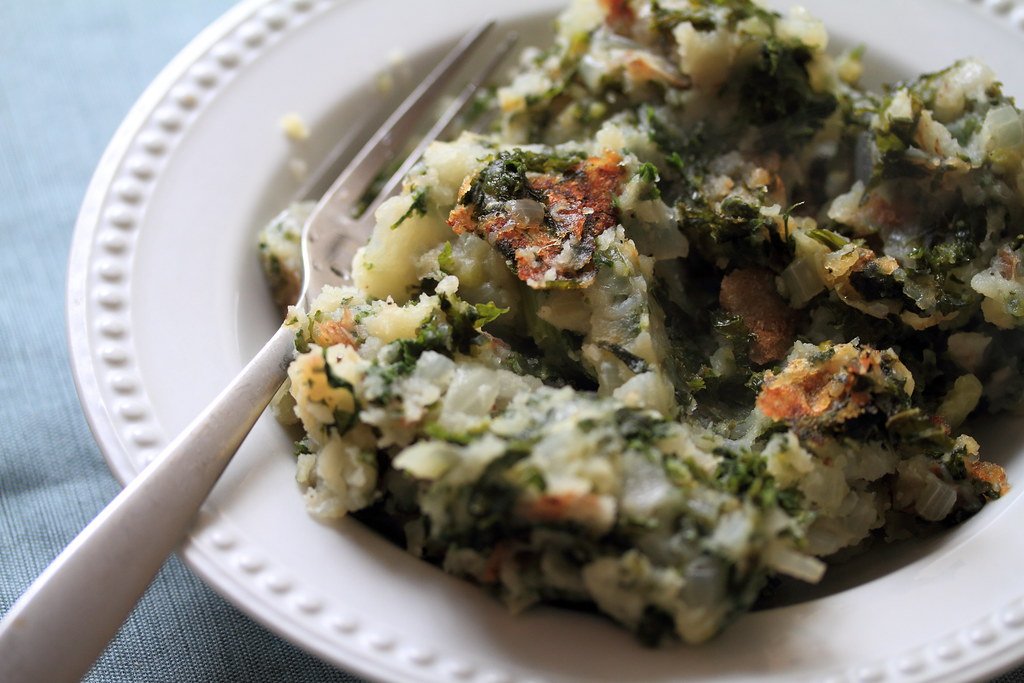
Colcannon, a traditional Irish dish, has its roots steeped in the agricultural and social history of Ireland. The dish primarily consists of mashed potatoes mixed with cabbage or kale, and its origins can be traced back to the 17th century. During this time, the cultivation of the potato became widespread across Ireland, transforming dietary habits and agricultural practices due to its easy cultivation and esteemed nutritional value. The introduction of the potato significantly shaped the culinary landscape of the country, allowing for the development of various potato-based dishes, including colcannon.
Colcannon reflects the socio-economic conditions prevalent in Ireland at the time of its emergence. The reliance on potatoes as a staple food source was not only indicative of agricultural practices but also of the socio-political challenges faced by the Irish populace. The centuries preceding the 19th century were marked by economic hardships and periods of famine, with the Great Famine of the 1840s being a particularly devastating event. During such times, resourceful cooks embraced the use of pot herbs and leafy greens, using whatever humble ingredients were available to stretch the meal, culminating in the creation of colcannon.
The dish was not merely a means of sustenance but also embodied community and familial aspects of life. Traditionally, colcannon was prepared as a festive dish associated with the Halloween season. It was customary to hide charms in the colcannon, and each charm held a significant meaning, predicting fortune or misfortune for the person who found it. This cultural importance illustrates how colcannon transcended beyond mere food, becoming a symbol of traditional Irish values and heritage.
Historical Significance of Colcannon
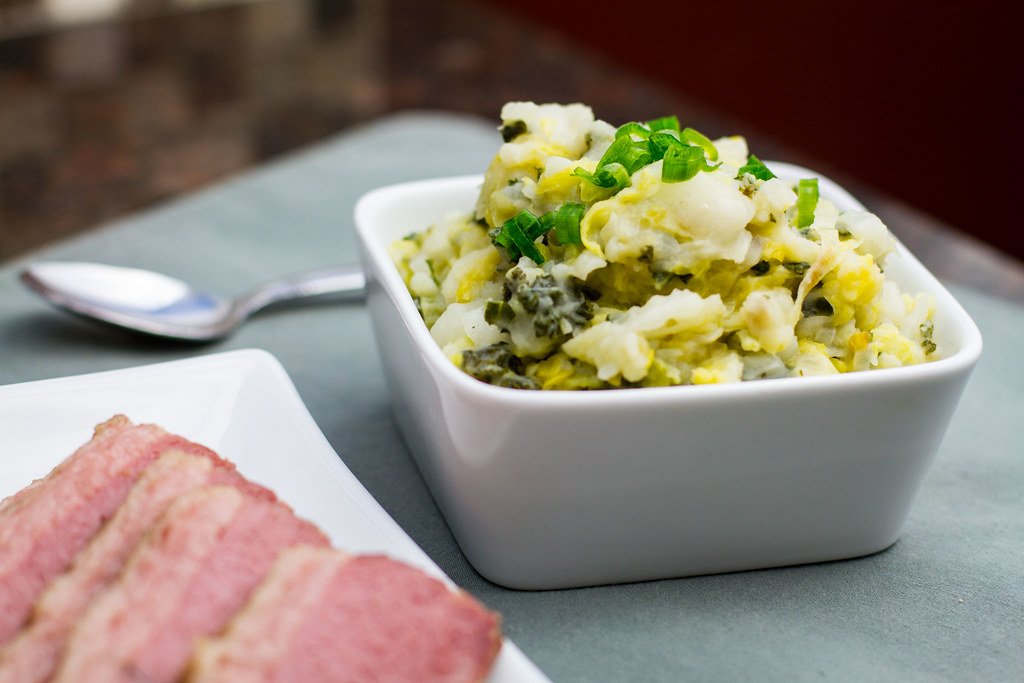
Colcannon, often regarded as a staple of Irish cuisine, carries a rich historical significance that has evolved through centuries. Traditionally made from mashed potatoes mixed with cabbage or kale, this dish not only serves as a meal but also as a cultural emblem intertwined with Irish societal norms and celebrations. Its roots can be traced back to the 17th century, when it was commonly prepared during the harvest season, symbolizing the abundance of the land and the connection to agricultural practices.
During the 19th century, colcannon played a crucial role in Irish festivities, particularly on Halloween. It was customary to incorporate various items into the dish, such as coins or small trinkets, with each symbolizing luck or fortune for those who found them. The dish became a focal point for family gatherings, embodying the spirit of togetherness and celebration during a time when communities leaned heavily on traditional practices.
The significance of colcannon reached a poignant peak during the Great Famine (1845-1852), a devastating period that left an indelible mark on Irish society. As the potato blight ravaged crops, colcannon transformed from a mere comfort food to a symbol of survival. It represented resilience and adaptability, as families modified the dish according to available resources. The humble ingredients made colcannon an accessible meal for the struggling populace, showcasing how culinary traditions can endure hardships and reflect cultural identity.
Colcannon remains an integral part of Ireland’s culinary heritage, serving as a reminder of both the celebratory aspects of Irish life and the challenges faced throughout history. Today, it continues to be enjoyed, often eliciting nostalgia and fostering a sense of pride among those who partake in this cherished dish. The history of colcannon highlights its enduring presence in the fabric of Irish culture, making it more than just a dish—it’s a symbol of strength and history.
The Meaning Behind Colcannon
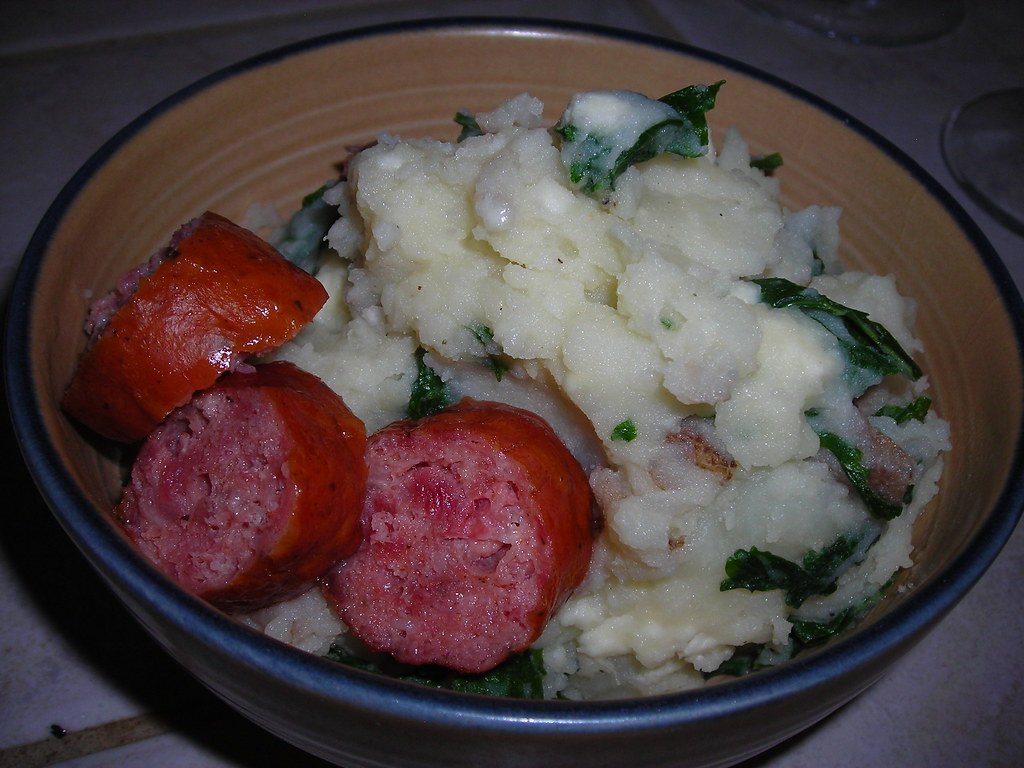
Colcannon is not merely a dish; it embodies the rich tapestry of Irish culture and tradition. Traditionally made from mashed potatoes combined with greens such as kale or cabbage, colcannon symbolizes comfort, home, and family unity. This beloved Irish dish is particularly prominent during family gatherings and celebrations, establishing itself as a staple in both everyday meals and festive occasions. Its strong associations with Halloween further enhance its cultural significance; in many households, it is served as part of the traditional feast, where hidden charms or tokens may be placed within the mixture, each holding a special meaning for those who find them.
The symbolism behind colcannon extends to its ingredients, each carrying historical and folkloric relevance. Potatoes, for instance, have long been recognized as the cornerstone of Irish cuisine, representing sustenance and resilience. Subsequently, the inclusion of green vegetables in colcannon signifies the connection to nature and the importance of agriculture in ensuring community survival. This blend of ingredients reflects the notion of togetherness, as families often gather to enjoy this comforting dish, reinforcing their social bonds while celebrating their heritage.
Moreover, colcannon is associated with stories and legends in Irish folklore, which highlight the dish’s deeper meanings beyond mere sustenance. Tales of love, luck, and fortune often intertwine with the preparation and consumption of colcannon, allowing individuals to connect with their ancestry and cultural roots. Through such narratives, the dish fosters a sense of belonging and identity among those who partake in it, thus solidifying colcannon’s status as a cherished symbol of Irish culture. Overall, this traditional delight represents more than just a meal; it encapsulates the spirit of Irish life and the values held dear by its people.
Culinary Variations of Colcannon
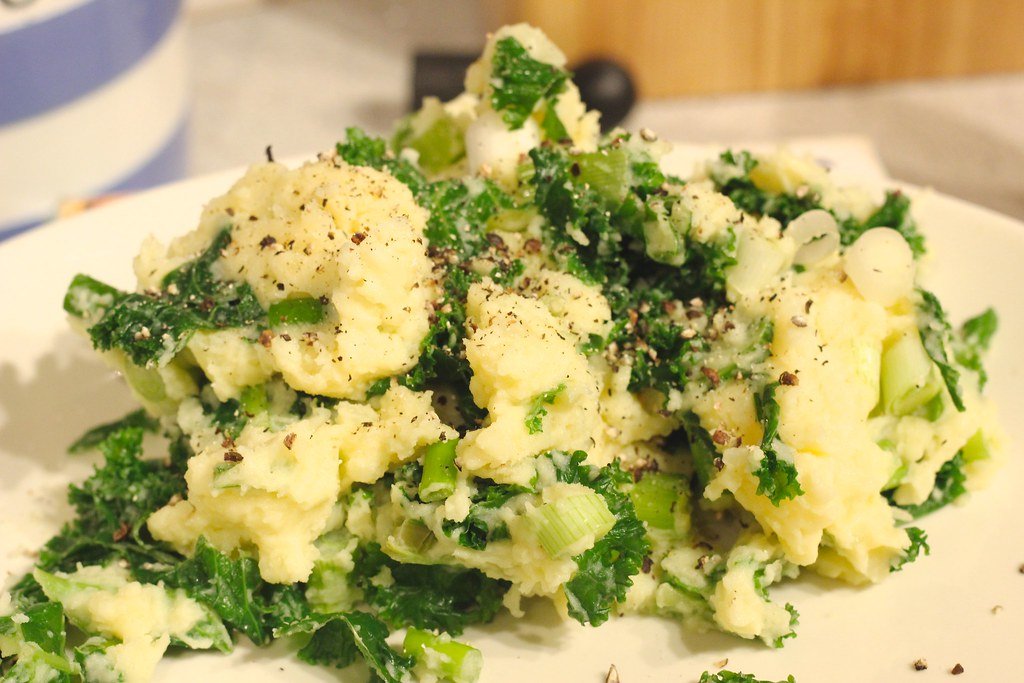
Colcannon, a beloved traditional Irish dish, showcases a multitude of culinary variations that reflect regional preferences and the availability of local ingredients. The foundational elements of colcannon typically include mashed potatoes and some form of leafy greens; however, the choice of greens can vary significantly from one area to another. In many parts of Ireland, scallions, also known as spring onions, are the prominent green ingredient, providing a mild onion flavor that harmonizes beautifully with the creamy potatoes. Alternatively, some variations incorporate leeks or even kale, offering a unique twist that caters to local tastes.
Beyond the Emerald Isle, colcannon has transcended its geographical origins, inspiring numerous international interpretations. In regions with a strong Irish diaspora, such as the United States, chefs often experiment with additional ingredients like cheese, bacon, or even spices, creating a heartier version of the traditional dish. These modern adaptations, while they maintain the essence of colcannon, reflect contemporary culinary trends that favor bold flavors and diverse ingredients.
Moreover, health-conscious variations of colcannon have emerged in response to evolving dietary preferences. Some versions replace traditional mashed potatoes with alternatives such as cauliflower or sweet potatoes, catering to those seeking lower carbohydrate options without sacrificing taste. Additionally, vegan variations exclude dairy altogether, utilizing plant-based milk and fats to achieve a creamy texture that remains faithful to the classic essence of colcannon.
The flexibility of colcannon highlights its significance as not just a dish, but a canvas for creativity, showcasing how traditional recipes can evolve while still honoring their roots. Each variation offers a glimpse into the history and culture of its origin, making colcannon a true culinary delight that continues to bring people together across generations.
Taste and Texture Profile
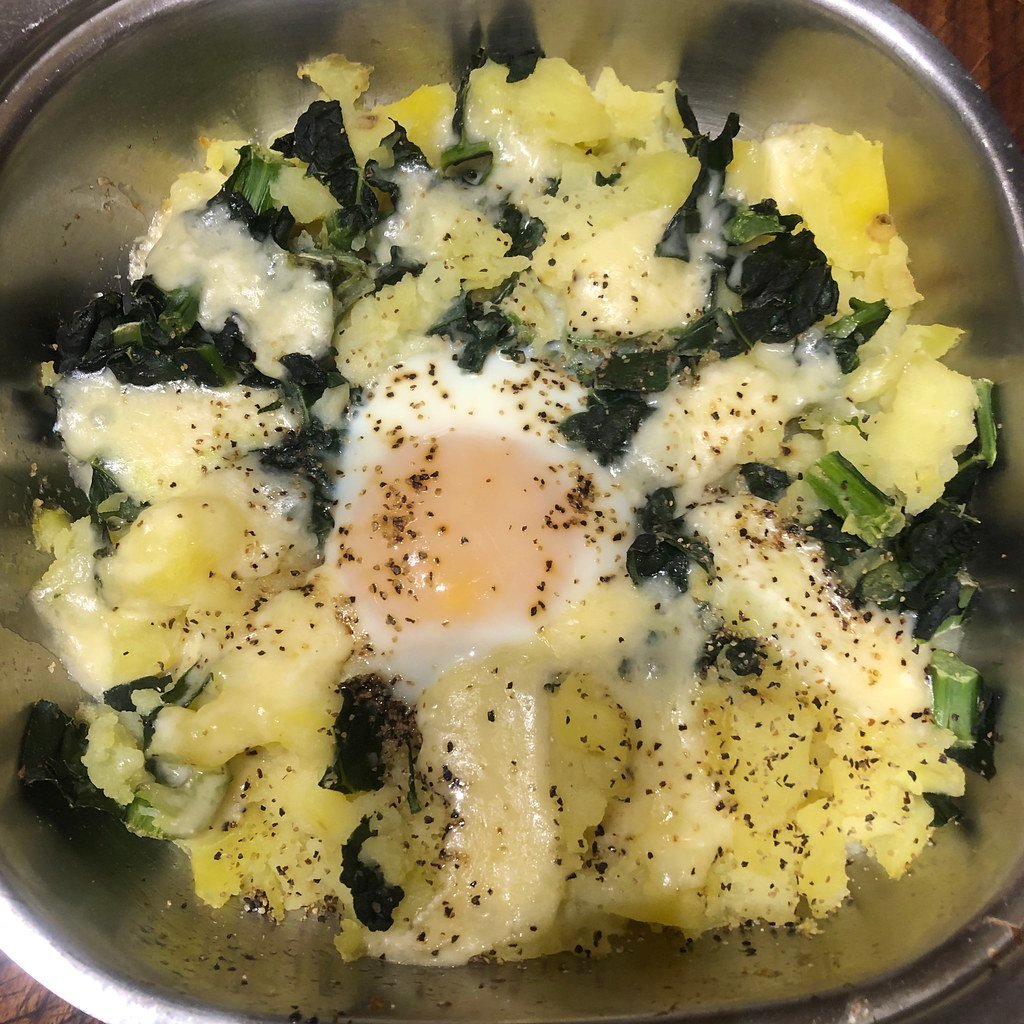
Colcannon, a traditional Irish dish, offers a complex melding of flavors and textures that captivates the palate. At its base, the dish features a creamy mixture of mashed potatoes, which serve as the canvas for the accompanying ingredients. The potatoes are typically boiled until tender, then mashed to a silky consistency that is both comforting and indulgent. The addition of butter not only enriches the flavor but also enhances the creamy texture, creating a luscious mouthfeel that is desirable in any comfort food.
A key characteristic of colcannon is the presence of cooked cabbage or kale, which adds a distinct earthiness to the dish. The greens are often sautéed or boiled until just tender, allowing them to maintain a slight crunch that contrasts beautifully with the smooth mashed potatoes. This interplay of textures is essential, as it adds complexity to each bite, making the dining experience enjoyable and multifaceted.
Flavor profiles in colcannon can vary significantly depending on additional ingredients. Common seasonings such as salt and pepper enhance the natural taste of the potatoes and greens. Some variations may incorporate dairy elements like milk or cream, which amplify the richness and contribute to an even creamier texture. Occasionally, green onions or scallions are included, infusing a fresh, mild onion flavor that complements the other ingredients and offers a hint of brightness.
When thoughtfully prepared, colcannon evolves into a dish that is not merely a side serving but a comprehensive representation of comforting culinary traditions. Its ability to balance creaminess with earthy flavors and varied textures is what sets it apart from other mashed potato dishes, ensuring that colcannon remains a beloved staple in Irish cuisine.
Cultural Celebrations Featuring Colcannon
Colcannon holds a cherished place in Irish culture, particularly during significant celebrations and seasonal festivities. This traditional dish, primarily made from mashed potatoes and kale or cabbage, is often associated with Halloween. In Ireland, Halloween, or Samhain, marks the end of the harvest season and is steeped in pagan traditions. Colcannon is traditionally served as a staple on Halloween night, often accompanied by a game where various items are hidden within the dish. Each object symbolizes a different fortune for the person who finds it, exemplifying how Colcannon melds food with cultural practices and communal revelry.
Beyond Halloween, Colcannon is prevalent during Irish feast days, especially on Saint Patrick’s Day. On this day, families and communities come together to celebrate their heritage, and Colcannon frequently appears on the table as a beloved comfort food. Its ingredients resonate with the values of sustainability, as they utilize locally available produce, emphasizing the connection between the land and traditional practices. Restaurants across Ireland feature Colcannon on their menus, particularly during festivities celebrating Irish culture, effectively bridging generations and keeping culinary heritage alive.
Food festivals throughout Ireland also celebrate Colcannon, showcasing it as a staple of Irish cuisine. Events dedicated to local gastronomy often include cooking demonstrations, traditional music, and tastings that highlight Colcannon. These festivals serve as communal gatherings, where locals and tourists alike can experience the rich culinary traditions of Ireland. As attendees share a meal of Colcannon, they are also partaking in a vivid narrative of cultural heritage, understanding its significance in both historical and contemporary contexts. Such celebrations emphasize the bond between cuisine and culture, fostering respect for Ireland’s rich traditions.
Modern-Day Enjoyment of Colcannon
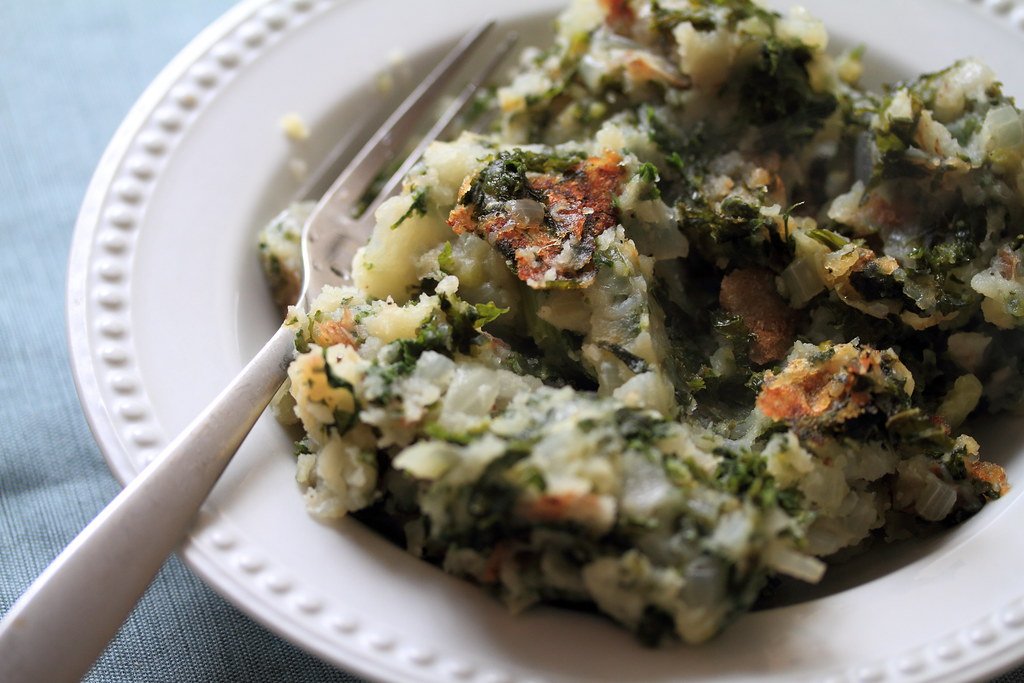
In recent years, colcannon has witnessed a remarkable resurgence in contemporary cuisine, captivating both chefs and home cooks alike. This traditional Irish dish, with its comforting blend of mashed potatoes and leafy greens, has found a place on the menus of modern restaurants, showcasing a renewed appreciation for classic comfort food. Chefs are creatively reinterpreting colcannon, incorporating diverse ingredients to enhance its flavor profile and appeal to the contemporary palate. For example, some culinary innovators have begun to include ingredients such as kale, leeks, or even truffle oil, transforming the humble dish into a gourmet experience.
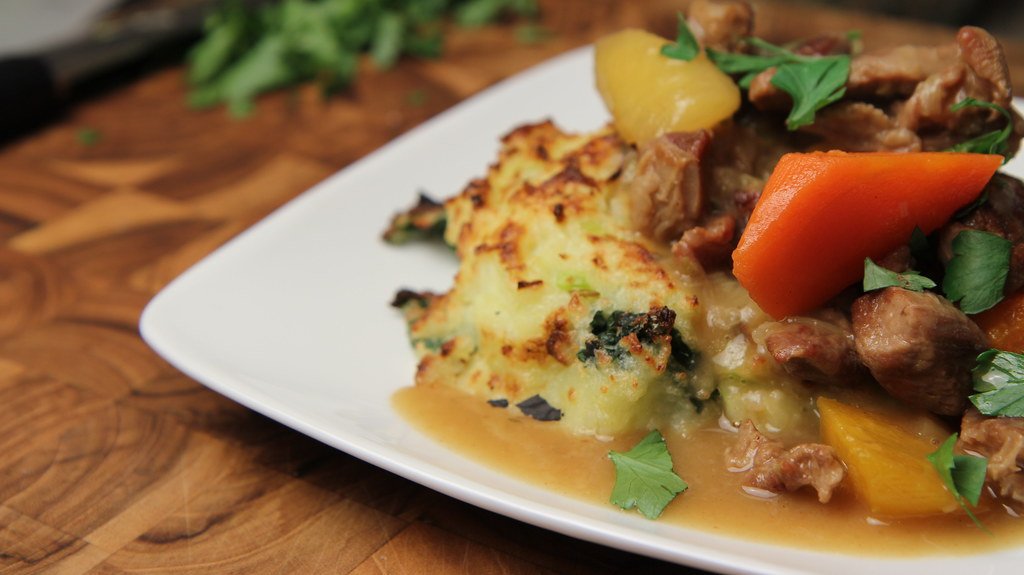
As food enthusiasts explore this traditional delight, colcannon has transcended its historical roots to become a versatile accompaniment or stand-alone meal. Its adaptability makes it an ideal pairing with a range of proteins, from roasted meats to grilled fish, allowing for a delightful blending of flavors. Additionally, colcannon can be served as a filling side alongside seasonal dishes, providing comfort during colder months or acting as a festive addition during celebrations such as St. Patrick’s Day. In a modern context, it is often featured in various plating styles, from rustic bowls to elegant plating on fine dining menus, inviting a diverse audience to savor its charm.
The embrace of colcannon within seasonal menus further highlights its relevance in today’s culinary landscape. As restaurants celebrate fresh, locally-sourced produce, colcannon’s reliance on seasonal vegetables ensures its viability year-round. Seasonal variations might include spring onions in the warmer months or root vegetables during autumn, allowing cooks to innovate while maintaining the core essence of this beloved dish. Thus, colcannon continues to be enjoyed by all generations, embodying a harmonious blend of tradition and modernity that resonates deeply with today’s discerning foodie community.
Conclusion: The Enduring Legacy of Colcannon
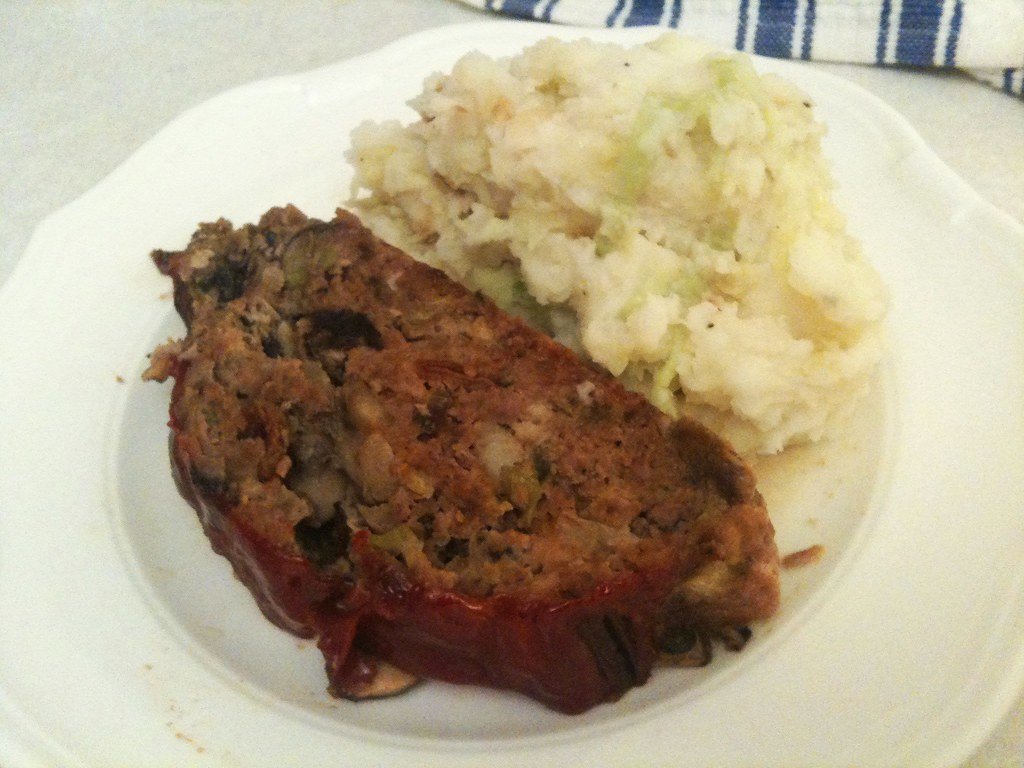
Colcannon, a traditional Irish dish, embodies the rich cultural heritage of Ireland while remaining a staple in contemporary cuisine. Throughout this review, we have explored various facets of colcannon, including its historical significance, preparation methods, variations, and its role in Irish festivals. This dish, primarily made from mashed potatoes and cabbage or kale, not only reflects the agricultural abundance of Ireland but also showcases the simplicity and comfort that home-cooked food can provide.
The enduring legacy of colcannon is evident in its ability to bridge the gap between past and present. While it has roots that extend back to the 17th century, colcannon remains relevant today, adapted by modern cooks while still preserving its traditional essence. This continuity speaks volumes about the dish’s role in fostering a sense of community and togetherness, especially during family gatherings and cultural celebrations. Colcannon is more than just a culinary delight; it acts as a medium through which stories, memories, and cultural identities are shared and celebrated.
Moreover, the nostalgic quality of colcannon cannot be overstated. For many, the mere mention of this dish evokes memories of home, warmth, and familial bonds. It serves as a reminder of simpler times, wherein food preparation was often a communal activity, and shared meals were central to the family experience. By sitting down to enjoy colcannon, individuals are often transported back to their heritage, creating a culinary connection that is both personal and profound.
In conclusion, colcannon signifies much more than sustenance; it is an enduring symbol of Irish culture and a testament to the power of food in preserving identity and fostering community. As we continue to embrace and innovate culinary traditions, colcannon will undoubtedly hold its place as a beloved dish in the hearts and homes of many.