

- Introduction to Chocolate Chip Cookies
- A Brief History of Chocolate Chip Cookies
- The Cultural Significance of Chocolate Chip Cookies
- Decoding the Taste: Flavor Profile Analysis
- Textural Elements: Chewy vs. Crispy
- Variations and Innovations in Chocolate Chip Cookies
- Pairing Chocolate Chip Cookies with Beverages
- The Cookie as a Canvas: Personalization and Customization
- Conclusion: The Enduring Appeal of Chocolate Chip Cookies
Introduction to Chocolate Chip Cookies
Chocolate chip cookies are undoubtedly one of the most cherished desserts across the globe, transcending cultural barriers and delighting taste buds of all ages. Their significance in popular culture is evident, as they are often featured in movies, television shows, and various culinary traditions. The classic chocolate chip cookie combines the rich flavors of buttery dough with the sweetness of semi-sweet chocolate chips, creating a perfect harmony that has made it a pantry staple in many households.
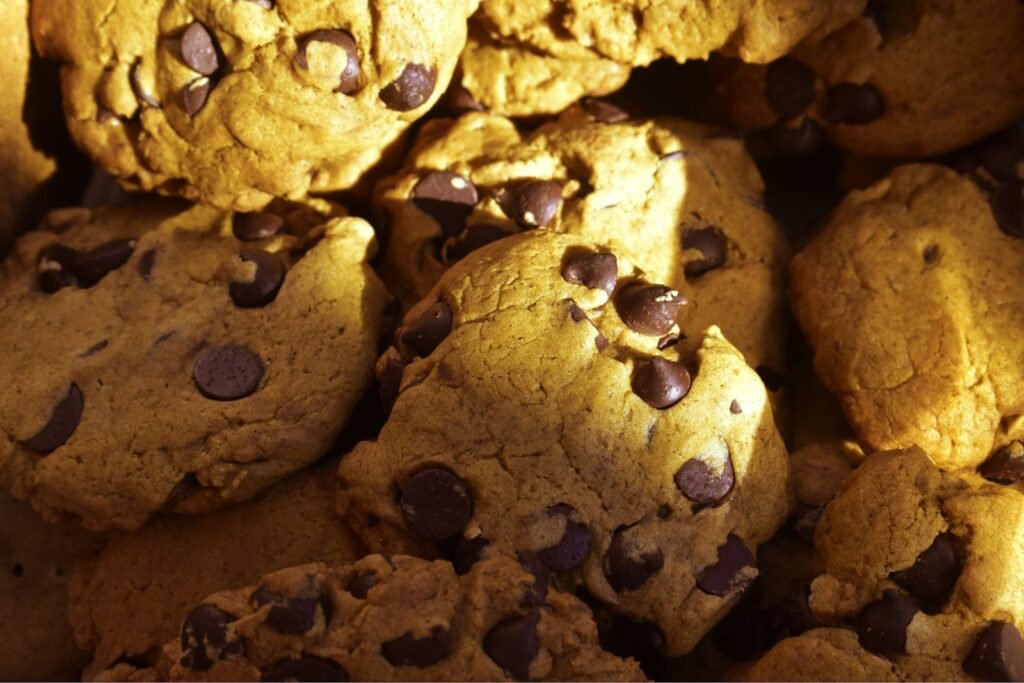
Originating in the United States in the 1930s, the chocolate chip cookie was first created by Ruth Wakefield, who ran the Toll House Inn. It became an instant hit and soon spread beyond her inn, solidifying its status as a favorite dessert among countless families. Over the decades, chocolate chip cookies have evolved, inspiring countless variations that cater to different dietary preferences and tastes. From soft and chewy to crispy and crunchy, the versatility of chocolate chip cookies ensures that there is a version for everyone.
Their accessibility and simplicity in preparation make them particularly appealing. Chocolate chip cookies can be quickly whipped up with basic kitchen ingredients, making them an ideal baking project for both novice and experienced bakers. Additionally, they are frequently served in cafes and bakeries, allowing people to indulge in this delectable treat while enjoying a coffee or tea. The familiar image of a warm, freshly baked chocolate chip cookie evokes feelings of nostalgia and comfort, solidifying its place in our hearts as a quintessential dessert.
A Brief History of Chocolate Chip Cookies
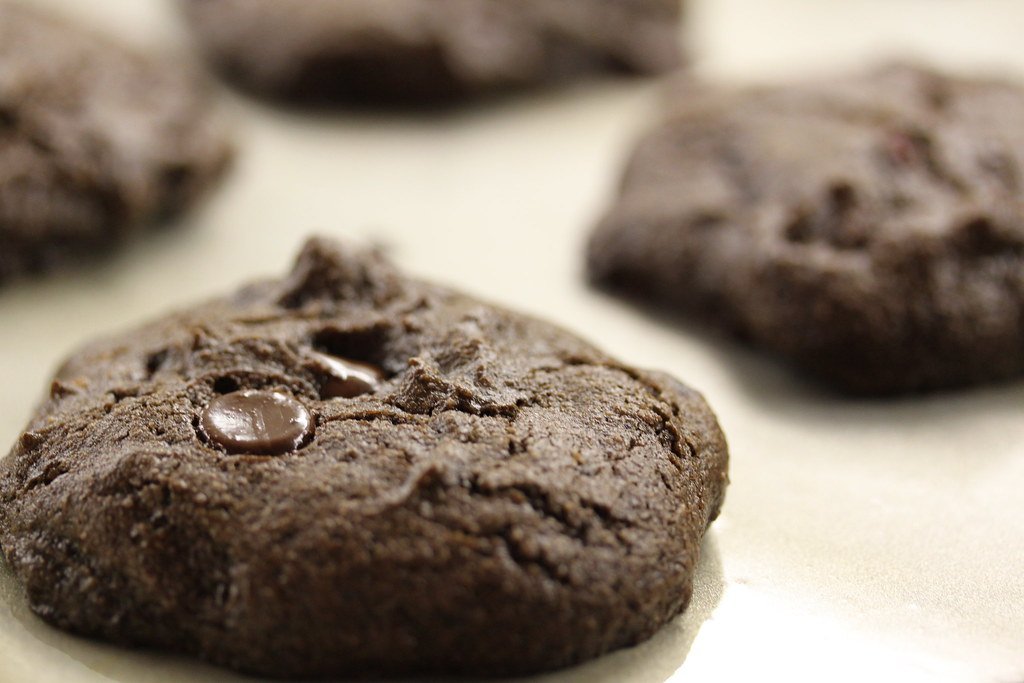
The chocolate chip cookie, a beloved treat enjoyed worldwide, has a fascinating history that dates back to the late 1930s. Its origin can be traced to Ruth Graves Wakefield, an American chef and proprietor of the Toll House Inn in Whitman, Massachusetts. It is said that in 1938, while creating a new cookie recipe, Wakefield decided to add chopped chocolate from a Nestlé chocolate bar to her dough. This innovative idea led to the creation of what we now know as the chocolate chip cookie.
Wakefield’s recipe soon became incredibly popular, so much so that she eventually partnered with Nestlé to publish the recipe on the packaging of their chocolate bars. Additionally, as part of this collaboration, she received a lifetime supply of chocolate in exchange for her recipe. This partnership significantly contributed to the cookie’s prominence in American households, gradually turning it into a staple treat for many families.
By the 1970s, chocolate chip cookies had transcended their humble beginnings, becoming an iconic dessert that represented a fusion of simplicity and indulgence. They are now a staple in bakeries, coffee shops, and homes around the globe. The cookie’s enduring legacy is a testament to Ruth Wakefield’s ingenuity and the universal appeal of chocolate. The chocolate chip cookie remains a beloved treat, delighting people of all ages with its rich flavors and comforting presence.
The Cultural Significance of Chocolate Chip Cookies

Chocolate chip cookies have transcended their origins as a simple dessert to become a prominent symbol of comfort and nostalgia. First introduced in the 1930s, these cookies quickly embedded themselves into American culture, establishing a special place in the hearts and homes of families across the country. The quintessential image of a freshly baked chocolate chip cookie evokes memories of family gatherings, holiday celebrations, and childhood reminiscences, solidifying their status as one of the most cherished treats in American culture.
In many American households, baking chocolate chip cookies is a cherished tradition passed down through generations. The process of mixing ingredients, scooping dough, and waiting for them to emerge from the oven fills the kitchen with delightful aromas that are often associated with love and warmth. This culinary ritual often accompanies special occasions, such as birthdays and festive gatherings, further embedding chocolate chip cookies into the fabric of family life and collective memory.
Moreover, chocolate chip cookies have made significant appearances in popular culture, securing their status as icons in film and literature. Numerous movies feature scenes centered around cookie baking, presenting it as a bonding activity among families and friends. Additionally, children’s literature frequently highlights scenes that involve the joy of baking cookies, showcasing their universal appeal. Through such portrayals, chocolate chip cookies narrate stories of joy, simplicity, and togetherness, reinforcing their cultural relevance and impact.
Overall, chocolate chip cookies symbolize more than just a delightful treat; they represent a rich tapestry of familial love, shared experiences, and cultural identity. Their prominence in American traditions, along with their frequent representation in various forms of media, reflects their enduring significance in contemporary society. These cookies continue to evoke a sense of comfort, serving as a reminder of the joy found in togetherness and nostalgia.
Decoding the Taste: Flavor Profile Analysis
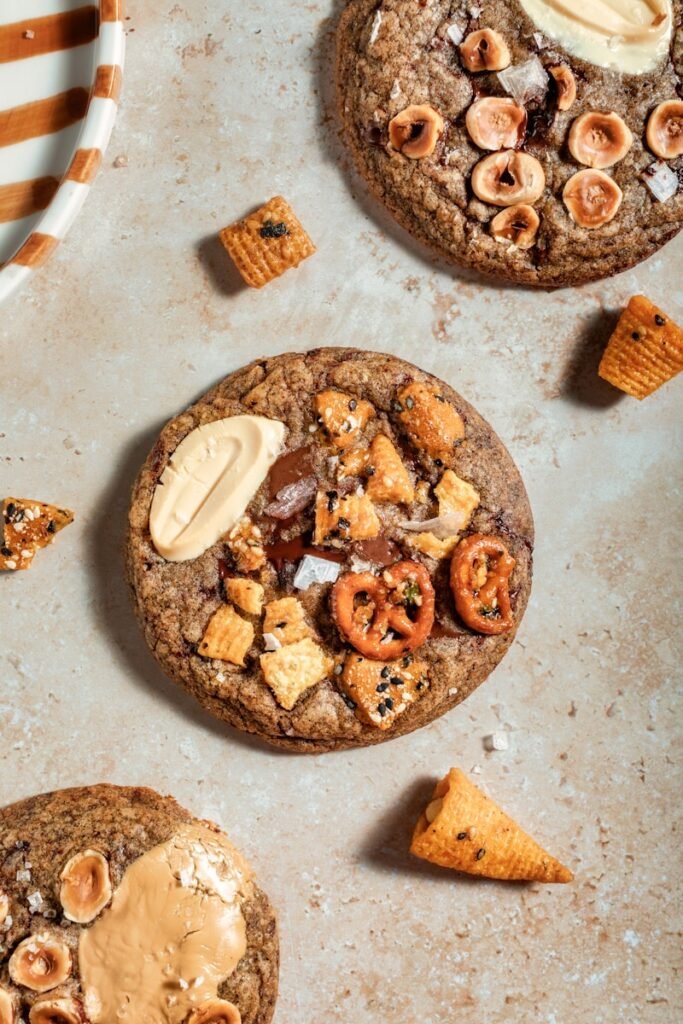
The flavor profile of chocolate chip cookies is both intricate and delightful, combining a range of sensations that appeal to diverse palates. At the core, the cookie’s sweetness derives primarily from the sugars involved, with granulated and brown sugar contributing layers of flavor. Granulated sugar offers a straightforward sweetness, while brown sugar introduces caramel undertones due to the molasses content. This duality establishes a balanced sugary foundation that complements the other elements present in the cookie.
Salt plays an essential role in amplifying the flavor components of chocolate chip cookies. The inclusion of salt not only counteracts the sweetness but also enhances the overall experience by bringing out the rich, creamy qualities of the butter used in the recipe. Butter, with its distinctively rich profile, adds depth to the cookie, making each bite luxurious. The warm, buttery notes harmonize beautifully with the semi-sweet or dark chocolate chips, creating a tantalizing contrast that captivates the taste buds.
Another pivotal aspect of the flavor profile is the chocolate itself. Depending on the variety of chocolate chips used—whether milk, semi-sweet, or dark—the flavor can vary significantly. Milk chocolate offers a creamy, less intense taste, whereas dark chocolate provides a deeper, more robust chocolate flavor that may resonate more with adult consumers. The interplay between the chocolate and the cookie base is crucial; if the chocolate is too overpowering, it can overshadow the cookie, while insufficient chocolate can result in a lackluster experience.
Moreover, variations in ingredients such as the type of flour, the addition of nuts, or the method of preparation further influence the final product’s taste. A cookie made with whole wheat flour presents a nuttier flavor and denser texture compared to one made with all-purpose flour. Likewise, the optional inclusion of toppings like sea salt or a sprinkle of espresso powder can elevate the flavor experience, adding unexpected finesse. In conclusion, the flavor profile of chocolate chip cookies is a complex interplay of sweetness, richness, and savory notes, making them a timeless treat.
Textural Elements: Chewy vs. Crispy

The texture of chocolate chip cookies plays a vital role in their overall appeal. Among the most cherished characteristics are the distinctions between chewy, soft, and crispy varieties. These different textures enhance not only the flavor experience but also the enjoyment associated with each bite. Additionally, the textural outcome is heavily influenced by the ingredient ratios and baking methods employed during preparation.
Chewy chocolate chip cookies often garner favor due to their delightful mouthfeel. To achieve this texture, bakers frequently incorporate higher ratios of brown sugar to granulated sugar. The presence of brown sugar, which contains molasses, contributes to moisture retention, allowing the cookies to remain soft and chewy even after cooling. Furthermore, using cake flour or a combination of all-purpose and bread flour can also intensify chewiness due to the higher protein content in bread flour, which promotes gluten formation.
On the other hand, crispy chocolate chip cookies are characterized by a lighter, crispier bite. A common approach to achieving this desirable texture is by increasing the ratio of granulated sugar compared to brown sugar. Granulated sugar promotes spreading during the baking process, contributing to the thinner, crisp result. Additionally, incorporating a longer baking time enhances the cookie’s firmness, creating a satisfying crunch. Using baking sheets lined with parchment can improve even cooking, preventing the bottoms from becoming too dark while still achieving a perfect crispiness.
The sensory experience of biting into a cookie with the desired texture is integral to its enjoyment. Chewy cookies deliver a sensation of resistance before yielding, whereas crispy cookies offer an immediate crunch, making every bite unique. Understanding the nuances of these textural elements empowers bakers to tailor their chocolate chip cookies to meet varying preferences, thereby enhancing the overall cookie experience.
Variations and Innovations in Chocolate Chip Cookies

The classic chocolate chip cookie has been a beloved treat for generations, but in recent years, bakers have embraced creativity, leading to numerous variations and innovations that push the boundaries of this traditional recipe. From gourmet creations to ingredient swaps catering to dietary needs, the chocolate chip cookie has evolved into a versatile dessert that appeals to a wide audience.
One of the most notable trends is the introduction of gourmet chocolate chip cookies that feature high-quality ingredients and unique flavor combinations. Bakers are now opting for artisanal chocolates, including dark chocolate, sea salt, and even infused chocolates that enhance the cookie’s richness. Additionally, flavors such as matcha, lavender, and espresso are becoming increasingly popular, providing a sophisticated twist on the standard chocolate chip cookie.
Another area of innovation involves ingredient substitutions aimed at accommodating various dietary preferences. For those following gluten-free diets, alternative flours such as almond, coconut, or gluten-free blends have made it possible to enjoy chocolate chip cookies without compromising on taste. Similarly, there are several egg substitutes available, such as flaxseed meal or applesauce, which enable those adhering to vegan diets to partake in the delight of these cookies.
Moreover, bakers are experimenting with texture and form. Stuffed chocolate chip cookies, which feature creamy fillings like peanut butter or caramel, have gained popularity, while crispy, chewy, and even deep-fried versions offer tantalizing options for adventurous eaters. With these innovations, it’s clear that the chocolate chip cookie continues to inspire a wealth of culinary exploration, uniting tradition with creative baking trends. As bakers experiment and innovate, the possibilities for chocolate chip cookies appear virtually limitless.
Pairing Chocolate Chip Cookies with Beverages

Chocolate chip cookies are a quintessential treat that can be made even more enjoyable through thoughtful beverage pairings. The right drink can enhance the rich flavors of these cookies, creating a harmonious tasting experience. Traditional choices often include milk, coffee, and tea, each bringing unique qualities that complement the cookie’s sweetness and texture.
Milk is perhaps the most classic pairing. The creamy, rich texture of milk balances the sweetness of chocolate chip cookies, while its coolness contrasts nicely with the warm, chewy cookie. Whole milk offers a creamier experience, while alternatives such as almond or oat milk provide unique flavors that can add an interesting twist to the combination.
Coffee is another excellent choice, particularly for those who enjoy a more complex flavor profile. The bitterness of coffee contrasts with the sweetness of chocolate, enriching the overall experience. Whether it’s a simple black coffee or a more indulgent cappuccino topped with frothed milk, the pairing can elevate the cookie’s chocolate notes, creating a delightful interplay of flavors.
Tea, particularly varieties like chai or Earl Grey, offers a sophisticated alternative to more traditional beverages. The spiciness of chai can complement the warm notes of melted chocolate, while the bergamot in Earl Grey can add a refreshing citrus element that enhances the cookie’s flavor. For those who prefer herbal teas, a mild chamomile or peppermint tea may also provide a light, soothing counterbalance to the dense cookie.
In essence, pairing chocolate chip cookies with beverages allows for a diverse exploration of flavor profiles. Each drink adds its own unique touch, enhancing or contrasting the cookie’s taste, which ultimately enriches the overall eating experience. This makes a simple cookie indulgence into a delightful occasion worth savoring with the perfect beverage choice.
The Cookie as a Canvas: Personalization and Customization

Chocolate chip cookies are not merely a delightful treat but also a versatile base for personalization and customization. The flexibility of chocolate chip cookie dough allows bakers to incorporate a myriad of ingredients, creating a unique flavor profile tailored to individual preferences. For instance, adding nuts such as walnuts or pecans can introduce a pleasing crunch and a rich, earthy flavor, while dried fruits like cranberries or apricots can provide a fruity note and additional sweetness.
Furthermore, seasonal decorations can enhance the visual appeal of chocolate chip cookies, making them suitable for various occasions. During the holiday season, for example, bakers may opt to add festive sprinkles or drizzle melted chocolate to create a more holiday-inspired look. Additionally, cookie cutters can transform traditional rounded cookies into fun shapes, adding a playful element that is particularly popular for birthdays and celebrations.
Another aspect of personalization lies in the serving methods. Chocolate chip cookies can be served in their classic form, or bakers might opt to sandwich them with ice cream for an indulgent dessert experience. This not only elevates the cookie’s taste but also provides a memorable presentation that can impress guests. Variations such as cookie sandwiches or ice cream-stuffed cookies have become increasingly popular, showcasing how chocolate chip cookies can adapt to trends while retaining their beloved essence.
For those seeking a healthier twist, substitutions can be made, such as using whole grain flours or reducing sugar content without compromising texture and flavor. This approach allows cookie lovers of all dietary preferences to enjoy customized treats without sacrificing indulgence.
As such, the realm of chocolate chip cookies extends far beyond the traditional recipe, revealing an expansive landscape where culinary creativity knows no bounds. The possibilities for personalization and customization ensure that every batch of cookies can reflect the baker’s personality and preferences, making them a true canvas for individual expression.
Conclusion: The Enduring Appeal of Chocolate Chip Cookies
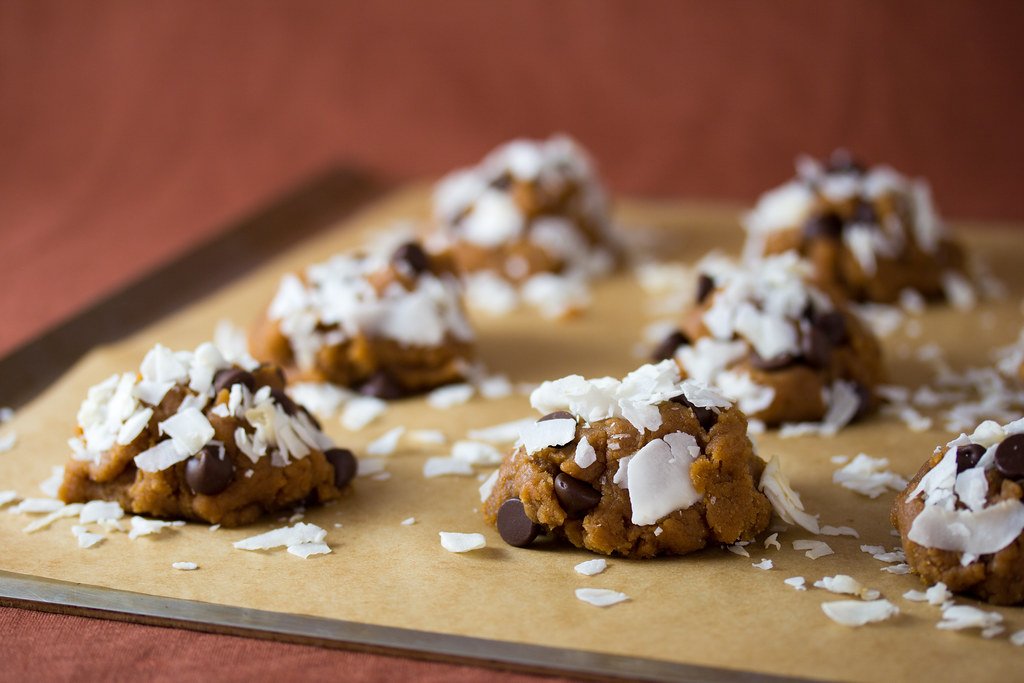
Chocolate chip cookies have remained a beloved treat since their inception in the late 1930s. Ruth Wakefield, the innovator behind this culinary marvel, introduced the world to a delightful combination of rich, buttery dough studded with semi-sweet chocolate chunks. This simple yet remarkable recipe quickly gained popularity, establishing itself as a staple in American households and extending its reach across the globe.
The enduring appeal of chocolate chip cookies can be attributed to their universal ability to evoke feelings of nostalgia and comfort. For many, the aroma of freshly baked cookies signals not only the joy of indulgence but also cherished memories of family gatherings and festive celebrations. The familiar act of baking these cookies often turns into a cherished tradition, transcending generational divides and fostering connections among people of all ages.
In modern times, chocolate chip cookies have evolved, with countless variations emerging to accommodate diverse dietary preferences and tastes. From gluten-free options to alternative sweeteners, bakers continue to innovate while still paying homage to the classic recipe. The versatility of chocolate chip cookies ensures that they remain relevant, as they can be enjoyed in myriad forms, whether as a warm, fresh-baked version, a decadent ice cream sandwich, or even as a featured ingredient in gourmet desserts.
Moreover, the global fascination with chocolate chip cookies extends beyond mere culinary enjoyment. They have come to symbolize a sense of comfort and joy, making them an ideal gift or indulgence for countless occasions. Their timeless presence in culture, media, and social settings exemplifies their unique ability to bring people together, fostering moments of happiness and unity. As we reflect on the history and evolution of chocolate chip cookies, it becomes evident that they will continue to be a cherished treat for future generations, maintaining their well-deserved status as a quintessential comfort food.