
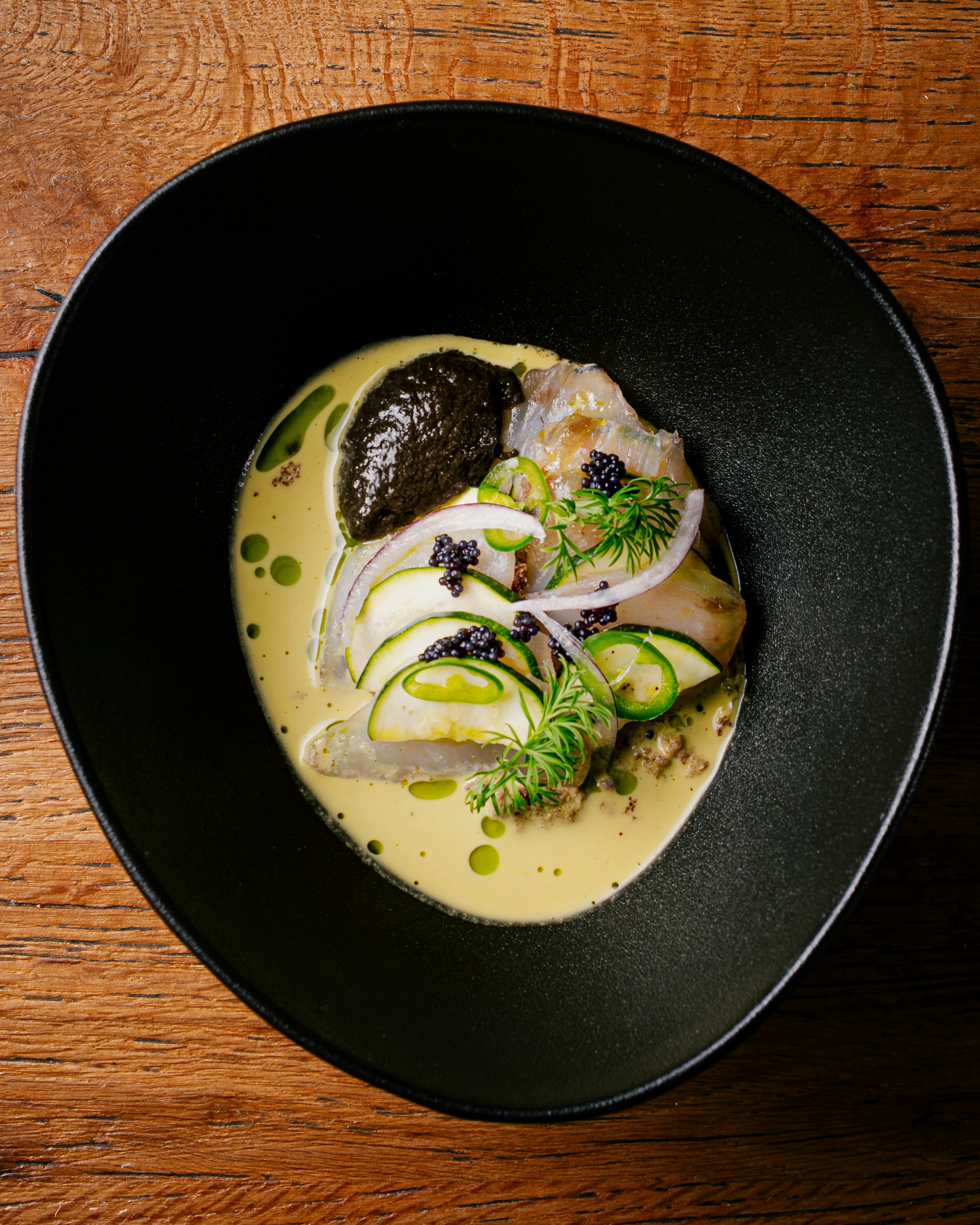
- Introduction to Gravlax
- Historical and Cultural Origins of Gravlax
- Unique Flavors and Textures of Gravlax
- Visual Appeal and Presentation of Gravlax
- Plating Techniques for Gravlax Dishes
- Pairings: What to Serve with Gravlax
- Making Your Own Gravlax at Home
- Exploring Variations of Gravlax Around the World
- Conclusion: The Lasting Appeal of Gravlax
Introduction to Gravlax
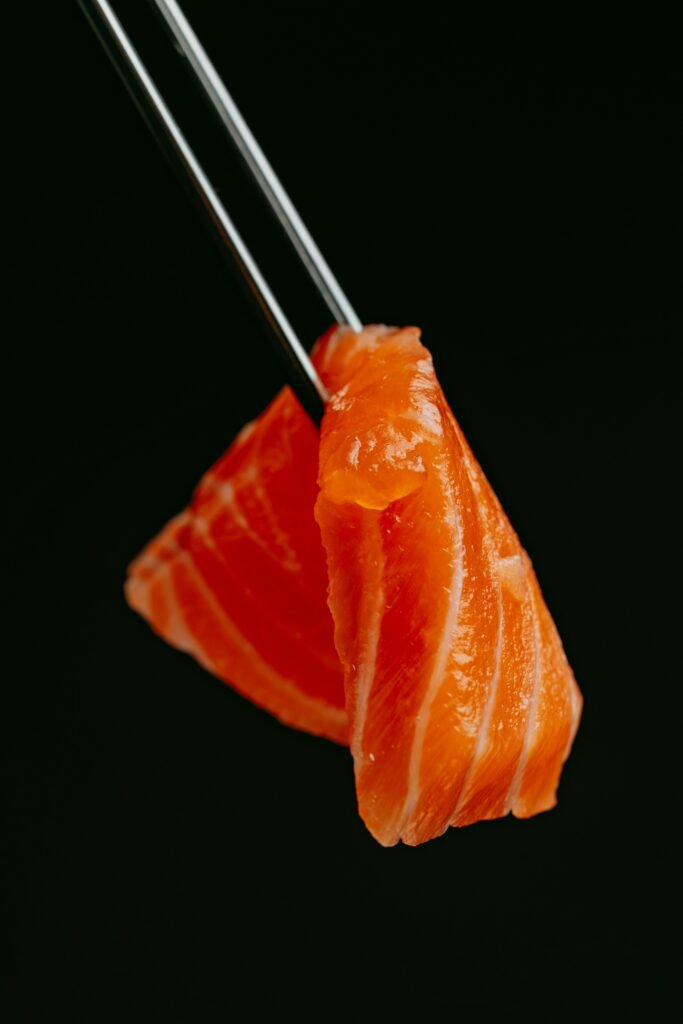
Gravlax, a traditional Scandinavian dish, consists of raw salmon that has been cured with a mixture of salt, sugar, and dill. The term “gravlax” comes from the Swedish words “grav,” meaning grave or hole in the ground, and “lax,” which translates to salmon. This delicacy was initially created by fishermen who would pack salmon in salt and bury it in the ground to preserve it through fermentation. The curing process not only prevents spoilage but also imbues the fish with a subtle combination of flavors.
The primary ingredients for making gravlax include fresh salmon fillets, coarse sea salt, granulated sugar, and fresh dill. Additional flavorings, such as black pepper, juniper berries, or lemon zest, may be incorporated to enhance the taste. The preparation process involves covering the salmon with the curing mixture, wrapping it tightly, and allowing it to rest in refrigeration for a specified duration. This resting period typically ranges from 24 to 72 hours, depending on the desired texture and flavor intensity.
Historical and Cultural Origins of Gravlax

Gravlax, a classic Nordic delicacy, finds its origins deeply rooted in the coastal regions of Norway and Sweden. Historically, the name “gravlax” stems from the methods used by fishermen who would bury their catch in the sand—”grav” meaning grave or pit, and “lax” referring to salmon—in order to cure it with a mixture of salt, sugar, and dill. This preservation technique was essential for prolonging the shelf life of salmon before the advent of refrigeration, and it also contributed to the evolution of various curing practices in the region.
As gravlax became a staple in Scandinavian cuisine, its significance extended beyond mere sustenance. The dish has a prominent role in local traditions and celebrations, often featured at festive occasions such as Midsummer, Christmas, and weddings. In these instances, gravlax is not just food but a symbol of communal gathering, reflecting the hospitality and culinary artistry of Scandinavian culture. Many families have their specific gravlax recipes passed down through generations, with tweaks and additions that emphasize regional flavors and personal preferences.
Culturally, gravlax embodies the intersection of history and tradition within Nordic foodways. Its preparation and consumption have become integral to modern Scandinavian culinary identity, positioning it as a must-try for those exploring the region’s gastronomic heritage. Gravlax is now enjoyed globally, acclaimed for its delicate flavor and versatility, acting as an appetizer, a topping for bread, or a highlight in an elegant dish. This continued appreciation and evolution of gravlax reinforce its importance in Nordic cuisine, safeguarding its legacy while inviting new interpretations and methods of enjoyment.
Unique Flavors and Textures of Gravlax

Gravlax, a traditional Nordic dish, presents a captivating fusion of flavors and textures that elevate the dining experience. This delicacy is primarily characterized by its unique balance of sweetness and aromatic herbaceous notes, most notably contributed by the dill herb used in the curing process. The combination of sugar and salt in the curing mixture not only preserves the fish but also enhances the natural flavors inherent in the salmon. The subtle sweetness derived from sugar complements the rich, fatty profile of the salmon, resulting in a harmonious taste that is both nuanced and refreshing.
Beyond the flavor profile, gravlax boasts an array of textures that further enhance its appeal. When properly prepared, the slices of gravlax deliver a tender, silky mouthfeel that contrasts beautifully with the exterior layer formed by the curing ingredients. This crust, often a result of the salt and sugar mixture, adds a slight crunch, introducing an intriguing juxtaposition against the soft interior. As one bites into the gravlax, they are greeted with the delicate, melt-in-your-mouth quality that is a signature characteristic of this dish.
The visual aspect of gravlax also plays a crucial role in enticing the senses. The vibrant pink hue of the salmon, coupled with the flecks of fresh dill, creates an appealing presentation that is hard to resist. This aesthetic allure is complemented by the delicate layering of the cured fish, inviting diners to not only taste but also appreciate the artistry involved in its preparation. Each aspect—from the sweet and savory flavor combination to the contrasting textures of the silky fish and the crisp crust—contributes to an overall experience that celebrates both tradition and culinary creativity in gravlax.
Visual Appeal and Presentation of Gravlax
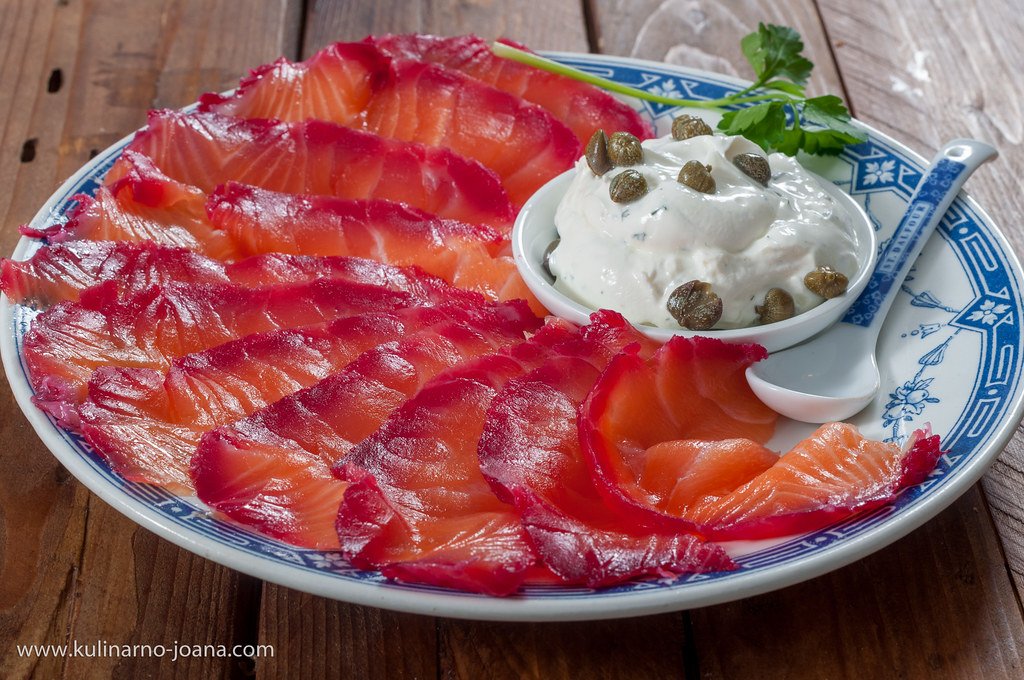
Gravlax, a beloved Nordic delicacy, provides not just a flavorful experience but also an exquisite visual appeal that enhances its dining experience. The cured salmon presents a captivating array of colors, with vibrant shades of orange and pink that can instantly stimulate the appetite. The seamless transition between these hues, coupled with the delicate marbling of the fish, speaks to the high quality of the salmon used in the preparation of gravlax. This visual splendor can be further complemented by incorporating fresh herbs, such as dill or parsley, which add a striking green contrast to the salmon’s radiant tones.
In terms of presentation, plating gravlax can significantly elevate its aesthetic value. One effective technique involves cutting the gravlax into thin, delicate slices, allowing the viewer to see the inviting colors while also showcasing the texture of the fish. Arranging these slices in a circular pattern on a white platter creates an eye-catching focal point. Furthermore, placing garnishes such as capers or thinly sliced red onions can introduce an additional element of color while enhancing flavor profiles. Utilizing edible flowers—such as nasturtiums—can also provide a whimsical touch to the presentation, drawing the eye and stimulating intrigue.
Another noteworthy presentation method involves serving gravlax with accompaniments like mustard sauce or dill cream, which not only add complementary flavors but also contribute to the overall visual tableau. The contrast of textures and colors can invigorate a simple dish into a culinary work of art. Emphasizing freshness and presentation when serving gravlax can make for an unforgettable dining experience, combining taste and aesthetic in a harmonious way that reflects the artisanal nature of this traditional dish.
Plating Techniques for Gravlax Dishes
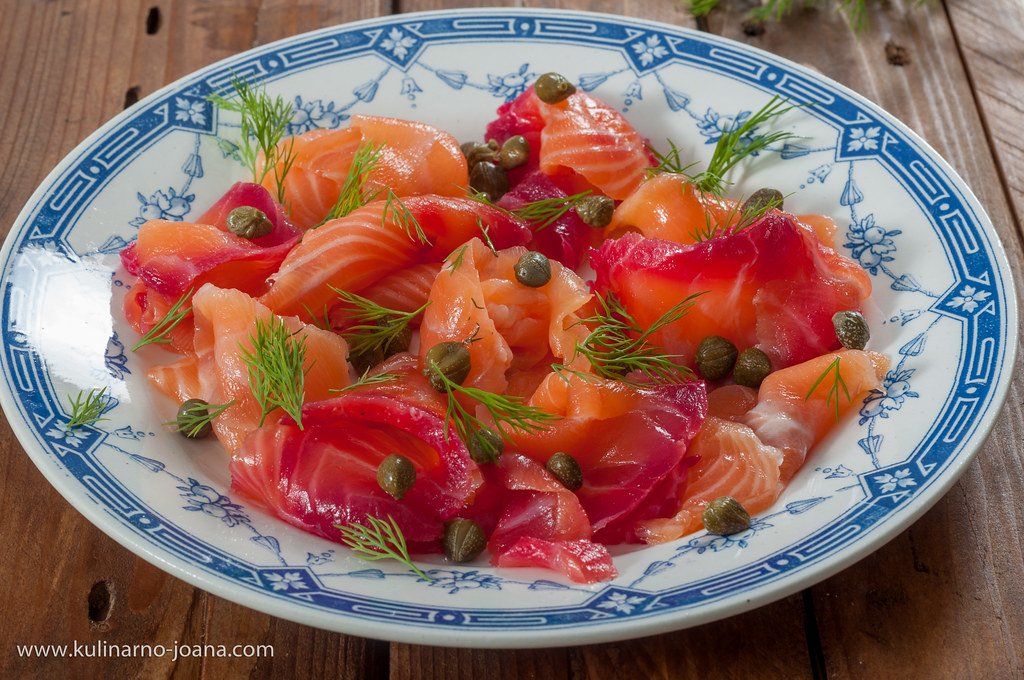
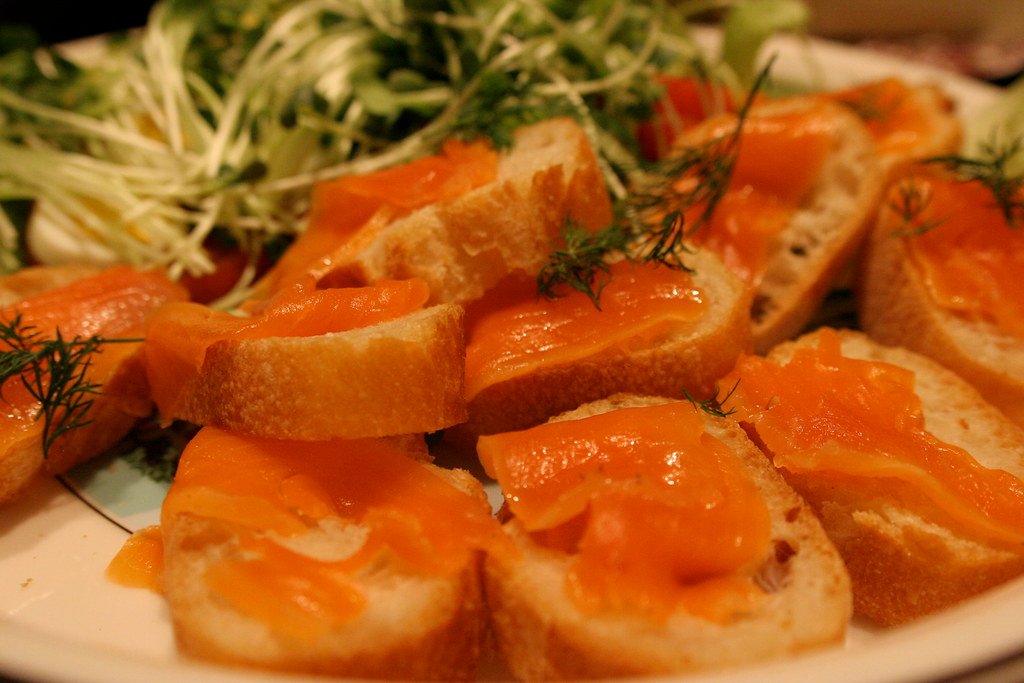
Plating gravlax effectively can significantly enhance its appeal, transforming this beloved Scandinavian dish into a stunning presentation suitable for any event. The traditional serving of gravlax often involves either serving it on a bed of sliced vegetables or incorporating it into well-thought-out hors d’oeuvres. The first step in plating is to consider the base; thinly sliced cucumbers or a lightly dressed salad can serve as a refreshing backdrop, adding color and texture without overwhelming the gravlax itself.
When serving gravlax on toast or bagels, the choice of bread is crucial. Opting for artisanal rye bread or pumpernickel not only enhances flavor but also provides a visually appealing contrast to the salmon’s pink hue. Toasted, lightly buttered surfaces allow for the gravlax to shine while adding a delightful crunch. A gentle layer of cream cheese or a similar spread can act as an intermediary that binds the flavors together before incorporating garnishes like capers, thinly sliced red onions, or fresh dill.
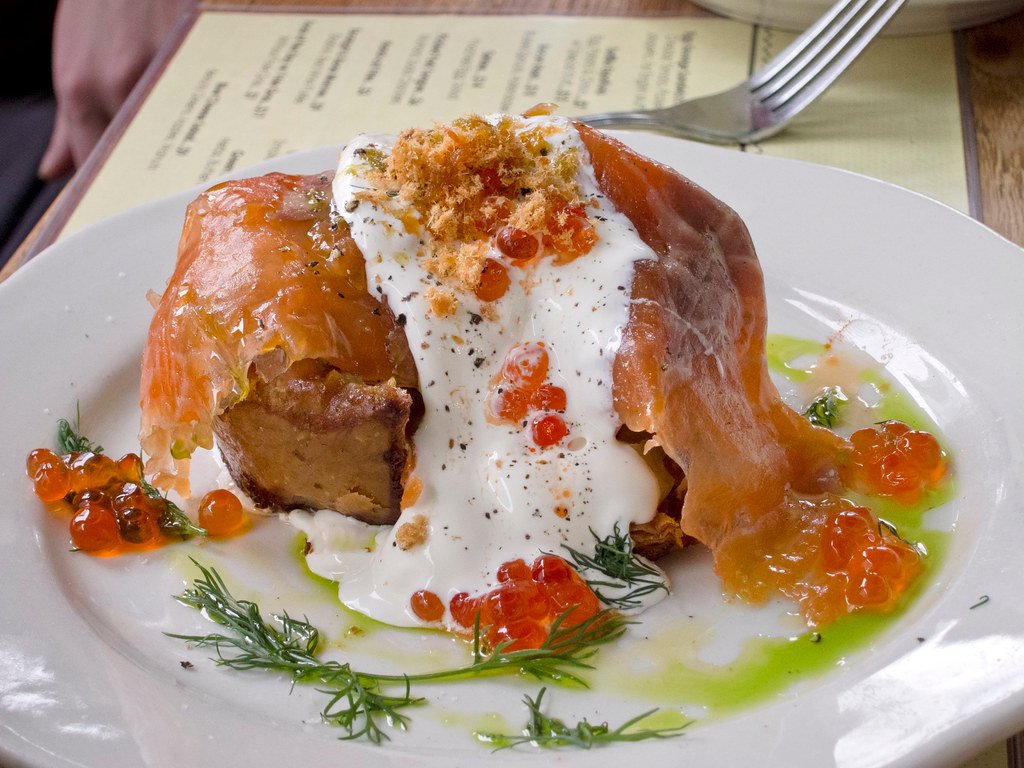
To elevate your presentation further, consider using a ring mold to layer the components, creating height and dimension on the plate. This technique showcases the gravlax beautifully, allowing guests to appreciate both the artistry and culinary skill involved. Incorporating sauces, such as mustard or dill sauces, can add additional visual interest; a drizzle or dollop artfully placed can enhance the overall aesthetic while contributing to the flavor profile. Fresh herbs or edible flowers can provide a colorful finish, bringing a touch of elegance to the dish.
Incorporating these artistic plating techniques can transform standard gravlax presentations into captivating culinary experiences. By employing thoughtful configurations and complementary accompaniments, each serving can be a delightful visual feast, inviting guests to savor both the taste and the artistry of the dish.
Pairings: What to Serve with Gravlax

Gravlax, with its delicate balance of salty and sweet flavors, offers a versatile base for various pairings that can elevate the dining experience. When it comes to condiments, a classic choice is mustard sauce, specifically a sweet mustard sauce. The tanginess cuts through the richness of the gravlax, while its slight sweetness complements the fish’s flavor profile. Dill sauce or a simple squeeze of fresh lemon can also enhance the dish, providing acidity that brightens the overall palate.
In terms of side dishes, crisp and refreshing items like cucumber salad, pickled red onions, or even potato salad add texture and contrast. These sides not only add variety to the plate but also spotlight the nuances of the gravlax, making each bite a delightful experience. For a more substantial accompaniment, dark rye bread or crispbreads become essential. Their robust flavors and sturdiness hold up well against the tender gravlax, creating a harmonious mouthfeel.
When it comes to beverages, pairing gravlax with a crisp white wine, such as Sauvignon Blanc or a dry Riesling, is ideal. These wines not only provide a refreshing counterpoint to the gravlax but also enhance the flavor without overpowering it. Additionally, a well-balanced gin and tonic, with its botanical notes, can also be a fantastic choice. For those preferring non-alcoholic options, a sparkling water with a twist of lime or a light herbal tea can serve as palate cleansers, further amplifying the overall tasting experience.
In conclusion, understanding the various pairings with gravlax—from sauces to side dishes and beverages—can significantly enhance the enjoyment of this traditional Nordic delicacy. Each element plays a role in highlighting the unique characteristics of gravlax, creating a well-rounded and satisfying meal.
Making Your Own Gravlax at Home
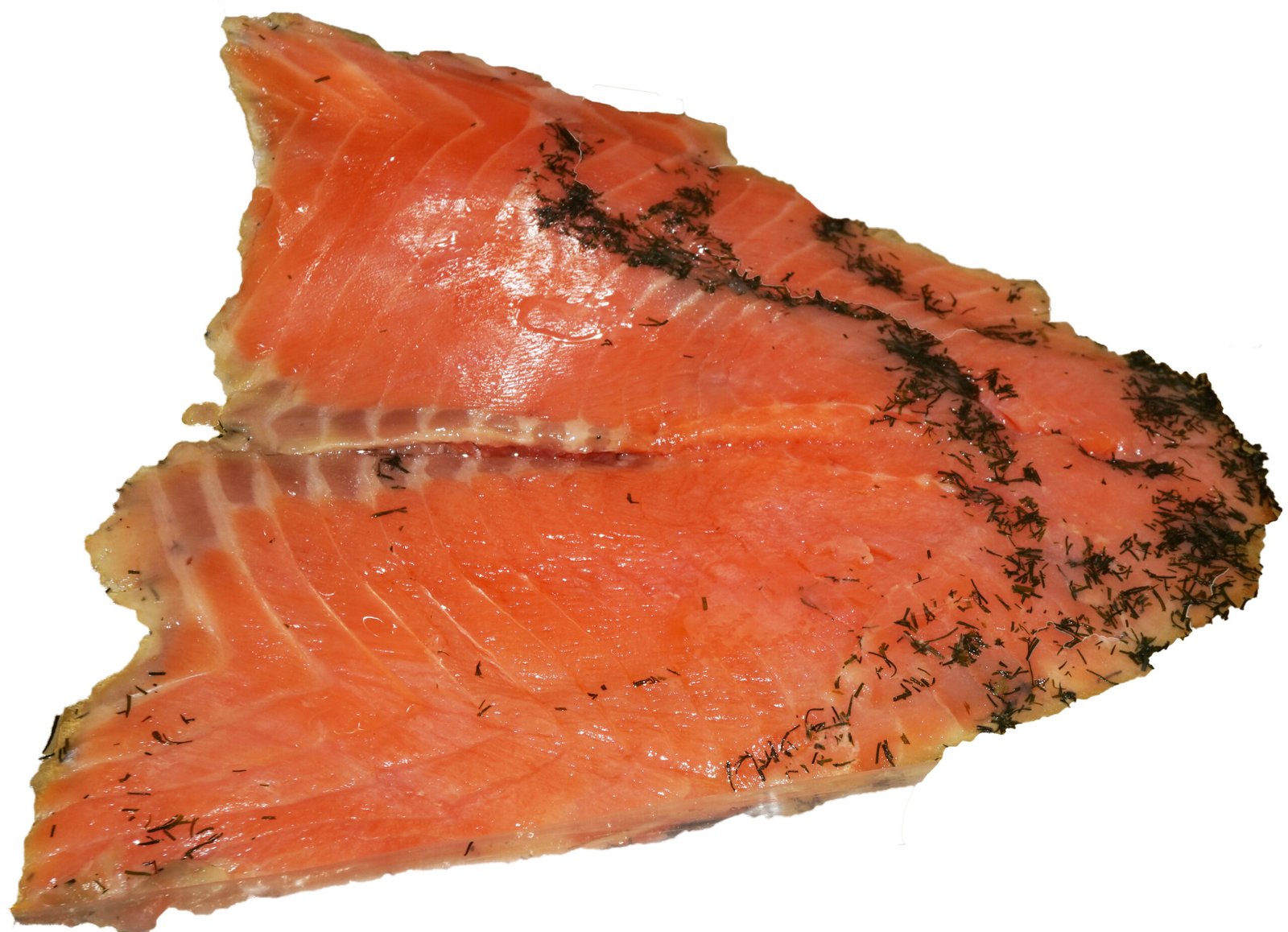
Creating your own gravlax at home can be a rewarding culinary adventure. The process primarily involves curing fresh salmon, and the first step is to select the best quality fish. Look for salmon that is labeled as “sushi grade” or “sashimi grade.” This designation ensures that the fish is safe for raw consumption. Opt for wild-caught salmon if possible, as it typically has a superior flavor compared to farmed varieties. Also, choose a salmon that is firm and vibrantly colored, without any off odors.
The essential ingredients for making gravlax include the salmon fillet, coarse sea salt, sugar, and fresh dill. For a basic gravlax, a common ratio is 2 parts salt to 1 part sugar. However, you can customize the ratio according to your taste preferences. It is also worth considering additional flavorings, such as crushed black pepper, citrus zest, or even spirits like vodka to enhance the gravlax’s taste profile.
To begin the curing process, combine the salt, sugar, and any desired spices, then evenly coat the salmon fillet with this mixture. Layer fresh dill on top of the salmon. Once seasoned, wrap the fillet tightly in plastic wrap and place it in a shallow dish to catch any liquid that may escape during the curing process. Weigh the wrapped salmon down with a heavy object, like a cast iron skillet, to help with the curing.
Let the salmon cure in the refrigerator for 24 to 48 hours, depending on how firm and flavorful you prefer your gravlax. After the curing period is complete, unwrap the fillet and rinse off the curing mixture under cold water. Pat the salmon dry and slice it thinly against the grain. To ensure freshness, gravlax can be stored in an airtight container in the refrigerator for up to one week, or it can be frozen for longer preservation.
Lastly, feel free to experiment with your gravlax. Various herbs, spices, or even different citrus can be used to suit your palate. A personal touch will certainly enhance the enjoyment of this exquisite Nordic dish.
Exploring Variations of Gravlax Around the World
Gravlax, a traditional Nordic dish consisting of salmon cured with salt, sugar, and dill, has found its way into many culinary traditions around the world, showcasing remarkable adaptations in flavors, curing methods, and serving styles. As chefs experiment with various ingredients and techniques, the classic gravlax continues to evolve, creating diverse interpretations that reflect cultural influences and local tastes.
In Scandinavian countries, gravlax is typically enjoyed as an appetizer or a light dish, often served with mustard sauce, flatbread, or crispbread. However, in places like Japan, chefs have taken cues from gravlax to create their own variants, incorporating traditional Japanese ingredients such as soy sauce and wasabi or infusing the salmon with miso for a unique umami flavor. This fusion result not only enhances the taste profile but also introduces gravlax to a new audience, drawing a connection between two seemingly disparate culinary worlds.
Another notable variation can be found in Mediterranean cuisine, where gravlax might be cured with olive oil, lemon, or herbs such as parsley and thyme, emphasizing the freshness and simplicity of ingredients typical of the region. These twists on gravlax reflect a regional interpretation that respects the core methodology while creatively adding elements that define Mediterranean flavors.
In addition to variations in curing methods and flavor profiles, the serving styles of gravlax have also become a focal point for innovation. While the traditional approach emphasizes raw, thinly-sliced salmon, contemporary chefs have embraced techniques such as torching or lightly smoking the salmon, enhancing both taste and presentation. The global exploration of gravlax demonstrates a beautiful fusion of culinary art, adaptability, and the shared appreciation for this delicacy, encouraging food enthusiasts to experiment with gravlax in their own kitchens.
Conclusion: The Lasting Appeal of Gravlax
Gravlax stands out as a beloved culinary treat, renowned for its exquisite flavors and unique preparation method. The dish, characterized by its delicate salmon that is cured in a blend of sugar, salt, and dill, offers a delightful combination of sweetness and saltiness that appeals to a diverse range of palates. Its subtle complexity makes it a versatile option for various occasions, from upscale gatherings to casual dining experiences.
Moreover, gravlax is deeply embedded in Nordic culture, showcasing an appreciation for traditional methods of fish preservation and flavor enhancement. This cultural significance adds a layer of richness to the dish, allowing those who partake in it to experience a taste of history and heritage. With roots in Scandinavian cuisine, gravlax has gained popularity beyond its origins, embracing international influences while still retaining its classic appeal.
Visually, gravlax is equally captivating. The vibrant hues of the cured salmon against the fresh green of dill create an aesthetic experience that pleases the eye as much as the palate. This aspect of gravlax is often highlighted in fine dining establishments where presentation is equally important as flavor, ensuring that diners appreciate the dish in its entirety. The artwork of garnishing with additional spices, capers, and accompanying sauces elevates the presentation further while enhancing the overall tasting experience.
In conclusion, gravlax offers a remarkable blend of taste, culture, and visual delight that continues to charm food enthusiasts around the globe. Its rich history and nuanced flavors merit exploration and appreciation, encouraging readers to incorporate this timeless dish into their culinary repertoire. Whether enjoyed at a festive celebration or as an everyday indulgence, gravlax undoubtedly leaves a lasting impression that extends beyond the dining table.