

Introduction to Saag
Saag, a term primarily used in South Asian cuisine, refers to a dish made from leafy greens, with spinach being the most common base. The origins of saag can be traced back to the Indian subcontinent, where it has been a staple for centuries. This versatile dish is beloved not just for its rich flavors but also for its health benefits, making it a popular choice in various cultural traditions.
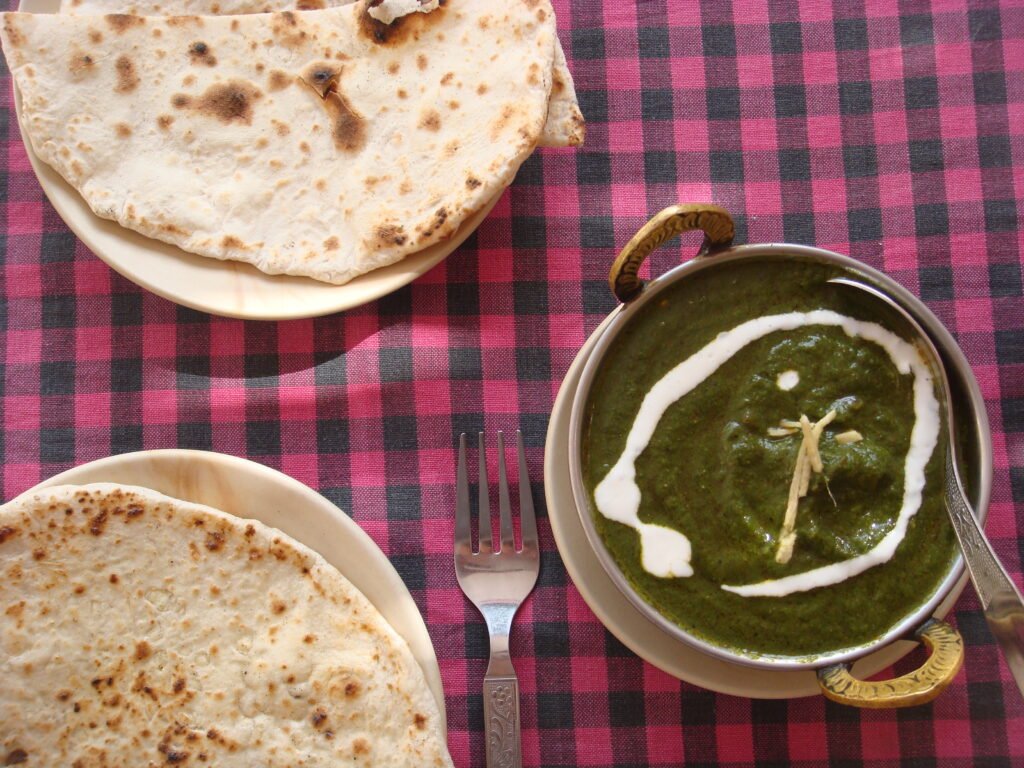
The preparation of saag involves cooking the greens until they are tender and then puréed or finely chopped, often combined with spices and a splash of cream or ghee to enhance its rich taste. Variants of saag can include mustard greens, fenugreek leaves, or even other local greens, depending on regional preferences and availability. This adaptability is one of the reasons why saag has garnered widespread acclaim in different cuisines, particularly in Indian, Pakistani, and Bangladeshi cooking.
From a nutritional perspective, the leafy greens used in saag are exceptionally beneficial. Spinach, for instance, is packed with essential vitamins such as Vitamin A, C, and K, along with minerals like iron and calcium. The high fiber content in these greens promotes digestive health and aids in maintaining a healthy weight, making saag an ideal meal option for those seeking a nutritious yet delicious dish. Moreover, the antioxidants found in these greens are known to contribute to reduced inflammation and improved overall health.
As a dish rich in nutrients and flavor, saag not only satisfies the palate but also plays a significant role in a balanced diet. Its combination of health benefits and culinary versatility highlights why saag continues to be cherished across various cultures.
Why Choose This Easy Saag Recipe?
This easy saag recipe stands out for its remarkable convenience and health benefits, making it an ideal choice for individuals with busy lifestyles. One of the most significant advantages is the quick preparation time involved in creating this dish. With minimal cooking time required, this saag recipe allows you to whip up a nutritious meal in under 30 minutes. This efficiency is essential for those juggling work, family, or other commitments.
Furthermore, the simplicity of ingredients used in this recipe enhances its appeal. The primary components are leafy greens, typically spinach or mustard greens, along with basic spices and optional protein sources. This straightforward ingredient list not only minimizes preparation effort but also allows for a quick, hassle-free shopping experience. The accessibility of these items means that anyone can prepare this dish without having to hunt for exotic ingredients.
Another advantage of this easy saag recipe is its flexibility for customization. Whether you prefer your saag with added lentils, paneer, or even tofu, the options for personalizing this dish are endless. This adaptability means that you can cater to specific dietary requirements, such as vegetarian or vegan preferences, making it a versatile meal suitable for anyone. Additionally, by adjusting the spice levels and ingredient quantities, you can easily create a version of saag that aligns with your taste preferences. This inclusivity makes it a great option for families with varying dietary needs.
In essence, the easy saag recipe combines speed, accessibility of ingredients, and customization options, making it a practical and healthy meal choice for individuals on the go.
Ingredients Needed for Easy Saag
To prepare a delightful Easy Saag, you will require an array of fresh ingredients that are essential in enhancing both flavor and nutrition. The cornerstone of this dish is high-quality greens, typically spinach or mustard greens. You will need approximately 500 grams of fresh spinach or mustard greens, washed thoroughly to remove any dirt or impurities.
In addition to the greens, common spices and ingredients include:
- 1 medium-sized onion, finely chopped
- 2-3 cloves of garlic, minced
- 1 inch of ginger, grated
- 2-3 green chilies, slit (adjust according to your spice preference)
- 1 teaspoon of cumin seeds
- 1 tablespoon of ghee or oil (mustard oil is a traditional choice)
- Salt, to taste
- 1 teaspoon of garam masala for seasoning
- Optional: 1-2 tablespoons of cream or yogurt for a creamy texture
When sourcing ingredients for your Easy Saag recipe, it is vital to prioritize freshness, especially for the greens. Freshly picked spinach or mustard greens provide maximum flavor and nutritional benefits. If fresh greens are not available, you can consider using frozen greens as a substitute, albeit with slightly diminished taste and texture.
For those who wish to incorporate a twist into their Easy Saag, consider alternatives such as kale or collard greens, which can serve as a healthy substitute. Furthermore, if you prefer a vegetarian version, ensure to use a vegetable-based oil instead of ghee. Always feel free to adjust the ingredients based on dietary preferences and availability to make the dish truly yours.
Step-by-Step Cooking Instructions
Making an easy saag dish is a straightforward process that guarantees delicious results with minimal effort. Follow these simple steps for a healthy meal option that is both nutritious and flavorful.
Step 1: Gather Ingredients – Start by gathering all the ingredients you will need for the saag recipe. Common components include fresh spinach, mustard greens, onion, garlic, ginger, green chili, cumin seeds, and a selection of spices such as turmeric, coriander, and garam masala. Additionally, ensure you have cooking oil and salt on hand.
Step 2: Prepare the Greens – Thoroughly wash the fresh greens in clean water to remove any dirt or impurities. Once clean, finely chop the spinach and mustard greens. This step not only reduces their volume but also ensures even cooking throughout the dish.
Step 3: Cook the Greens – In a large pot, add water and bring it to a boil. Add the chopped greens and cook for approximately 3-5 minutes until they have wilted. Drain the water and set the cooked greens aside.
Step 4: Sauté the Base – In a separate pan, heat a tablespoon of oil over medium heat. Add cumin seeds and let them sizzle for a few seconds. Then, add finely chopped onions and sauté until they turn golden brown. Incorporate minced garlic, ginger, and green chili, cooking them until fragrant.
Step 5: Combine and Season – Add the drained greens to the sautéed mixture. Stir well to combine, and then season with turmeric, coriander, and salt. Allow everything to cook together on low heat for about 10 minutes. This step allows the flavors to meld seamlessly.
Step 6: Blend (Optional) – If you prefer a smoother consistency, you can blend the saag mixture using an immersion blender until it reaches your desired texture.
Step 7: Serve – Finally, sprinkle garam masala over the dish before serving. Easy saag pairs well with rice or flatbreads, providing a wholesome meal packed with nutrients.
Serving Suggestions
Saag is an incredibly versatile dish that can be served in various ways to enhance its appeal and complement different flavors. A classic pairing for saag is rice, which acts as a neutral base that absorbs the spices of the saag, allowing the dish’s vibrant flavor to shine through. For a fulfilling meal, opt for basmati rice or jeera (cumin) rice, which adds another layer of aroma and taste.
Aside from rice, saag pairs excellently with naan or roti. These Indian flatbreads provide a wonderful contrast in texture; the soft, warm bread can be used to scoop up the saag, making for a delightful dining experience. Whether you choose garlic naan for an extra punch of flavor or a whole wheat roti for a healthier option, both choices complement the saag beautifully.
If you wish to incorporate protein into your meal, consider serving saag alongside grilled chicken or pan-seared paneer. Chicken, marinated and herb-seasoned, brings a robust flavor that works wonderfully with saag, while paneer offers a creamy, rich texture that harmonizes with the dish. For a plant-based alternative, tofu is an excellent option; simply sauté it before adding it to the saag for a wholesome vegetarian meal.
To elevate your saag even further, consider adding garnishes such as a dollop of yogurt, fresh cilantro, or a sprinkle of red chili powder for heat. These toppings not only enhance the presentation but also provide an additional flavor dimension to the dish. Another suggestion is a squeeze of fresh lemon juice, which can brighten the overall taste and provide a fresh finish. By experimenting with these serving suggestions, you can create a gratifying and satisfying saag meal suitable for any occasion.
Nutritional Benefits of Saag
Saag, which primarily includes leafy greens like spinach, mustard greens, or fenugreek leaves, offers a multitude of nutritional benefits that make it an excellent addition to a healthy diet. One of the most remarkable features of saag is its low-calorie count, making it a suitable option for those seeking to maintain or lose weight without compromising on nutrition.
Rich in essential vitamins and minerals, saag is a powerhouse of nutrients. It is particularly high in vitamin A, which is crucial for maintaining good vision and a strong immune system. Additionally, saag is a significant source of vitamin C, an antioxidant that helps in the repair of tissues and boosts the body’s ability to fight infections. The presence of iron and calcium in saag further enhances its nutritional profile. Iron is vital for the production of red blood cells, while calcium supports bone health.
Incorporating saag into your meals can also enhance your overall health and wellness. The high fiber content in these leafy greens aids digestion and helps maintain a steady blood sugar level, making it beneficial for individuals with diabetes. Furthermore, the antioxidants found in saag contribute to various health benefits, including reduced inflammation and improved heart health.
Moreover, the versatility of saag allows it to be easily integrated into a variety of dishes, from soups to smoothies, thus providing an opportunity to enrich the diet without much effort. Whether enjoyed in a traditional curry or mixed into a salad, saag can be a delightful and nutritious addition to your meals. With such a rich array of vitamins and minerals, saag is indeed a beneficial choice for anyone looking to enhance their nutritional intake.
Storing and Reheating Leftovers
Properly storing leftover saag is essential to maintain its freshness and flavor. To ensure longevity, allow the saag to cool down to room temperature before transferring it to an airtight container. This approach helps prevent moisture build-up, which could lead to spoilage. When stored correctly in the refrigerator, saag can last up to three days. For prolonged storage, consider freezing the dish. Freezing retains the flavor and nutritional benefits for up to three months. When freezing, make sure to portion the saag into smaller containers to facilitate quick thawing.
When reheating saag, it is vital to do so gently to preserve its taste and texture. The stovetop method is often recommended over a microwave for optimal results. Place the leftover saag in a saucepan over low heat. Stir occasionally to promote even heating and prevent the dish from sticking to the bottom of the pan. You may want to add a splash of water or a small amount of ghee to maintain the desired consistency and enhance the flavor, especially if the saag has thickened during storage.
If using a microwave, transfer the saag to a microwave-safe container, cover it loosely to allow steam to escape, and heat in short intervals. Check and stir every 30 seconds to ensure even heating and avoid overheating, which can result in a change in flavor and texture. No matter the reheating method chosen, always ensure that the saag is heated thoroughly to an internal temperature of 165°F (74°C) before serving. This thorough reheating ensures that the dish remains safe to consume while retaining its delicious flavor.
Common Variations of Saag
Saag, a traditional dish often associated with Indian and Pakistani cuisines, is remarkably versatile, allowing for numerous variations to suit an array of tastes and dietary preferences. One common approach is to incorporate different types of leafy greens into the recipe. While spinach is a classic choice for saag, other greens such as mustard greens, fenugreek leaves, or kale can offer unique flavors and textures. Each type of green contributes its distinct taste, enhancing the overall profile of the dish.
Another method to create variety in saag is through the use of spices. Traditional recipes often highlight spices like cumin, coriander, and turmeric. However, experimenting with spices such as garam masala or a hint of red chili powder can introduce new flavor dimensions. Adding these spices in varying quantities allows cooks to tailor the heat and aesthetic appeal of the dish, resulting in a delightful experience for those who enjoy spiced foods.
Incorporating additional ingredients can also transform saag into a unique culinary creation. For instance, including paneer or tofu in the dish not only enhances the nutritional profile but also adds a creamy texture that contrasts beautifully with the greens. Additionally, diced tomatoes or onions can lend sweetness and depth, creating a more rounded flavor. Moreover, for those seeking a protein boost, lentils can seamlessly blend into saag, making the meal more hearty.
The essence of saag lies in its adaptability, encouraging home cooks to experiment with these variations. By trying different leafy greens, spices, and supplementary ingredients, individuals can discover a personalized saag that aligns with their taste preferences. Ultimately, this exploration not only enhances cooking skills but also fosters a deeper appreciation for the diverse world of culinary flavors.
Conclusion and Final Thoughts
In conclusion, the easy saag recipe encapsulates the essence of simplicity while providing a nutritious meal option. This dish stands out not only for its vibrant flavors but also for its health benefits, making it an ideal choice for those looking to incorporate more leafy greens into their diet. With minimal preparation and cooking time, saag serves as a perfect weeknight dinner that anyone can whip up.
Furthermore, saag is versatile; it can be tailored to suit individual tastes and dietary preferences. Whether you opt to add spices for a kick or incorporate various protein sources, there are countless variations that can turn this recipe into your signature dish. This adaptability allows it to remain relevant in different culinary contexts, appealing to both traditionalists and modern food enthusiasts.
We encourage you to try this easy saag recipe for yourself and explore the myriad of flavors it has to offer. As you experiment with fresh ingredients and seasonings, you may discover a unique twist that enhances the dish even further. Your experiences and variations can also inspire others, so feel free to share your take on this delightful meal. Cooking should be an enjoyable journey, and saag is an excellent recipe to embark on this adventure.