
The Origins and History of Agurksalat
Agurksalat, a distinct cucumber salad, has its roots deeply embedded in the culinary traditions of Scandinavia and the Baltic region. The dish, primarily made of fresh cucumbers marinated in vinegar, sugar, and spices, embodies the essence of seasonal produce and traditional preservation methods. Its earliest mentions can be traced back to the 18th century, when cucumber cultivation became widespread in these northern climates.
The word “Agurksalat” translates to “cucumber salad,” encapsulating its primary ingredient. Cucumber, being a refreshing and hydrating vegetable, was embraced by early communities as a light accompaniment to heavier meals typical of the region’s cuisine. The significance of cucumbers escalated during the summer months, serving not only as sustenance but also as a means of preserving the vegetable through pickling. This practice ensured that families could enjoy the fresh taste of cucumbers long after the harvest.
Over time, Agurksalat evolved, incorporating various influences that reflected cultural exchanges among neighboring nations. As trade routes opened and populations mingled, the flavors and preparation methods of the dish adapted, leading to regional variations. For instance, in Norway and Denmark, the salad often features dill, while in Lithuania, it may include beets, adding a vibrant color and flavor. The core idea remains unchanged, however—using cucumbers as a vehicle for bright, tangy flavors, typically enjoyed as a side dish to balance richer foods widely consumed in these regions.
In contemporary dining, Agurksalat continues to hold its place in festive gatherings and family meals, symbolizing the connection between tradition and modern culinary practices. This enduring presence speaks to the cultural significance of the dish, representing communal food traditions and the ongoing appreciation for local, seasonal ingredients.
Cultural Significance of Agurksalat
Agurksalat, or cucumber salad, holds a prominent place in the culinary traditions of various cultures, symbolizing not just a dish but a reflection of heritage and community values. Primarily found in Eastern European cuisines, particularly within German and Scandinavian households, Agurksalat is often a staple during family gatherings, festive meals, and traditional celebrations. This dish, made from fresh cucumbers dressed in vinegar, sugar, and sometimes cream, brings people together, creating a shared experience around the dining table.
In many cultures, Agurksalat is more than just a side dish; it embodies the idea of hospitality and generosity. When served at weddings, birthdays, and communal feasts, it encourages social interactions and strengthens familial bonds. For instance, during Midsummer celebrations in Sweden, Agurksalat accompanies herring and is a vibrant addition to the traditional spread, highlighting its role in seasonal festivities. Its crisp texture and refreshing taste complement rich dishes, illustrating the thoughtfulness of cultural recipes that aim to balance flavors.
Moreover, Agurksalat reflects regional identities through its variations and serving styles. In Germany, alongside hearty meals like sausages and potatoes, the salad is often seasoned differently based on local preferences, showcasing a community’s unique approach to flavor. Similarly, in other regions, it may incorporate herbs or different types of dressings, emphasizing local ingredients and culinary practices. This adaptability further solidifies Agurksalat’s status as a versatile dish that honors cultural heritage while adapting to modern tastes.
Through these practices, Agurksalat serves as a poignant reminder of how food is intertwined with culture, history, and identity, enriching the experience of daily meals while also marking special occasions. Its presence at gatherings not only delivers flavor but also celebrates the strong connections within familial and social structures.
Taste and Texture: A Sensory Experience
Agurksalat, a traditional cucumber salad, offers a unique and refreshing sensory experience characterized by its distinct taste and texture. The foundational ingredient, fresh cucumbers, contributes a crisp and refreshing base that is further enhanced by the tangy notes of vinegar. This combination creates an exquisite balance, where the sourness from the vinegar is beautifully intermingled with the natural sweetness of the cucumbers. The use of various spices and herbs, such as dill or garlic, elevates this flavor profile, adding layers of complexity and depth that complement the primary ingredients.
The texture of Agurksalat is equally noteworthy. The freshly cut cucumbers provide a satisfying crunch with each bite, contributing to a delightful eating experience. As the salad is left to marinate, the cucumbers absorb the vinegar, resulting in a transformation where they soften slightly while still retaining enough bite to maintain interest. This blend of textures—crisp freshness paired with tender marinated vegetables—enhances the overall enjoyment of the dish. The crunchiness of the cucumbers stands in spectacular contrast to the smooth acidity of the dressing, creating a harmonious duality that beckons the palate.
Variations of Agurksalat exist, each introducing new dimensions to this beloved dish. For example, incorporating different types of vinegar, such as apple cider or wine vinegar, can produce entirely different flavor profiles. Adding ingredients such as red onions or tomatoes can also shift the balance, introducing sweetness or acidity that further impacts the sensory experience. Each variation showcases versatile possibilities, demonstrating how small changes in ingredients can significantly enrich the flavor and texture of Agurksalat, ensuring it remains a delightful and adaptable dish suitable for various preferences and occasions.
Preparation and Serving Suggestions
Agurksalat, a refreshing cucumber salad popular across various cuisines, can be prepared with a few simple ingredients. The staple of any Agurksalat recipe is, of course, fresh cucumbers. Opting for firm, unblemished cucumbers will ensure a crisp texture in the final dish. Common variations may incorporate ingredients such as red onion, dill, lemon juice, vinegar, and a touch of sugar to balance flavors. One popular preparation method involves slicing the cucumbers thinly and salt them lightly, allowing them to release excess moisture, enhancing crunchiness.
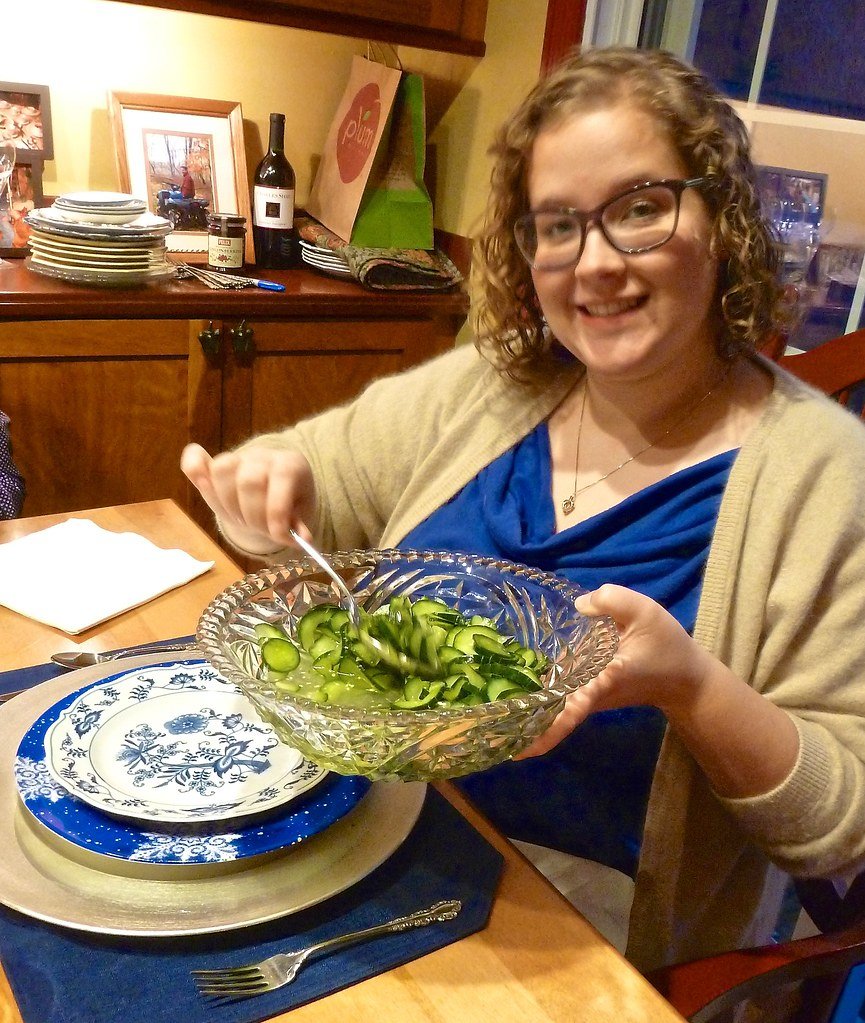
To make a traditional Agurksalat, begin by peeling the cucumbers if desired, then slice them thinly, either round or in half-moons. Combine these slices with finely chopped red onions and fresh dill in a mixing bowl. For the dressing, mix lemon juice, a splash of vinegar, a pinch of sugar, salt, and pepper until well combined. Pour this dressing over the cucumber and onion mixture, tossing gently to ensure even coating. Ideally, allowing the salad to sit in the refrigerator for at least 30 minutes helps the flavors meld and the cucumbers absorb the dressing successfully.
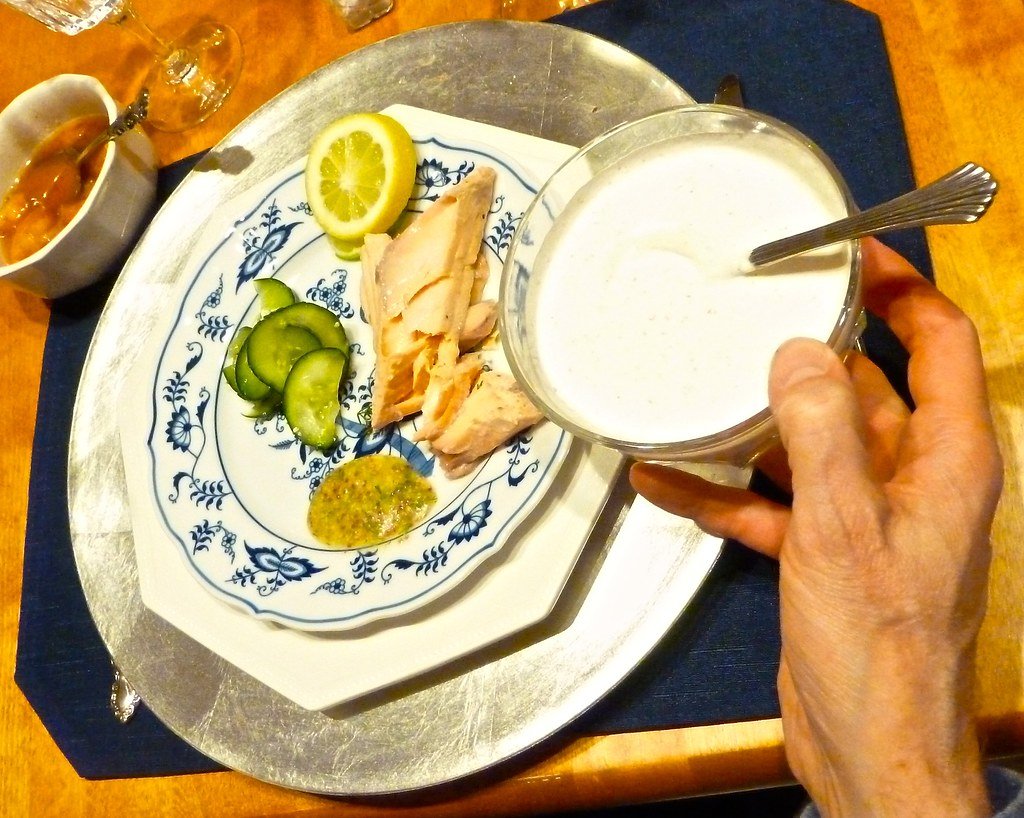
When it comes to serving, Agurksalat is a versatile side dish that pairs exceptionally well with grilled meats, sandwiches, and fish dishes. It can also be used as a refreshing topping for tacos or served alongside a variety of rice meals, enhancing the overall dining experience. For those looking to innovate, consider incorporating ingredients like feta cheese, capers, or even avocado for a unique twist. Regional variations may include adding yogurt as a base for a creamier texture or experimenting with different herbs like mint or parsley. These adaptations celebrate the adaptability of Agurksalat while still honoring its classic roots.