
The Origin of Cazuela
The cazuela, a traditional dish that embodies the rich culinary heritage of Latin America and Spain, has roots that can be traced back several centuries. Its name, derived from the Spanish word for “dish” or “pan,” reflects the vessel in which it is commonly prepared. Historically, cazuelas were made from clay or earthenware, ideal for slow cooking and enhancing the flavors of the ingredients used.
The origins of cazuela can be linked to the ancient Iberian Peninsula, where early civilizations like the Romans and Moors introduced various cooking methods and ingredient combinations. This mixture of cultures laid the foundation for the diverse interpretations of cazuela that we see today. The geographical context plays a significant role; for instance, cazuela recipes in coastal areas often incorporate seafood, while those from mountainous regions might focus on hearty meats and root vegetables.
Traditional ingredients vary by region, though staples such as beans, vegetables, and spices are commonly included in many cazuela recipes. The technique of slow cooking allows the ingredients to blend harmoniously, producing a dish that is both flavorful and comforting. In addition to utilizing local produce, the integration of various meats, such as chicken, pork, or lamb, showcases the adaptability of cazuela.
Over the years, cazuela has evolved with the influence of indigenous peoples and immigrants, each adding their unique flavor and techniques. For example, Latin American countries like Mexico and Chile have put their own spin on cazuela, infusing it with local spices and cooking traditions, resulting in a vibrant tapestry of variations. This evolution reflects the cultural exchanges that have enriched the dish, which remains a beloved centerpiece in family gatherings and celebrations.
Cultural Significance of Cazuela
Cazuela has transcended mere culinary preparation to become a vibrant symbol of cultural identity across various societies. Its origins can be traced back to diverse regions, each infusing their distinct flavors and traditions, thus allowing cazuela to reflect the local customs and practices. In many Latin American countries, cazuela acts as a cultural hallmark, representing warmth and hospitality. Families often gather around the table, sharing a single pot of this beloved dish, strengthening familial bonds and invoking a sense of togetherness. This communal aspect of cazuela not only serves to nourish but also to connect individuals, reenacting age-old practices of sharing meals and stories.
The importance of cazuela is further accentuated during communal celebrations and gatherings. Whether it is a family reunion, a festival, or a community event, cazuela often occupies a place of honor at the center of the dining table. This marvelous dish plays a pivotal role in fostering social cohesion. It is not uncommon for each family to have its own unique recipe, passed down through generations, which adds an element of personal and cultural storytelling to the dish. These traditional recipes often showcase locally sourced ingredients, emphasizing the connection between the land and the culture.
Moreover, cazuela is treated as a comfort food in numerous regions, evoking feelings of nostalgia and home. It serves as a culinary bridge that links individuals to their heritage, allowing them to savor the tastes of their childhood or region. This dish often adapts as it travels, incorporating local spices and ingredients, making each version a reflection of the area’s history and culture. By integrating cazuela into traditional cuisines, communities not only preserve their cultural narratives but also celebrate their unique identities, ensuring that this hearty dish remains a staple in kitchens around the world.
Unique Flavors of Cazuela
Cazuela, a traditional dish found in various Latin American cuisines, boasts a rich tapestry of flavors that reflect the regional ingredients and culinary practices that shape it. At its core, cazuela typically consists of meats, vegetables, and a medley of seasonings, all of which contribute significantly to its distinctive taste profile. The type of meat used can vary from chicken, beef, or pork, each imparting its unique essence and depth to the dish. These proteins are often simmered for extended periods, allowing them to meld with other ingredients and release their natural flavors.
The vegetable component of cazuela is just as vital, often featuring root vegetables such as potatoes and carrots, as well as greens like spinach and chard. These components not only add texture but also introduce a refreshing balance to the dish. The careful integration of vegetables complements the meat, enhancing the overall richness and complexity of flavors. This harmony is further elevated by the use of regional spices and herbs, which vary from one locale to another, introducing unique character to each version of cazuela.
Common seasonings include garlic, onion, and various chili peppers, known to bring both warmth and depth to the dish. Furthermore, the addition of herbs such as cilantro or parsley can result in a bright, aromatic finish. The layering of these flavors is essential for creating the signature taste of cazuela. Chefs often aim for a perfect balance, where the dish provides the right amount of savory, sweet, and spicy elements, making it an unforgettable culinary experience. The final result is a warm, comforting dish that resonates with a sense of home and evokes the essence of the region’s gastronomic heritage.
Textures that Define Cazuela
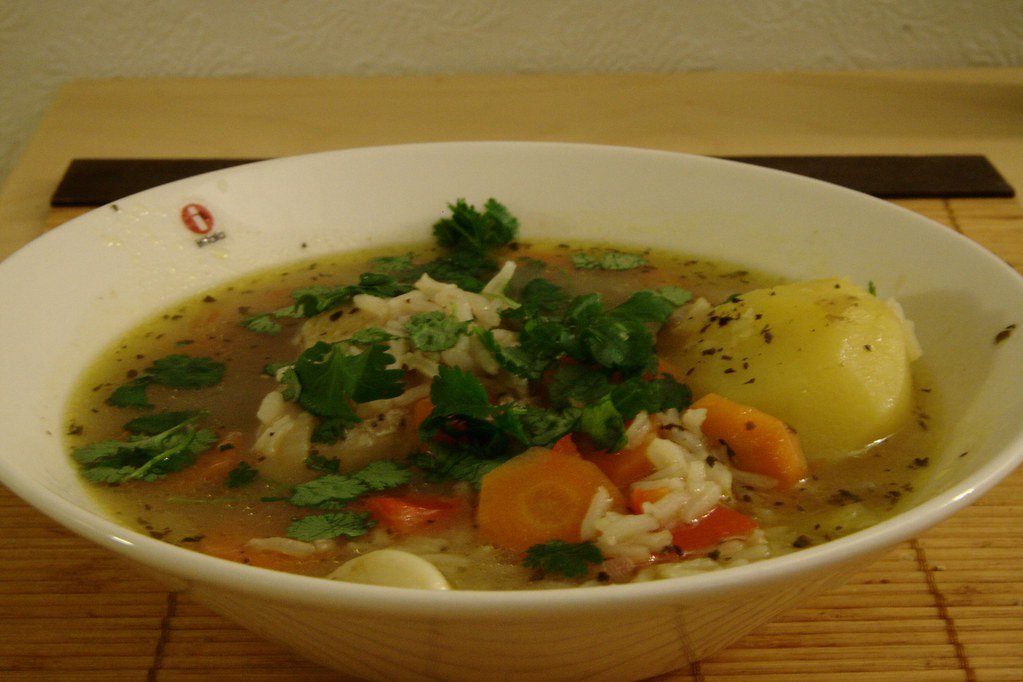
Cazuela, a cherished dish in Latin cuisine, offers a remarkable tapestry of textures that play a crucial role in creating an irresistible dining experience. The interplay between various ingredients, notably tender meats, crisp vegetables, and a creamy or saucy base, culminates in a dish that delights the senses. When prepared traditionally, cazuela showcases how cooking methods influence these textures, adding depth to the overall flavor profile.
Tender meats are often a cornerstone of cazuela. Whether utilizing chicken, beef, or seafood, the slow-cooking process tenderizes the proteins, allowing them to absorb the aromatic flavors of the surrounding ingredients. As these meats simmer, they become not only succulent but also deeply infused with the essence of spices and herbs. This tender texture contrasts beautifully with the crispness of fresh, seasonal vegetables. Ingredients such as bell peppers, zucchini, or green beans provide a refreshing crunch that punctuates each mouthful, offering a delightful contrast to the rich and velvety sauce that typically accompanies the dish.
The creamy or saucy base is another defining characteristic of cazuela. Often made from a fusion of broths, creams, and pureed ingredients, it serves as a binding agent for the various components. The sauce envelops the tender meat and crisp vegetables, enhancing their flavors and adding complexity to the dish. Moreover, different regional variations of cazuela may change the consistency of the sauce, ranging from a thick stew to a lighter broth, thereby affecting the overall texture perception.
Garnishes and accompaniments also significantly contribute to the textural variety of cazuela. Toppings such as fresh herbs, crispy tortilla strips, or crumbled cheese add bursts of flavor and an additional layer of texture. When carefully considered, these elements work harmoniously to elevate the cazuela experience, making each bite not only satisfying but memorable. The combination of tender meats, crisp vegetables, and a rich sauce, complemented by thoughtful garnishing, exemplifies the artistry of preparing cazuela dishes.
The Visual Appeal of Cazuela
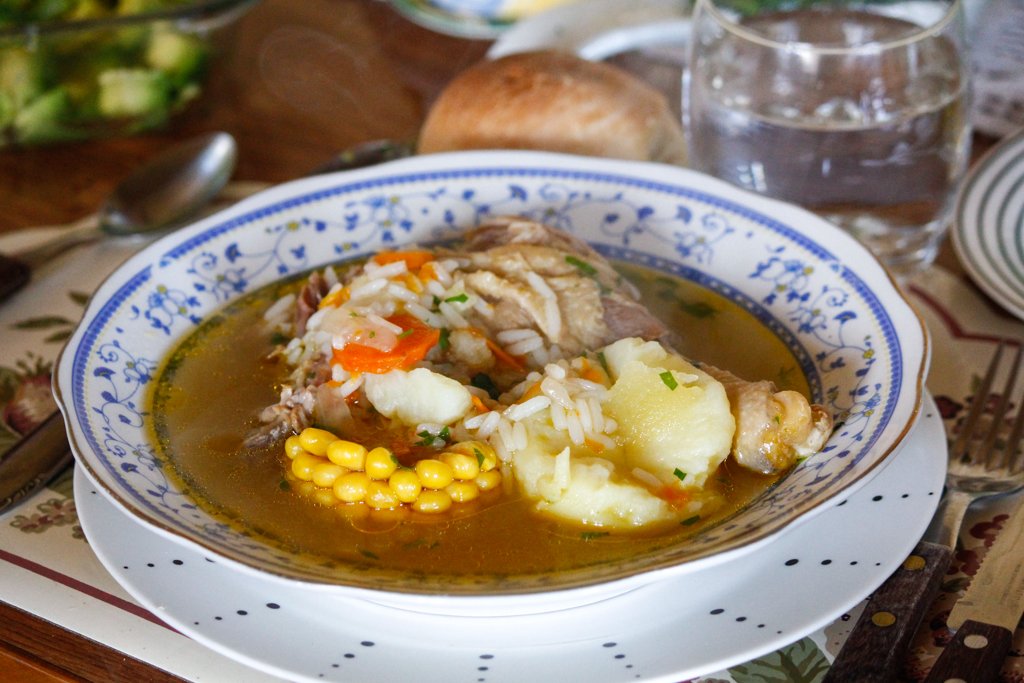
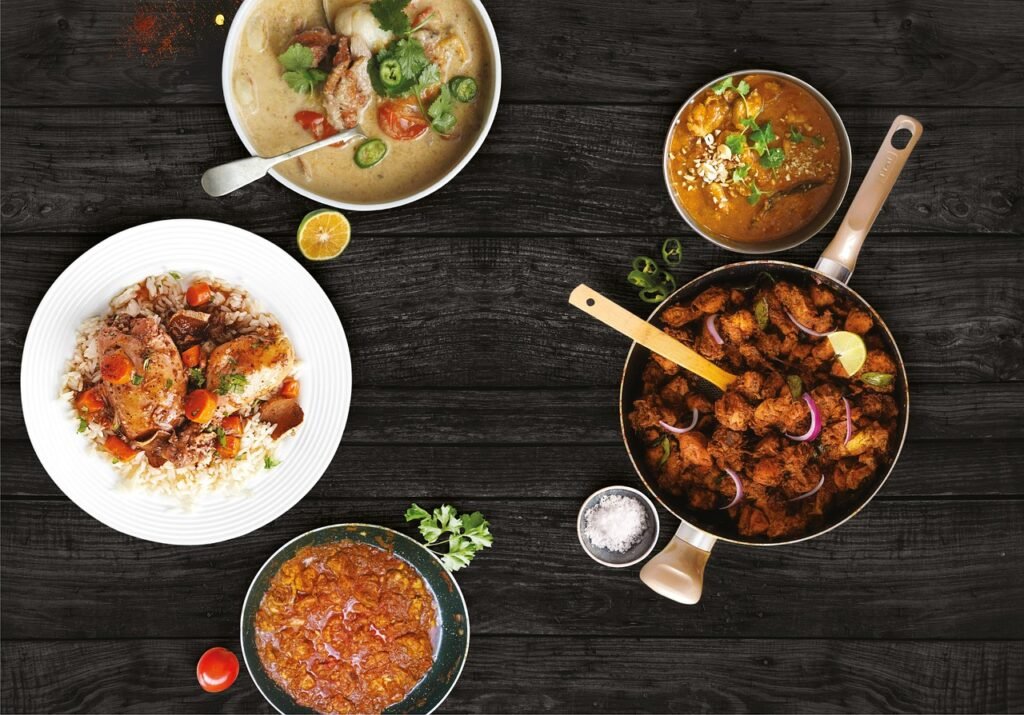
The allure of cazuela extends beyond its rich flavors; its visual appeal plays a significant role in capturing the attention of food enthusiasts. Traditionally, cazuela is characterized by a plethora of vibrant ingredients that harmonize beautifully, often creating a feast for the eyes as much as for the palate. The use of fresh vegetables, succulent meats, and aromatic herbs contributes to a colorful presentation, making each dish inviting. The interplay of colors—greens from herbs, reds and yellows from peppers, and earthy tones from meats—creates a mosaic that is distinctly compelling.
This artistry in plating is not merely aesthetic; it reflects cultural significance. Different regions emphasize the visual aspect of food differently, informed by local traditions and customs. For instance, in Mediterranean cultures, where cazuela is a beloved dish, there is a strong emphasis on using seasonal produce, resulting in a vibrant dish that celebrates the changing seasons. The meticulous arrangement of ingredients can symbolize hospitality and attention to detail, traits highly valued in culinary practices worldwide. This aspect of presentation also extends to how gatherings and meals are experienced, contributing to a sense of community and sharing.
The Appearance of Cazuela Dishes
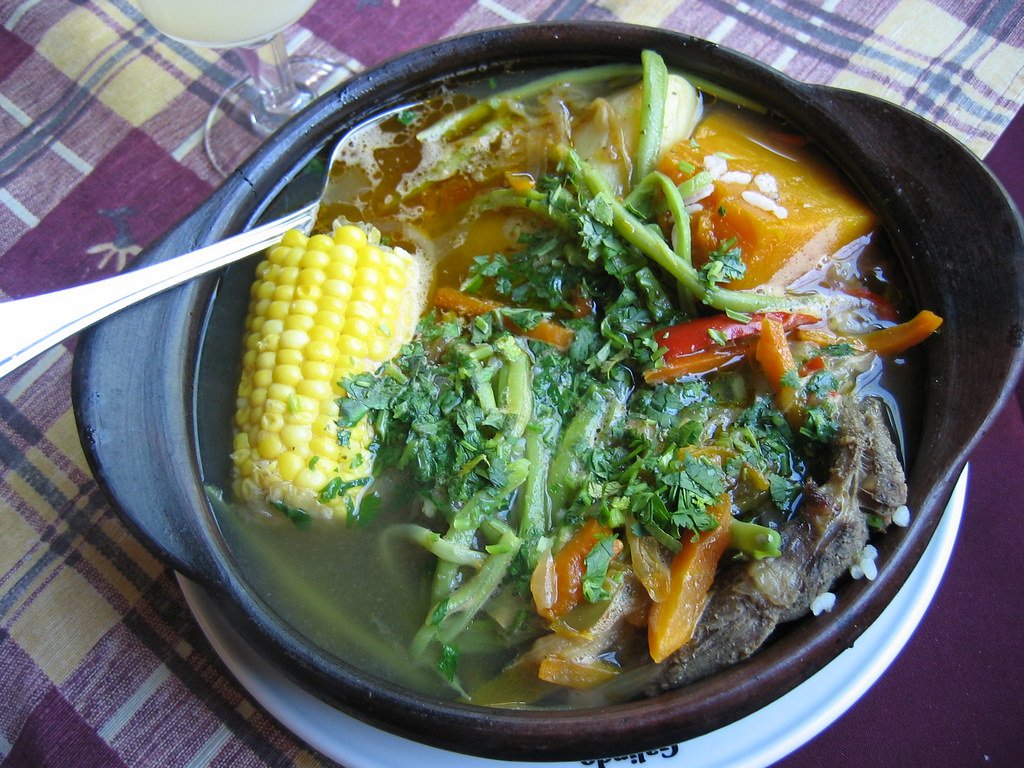
Cazuela, a term synonymous with a variety of traditional dishes across cultures, primarily refers to the earthenware pot used in their preparation. This pot is not only functional but greatly influences the overall presentation and aesthetic appeal of the dish. Typically crafted from clay, the cazuela pot comes in diverse shapes and sizes, which can range from shallow and wide to deep and narrow. This variability allows for distinct cooking processes and results, affecting the dish’s texture and flavor profile.
The color palette of cazuelas is often vibrant and eye-catching, showcasing earthy tones of terracotta, deep browns, and sometimes enameled finishes in rich hues. In many regions, these pots are adorned with intricate hand-painted designs, incorporating local motifs that reflect the cultural identity of the area. The lively patterns serve not only as decoration but also as markers of heritage, making each cazuela unique. In countries like Spain, for instance, one might observe bright blue and yellow designs characteristic of Andalusian ceramic styles, while in Latin America, the pots might feature indigenous patterns.
The garnishes that accompany cazuela dishes also enhance their visual appeal. Commonly, fresh herbs like cilantro or parsley are sprinkled on top, adding a pop of green that contrasts beautifully with the colorful ingredients below. Additionally, a drizzle of olive oil may create a glossy finish, inviting diners to indulge. The presentation often reflects the social aspect of sharing meals, with the cazuela being placed in the center of the table for communal enjoyment. Variations in style, materials, and garnishing techniques are evident across different countries, contributing to the global identity of cazuela while honoring the culinary traditions of each region.
Plating Cazuela: An Art Form
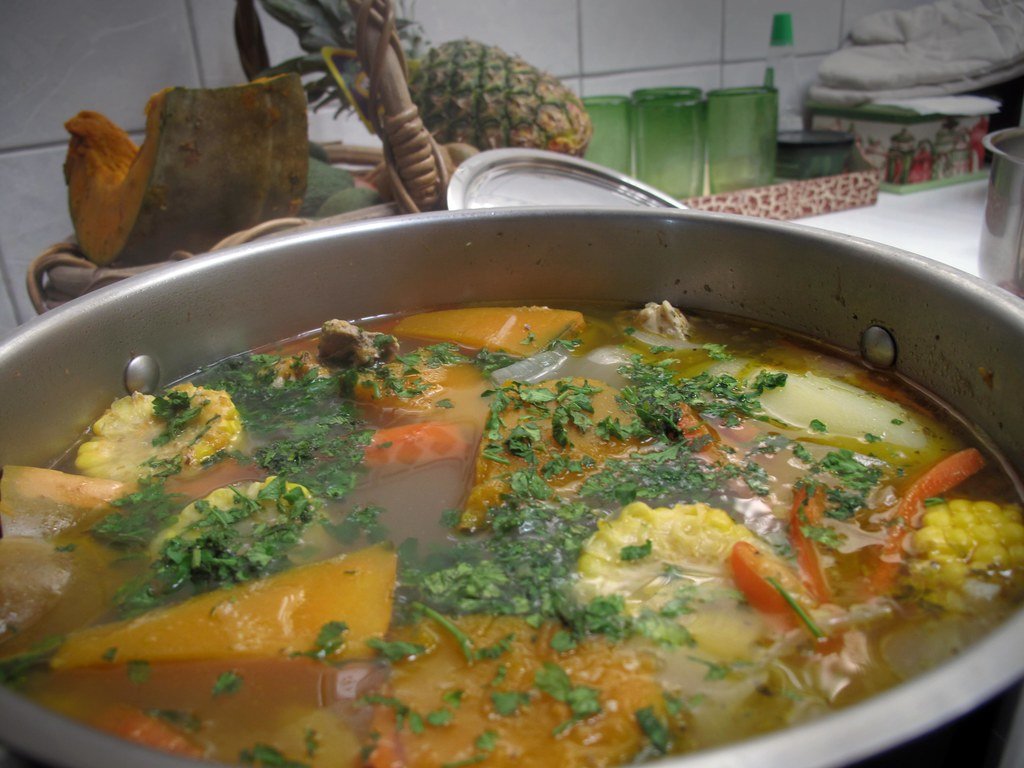
Plating is a vital aspect of culinary arts, as it transforms a simple cazuela dish into a visually appealing masterpiece. The way cazuela is presented can significantly enhance its overall experience, engaging diners and inviting them to savor every bite. The key to successful plating lies in balancing aesthetics with the inherent qualities of the ingredients used in the dish.
First and foremost, selecting the right serving ware is crucial. A traditional cazuela pot, often made from clay, not only holds the dish but also contributes to its earthy aesthetic. The contrasting colors of the ingredients can pop against the muted tones of the pot, creating a complementing visual effect. However, modern interpretations may use elegant plates or bowls that allow for creative plating techniques, such as stacking or layering various components of the dish. This arrangement should maintain the uniformity of style while highlighting the unique elements of the cazuela.
Layering ingredients is another effective technique to elevate the presentation. Begin by placing a base component, such as rice or beans, at the bottom. Then, add the various proteins, vegetables, and sauces strategically on top, ensuring each layer remains visible. This not only showcases the diversity of flavors but also creates a sense of depth on the plate. For a finishing touch, garnishing with fresh herbs or vibrant microgreens can introduce color and texture, drawing the eye and stimulating the palate further.
Moreover, consider the use of sauces or reductions in plating. A drizzle of flavorful sauce around the circumference of the plate can create a frame that highlights the cazuela’s contents. Using a squeeze bottle or a spoon allows for precise application, ensuring a clean presentation. Ultimately, while the technique of plating cazuela may involve artistic sensibilities, it should reflect the dish’s authenticity and vibrancy, leading to a memorable dining experience.
Popular Variations of Cazuela
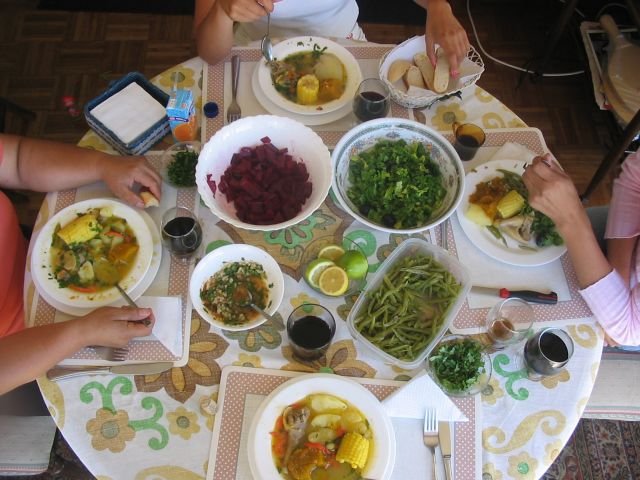
Cazuela, a beloved dish that speaks to the heart of culinary traditions around the world, manifests itself in numerous regional interpretations. Each variation of cazuela reflects the unique ingredients, cooking methods, and traditions of its culture, making it a fascinating subject for exploration. From South America to Spain, this dish has inspired countless adaptations.
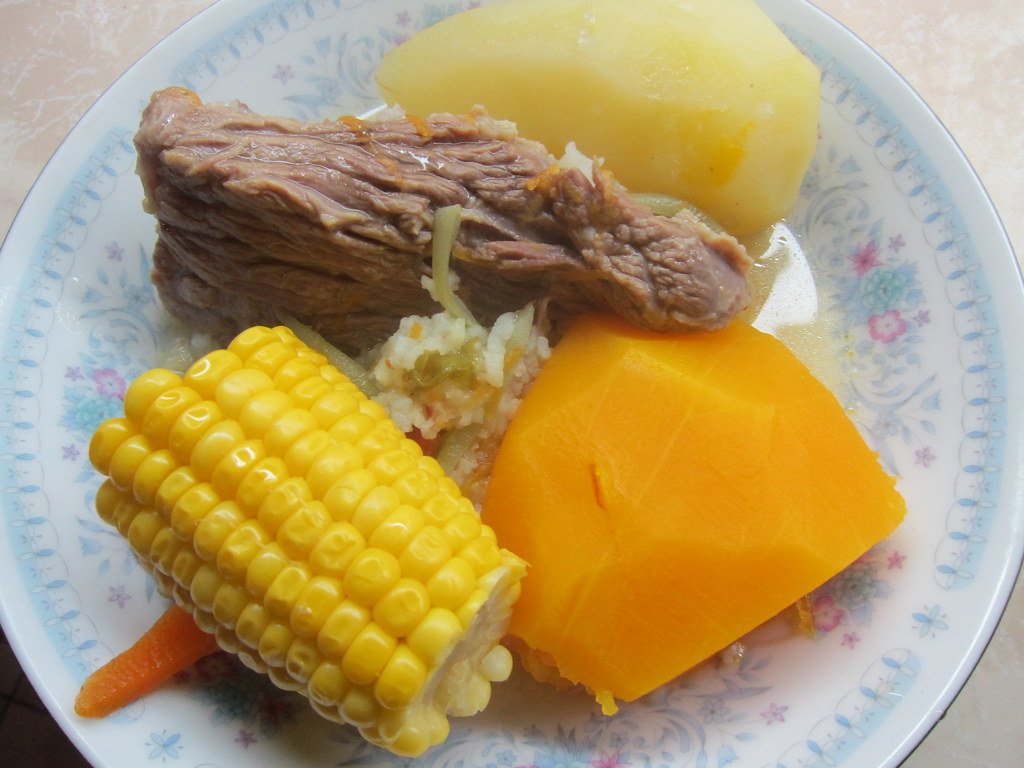
In Chile, for instance, cazuela is often a hearty stew that includes large chunks of beef or chicken, combined with a variety of vegetables like potatoes, corn, and pumpkin. The dish is typically flavored with herbs such as cilantro, imbuing it with a fresh, vibrant taste. The Chilean version prioritizes local produce, showcasing the rich agricultural bounty of the region.
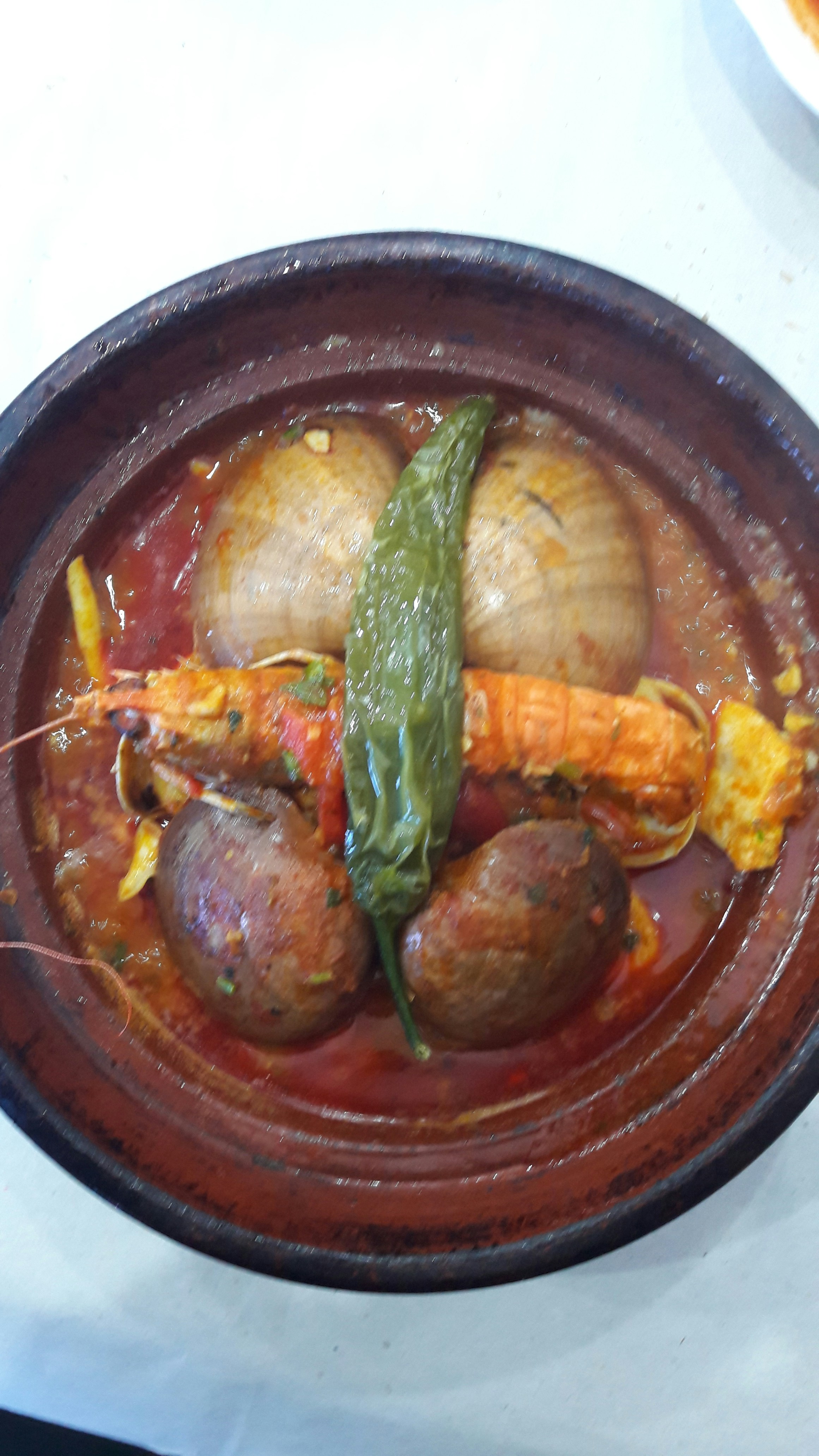
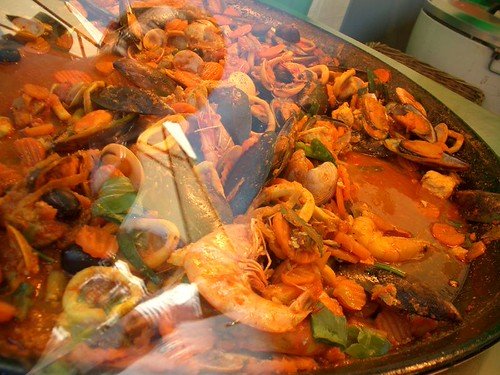
Moving over to Spain, particularly in regions like Andalusia, cazuela takes on a distinctly seafood-centric approach. This variation might include octopus, shrimp, and mussels, accompanied by rice and seasoned with saffron. The use of fresh seafood, combined with the aromatic spices characteristic of Mediterranean cuisine, creates a unique rendition that highlights the coastal influences on Spain’s gastronomy.
In addition to these, there are many interpretations as you glance through Latin American countries. Colombia, for instance, offers a unique twist called ‘cazuela de frijoles’, which focuses on beans and incorporates a delicious blend of different meats and spices. In Argentina, cazuela can also denote a popular dish that typically features pasta layered with various meats and topped with cheese, showcasing the country’s Italian influence.
These regional adaptations exemplify how cazuela resonates across various cultures, morphing into distinctive variations while retaining the essence of a comforting, flavorful dish. Each iteration not only serves as a meal but also tells a story of cultural heritage, making cazuela a truly versatile and cherished dish worldwide.
Cooking Cazuela: Tips and Techniques
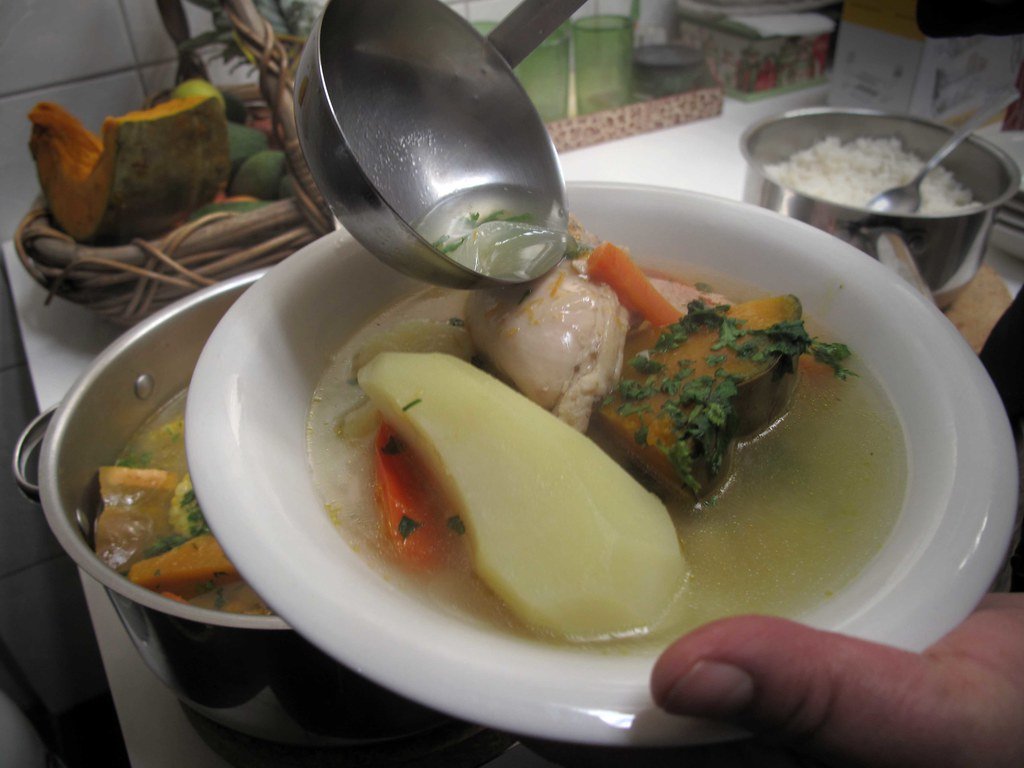
Preparing cazuela is an art that combines both tradition and culinary creativity. To achieve a flavorful cazuela, it is essential to focus on selecting quality ingredients. Base proteins typically include chicken, beef, or seafood, but feel free to experiment with seasonal vegetables for a vegetarian or vegan variation. Incorporating a variety of ingredients promotes a rich layer of flavors, making the dish enjoyable and satisfying.
One of the key techniques in cooking cazuela is the layering of flavors. Begin by sautéing aromatics, such as onions, garlic, and bell peppers, in a heavy-bottomed pot. This foundational step enhances the overall taste of the dish. Once the aromatics are tender, add your chosen proteins and cook until they develop a rich, golden-brown crust. This caramelization contributes depth and authenticity to the cazuela.
Next, it is crucial to allow the proteins to absorb the juices. Pour in liquids such as broth, wine, or a combination of both to deglaze the pot, scraping any brown bits from the bottom. These bits are full of flavor and will contribute to the final dish. When adding vegetables, consider those with varying cook times to ensure balanced tenderness. Sturdier vegetables like potatoes and carrots can be added earlier, while delicate items like peas or spinach are best reserved for the last few minutes of cooking.
Seasoning is an integral part of preparing cazuela. Use herbs like thyme, parsley, or bay leaves to infuse your dish with aromatic notes. Additionally, spices such as paprika or chili powder can enhance the flavor profile, lending a hint of warmth or smokiness. Tasting and adjusting the seasoning throughout the cooking process ensures that the cazuela achieves a harmonious balance of flavors.
Finally, allow the cazuela to simmer gently, as this melds all the ingredients into a cohesive and delicious dish. Consider involving family or friends in the cooking process, as cazuela is traditionally a communal meal. With these tips and techniques, you are well-equipped to create a delightful cazuela that showcases the heart and soul of this beloved dish.