
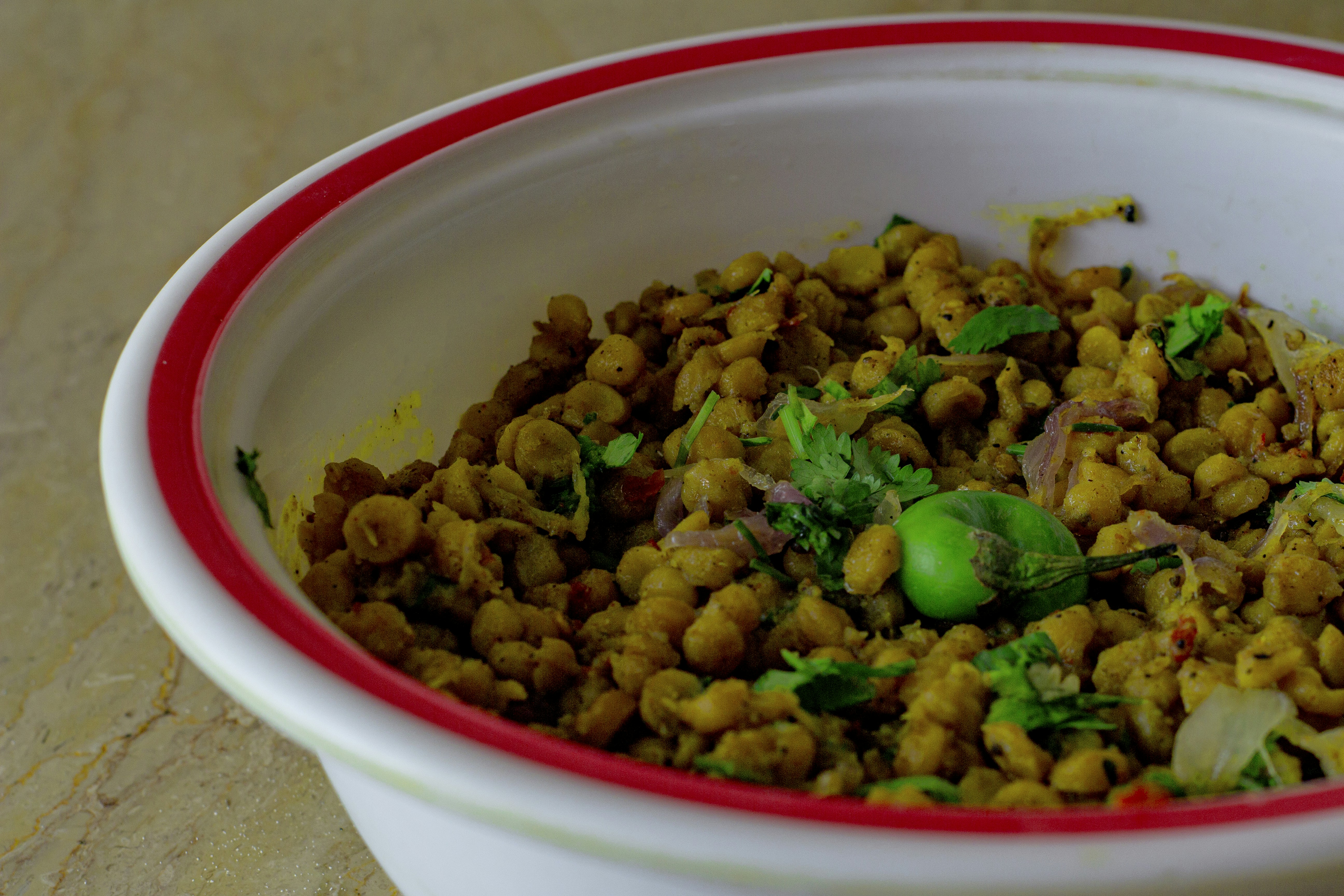
Introduction to Chhole
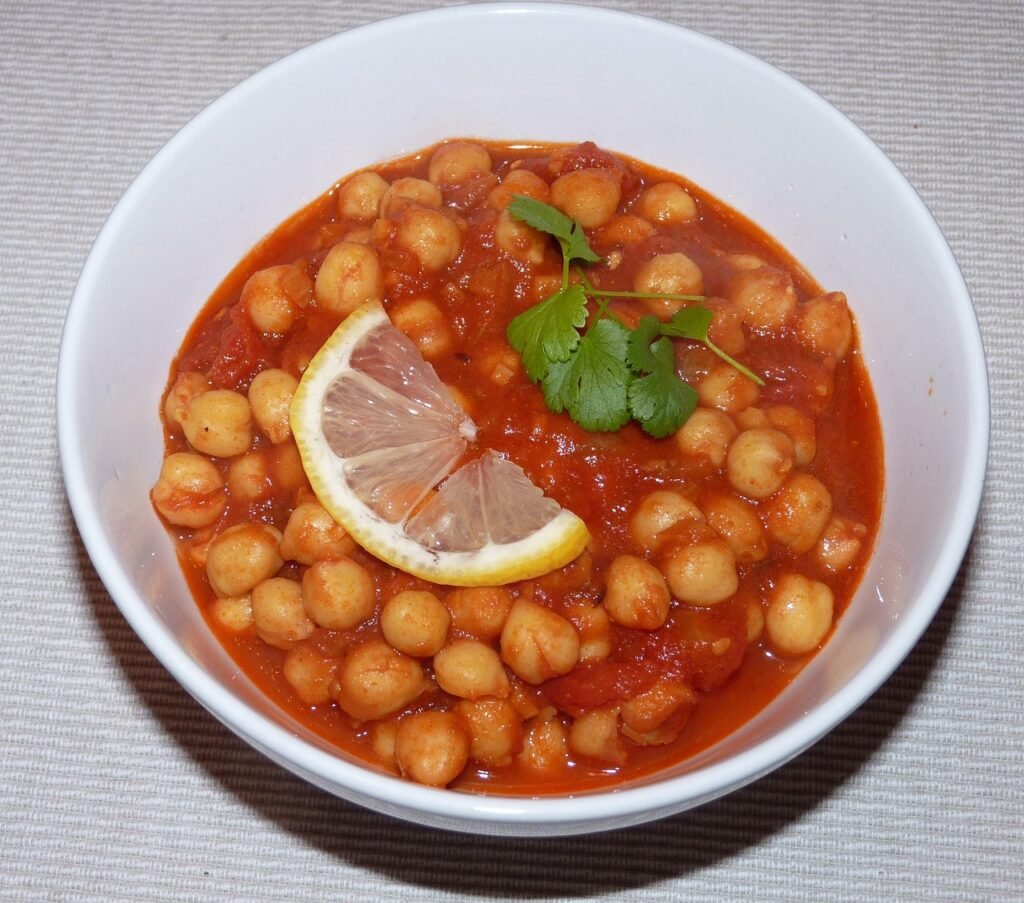
Chhole, also known as chickpea curry, is a beloved dish within Indian cuisine that embodies the rich culinary traditions of the region. At its core, chhole is a preparation primarily centered around chickpeas, also referred to as garbanzo beans, which are the key ingredient that provides both nutrition and texture. These legumes are typically cooked until tender and then simmered in a hearty, spiced gravy, making for a filling meal that can be enjoyed on its own or paired with various bread or rice.
The basic ingredients for chhole include chickpeas, tomatoes, onions, and an array of spices, which often consist of cumin, coriander, turmeric, and garam masala. Each of these components contributes to the complexity and depth of flavor that characterizes this dish. The incorporation of various spices not only enhances the taste but also gives chhole its appealing aroma. In many households, the preparation begins with soaking dried chickpeas overnight, which helps them to cook evenly and achieve the desired tenderness. After boiling or pressure cooking the chickpeas, they are combined with sautéed onions and tomatoes, followed by the addition of spices to create a fragrant curry.
Chhole can be prepared in numerous ways, resulting in a variety of regional interpretations. For instance, in Punjab, the dish is often made with a slightly richer gravy and a blend of special spices, while in other areas, it may take on a milder flavor profile. This versatility allows chhole to be adapted to individual preferences, making it a favorite choice for many. As we delve deeper into the world of chhole, we will examine its cultural significance, regional variations, and the various accompaniments that complement this delightful dish.
Historical Origins of Chhole
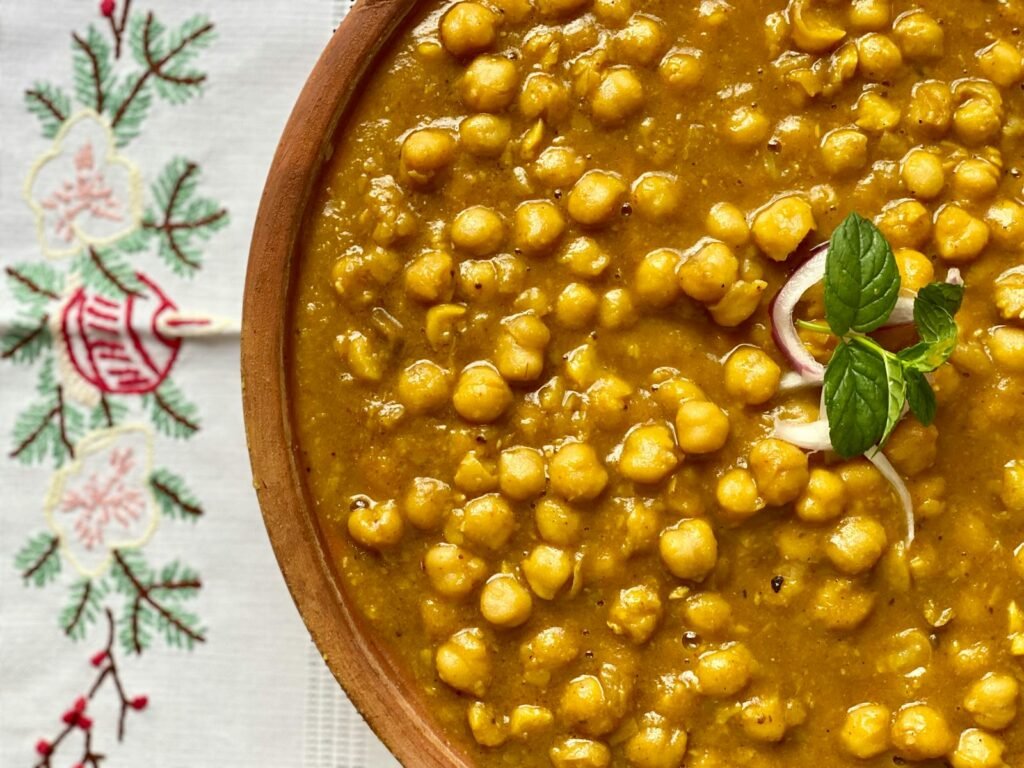
Chhole, also commonly referred to as chana masala, has deep historical roots in the Indian subcontinent, tracing its origins to ancient culinary practices. Its primary ingredient, chickpeas, has been cultivated in the region for thousands of years, indicating that the dish has likely evolved alongside various agricultural developments. Archaeological evidence suggests that chickpeas were consumed in the Indian subcontinent as far back as 7,500 years, establishing a long-standing connection between legumes and South Asian cuisine.
The modern recipe of chhole is believed to have emerged around the region of Punjab, where the incorporation of spices and local cooking methods influenced its flavor profile. Traditionally, the dish was prepared using simple, locally sourced ingredients, which were combined to enhance the natural flavors of the chickpeas. Over time, with the interaction of various cultures and culinary traditions, the recipe underwent significant modifications. The incorporation of spices such as cumin, coriander, and garam masala reflects the rich tapestry of influences that shaped not only chhole but also Indian cuisine as a whole.
By the time the Mughal Empire took hold of the Indian subcontinent, chhole had gained recognition as a popular dish among royalty and common folk alike. It transitioned from being a humble sustenance food to a more elaborate preparation, often served at feasts and gatherings. The British colonial period further catalyzed the proliferation of Indian dishes like chhole, as various versions found their way to British palates and beyond, leading to a broader acceptance and adaptation of Indian cuisine worldwide.
In contemporary India, chhole’s versatility has contributed to its popularity across different regions, each adding its twist to the traditional recipe. Whether served with bhature, rice, or chapati, chhole continues to be a cherished dish that reflects the culinary heritage and evolving tastes of Indian food enthusiasts.
Cultural Significance of Chhole
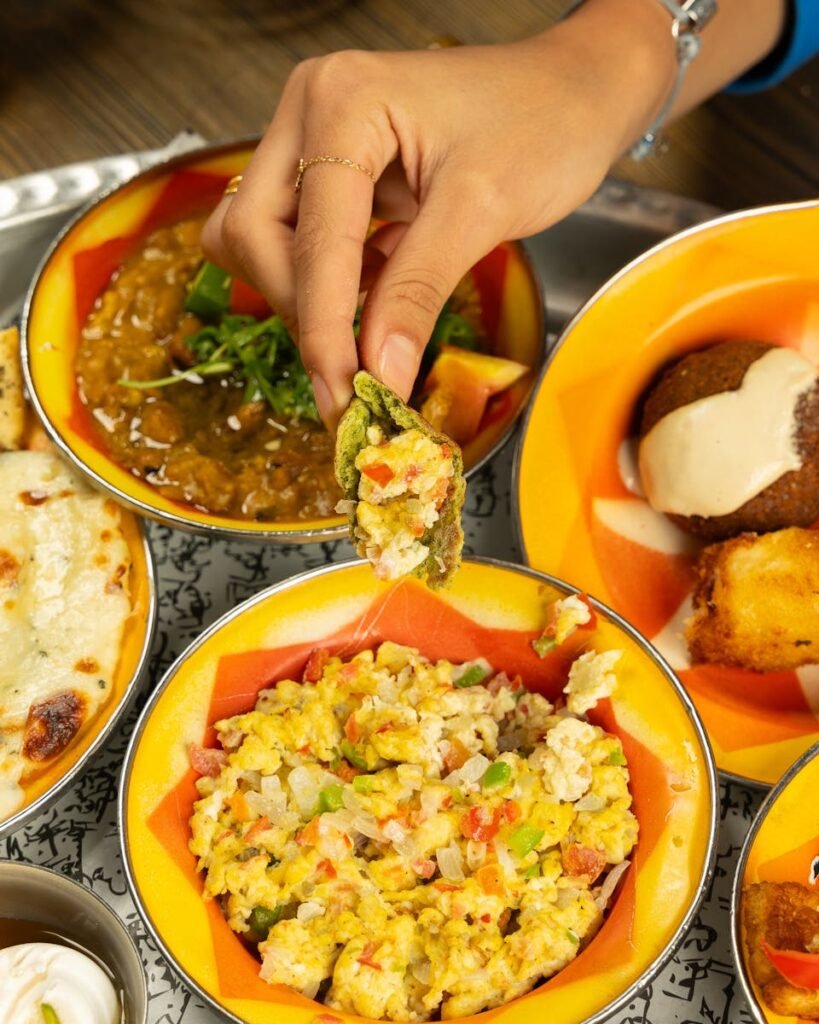
Chhole, a popular chickpea dish, holds a prominent place in Indian cuisine and culture. This staple food extends beyond mere sustenance, embodying a rich history tied to regional customs and everyday practices. Often served with rice or various types of bread, such as bhature or puri, chhole is not only a common dish in households but also a beloved choice during celebrations and festivals across India.
In numerous cultural contexts, chhole appears frequently in festive meals, especially during religious ceremonies and special occasions. For instance, it is a traditional offering during festivals like Chhath Puja and Diwali, where families gather to partake in elaborate feasts, showcasing chhole as a symbol of togetherness and abundance. This dish’s versatility ensures its presence in various regional forms across the country, each imbued with distinctive flavors and recipes. From the spiced chhole masala of Punjab to the coconut-infused variants found in South India, chhole remarkably reflects the diverse culinary landscape of India.
Moreover, chhole is often regarded as a comfort food, cherished for its heartiness and fulfilling qualities. It has the ability to bring families together, transcending social and economic boundaries. In many households, it is a beloved dish prepared on both ordinary days and extraordinary occasions. Its accessibility makes it a popular choice for communal meals, where large portions can be shared among friends and family, thereby reinforcing social bonds.
Through its presence in daily life and social gatherings, chhole serves as more than just a meal; it represents the essence of Indian hospitality and community. By uniting people around a delightful dish, chhole fosters connections and enriches the cultural fabric of the nation, representing both heritage and the evolving nature of Indian cuisine.
Unique Flavors and Textures
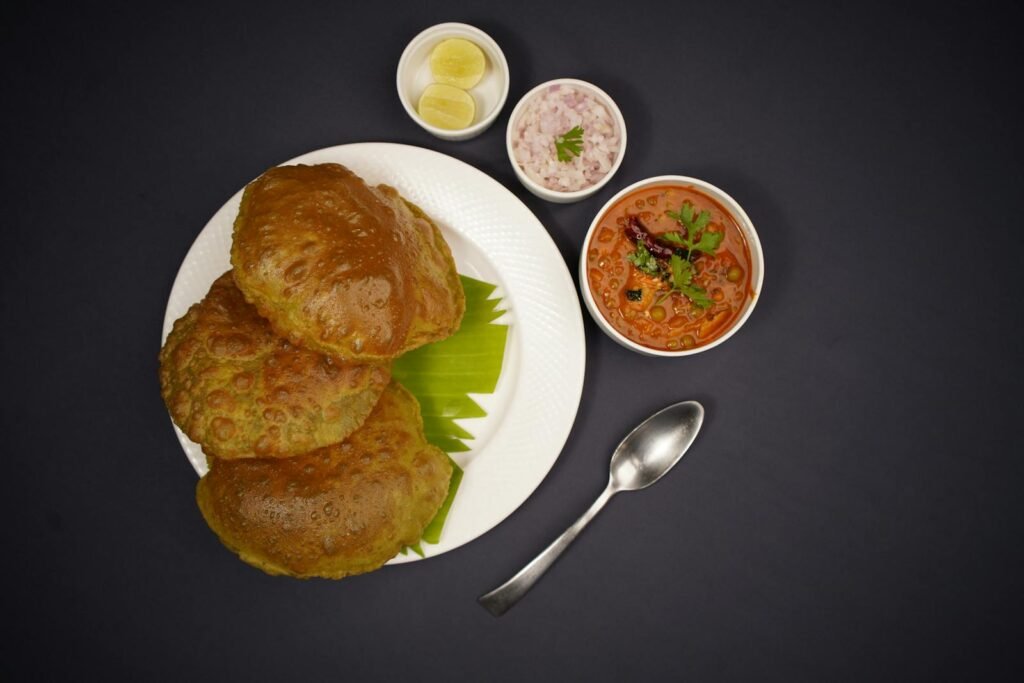
Chhole, a prominent dish in Indian cuisine, is celebrated for its unique flavors and textures that captivate food enthusiasts. At the heart of this dish lies the humble chickpea, which provides a creamy yet hearty foundation. The texture of cooked chickpeas is essential, as it transforms from a firm legume into a soft and luscious component, enhancing the overall mouthfeel of the dish. This creaminess plays a vital role in complementing the robust spices that characterize chhole.
The balance of spices is where the dish truly shines. Typically, a mixture of garam masala, cumin, coriander, turmeric, and chili powder is expertly blended to create a harmonious flavor profile. The use of tomatoes and onions in the preparation adds an extra layer of depth, contributing acidity and sweetness. This balancing act of spice and texture evolves into a result that is both comforting and complex, making every bite of chhole an experience to savor.
Regional variations of chhole significantly influence its taste, further enhancing its appeal. For instance, in the northern regions of India, such as Punjab, the dish is often prepared with a rich tomato gravy and is served with bhature, a deep-fried bread. In contrast, the version found in the west, particularly in Gujarat, may incorporate sweeter elements, as jaggery is sometimes added to the mixture, creating a unique flavor twist. Each region’s approach to chhole demonstrates the versatility of chickpeas and the diverse culinary traditions that contribute to this beloved dish.
The amalgamation of spices and the creamy texture of chickpeas ensures that chhole remains a delightful and fulfilling option for various occasions. Its ability to adapt to regional tastes not only signifies its cultural significance but also showcases the endless possibilities that lay within a single bowl of this creamy and flavorful dish.
Visual Appeal and Plating of Chhole
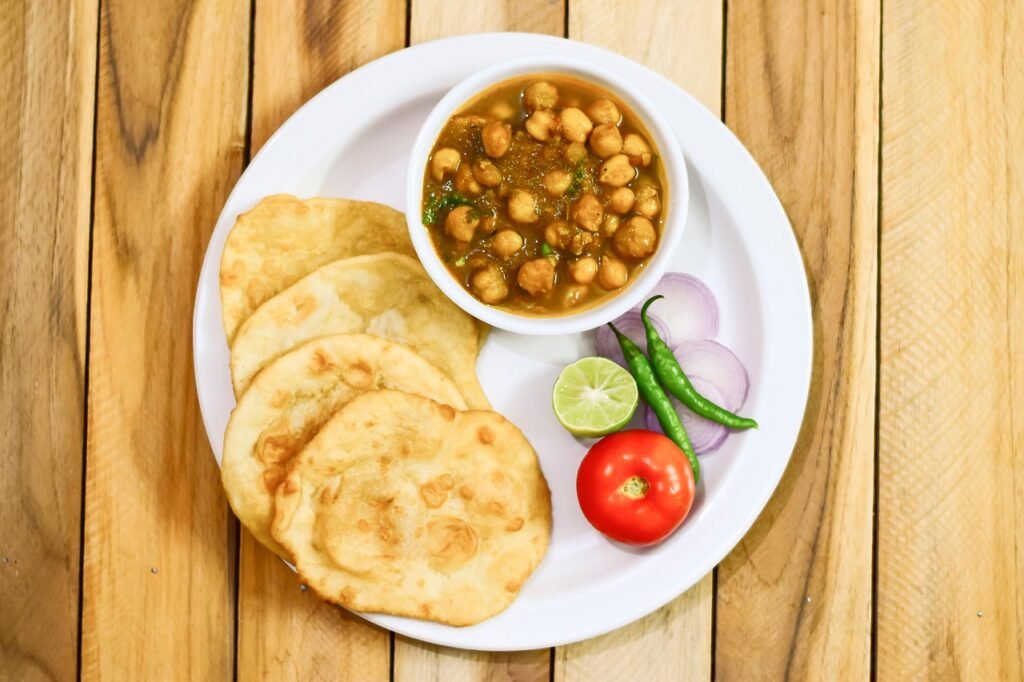
The visual presentation of chhole significantly enhances its overall dining appeal, transforming a simple dish into a vibrant culinary experience. Chhole is traditionally served in a deep, fragrant, and spiced gravy, rich with an array of spices that contribute to its distinct color. The base, typically a deep brown or red, is complemented by the vibrant hues of various spices used during its preparation. Notably, the striking red of the tomatoes and the earthy tones of the chickpeas create a warm and inviting visual impact.
Garnishing plays a crucial role in elevating the dish’s aesthetics. Commonly, chhole is finished with a sprinkle of finely chopped cilantro or coriander leaves, which add a fresh green contrast. Some chefs also opt to include a swirl of fresh cream or a sprinkle of bhujia for texture, offering visually appealing layers that tempt the diner. Slices of lemon or lime may also be served on the side, introducing a pop of yellow that denotes freshness and zest.
Moreover, accompaniments such as rice or naan further enhance the plating of chhole. A neatly arranged portion of basmati rice, with its fluffy white grains, serves as a perfect counterpart to the rich and spicy gravy. Alternatively, a freshly baked naan, with its golden-brown crust, can be plated alongside, inviting diners to scoop up the tantalizing chickpeas in the gravy. The interplay of colors—from the vibrant reds, earthy browns, and fresh greens to the contrasting yellows of garnishes—elevates the dish’s visual appeal, making it not only a delight for the palate but also for the eyes.
The careful attention to the visual presentation of chhole reinforces the notion that food is not only about taste but also about the overall dining experience. The art of plating this dish transforms the dining table into a canvas filled with color and texture, encouraging diners to appreciate each component before indulging in the flavors that await.
Accompaniments and Serving Suggestions
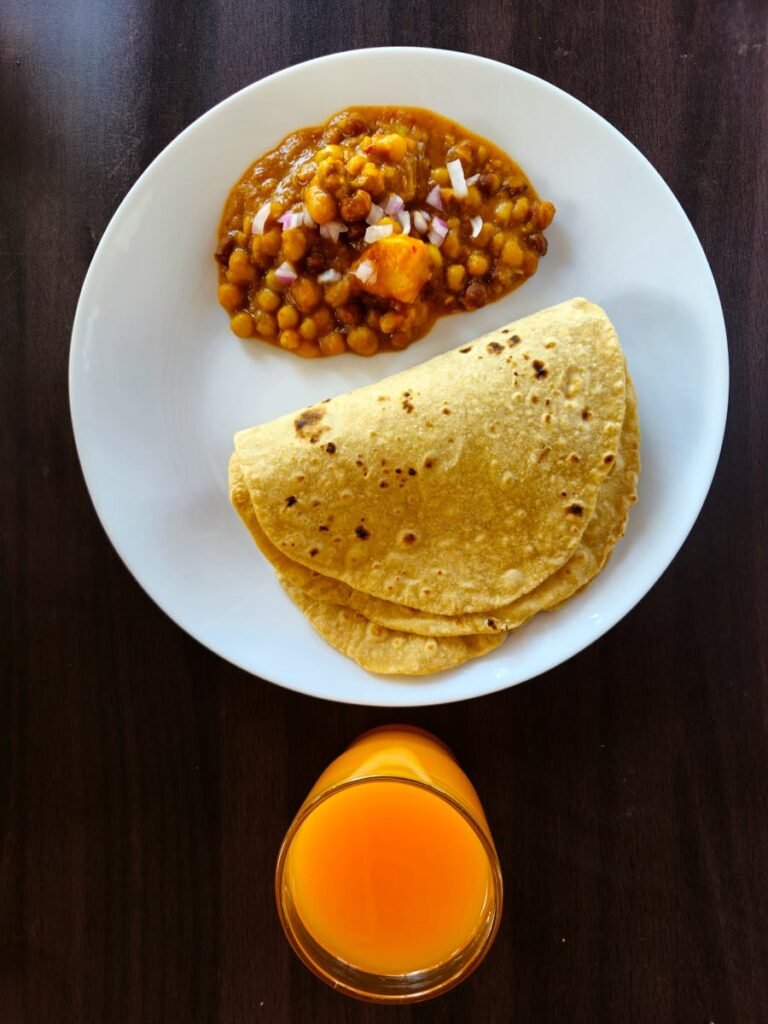
Chhole, a beloved dish rooted in Indian cuisine, is renowned for its rich flavors and versatility. When it comes to serving chhole, the right accompaniments significantly enhance the overall dining experience. Traditionally, chhole is often paired with a variety of sides that not only complement its spiced chickpeas but also provide textural balance and a burst of flavor.
One of the most popular accompaniments to chhole is bhature, a deep-fried bread that is light and fluffy. The slight tanginess of the bread beautifully contrasts with the spicy, savory notes of the chhole. The combination of chhole and bhature is particularly cherished in North India, often referred to as “chhole bhature.” This duo creates a satisfying meal, perfect for breakfast or lunch, showcasing the harmony of flavors.
Another classic option is steamed or boiled rice, which serves as a neutral base, allowing the robust flavors of chhole to take center stage. The comforting texture of rice absorbs the gravy, making each bite a delightful experience. Additionally, jeera rice, flavored with cumin, can add an aromatic touch that complements the spices in chhole.
Various types of Indian bread, such as naan or roti, are also excellent choices to serve alongside chhole. These breads can be used to scoop up the chickpeas, enabling diners to appreciate both the dish and its vibrant gravy. They add a wholesome quality to the meal while maintaining authenticity. For those inclined toward healthier options, whole wheat parathas can provide a wholesome alternative without compromising taste.
In conclusion, the right accompaniments elevate a serving of chhole, making it an enjoyable and well-rounded meal. Whether it is paired with bhature, rice, or bread, these combinations highlight the unique flavors of the dish while catering to different preferences. Embracing these traditional pairings ensures a delightful culinary experience that celebrates the richness of chhole.
Regional Variations of Chhole
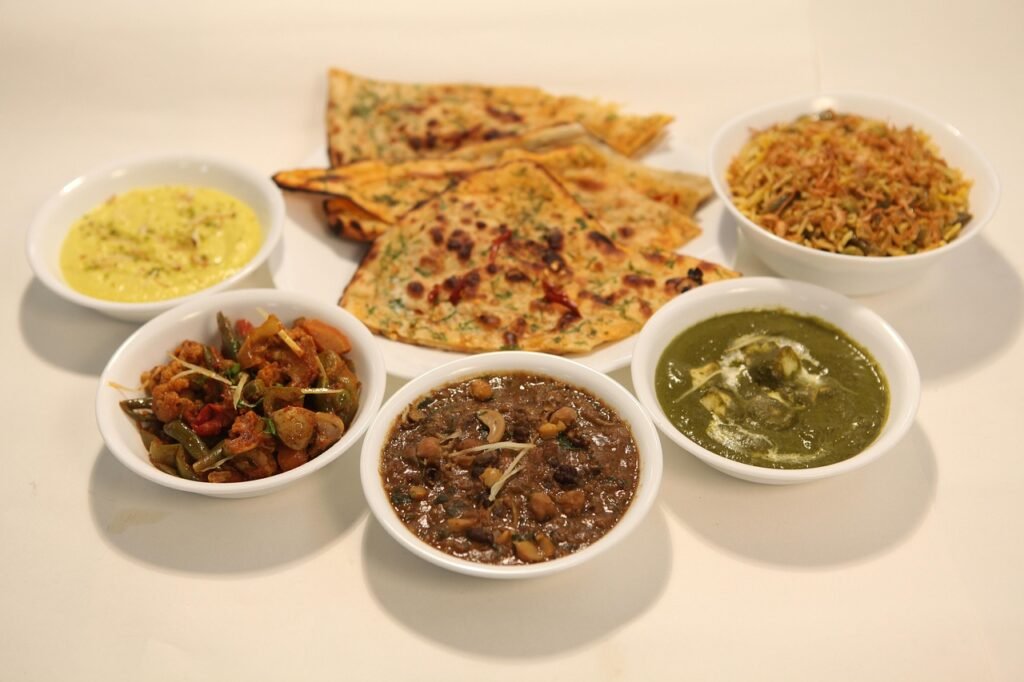
Chhole, a celebrated North Indian dish made from chickpeas, showcases a rich diversity across various regions of India. Each regional adaptation possesses unique characteristics, allowing chhole to maintain its cultural significance while embracing local flavors and ingredients. Notable variations include Amritsari chhole, Delhi’s chhole bhature, and others, each distinguished by distinct preparation methods and ingredient combinations.
Amritsari chhole, originating from the vibrant state of Punjab, is known for its robust flavor profile. The dish features chickpeas cooked in a spiced, thick gravy, which often includes ingredients like tamarind, hing (asafoetida), and crushed pomegranate seeds. Traditionally served with bhature, a deep-fried bread, the outcome is a harmonious blend of spice and tanginess that represents Punjabi culinary heritage. The incorporation of butter or ghee adds richness, making it a popular choice among locals and travelers alike.
In contrast, Delhi’s version of chhole bhature showcases a slightly different approach. Delectable chhole in this rendition is made with a fragrant blend of spices, often incorporating ajwain (carom seeds) and garlic. The combination with fluffy, deep-fried bhature creates a delightful texture experience, balancing the dish’s heat with a light and airy accompaniment. This variation frequently garnishes with sliced onions and a wedge of lemon, allowing diners to tailor the flavors to their liking.
Other notable versions of chhole can be found in places such as Chole Kulche in Punjab, where the chickpeas are served with flaky stuffed bread, and in Maharashtra, where one might encounter a sweeter rendition known as Chhole Misal, adding a piquant twist to the classic preparation. By exploring these diverse regional adaptations, one can appreciate how chhole serves as a canvas for cultural expression and culinary creativity throughout India.
Cooking Tips and Recipes
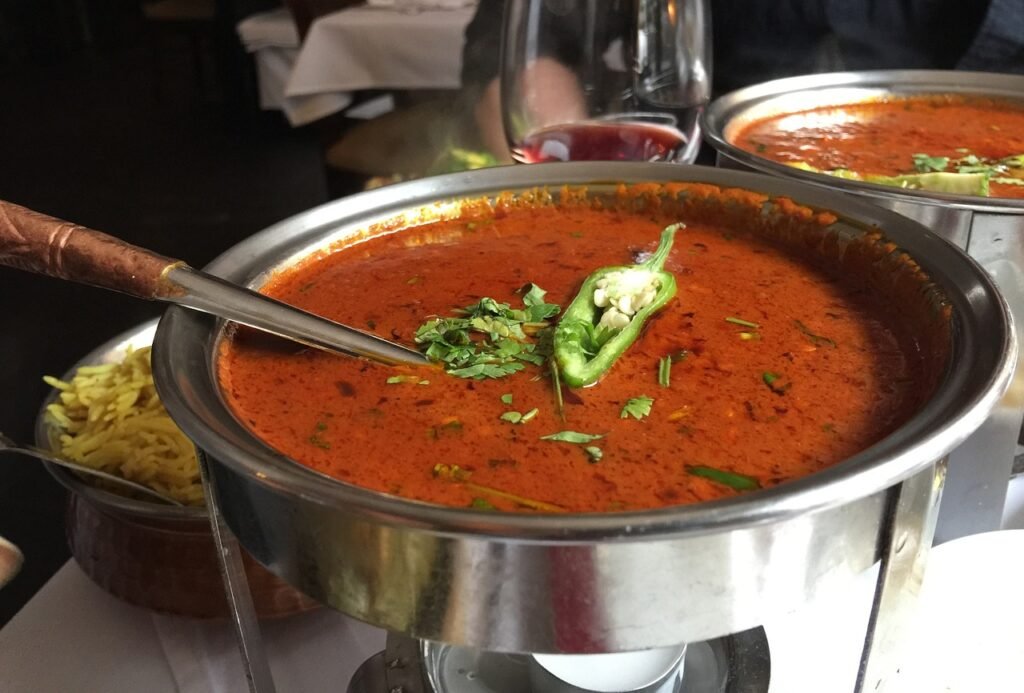
Preparing an authentic chhole involves careful selection of ingredients and precise cooking techniques to achieve the dish’s characteristic flavor and texture. To start, choose high-quality chickpeas, either dried or canned. If using dried chickpeas, soak them overnight in water, allowing them to hydrate fully. This step is crucial as it reduces cooking time and ensures that the chickpeas become soft and creamy when cooked. If fresh chickpeas are unavailable, canned varieties provide a quick and convenient alternative.
Next, consider the spices that differentiate regional variations of chhole. Essential spices include cumin seeds, coriander powder, garam masala, and turmeric. For a richer taste, incorporate a teaspoon of amchur (dry mango powder) or a tablespoon of tamarind paste that adds a tangy depth to the dish. Always toast whole spices before adding them to the dish, as this enhances their aromatic qualities and releases essential oils that contribute to the overall flavor profile.
The cooking technique plays a significant role in achieving the perfect chhole. In a heavy-bottomed pot or a pressure cooker, heat oil and sauté finely chopped onions until they turn golden brown. Then, add minced garlic and ginger, cooking until fragrant. Follow this by adding chopped tomatoes, cooking until they break down and blend well with the spices. Finally, add the soaked chickpeas and enough water to cover them by about two inches. Allow them to cook until the chickpeas reach a tender consistency, adjusting the seasoning to your taste.
For those seeking a classic recipe, the following serves as a foundational guide: In a pan, heat oil and add cumin seeds; once they sizzle, introduce onions, garlic, and ginger. Once golden, mix in tomatoes, cumin powder, coriander powder, turmeric, and garam masala. Finish with the chickpeas, water, and allow them to simmer gently. Enhance the dish with fresh coriander leaves and serve with rice or bhature for a satisfying meal.
Conclusion: The Enduring Love for Chhole
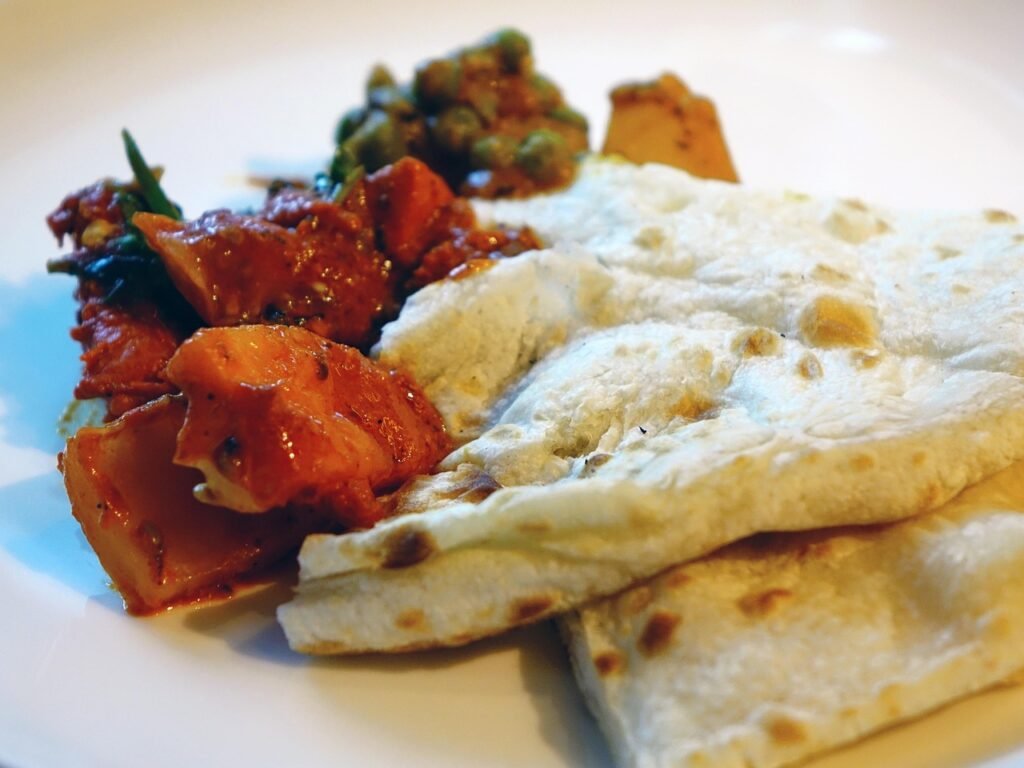
Chhole, a beloved dish with roots deeply embedded in Indian cuisine, has garnered a significant following worldwide. Its rich flavors, aromatic spices, and hearty texture resonate with countless food enthusiasts, making it much more than a mere meal. This culinary staple is traditionally made with chickpeas, slow-cooked in a variety of spices, which contribute to its distinctive taste and aroma. However, the appeal of chhole extends beyond its ingredients; it symbolizes comfort, community, and tradition.
Across various cultures, chhole has evolved, taking on diverse forms and adaptations that reflect local ingredients and culinary practices. In India, for instance, chhole is often enjoyed with rice, bhature, or puri, and is a staple at festivals and family gatherings. In contrast, when this dish made its way to other parts of the world, such as the Caribbean and the Middle East, it adapted to local tastes, resulting in unique interpretations that highlight its versatility.
The dish’s ability to bring people together cannot be overstated. Whether at a vibrant street food stall in Delhi or a family gathering abroad, chhole serves as a focal point for sharing stories, laughter, and unique food experiences. Thus, the charm of chhole lies not only in its flavor but also in its power to foster connections among people. As we explore various cuisines, chhole continually stands out as a hearty concoction that nourishes not just the body, but the spirit of togetherness.
Ultimately, chhole transcends geographical boundaries, serving as a reminder of the profound relationship between food and culture. This dish has maintained its popularity across generations, and its legacy is one of unity and flavor that will endure for years to come. As such, chhole is celebrated as an integral part of culinary heritage, capable of evolving while retaining the essence of love and tradition that it represents.