
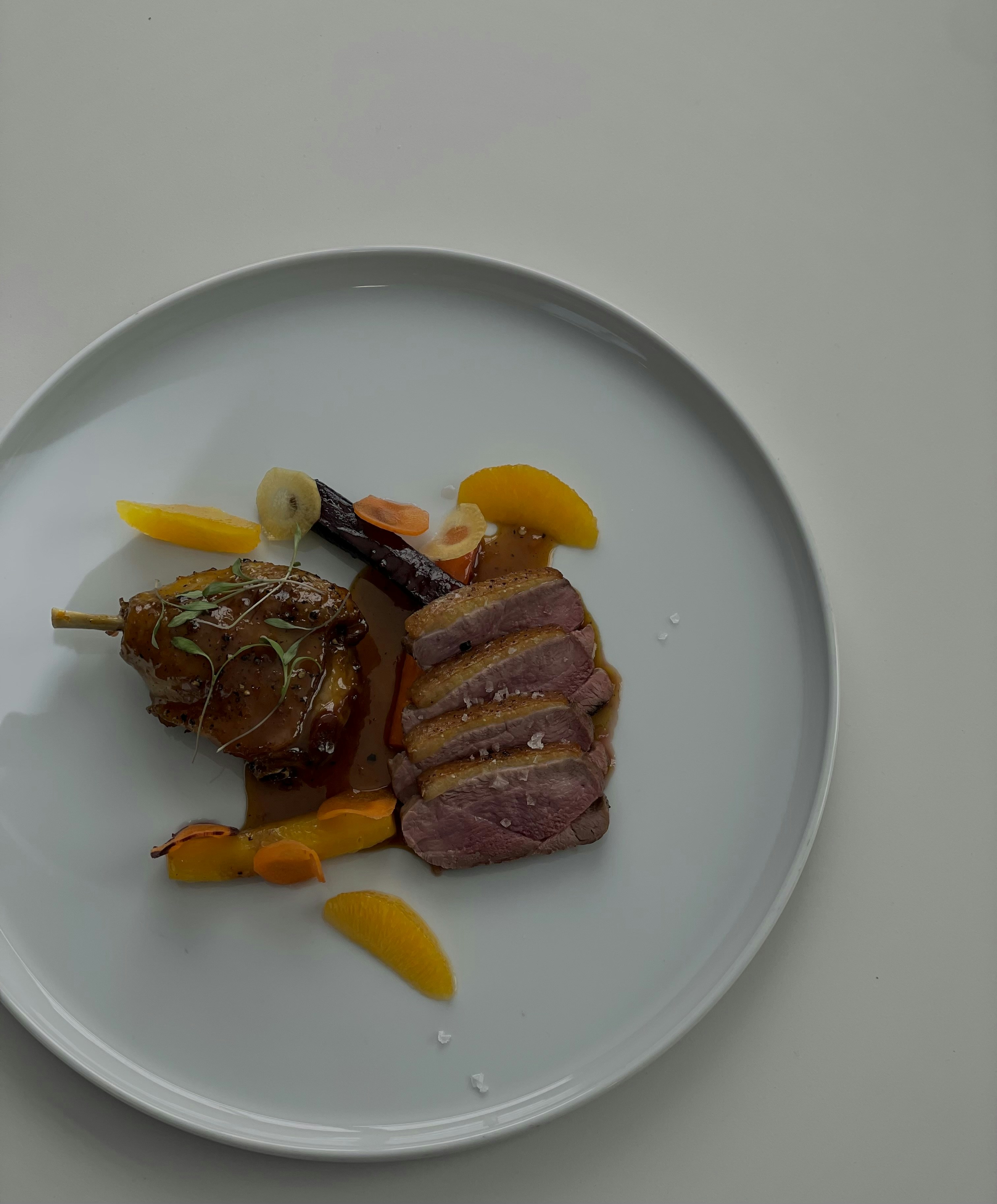
The Origins and History of Confit de Canard
Confit de canard, a culinary treasure of French cuisine, originates from the picturesque region of Gascony in southwestern France. This traditional dish has deep historical roots that can be traced back to the necessity of food preservation in rural communities. The method of confit—meaning “to preserve” in French—emerged in the 16th century as a practical solution to extend the shelf life of duck meat, especially during times when refrigeration was non-existent.
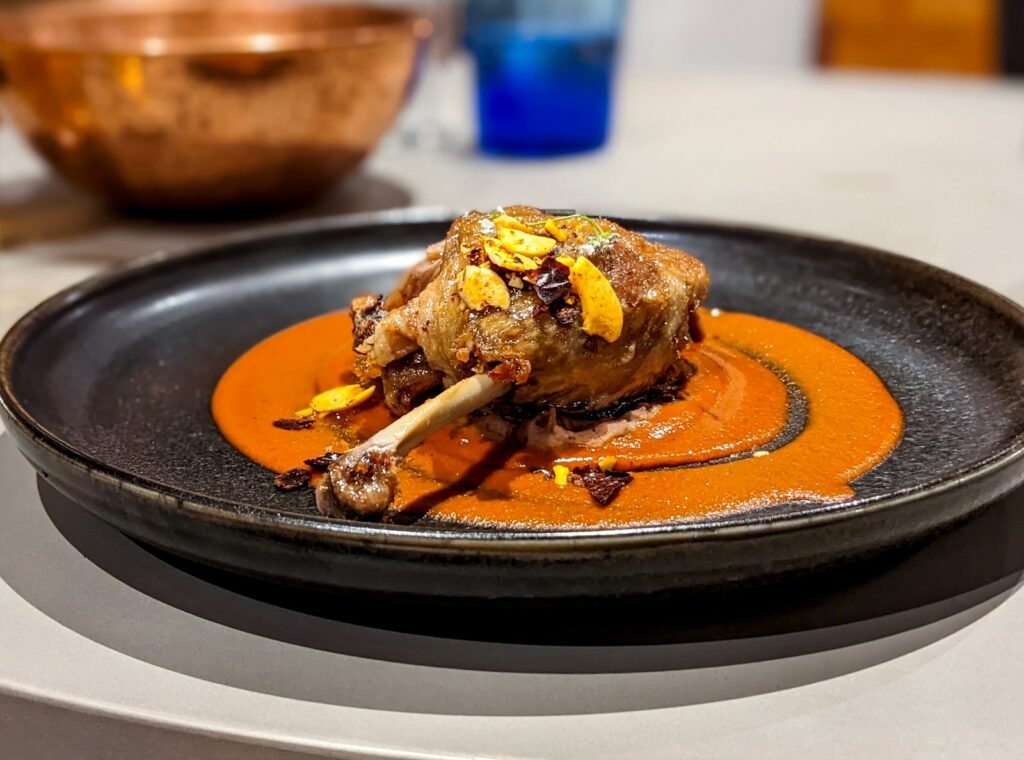
Historically, the process involved slowly cooking duck legs in their own fat for several hours. This method not only enhanced the flavor of the meat but also allowed it to be stored for long periods. The duck was preserved in its own fat, which acted as a natural barrier against microbial growth, thus making it an invaluable resource for families. In times of scarcity or poor harvests, confit de canard became a staple, ensuring that the dietary needs of families were met even during challenging periods.
The popularity of confit de canard grew throughout France, with Gascony serving as a heartland for this culinary art. Local chefs and families took pride in mastering the techniques involved in creating this dish, leading to variations that reflect their unique cultural practices. Anecdotes from generations of chefs reveal how family recipes have been lovingly passed down, marrying tradition with local flavor. Today, confit de canard stands as more than just a dish; it embodies the essence of French culinary heritage and the cultural significance of food preservation.
This dish not only showcases the agricultural bounty of the region but also reinforces the importance of culinary techniques that have transcended time. Through the ages, confit de canard has maintained its status as a symbol of sumptuous French cuisine, reflecting the artistry and dedication of those who prepare it.
The Meaning and Cultural Significance of Confit de Canard
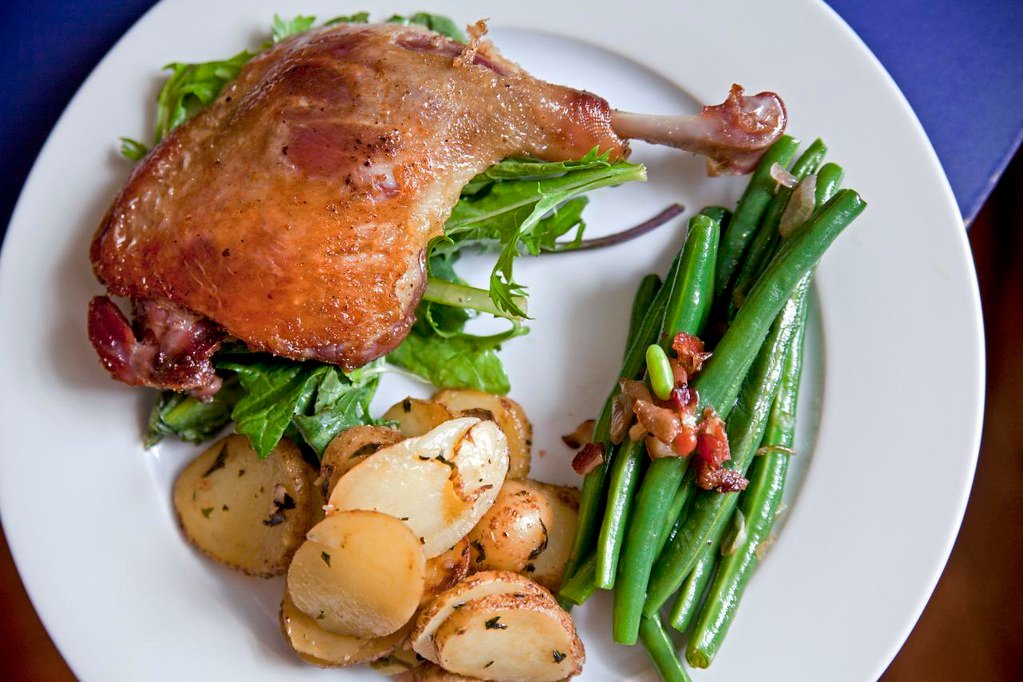
Confit de canard, a delectable dish translated as duck confit, occupies a prominent place within the realm of French gastronomy, celebrated for its unique cooking method and rich flavors. This traditional dish, which involves slowly cooking duck legs in their own fat, has its roots in southwestern France and is emblematic of the region’s culinary heritage. The practice of confit is not just a cooking technique, but rather an embodiment of a greater ethos in the French culinary tradition, highlighting the importance of preserving food in a way that enhances savor and quality.
The cultural significance of confit de canard extends beyond its taste; it serves as a symbol of celebration and community. Frequently gracing the tables during festive gatherings and special occasions, this dish fosters a sense of togetherness among family and friends. Its presence during traditional French feasts illustrates how food can act as a conduit for social interaction, emphasizing the values of sharing and enjoyment inherent in French dining culture. In many households, preparing and consuming confit de canard becomes a cherished ritual, passed down through generations, further solidifying its status as a family favorite.
In addition to its role in home-cooked meals, confit de canard also commands a respected position in fine dining establishments, where chefs take great care in sourcing high-quality, local ingredients. The use of prime duck and rich, flavorful fat not only elevates the dish but also highlights the commitment to culinary excellence in French cuisine. These aspects contribute to the culinary identity of France, where respect for ingredients and traditional cooking methods is paramount. Overall, confit de canard stands as a testament to the depth and richness of French culinary tradition, symbolizing a connection to local resources, community, and festive spirit.
Flavor Profile: The Taste and Texture of Confit de Canard

Confit de canard is a culinary masterpiece that captivates the senses through its unique taste and texture. This iconic dish owes its richness to the slow cooking process, where duck legs are immersed in their own fat, allowing the meat to tenderize while absorbing complex flavors. The result is a sublime taste experience, characterized by savory, rich notes that resonate with the palate. Each bite reveals layers of flavor complexity, including subtle hints of sweetness that balance the dish, making confit de canard a well-rounded gastronomic delight.
The texture of confit de canard significantly contributes to its appeal. The meat is exceptionally tender, almost melting in the mouth, a result of hours of gentle cooking that breaks down the connective tissues. This tenderness contrasts beautifully with the outer layer, which is often crispy and golden brown, achieved by searing the duck skin before serving. The crispy skin envelops the succulent meat, creating a delightful juxtaposition that engages both texture and taste. When prepared correctly, this dish demonstrates a harmonious balance, allowing the flavors and textures to complement each other perfectly.
Confit de Canard in Modern Cuisine: Trends and Variations
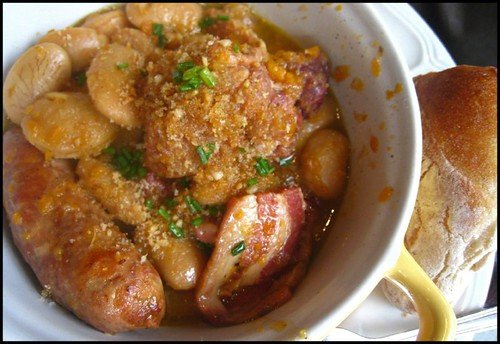
Confit de canard, a classic dish originating from the southwest of France, has undergone significant transformations in modern culinary practices. Chefs and home cooks alike are reinterpreting this traditional delicacy, infusing it with innovative techniques and diverse flavors, which reflect the increasingly globalized food landscape. Contemporary adaptations often involve the incorporation of fusion cuisines, where elements from different culinary traditions come together to create unique variations of this celebrated dish.
One notable trend is the use of alternative cooking methods such as sous-vide, which allows for precise temperature control and enhances the tenderness of the duck meat. This technique not only preserves the rich flavors but also introduces a modern twist to the classic recipe. Additionally, chefs are experimenting with various marinades and spices, combining influences from Asian, Mediterranean, and even Middle Eastern cuisines. This fusion approach has broadened the appeal of confit de canard, allowing it to resonate with a wider audience and fit into contemporary dining experiences.
Furthermore, the globalization of food has led to an increased appreciation for confit de canard beyond French borders. Restaurants around the world have embraced this delectable dish, adapting it to local ingredients and culinary styles. In cities where French cuisine has taken root, one can find innovative presentations of confit de canard, from gourmet tacos to Asian-inspired bowls. The rise of artisanal and homemade confit options has also garnered attention, appealing to those who seek authenticity and craftsmanship in their culinary experiences.
Ultimately, confit de canard remains a dish rich in history, yet continuously evolving. By blending traditional techniques with modern innovations, chefs are paying homage to its roots while showcasing the versatility of this remarkable dish. In this dynamic culinary environment, confit de canard is not just a relic of the past but a vibrant component of modern cuisine.