

- The Origin of Foul Muddamas
- Cultural Significance and Traditions
- Unique Flavors of Foul Muddamas
- Textures and Consistency
- Visual Appeal and Presentation
- Preparation and Cooking Techniques
- Serving Suggestions and Accompaniments
- Health Benefits of Foul Muddamas
- Conclusion: The Enduring Appeal of Foul Muddamas
The Origin of Foul Muddamas
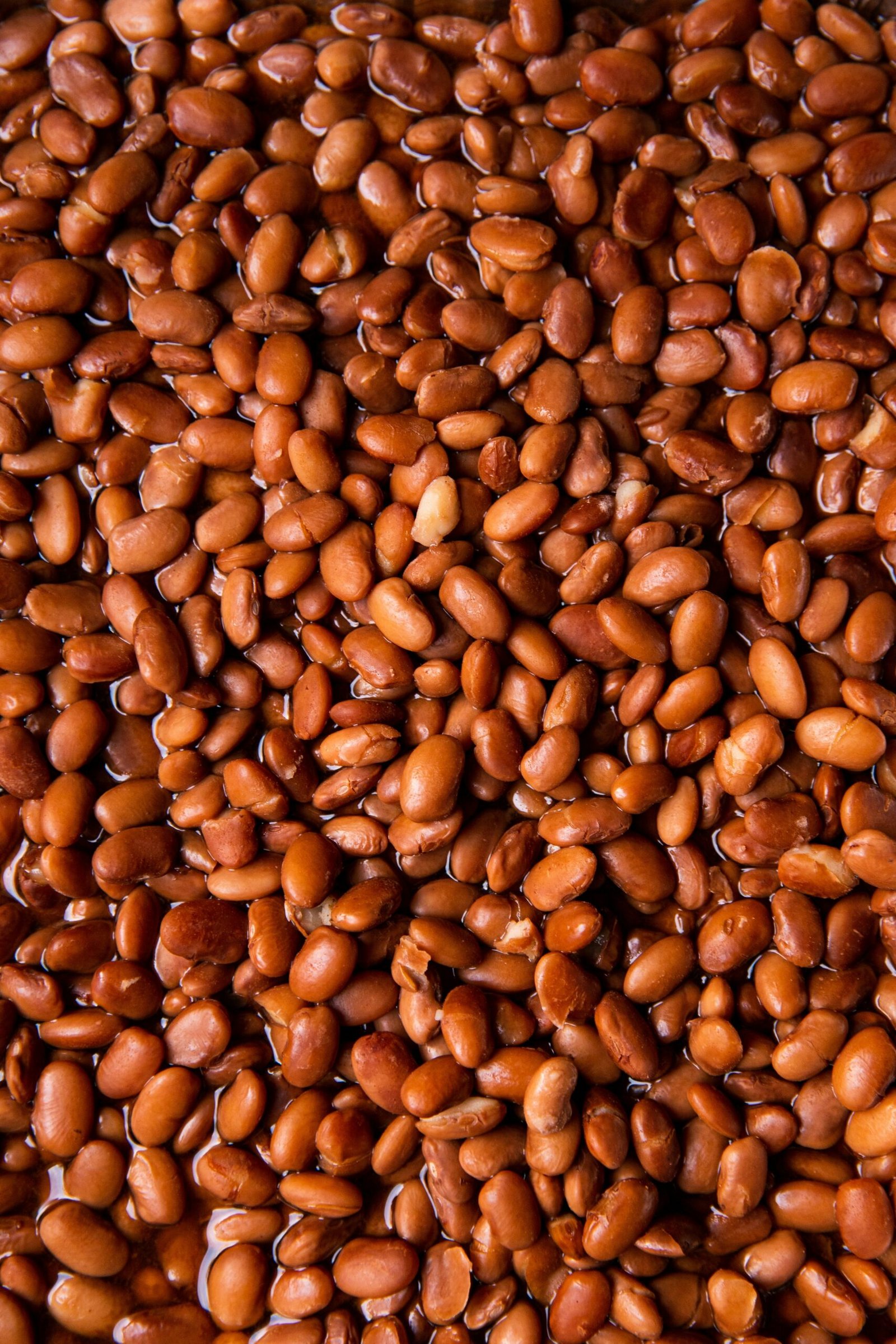
Foul Muddamas, a dish deeply entrenched in the culinary traditions of the Middle East, can trace its origins back to ancient Egypt. This hearty fava bean dish, known for its rich flavor and nutritional value, has stood the test of time, evolving from a humble meal of ancient farmers to a staple across Arabic and Mediterranean cuisines. The name ‘Foul’ itself derives from the Arabic word for fava beans, underscoring the ingredient’s central role in this dish. Its historical significance is not only culinary but also cultural, often serving as a bridge between various regions and communities.
Traditionally, foul muddamas was prepared by cooking dried fava beans slowly in an earthenware pot, often under the heat of an open fire. This method allowed the beans to soften gradually while absorbing spices and local flavors. Over the centuries, foul muddamas has been adapted with various ingredients, including garlic, lemon, and olive oil, each lending distinct aromas and flavors that reflect regional preferences. The introduction of ingredients like tahini and cumin in modern recipes speaks to the dish’s flexibility and the culinary dialogue between various cultures.
As trade routes flourished, foul muddamas spread from Egypt to neighboring countries, including Lebanon, Syria, and beyond. It became especially popular as an affordable, nutritious option for breakfast or any meal of the day, highlighting its role in the dietary practices of many families. Today, foul muddamas remains a symbol of hospitality, often served as a shared dish among family and friends. Its enduring popularity is a testament to its rich history and the diversity of flavors it embodies, further solidifying its place in the tapestry of Middle Eastern cuisine.
Cultural Significance and Traditions
Foul muddamas is more than just a dish; it has evolved into a symbol of cultural heritage and communal bonding in various societies, particularly in the Middle East and North Africa. Traditionally, foul muddamas is served as a hearty breakfast, often enjoyed by families and friends. This meal serves as an essential component in many households, signifying warmth, togetherness, and hospitality. Shared meals have long been a staple in cultural practices, and foul muddamas exemplifies this concept beautifully.
During the holy month of Ramadan, the role of foul muddamas is amplified, as it becomes a vital part of Iftar, the meal that breaks the fast. Families gather to share this nutritious dish after hours of abstaining from food and drink, making it a centerpiece of social interaction. The preparation of foul muddamas can involve various ceremonies, with family members participating in either its cooking or the gathering to enjoy it together. These communal practices reinforce familial bonds and foster a sense of belonging within the community.
Anecdotes about foul muddamas often highlight its versatility and adaptability. From regional variations featuring different spices to optional toppings such as olive oil, lemon juice, and fresh herbs, the dish can be customized to reflect local tastes. As such, it represents the rich tapestry of Arabic culture, bridging gaps between different communities while honoring individual traditions. Moreover, it serves as a conduit for passing down culinary knowledge through generations, underscoring its role in family traditions.
In essence, foul muddamas transcends mere sustenance, embodying a shared experience that enriches cultural identity. Its presence at family gatherings and community celebrations reflects the deep-rooted significance this dish holds across various societies. The practice of enjoying foul muddamas together encapsulates the spirit of unity, making it an integral part of the social fabric in many cultures.
Unique Flavors of Foul Muddamas
Foul muddamas is a traditional Middle Eastern dish, primarily comprising fava beans that bring a hearty base to this popular meal. The flavor profile of foul muddamas is defined by the careful combination of these beans with an array of spices and condiments that elevate its taste and make it a unique culinary experience. Central to the dish’s flavor are ingredients such as garlic, lemon juice, and olive oil, each contributing its character to create a delightful medley.
Garlic infuses a pungent depth into the dish, often roasted or sautéed to bring out its sweetness, which contrasts beautifully with the earthy notes of the fava beans. Lemon juice adds a bright acidity that enhances flavors, making each bite refreshing and appetizing. Olive oil, a staple in Mediterranean cuisine, imparts richness and a smooth mouthfeel, tying together the various components of the dish. These ingredients do not merely complement one another but rather create an intricate interplay of flavors that delights the palate.
The versatility of foul muddamas extends beyond its core ingredients, as various toppings and regional variations introduce additional dimensions to its taste. For instance, one might encounter versions embellished with fresh herbs such as parsley and mint, which offer a burst of freshness. Alternatively, adding cumin or chili peppers can imbue the dish with warmth and complexity. These regional adaptations highlight how foul muddamas can cater to personal preferences and local tastes, from the more traditional rustic preparations to modern interpretations with creative flair.
In essence, the unique flavors of foul muddamas stem from its masterful blend of fava beans and complementary ingredients. This dish’s adaptability not only showcases the richness of Middle Eastern cuisine but also invites diners to explore its diverse representations across different cultures.
Textures and Consistency
Foul muddamas, a beloved dish originating from Egyptian cuisine, offers a unique and delightful combination of textures that tantalize the palate. At its core, foul muddamas is made from cooked fava beans, which have a creamy and velvety consistency. This creaminess results from a slow cooking process that allows the beans to soften and absorb flavors, creating a warm, comforting base that is both hearty and satisfying. The smooth texture of the fava beans hugs the taste buds and forms the perfect canvas for the accompanying toppings.
In contrast, the toppings typically served with foul muddamas—such as fresh vegetables, herbs, and nuts—introduce a crunchy dimension that enhances the overall dining experience. The inclusion of diced tomatoes, cucumbers, and robust herbs like parsley or cilantro not only adds visual appeal but also provides a refreshing crunch that balances the creaminess of the beans. The interplay between the smoothness of the fava beans and the crispness of the toppings creates a delightful tactile experience. Each bite is a harmonious blend of textures that captivates the senses.
Moreover, different preparation methods can further influence the consistency of foul muddamas. For example, some may prefer a thicker mixture, where the beans are mashed to a creamier consistency, while others might opt for a more soupy version, where the broth allows the flavors to meld together beautifully. The thickness of the dish can alter how each bite feels, contributing to individual preferences. Thus, foul muddamas serves as an excellent exemplar of how texture plays a crucial role in enhancing the overall flavor profile and enjoyment of a dish.
Visual Appeal and Presentation
The visual appeal of foul maddamas plays a significant role in enhancing the overall dining experience. This traditional Egyptian dish is renowned not only for its robust flavors but also for its captivating presentation. The components of foul maddamas are carefully arranged to create a striking plate that is both appetizing and aesthetically pleasing. The base of the dish consists of earthy, vibrant beans, typically fava beans, which present a rich, warm brown hue. This earthy tone is complemented by a medley of colorful garnishes that contribute to the dish’s allure.
Among the garnishes, ingredients such as fresh parsley, diced tomatoes, and slices of onion add vibrant green, red, and white tones, respectively. The contrasting colors not only encourage the appetite but also illustrate the freshness of the ingredients used. A drizzle of high-quality olive oil adds a glossy finish while enhancing the aroma, inviting diners to indulge in the dish. Additionally, the use of spices, such as cumin and paprika, introduces an added layer of color and depth to the presentation.
The importance of plating in foul maddamas cannot be overstated. A thoughtfully arranged dish elevates the dining experience, making it more than just a meal, but rather an art form. Chefs often take care to create height and structure, allowing each ingredient to shine in its own right, while still contributing to the harmony of flavors. Thus, the way foul maddamas is presented not only plays an essential role in attracting the diners’ eyes but also influences their expectations regarding taste.
Ultimately, the visual aspect of foul maddamas reinforces its cultural significance as a beloved dish that embodies tradition and craftsmanship in Egyptian cuisine.
Preparation and Cooking Techniques
Foul muddamas, a staple in Middle Eastern cuisine, is primarily made from fava beans, which are celebrated for their nutritional value and rich flavor. The preparation of foul muddamas begins with selecting high-quality dried fava beans, preferably organic, to ensure a superior taste and texture. Once selected, the beans should be properly rinsed and then soaked in water for several hours or overnight. This soaking process not only shortens the cooking time but also enhances the beans’ digestibility.
After soaking, the fava beans are drained and placed in a large pot. Traditional cooking methods involve slow cooking, which helps develop a rich, complex flavor profile. For optimal results, cover the beans with fresh water and bring them to a boil before reducing the heat to allow them to simmer gently. Depending on the desired texture, the cooking process typically takes between 1.5 to 2 hours. Throughout this time, it is essential to periodically check the beans, adding water as necessary to prevent them from drying out.
To enhance the flavor of foul muddamas, various spices and additives can be included during the cooking process. Common seasonings include garlic, lemon juice, cumin, and olive oil, all of which contribute to the dish’s aromatic appeal. For those who enjoy a bit of heat, incorporating chopped chili peppers can elevate the flavor profile significantly. Additionally, some cooks might choose to prepare the dish by using a pressure cooker, which can reduce cooking time considerably while maintaining the beans’ integrity.
Once cooked to perfection, foul muddamas can be served warm or at room temperature. It is often garnished with fresh herbs, diced tomatoes, and a drizzle of olive oil to enhance both the visual appeal and flavor. By following these traditional preparation and cooking techniques, both novice and experienced cooks can recreate this beloved dish with confidence.
Serving Suggestions and Accompaniments
Foul muddamas, a classic dish revered in Middle Eastern cuisine, is typically enjoyed as part of a hearty breakfast or a light meal. Serving this flavorful bean dish with the right accompaniments can enhance the overall dining experience. Traditionally, foul muddamas is accompanied by warm pita bread, which serves as an excellent tool for scooping up the rich and seasoned beans. The soft texture of the pita complements the creaminess of the foul, providing a balanced flavor profile that is both satisfying and nutritious.
In addition to pita bread, adding pickles to the meal can introduce a tangy contrast that enhances the dish’s savory notes. Pickled vegetables, particularly turnips and cucumbers, offer a crunchy texture and vibrant color, making the plate visually appealing. Furthermore, a selection of fresh salads, such as tabbouleh or a simple cucumber and tomato salad, can provide freshness and lightness to the meal. These salads, often seasoned with lemon juice and olive oil, play a significant role in highlighting the wholesome ingredients of foul muddamas.
For those wishing to elevate their dining experience further, consider incorporating additional toppings like a drizzle of tahini or a sprinkle of crumbled feta cheese. Tahini adds a nutty richness, while feta brings a salty kick, both of which can enhance the dish’s flavors without overwhelming its essential characteristics. Olive oil is another popular accompaniment, lending a smooth finish when drizzled over the foul muddamas just before serving.
Ultimately, creating a well-rounded meal centered around foul muddamas involves combining these diverse components. Each element plays an integral role in balancing flavors and textures, ensuring a memorable and fulfilling dining experience. By thoughtfully selecting accompanying dishes, one can truly celebrate the culinary delights that foul muddamas has to offer.
Health Benefits of Foul Muddamas
Foul muddamas, a traditional dish made from fava beans, is celebrated not only for its rich flavor but also for its remarkable nutritional profile. This dish is hailed as an excellent source of plant-based protein, which is essential for muscle growth, repair, and overall health. A typical serving contains a significant amount of protein, making it an ideal option for vegetarians and those seeking to reduce their meat consumption while still meeting their dietary requirements.
In addition to its high protein content, foul muddamas is also rich in dietary fiber. Fiber plays a crucial role in digestive health, helping to regulate bowel movements and prevent constipation. A diet high in fiber can also contribute to weight management by promoting feelings of fullness, which may deter overeating. The inclusion of foul muddamas in meals can thus support weight loss efforts and offer a satiating alternative to less nutritious options.
Moreover, this dish is loaded with essential vitamins and minerals. Fava beans are a good source of iron, which is vital for transporting oxygen in the blood, as well as potassium, which helps in maintaining healthy blood pressure levels. Antioxidants found in fava beans can also provide various health benefits, including reducing oxidative stress and lowering the risk of chronic diseases.
Foul muddamas fits seamlessly into a Mediterranean diet, which emphasizes whole foods, healthy fats, and vegetables. Its inclusion can enhance the overall nutrient intake of those adhering to this dietary pattern. Consequently, foul muddamas is not only a delightful culinary experience but also a wholesome food choice that contributes to a balanced diet, particularly for health-conscious individuals.
Conclusion: The Enduring Appeal of Foul Muddamas
Foul Muddamas, a staple in Middle Eastern cuisine, has garnered admiration not only for its unique flavors but also for its rich cultural significance. Throughout this review, we have explored the dish’s ingredients, traditional preparation methods, and regional variations, all of which contribute to its enduring appeal. As a protein-rich dish, foul muddamas serves as a perfect example of how culinary practices can be deeply rooted in history while also evolving over time.
The flavors of foul muddamas are multifaceted, combining the earthy essence of fava beans with a medley of spices, herbs, and condiments such as garlic, lemon juice, and olive oil. This combination not only enhances the taste but also contributes to the dish’s nutritional profile, making it a popular choice among health-conscious individuals. Its versatility allows for various adaptations, catering to different palates and dietary preferences, which adds to its widespread acceptance across diverse cultures.
Moreover, foul muddamas embodies the communal spirit of dining in the Middle East. It is often served as part of a larger spread of dishes during meals, fostering connections among family and friends. The act of sharing this dish offers an opportunity to engage in conversation and celebrate togetherness, thereby reinforcing its place within social traditions.
In encouraging readers to explore foul muddamas, we highlight not only its culinary delights but also urge an appreciation for its role in cultural heritage. As more people discover this dish, they become part of a larger narrative that connects generations and regions. Whether enjoyed in a local restaurant or prepared at home, foul muddamas promises a rich taste of the Middle Eastern culinary landscape, inviting everyone to partake in its fascinating history.