
- The Origin of Gnocchi: A Historical Perspective
- Cultural Significance of Gnocchi in Italian Cuisine
- Unique Flavors: The Ingredients That Make Gnocchi Special
- Textures of Gnocchi: A Sensory Experience
- The Visual Appeal of Gnocchi: A Feast for the Eyes
- The Appearance of Gnocchi: Characteristics of Quality Dumplings
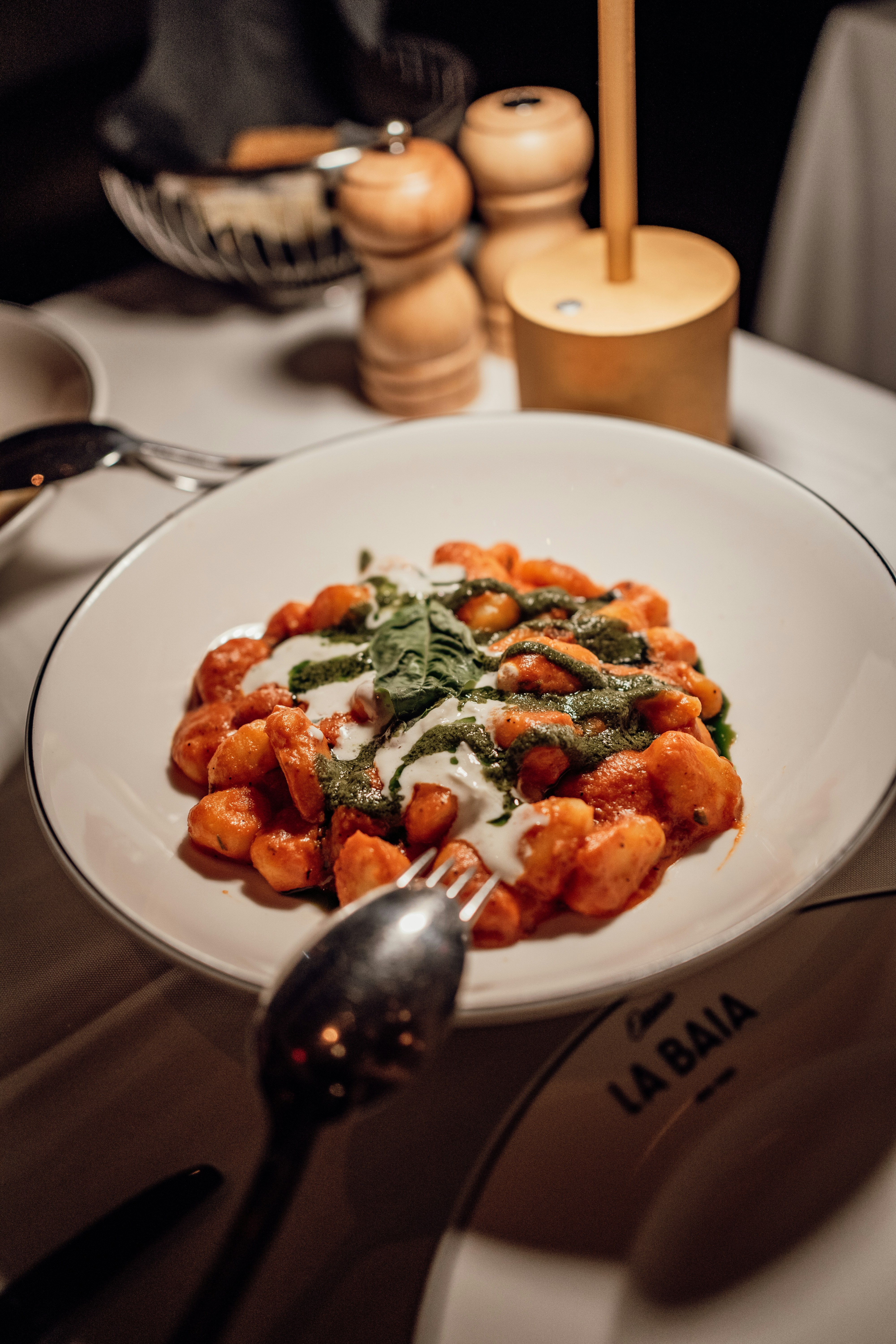
- Plating Gnocchi: Techniques for a Gourmet Touch
- Pairing Gnocchi with Sauces: Finding the Perfect Match
- Crafting Your Own Gnocchi: A Simple Guide for Home Cooks
The Origin of Gnocchi: A Historical Perspective
Gnocchi, a staple of Italian cuisine, has a rich and varied history that dates back to ancient times. The origins of gnocchi can be traced back to the Roman Empire, where similar dumpling-like dishes were made from a mixture of flour and water, often called “gnocchi di semola.” These early versions, however, lacked the defining ingredient that would later revolutionize the dish: the potato. It was not until the introduction of the potato by Spanish explorers in the late 16th century that gnocchi began to evolve into the beloved dish we know today.
In the regions of Northern Italy, particularly in areas like Liguria and Trentino, the adaptation of this newfound ingredient marked a significant shift. Here, the potato became the primary component, leading to the creation of the classic potato gnocchi as we know it. Over the years, variations emerged, with various regions putting their own spin on the dish, incorporating local ingredients such as ricotta, spinach, and different types of flour. This regional variety is a testament to Italy’s diverse culinary landscape and cultural influences, as each area’s unique history and resources played a crucial role in shaping its version of gnocchi.
Notable milestones in the history of gnocchi are also intertwined with cultural exchanges, particularly during periods of migration and globalization. As Italians emigrated to different parts of the world, they took their beloved gnocchi with them, leading to the introduction of various adaptations across continents. This dissemination not only contributed to the global popularity of gnocchi but also encouraged the fusion of flavors and ingredients, resulting in innovative culinary interpretations. Understanding the historical lineage of gnocchi offers insights into its enduring appeal, revealing how a simple dumpling could achieve such global recognition and admiration.
Cultural Significance of Gnocchi in Italian Cuisine
Gnocchi occupies a special place in the heart of Italian cuisine, serving not merely as a popular dish but as a symbol of familial bonds and cultural heritage. This traditional pasta, made primarily from potatoes, flour, and eggs, has transcended its role as food; it embodies togetherness and shared experiences. Across Italy, families gather to prepare and enjoy gnocchi, particularly during significant occasions such as Sunday dinners, family reunions, and festive holidays.
In many Italian households, the process of making gnocchi is a cherished tradition passed down through generations. Family members often come together to knead the dough, shape the pieces, and sprinkle them with flour in a joyful atmosphere of laughter and storytelling. Such gatherings are not only about creating a meal but also about reinforcing family ties and preserving cultural practices. For many, these rituals evoke memories of loved ones and a profound connection to their Italian roots.
The significance of gnocchi is poignantly felt during traditional Italian holidays. For instance, on the night of the Epiphany, families celebrate with a hearty gnocchi dish, marking the end of festive celebrations. Similarly, during special occasions like Christmas and Easter, gnocchi often features prominently on the dinner table, enhancing the celebratory atmosphere. These practices reinforce gnocchi’s role as a symbol of unity and a shared love for culinary tradition.
Testimonials from Italian families further illustrate this sentiment. Many recount stories of their grandparents teaching them the art of gnocchi-making, emphasizing how these moments foster a sense of identity and belonging. Such narratives highlight how this simple dish, rich in history and flavor, serves as a conduit for cultural expression and familial love across the diverse regions of Italy.
Unique Flavors: The Ingredients That Make Gnocchi Special
Gnocchi is a beloved dish with rich culinary heritage, primarily originating from Italy. The fundamental ingredient for traditional potato gnocchi is, unsurprisingly, the potato itself. The starchy nature of potatoes provides the right texture, ensuring that the gnocchi is light and fluffy. Additionally, the type of potato used plays a significant role in the taste; starchy potatoes, such as Russets, are commonly preferred due to their ability to yield a softer gnocchi.
In contrast, ricotta gnocchi has gained popularity, crafted from ricotta cheese instead of potatoes. This variation introduces a creamy depth of flavor, making the gnocchi rich and indulgent. Similar to its potato cousin, using quality ricotta enhances the overall cooking experience and final taste. Both versions underscore the importance of essential ingredients in influencing the final product.
Seasonal variations also contribute unique flavors to gnocchi. For instance, pumpkin gnocchi is particularly popular in the autumn months, infusing the dish with a subtle sweetness and vibrant hue. By adding spices like nutmeg or cinnamon to the pumpkin mixture, cooks can elevate the flavor profile further, creating a comforting dish ideal for cooler weather. Furthermore, gluten-free gnocchi made from alternatives like rice flour or cauliflower is becoming increasingly popular, catering to those with dietary restrictions while still offering a delightful taste experience.
Regional influences play a crucial role in shaping the diverse flavors of gnocchi as well. In different parts of Italy, cooks may experiment with local ingredients such as spinach, beetroot, or even seafood, further showcasing the versatility of gnocchi. Thus, the multitude of ingredients available to create gnocchi profoundly impacts not just the dish itself, but the cultural context in which it is enjoyed. Through these variations, gnocchi offers a culinary experience that is both rich in tradition and flavor.
Textures of Gnocchi: A Sensory Experience
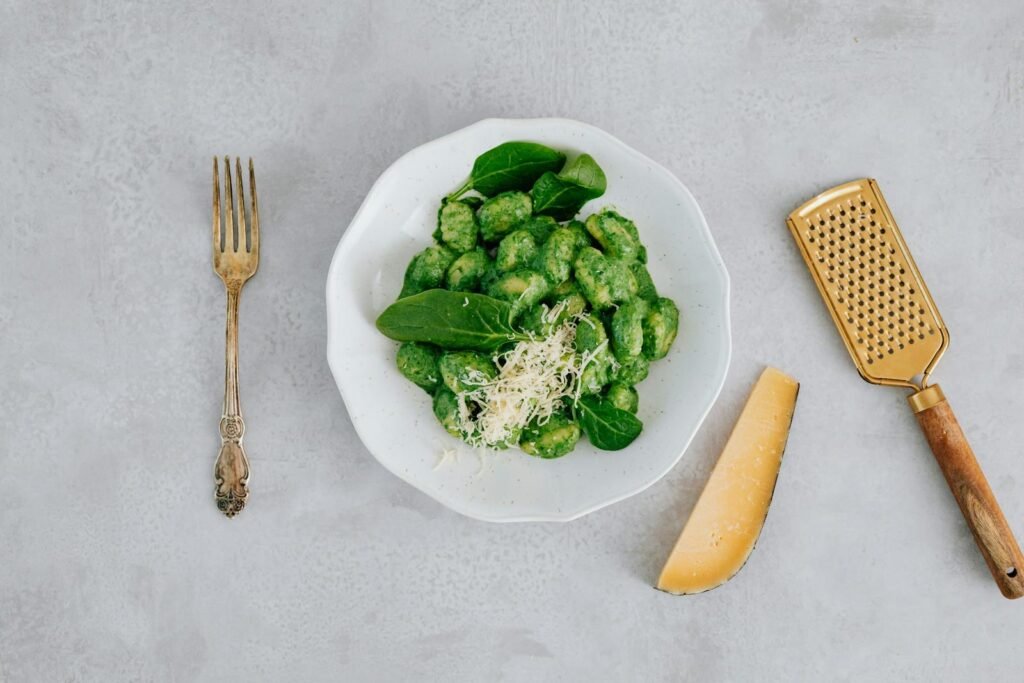
Gnocchi, a beloved Italian dumpling, presents a unique sensory experience that captivates the palate through its diverse textures. The traditional potato gnocchi, often hailed for its soft and pillowy nature, is a consummate example of how texture can enhance a dish’s overall enjoyment. Made primarily from cooked potatoes, flour, and eggs, these dumplings are light and tender, providing a mouthfeel that is comforting and satisfying. The subtle resilience offered by well-prepared gnocchi allows for a pleasurable contrast against various sauces, creating a harmonious balance on the tastebuds.
However, beyond the classic iteration, gnocchi can take on a myriad of textures, largely dependent on the preparation method used. For instance, gnocchi that is lightly pan-fried or baked emerges with a crisp exterior, developing a delightful contrast to the tender inside. This technique not only enhances the overall flavor profile but also adds a satisfying crunch that elevates the dish. The outer crispiness complements richer sauces like sage-butter or creamy Alfredo, bringing forth a multi-layered tasting experience that keeps diners engaged.
Moreover, the choice of ingredients plays a crucial role in the resultant texture of gnocchi. Variations such as ricotta gnocchi or semolina gnocchi offer distinct characteristics; ricotta provides a softer texture, while semolina can yield a firmer bite. Such diversity allows chefs to experiment with flavor combinations and presentation styles, catering to different preferences and occasions. Ultimately, the texture of gnocchi not only impacts the enjoyment of the dish but also influences how it pairs with sauces and toppings, making this humble dumpling a versatile foundation in culinary practices.
The Visual Appeal of Gnocchi: A Feast for the Eyes
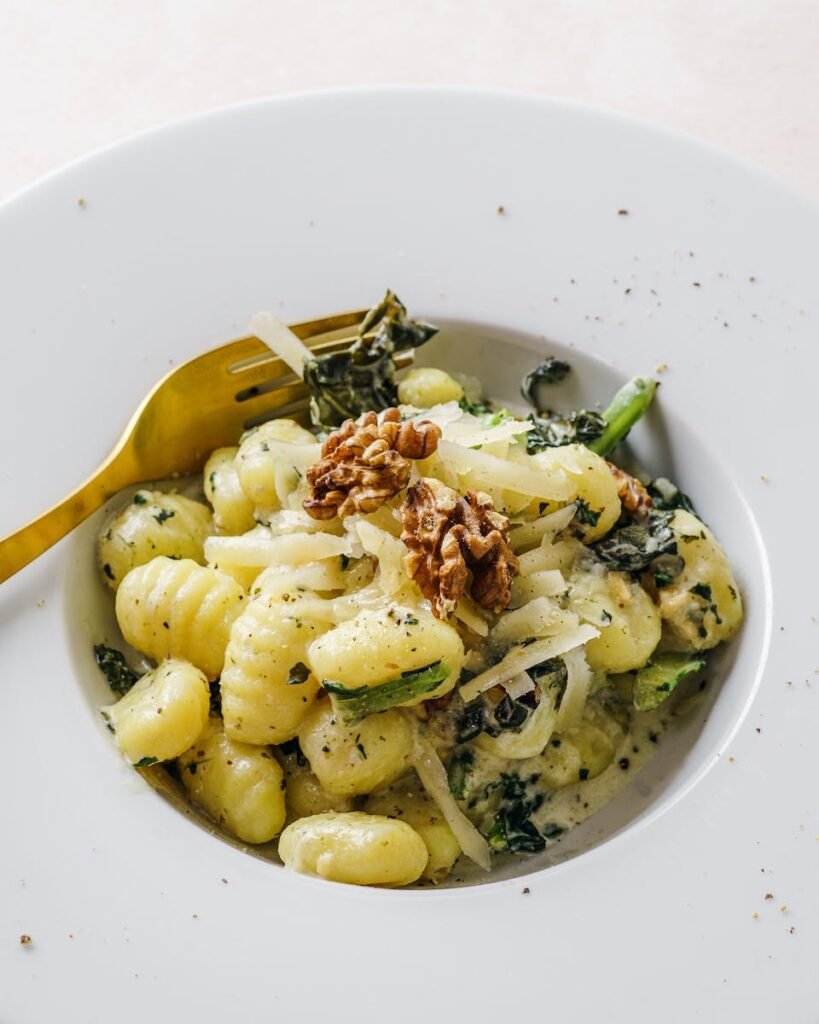
The presentation of gnocchi plays a pivotal role in the overall dining experience, often transforming a simple plate of food into a masterpiece. The culinary artistry involved in plating gnocchi can elevate it from a humble Italian staple to a gourmet dish that tantalizes not only the taste buds but also the visual senses. The choice of sauce, garnishes, and the arrangement on the plate can profoundly influence the aesthetics of the dish.
One key element in presenting gnocchi beautifully is the color contrast. For example, a light sauce, such as a delicate Parmesan cream, can enhance the soft, earthy tones of the gnocchi itself. Pairing this with vibrant ingredients like fresh basil or sun-dried tomatoes can create a feast for the eyes. Similarly, incorporating colorful vegetables, such as roasted bell peppers or sautéed greens, adds not just flavor but also a visual pop that grabs attention and invites indulgence.
Texture is another significant aspect of visual appeal; garnishes such as crispy shallots or toasted pine nuts introduce an additional layer of complexity that can entice diners. The arrangement on the plate should also be considered carefully. Creating height or using a circular motion when placing the gnocchi can lead to a more dynamic presentation. A drizzle of sauce around the edge or a sprinkle of fresh herbs can enhance the elegance of the dish as well.
To truly showcase gnocchi’s visual potential, chefs and home cooks alike can experiment with various serving ware. Opting for colorful plates or minimalist designs can amplify the appearance of the dish. The goal is to engage the viewer’s senses even before the first bite is taken, creating anticipation and excitement. By prioritizing visual appeal, one can transform a simple gnocchi meal into an exquisite culinary experience that is pleasing to the eyes and the palate alike.
The Appearance of Gnocchi: Characteristics of Quality Dumplings
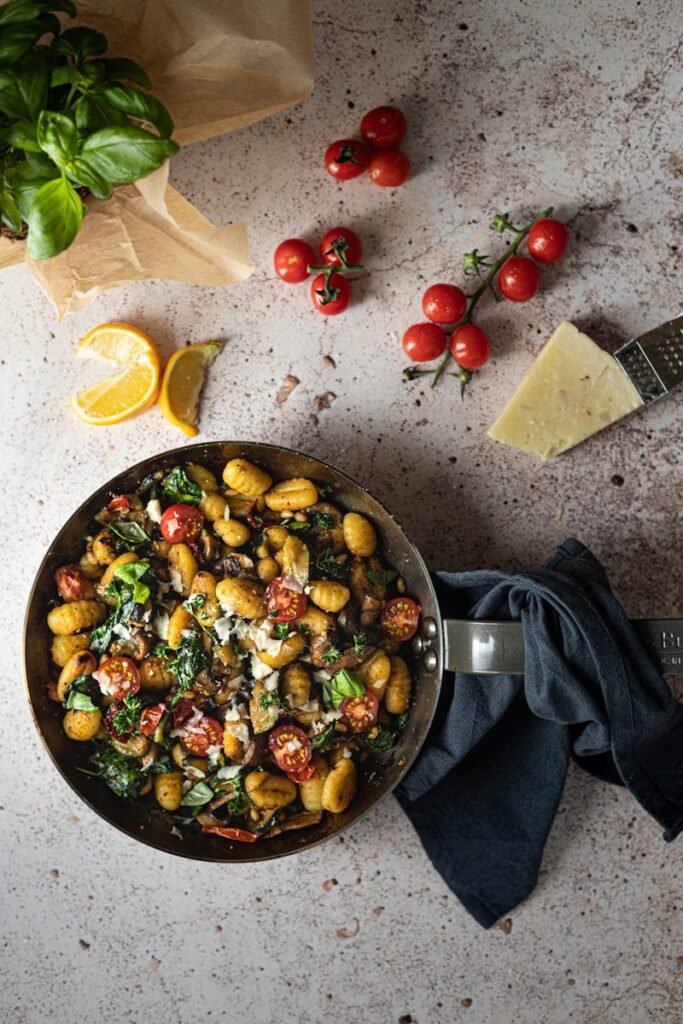
Gnocchi, a beloved Italian dish, can be distinguished by several key characteristics that define its quality and authenticity. These small dumplings are typically made from ingredients such as potatoes, flour, and eggs, which contribute to their unique texture and flavor profile. The appearance of gnocchi plays a crucial role in its overall quality, influencing both its cooking methods and the final dish presentation.
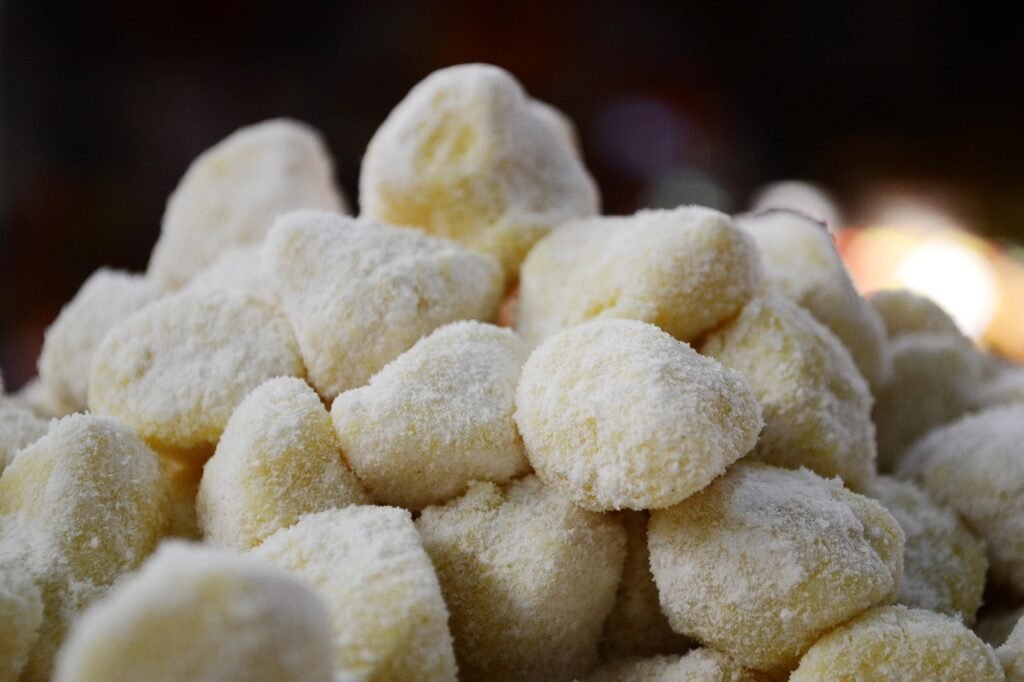
One of the most notable aspects of gnocchi is its shape. Traditionally, quality gnocchi are shaped into small, oval or pillow-like forms. This shape not only enhances the dumpling’s aesthetic appeal but also facilitates even cooking. In handcrafted gnocchi, the slight irregularities in shape are a testament to human touch and can add to their charm. Conversely, commercially produced gnocchi may exhibit more uniformity in shape and size, which caters to mass production but may lack the character of artisanal versions.
Size is another significant factor to consider when judging the quality of gnocchi. Typically, high-quality gnocchi are small, about the size of a thumb or a grape, allowing for quick cooking in boiling water. Larger dumplings may remain uncooked in the center, leading to inconsistent textures in the final dish. Moreover, texture is paramount; a well-prepared gnocchi should have a slight firmness that gives way smoothly to a tender bite. The flour-to-potato ratio is essential in achieving the desired lightness, and a sticky, overly dense gnocchi indicates poor quality.
Understanding these characteristics can greatly enhance one’s appreciation for gnocchi. The right shape, size, and texture contribute not only to the aesthetic value but also influence the cooking techniques employed, guiding chefs and home cooks alike in crafting a satisfying and authentic culinary experience. Quality gnocchi is not merely a dish but a representation of tradition and skill in Italian cuisine.
Plating Gnocchi: Techniques for a Gourmet Touch
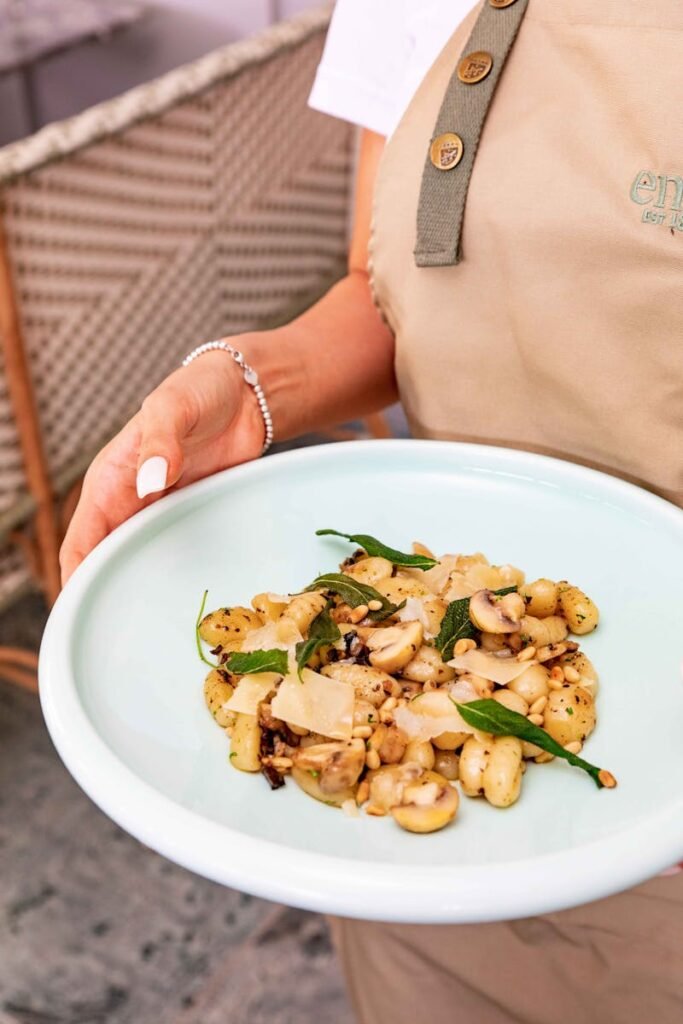
Plating is an essential aspect of culinary presentation that elevates a dish from mere sustenance to an exquisite dining experience. When it comes to gnocchi, thoughtful plating can significantly enhance the visual appeal and overall enjoyment of this beloved dish. Understanding the nuances of different plate shapes, layering, and garnishing can transform gnocchi into an artful creation on the plate.
To begin with, the shape of the plate can influence the presentation of gnocchi. A wide, shallow bowl often offers ample space to arrange gnocchi, while a more ornate plate can add sophistication. Consider using contrasting colors, such as a white plate to highlight colorful sauce variations or a dark plate for a more dramatic effect. This choice provides a canvas that complements the dish and draws attention to the delicate form of the gnocchi.
Layering is another effective technique when plating gnocchi. Begin by placing a base layer, such as a rich tomato sauce or creamy pesto, and arrange the gnocchi thoughtfully on top. This not only makes the dish visually appealing but also allows the complementary flavors to meld. For example, incorporate sautéed vegetables or greens between layers to add dimension and an extra burst of color. The interplay of textures—soft gnocchi with crispy elements like fried sage or breadcrumbs—can also create a delightful contrast.
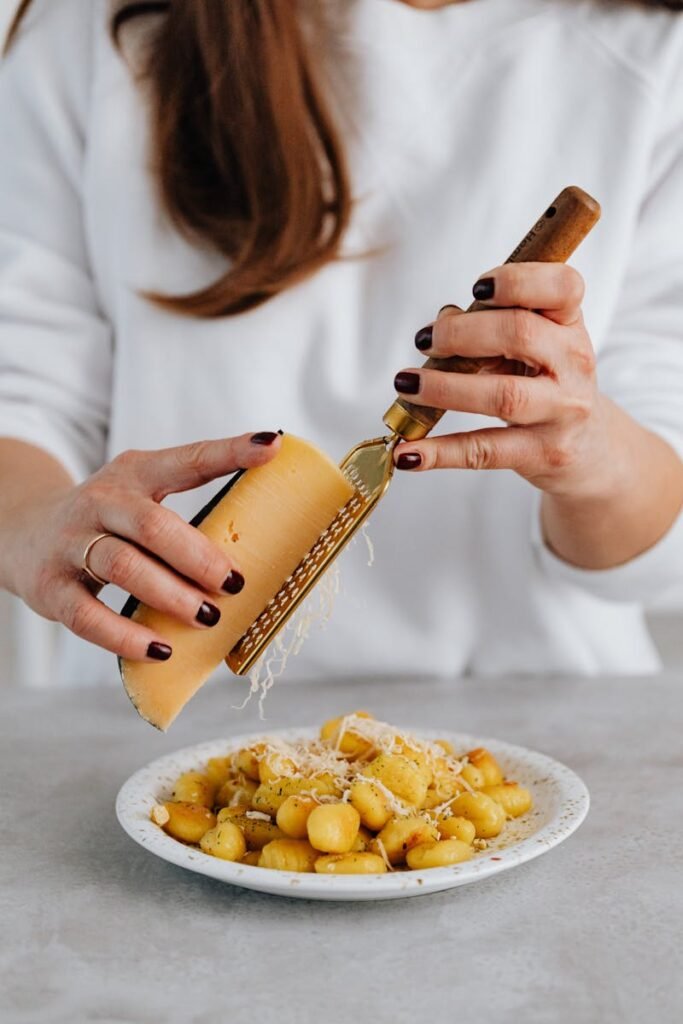
Garnishing plays a crucial role in the final presentation of gnocchi. Fresh herbs, such as basil or parsley, can add a pop of color and a fragrant aroma, while edible flowers can introduce an element of sophistication and whimsy. A drizzle of high-quality olive oil or a sprinkle of grated cheese can serve as finishing touches that enhance not only the aesthetic but also the overall taste experience. By employing these techniques, the plating of gnocchi becomes not just a technique but a creative expression that delights the diner from the moment they behold the dish.
Pairing Gnocchi with Sauces: Finding the Perfect Match
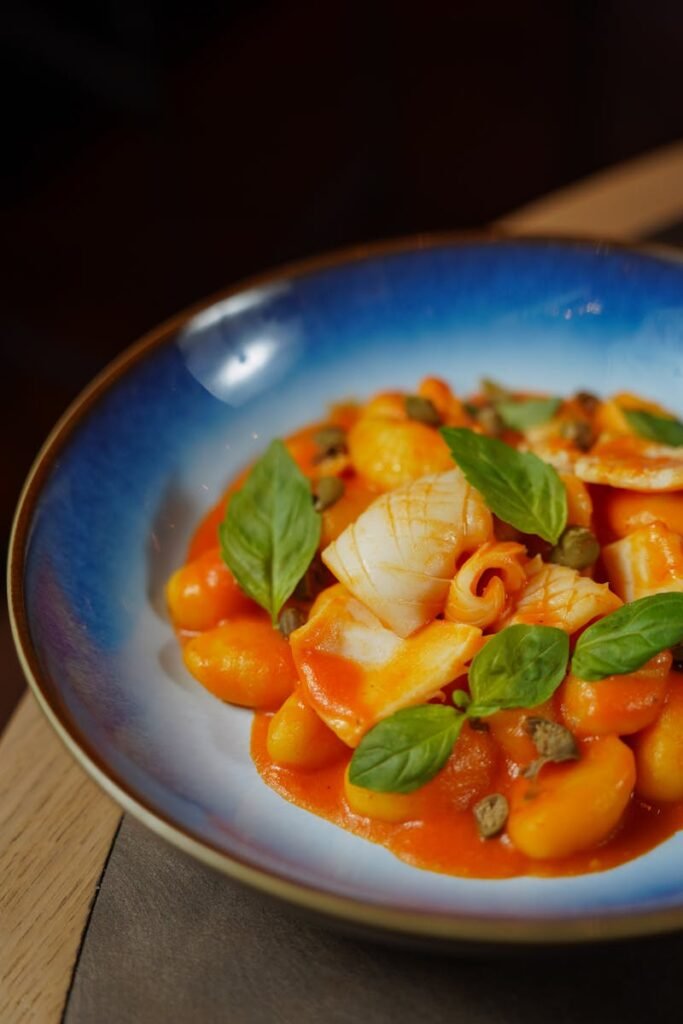
Gnocchi, a delightful Italian dumpling made from potatoes, flour, and eggs, serves as the perfect canvas for a variety of sauces. The right sauce not only enhances the flavor of the gnocchi but also elevates the overall dining experience. Understanding the significance of sauce pairing is essential for any culinary enthusiast eager to embark on a flavorful journey through this beloved dish.
Traditional pairings, such as marinara sauce, provide a classic and vibrant complement to gnocchi. The acidity of the tomatoes balances the richness of the gnocchi, creating a harmonious blend of flavors. A simple homemade marinara, infused with garlic and fresh basil, can significantly enhance the overall taste, making it a staple in Italian cuisine.
Another timeless favorite is pesto, which pairs excellently with gnocchi’s soft texture. The aromatic flavors of basil, pine nuts, and Parmesan in the pesto bring a fresh, herbaceous quality that beautifully contrasts with the dumpling’s density. This combination can serve as a delightful alternative, especially during warmer months when a lighter dish is preferred.
Sage brown butter offers another innovative option for gnocchi enthusiasts. This combination is particularly appealing, as the nutty flavor of the browned butter mingles with the sage’s earthiness, complementing the potato’s subtle sweetness. This pairing is both comforting and sophisticated, perfect for a cozy evening meal.
For those seeking a creamier approach, cream-based sauces can provide a rich and luxurious option. From Alfredo to gorgonzola sauce, the creamy texture envelops the gnocchi, resulting in a decadent dish. When paired thoughtfully, these sauces can highlight the unique characteristics of various gnocchi types, such as potato, spinach, or ricotta.
In conclusion, the right sauce can transform a simple plate of gnocchi into a culinary masterpiece. By experimenting with traditional and innovative sauces, one can find the perfect match that enhances the flavors and textures of these beloved Italian dumplings.
Crafting Your Own Gnocchi: A Simple Guide for Home Cooks
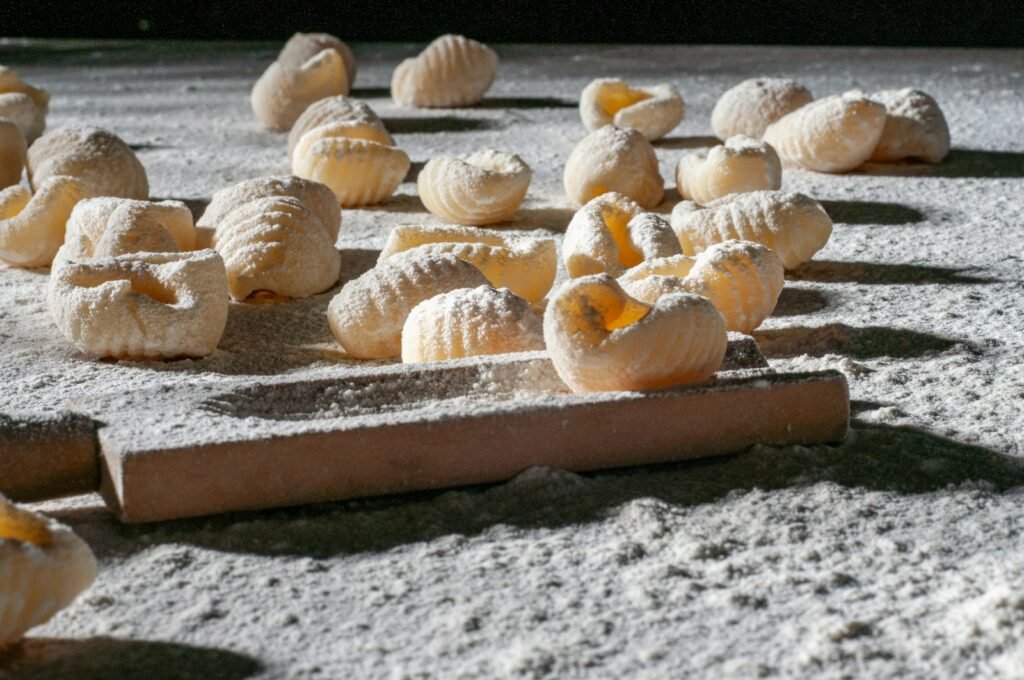
To embark on your gnocchi-making journey, begin by gathering the essential ingredients: potatoes, all-purpose flour, and eggs. The type of potatoes is crucial; starchy varieties, such as Russets or Yukon Gold, yield the best results due to their ability to create a light and airy texture. Start by boiling 2 pounds of potatoes with their skins on until tender. Once cooked, allow the potatoes to cool slightly before peeling them.
Next, pass the peeled potatoes through a potato ricer or mash them until smooth. It is imperative to avoid lumps, as they can lead to an uneven gnocchi texture. After preparing the potatoes, spread them on a clean surface in a mound, then create a well in the center. Add one egg and a pinch of salt, then start incorporating flour gradually, about 1 to 1.5 cups in total. Knead the mixture gently until it forms a soft dough, being careful not to overwork it. Over-kneading can lead to a dense final product.
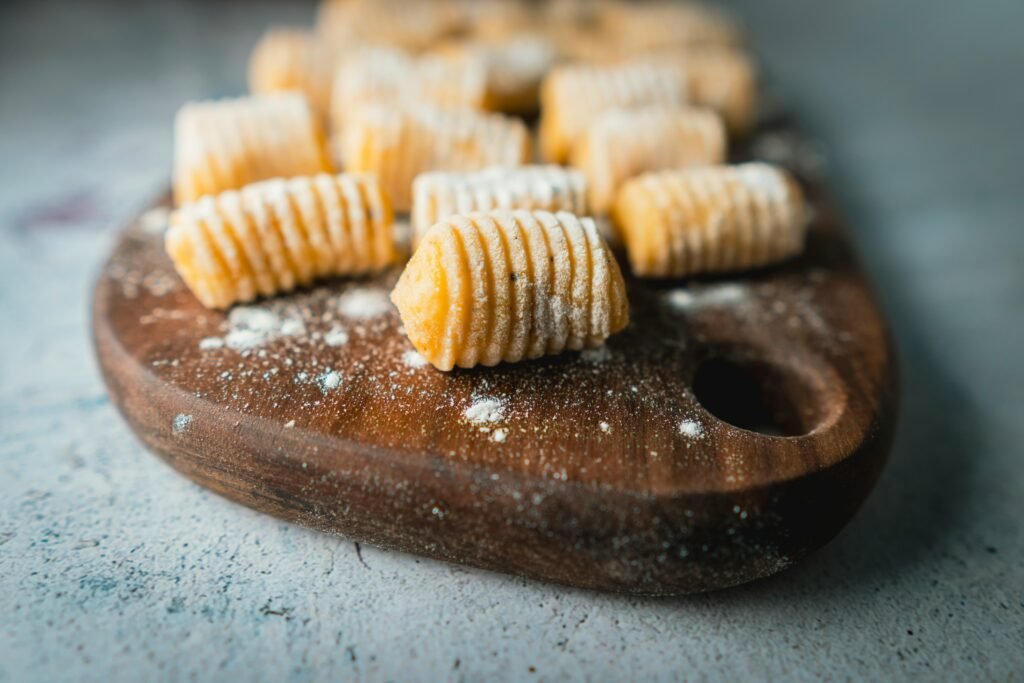
Once your dough is prepared, it’s time to shape your gnocchi. Divide the dough into smaller portions, rolling each into a log about half an inch thick. Cut the logs into bite-sized pieces, roughly one inch long. For the traditional gnocchi shape, use a fork to create ridges on one side of each piece, which helps sauces cling more effectively. Place the shaped gnocchi on a floured surface to prevent sticking.
To cook your gnocchi, bring a pot of salted water to a gentle boil. Add the gnocchi in small batches; they will be ready when they float to the surface, taking about 2-4 minutes. Transfer them to a plate with a slotted spoon. Experimentation is encouraged; incorporate flavored ingredients such as spinach, herbs, or cheese into the dough for unique variations. Should you encounter issues, such as the gnocchi being too sticky or heavy, adjust the flour content accordingly. With practice, crafting your own gnocchi at home will become a rewarding and enjoyable endeavor.