
The Essence of Ratatouille: A Professional Food Review
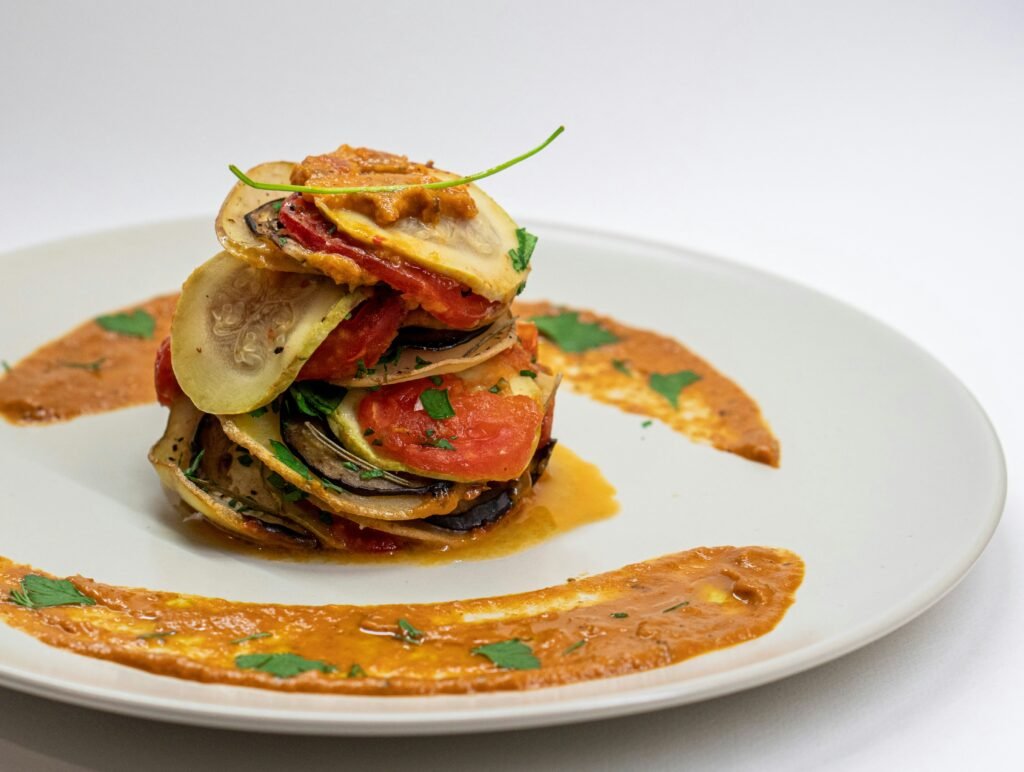
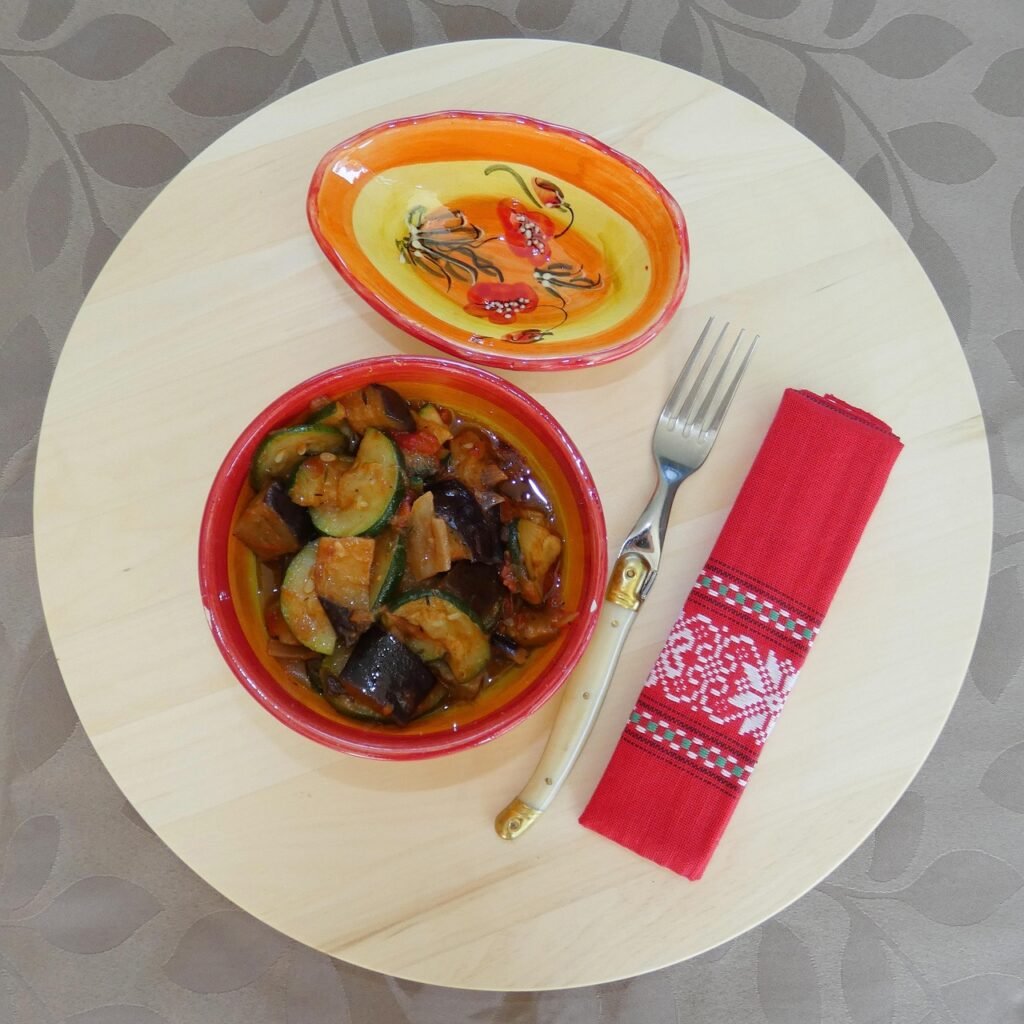
Ratatouille, a classic Provençal dish, is celebrated not only for its vivid presentation but also for the harmonious blend of flavors that characterize it. At its core, the dish showcases a medley of vibrant vegetables including zucchini, eggplant, bell peppers, and tomatoes. Each ingredient plays a pivotal role in contributing to the dish’s overall taste profile. The zucchini offers a subtle sweetness, while the eggplant adds a tender yet robust texture. Bell peppers bring a slight crunch and a burst of color, enhancing both the visual appeal and flavor complexity of ratatouille.
The meticulous preparation of ratatouille is essential to its success. Techniques such as sautéing and roasting are employed to enhance the natural flavors of the vegetables. Sautéing maintains the distinct textures of each component, while roasting amplifies their sweetness and creates a beautifully caramelized exterior. This combination of cooking methods allows the ingredients to meld together, resulting in a dish that is both comforting and sophisticated.
Fresh herbs, particularly basil and thyme, are integral to the ratatouille experience. The aromatic qualities of these herbs infuse the dish, providing a depth of flavor that captivates the palate. The balance of herbs and vegetables is crucial; an expert chef knows just how to elevate the dish without overwhelming its natural essence. Furthermore, variations of ratatouille abound, with different culinary interpretations ranging from rustic farmhouse versions to refined plating styles seen in upscale restaurants. This versatility speaks to the artistry behind ratatouille, inviting chefs to express their creativity while respecting its culinary roots.
In essence, the beauty of ratatouille lies in its simplicity, allowing fresh ingredients to shine through meticulous preparation and thoughtful seasoning. Each bite transports diners to the sun-soaked fields of Provence, showcasing not only the dish itself but also the rich cultural heritage from which it originates.
A Brief History of Ratatouille
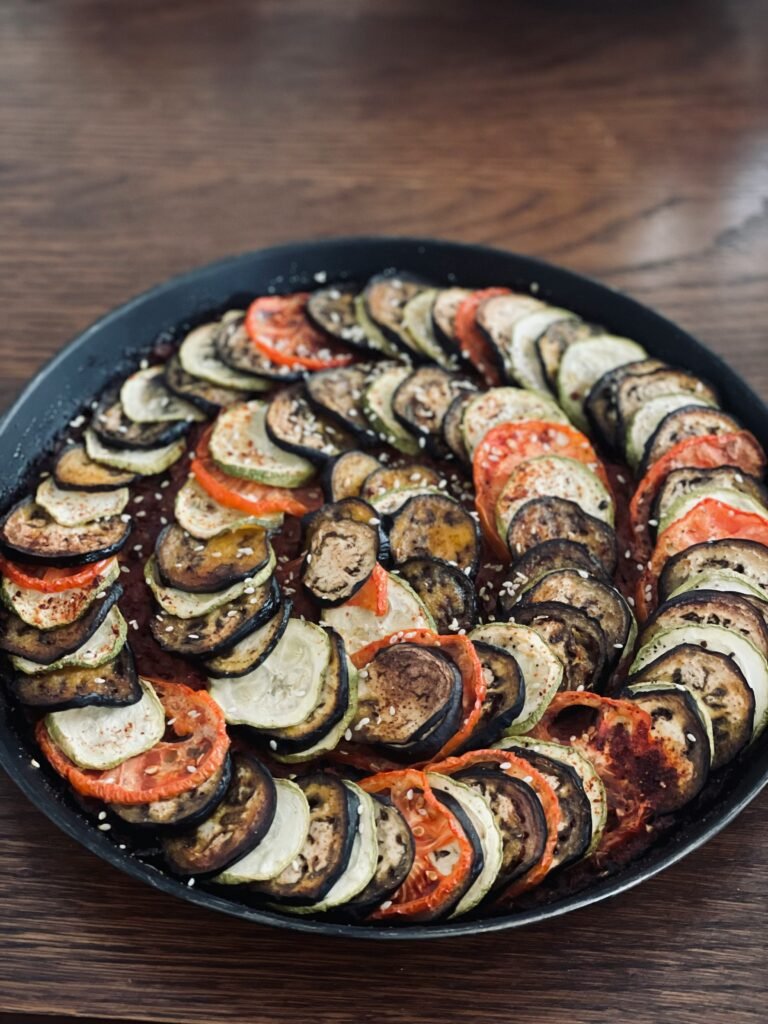
Ratatouille, a quintessential dish of French cuisine, is deeply rooted in the Provence region where it originated. This dish, which showcases the agricultural wealth of the region, has transformed from a humble peasant meal to a celebrated culinary staple appreciated worldwide. The early forms of ratatouille can be traced back to the 18th century, utilizing available seasonal vegetables like tomatoes, eggplants, zucchini, and bell peppers, reflecting the rich agricultural traditions of Provence.
The word “ratatouille” itself derives from the French verb “touiller,” which means to stir or mix, indicative of the dish’s preparation method. Initially, this dish was prepared by rural families, using leftover vegetables and herbs, which speaks to its origins as a frugal yet nutritious meal. Over time, ratatouille found its way into cookbooks, gaining popularity and evolving in presentation and ingredients. Notable culinary figures, like Chef Auguste Escoffier, played a significant role in crafting this dish into a refined representation of Provençal cuisine.
As its fame spread, ratatouille began to symbolize the ethos of rustic French dining, emphasizing simplicity and quality. It became firmly associated with the summer months, when vegetables were harvested at their peak flavor. The dish not only celebrates the vibrant colors and flavors of summer produce but also serves as a reflection of local sourcing. Chefs and home cooks alike take pride in preparing ratatouille, which is often viewed as a canvas for seasonal vegetables, allowing creativity in its preparation.
The cultural significance of ratatouille endures today, representing a connection to the land and the nature of communal dining. By honoring traditional techniques and local ingredients, this dish serves not only as a culinary delight but also as a historical narrative of the region, showcasing the transition of ratatouille over the ages from a peasant dish to a gastronomic icon.
Ingredients and Preparation: The Heart of Ratatouille
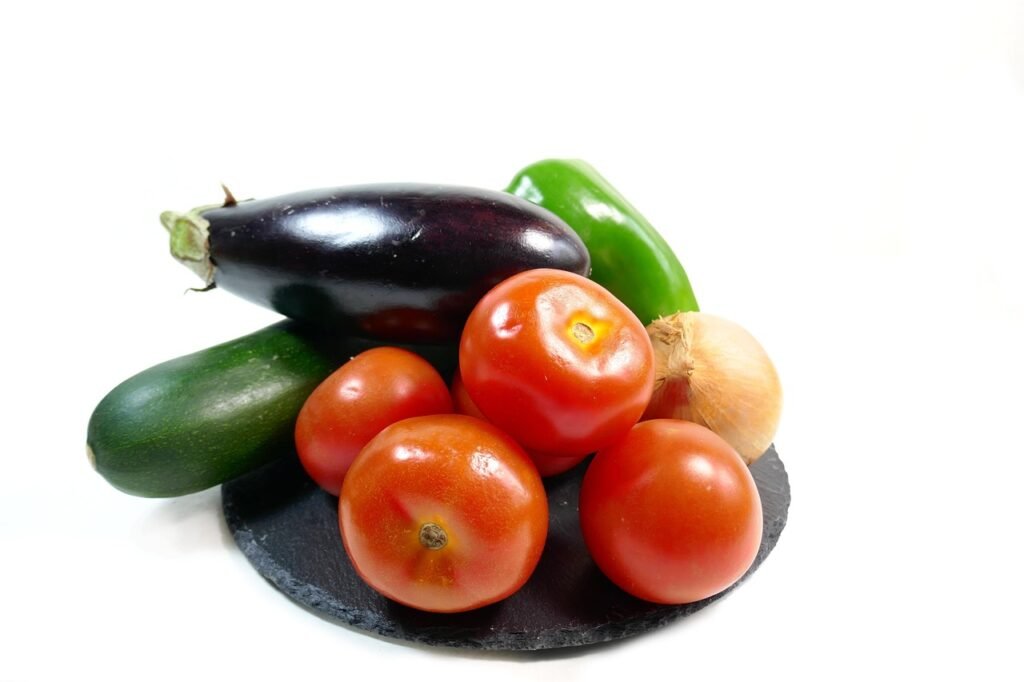
Ratatouille, a quintessential French dish, celebrates a medley of fresh summer vegetables, making it essential to choose high-quality ingredients. The core components of ratatouille include tomatoes, onions, zucchini, bell peppers, and eggplant. Each of these vegetables contributes unique flavors and textures, creating a harmonious balance that is both nutritious and satisfying. The tomatoes serve as the base, providing acidity and a rich depth that enhances the overall dish. Zucchini and eggplant add a tender quality, while onions contribute sweetness and aromatic undertones that elevate the flavor profile.
To prepare ratatouille, begin by washing and cutting the vegetables into uniform pieces to ensure even cooking. This step is crucial as it allows the flavors to meld beautifully. Traditional preparation methods emphasize slow-cooking the vegetables, allowing the natural sugars to caramelize and develop a richer taste. Some variations advocate for the layered approach, where each vegetable is delicately arranged, showcasing their colors and textures. Alternatively, mixing the ingredients together can yield a more rustic presentation but equally delightful flavor.
Seasoning plays an integral role in achieving a culinary masterpiece. Fresh herbs such as thyme, basil, and parsley are often recommended, complementing the vegetables without overwhelming their natural flavors. The timing of cooking is also vital; while longer cooking can deliver a soft, blended taste, a shorter duration retains more individual character in each vegetable. This thoughtful balance of technique and seasoning transforms a simple vegetable dish into an extraordinary ratatouille that can be enjoyed warm or cold, as a main dish or a side. The care taken in preparation is what truly breathes life into this classic dish, making it a lasting favorite in kitchens worldwide.
Ratatouille in Popular Culture: From Film to Fine Dining
The culinary journey of ratatouille has transcended its humble origins to become a symbol of French cuisine, permeating popular culture significantly. Its most notable renaissance came with the release of the animated film ‘Ratatouille’ in 2007. This film, produced by Pixar, not only introduced audiences worldwide to the dish but also celebrated the artistry involved in cooking. Central to the storyline is the character Remy, a rat with a sophisticated palate and a passion for cooking. The film underscores themes of creativity and the pursuit of one’s passion, as Remy defies societal expectations to achieve his culinary dreams. The portrayal of ratatouille in the film symbolizes both traditional French cooking and the innovation that can arise from unexpected sources.
The film’s influence has been profound, leading to a resurgence of interest in not just ratatouille itself but also the broader spectrum of French gastronomy. Following its release, numerous chefs and restaurants worldwide began to feature versions of ratatouille on their menus, often elevating this rustic dish into a fine dining experience. Renowned chefs have reinterpreted ratatouille through creative plating techniques, innovative ingredients, and artistic presentations, showcasing the dish’s versatility while honoring its rich history. This transformation highlights ratatouille’s adaptability—it’s both a comfort food and a culinary canvas for experimentation.