
- The Origin of Sashimi
- Cultural Significance of Sashimi
- Unique Flavors of Sashimi
- Textures of Sashimi: A Sensory Experience
- Visual Appeal of Sashimi: A Feast for the Eyes
- The Appearance of Sashimi Dishes
- The Art of Plating Sashimi
- Dishes That Taste or Look Similar to Sashimi
- Conclusion: Sashimi as an Artful Culinary Experience
The Origin of Sashimi
Sashimi, a culinary delicacy predominantly associated with Japanese cuisine, boasts a rich historical tapestry that traces back to ancient Japan. Its roots can be found in the interplay of geography, culture, and dietary practices that shaped early Japanese society. Initially, sashimi was a practical means to consume fresh fish, particularly in coastal regions where access to the ocean was abundant. The concept revolved around preparation methods that maximized flavor while reducing the risk of spoilage, ultimately allowing sustenance to be enjoyed in its purest form.
The early iterations of sashimi can be found as far back as the 8th century, during the Nara period, when fish was commonly eaten raw. Over the centuries, as culinary techniques developed, so did the preparation of sashimi. By the Edo period (1603-1868), sashimi began to gain prominence not only for its flavor but also for its artistic presentation. Fish was meticulously sliced and served with accompanying garnishes, such as wasabi and shiso, which complemented the natural flavors of the seafood.
Geographical factors played a significant role in the evolution of sashimi. Different regions of Japan adopted unique approaches to sashimi based on local fish varieties and traditional practices. For instance, the fishing techniques and types of fish available in Osaka differed from those in Hokkaido, leading to diverse sashimi styles that reflect the multiplicity of Japan’s coastal ecosystems. This regional variation fostered an appreciation for the quality and freshness of the fish, essential elements in the preparation of sashimi.
In summary, the historical roots of sashimi reveal a fascinating journey from a simple means of nourishment to a highly revered culinary art form. This evolution not only underscores the importance of fresh fish in Japanese gastronomy but also reflects the rich cultural heritage that continues to influence how sashimi is enjoyed today.
Cultural Significance of Sashimi
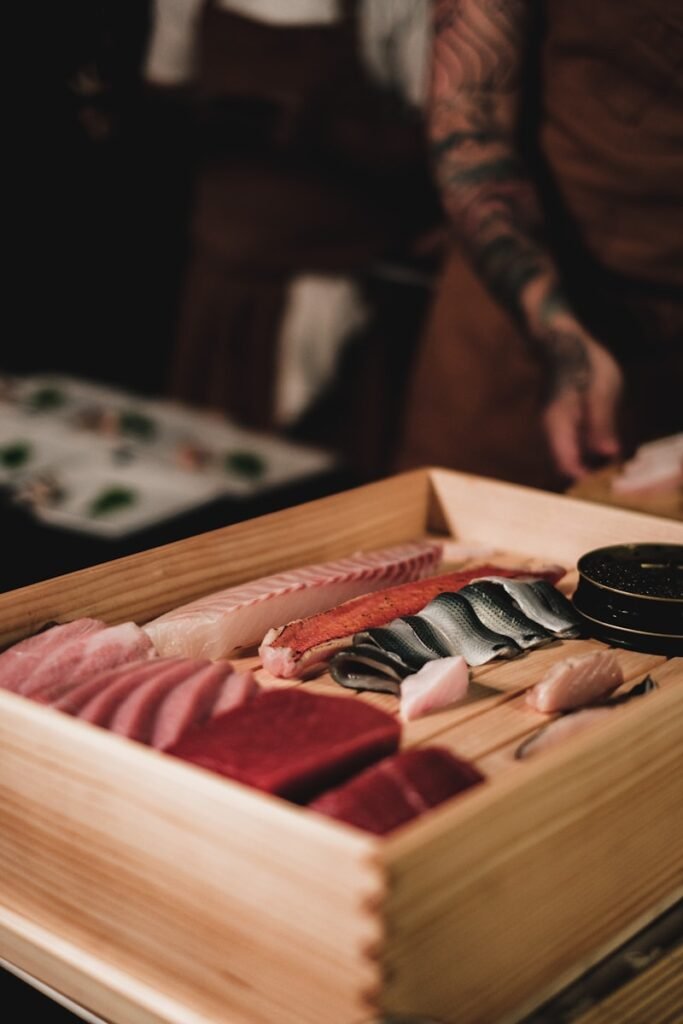
Sashimi, a highly regarded culinary art form in Japan, transcends mere sustenance. It embodies a deep respect for the ocean’s bounty and represents a significant aspect of Japanese culture and tradition. Rooted in centuries-old practices, sashimi is meticulously prepared and presented, reflecting the aesthetic principles of simplicity and natural beauty inherent in Japanese cuisine. Each slice of fish is a testament to the skill of the itamae, or sushi chef, who strives to maintain the delicate balance of flavors and textures while emphasizing the freshness of the ingredients.
More than just a dish, sashimi is often intertwined with various Japanese customs and rituals. It frequently plays a central role in ceremonial occasions such as weddings, festivals, and seasonal celebrations, where the art of preparing and sharing food takes on a communal significance. The presentation of sashimi is also significant; aesthetically pleasing arrangements enhance the dining experience and highlight the importance of visually appealing cuisine in Japanese culture.
The growing globalization of culinary practices has led to an increased appreciation for sashimi worldwide. As international palates expand, sashimi has found its way into diverse culinary scenes beyond Japan, often celebrated for its purity and emphasis on high-quality ingredients. This influence has fostered a deeper understanding of Japanese cuisine and its philosophical connections to nature and seasonality, leading to innovative interpretations of sashimi across the globe.
In social settings, sashimi is often enjoyed in a communal atmosphere, encouraging a shared experience with family and friends. It fosters connections and enriches conversations, whether served in an intimate home gathering or at a formal dining setting. This ability to bring people together is a hallmark of sashimi, highlighting its crucial role in not just dietary practices but also in crafting social bonds within both traditional and contemporary contexts.
Unique Flavors of Sashimi
Sashimi, a traditional Japanese culinary art form, is renowned for its emphasis on freshness and purity of flavor. The main ingredient in sashimi is fish or seafood, and the variety used provides a vast range of distinct flavors and textures, each contributing to the overall dining experience. Common types of fish, such as salmon, tuna, and yellowtail, offer unique profiles; for instance, salmon is known for its rich, buttery texture and slightly sweet taste, while tuna presents a firm structure with a mild flavor and varying nuances depending on the cut.
Beyond fish, sashimi can also include other seafood such as octopus, scallops, and mackerel, each presenting its own flavor challenges and delights. The subtle taste of squid contrasts beautifully with the more robust flavor of mackerel, which may carry a slightly briny taste due to its fat content. These flavors are often further enhanced by the careful selection of sauces and garnishes, such as soy sauce, wasabi, and thinly sliced scallions, which complement rather than overpower the natural taste of the sashimi.
Seasonality plays a significant role in the selection of fish for sashimi. Many types of fish and seafood have peak seasons during which they are at their freshest and most flavorful. For example, many varieties of tuna are best enjoyed in the warmer months, while winter brings a different selection of species, such as fatty fish that are prized for their rich flavors. This attention to seasonal availability not only ensures the best taste but also promotes sustainable fishing practices. In appreciating the unique flavors of sashimi, one can truly understand the delicate balance between nature’s bounty and human craftsmanship.
Textures of Sashimi: A Sensory Experience
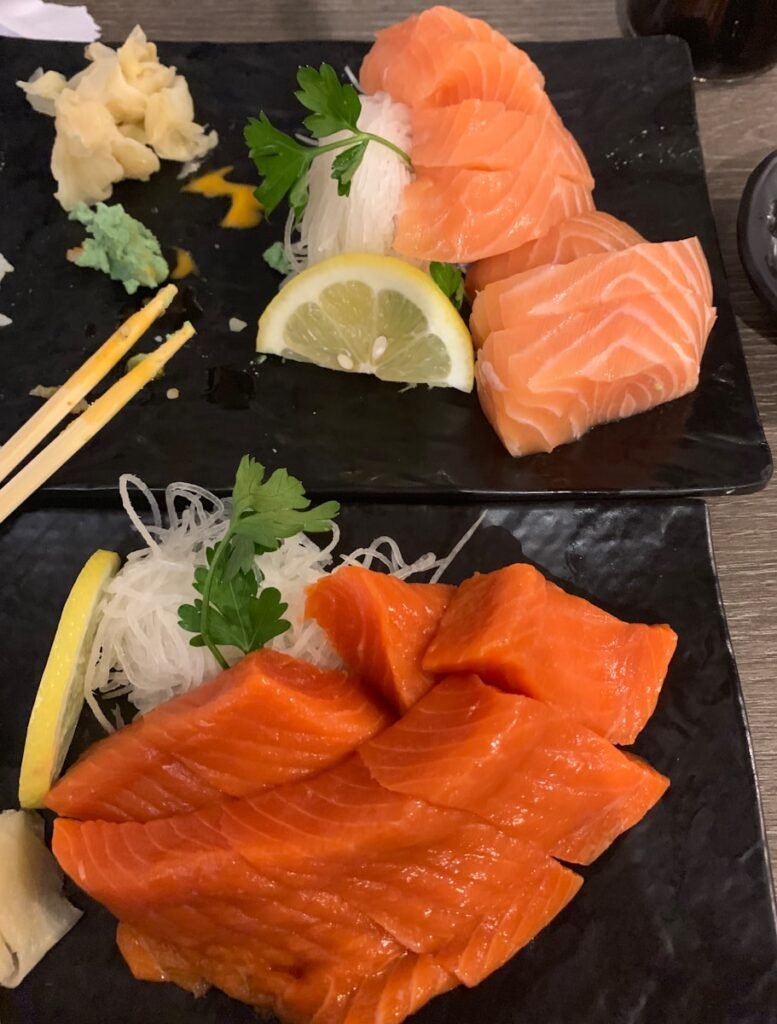
The world of sashimi offers an intriguing array of textures that enhance the culinary experience, captivating both the palate and the senses. Each type of fish presents a unique mouthfeel that contributes to the art of savoring this traditional Japanese dish. When one indulges in sashimi, the diversity in textures enriches the tasting experience, compelling diners to pay attention to the subtleties of each bite.
The contrast between tender, melt-in-your-mouth slices of sashimi, such as toro (fatty tuna) and salmon, and firmer varieties like octopus or squid, highlights the artistry involved in preparing sashimi. The ethereal quality of fatty fish tends to dissolve almost instantly upon contact with the tongue, providing a luxurious sensation that encourages the eater to relish each piece. This is often complemented by a delicate marinade that enhances the natural flavor without overwhelming it.
Conversely, firmer fish varieties, like mackerel, deliver a distinct chewiness that plays an essential role in the dining experience. The slight resistance that these slices offer engages the diner differently, adding to the complexity of flavor as the unique tastes are drawn out. Diners should consider how the temperature of the fish affects these textures; colder sashimi tends to feel firmer, while pieces brought to room temperature can result in a more tender mouthfeel.
Appreciating the textures of sashimi is not merely about tasting but involves a multisensory approach. Observance of the visual presentation can further heighten anticipation before savoring each piece. It is recommended to take small bites, allowing one to fully engage with the diverse textures, which ultimately enhances the overall sashimi experience. As you explore the intricacies of each fish, your understanding and appreciation for sashimi will deepen, leading to a more gratifying experience.
Visual Appeal of Sashimi: A Feast for the Eyes
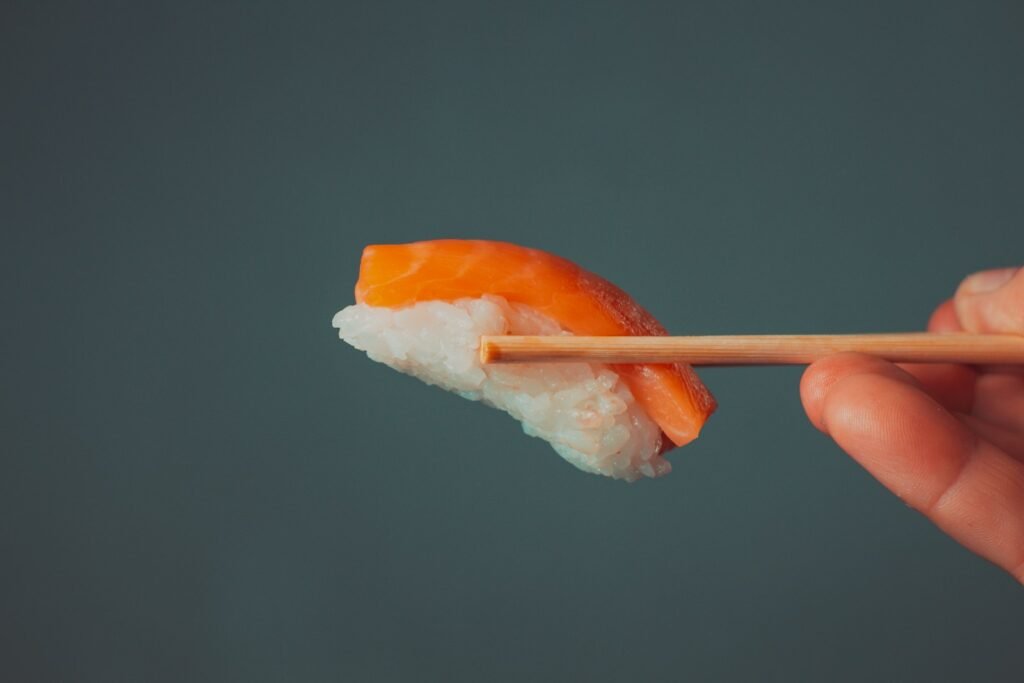
Sashimi, the Japanese delicacy of thinly sliced raw fish, is not only celebrated for its fresh flavors but also revered for its exquisite presentation. The artistry involved in sashimi preparation emphasizes the importance of visual appeal, engaging diners with an aesthetically pleasing experience. The interplay of color, shape, and arrangement transforms each plate into a work of art, inviting patrons to appreciate not only the taste but also the visual allure.
Color plays a pivotal role in the presentation of sashimi. Chefs carefully select a variety of fish with vibrant hues, such as the deep red of tunas, the pale pink of salmon, and the translucent white of flounder. The contrast of colors not only captivates the eye but also reflects the freshness of the ingredients. Additionally, the incorporation of garnishes, such as shiso leaves and edible flowers, further enhances the visual dynamism of the plate, creating a harmonious balance that appeals to the senses.
Shape and texture also contribute significantly to the aesthetic quality of sashimi. Slices may vary in thickness, from delicate translucent cuts to more substantial pieces, creating a visual rhythm that is pleasing to the viewer. The meticulous arrangement of the fish on the plate, whether in a fan-like display or a structured geometric form, showcases the chef’s skill and attention to detail. Each element is thoughtfully curated not merely for taste but to evoke a sense of beauty and symmetry that elevates the dining experience.
Examples of beautifully plated sashimi dishes can be found in high-end sushi restaurants, where chefs take pride in their craft. A carefully arranged plate featuring a vibrant mix of different textures and colors can awaken the appetite before the first bite is even taken. This celebration of visual beauty is intrinsic to the art of sashimi, making it a true feast for the eyes as well as the palate.
The Appearance of Sashimi Dishes
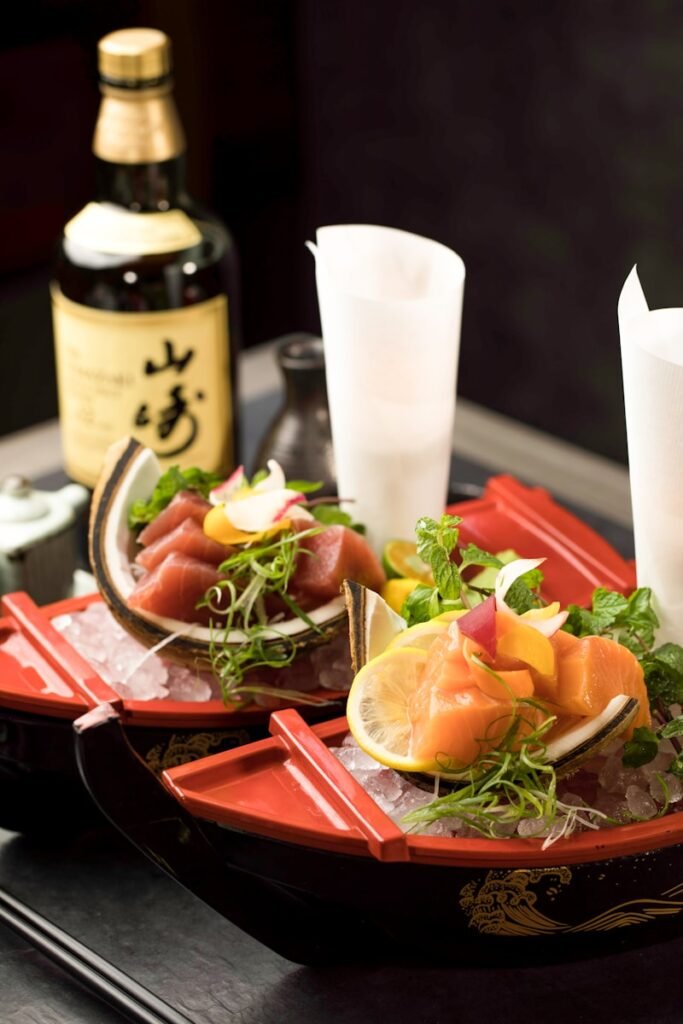
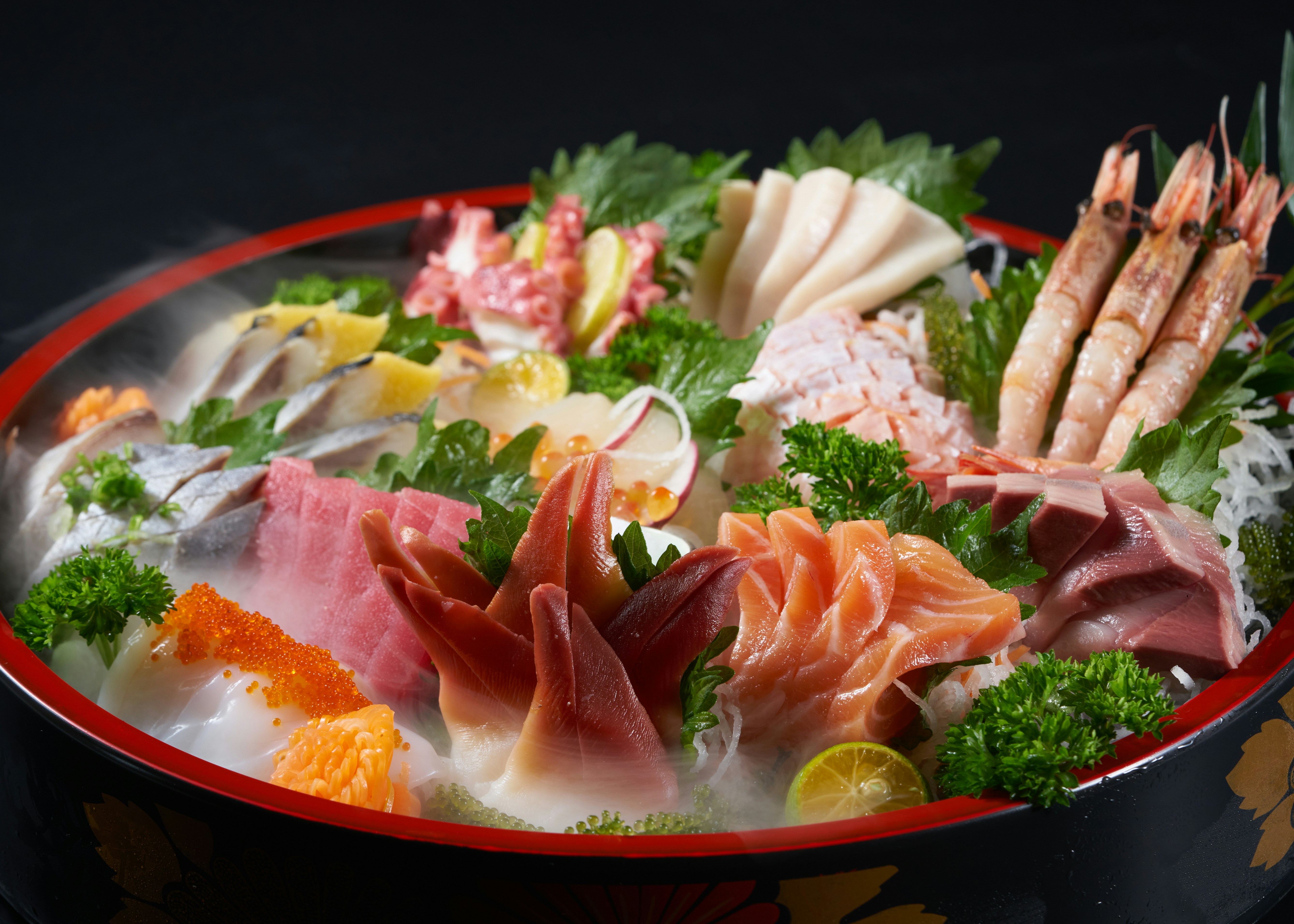
Sashimi, a celebrated component of Japanese cuisine, is not only a testament to culinary skill but also an embodiment of visual artistry. The presentation of sashimi dishes varies considerably, ranging from classic to contemporary styles. Traditionally, sashimi is served on elegant platters made of ceramic, often accompanied by natural elements, like bamboo leaves or carved vegetables. These classic presentations prioritize form and balance, adhering to the principles of Japanese aesthetics, which emphasize harmony and simplicity.
The use of bamboo leaves or finely sliced vegetables as garnishes creates a backdrop that complements the vibrant colors of the sashimi itself. Each piece is meticulously arranged, reflecting a deep respect for the ingredients and the meticulous craftsmanship involved in its preparation. The placement of sashimi slices, whether it is thinly sliced tuna, salmon, or mackerel, aims to highlight their natural beauty and freshness, fostering a connection between the dish and its origins.
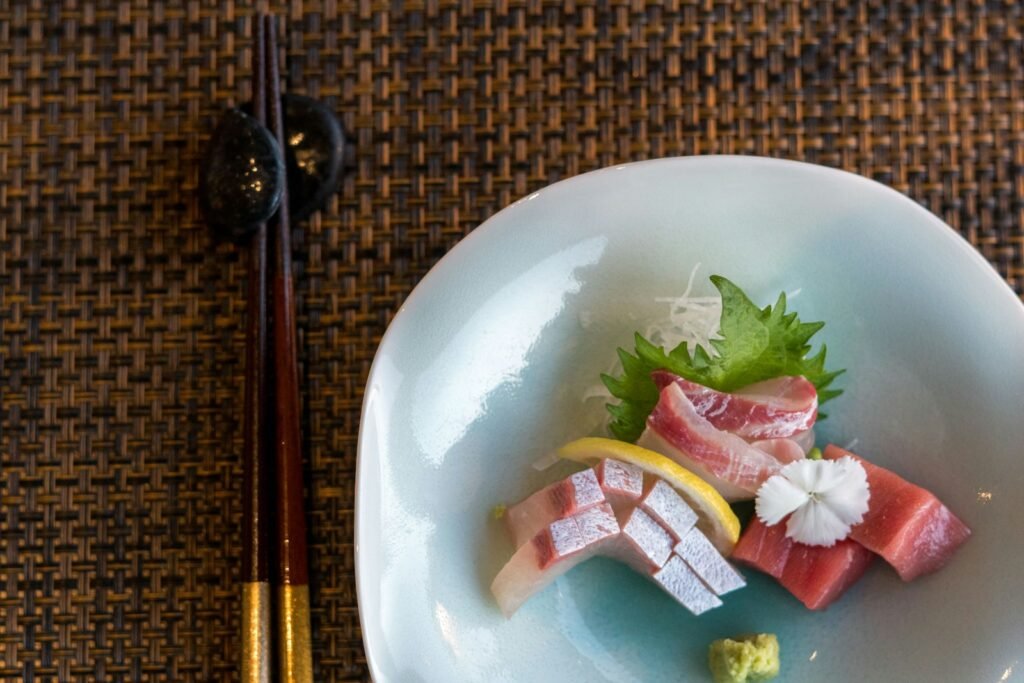
In contrast, modern interpretations of sashimi display a minimalist aesthetic, often seen in contemporary dining settings. Chefs may opt for stark white plates to allow the vibrant hues of the fish to emerge strikingly, employing negative space to enhance the visual impact. This minimalist approach focuses on the quality of the sashimi, inviting diners to appreciate each piece without distraction. Abstract arrangements might feature sauces drizzled artfully or microgreens placed meticulously, pushing the boundaries of traditional presentation.
The evolution of sashimi presentations reflects a dialogue between traditional Japanese culinary practices and modern culinary trends. Regardless of style, the visual appeal of sashimi not only stimulates the palate but also conveys a deeper appreciation for the artistry involved in the dish. This multifaceted presentation is essential in experiencing sashimi, where the visual aesthetics are as integral as the taste itself.
The Art of Plating Sashimi
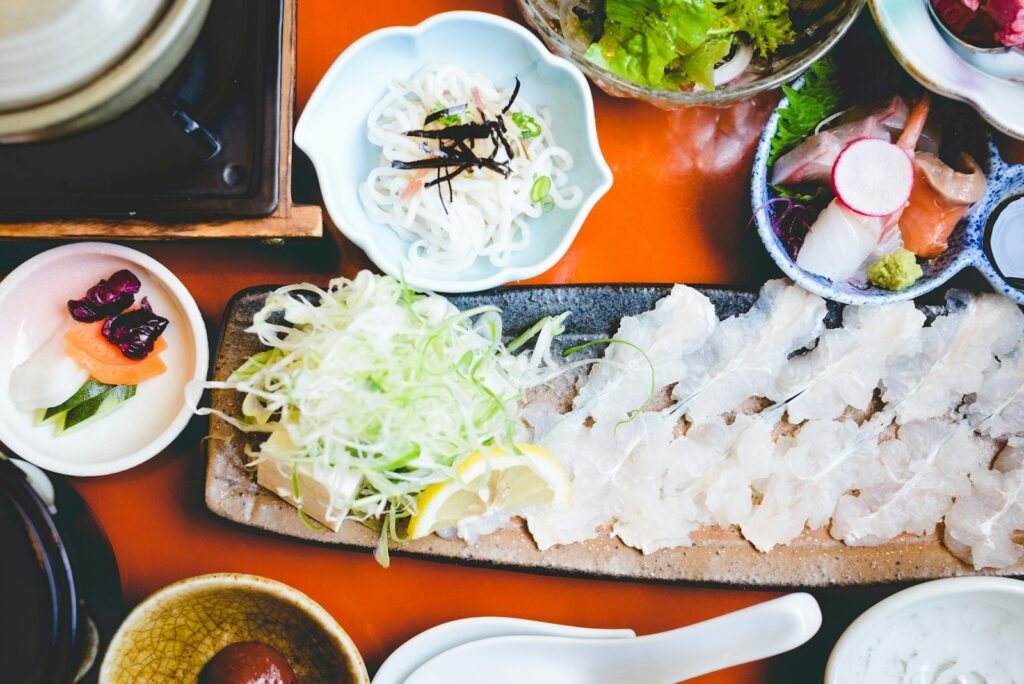
Plating sashimi transcends mere food assembly; it embodies a delicate balance of aesthetics and taste. The presentation of sashimi is as crucial as its preparation, as a visually appealing dish can heighten the dining experience. Central to this artistry is the principle of balance, which involves harmonizing colors, shapes, and textures. Chefs strive to create a coherent visual narrative that reflects the freshness and quality of the ingredients used. The contrast between the vibrant hues of fish and the subtle tones of garnishes can elevate the dish from simple food to an exquisite culinary art form.
The role of garnishes in sashimi plating cannot be overstated. They serve both aesthetic and functional purposes: enhancing visual appeal while complementing the flavors of the fish. Common garnishes, such as wasabi, pickled ginger, and microgreens, are selected not only for their vibrant colors but also for their flavor profiles that harmonize with the sashimi. Socioculturally, garnishes have roots in Japanese traditions, reflecting a deep respect for seasonal ingredients and the links between nature and cuisine. The choice of garnishes can narrate a story about origins, technique, and even chef personality, contributing to the plate’s overall narrative.
Additionally, serving temperature is a key factor in the art of sashimi plating. The ideal temperature for service is crucial; sashimi should be served cold, enhancing the fish’s fresh taste and delicate texture. Chefs often use chilled plates to maintain the optimal temperature of the sashimi until it reaches the diner. This thoughtful detail underscores the commitment to quality and the elevation of the overall dining experience, affirming that every aspect of plating sashimi plays a pivotal role in achieving culinary artistry. Such attention to detail makes each sashimi presentation unique and memorable.
Dishes That Taste or Look Similar to Sashimi
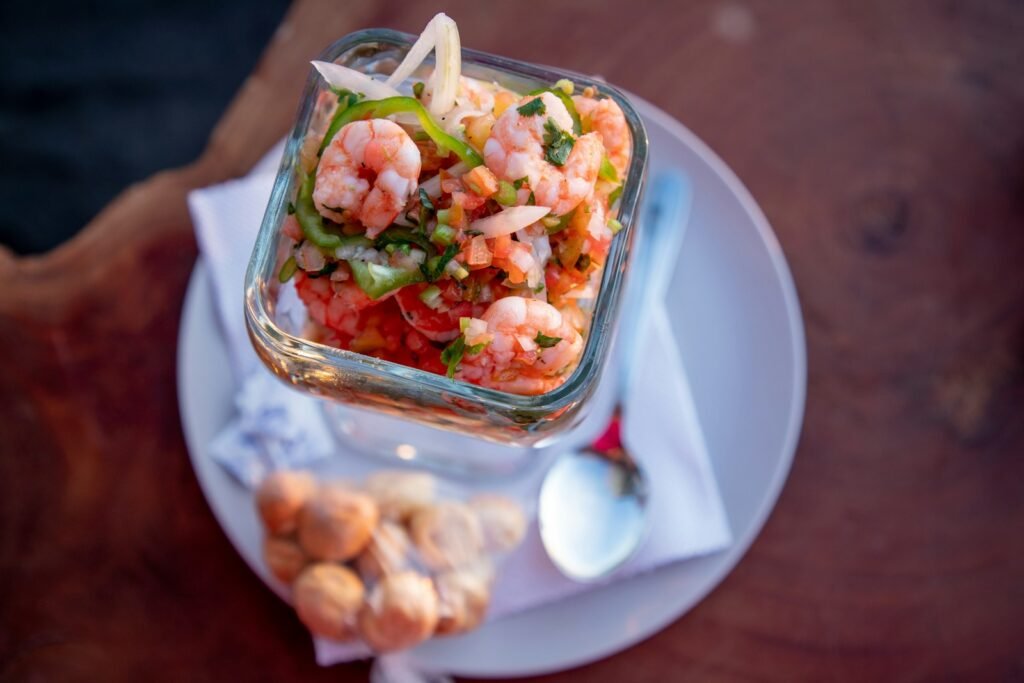
Sashimi, the Japanese delicacy featuring thinly sliced raw fish, stands out for its purity and freshness. However, several other culinary creations exhibit similar characteristics regarding appearance or flavor profiles. Among these, ceviche and tartare emerge as notable contenders, each bringing its unique essence to the table.
Ceviche, popular in Latin American cuisine, is a dish that consists of marinated raw fish or seafood, which is “cooked” using citrus juices, typically lime or lemon. This method results in a dish that shares sashimi’s core concept of highlighting the fish’s fresh flavor. Traditionally, ceviche may incorporate ingredients such as diced onions, cilantro, and peppers for added depth. While sashimi is served raw and unadulterated, ceviche relies on the acidity of the marinade to create a distinctive taste, making it a refreshing alternative during warmer months.
Tartare, particularly beef tartare, also offers a unique take reminiscent of sashimi. Originating from France, this dish typically features finely chopped raw meat, seasoned with various herbs and spices. While fish tartare is less common, it can be found in some modern culinary interpretations. The striking aspect of tartare is its presentation; akin to sashimi, it often involves intricate plating, enticing diners visually and culinarily. The primary difference lies in the use of different proteins and preparation techniques, allowing for an exploration of flavors that contrasts yet complements the experience of enjoying sashimi.
In essence, dishes like ceviche and tartare provide an excellent entry point for those who appreciate the raw elements of sashimi but seek variety. These preparations not only celebrate the natural essence of fresh ingredients but also reflect global culinary traditions that honor similar philosophies of showcasing raw fish or meat in artistry and taste.
Conclusion: Sashimi as an Artful Culinary Experience
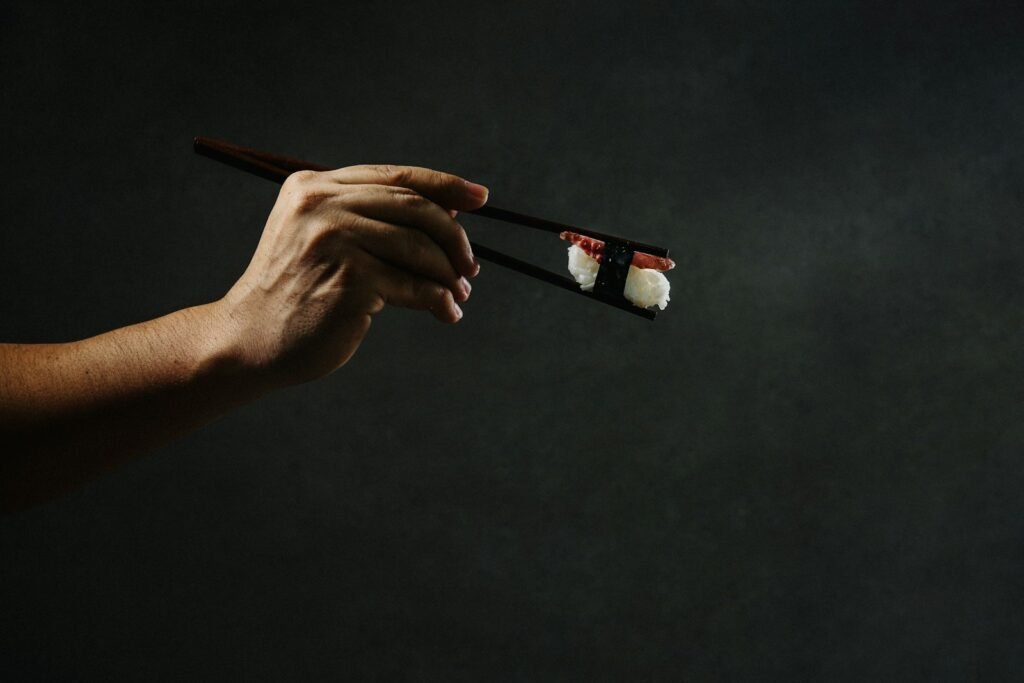
Sashimi emerges not merely as a dish but as an art form that intricately weaves together cultural heritage, sensory experiences, and artistic presentation. Originating in Japan, sashimi reflects the delicate balance of tradition and innovation, where culinary prowess is showcased through the meticulous preparation of the freshest seafood. Each element, from the choice of fish to the garnish and arrangement on the plate, contributes to a multifaceted experience that engages both the palate and the eyes.
The sensory qualities of sashimi are paramount to its status as an exquisite dining experience. The freshness of the fish, combined with the careful slicing techniques, enhances the natural flavors and textures. As one savors the silky smoothness and subtle taste of high-quality sashimi, it becomes evident that this culinary practice is steeped in respect for nature’s bounty. The umami flavors paired with condiments like soy sauce and wasabi create a harmonious balance that elevates the dish, making each bite a celebration of flavor.
Culturally, sashimi pays homage to Japanese traditions that honor simplicity and refinement. It is more than just food; it symbolizes a set of principles that guide preparation and consumption, emphasizing mindfulness and appreciation for ingredients. With the global spread of Japanese cuisine, sashimi has garnered increasing admiration and acceptance across various cultures. More individuals are now recognizing the art of sashimi, prompting a profound discourse about culinary artistry and its role in cross-cultural exchanges.
As this delightful culinary treasure continues to gain popularity, readers are encouraged to explore its many facets. Whether through visiting a local sushi restaurant or attempting to create sashimi at home, experiencing this art form offers a deeper appreciation for the practices and philosophies that have shaped its evolution. In essence, the world of sashimi invites everyone to indulge in an authentic experience that transcends mere dining, allowing for a celebration of artistry on every plate.