
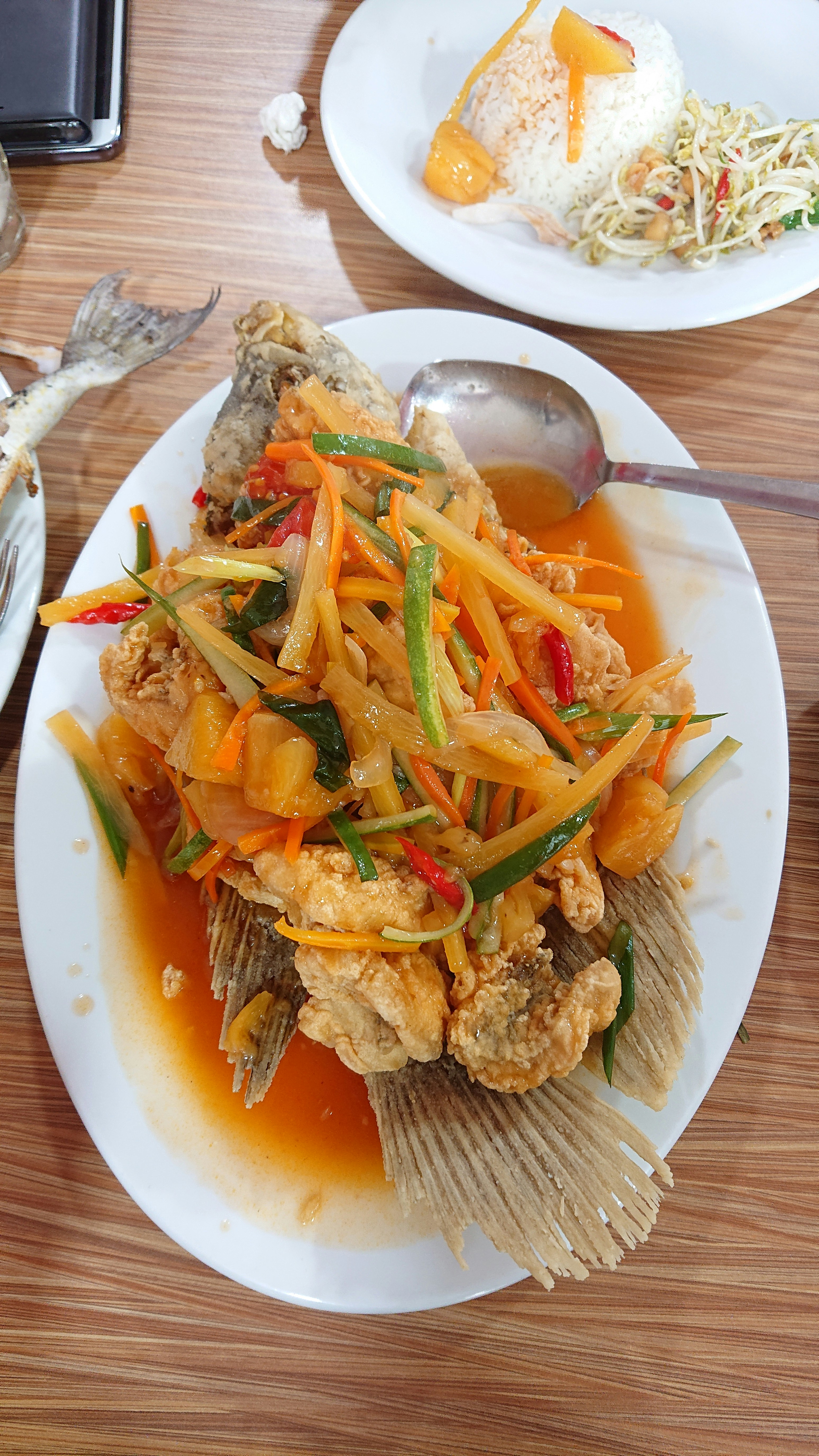
- The Origin of Sweet and Sour Pork
- Cultural Significance of Sweet and Sour Pork
- Unique Flavors of Sweet and Sour Pork
- Textures in Sweet and Sour Pork
- The Visual Appeal of Sweet and Sour Pork
- Appearance of the Dishes
- Plating Techniques for Sweet and Sour Pork
- Variations of Sweet and Sour Pork
- Conclusion: The Continuing Legacy of Sweet and Sour Pork
The Origin of Sweet and Sour Pork
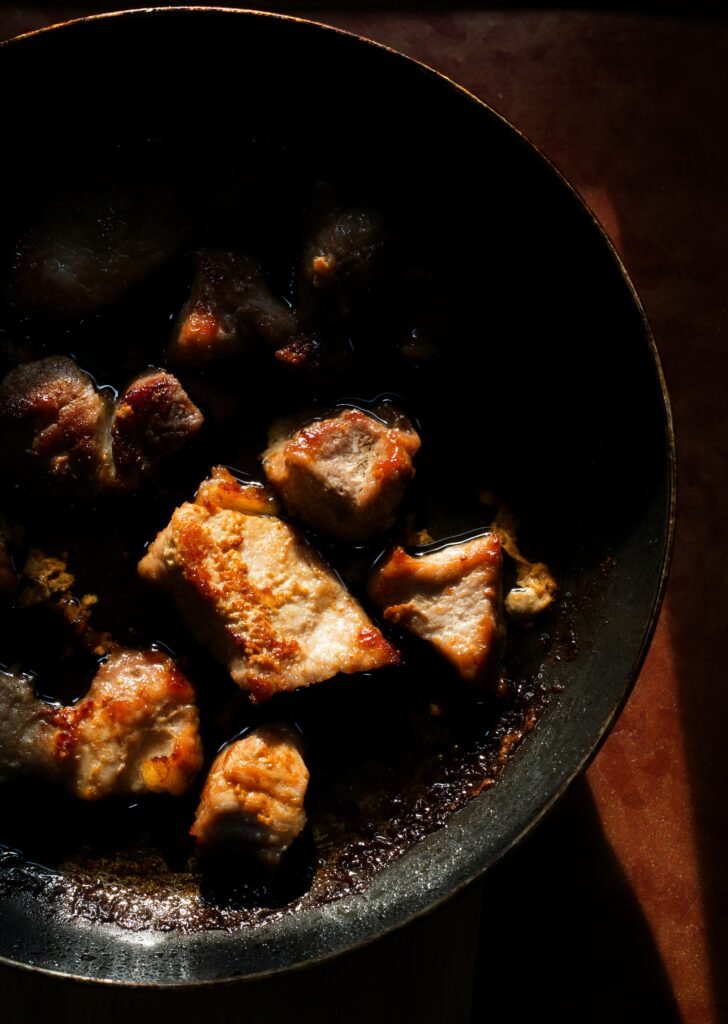
Sweet and Sour Pork is a dish that has become synonymous with Chinese cuisine, captivating the taste buds of people around the world. Its roots can be traced back to the Guangdong province of southern China, where this culinary delight originated. The early forms of sweet and sour dishes were simple, focusing on balancing flavors from local ingredients. The use of vinegar and sugar to create a harmonious blend is documented in the region’s classical recipes, emphasizing the region’s cultivation of both sugarcane and various sour fruits.
Throughout the centuries, Sweet and Sour Pork evolved significantly, with techniques and flavors influenced by historical events and intercultural exchanges. The arrival of Western traders in the 18th and 19th centuries, particularly during the height of the opium trade, led to an exchange of culinary practices between Chinese cooks and their Western patrons. This interaction introduced flavors such as Worcestershire sauce, which, while not traditionally Chinese, would eventually be integrated into various interpretations of the dish.
Regional variations of Sweet and Sour Pork include the use of different meats and local produce. For example, in the northern provinces, the dish often features a spicier profile, while in southern areas, it may lean heavily on the sweetness imparted by pineapple. These adaptations showcase not only the flexibility of the dish but also the rich tapestry of Chinese culinary tradition.
As Chinese immigrants settled in various parts of the world, particularly in the United States and Canada, Sweet and Sour Pork began to take on new forms, reflecting local preferences and ingredient availability. The contemporary version, characterized by its deep-fried pork, thick red sauce, and often accompanied by bell peppers and pineapple, has become a beloved staple in Chinese-American cuisine. Through its journey, Sweet and Sour Pork has transformed from a provincial delicacy into a global icon, embodying the dynamic nature of culinary evolution.
Cultural Significance of Sweet and Sour Pork
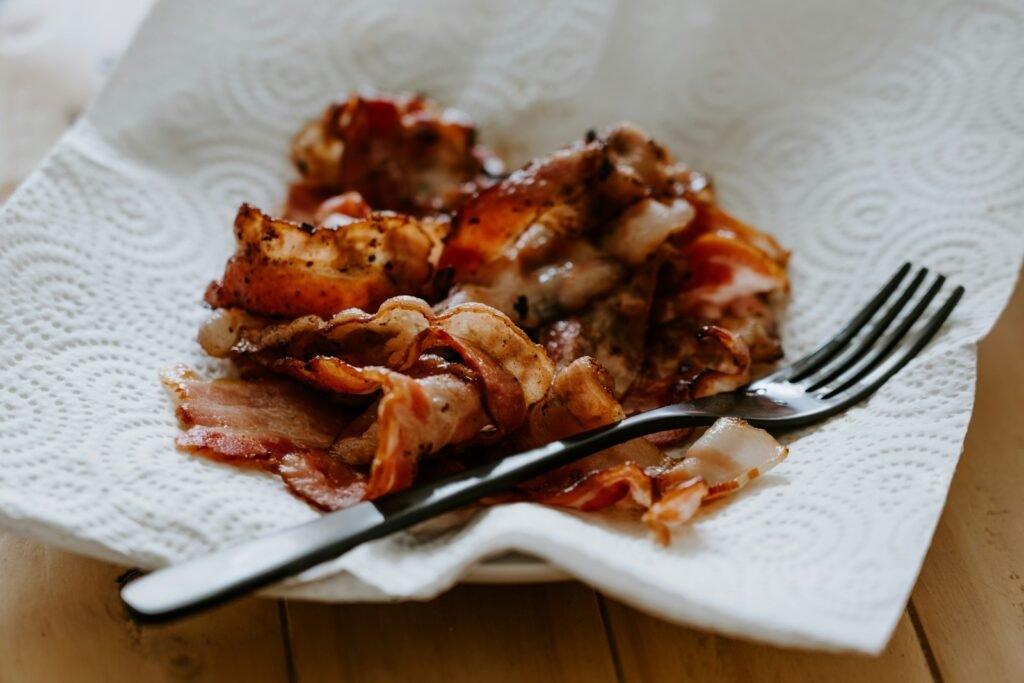
Sweet and Sour Pork is not just a beloved dish in Chinese cuisine; it carries a profound cultural significance that resonates deeply within both Chinese society and the international culinary landscape. Traditionally, this dish is synonymous with celebrations, festivals, and communal gatherings. The unique combination of sweet and sour flavors is said to symbolize harmony and balance, essential principles in Chinese philosophy. Each bite brings forth a medley of tastes that highlight the artistry behind Chinese cooking, reflecting the notion that life should embrace both sweetness and adversity, creating a complete and fulfilling experience.
In the context of Chinese culture, Sweet and Sour Pork often appears during important events such as Lunar New Year celebrations and family reunions. The dish serves not only as a culinary delight but also as a symbol of togetherness and joy. Its vibrant colors and appealing presentation elevate its status as a festive meal, reinforcing the interconnectedness of food and sociocultural practices in Chinese heritage. The balance of flavors also resonates with the cultural appreciation for yin and yang, promoting the idea that opposites complement each other, ultimately leading to a harmonious existence.
Globally, Sweet and Sour Pork has transcended its origins, becoming a staple in various Western Chinese restaurants. Its adaptation in foreign cuisines has introduced many to the distinctive characteristics of Chinese flavors, acting as a culinary ambassador. This widespread presence in international menus not only showcases the dish’s versatility but also highlights the growing integration of Chinese culinary practices within diverse cultural contexts. As Sweet and Sour Pork continues to delight palates around the world, it remains a symbol of cultural exchange, bringing together people from various backgrounds and enhancing their appreciation for Chinese gastronomy.
Unique Flavors of Sweet and Sour Pork
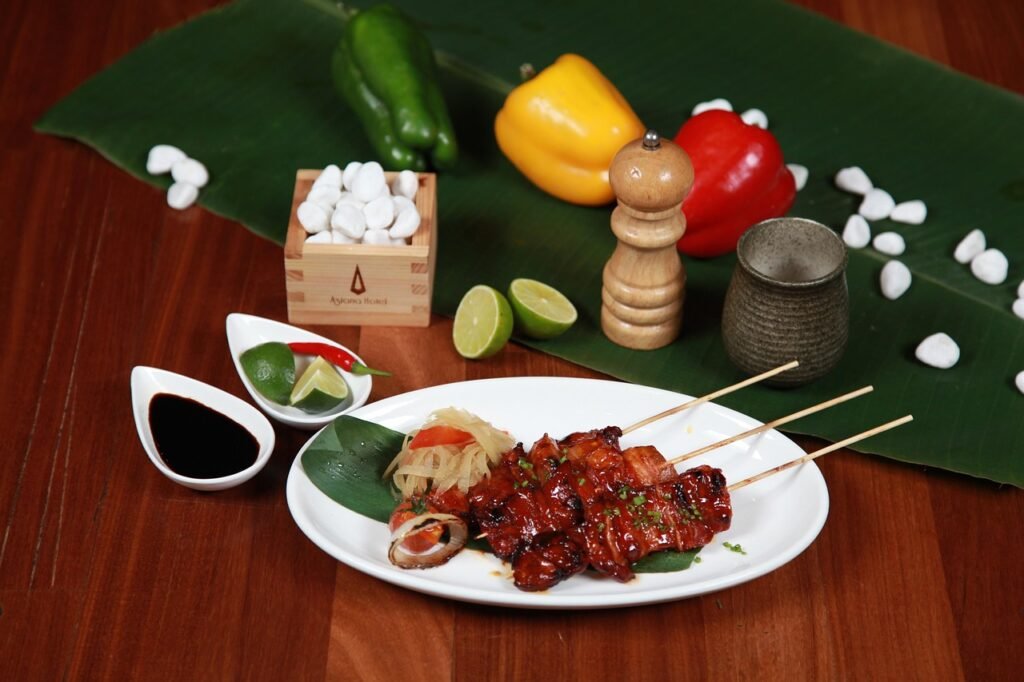
Sweet and Sour Pork is a dish that is celebrated for its distinctive and harmonious flavor profile, which is achieved through a unique balance of sweetness and acidity. The sweetness typically derives from sugar or fruit, while the acidity is introduced via vinegar or citrus juices. This combination creates a tangy and vibrant taste experience that has captivated many palates worldwide. The culinary roots of this dish can be traced back to traditional Chinese cuisine, where contrasting flavors play a crucial role.
The sweetness found in Sweet and Sour Pork is often enhanced by the addition of fresh ingredients such as pineapples and bell peppers. Pineapples lend a juicy, tropical sweetness that perfectly complements the savory elements of the pork, while bell peppers introduce a crisp texture and a slight peppery flavor. Together, these components create a multi-layered taste that elevates the dish beyond mere sweetness and sourness.
Furthermore, the method of preparation plays a significant role in developing the flavors of Sweet and Sour Pork. The pork is usually battered and fried, adding a crunchy texture that contrasts beautifully with the sweet and tangy sauce. This frying process not only enhances the flavor but also creates a satisfying mouthfeel, adding to the overall dining experience.
Seasoned chefs may also include garlic and ginger, which provide aromatic depth and a warm spice to the dish. Moreover, a careful selection of soy sauce can add umami, enriching the sweet and sour balance, making the dish more complex and flavorful. As Sweet and Sour Pork continues to gain popularity across cultures, its unique flavor combination remains a quintessential feature that keeps diners coming back for more.
Textures in Sweet and Sour Pork
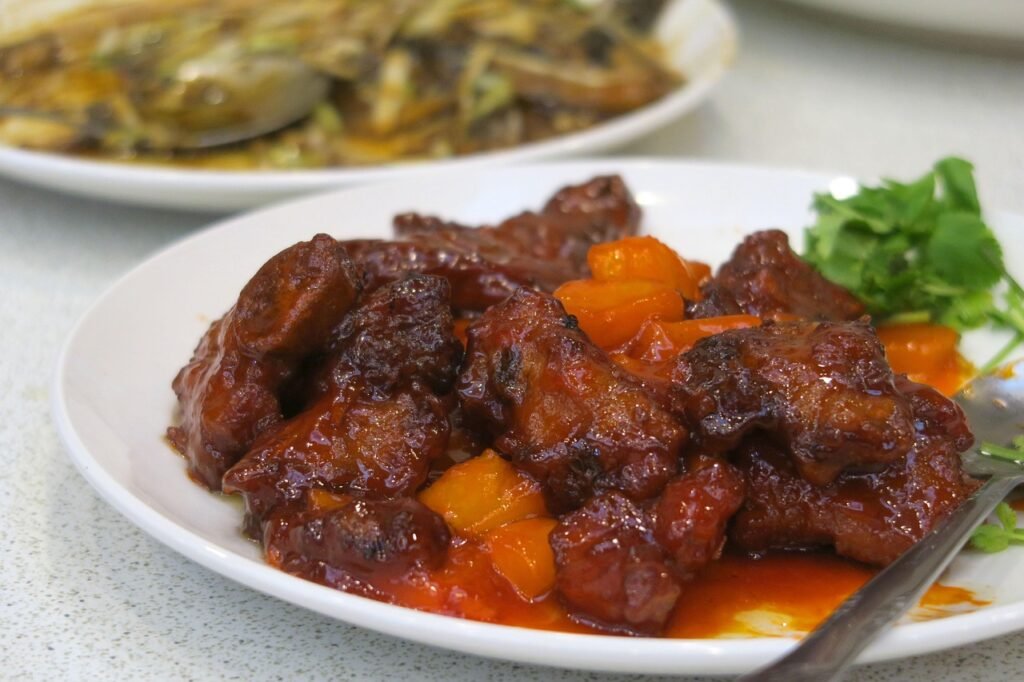
Sweet and sour pork is renowned not only for its delicious flavor profile but also for its rich and varied textures that contribute to the overall dining experience. At the heart of this dish is the pork itself, typically coated in a light batter and fried to achieve a crispy exterior. This frying process adds a satisfying crunch, creating an immediate auditory and tactile contrast to the tender, succulent meat within. The juxtaposition of crispiness with the softness of the pork is fundamental to the charm of sweet and sour pork.
Furthermore, the preparation of sweet and sour pork often involves the incorporation of a selection of vegetables and fruits, such as bell peppers, pineapples, and onions, each bringing their own unique textures to the dish. The firm and juicy bites of pineapple meld seamlessly with the tender pork, while the crunchy bell peppers add a refreshing crispness. The combination of these ingredients not only enriches the dish visually but also enhances its overall mouthfeel, providing a delightful interplay of textures on each bite.
Preparation methods play a crucial role in achieving these varied textures. The frying process creates a golden, crispy shell around the pork, while other ingredients are often sautéed or briefly cooked to preserve their integrity and crunch. Additionally, simmering the sweet and sour sauce with the pork allows for the flavors to penetrate deeply, resulting in meat that is both tender and infused with flavor. The contrast of the crunchy vegetables and the succulent protein is not just pleasing to the palate but also elevates sweet and sour pork to a higher culinary standard, making it a multidimensional dish that appeals to a wide range of tastes.
The Visual Appeal of Sweet and Sour Pork
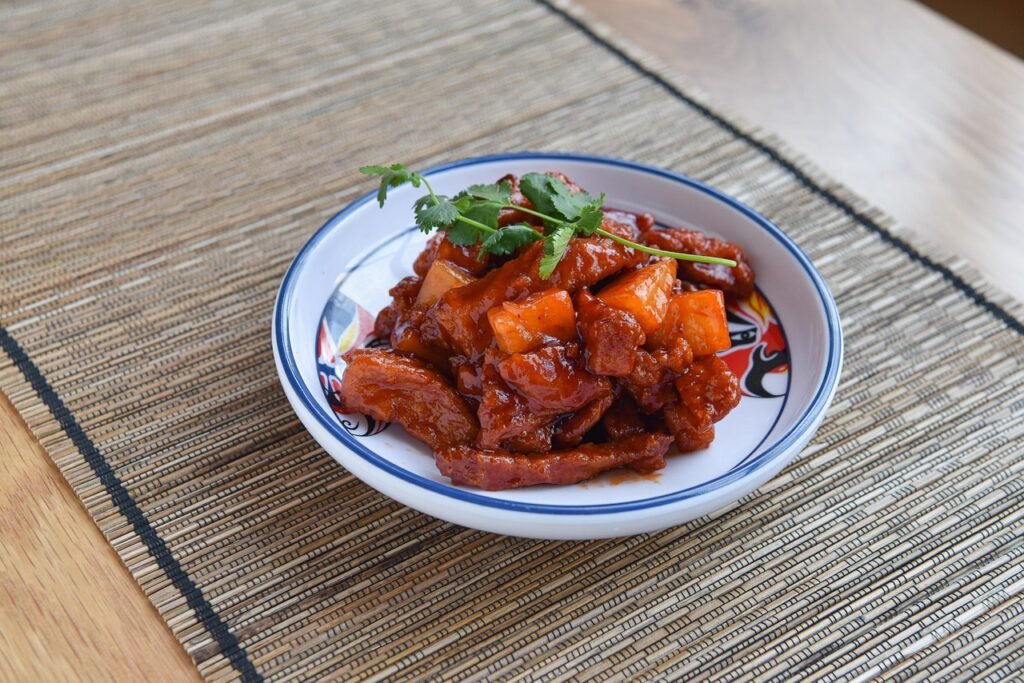
Sweet and Sour Pork is a dish that delights not only the palate but also the eyes. One of its most striking features is the vibrant color palette that draws diners in. The golden-brown pieces of pork provide a warm, inviting foundation for the dish, offering an immediate visual contrast to the bright reds, yellows, and greens of the accompanying vegetables. These vegetables typically consist of bell peppers, onions, and pineapples, which add a range of colors that enhance the overall aesthetic of the plate. The deep red or orange hue of the glossy sauce, made from a careful balance of vinegar, sugar, and various spices, further elevates the dish’s visual appeal, making it shine invitingly.
The presentation of Sweet and Sour Pork plays a significant role in one’s perception of flavor. Studies have shown that color can influence taste perceptions; for instance, vibrant colors can signal freshness and enhance the anticipation of a delightful eating experience. When diners encounter a dish that features a spectrum of colors, such as the tangy combination of sour and sweet flavors paired with the visual elements, they often feel more inclined to enjoy the meal. This phenomenon is particularly relevant in Sweet and Sour Pork, where the interplay of colors is not merely for show but hints at the layered complexity of the flavors within.
Moreover, artistic plating techniques can further amplify the dish’s visual impact. Chefs might use strategies such as arranging the ingredients symmetrically or in a visually dynamic manner, contributing to an elegantly composed dish. As Sweet and Sour Pork is often served in restaurants that prioritize presentation, these visual elements undoubtedly make the dish more appetizing and can enhance the overall dining experience. The allure of Sweet and Sour Pork, thus, resides as much in its colors and visual presentation as in its diverse flavors, creating an intricate interplay that captivates diners from the first glance.
Appearance of the Dishes
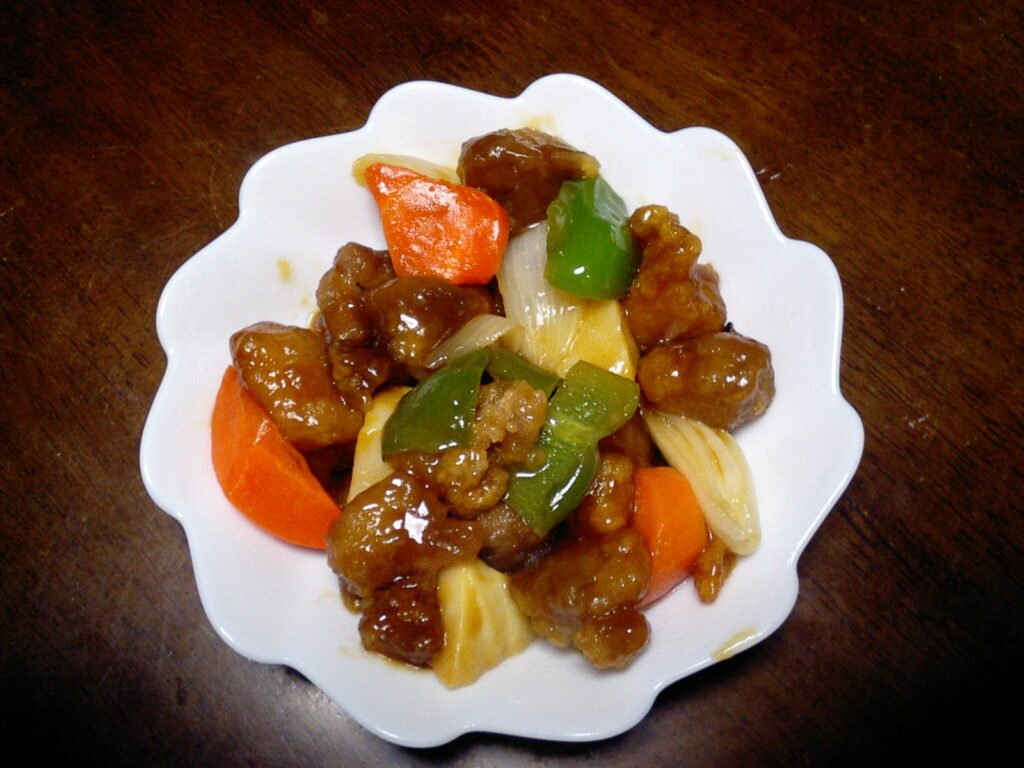
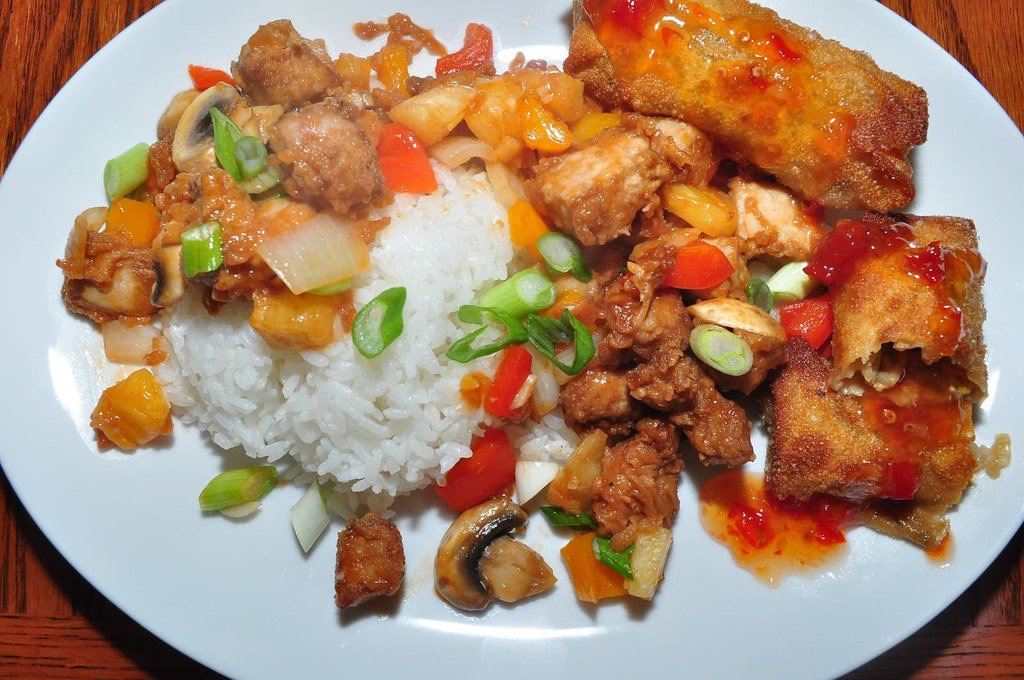
Sweet and Sour Pork, a quintessential dish in Chinese cuisine, is not only known for its delightful flavors but also for its visually appealing presentation. The aesthetic element of this dish holds significant importance, as it can greatly enhance the overall dining experience. Typically served in a large, round platter or a deep dish, Sweet and Sour Pork is positioned to showcase its vibrant colors and diverse textures. The rich, glossy sauce clings to the morsels of succulent pork, complemented by an array of colorful vegetables such as bell peppers, pineapple, and onions.
The presentation often emphasizes the contrast between the bright reds and yellows of the sauce and the contrasting greens of the bell peppers. This interplay of colors is not only appetizing but also reflects the natural freshness of the ingredients used. Garnishing plays a critical role in elevating the visual appeal of the dish. Common garnishes may include sprigs of fresh cilantro or scallions, which add a touch of green and provide an aromatic hint to the overall flavor profile.
In home-cooked settings, this dish may be served simply alongside a steaming bowl of rice, maintaining a focus on the sumptuous appearance of the Sweet and Sour Pork itself. Conversely, in a restaurant environment, chefs often go the extra mile with presentation, arranging the dish with precision and creativity. Various serving styles may result in different experiences, with some establishments opting for more elaborate plating techniques that aim to capture the culinary artistry inherent in this timeless dish.
Ultimately, the appearance of Sweet and Sour Pork is a reflection of culinary traditions that prioritize not only taste but also visual enjoyment, making it a feast for both the palate and the eyes.
Plating Techniques for Sweet and Sour Pork
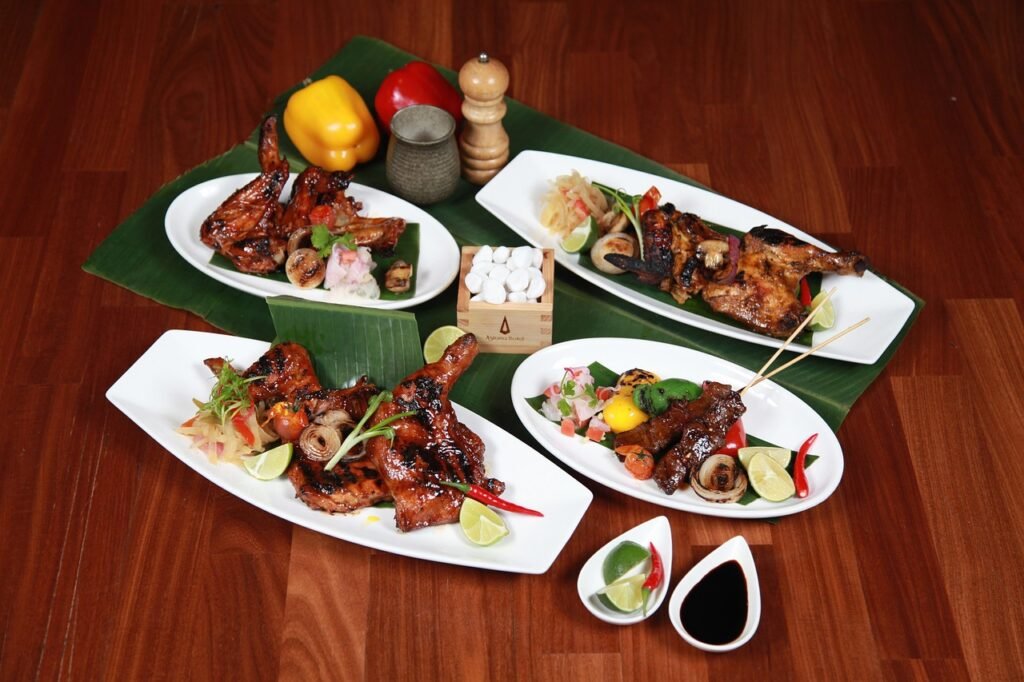
Plating is an essential aspect of culinary presentation, particularly for dishes such as sweet and sour pork that feature vibrant colors and textures. The visual appeal of a dish can enhance the dining experience, making it crucial for both home cooks and restaurant chefs to master effective plating techniques.
One foundational technique involves portioning the sweet and sour pork into appropriately-sized servings. For a visually appealing plate, aim for a balance between the protein and the accompanying ingredients. A good starting point is to arrange the pork chunks prominently, ensuring each piece is well-coated with sauce. Completing the dish with a thoughtful portion of vegetables, such as bell peppers and pineapple, not only adds color but also creates a harmonious balance of flavors and textures on the plate.
Layering ingredients can significantly elevate the presentation of sweet and sour pork. Consider creating a base of jasmine rice or fried noodles, which can serve as a neutral backdrop that accentuates the vibrant hues of the pork and sauce. After establishing a stable foundation, arrange the pork and vegetables strategically on top, showcasing the dish’s colorful components. This layering technique not only improves aesthetics but also provides context for the dish, guiding the diner’s eye from the base to the topping.
Another crucial aspect of plating is the use of sauces. Drizzling the sweet and sour sauce artfully around the dish enhances its attractiveness. For a polished look, a squeeze bottle can be employed to create fine lines or dots of sauce, introducing an artistic flair. Additionally, garnishes such as chopped green onions, sesame seeds, or cilantro can further uplift the presentation, adding a pop of freshness and color that resonates with the dish’s overall theme.
Ultimately, the goal of plating sweet and sour pork is to reflect creativity while incorporating traditional culinary principles. Exploring different techniques allows for a personalized approach, elevating an already delightful dish into a memorable dining experience.
Variations of Sweet and Sour Pork
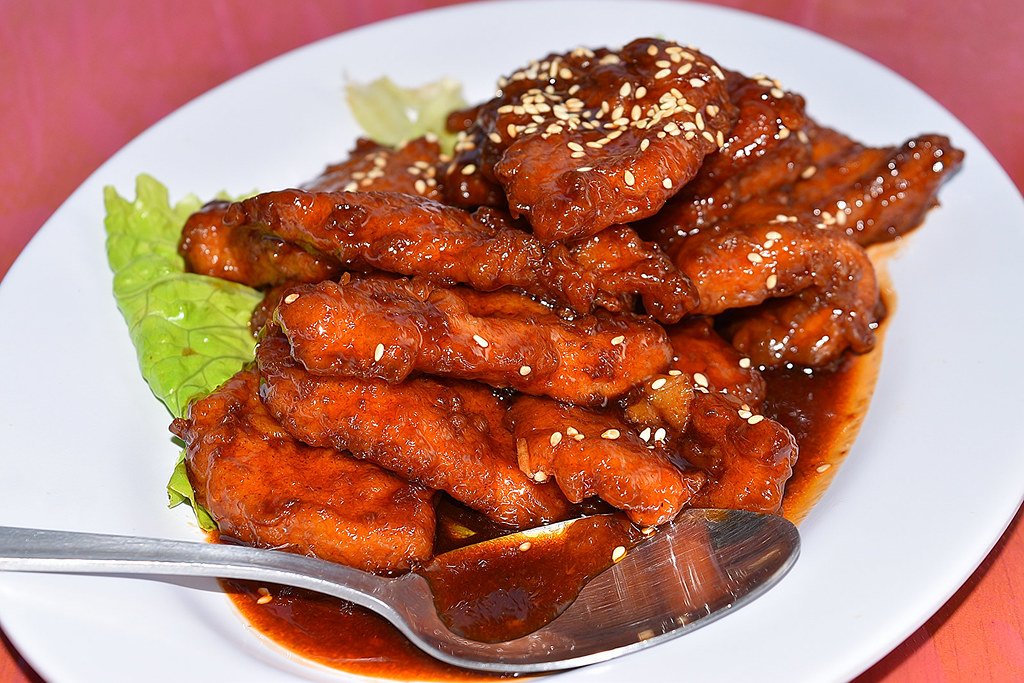
Sweet and sour pork is a beloved dish that has transcended cultural boundaries, resulting in a variety of regional interpretations and adaptations. Each variation of sweet and sour pork embodies the culinary preferences and local ingredients of the culture from which it emerges. Traditional recipes often feature tender pieces of pork, battered and fried, combined with a vibrant sauce made from vinegar, sugar, and fruit, such as pineapple, to create a balance of flavors.
In Western adaptations, particularly in American Chinese cuisine, sweet and sour pork often includes a richer sauce, sometimes highlighted by the use of ketchup or additional sweeteners, making it more accessible to a broader audience. This version typically emphasizes a glossy appearance and a sweet flavor profile, appealing to those who enjoy a pronounced sweetness in their dishes. Incorporating various pepper types or additional fruits like bell peppers or cherries can also enhance the taste experience.
On the other hand, Asian variations might include additional ingredients reflecting local tastes. For example, in some Cantonese recipes, sweet and sour pork is prepared with a greater emphasis on the natural flavors of the meat and vegetables, using less sugar and more natural acidic components like tamarind or citrus. In addition, some regions have embraced healthier adaptations; for example, substituting pork with chicken or tofu caters to dietary preferences without compromising the dish’s essence.
Creative twists on the classic recipe have emerged as well, such as incorporating exotic fruits like mango or kiwi, which not only bring a unique flavor but also add visual flair. Additionally, the rise of plant-based diets has led to a surge in vegan or vegetarian variations of sweet and sour pork, where the pork is replaced with meat alternatives, allowing this iconic dish to be enjoyed by those with different dietary restrictions.
Conclusion: The Continuing Legacy of Sweet and Sour Pork
Sweet and Sour Pork has established itself as one of the most beloved dishes in the culinary repertoire of Chinese cuisine. Its rich history can be traced back centuries, reflecting a blend of cultural influences, particularly from both East and West. The distinct combination of flavors, where the sweetness of sugar perfectly counterbalances the tanginess of vinegar, has not only contributed to its wide appeal but also to its significance as a comfort food in various regions.
Throughout its evolution, Sweet and Sour Pork has undergone numerous adaptations, allowing for creative interpretations that resonate with diverse palates globally. From traditional preparations featuring pork cuts, bell peppers, and pineapple to contemporary variations incorporating novel cooking techniques or alternative ingredients, this dish remains a canvas for culinary experimentation. Home cooks and professional chefs alike have embraced this flexibility, adding regional twists that reflect local tastes while still paying homage to the foundational elements of the dish.
The enduring popularity of Sweet and Sour Pork serves as a testament to its relevance in the modern culinary landscape. It invites diners to explore the balance of flavors in each mouthful, fostering an appreciation for ingredients that enhance the overall dining experience. As culinary enthusiasts seek to recreate this classic, they are encouraged to experiment with their own variations, perhaps introducing different types of protein or vegetables, or even altering the sauce’s balance for a personalized touch. In doing so, they participate in the ongoing legacy of Sweet and Sour Pork, ensuring this dish’s place in kitchens and dining tables for years to come. This culinary delight not only connects individuals to rich historical narratives but also fosters creativity in everyday cooking.