
- The Origin of Peking Roasted Duck
- Cultural Significance of Peking Roasted Duck
- Unique Flavors of Peking Roasted Duck
- Textures in Peking Roasted Duck
- Visual Appeal of Peking Roasted Duck
- Appearance of Peking Roasted Duck: A Culinary Art
- Plating Techniques for Peking Roasted Duck
- Culinary Innovations in Peking Roasted Duck
- Where to Experience Authentic Peking Roasted Duck
The Origin of Peking Roasted Duck
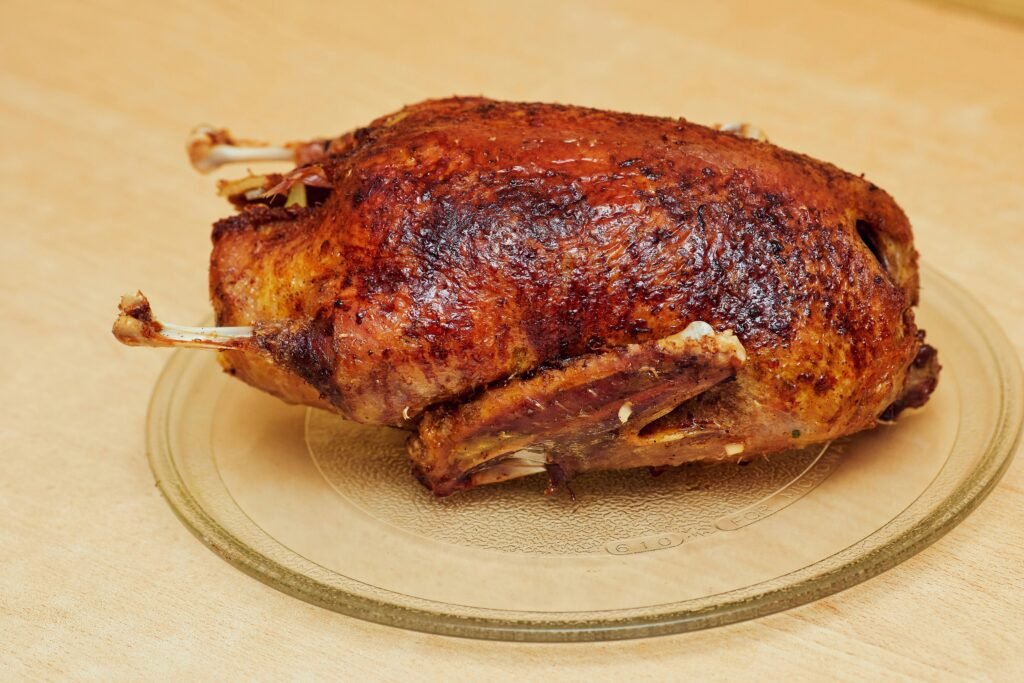
Peking roasted duck, known for its crispy skin and succulent meat, has origins that can be traced back to the imperial kitchens of the Yuan Dynasty (1271-1368). Initially, this dish was a luxury reserved for emperors and high-ranking officials, showcasing the culinary sophistication and opulence of the imperial court. Over the centuries, it transformed from a royal delicacy into a celebrated dish enjoyed by the masses across China.
During the Ming Dynasty (1368-1644), Peking roasted duck gained prominence, particularly in Beijing, where chefs honed their techniques and perfected cooking methods. The preparation involves air-drying the duck and gradually roasting it over an open flame, a tradition that enhances the skin’s crispiness while ensuring the meat remains juicy and flavorful. This method allowed the dish to evolve, with various regions adopting their own styles, but the essence of Peking roasted duck remained unchanged. This evolution of preparation methods underscored the dish’s cultural significance, aligning it with the imperial belief in the harmony of flavor and aesthetics.
By the Qing Dynasty (1644-1912), Peking roasted duck flourished. It became a staple at banquets and celebrations, signifying wealth and status. As Chinese communities began to settle outside of China, they spread the popularity of this culinary masterpiece, leading to its assimilation into the global food landscape. Its unique flavor and presentation quickly captured the attention of food lovers worldwide, establishing Peking roasted duck as not only a national dish but a culinary icon that represents Chinese heritage.
Today, Peking roasted duck is synonymous with Beijing cuisine and remains a testament to the innovative spirit and rich history of Chinese culinary traditions. It exemplifies how a dish can transcend its royal origins to become beloved by people from all walks of life, solidifying its place in the annals of culinary history.
Cultural Significance of Peking Roasted Duck
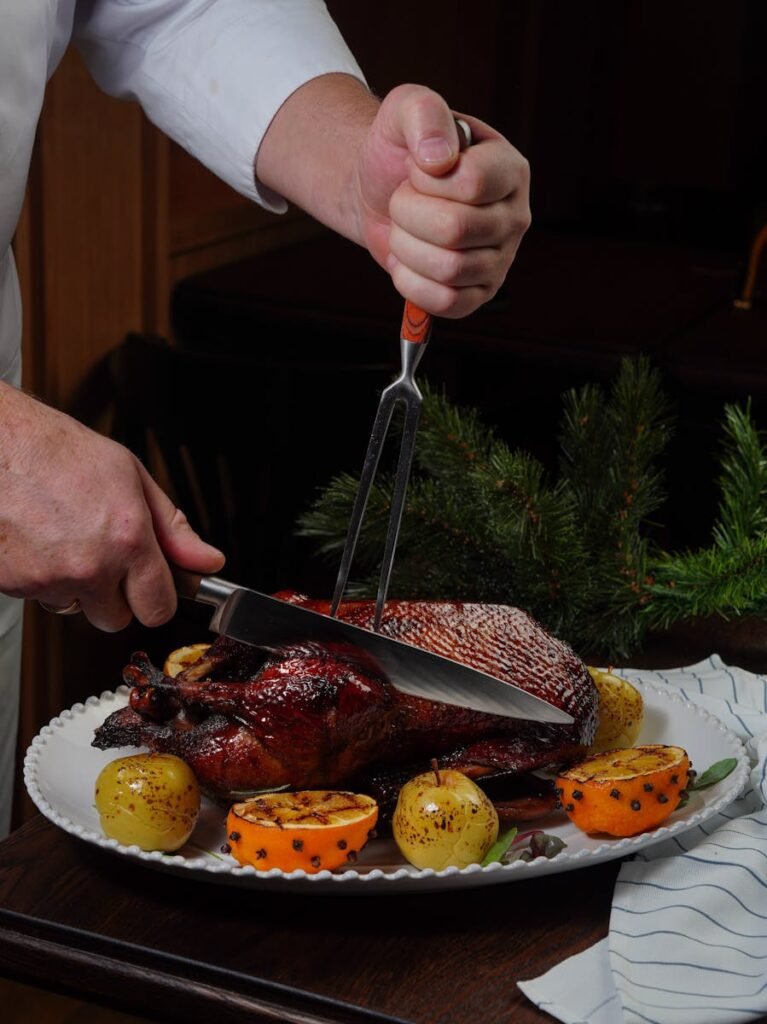
Peking roasted duck is not merely a dish; it is a culinary icon deeply rooted in Chinese history and culture. This exquisite dish is often associated with festive occasions, symbolizing prosperity and celebration. Its presence at special events such as weddings, family gatherings, and important festivities underscores its status as a traditional delicacy that transcends mere nourishment. The ritualistic serving of the duck, typically sliced tableside, adds to the significance of the experience, making it a communal affair that brings family and friends together.
Beyond its gastronomic appeal, Peking roasted duck holds a prominent place in the collective Chinese identity. The dish is frequently featured in literature and traditional artwork, illustrating the rich cultural tapestry of China. Paintings and poetry that celebrate the nuances of culinary artistry often make references to this iconic delicacy, positioning it as a representation of the nation’s heritage and refinement. Its preparation and consumption embody a philosophy of sharing and respect, reinforcing social bonds and familial ties.
Furthermore, the meticulous process of preparing Peking roasted duck reflects the broader Chinese value of craftsmanship, where attention to detail plays a crucial role. The duck is air-dried, seasoned, and roasted to perfection, showcasing the expertise involved in its creation. This culinary mastery resonates with the pride that many Chinese people take in their culinary heritage, reinforcing the notion that food is an integral part of cultural expression. In conclusion, Peking roasted duck is much more than a meal; it is a significant cultural emblem that continues to be celebrated in China and around the world.
Unique Flavors of Peking Roasted Duck
Peking roasted duck is renowned for its unique and complex flavor profile, which stems from a meticulous preparation process that begins long before the cooking commences. The key to its delectable taste lies in the marinade, which typically includes a blend of soy sauce, sugar, five-spice powder, and various aromatics. These ingredients impart a sweet and fragrant quality to the duck that is both savory and enticing. The sweetness balanced with the umami elements creates a distinctive flavor that is characteristic of this iconic dish.
The cooking method also plays a pivotal role in developing the flavors of Peking roasted duck. Traditionally, the duck is air-dried for several hours, allowing the skin to become taut. This step ensures that when the duck is roasted, the skin crisps up beautifully, providing a satisfying crunch that enhances the overall eating experience. As the duck cooks, the fat beneath the skin renders out, infusing the meat with moisture while intensifying its flavor. The result is a tender, juicy duck that contrasts wonderfully with its crispy outer layer.
Complementing the rich flavors of Peking duck are the accompanying sauces, particularly hoisin and plum sauce. Hoisin sauce, with its sweet and tangy notes, acts as a perfect counterbalance to the savory elements of the dish. Meanwhile, plum sauce adds a fruity richness that enhances the overall flavor harmony. These sauces not only elevate the taste of the duck but also introduce a delightful textural element when spread across the delicate pancakes that are traditionally served alongside the dish. The intricate interplay of flavors and textures in Peking roasted duck makes it a culinary masterpiece that is sure to captivate palates worldwide.
Textures in Peking Roasted Duck
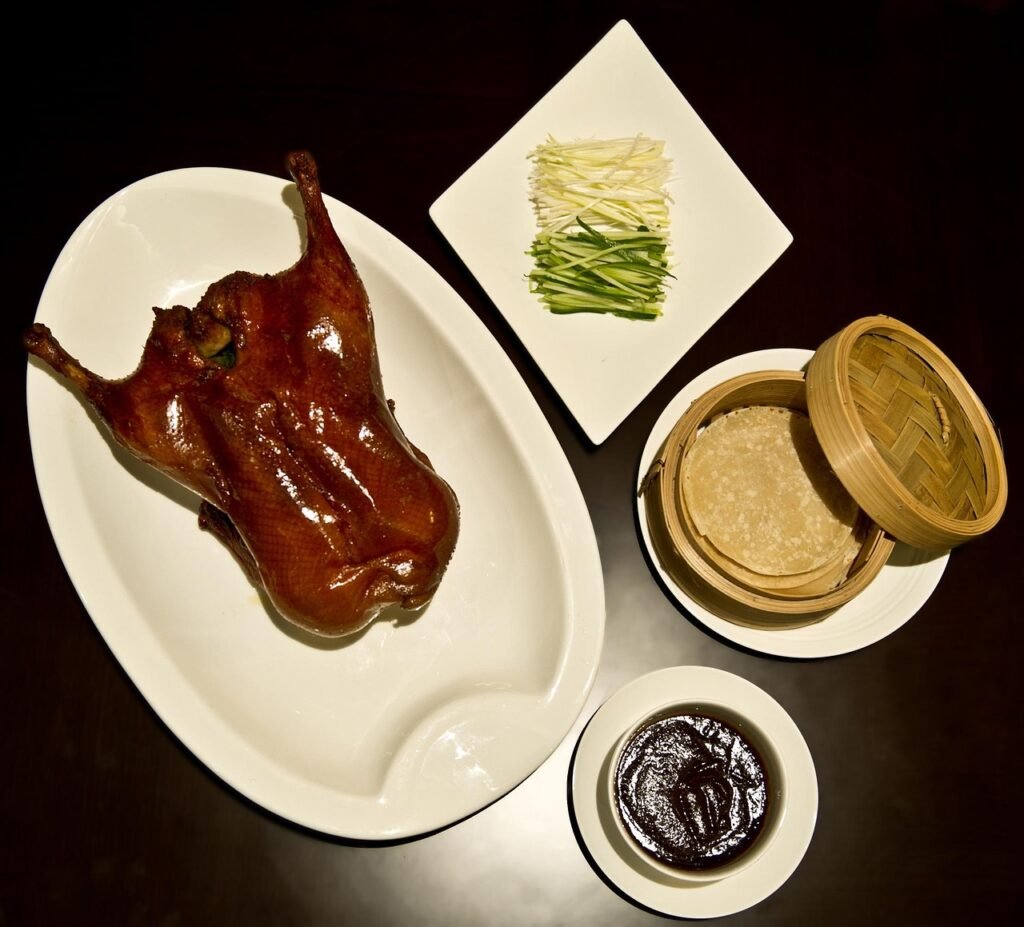
Peking roasted duck is renowned not only for its exquisite flavor but also for its remarkable textures, which are a result of meticulous cooking techniques. The most striking aspect of this culinary masterpiece is its crispy skin, which is achieved through a unique method that involves blowing air between the skin and the meat, followed by a process of drying and roasting. This crucial step ensures that the skin becomes beautifully crisp while retaining its golden color. The crunch of the skin provides a delightful contrast to the succulent meat, creating a sensory experience that is integral to the enjoyment of the dish.
Upon slicing into the roasted duck, diners are greeted with tender meat that melts in the mouth, further enhancing the overall texture experience. The juxtaposition between the crackling skin and the juicy flesh beneath is a hallmark characteristic of Peking roasted duck. This interplay of textures not only showcases expert culinary techniques but also highlights the importance of balance in the preparation of this dish.
When comparing Peking roasted duck to other duck preparation methods, such as duck confit or braised duck, the difference in texture becomes even more pronounced. While duck confit often results in rich, fatty meat surrounded by tender skin, the method lacks the distinct crispiness that defines Peking roasted duck. Additionally, braised duck tends to be more hearty and tender, but similarly lacks the textural dynamism presented in the roasted variant. This comparison underscores the uniqueness of Peking roasted duck, where achieving the ideal crunch alongside juicy meat sets it apart from other duck dishes.
Ultimately, the textures found in Peking roasted duck contribute significantly to its status as a culinary masterpiece, offering a fascinating study in the art of cooking, where technique and tradition converge to create a truly exceptional dining experience.
Visual Appeal of Peking Roasted Duck
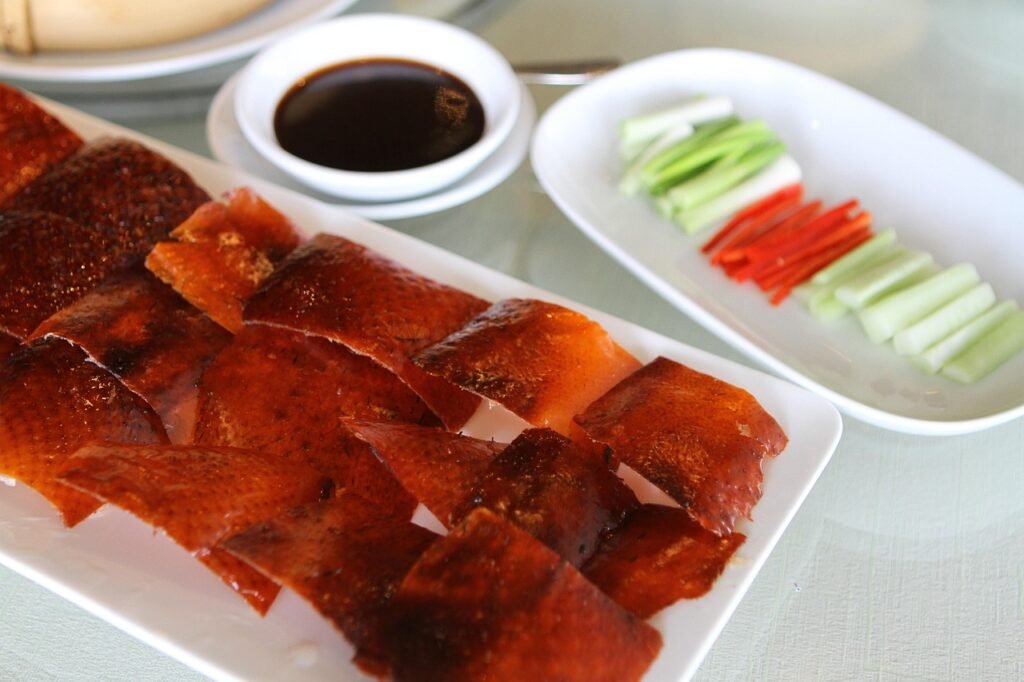
Peking roasted duck is renowned for its exceptional visual appeal, which is as captivating as its flavor. When expertly prepared, the duck boasts a rich, glossy finish that reflects a deep, alluring golden-brown hue. This coloration is a result of the meticulous roasting process that creates a perfectly crisp skin, a hallmark of this iconic dish. The texture of the skin is taut, enhancing its attractiveness and inviting diners to indulge in the experience. The sight of a perfectly roasted duck, glistening under the light, serves not only as a feast for the palate but also as a visual feast that stirs the appetite.
The presentation of Peking roasted duck plays a significant role in the overall dining experience. Typically served whole, the duck is often brought to the table in a traditional style, where it captivates the diners through its grand appearance. The professional carving of the duck at the table is also a noteworthy highlight, as it allows guests to appreciate the intricate layering of skin and meat, emphasizing the skill involved in its preparation. This act of carving is not merely functional; it adds to the theatrical atmosphere of the meal, engaging the guests in the culinary journey.
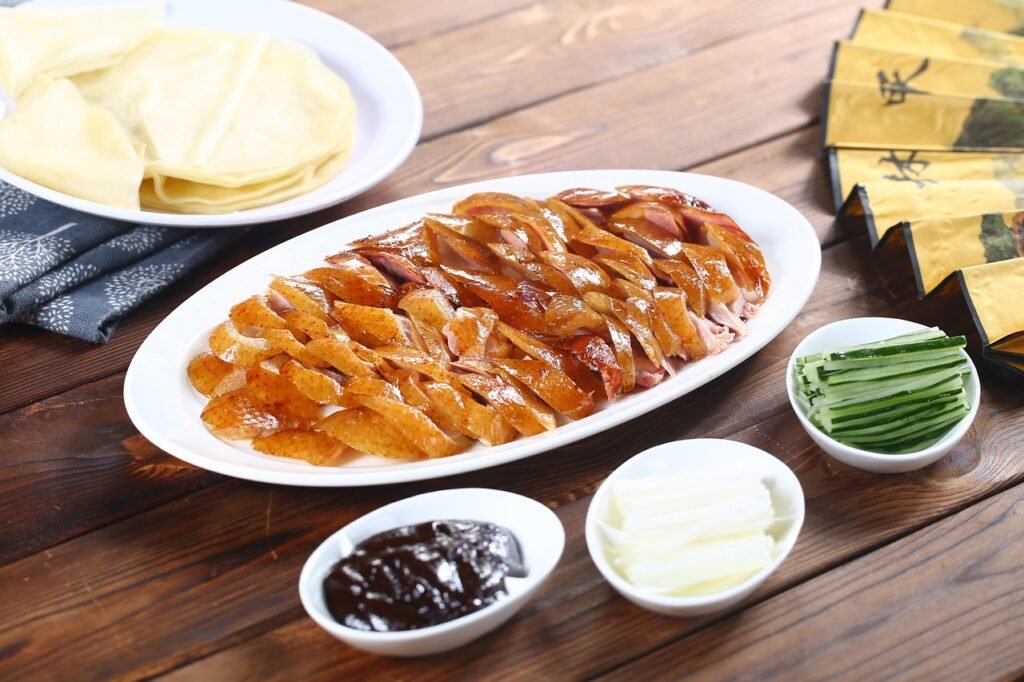
The garnishes accompanying the duck further enhance its visual allure. Commonly, it is served with thin pancakes, hoisin sauce, and finely sliced scallions. Together, these elements create a colorful and harmonious plate that is visually stunning. The contrast of the dark, roasted skin against the bright, fresh garnishes creates an inviting tableau that excites diners and heightens anticipation. Each component in the presentation serves a purpose, symbolizing the harmony of flavors and the rich cultural heritage associated with this beloved dish.
Appearance of Peking Roasted Duck: A Culinary Art
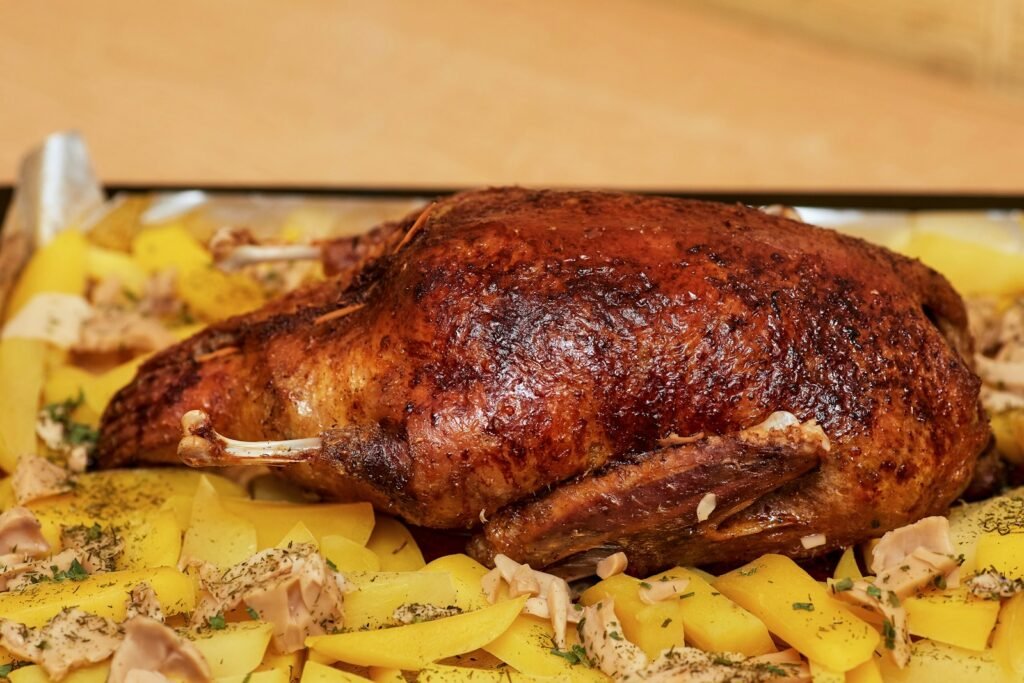
Peking roasted duck is not merely a dish; it represents a culmination of years of tradition and culinary artistry. The preparation begins with the careful selection of the duck, typically a Pekin duck known for its tender meat and thin skin. Once selected, the duck undergoes a meticulous preparation process. The first stage involves the thorough cleaning and drying of the duck, achieved by blowing air between the skin and the flesh. This crucial step ensures that the skin becomes crispy during cooking, a signature characteristic of this renowned dish.
Following this, the duck is then coated with a mixture of maltose and vinegar, which enhances both flavor and presentation. After applying this glaze, the duck is suspended vertically in a controlled environment to allow the skin to dry, a process that can last several hours. This suspension not only aids in achieving an ideal texture but also serves to maintain the aesthetic appeal, ensuring that the skin turns a rich, reddish-brown hue when roasted.
The next phase involves roasting the duck in a special oven, often over fruit woods like apple or cherry, which impart a distinct smokiness to the flavor profile. The roasting process is closely monitored, as achieving the perfect level of crispness is paramount. As the duck cooks, the heat causes the fat to render out, creating a beautifully crispy skin that contrasts wonderfully with the succulent meat.
Once ready, the presentation is carefully executed. Traditionally, a skilled chef carves the duck in a specific manner, serving the crispy skin alongside slices of tender meat. Each component is artfully arranged on the plate, often accompanied by thin pancakes, sliced cucumbers, and a sweet bean sauce. This attention to detail not only highlights the culinary skills involved in making Peking roasted duck but elevates the dining experience into an art form that is not easily forgotten.
Plating Techniques for Peking Roasted Duck
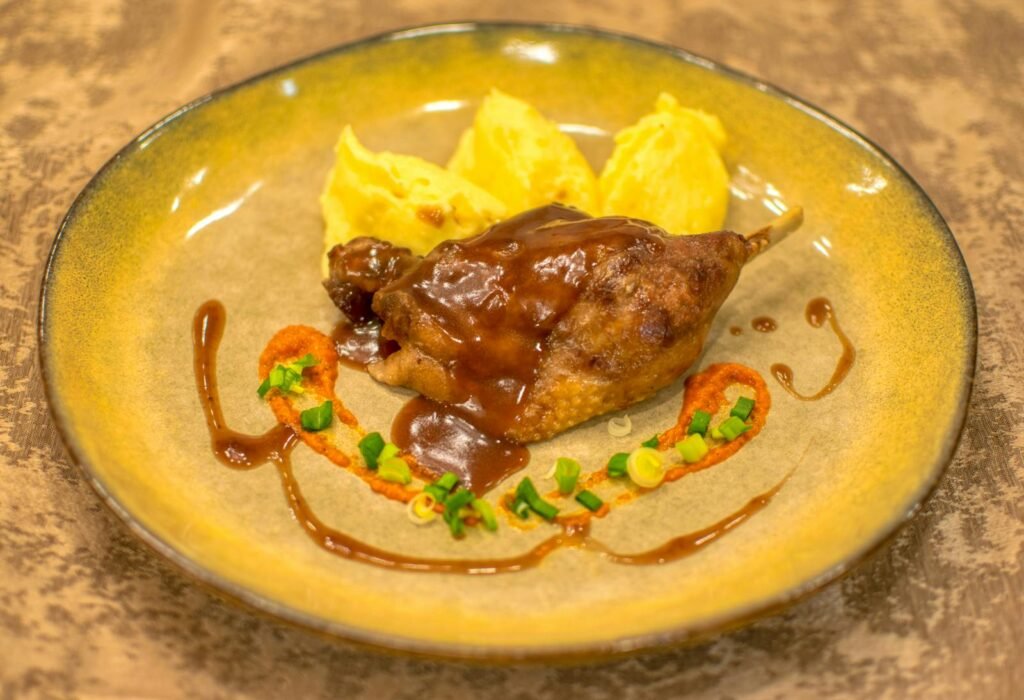
Plating is an essential aspect of presenting Peking roasted duck, as it not only highlights the dish’s visual appeal but also enhances the overall dining experience. The arrangement of the duck on the plate plays a crucial role in capturing the attention of the diners. Typically, the duck is sliced into thin, delicate pieces, showcasing its crispy skin and tender meat. When plating, it is important to display the slices in an organized manner, often in a fan shape, to create an inviting look that draws the eye.
In addition to the arrangement of the duck, the use of garnishes significantly contributes to the overall presentation. Traditional garnishes for Peking roasted duck may include thin slices of cucumber and aromatic spring onions. These elements not only add a pop of color but also provide a fresh contrast to the richness of the duck. A small pile of sliced vegetables beside the duck can invite diners to enjoy them alongside the meat, adhering to the traditional eating method.
Furthermore, the incorporation of side dishes, such as thin wheat pancakes, is integral to the plating process. These pancakes serve as a foundational element, allowing diners to wrap the duck, garnishes, and sauce together, enhancing flavors and textures. Arranging the pancakes neatly on the plate, either stacked or slightly fanned, maintains the focus on the star of the dish – the roasted duck.
Moreover, the choice of plate is another significant consideration. A clean, simple white or light-colored plate can serve to highlight the vibrant colors of the duck and garnishes, ensuring that the dish stands out. Attention to these plating techniques not only elevates the appearance of the Peking roasted duck but also enriches the overall enjoyment of this culinary masterpiece, setting the stage for a memorable dining experience.
Culinary Innovations in Peking Roasted Duck
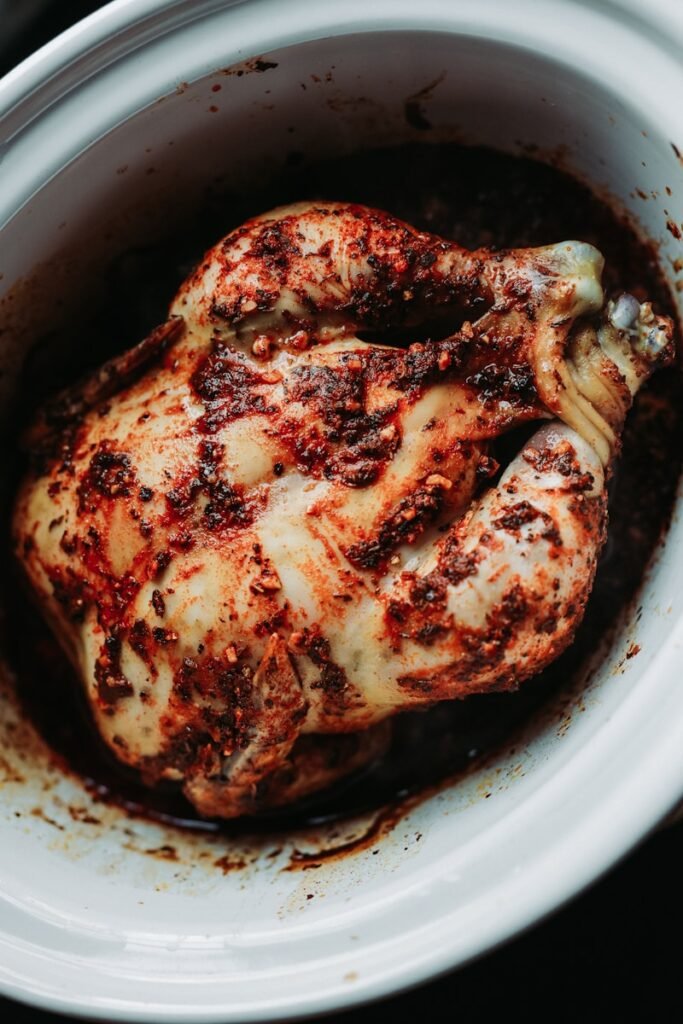
Peking roasted duck, a dish celebrated for its crispy skin and tender meat, has seen various adaptations in the realm of contemporary cuisine. Chefs around the world have embraced this classic preparation, launching innovative interpretations that honor the tradition while incorporating modern techniques and flavors. As culinary globalization continues to shape dining experiences, the ways in which Peking roasted duck is prepared and served have expanded significantly.
One notable innovation comes from the reimagining of the duck’s marinade. Contemporary chefs are experimenting with a variety of ingredients, integrating spices and herbs from diverse culinary traditions. For instance, some chefs may add a touch of five-spice powder or citrus zest to enhance the traditional flavor profile while introducing new aromatic layers. Furthermore, the cooking methods have also evolved, with sous-vide techniques gaining popularity. This method allows for precise temperature control, resulting in exceptionally tender duck that retains moisture while still achieving that coveted crispiness in the skin.
Alongside these culinary advancements, there has been a marked shift in presentation styles. Modern chefs often serve Peking roasted duck as part of a multi-course tasting menu rather than as a standalone dish. This not only elevates the dining experience but also encourages creativity in accompanying side dishes, ranging from innovative sauces to unique vegetable preparations. Some establishments have even opted for gluten-free pancakes or innovative garnishes, catering to modern diners’ dietary preferences.
The influence of globalization has also contributed to the fusion of Peking roasted duck with local flavors, leading to variations such as spicy duck tacos or duck sliders infused with local herbs. These adaptations maintain the essence of the traditional dish while appealing to contemporary palates. As culinary trends continue to change, the Peking roasted duck remains a beloved centerpiece, showcasing both timeless techniques and exciting innovations.
Where to Experience Authentic Peking Roasted Duck
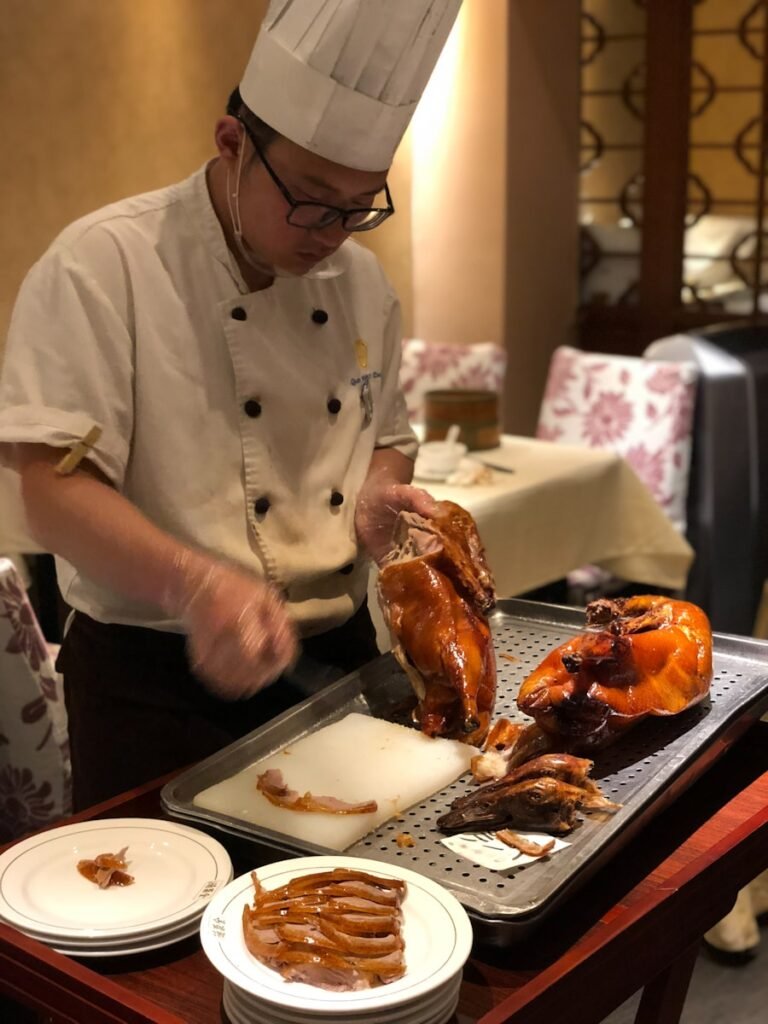
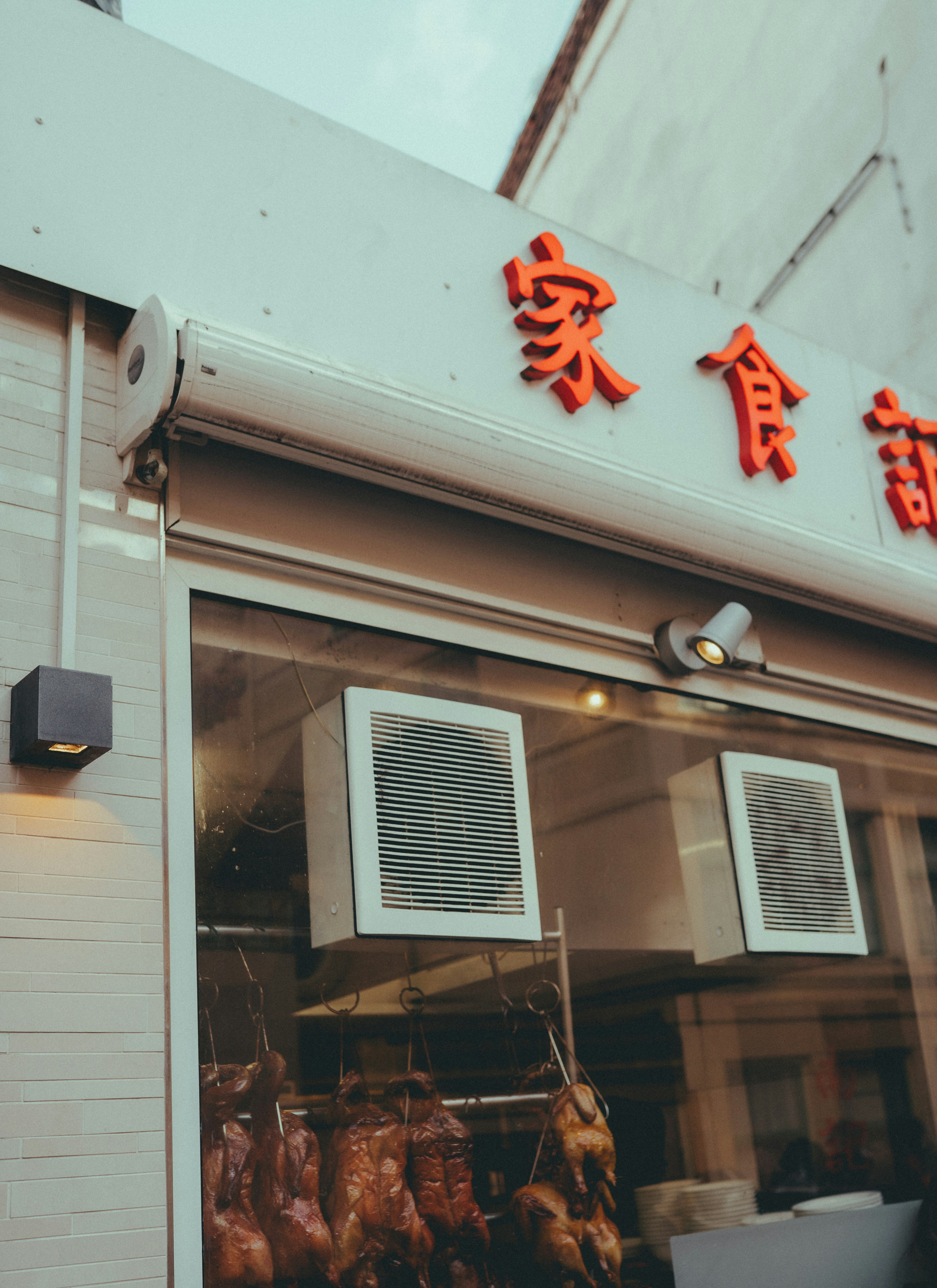
Peking roasted duck, a dish renowned for its crispy skin and tender meat, offers a remarkable culinary experience that should not be missed. When seeking authentic Peking roasted duck, it is essential to identify restaurants renowned for their commitment to traditional preparation methods. One of the most famous establishments is Quanjude, located in Beijing, where the duck is roasted using centuries-old techniques. The aroma of the duck combined with the meticulous plating process ensures that diners are treated to a feast that is as visually appealing as it is delicious.
Another esteemed restaurant is Da Dong, also situated in Beijing. Known for its innovative take on traditional recipes, Da Dong serves a version of Peking duck that emphasizes the balance of flavors and textures. Visitors can witness the duck being expertly carved at their table, enriching the dining experience and underscoring the artistry involved in this dish. Outside of China, restaurants such as The Duck and Waffle in London and New York’s Momofuku Ssam Bar have garnered acclaim for their adaptations of the dish, focusing on quality ingredients while still paying homage to the original flavors.
When exploring options outside the traditional locales, consider looking for eateries that focus specifically on northern Chinese cuisine, as they are more likely to adhere to the authentic Peking duck techniques. Additionally, a restaurant that uses a wood-fired oven for roasting will typically produce a superior duck compared to those using modern alternatives. Freshness is key; thus, opting for places that prioritize farm-to-table practices can enhance the overall quality of your dining experience.
In conclusion, whether in Beijing or beyond, the quest for authentic Peking roasted duck should be approached with enthusiasm. By selecting restaurants that honor the culinary traditions of this iconic dish, food lovers can fully savor the rich flavors and textures that make Peking roasted duck a masterclass in culinary excellence.