
The Origins of Caprese Salad
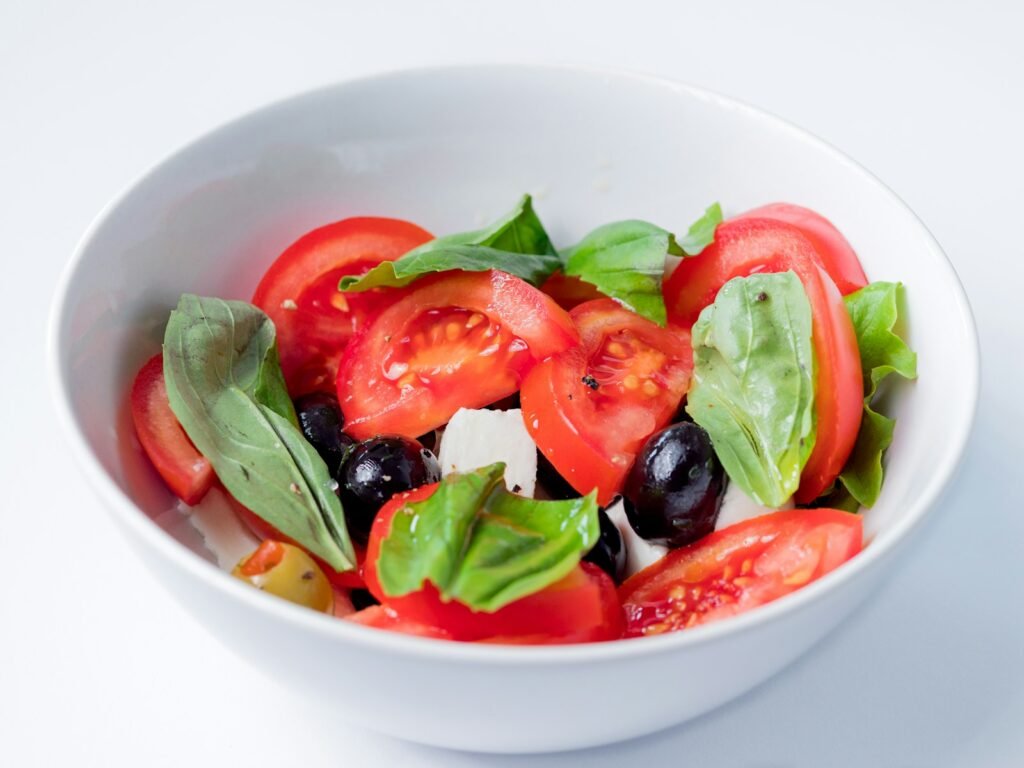
Caprese salad, a vibrant and refreshing dish, is widely recognized as a staple of Italian cuisine, tracing its roots back to the picturesque Island of Capri. Originating in the early 20th century, this salad reflects the Mediterranean lifestyle, where fresh ingredients take center stage. Traditional Caprese salad is composed of simple yet high-quality components: ripe tomatoes, fresh mozzarella, basil, extra virgin olive oil, salt, and sometimes balsamic vinegar. These ingredients are not only readily available in the Mediterranean region but also epitomize the essence of Italian cooking—simple, fresh, and flavorful.
The story of Caprese salad is intertwined with the culinary traditions of Italy. It is said that in the 1920s, the salad was created for a meal enjoyed by Italian royalty, which led to its association with luxurious dining. Over time, this dish gained popularity across Italy and beyond, becoming a symbol of the Mediterranean diet. The colors of the Caprese salad—red for tomatoes, white for mozzarella, and green for basil—are reminiscent of the Italian flag, further enhancing its cultural significance. As the dish spread, variations emerged, adapted to local tastes and available ingredients.
Cultural Significance of Caprese Salad
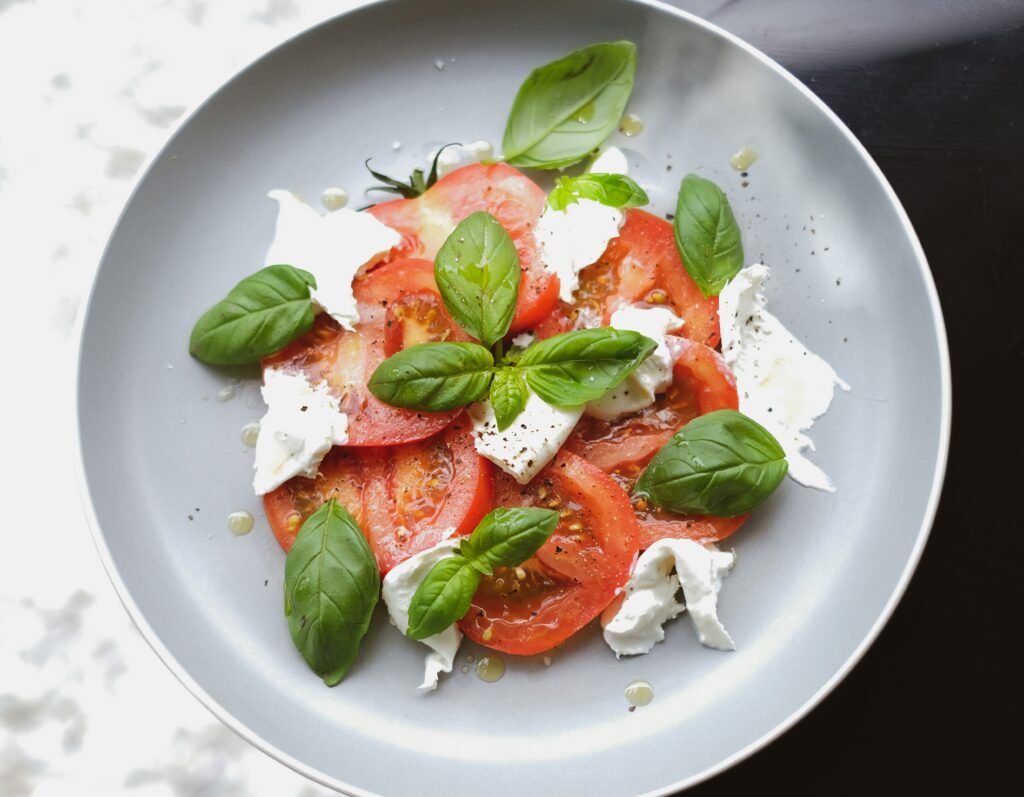
Caprese salad is not merely a dish; it encapsulates the essence of Italian culinary philosophy, celebrating fresh, high-quality ingredients. Originating from the island of Capri, this salad harmoniously combines ripe tomatoes, creamy mozzarella, aromatic basil, olive oil, and balsamic vinegar. Each ingredient represents the vibrant flavors and agricultural heritage of Italy, showcasing the emphasis on simplicity and freshness that characterizes Mediterranean cuisine.
In Italian culture, Caprese salad serves as a reflection of the belief that quality ingredients speak for themselves. Rather than overwhelming flavors or complex preparation, the dish allows each component to shine, embodying the age-old adage that “less is more.” This principle is especially revered during Italian summer gatherings, where the salad graces tables at family picnics, festive celebrations, and even formal dinners. Its adaptability makes it a staple at meals ranging from casual outdoor barbecues to sophisticated restaurant settings.
Unique Flavors of Caprese Salad
The Caprese salad exemplifies a harmonious union of flavors, primarily derived from its three essential ingredients: ripe tomatoes, fresh mozzarella cheese, and fragrant basil. Each element plays a critical role in creating the salad’s distinctive taste, showcasing a balance of sweetness, creaminess, and herbaceous notes that embody Italian culinary tradition.
Starting with the tomatoes, their ripeness is paramount as it directly influences the sweetness and acidity of the dish. Varieties such as heirloom or vine-ripened tomatoes are often chosen for their rich, robust flavor profiles, contributing a juicy texture that contrasts beautifully with the cheese. When selecting tomatoes, one should opt for those that are deep in color, firm yet slightly yielding to the touch, indicative of their optimal ripeness and flavor potential.
The fresh mozzarella cheese adds a delightful creaminess to the mix. Ideally, one should use buffalo mozzarella, as its richer flavor and silkier texture elevate the dish. This cheese provides a subtle tang paired with a milky sweetness that complements the natural flavors of the tomatoes. When the mozzarella is sliced and combined with the tomatoes, it forms a delectable pairing that enhances the overall taste experience of the Caprese salad.
Basil, the final key ingredient, introduces an aromatic quality that ties the dish together. Its fresh, slightly peppery flavor contributes an herbaceous element that brightens the salad. Furthermore, the incorporation of finely chopped basil or whole leaves introduces various layers of flavor, allowing for personal preference in the preparation.
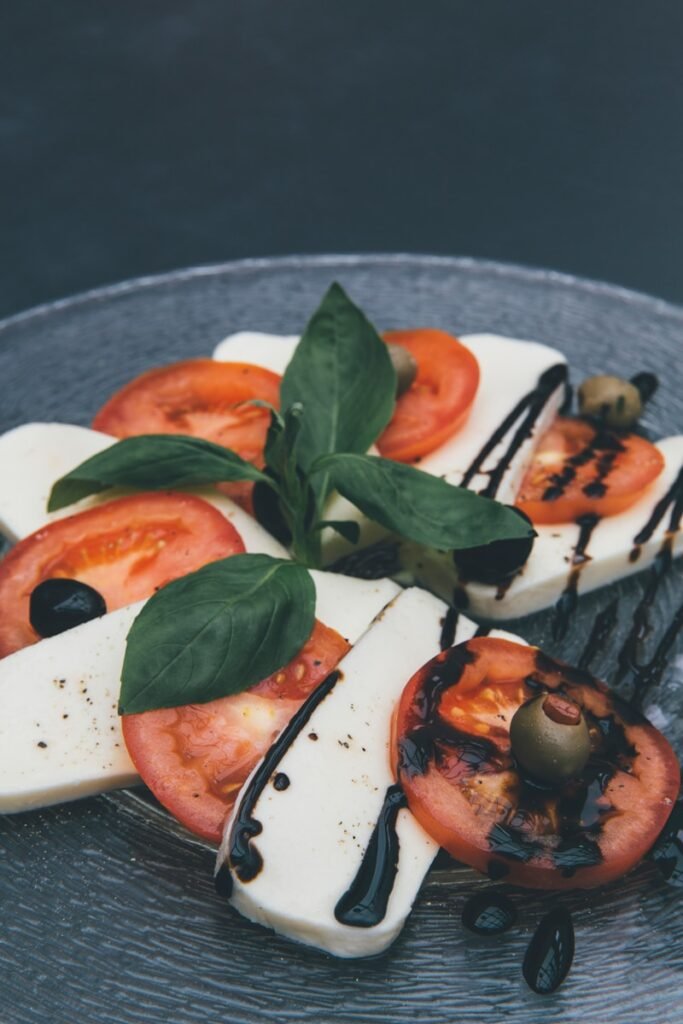
Variations of the Caprese salad may include additional ingredients such as balsamic reduction, olives, or arugula, which can further enhance the flavor profile. Each of these additions brings new dimensions to the salad, accommodating a wide range of tastes while maintaining its original charm. The careful selection of ingredients ensures that the unique flavors of Caprese salad resonate beautifully with all who partake.
Textures in Caprese Salad
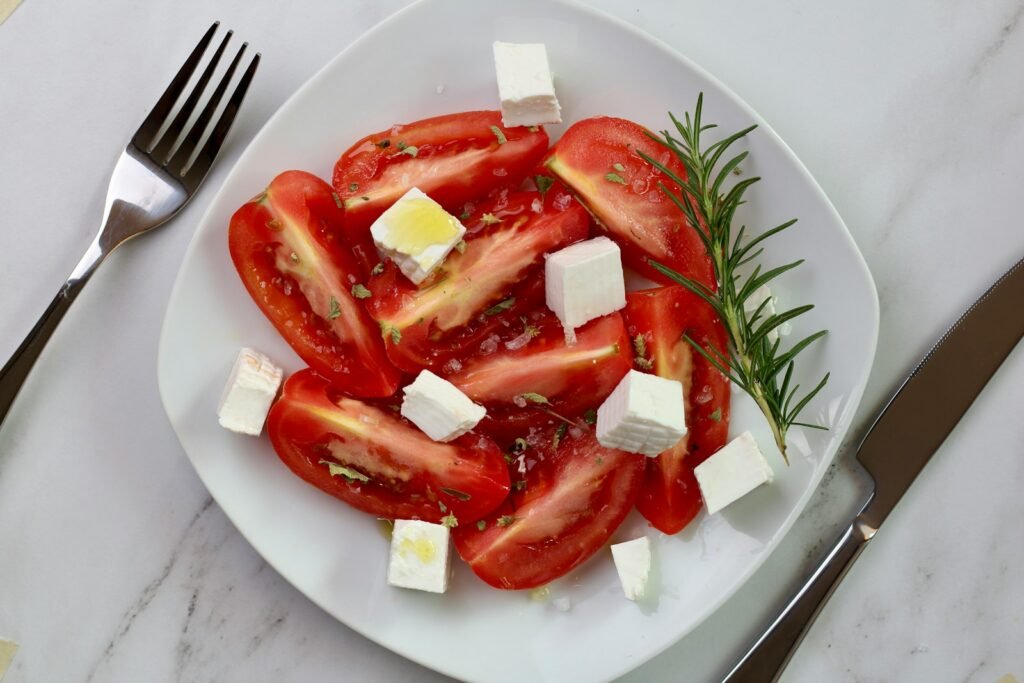
The Caprese salad is a renowned dish that offers not only visual allure but also an array of contrasting textures that enhance the overall dining experience. A key component of this salad is the fresh tomatoes, which typically exhibit a firm yet slightly yielding quality. When perfectly ripe, the tomatoes provide a satisfying crunch upon the initial bite. Their juicy interior releases a burst of flavor that complements the other ingredients, making them an essential element of the dish.
Complementing the tomatoes is the creamy texture of fresh mozzarella cheese, which is often referred to as the heart of the Caprese salad. The mozzarella can be categorized as both soft and elastic, creating a delightful contrast against the firmness of the tomato slices. When sliced, the mozzarella offers a smooth, rich mouthfeel that beautifully balances the salad’s overall composition. This creaminess is a vital aspect that contributes to the luxuriousness of the dish, making each bite an intriguing interplay of textures.
The texture of fresh basil leaves introduces a further dimension to the Caprese salad. When added, the basil contributes a subtle crispness, and its aromatic oils can elevate the textural experience. The combination of the tender leaves with the robust tomato and creamy mozzarella makes for a well-rounded sensory interaction. To enhance these textures, preparation and serving methods play a crucial role. For instance, slicing the tomatoes and mozzarella in uniform thickness allows for a consistent mouthfeel, while arranging them in an alternating fashion elevates their aesthetic appeal. Additionally, drizzling high-quality olive oil not only adds a glossy finish but also enriches the texture, creating a cohesive and satisfying dish. Thus, the varied textures found in a Caprese salad not only contribute to its appeal but are fundamental to enjoying this classic Italian dish to its fullest extent.
Visual Appeal of Caprese Salad
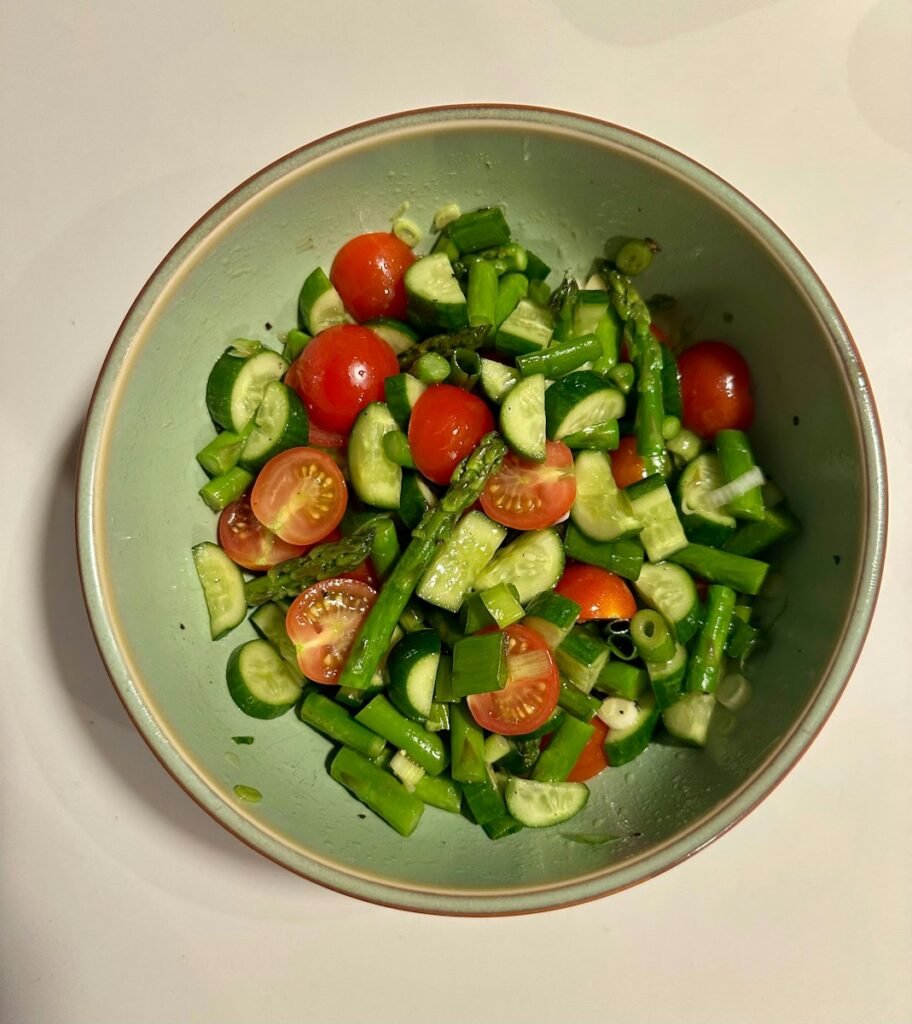
The Caprese salad, a quintessential Italian dish, is renowned not only for its delightful flavors but also for its striking visual presentation. The salad’s vibrant colors—red tomatoes, white mozzarella, and green basil—have garnered attention that transcends mere aesthetics. These hues not only mirror the colors of the Italian flag but also evoke a sense of national pride and culinary heritage. Each ingredient contributes to a colorful tableau that is both appetizing and artistically pleasing.
The interplay of colors in food has significant psychological implications. Studies suggest that vibrant colors can influence a person’s perception of taste and enhance the overall dining experience. In the case of Caprese salad, the freshness of the green basil complements the juicy, red tomatoes, while the creamy white mozzarella adds a touch of elegance. This visual symphony draws diners’ eyes, making the dish more enticing and encouraging an appreciation for its freshness.
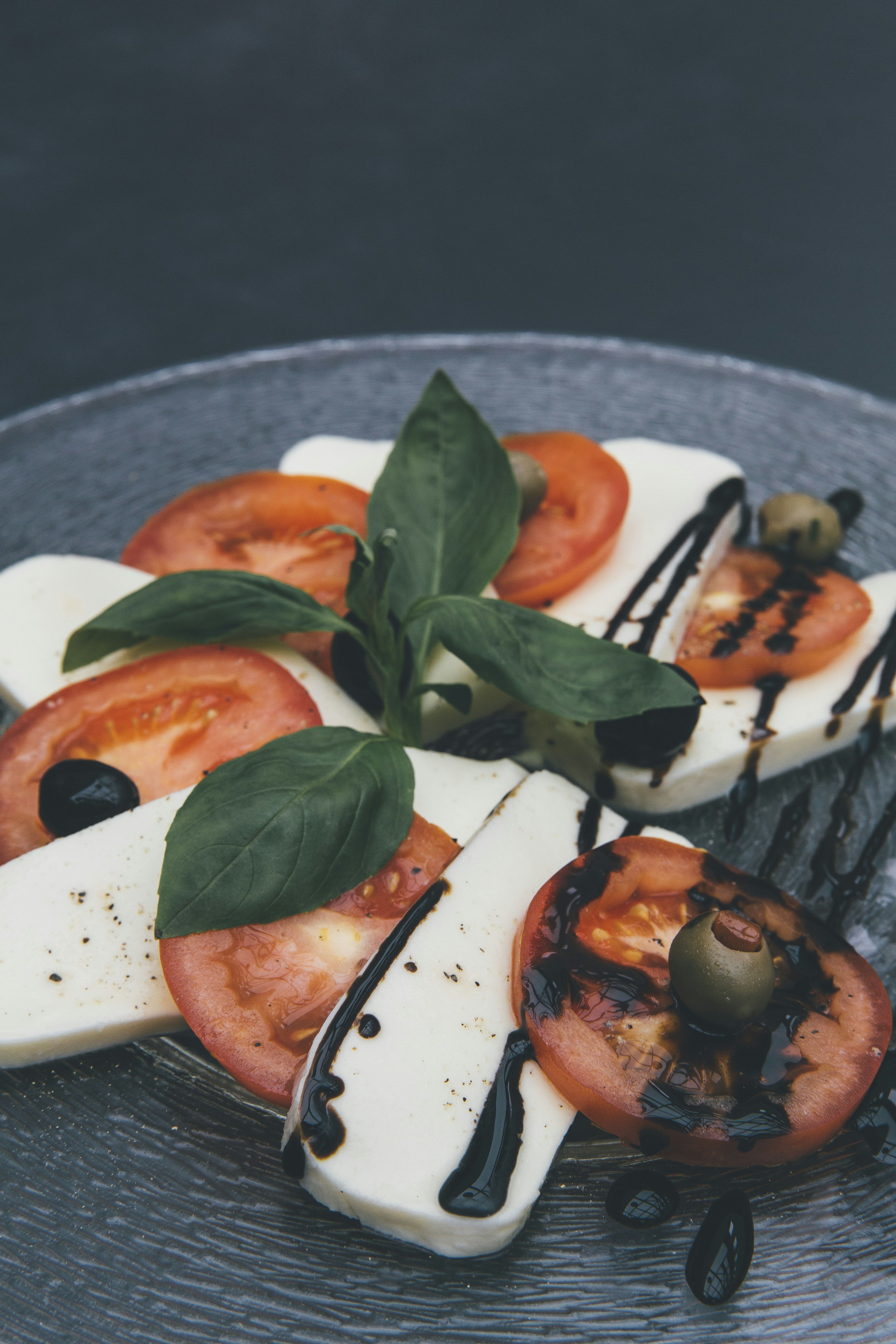
The presentation of the Caprese salad can vary, but the classic arrangement involves layering the ingredients in an alternating pattern. This not only enhances the visual appeal but also allows for a harmonious blend of flavors in every bite. Additionally, garnishing with a drizzle of high-quality olive oil or a sprinkle of balsamic reduction accentuates the colors while adding depth to the visual presentation. Such thoughtful arrangements highlight the importance of aesthetics in culinary art, showcasing how color can evoke feelings and set the mood for a meal.
In the world of culinary delights, the Caprese salad stands out not only as a flavorful dish but also as a feast for the eyes. Its artistic presentation is a testament to the notion that we eat with our eyes first, emphasizing the role of visual appeal in enticing diners and enhancing their gastronomic journey.
The Art of Plating Caprese Salad
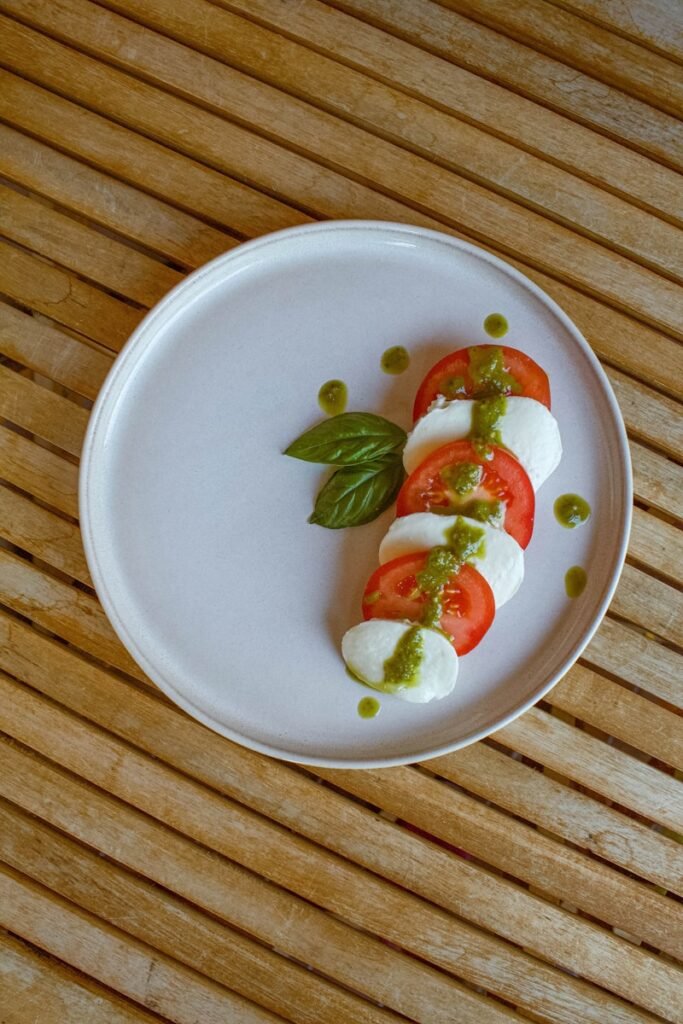
The presentation of a dish plays a crucial role in the overall dining experience, and Caprese salad is no exception. The vibrant colors of fresh mozzarella, ripe tomatoes, and fragrant basil provide an excellent canvas for creative plating techniques. Effective plating not only enhances visual appeal but also helps to emphasize the ingredients’ freshness and quality. One predominant technique involves layering the components effectively, creating a striking contrast in textures and colors. Placing the mozzarella, tomato, and basil in an alternating pattern can create a visually pleasing arrangement that tantalizes the eye before the first bite.
Utilizing garnishes can further elevate the presentation of your Caprese salad. A drizzle of high-quality olive oil or balsamic glaze adds shine and depth, while a sprinkle of sea salt enhances the natural flavors. Fresh herbs, such as microgreens or additional basil leaves, can be placed artfully around the edges of the plate, contributing to a lush aesthetic. Additionally, consider using complementary dishware to contrast against the salad’s vivid ingredients. For instance, a deep green or rustic platter can create a stunning backdrop that accentuates the bright reds and whites of the Caprese.
It is also important to think about the overall serving size and structure of the dish. Smaller portions can benefit from higher stacks, creating height and intrigue, while larger servings can be presented in a more sprawling arrangement. Keeping in mind the spatial distribution of ingredients can guide the viewer’s eye towards each component. Utilizing various shapes—round, square, or even irregular—can add a dynamic element to the presentation. Ultimately, thoughtful plating of a Caprese salad transforms it from a simple dish to a captivating culinary delight, making the dining experience truly memorable.
Common Variations of Caprese Salad
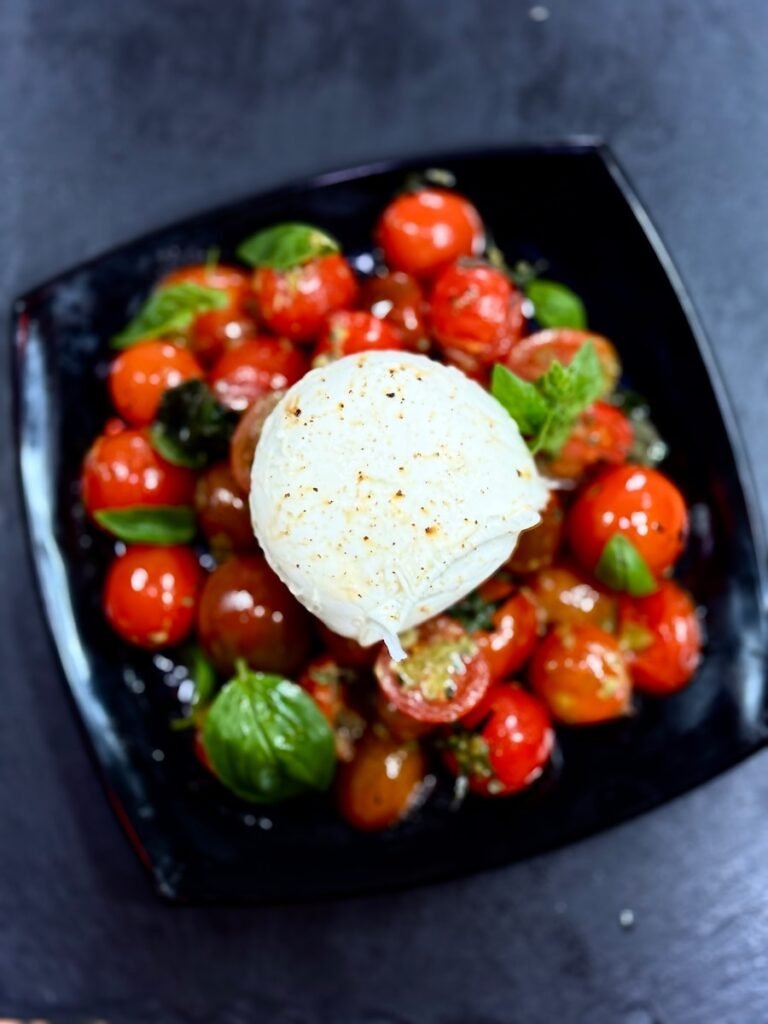
The traditional Caprese salad, cherished for its simplicity and fresh flavors, serves as a wonderful base for numerous adaptations that cater to diverse palates and dietary preferences. One popular variation is the incorporation of balsamic glaze. This addition lends a sweet, tangy nuance to the salad, enhancing the freshness of the mozzarella and tomatoes while providing a sophisticated presentation. The drizzle of balsamic glaze emphasizes the contrasting flavors, elevating the dish to new culinary heights.
Another appealing option is to incorporate avocado into the Caprese salad. Avocado not only adds a creamy texture but also contributes healthy fats, making the dish more filling. The subtle flavor of avocado complements the tomatoes and mozzarella, creating a richer mouthfeel that many may find satisfying. This variation is particularly popular among health-conscious individuals seeking nutrient-dense ingredients that enhance taste without sacrificing flavor.
Seasonal vegetables introduce yet another layer of creativity to the classic Caprese salad. For instance, adding grilled zucchini or asparagus during warmer months can enrich the dish’s flavor profile and nutritional value. These vegetables infuse the salad with additional textures and colors, making each bite even more enticing. Additionally, experimenting with different herbs such as basil, mint, or arugula can further personalize the dish, allowing individuals to explore various flavor combinations.
These adaptations underscore the versatility of the Caprese salad, making it suitable for various occasions, whether as an appetizer, side dish, or a light meal. By embracing the plethora of variations available, one can enjoy a timeless classic while tailoring it to match personal tastes or dietary restrictions. The potential for creativity in crafting your Caprese salad is virtually limitless.
Conclusion: Celebrating Caprese Salad

In the realm of culinary traditions, the Caprese salad stands as a testament to the elegance of simplicity. Celebrated for its balance of flavors and visually appealing presentation, this classic dish embodies the essence of Italian cuisine. The combination of fresh tomatoes, creamy mozzarella, fragrant basil, a drizzle of olive oil, and a pinch of salt creates a harmonious blend that excites the palate and nourishes the spirit.
Beyond its delicious taste, the Caprese salad holds cultural significance, particularly in Italy, where it is often associated with the Mediterranean lifestyle. Its origins can be traced back to the island of Capri, where the utilization of fresh, local ingredients plays a crucial role in the preparation of this dish. This connection to place and tradition enhances its allure, offering a narrative that goes beyond mere consumption.
Furthermore, the Caprese salad serves as a versatile canvas for culinary creativity. While the traditional version remains a favorite, many chefs and home cooks alike experiment with variations, incorporating seasonal ingredients or adapting the salad to suit personal tastes. Such modifications allow individuals to express their culinary creativity while honoring the foundational elements of this beloved dish.
The Caprese salad is more than just a meal; it is an experience that encourages appreciation for quality ingredients and culinary craftsmanship. As readers explore and enjoy this dish, they are invited not only to savor its flavor but also to embrace its rich history and the vibrant culture it represents. Whether enjoyed in its classic form or customized to reflect personal preferences, the Caprese salad remains a delightful celebration of fresh ingredients and Italian heritage.