
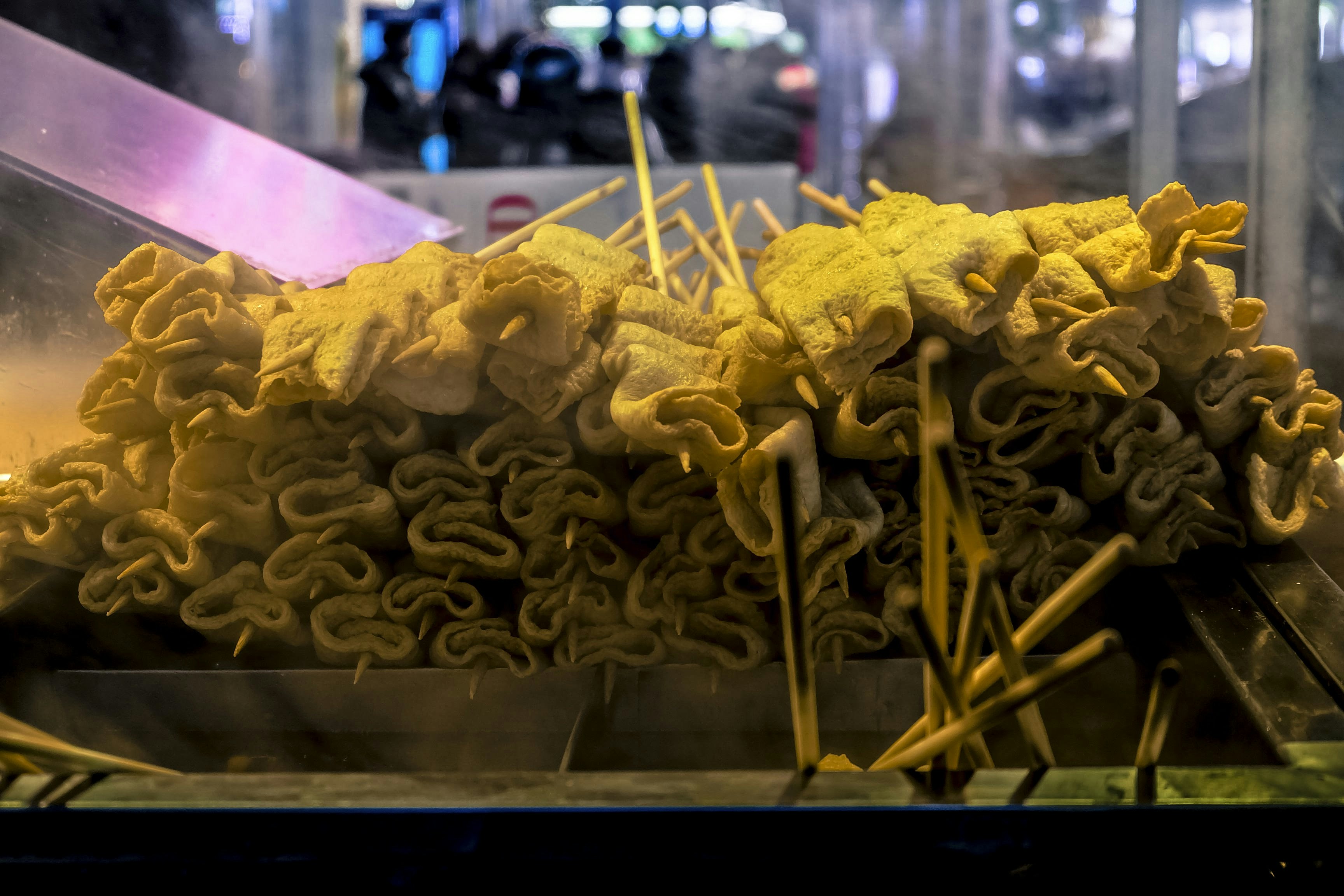
What is Oden? A Brief Introduction to the Dish
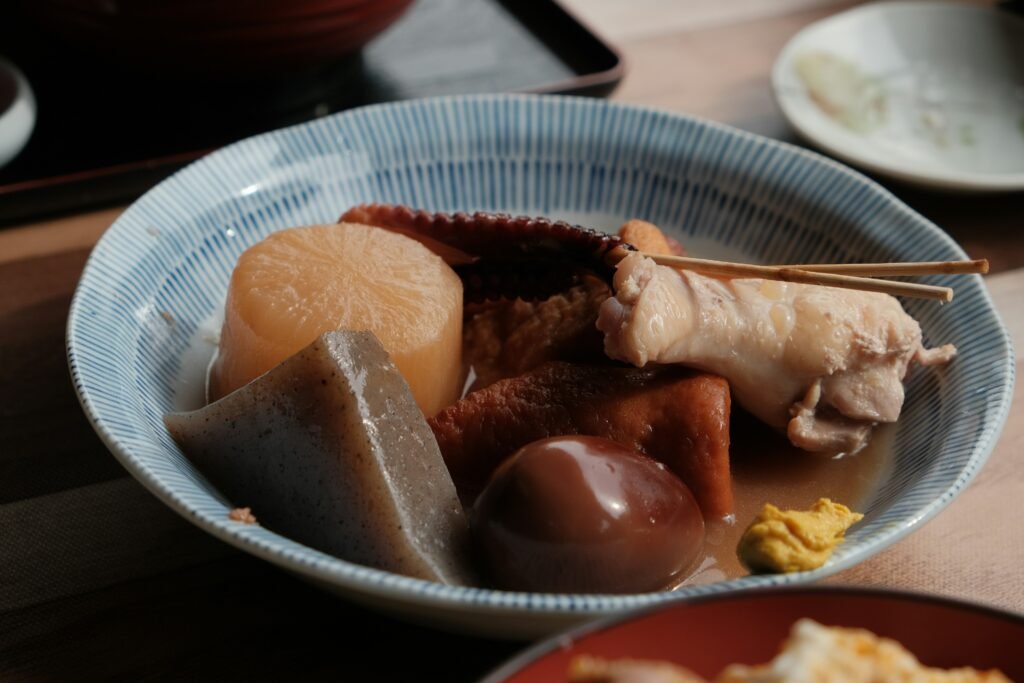
Oden is a traditional Japanese comfort food that has gained tremendous popularity over the years, cherished for its simplicity and heartwarming flavors. The dish has deep historical roots, dating back to the Edo period (1603-1868), when it was originally served as a street food. The evolution of Oden can be traced through various regions in Japan, where local ingredients and culinary practices have contributed to diverse interpretations of this delightful dish.
Typically, Oden consists of an assortment of ingredients simmered in a light, soy-based dashi broth. The common components include a variety of proteins, such as fish cakes, tofu, and daikon radish, as well as vegetables like negi (green onions) and konnyaku (konjac). Each ingredient plays a significant role in creating the distinct umami-rich flavor profile that defines Oden. Fish cakes, or “kamaboko,” are especially popular, offering unique textures and flavors that complement the broth. The versatility of Oden allows for an endless combination of ingredients, making it a customizable dish that caters to personal preferences.
In Japanese culture, Oden holds a special significance as a family-oriented meal, often enjoyed during colder months. It is commonly found in traditional restaurants called “oden-ya” and is frequently made at home. The dish is usually served with various condiments such as mustard or soy sauce, enhancing its appeal. The communal nature of enjoying Oden fosters a sense of warmth and togetherness, making it a staple in many households. As Oden continues to grow in popularity beyond Japan, it represents not only a comforting meal but also a connection to rich culinary traditions.
The Flavor Profile: A Deep Dive into Oden’s Taste
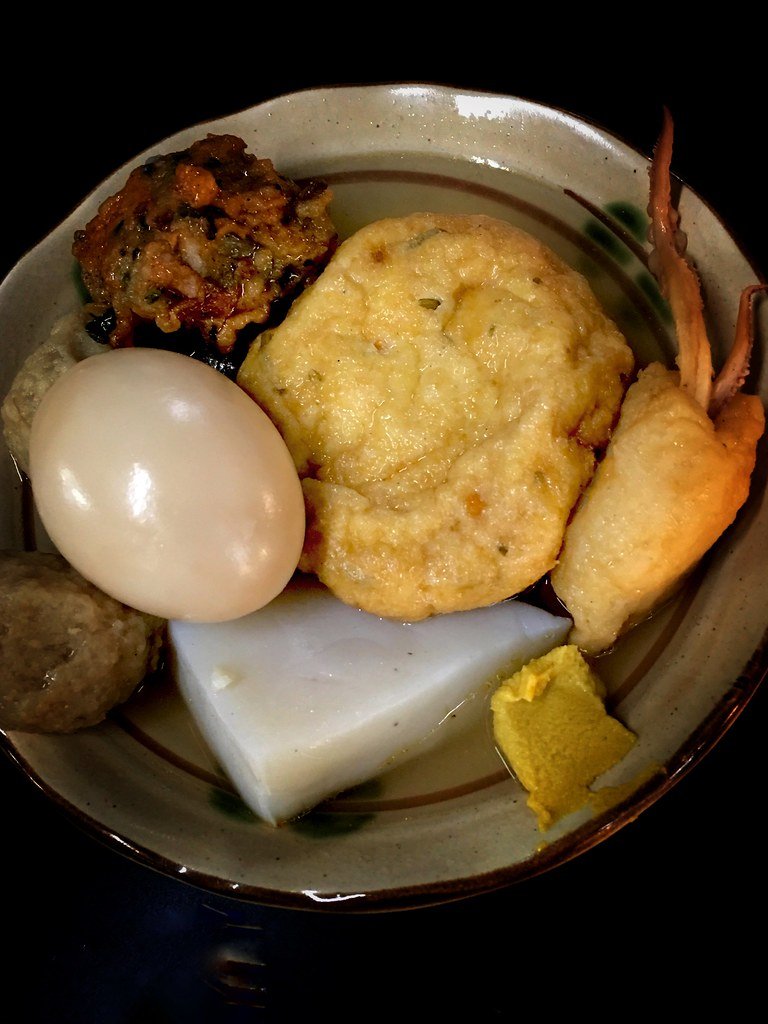
Oden, a quintessential Japanese comfort food, presents a complex flavor profile that is both subtle and profound. At the heart of this dish lies the dashi broth, which serves as its foundation. Traditionally made from kombu (dried kelp) and katsuobushi (dried bonito flakes), the dashi lends a savory umami essence that permeates the various ingredients simmered within it. This broth is refreshingly delicate, allowing the inherent flavors of each item to shine while contributing to a collective harmony.
The ingredients themselves, often ranging from radish (daikon) to fish cakes (kamaboko) and boiled eggs, add layers to the flavor experience. Each element contributes uniquely: the daikon, for instance, absorbs the broth, taking on a silky texture and a mild flavor that is punctuated by slight sweetness. Fish cakes introduce a subtle fishiness complemented by a bouncy texture, while ingredients such as konnyaku may present a more muted taste but are essential for providing variety in mouthfeel.
However, Oden’s flavor adventure does not end with its ingredients alone. The role of dipping sauces and garnishes cannot be overlooked. Common accompaniments include soy sauce, mustard, or a spicy ponzu, which can intensify or contrast the existing flavors of the dish. These additions transform the eating experience, allowing for personal customization and further exploration of taste. For instance, the sharpness of mustard can cut through the richness of the broth, bringing a refreshing brightness to each bite.
In essence, Oden is a celebration of flavors that interplay seamlessly, ensuring that each bite offers something unique. The combination of the dashi broth, diverse ingredients, and flavorful sauces creates a culinary experience that invites diners to savor and engage with its intricate taste.
Regional Variations of Oden: A Taste Tour Across Japan
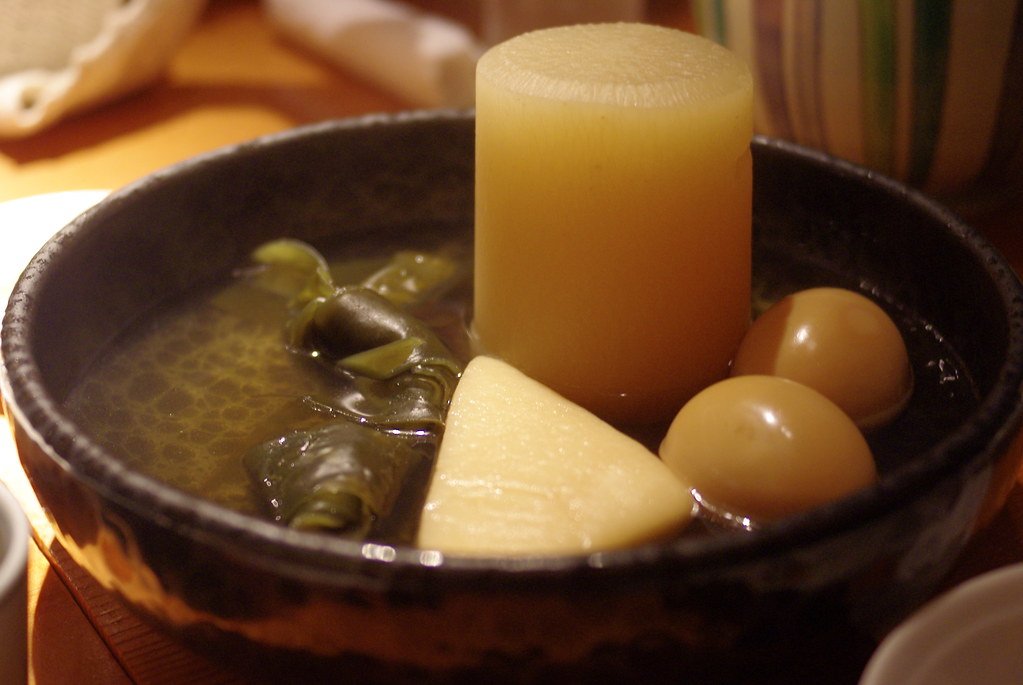
Oden, a traditional Japanese one-pot dish, varies significantly across the regions of Japan, reflecting local tastes, ingredients, and customs. This culinary staple, typically enjoyed during the colder months, features a harmonious blending of various elements that create distinct versions of the dish. In conducting a taste tour across Japan, one discovers that the variations are as rich and diverse as the country itself.
In the Kansai region, particularly in cities like Osaka and Kyoto, Oden is characterized by a lighter dashi broth, often prepared with kombu (sea kelp) and bonito flakes. This subtle flavor allows the ingredients, such as daikon radish, boiled eggs, and various fish cakes, to shine through. Kansai-style Oden tends to be more delicate, often served with a variety of dipping sauces such as soy sauce or a spicy mustard, enabling consumers to tailor their dining experience. The lighter broth is a reflection of the region’s emphasis on umami and freshness, allowing the natural flavors of the ingredients to take center stage.
Conversely, in the Kanto region, which includes the bustling metropolis of Tokyo, Oden showcases a robust and richer broth, often enhanced with soy sauce. The Kanto preparation typically features heartier ingredients like thick-cut konnyaku, an array of tofu variations, and thicker fish cakes, all simmered to perfection. This style results in a more intensely flavored dish, providing a contrasting experience to its Kansai counterpart. Additionally, the Kanto version often incorporates regional variations influenced by local customs, such as the addition of unique ingredients like mochi or even kimchi.
In conclusion, the regional variations of Oden offer a fascinating insight into Japan’s culinary diversity. From the light and refreshing Kansai style to the rich and hearty Kanto version, Oden is more than just a meal; it is a cultural expression influenced by the geography and traditions of each region, showcasing the beauty of Japanese cuisine.
Where to Find the Best Oden: Top Restaurants and Street Stalls
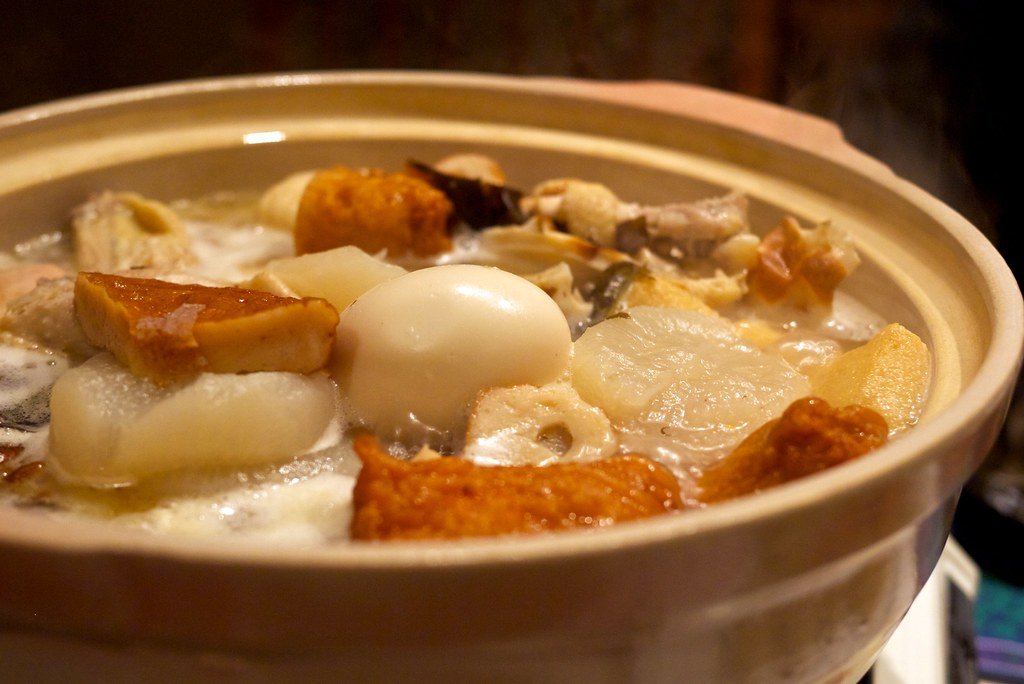
For enthusiasts eager to savor the intricate flavors of Oden, the journey to find the best offerings can be as delightful as the dish itself. In Japan, numerous establishments, ranging from traditional restaurants to quaint street stalls, serve this beloved comfort food. Each venue has its unique charm and specialties, contributing to a full-bodied Oden experience.
One renowned spot is Uobei in Shibuya, which has garnered attention for its fresh, artisan Oden choices, delivered with impressive speed via a conveyor belt. The atmosphere here is vibrant, bustling with the energy of both locals and tourists. A recommended dish is their homemade daikon, which absorbs the rich broth superbly—making it a must-try for first-time visitors.
For those seeking a more traditional ambiance, Matsusakagyu Yakiniku M, also located in Shibuya, offers a seasonal Oden menu. The restaurant’s approach emphasizes quality ingredients, including locally sourced fish cakes and handmade tofu. The dining experience is complemented by a warm, rustic decor that evokes nostalgia, making it a perfect location to unwind while relishing killer Oden flavors.
If you prefer an authentic street food vibe, head to Asakusa where countless street stalls showcase mouthwatering Oden. These stalls provide a casual dining experience with a homely feel. One such spot, Oden-ya, is famous for its variety of skewers, including fish balls and konnyaku. Visitors are encouraged to try the rich, dark broth that enhances each bite, making it a memorable culinary adventure.
When visiting any of these locations, it’s advisable to follow the locals’ lead on what to order, as their recommendations often highlight seasonal specialties that might not be listed on the menu. This insider tip can further enhance your Oden experience, allowing you to appreciate the intricacies of this delightful dish in various settings.