
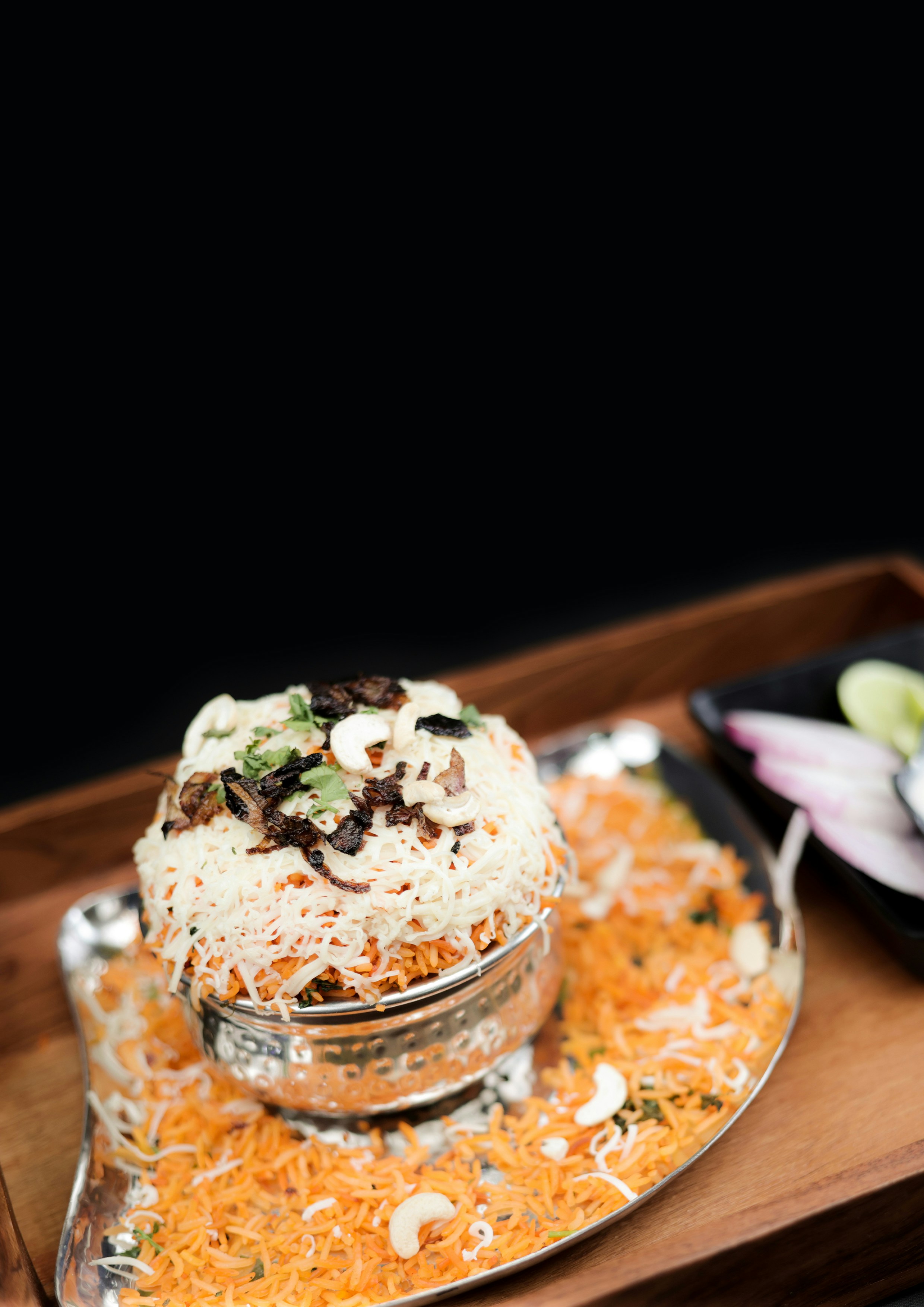
Introduction to Biryani: A Culinary Icon
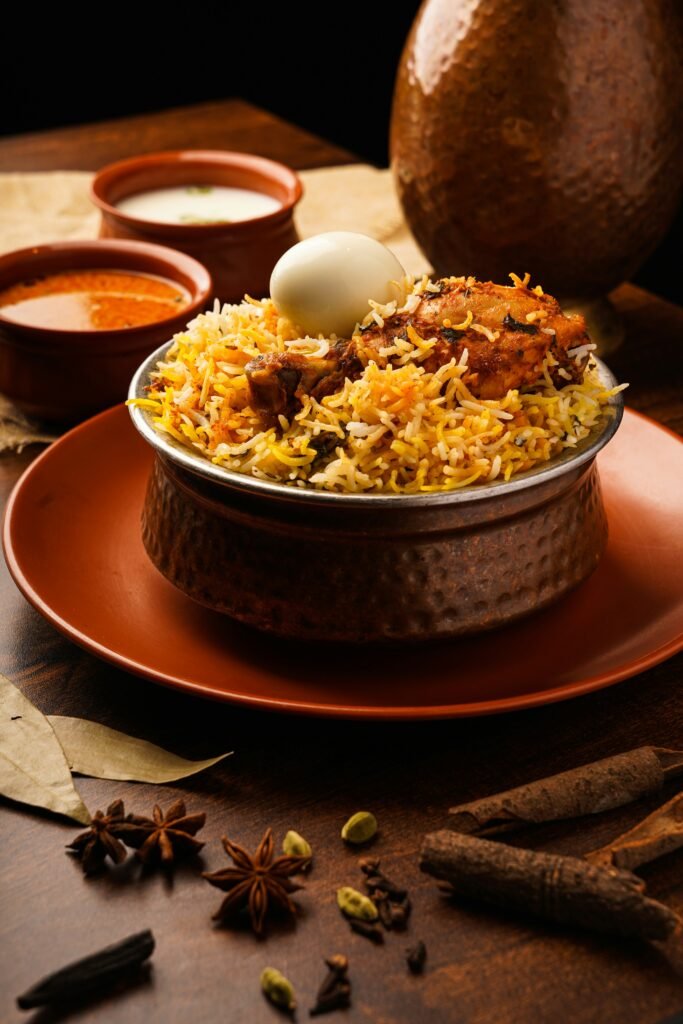
Biryani stands as one of the most beloved dishes across the globe, cherished for its rich flavors and aromatic essence. This culinary icon has roots that can be traced back to ancient civilizations, with influences across India, Persia, and beyond. The origins of biryani are often debated, yet it is widely accepted that it emerged from the convergence of cultural exchanges along trading routes, notably between the Middle East and South Asia. Today, biryani is not merely a meal, but a gastronomic representation of the diverse cultural heritages that have shaped it over centuries.
The preparation of biryani involves layering marinated meat, fragrant basmati rice, and a medley of spices, resulting in a dish that is both intricate and deeply satisfying. Each region has adapted the recipe to reflect local tastes and traditions, leading to an array of variations such as Hyderabadi, Kolkata, and Lucknowi biryani. This culinary diversity is emblematic of biryani’s ability to transcend boundaries, making it a staple at celebrations and communal gatherings. For many, the dish is synonymous with family traditions and communal identity, often eliciting nostalgia tied to shared meals and festive occasions.
As biryani has evolved, it has maintained its status as a symbol of hospitality and tradition, signaling the importance of a shared dining experience. The dish showcases not only the complexity of flavors and techniques but also the stories and histories of the communities that embrace it. The preparation and sharing of biryani link generations, fostering connections through food. This introduces biryani as more than sustenance; it is a narrative woven into the social fabric of numerous cultures, warranting a deeper examination of its unique flavors and textures that captivate enthusiasts worldwide.
Unique Flavors and Textures of Biryani

Biryani is a culinary masterpiece renowned for its distinctive flavors and textures, which set it apart from other rice dishes. The foundation of biryani lies in its rich blend of spices, which are carefully balanced to create an aromatic and savory experience. Commonly used spices include cumin, coriander, cardamom, cloves, and saffron, each contributing its unique essence to the dish. This complexity of flavors not only enhances the taste but also reflects the cultural heritage of the regions in which biryani is prepared.
The quality of the rice used in biryani is another critical factor in achieving its characteristic texture. Traditionally, basmati rice is preferred for its long grains and aromatic qualities. When cooked, basmati rice remains fluffy and separate, allowing each grain to absorb the fragrant spices and juices from the meat or vegetables. This ideal texture creates a pleasant contrast with the tender morsels of meat, often marinated in yogurt and spices, resulting in a rich layering of flavors that define the dish.
Biryani can be prepared using various types of meat, including chicken, mutton, beef, and even seafood. Additionally, vegetarian versions emerge with the inclusion of a wide range of vegetables, potatoes, and paneer. The choice of protein or vegetables impacts the overall profile of the biryani, resulting in variations that cater to diverse palates. Unlike other rice dishes such as pilaf or risotto, which may focus more on a single ingredient or flavor profile, biryani excels in its harmonious combination of spices, rice, and accompaniments, making it a truly unique culinary delight.
Visual Appeal: The Art of Plating Biryani
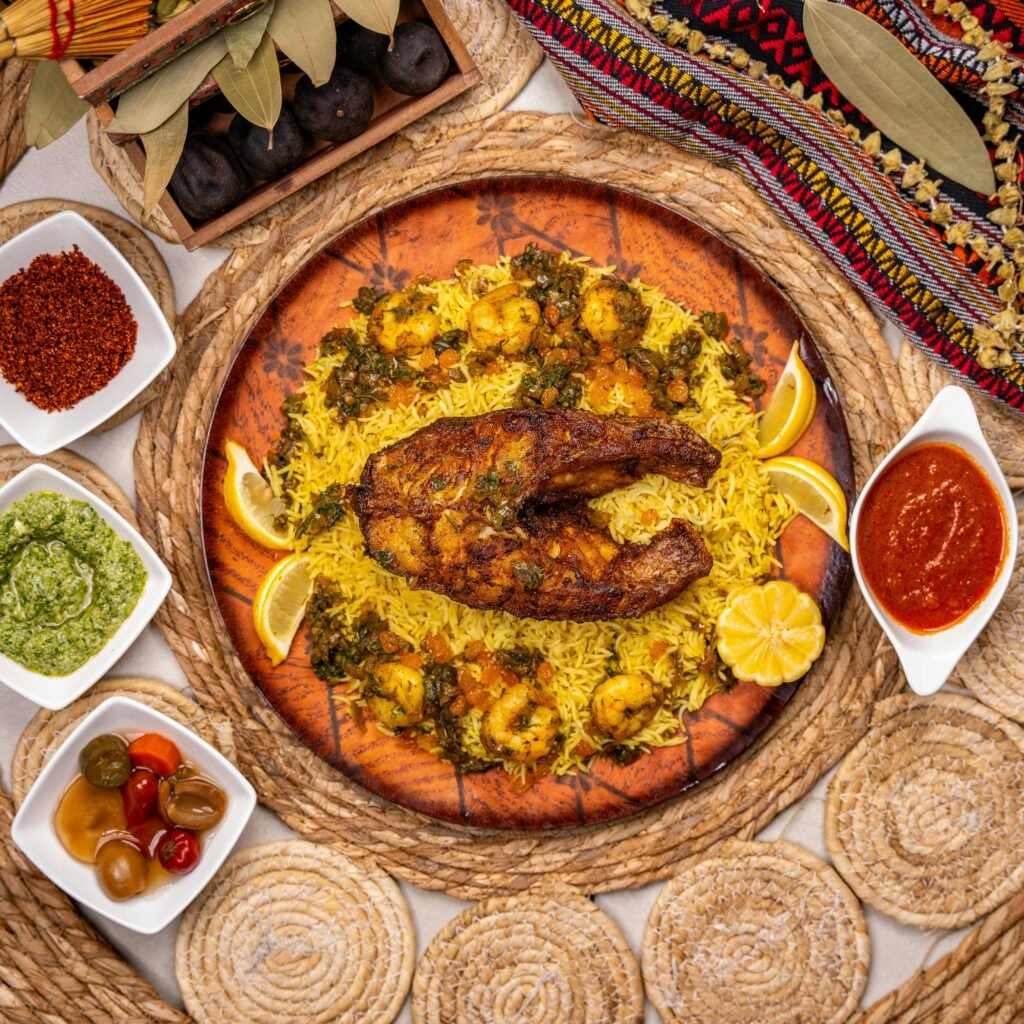
Biryani is not only a feast for the palate but a visual delight that captivates diners before they even take their first bite. The presentation of this beloved dish is an integral part of the culinary experience, transforming a simple meal into an artistic creation. A well-plated biryani showcases layers of fragrant rice and succulent meat, often garnished with aromatic herbs, fried onions, and vibrant spices, which together contribute to an appealing visual narrative.
The technique of plating biryani varies significantly across different regional traditions, each emphasizing unique characteristics that reflect local culture and culinary practices. South Indian biryanis, for instance, often feature a vivid yellow-orange hue from turmeric and saffron, served in a rustic pot and accompanied by a side of rich curry or raita. This not only enhances the visual appeal but also invites diners to interact with the dish more intimately. In contrast, the Mughlai biryani is typically plated on a flat, wide dish, with a more elaborate arrangement that may include boiled eggs, peas, and colorful vegetables, presenting a harmonious blend of colors that appeal to the eye.
Moreover, the use of garnishes plays a vital role in elevating the biryani’s aesthetic appeal. Fresh mint leaves and coriander sprigs can add a splash of green, while a drizzle of saffron-infused milk elevates the overall presentation, creating a luxurious appearance. To enhance the dining experience, some chefs employ techniques such as layering, allowing vibrant colors and textures to overlap, contributing to a visually stimulating intercultural dialogue on the plate.
In essence, the art of plating biryani is a celebration of its cultural richness and diversity. The attention to detail in its presentation not only enhances the sensory experience but also invites appreciation for the skill and creativity involved in this monumental dish. As diners engage in the visual aspects of biryani, they are drawn to savor its flavors, making the dish a true feast for both the eyes and the palate.
Conclusion: Celebrating Biryani’s Legacy

Biryani is much more than just a dish; it is a vibrant tapestry woven from various cultures, traditions, and narratives. Throughout this exploration of biryani, we have uncovered the intricate layers that make this culinary delight a beloved staple across many communities. Its origins, rooted in the Indian subcontinent and enriched by influences from Persian and Mughal culinary traditions, reflect a history of exchange and evolution. Each region’s unique take on biryani showcases local ingredients, cooking methods, and distinct flavors, culminating in a rich diversity that pleases the palate and celebrates regional identity.
The significance of biryani extends beyond taste; it serves as an emblem of togetherness and communal bonding. Family gatherings, festivals, and celebrations often feature biryani, transforming meals into shared experiences. The act of preparing biryani, often involving family members, further cements its role in cultural heritage. Each serving becomes a symbol of hospitality and warmth, bringing people together to enjoy not only the flavors but also the stories and memories it inspires.
As we continue to appreciate biryani, it is essential to engage with its legacy thoughtfully. This dish invites us to explore the cultural narratives behind its preparation and consumption, encouraging us to appreciate the connections it fosters among individuals. By understanding biryani’s rich history and the significance it holds in various communities, we can cultivate a deeper appreciation for the dishes we enjoy. In conclusion, biryani stands as a remarkable testament to culinary artistry, communal spirit, and the enduring power of food to transcend boundaries. Through every fragrant bite, we celebrate a legacy that unites us all.