

Introduction to Egusi : A Cultural Staple
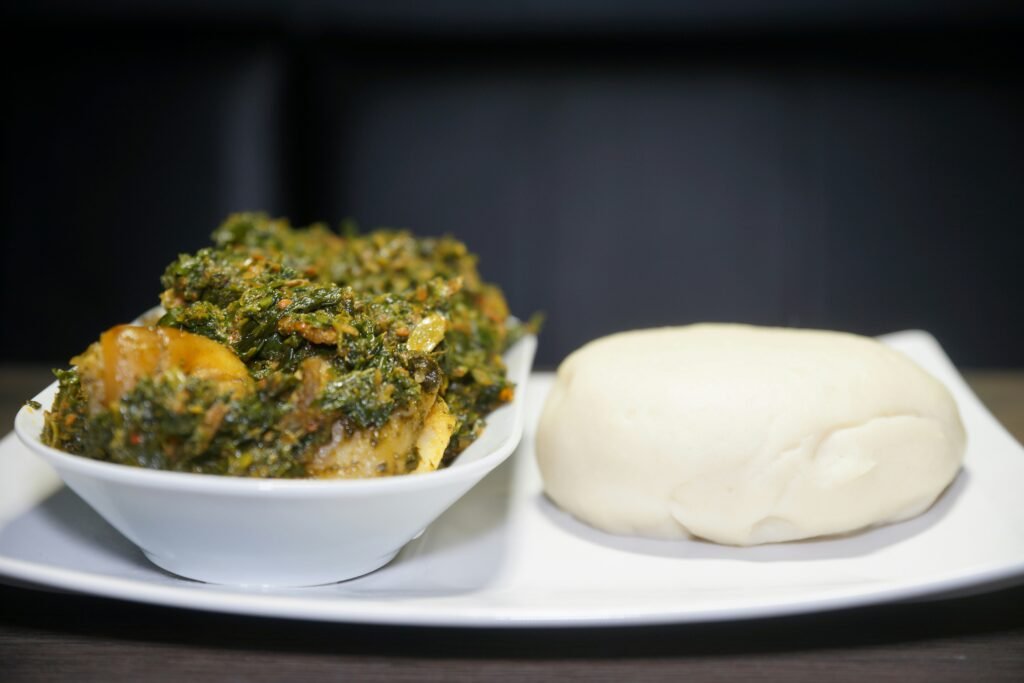
Egusi soup, a traditional dish from West Africa, primarily consists of ground melon seeds, which not only serve as its main ingredient but also hold cultural significance across the region. The origins of egusi can be traced back to Nigeria and other neighboring countries, where the seeds are extracted from various species of cucurbitaceous plants. The preparation of egusi soup varies from one locality to another, echoing the unique flavors and culinary techniques inherent to each culture.
Throughout West Africa, egusi soup is not merely a meal; it embodies the rich heritage of communities celebrating together during significant events. For instance, it is often featured during weddings, religious ceremonies, and family gatherings, symbolizing unity and sharing. In many households, the preparation of this dish represents a collective effort, where family members engage in various roles to contribute to the final meal. This communal aspect highlights the importance of hospitality and togetherness in African culture.
Over time, egusi has evolved, embracing several variations that reflect the diversity of the regions in which it is prepared. In the southern parts of Nigeria, for example, egusi soup is often combined with leafy vegetables and spices, creating a flavor profile that is rich and savory. In northern Nigeria, it may be prepared with a different set of ingredients, showcasing the adaptability of this dish. Additionally, as West Africans have migrated to various parts of the globe, so too have their culinary traditions, leading to a growing appreciation for egusi soup outside its traditional borders.
This transformation of egusi soup illustrates not only the resilience of cultural practices but also the ongoing journey of food as a medium of connection across communities. Ultimately, egusi stands as a testament to the culinary artistry and cultural identities of West African societies.
The Unique Flavors and Textures of Egusi Dishes

Egusi soup, a cherished delicacy in various West African cultures, particularly Nigeria, showcases a remarkable interplay of flavors and textures. Central to this dish are egusi seeds, which are ground melon seeds that contribute a nutty essence and unique creaminess to the soup. When used as a thickening agent, these seeds infuse the dish with richness and a velvety mouthfeel, distinguishing it from other traditional soups. The versatility of egusi seeds allows them to complement a variety of ingredients, making the dish adaptable to individual preferences and regional variations.
Key ingredients in egusi soup typically include a medley of vegetables such as spinach, kale, or bitter leaf, each adding a distinct taste and textural contrast. The incorporation of these greens not only enhances the visual appeal of the dish but also contributes essential nutrients, thus elevating its health benefits. In addition to vegetables, diverse protein options can be found in egusi dishes, ranging from meats like goat, chicken, and beef, to seafood options such as fish and shrimp. Each protein selection introduces its own flavors, which blend harmoniously with the earthiness of the egusi seeds and the freshness of the vegetables.
The spices used in egusi soup further amplify its flavor complexity. Aromatic ingredients like onions, garlic, and peppers create a fragrant base, while seasonal spices, such as locust beans, bring a unique umami note, enhancing the overall experience. The combination of these textures and flavors culminates in a hearty, satisfying dish that encourages communal dining traditions often seen in West African cultures. The rich, velvety consistency, paired with the robust protein and vegetable elements, invites a delightful exploration of the palate, making egusi soup a beloved staple that celebrates the cultural diversity of its origins.
Visual Appeal: The Art of Plating Egusi Dishes
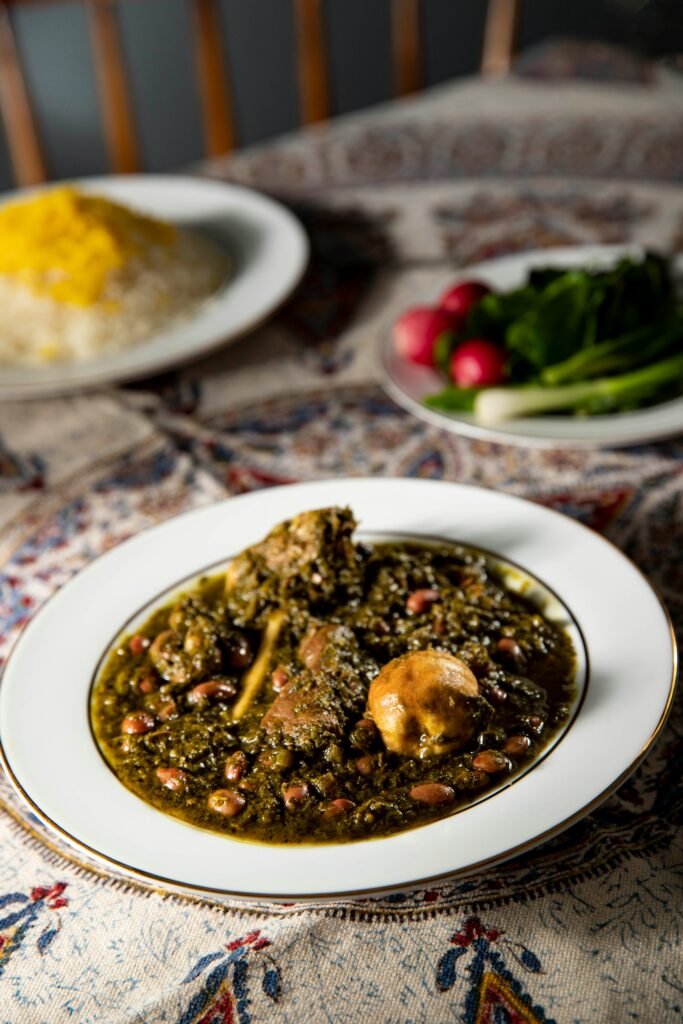
Egusi soup, a dish rooted in West African cuisine, is not only celebrated for its rich flavors but also for its striking visual presentation. The vibrant colors of this traditional meal stem from key ingredients such as the ground melon seeds, green leafy vegetables, and various spices. This symphony of hues not only tantalizes the taste buds but also entices the eyes, making it a focal point during meals.
Plating egusi soup involves careful consideration of both the ingredients and the tools used to elevate its aesthetic appeal. A common technique is to serve the soup in a deep, wide bowl that allows the colors to be showcased effectively. By incorporating contrasting garnishments—such as palm oil drizzles, herbs, or pepper slices—cooks can accentuate the dish’s natural tones. For instance, the bright green of spinach or bitterleaf plays beautifully against the warm yellows and oranges presented by the egusi and other ingredients, creating a visually stunning landscape.
Moreover, unique plating methods can enhance the perception of this dish. Layering elements such as sprinkling ground peanuts or finely chopped onions on top not only adds texture but creates a 3D visual experience. One can compare egusi soup’s visual impact to that of sushi or tapas, where precision and creativity in presentation are key. These dishes often invite diners to engage with the food before it reaches their palates, similar to the allure of a well-presented egusi soup.
In exploring these thoughtful approaches to plating, one appreciates not just the culinary value of egusi soup but also its appeal as an art form. Each bowl becomes a celebration of culture, color, and creativity, inviting individuals to taste and experience a rich tradition that goes beyond mere sustenance.
Conclusion
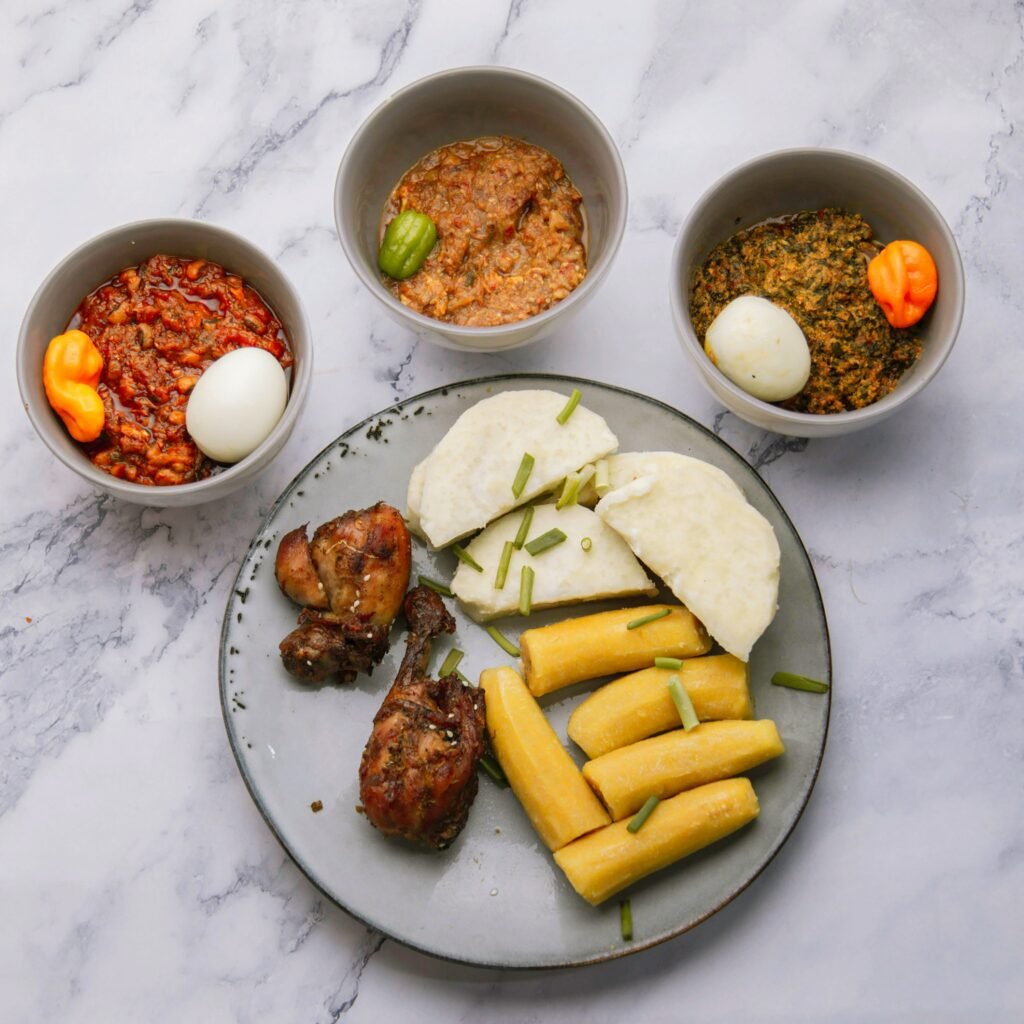
Egusi soup holds a special place in the culinary landscape, serving as a bridge between tradition and modernity. This distinctive dish, rich in flavor and heritage, is emblematic of the cultural diversity found within African cuisine. Throughout the discussion, we have explored the numerous ways in which egusi, derived from melon seeds, contributes not only to individual palates but also to the communal experience in various communities. It fosters connections among family and friends, reinforcing the importance of sharing meals as a means of celebration and togetherness.
The soup’s preparation varies significantly across regions, reflecting local ingredients, cooking methods, and cultural nuances. From its role as a staple in Nigerian households to its growing popularity in global culinary circles, egusi transcends mere sustenance; it embodies the narrative of cultural identity. People from different backgrounds are increasingly embracing this unique dish, recognizing its potential to bring flavor and nourishment to their tables.
For those who have yet to experience egusi soup, there is no better time than now to explore this culinary marvel. Whether you choose to create it from scratch or seek it out in a local restaurant, engaging with egusi means partaking in a centuries-old tradition that celebrates community and flavor. The nutritional benefits it offers, combined with its impressive versatility, make egusi soup a worthy addition to anyone’s kitchen repertoire. We encourage you to embark on this flavorful journey, as you discover the depth of ingredients and stories that each bowl of egusi holds.