
The Origin of Chapati
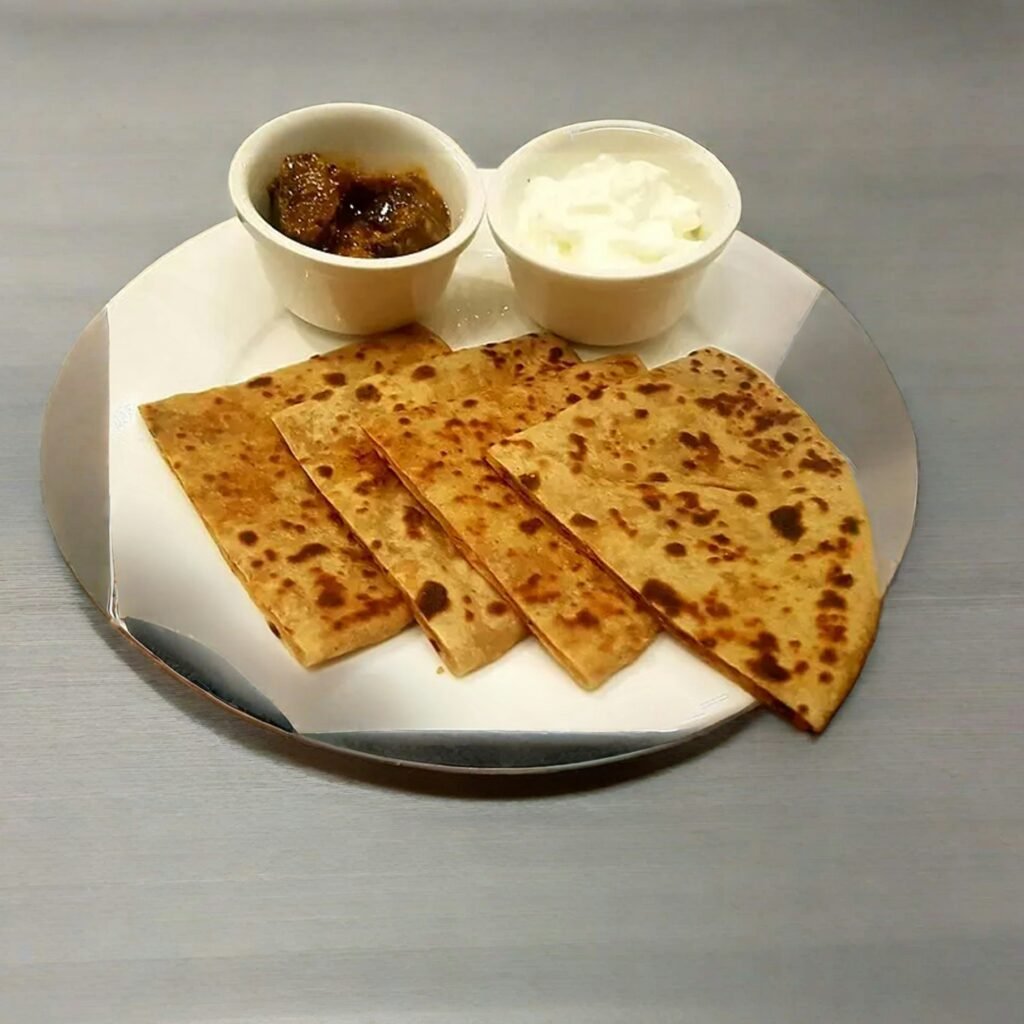
Chapati, a type of unleavened flatbread, has a rich historical lineage that can be traced back thousands of years to the Indian subcontinent. The term “chapati” itself is believed to have originated from the Hindi word “chapta,” meaning “flattened.” This staple food has been consumed in various forms in India and surrounding regions, establishing itself as a fundamental aspect of daily cuisine.
Historically, chapati is thought to have emerged around the 6th century, during periods when agricultural practices began evolving. Grains such as wheat became a primary staple among the population, leading to the creation of simple bread. Over time, chapati adapted to local tastes and available resources, resulting in numerous regional variations. For instance, in certain parts of Northern India, chapati is often thicker and cooked on a tawa, while in Southern India, it may resemble a thinner form known as “roti.”
As trade routes expanded and cultural exchanges took place, chapati also made its way to various countries beyond the borders of India. In East Africa, chapati gained popularity and was integrated into local cuisines, often served with meat or vegetables. This adaptation highlights the bread’s versatility and its ability to blend seamlessly into diverse culinary traditions. In places such as Pakistan and Bangladesh, chapati remains a vital component of meals, illustrating its enduring popularity.
Throughout history, significant events have influenced the evolution of chapati. The agricultural reforms of the colonial period, for instance, impacted wheat farming and availability, affecting how bread was prepared and consumed. Today, chapati continues to be a symbol of not just sustenance but also cultural identity, evolving yet remaining rooted in the traditions of the past. As chapati persists in various incarnations worldwide, it stands as a testament to the exchange of culture and cuisine that defines human history.
Cultural Significance of Chapati
Chapati, a simple flatbread originating from the Indian subcontinent, holds immense cultural importance across various communities, particularly in India and other South Asian countries. Beyond its role as a staple food, chapati embodies values of hospitality, sharing, and family togetherness. It is a common sight during family gatherings, celebrations, and religious occasions, where being able to serve home-cooked chapatis speaks volumes about warmth and generosity.
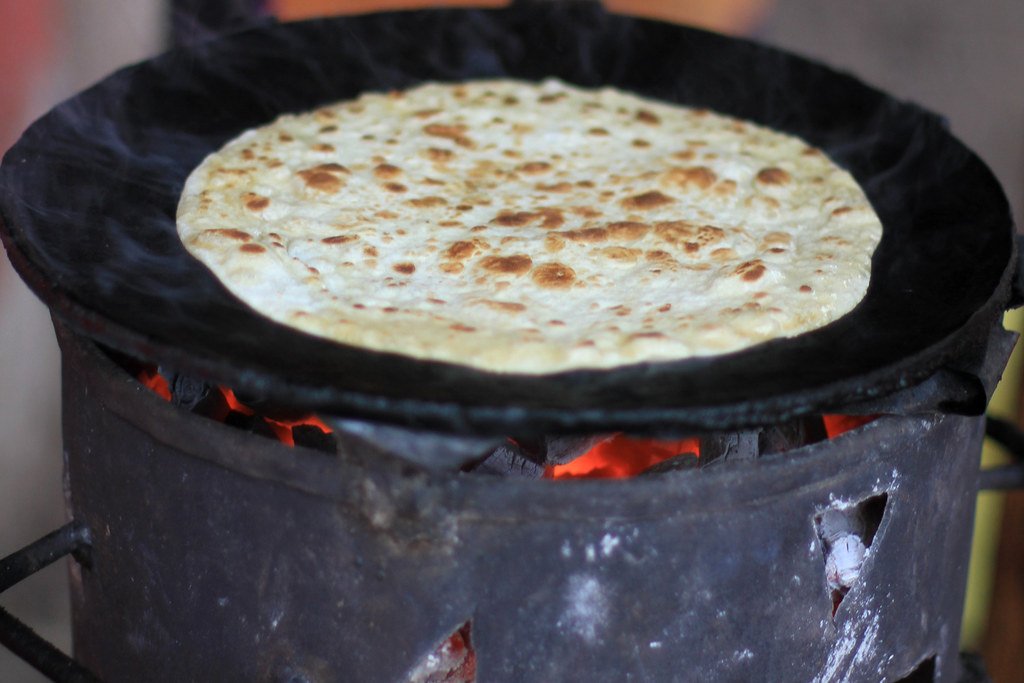
In many households, the preparation and sharing of chapati fosters a sense of unity among family members. Typically made from whole wheat flour and water, the process of kneading the dough, rolling it out, and cooking it on a hot tava (griddle) is often a communal activity. This ritual elevates chapati beyond mere sustenance, embedding it deeply into the social fabric of communities. Families often gather in the kitchen, sharing stories and laughter as they partake in preparing this beloved bread, highlighting its role in nurturing relationships.
Chapati also finds a prominent place in various religious and cultural festivities. During Diwali, the Hindu festival of lights, for instance, families prepare elaborate meals that often feature chapati as a significant component, symbolizing abundance and hospitality. Similarly, in Muslim households during Ramadan, chapati is a cherished part of the iftar (the meal to break the fast), symbolizing togetherness as families come together to eat after a day of fasting.
Anecdotal evidence from different regions signifies chapati’s adaptability, as it has taken on local flavors and accompanying dishes. From serving as a vehicle for delicious curries to complementing lentil dals, chapati continues to be a versatile bread that enhances the dining experience. Its role transcends mere nutrition, becoming a vital part of social and religious practices, thereby affirming its cultural significance in the lives of those who cherish it.
Unique Flavors of Chapati
Chapati, a staple in many Indian households, offers a fascinating exploration of flavors that extend well beyond its basic preparation. The primary ingredient, whole wheat flour, provides a robust foundation, contributing to the dough’s color, texture, and nutritional value. Whole wheat chapati is rich in fiber and essential nutrients, making it a healthier alternative to many other flatbreads that may rely on refined grains.
In addition to traditional whole wheat chapati, variations such as multi-grain chapati have gained popularity. By incorporating flours from various grains like barley, millet, or oats, multi-grain chapati not only enhances the flavor complexity but also boosts its health benefits. These alternatives cater to diverse palates and dietary preferences, showcasing the adaptability of chapati.
The incorporation of spices and herbs during the kneading process also significantly influences the taste profile of chapati. Ingredients such as cumin seeds, coriander, or fenugreek leaves can be mixed into the dough to create flavored variations that tantalize the taste buds. This not only adds aromatic qualities but also enhances the nutritional value of the flatbread. Comparatively, other flatbreads, like naan or pita, often focus on yeast and toppings rather than the intrinsic flavors infused within the dough itself.
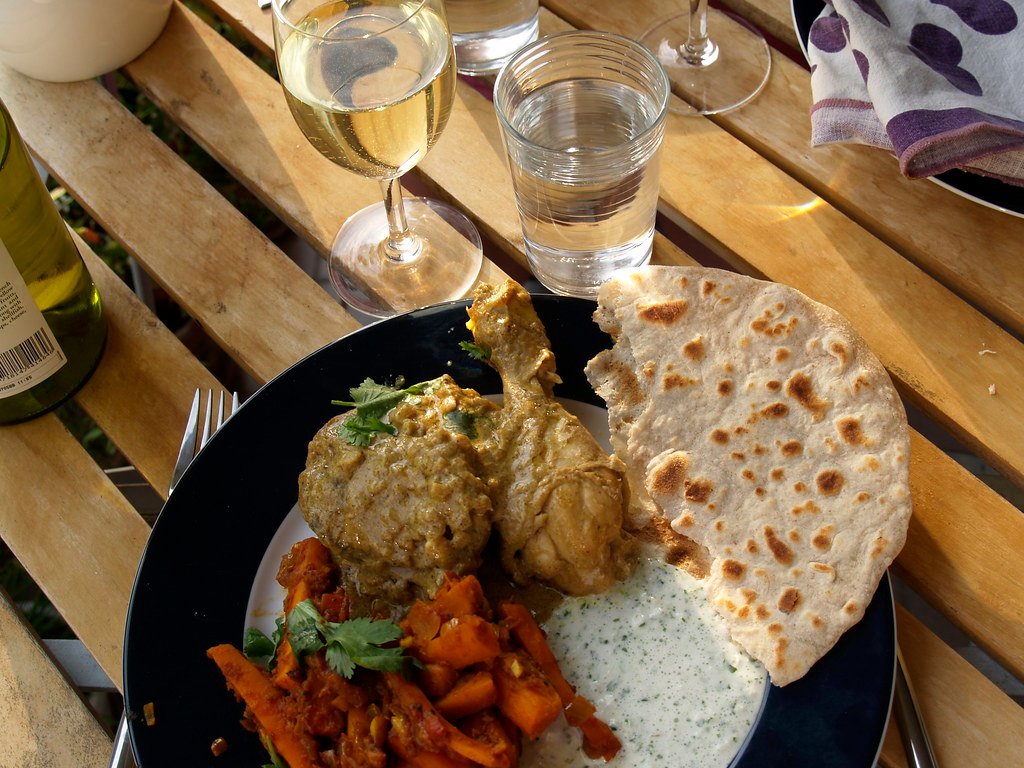
Moreover, chapati’s unique charm lies in its versatility and the myriad ways it can be paired with various dishes. When served alongside curries, the simplicity of chapati complements the bold flavors often found in Indian cuisine. The texture of chapati, soft yet slightly chewy, allows it to be an excellent companion for sopping up gravies, enhancing the overall dining experience.
In the expansive world of flatbreads, chapati stands out not just for its basic preparation but for the diverse flavors and health connotations it brings to the table, making it a beloved choice in many culinary traditions.
Textures of Chapati
The texture of chapati plays a pivotal role in its overall appeal, greatly influencing the dining experience. Chapati, when cooked to perfection, exhibits a soft yet pliable consistency that is pleasing to the palate. This ideal texture allows it to couple effortlessly with various dishes, from spicy curries to simple lentil preparations, enhancing both flavor and enjoyment. The desired softness is achieved through proper kneading of the dough, allowing gluten to develop, which contributes to a tender final product.
Conversely, when chapati is undercooked, it often possesses a dense, gummy texture that detracts from its delicious potential. This results in a product that can be difficult to chew and lacks the necessary pliability to fold or wrap around fillings. Undercooked chapatis may also have a raw taste, which can negatively impact accompanying dishes. On the other hand, overcooked chapati leads to a markedly different texture: a dry and rigid flatbread that may develop an undesired crispiness. While some crispness can be a delightful contrast to softer items, excessive cooking renders the chapati tough and less enjoyable.
The perfect chapati strikes a harmonious balance; it is soft with a slight chewiness that makes it satisfying to eat. This texture can also be impacted by cooking techniques. For instance, cooking on a high flame ensures that the chapati puffs up beautifully, creating air pockets that contribute to a light and fluffy interior. Furthermore, a good chapati may have the slightest hint of crispiness on the outside, which adds a textural contrast to its chewy center. Each bite should encapsulate the essence of the handmade bread, revealing the meticulous process behind crafting a truly delightful chapati.
Visual Appeal of Chapati Dishes
The visual appeal of chapati dishes plays a significant role in enhancing the overall dining experience. When served alongside a variety of vibrant curries, vegetables, and dals, chapati transforms into a feast for the eyes. The contrasting colors of the various accompaniments can create an inviting plate that beckons to be savored. Rich orange and yellow hues from lentil-based dals, deep greens from saag, and the bright reds of tomato-based curries provide a stunning backdrop to the golden-brown, toasted chapati. This combination not only elevates the dish visually but also signifies the nutritional diversity present in Indian cuisine.
Plating styles further enhance the presentation of chapati meals. A simple, rustic bowl for dal paired with a meticulously arranged serving of chapati can evoke the warmth of home-cooked meals. Alternatively, a contemporary serving of chapati with a modern twist can appeal to the aesthetics preferred in upscale dining. Chefs often utilize garnishes such as freshly chopped cilantro, a drizzle of yogurt, or a sprinkle of chili powder to add an additional layer of visual interest. These elements create a scenic affair on the plate, encouraging diners to appreciate the artistry involved in the dish’s presentation.
This attention to detail in serving chapati is not merely for show; it ignites the appetite and prepares the senses for the culinary journey ahead. When presented beautifully, chapati meals offer a multisensory experience that encompasses sight, smell, and taste. It is this exciting blend of colors and textures that makes chapati an attractive option on any dining table. The aesthetic appeal, combined with the delightful flavors, makes chapati an unforgettable highlight in any meal, inviting diners to indulge in a truly satisfying culinary experience.
Plating Techniques for Chapati-Based Dishes
Presenting chapati in an aesthetically pleasing manner significantly enhances the dining experience and elevates its visual appeal on platforms such as Instagram. The art of plating involves not only the arrangement of chapati, but also how it interacts with accompaniments, garnishes, and sauces. A well-plated dish should capture attention, invoke appetite, and showcase the diverse textures and colors that chapati-inspired meals offer.
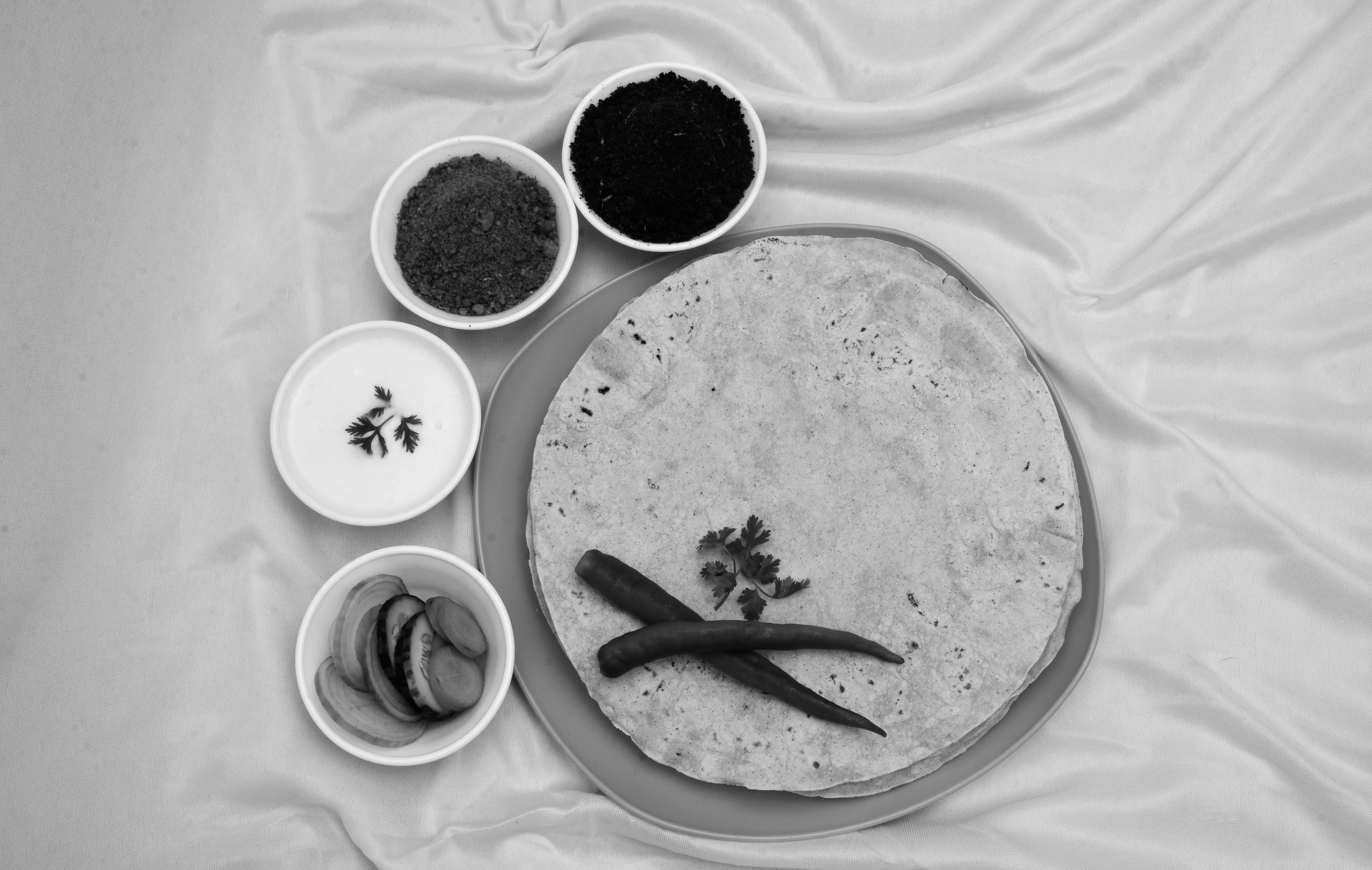
One effective technique is to create a layered presentation. Start with a stack of warm, pliable chapatis placed at the center of the plate. This layout should be complemented by colorful accompaniments such as vibrant vegetables, spicy curries, or rich dals arranged around the chapati. Using contrasts in color and texture makes the dish more appealing. For example, pairing the neutral tones of chapati with the rich red hues of a tomato-based curry not only enhances the visual impact but also highlights the flavors of each component.
Moreover, garnishes serve as essential finishing touches that can elevate the dish. A sprinkle of fresh coriander or a drizzle of yogurt sauce can add a burst of color and freshness, inviting diners to explore the various flavors. Using plates with elevated edges can also increase the dimension of the dish, allowing for a more dynamic interaction between the chapati and its accompaniments.
Lastly, consider the use of sauces or dips, like chutneys, placed artistically around the chapati rather than in a separate bowl. This technique not only saves on dishware but also enhances the visual experience of the meal. By thoughtfully selecting and arranging each element, chapati can be transformed from a simple bread to an enticing centerpiece, inviting appreciation for both its flavor and presentation.
Accompaniments to Chapati
Chapati, a staple in many South Asian households, is often paired with a wide range of accompaniments that enhance its flavor and nutritional value. The versatility of chapati makes it an excellent base for various dishes, allowing for a plethora of options that cater to different palates. Common accompaniments include spicy curries, lentils, salads, and pickles, each providing a unique taste experience when combined with chapati.
One of the most popular pairings is with spicy curries. These rich, flavorful dishes, such as chicken curry or paneer butter masala, beautifully complement the mildness of chapati. The soft texture of chapati allows it to absorb the delicious gravy, making each bite a delightful experience. Similarly, dal, or lentil dishes, are another common accompaniment. Dals are often seasoned with spices and herbs, providing a nutritious and protein-rich option that pairs well with chapati.
Moreover, regional variations in serving styles bring a unique twist to how chapati is enjoyed. In North India, chapati is frequently served with subzis (vegetable dishes) that are cooked with an array of spices, whereas in South India, it may be paired with coconut-based curries or sambar, a lentil vegetable stew. The flavor profiles of these local dishes complement chapati wonderfully, showcasing the diversity of Indian cuisine.
Fresh salads and pickles also serve as excellent accompaniments. A simple salad made of cucumbers, tomatoes, and onions can add a refreshing crunch, while pickles, such as mango or lime pickle, introduce a tangy contrast to the soft, warm chapati. These additional items not only elevate the taste but also contribute to a balanced meal. Overall, the array of accompaniments to chapati is vast, providing numerous flavor combinations that can satisfy various culinary preferences.
Health Aspects of Chapati
Chapati, a flatbread predominantly made from whole wheat flour, is well-regarded for its nutritional value and health benefits. One of the standout features of chapati is its high fiber content, primarily derived from whole grains. Fiber plays a crucial role in digestive health, aiding in regular bowel movements and preventing issues such as constipation. Additionally, a diet rich in fiber can contribute to feelings of fullness, potentially aiding in weight management.
The whole grains found in chapati are also a source of essential nutrients, including B vitamins, iron, magnesium, and selenium. These nutrients contribute to overall health and wellness, supporting functions such as energy metabolism and immune system strength. For individuals seeking to maintain a balanced diet, incorporating chapati can be a beneficial choice. The complex carbohydrates present in chapati provide a slower release of energy, making it a suitable food option for sustained energy levels throughout the day.
Moreover, chapati is a versatile food that can complement various dietary preferences. It can be paired with a variety of vegetables, proteins, and legumes, making it easy for individuals to tailor their meals to meet nutritional needs. However, it is important to consider dietary restrictions, particularly for those with gluten intolerance. For individuals who cannot consume gluten, there are alternatives such as chickpea flour (besan), millet flour, or rice flour that can be used to create gluten-free chapati options. These alternatives not only cater to dietary needs but also offer unique flavors and additional nutrients.
In summary, chapati can be a nutritious component of a well-rounded diet due to its whole grain content, essential nutrients, and fiber. Its adaptability makes it suitable for varied dietary lifestyles, providing both flavor and health benefits to those who include it in their meals.
Conclusion: The Enduring Appeal of Chapati
Chapati, a type of unleavened flatbread, has maintained its significance across numerous cultures and communities, transcending geographical boundaries and evolving alongside culinary practices. This versatile staple is not merely a source of sustenance but also a medium that connects individuals to their heritage and traditions. Throughout this exploration, we have illustrated how chapati serves as a fundamental component of meals in various cuisines, from Indian to East African, celebrating its adaptability to diverse ingredient profiles and cooking methods.
The cultural importance of chapati cannot be overstated. In many cultures, chapati is more than just food; it is woven into the fabric of social gatherings, rituals, and daily life. For example, it is often a centerpiece in family meals, where its preparation can become an engaging activity, fostering intergenerational bonds. Such traditions highlight chapati’s role in nurturing relationships, creating an emotional connection that extends beyond the dining table. Each family may have its unique method of cooking chapati, reflecting personal stories and regional influences that contribute to the rich tapestry of this beloved food.
Furthermore, the enduring appeal of chapati is anchored in its nutritional benefits. Whole wheat chapati, commonly enjoyed, provides fiber and essential nutrients, making it a healthier alternative to many processed bread products. As dietary preferences shift globally, chapati can be easily adapted to accommodate diverse nutritional needs, whether by exploring gluten-free alternatives or incorporating various flours for enhanced flavor and healthiness.
Ultimately, chapati represents a universal language of culinary expression, one that invites each individual to partake in its rich legacy. Whether enjoyed with traditional dishes or modern interpretations, chapati remains a cherished staple, deserving of appreciation in all its forms.