
- The Origins of Harissa
- Cultural Significance of Harissa
- Unique Flavors of Harissa
- Textures of Harissa and Its Uses
- Visual Appeal of Harissa Dishes
- Plating Harissa: Creative Presentation Techniques
- Pairing Harissa with Other Ingredients
- The Global Influence of Harissa
- Conclusion: The Enduring Allure of Harissa
The Origins of Harissa
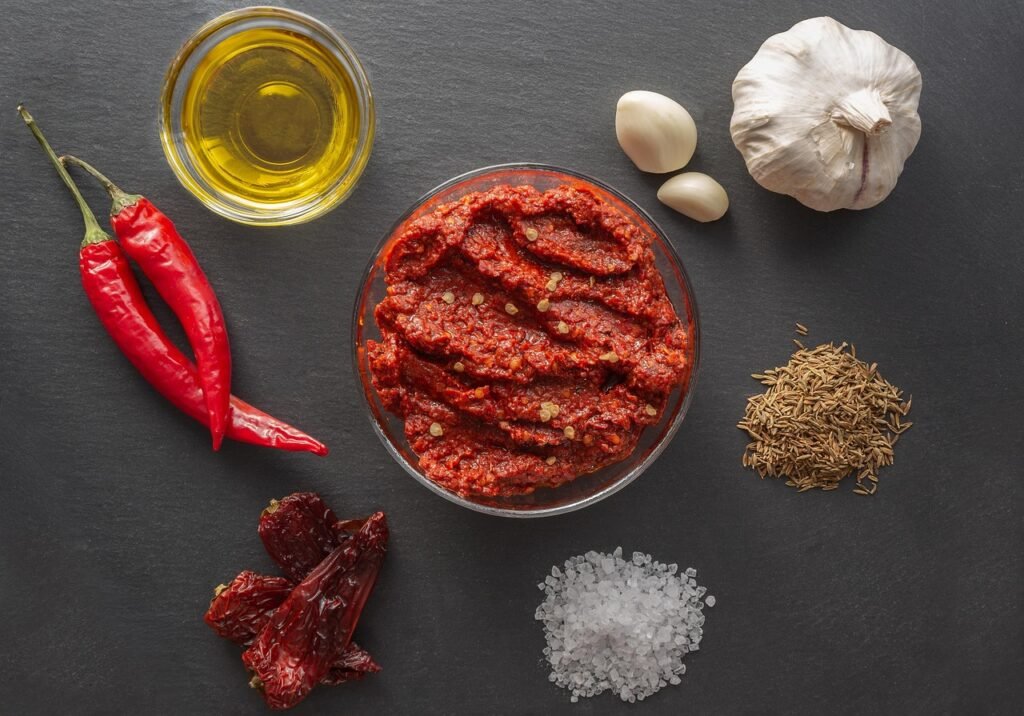
Harissa, a fiery chili paste, has its origins deeply rooted in North African cuisine, specifically in Tunisia. The history of this beloved condiment can be traced back several centuries, reflecting a rich tapestry of cultural influences that have shaped its development. Initially, the Berber people, who are indigenous to North Africa, are believed to have created a form of spicy paste to enhance the flavor of their meals. This early version likely consisted of simple crushed peppers, garlic, and various spices, setting the foundation for what harissa would eventually become.
As trade routes flourished across North Africa and beyond, the culinary practices associated with harissa began to evolve. The Arab conquests in the 7th and 8th centuries brought new ingredients and flavors, including the use of coriander and caraway, which are now fundamental components of traditional harissa. Furthermore, the French colonization of Tunisia in the 19th century influenced the preparation of harissa, introducing new techniques and encouraging its commercialization. This period marked significant growth in the popularity of harissa beyond local households, as it began to be packaged and sold in markets.
Key historical moments, such as the industrialization of food production, played a crucial role in the widespread acceptance of harissa. By the 20th century, this chili paste became emblematic of Tunisian cuisine and transcended regional boundaries, making its way into kitchens worldwide. Today, harissa is not only a staple in North African countries but has also found its place in diverse culinary traditions globally, where it is used as a marinade, condiment, or ingredient in various dishes, further highlighting its adaptability and enduring appeal.
Cultural Significance of Harissa
Harissa, a fiery chili paste originating from North Africa, plays a pivotal role that transcends mere culinary applications. In many North African countries, including Tunisia, Algeria, and Morocco, harissa is not only a beloved condiment but also a symbol of hospitality and communal identity. Its rich blend of spices—often including chili peppers, garlic, coriander, and caraway—embodies the vibrant flavors characteristic of the region, reflecting the agricultural bounty and cultural heritage of its people.
Within households, harissa emerges as an essential element during gatherings and celebrations. Families often come together to craft this flavorful paste, which fosters bonds and reinforces traditions passed down through generations. The process itself—selecting ingredients, grinding spices, and blending the paste—becomes a communal activity, highlighting the cultural significance of togetherness. Harissa is frequently served at family meals, where its presence elevates the dining experience, showcasing the host’s culinary skills and generosity.
Moreover, harissa is often present during festive occasions, from weddings to religious celebrations. In such contexts, it is more than just a dish; it represents warmth, hospitality, and the sharing of heritage. Serving a meal accompanied by harissa signifies a welcoming atmosphere where guests are invited to explore the rich tapestry of flavors that characterize North African cuisine. The use of harissa also extends beyond local culinary practices; as more people globally discover its complexity and versatility, it emerges as a bridge to understanding North African culture.
In essence, harissa holds profound cultural significance, embodying the values of community, tradition, and warmth in the heart of North African culinary practices. Its ubiquitous presence in both family gatherings and social festivities underscores its role not just as a condiment, but as a cherished symbol of identity and hospitality that has transcended very borders.
Unique Flavors of Harissa
Harissa, a quintessential condiment originating from North Africa, is celebrated for its complex and vibrant flavor profile. At its core, harissa consists of roasted red peppers and hot chili peppers, which form the foundation of its taste. The combination of these two primary ingredients introduces a spectrum of heat that can vary from mild to quite fiery, depending on the types of peppers used. Roasting the red peppers enhances their natural sweetness, resulting in a delightful contrast to the heat imparted by the hotter chilis.
In addition to peppers, harissa is commonly flavored with a blend of spices that are integral to crafting its distinctive taste. Commonly included are caraway seeds and coriander, which add earthy tones and aromatic qualities to the paste. The caraway seeds contribute a slightly nutty flavor, while coriander brings in a refreshing citrus note that helps to balance the heat. Other spices such as cumin, garlic, and lemon juice may also be incorporated, further enriching the complexity of the harissa mix. The interplay of these ingredients creates not just a spicy condiment but a flavorful experience that can elevate various dishes.
As harissa is used across different regions, variations in recipes emerge, reflecting local ingredients and culinary traditions. For instance, in Tunisia, harissa may feature more garlic and sun-dried tomatoes, while in Algeria, a smoother texture is preferred, achieved through different blending methods. Each region’s approach adds its own character to harissa, resulting in differing levels of heat, thickness, and flavor depth. Whether used as a marinade, a dip, or a flavor enhancer in stews, the unique flavors of harissa promise a remarkable culinary experience that continues to inspire chefs and home cooks alike.
Textures of Harissa and Its Uses
Harissa, a North African chili paste, is renowned for its distinctive thick and paste-like consistency. This unique texture not only enriches the flavor profile of dishes but also plays a pivotal role in its culinary applications. As a versatile condiment, harissa seamlessly integrates into a variety of recipes, from marinades to dips, enhancing the overall eating experience.
Incorporating harissa in marinades transforms meats and vegetables, allowing the thick paste to coat ingredients thoroughly, ensuring a harmonious blend of flavors. The adhesive quality of harissa ensures that spices and aromatics penetrate deeply into the ingredients, resulting in tender and flavorful dishes. This rich texture also lends itself well to dips, where harissa can be combined with yogurt or tahini, creating a substantial and creamy accompaniment that complements fresh vegetables, breads, or grilled meats.
Furthermore, harissa’s texture proves essential in stews and tagines, where it acts as a binding agent, unifying various ingredients through its rich consistency. As it cooks, harissa melds with other elements, releasing its aromatic qualities and elevating the entire dish. The thick paste not only adds depth but also provides a luxurious mouthfeel that enhances the overall dining experience, making each bite more satisfying.
Moreover, the texture of harissa offers an excellent contrast to lighter components in a dish, balancing flavors and sensations. This versatility allows chefs and home cooks alike to experiment, making harissa an essential ingredient in modern kitchens. By understanding how its unique texture contributes to culinary applications, one can appreciate the role of harissa in enriching and diversifying a broad array of dishes, thus enhancing the complexity and enjoyment of the meal.
Visual Appeal of Harissa Dishes
Harissa, a North African chili paste, is renowned not only for its robust flavors but also for its striking visual appeal when used in various dishes. The deep, fiery red of harissa is a visual feast that captures attention and evokes excitement. When incorporated into salads, for instance, harissa creates a stunning contrast against the fresh greens and whites of the ingredients. Leafy greens, cucumbers, and tangy feta cheese become even more inviting, their hues enhanced by the vibrant red that harissa brings to the plate.
Moreover, when harissa is applied to meat dishes, it not only imparts flavor but also elevates the overall presentation. Roasted or grilled meats, coated with harissa, develop a glossy, caramelized surface that glistens as it catches the light. This vivid presentation invites diners to appreciate not only the taste but also the artistry involved in their meal’s composition. The combination of textures—crispy or tender meat paired with the smooth, rich harissa—creates visual layers that are as appealing to the eye as they are to the palate.
The aesthetic value of harissa extends to its versatility in various culinary contexts. For instance, drizzling harissa over a vibrant vegetable medley amplifies the visual stakes, while also stimulating anticipation for the flavors to come. Far from being just a condiment, harissa becomes a key player in the presentation, allowing chefs to craft enticing dishes that encourage diners to engage more fully with their meals. The layering of colors and textures, alongside the aesthetic considerations of composition, plays a critical role in shaping a memorable dining experience that is both visually captivating and flavorful.
Plating Harissa: Creative Presentation Techniques
When it comes to serving dishes enhanced with harissa, the art of presentation can significantly elevate the dining experience. The careful arrangement of food not only appeals to the eyes but also ignites the palate’s curiosity. To create an inviting dish, consider the color contrast between harissa and ingredients. For instance, the vibrant red of harissa pairs beautifully with the earthy tones of roasted vegetables, creating a visually stimulating plate.
One effective technique is to use a swoosh of harissa sauce on the base of the plate. This method allows the sauce to act as a canvas upon which the main dish is plated. Additionally, a dollop of harissa can be artfully placed in strategic spots on the plate, giving the diner an enticing glimpse of flavor. Utilizing different sizes and shapes, such as small jars or ramekins filled with harissa, can offer a rustic and authentic touch.
Incorporating garnishes is critical in enhancing the visual appeal of a dish with harissa. Fresh herbs, such as cilantro or parsley, bring a pop of color and a hint of freshness, balancing the dish’s richness. Slices of citrus fruits or pickled vegetables can introduce an intriguing flavor contrast while maintaining a vibrant appearance. Furthermore, edible flowers can serve as an elegant finishing touch, celebrating the dish’s sophisticated elements.
Modern culinary trends have begun to influence traditional plating techniques. The rise of minimalism in food design encourages chefs to focus on the essential elements, allowing the harissa to shine. Remember, the goal is to not only showcase the dish’s flavors but also create an inviting plate that encourages diners to indulge. A well-plated harissa dish aligns visual and culinary expectations, ultimately enhancing the overall dining enjoyment.
Pairing Harissa with Other Ingredients
Harissa, a North African chili paste, is renowned for its complex flavor profile, which makes it a versatile component in numerous culinary applications. To create a balanced dish, it is essential to consider how to effectively pair harissa with other ingredients. One of the most traditional combinations includes using creamy yogurt as a cooling agent. The rich, tangy flavor of yogurt can significantly temper the heat of harissa, providing a delightful contrast that enhances the dish. This pairing not only improves the taste but also contributes a smooth texture that complements the rough consistency of harissa.
Fresh herbs also play a pivotal role in harmonizing the flavors present in a dish featuring harissa. Ingredients such as cilantro, parsley, or mint can introduce a refreshing brightness that cuts through the heat, offering a well-rounded experience. For instance, a vibrant tabbouleh salad flavored with lemon and fresh herbs can be an exquisite accompaniment to harissa-marinated grilled meats, creating a balance between spice and freshness.
In more innovative cooking endeavors, harissa can be paired with unexpected ingredients. Consider blending it into salad dressings, where its heat and smokiness can turn a mundane vinaigrette into a lively flavor burst. Additionally, incorporating harissa into sauces, such as a tomato or beurre blanc, can elevate the dish, providing a gourmet touch that is both enticing and sophisticated. Fruits like pomegranate or apricot can also pair well with harissa, introducing a touch of sweetness that contrasts the spice, notably in stews or tagines.
Ultimately, experimentation with harissa is encouraged, enabling home cooks and gourmet chefs alike to uncover new flavor combinations that excite the palate. The versatility of harissa opens the door to numerous culinary possibilities, inviting creativity and exploration in any kitchen.
The Global Influence of Harissa
In recent years, harissa has emerged as a significant flavor profile on culinary stages worldwide, transcending its traditional roots in North African cuisine. This chili paste, primarily made from roasted red peppers, garlic, and a variety of spices, has found its way into the kitchens of chefs and home cooks alike, leading to a broader adoption across numerous culinary traditions. As globalization fosters an exchange of ideas and ingredients, harissa’s transformative journey reflects the dynamic nature of contemporary cooking.
Chefs in diverse regions have begun utilizing harissa in creative ways, incorporating it into dishes that highlight local ingredients while still embracing its unique, spicy flavor. For instance, in Mediterranean-inspired recipes, harissa has become a key ingredient in marinades and dressings, lending a warm, complex heat that enhances vegetables and proteins. Furthermore, in fusion cuisine, it has been creatively applied in tacos, sandwiches, and even sushi, showing its flexibility and the adaptability of recipes when influenced by different cultural backgrounds.
The rise of harissa in international menus underscores a trend where traditional ingredients are reimagined in various culinary contexts. This trend invites discussions about the implications of globalization on traditional dishes, sparking a blend of flavors that was seldom seen in previous generations. The migration of harissa into mainstream gastronomy demonstrates how food evolves as it travels beyond its geographic and cultural parameters, leading to innovative culinary expressions that celebrate diversity while still honoring tradition.
As the global palate continues to evolve, harissa’s presence signifies a fusion of flavors and a testament to the interconnectedness of cuisine worldwide. Its journey from North Africa to kitchens across the globe illustrates not only the universal appeal of spice but also the potential for culinary traditions to adapt and thrive in an increasingly interconnected world.
Conclusion: The Enduring Allure of Harissa
In today’s culinary landscape, harissa has transcended its origins as a traditional North African paste to become a globally recognized condiment cherished for its rich flavors and versatility. This spicy chili pepper blend, often accompanied by garlic, spices, and oil, embodies centuries of cultural heritage while adapting to modern palates. The allure of harissa lies not only in its heat but also in its depth, which can elevate a variety of dishes—from meats and seafood to vegetables and grains.
As a staple in many Moroccan and Tunisian kitchens, harissa represents the intertwining of history and gastronomy. Its ability to enhance flavors without overshadowing them makes it an essential ingredient for home cooks and professional chefs alike. Furthermore, the rising popularity of harissa has prompted numerous innovative uses, ranging from dressings and marinades to dips and spreads, showcasing its remarkable adaptability. This versatility allows consumers to explore harissa in countless culinary contexts, encouraging creativity and experimentation in the kitchen.
Moreover, the growing appreciation for harissa reflects a broader trend of embracing diverse global cuisines. With its deep cultural roots and bold profiles, harissa invites food enthusiasts to embark on a flavorful journey that is both exciting and accessible. As awareness of this captivating condiment continues to spread, more individuals are likely to fully appreciate the robust character it brings to everyday meals.
Ultimately, harissa is more than just a flavor enhancer; it is a symbol of cultural exchange that speaks to our shared love for food. The enduring allure of harissa encourages everyone to engage with its complexities and to explore its potential as an essential component of their culinary repertoire.