
- The Origin of Manakeesh
- Cultural Significance of Manakeesh
- Unique Flavors of Manakeesh
- Textures of Manakeesh: A Sensory Experience
- The Visual Appeal of Manakeesh
- Appearance of the Dishes: From Dough to Deliciousness
- The Art of Plating Manakeesh
- Pairing Manakeesh with Beverages
- Where to Find the Best Manakeesh
The Origin of Manakeesh
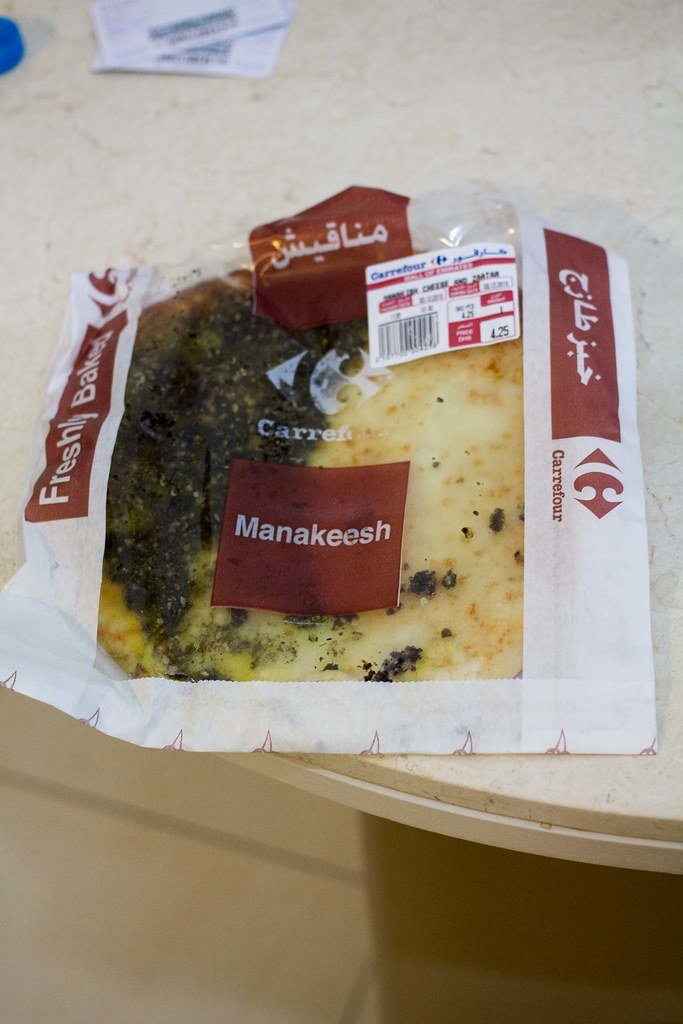
Manakeesh, a flatbread typically topped with a variety of ingredients, traces its origin to the Levant region, encompassing modern-day countries such as Lebanon, Syria, Palestine, and Jordan. This culinary delight reflects a rich tapestry of ancestral traditions, shaped by the diverse cultures that intertwined in this geographic area. The roots of manakeesh can be traced back to ancient times, where bread-making practices were closely linked to daily sustenance and communal gatherings.
The name “manakeesh” itself is derived from the Arabic word for “to cut,” indicating the practice of slicing the baked bread into portions for sharing. Traditionally, manakeesh was often prepared in communal ovens found in villages, promoting a sense of togetherness among families and neighbors. This method not only speaks to the social value of the dish but also highlights its significance in the cultural identity of the Levantine people.
Cultural factors also played a vital role in shaping the diverse varieties of manakeesh. The toppings range from za’atar (a blend of herbs, sesame seeds, and olive oil) to cheese, minced meat, and even vegetables, reflecting the local agricultural practices and resources available. Each area has its own unique twist on manakeesh, influenced by regional tastes and preferences. The adaptability of this dish over generations underscores its importance, allowing it to remain a staple in Levantine cuisine and beyond.
As time progressed, manakeesh transitioned from being merely a filling meal for laborers to a beloved street food enjoyed by individuals across various demographics. This evolution signifies not only a culinary journey but also a celebration of culture and heritage that continues to thrive in contemporary society.
Cultural Significance of Manakeesh
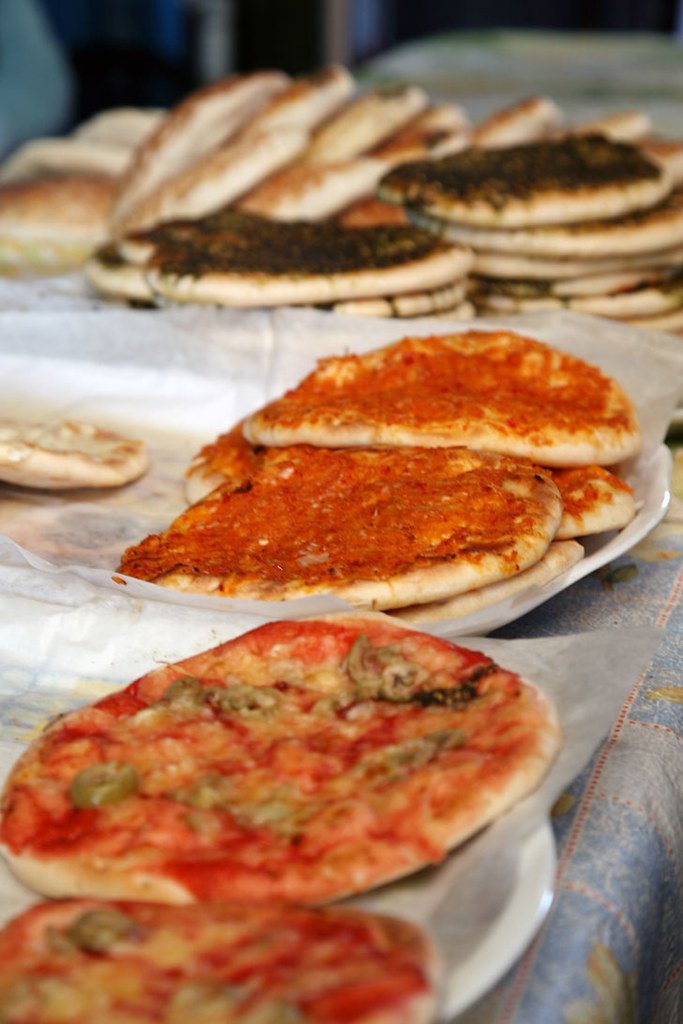
Manakeesh, a beloved Middle Eastern flatbread, holds a prominent place in various cultures, particularly within Lebanese society. This culinary delight serves not only as a staple food item but also embodies communal values and traditions that date back centuries. The preparation and consumption of manakeesh often transcend mere nourishment, transforming into a cherished social activity that strengthens familial and communal bonds.
In Lebanon, manakeesh is frequently enjoyed during family gatherings and social events, illustrating its role as a symbol of togetherness. Families often come together to prepare different toppings for manakeesh, such as za’atar, cheese, or minced meat. This collective effort reinforces the significance of sharing meals, thereby fostering a sense of belonging and community among relatives and friends. The act of gathering around a freshly baked manakeesh encourages conversation, connection, and the sharing of stories, making it a vital element in Lebanese social culture.
Beyond Lebanon, manakeesh is celebrated across various Middle Eastern societies, further emphasizing its cultural relevance. It appears in festive occasions and traditional celebrations, where it is often served as an appetizer or quick snack. During Ramadan, for instance, manakeesh is cherished as part of iftar meals, breaking the fast in a way that brings families together. This ritual highlights the bread’s significance in fostering unity and joy during special times, marking it as an essential dish in Lebanese and beyond. Additionally, as it finds its way to diverse palates around the world, manakeesh serves as an ambassador of Middle Eastern food culture, helping to bridge connections across different communities. Its versatility and communal spirit continue to resonate in cultural practices, ensuring that it remains a beloved culinary tradition.
Unique Flavors of Manakeesh
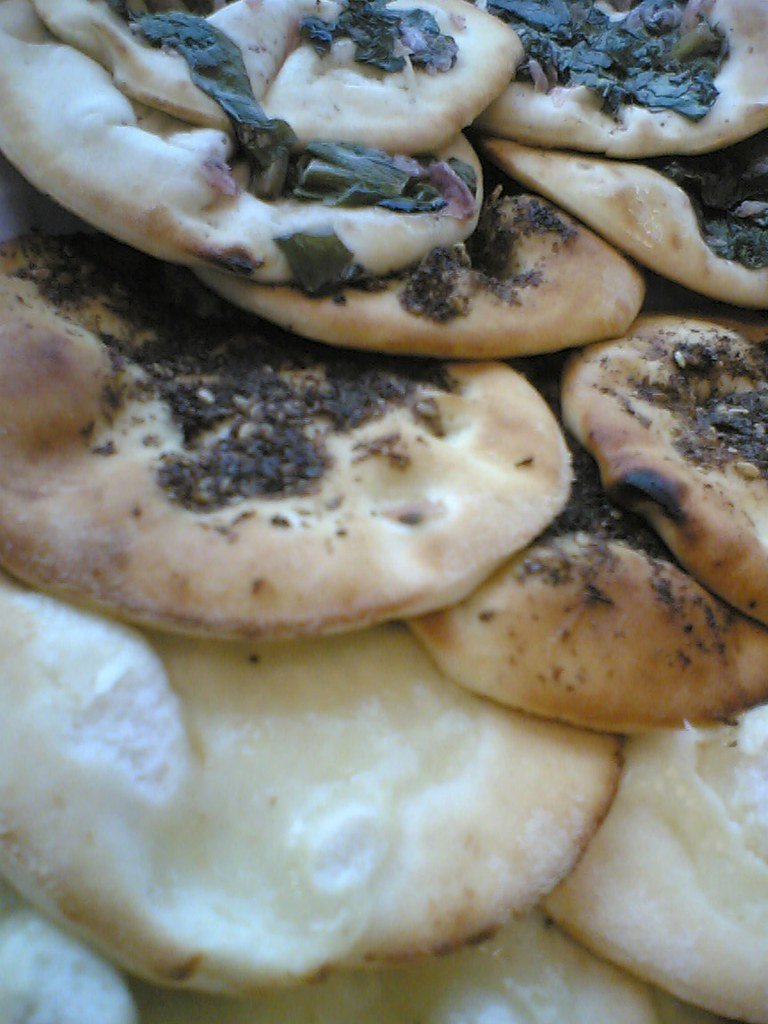
Manakeesh, a popular Levantine flatbread, is celebrated for its diverse and unique flavors that cater to a wide range of palates. The foundation of this delightful dish is its dough, which is typically made from simple ingredients like flour, water, yeast, and salt. However, its true charm lies in the variety of toppings and spices that transform the humble flatbread into a culinary masterpiece.
Common toppings for manakeesh include za’atar, a blend of aromatic herbs such as thyme, oregano, and marjoram, mixed with sesame seeds and sumac. This combination not only provides a distinctively savory flavor profile but also imparts a refreshing aroma. Another popular option is cheese, often a mix of white cheese varieties, melted to perfection, creating a gooey and indulgent treat. Ground meat, particularly lamb or beef, garnished with warm spices like cinnamon and allspice, offers a hearty alternative, appealing to those who prefer a more substantial meal.
In addition to these staples, variations abound based on regional preferences. For instance, in Lebanon, manakeesh is often topped with a rich blend of oil and herbs, while in Syria, one might find spicy ground meat as an enticing option. The artistry of manakeesh allows for personal recipes that vary from one household to another, fostering a sense of individuality and creativity in flavor. Ingredients such as olives, tomatoes, and pickles can also be added to enhance the overall taste experience.
The cooking method further contributes to the flavor of manakeesh. Traditionally baked in a wood-fired oven, the high temperatures result in a crisp outer layer while maintaining a soft and chewy interior. This contrast adds to the overall enjoyment, making manakeesh a delectable choice any time of day. With its myriad flavors, manakeesh continues to be a beloved dish that bridges cultures and brings people together.
Textures of Manakeesh: A Sensory Experience
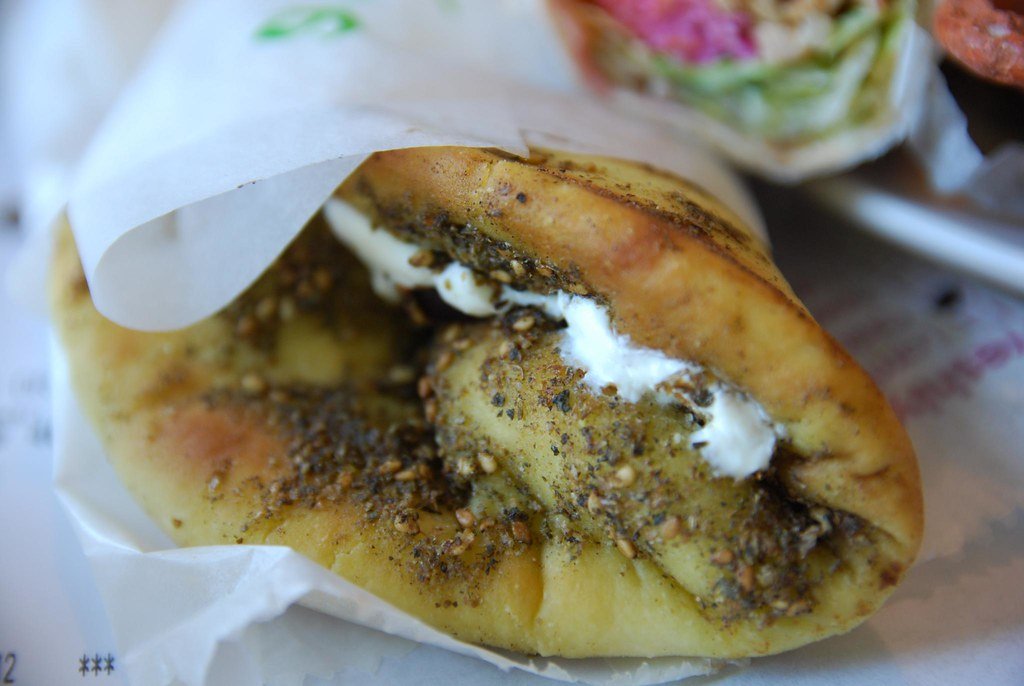
Manakeesh, a cherished staple in Middle Eastern cuisine, offers a delightful array of textures that contribute significantly to the overall enjoyment of this culinary treat. At the heart of every manakeesh lies its dough, which is typically soft and pliable when freshly made. This primary texture sets the foundation for an engaging sensory experience, as the dough provides a chewy quality that pairs wonderfully with various toppings. The hand-stretched technique used in its preparation allows for unique variations in thickness, leading to different textural experiences even within a single serving.
When baked, the outer edges of the manakeesh develop a crispiness that contrasts beautifully with the tender interior. This textural balance is essential, as it not only introduces a satisfying crunch with every bite but also enhances the flavor profiles of the toppings. The presence of herbs, cheese, or minced meat atop the dough further adds dimension. For instance, the melted cheese becomes gooey, creating a rich, luxurious mouthfeel that complements the crunchy edges and soft base. Depending on the cooking method, whether it is baked in a traditional oven or prepared on a griddle, the textures can vary significantly, offering a delightful surprise in each serving.
The interplay of these textures is vital, as it elevates the experience of consuming manakeesh beyond mere taste. Each aspect, from the chewy core to the crispy crust, invites the diner to savor the intricacies of the dish. This harmonious blend not only captivates the palate but also makes manakeesh a favorite among those who appreciate fine culinary craftsmanship. In gracing a dining table, manakeesh stands as a testament to how texture can redefine a food experience, encouraging diners to explore and relish every bite.
The Visual Appeal of Manakeesh
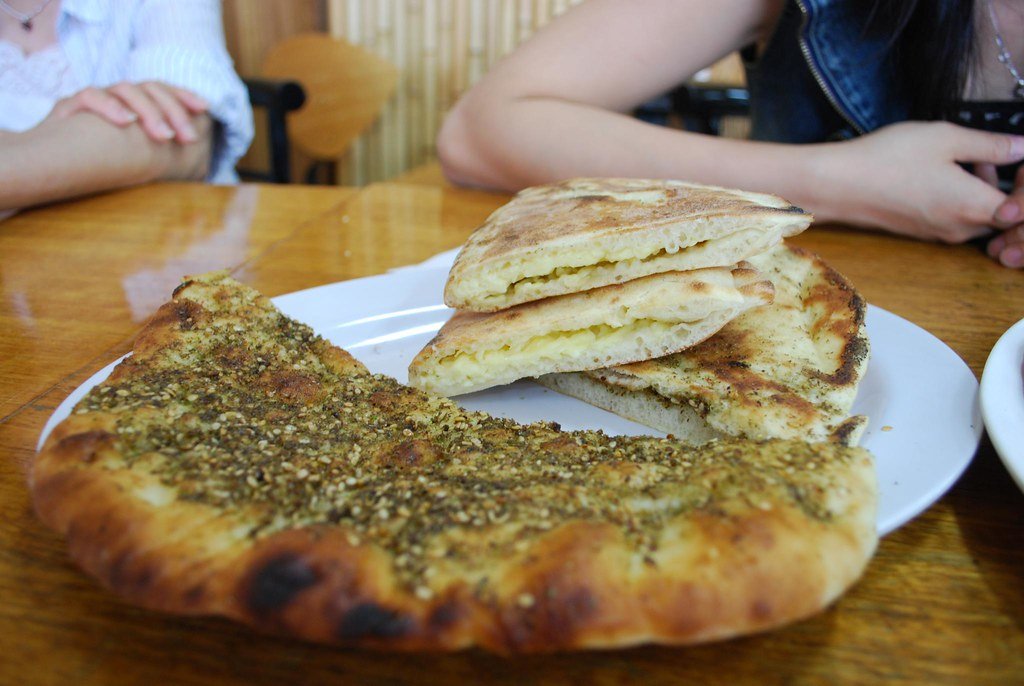
Manakeesh is not only a culinary delight but also a feast for the eyes, offering an enticing visual appeal that captivates before it is tasted. The vibrant colors of the ingredients used in this traditional Middle Eastern flatbread dish play a significant role in its overall attractiveness. Whether adorned with finely chopped vegetables, aromatic herbs, or rich cheeses, the toppings utilized can range from simple to elaborate, creating a visually striking presentation.
One of the most notable aspects of manakeesh is its ability to showcase a variety of colors. For instance, the deep green of parsley or za’atar sprinkled atop the warm, golden-brown dough provides an appealing contrast. Additionally, the rich reds of tomatoes, the creamy whites of labneh or feta cheese, and the earthy tones of spices all contribute to a harmonious and vibrant palette. This diversity in colors not only enhances the dish’s aesthetic but also highlights the freshness and quality of the ingredients used.
The presentation of manakeesh further amplifies its visual charm. It can be served simply, with a drizzle of olive oil and a sprinkle of sesame seeds, or it can be embellished with an array of toppings that emphasize creativity and culinary skill. Think of manakeesh served at a gathering, elegantly sliced into wedges and arranged on a platter, accompanied by aromatic dips like hummus or baba ghanoush. Such presentations elevate the dish, making it suitable for both casual meals and special occasions.
Moreover, the context in which manakeesh is presented adds to its visual appeal. Whether enjoyed in a bustling market or at a family gathering, these moments create an inviting atmosphere that enhances the overall experience. In conclusion, the visual aspects of manakeesh significantly contribute to its status as a beloved dish, illustrating how this culinary delight can bring joy through both taste and sight.
Appearance of the Dishes: From Dough to Deliciousness
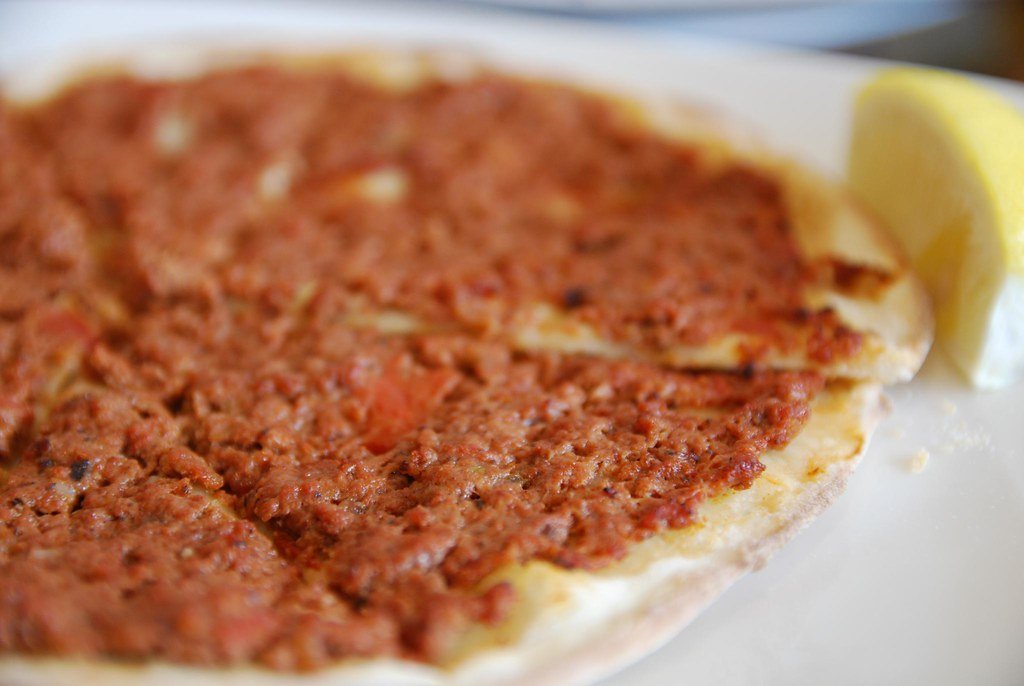
The journey of creating manakeesh begins with the foundation: the dough. Made from simple ingredients such as flour, water, salt, and yeast, the dough is kneaded until it becomes smooth and elastic. This process is crucial as it creates the necessary gluten structure that supports the final product. Once the dough has been sufficiently worked, it is allowed to rise, a process known as fermentation. During this time, the dough expands and develops air bubbles, which will contribute to the light texture of the baked manakeesh.
After fermentation, the dough is divided and shaped. It is rolled out into flat, round discs that vary in thickness, depending on personal preference. A thicker base tends to yield a chewier texture, while a thinner one provides a crispier finish. The appearance at this stage reveals a soft, pliable dough, ready to be adorned with toppings. Traditionally, manakeesh is topped with a mix of za’atar (a blend of dried herbs, sesame seeds, and olive oil) or cheese. These toppings not only enhance the flavor but also transform the visual appeal of the dish.
As the prepared manakeesh is placed in the oven, the magic truly unfolds. The heat causes the dough to rise further, creating a light and airy structure. The exterior of the manakeesh undergoes a notable transformation, changing from pale dough to a beautifully golden brown. The toppings bubble and caramelize, resulting in an enticing visual contrast between the crispy crust and the rich, flavorful toppings. A perfectly cooked manakeesh stands out with an even, golden-brown surface, showcasing the aromatic herbs or melted cheese, inviting the diner to savor the culinary delight. The complete metamorphosis from basic ingredients to a stunning dish encapsulates the art of manakeesh preparation.
The Art of Plating Manakeesh
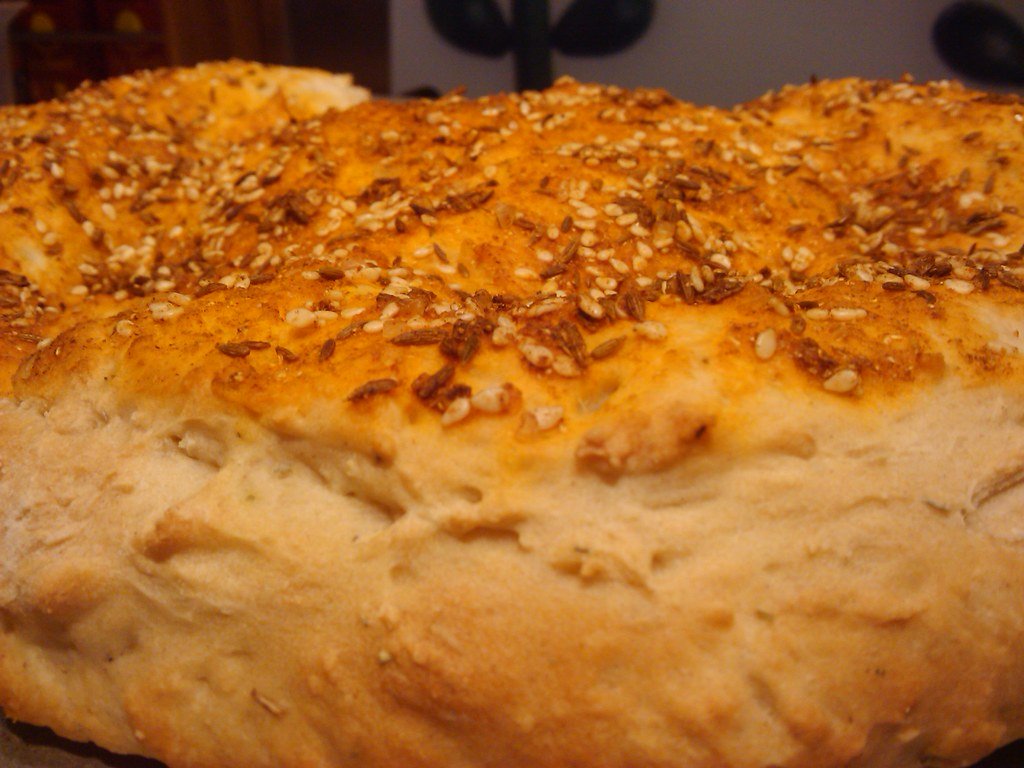
Plating is a crucial component in elevating the dining experience, particularly when it comes to serving manakeesh. The first impression is often visual, and presenting this delightful dish beautifully can significantly enhance its appeal. The art of plating manakeesh involves thoughtful arrangement and the careful selection of garnishes that complement the dish while adding a splash of color and freshness.
To begin, the base of the plate should ideally be clean and free from smudges. A neutral-colored plate can serve as an excellent canvas for manakeesh, enhancing the colors of the toppings such as za’atar, labneh, or various cheeses. Position the manakeesh at an angle on the plate, rather than flat, to create a sense of movement and dynamism in the presentation. This simple technique can catch the eye and draw attention to the dish.
In terms of garnishing, incorporating fresh herbs like parsley or mint can bring a burst of color and freshness, appealing to both the eyes and palate. A drizzle of high-quality olive oil around the edges can add sophistication and create a luxurious appearance. Additionally, serving manakeesh with complementary sides such as pickles or a simple salad not only enhances flavor but also adds visual interest. Consider using small ramekins for dips or sauces to provide variety in colors and textures on the plate.
To fully impress guests, consider the use of vibrant and contrasting colors in the garnishes and side dishes. For instance, vibrant tomatoes or pomegranate seeds can provide a stunning contrast when paired with the earthy tones of the manakeesh. When plating manakeesh, aim for balance and harmony in both color and proportion, making sure to leave some negative space on the plate for an uncluttered look. This attention to detail truly exemplifies the art of plating and elevates the overall dining experience.
Pairing Manakeesh with Beverages
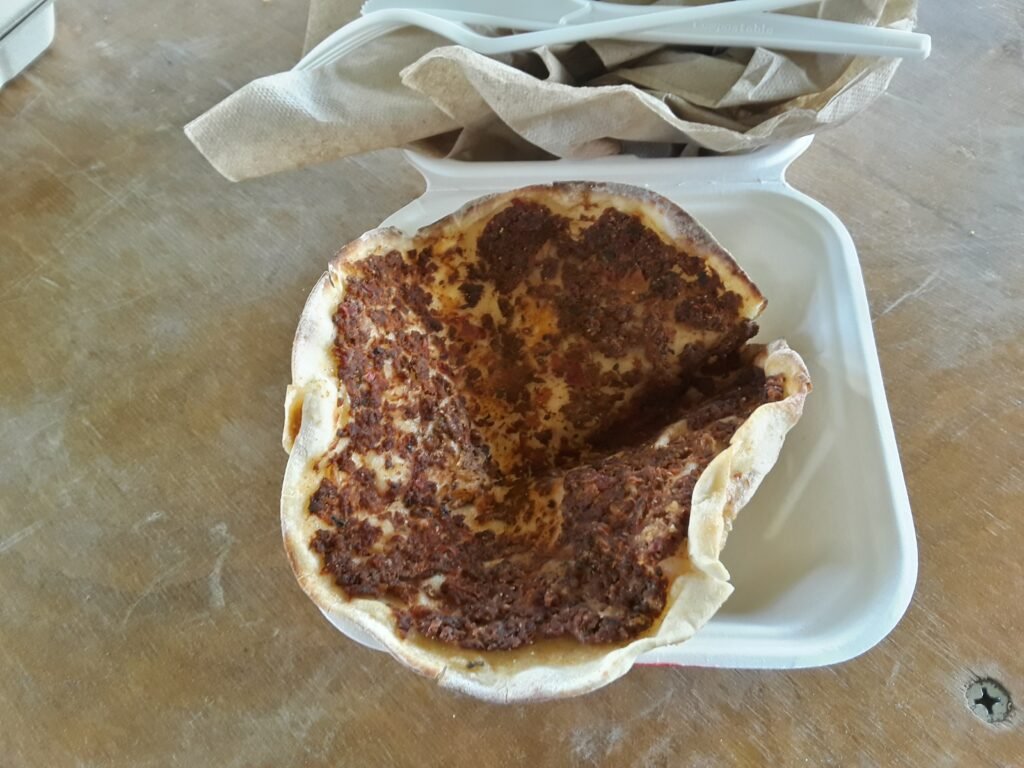
Manakeesh, a beloved Middle Eastern flatbread, is not only cherished for its savory toppings but also for its versatility in pairing with drinks. When considering the best beverages to accompany manakeesh, one can choose from both traditional options and contemporary flavors that uniquely enhance the dining experience.
Starting with traditional pairings, one of the most popular beverages is arabic coffee, known for its robust flavor and aromatic profile. Served without milk or sugar, this coffee complements the rich spices often found in manakeesh, such as za’atar or minced lamb. Another excellent option is mint tea, which provides a refreshing counterbalance to the warm, savory flavors of the flatbread, making it a favorite in many Middle Eastern dining cultures.
For those seeking non-traditional options, various modern beverages can successfully elevate the tasting experience. Citrus-infused juices, such as lemon or orange, serve to brighten the palate, particularly when paired with cheese-topped manakeesh. The acidity of these juices cuts through the richness of the cheese, creating a harmonious balance. Additionally, sparkling water or flavored sodas can offer a lively contrast, delighting the senses while maintaining the dish’s authentic profiles.
When designing a well-rounded meal, it is essential to consider the flavors of the manakeesh and select beverages that complement rather than overpower them. Incorporating various beverages allows one to tailor the dining experience to individual tastes and preferences, enhancing the overall enjoyment of this culinary delight. From the traditional to the modern, beverage pairings for manakeesh are abundant, promising a delightful culinary journey.
Where to Find the Best Manakeesh
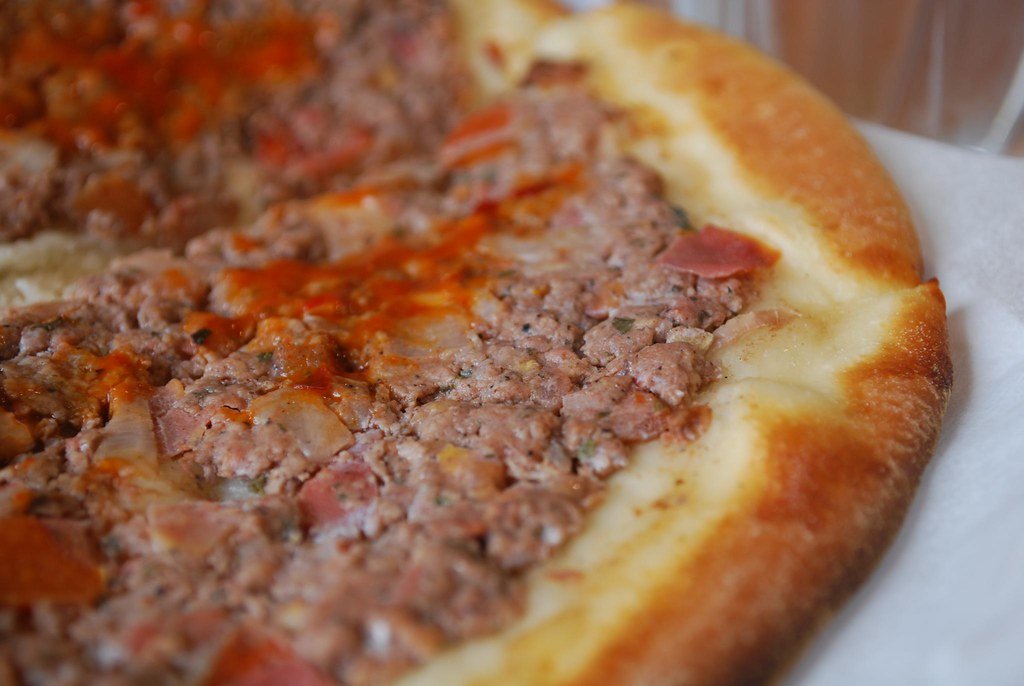
Many enthusiasts of Middle Eastern cuisine seek out authentic manakeesh, a delicious and versatile flatbread that serves as a staple in many cultures. Finding the best manakeesh often involves exploring local bakeries and restaurants that specialize in Lebanese or Palestinian dishes. These establishments typically prepare their manakeesh according to traditional methods, ensuring a quality product that reflects the dish’s rich heritage.
When searching for manakeesh, it is advisable to look for places that feature fresh dough made on site. The best manakeesh is usually baked in a traditional wood-fired oven, lending it a unique flavor and texture that cannot be reproduced in standard electric ovens. Pay attention to the characteristics of the flatbread; it should be slightly charred and crispy on the outside, while remaining soft and chewy inside. Toppings, such as za’atar, cheese, or ground meat, should be generously applied, creating a delightful combination of flavors.
Aside from restaurants, consider exploring local markets and specialty shops that sell homemade manakeesh. Often, these vendors provide both classic versions and unique varieties, appealing to diverse palates. Joining a cooking class or workshop can also be a great way to learn how to make manakeesh yourself, ensuring that you grasp the nuances of preparing this beloved dish while enjoying the experience of sharing it with friends and family.
To enhance your enjoyment of manakeesh, consider pairing it with traditional beverages, such as mint tea or ayran, a refreshing yogurt drink. This combination elevates the overall experience and integrates well into the culture surrounding this culinary gem. Overall, by following these tips and recommendations, you can discover some of the best manakeesh, whether you opt for dining out or exploring homemade options.