
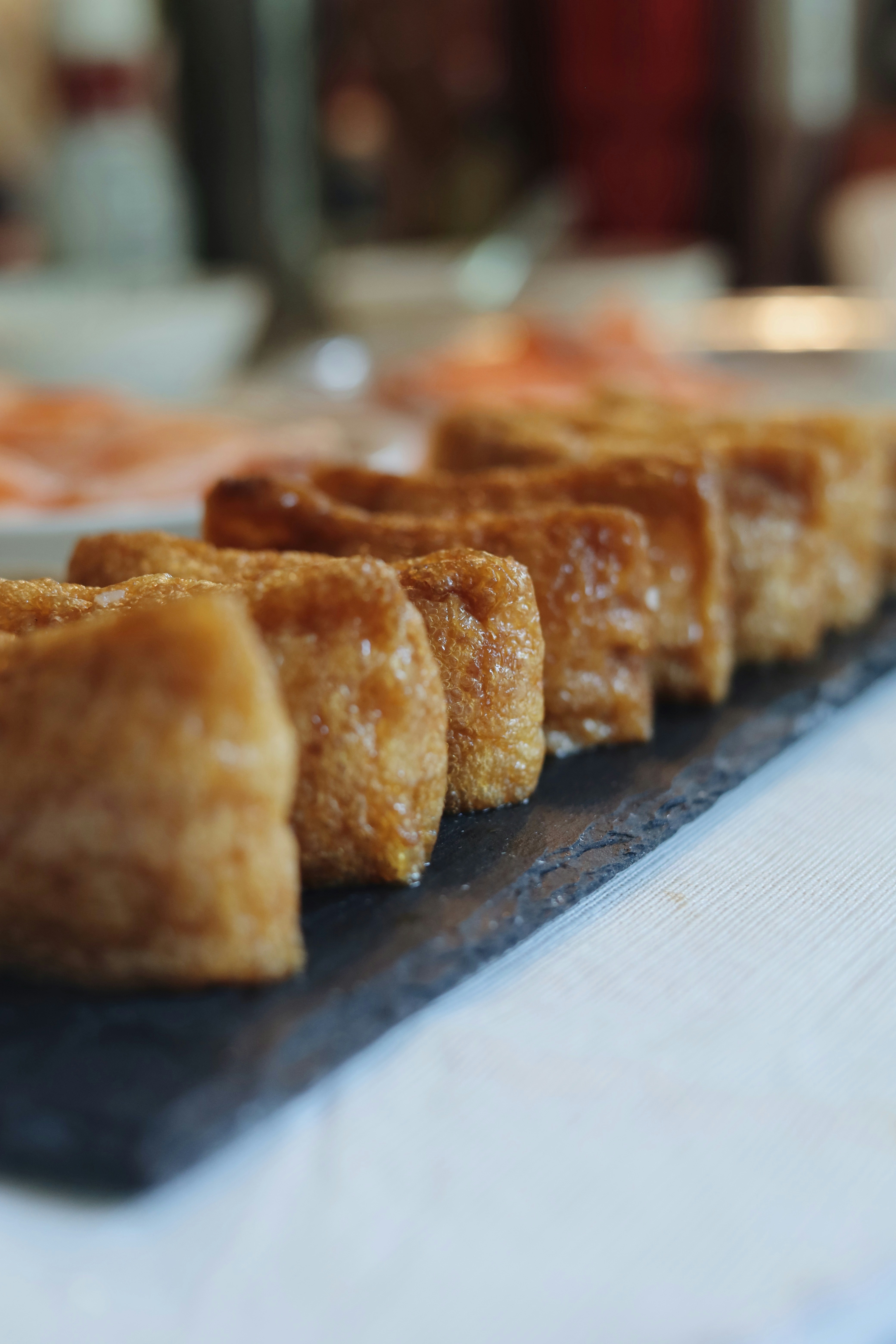
Introduction to Tofu: Origins and Varieties
Tofu, also known as bean curd, has its origins rooted deep in ancient Chinese culinary traditions, with historians tracing its inception back over two thousand years. According to folklore, tofu was accidentally discovered by a Chinese prince who, while experimenting with soy milk, created a curd-like substance. Over the centuries, tofu traveled beyond China’s borders, becoming a dietary staple in various cultures across Asia, particularly in Japan, Korea, and Southeast Asia. Its versatility and nutritional profile have contributed to its enduring popularity.
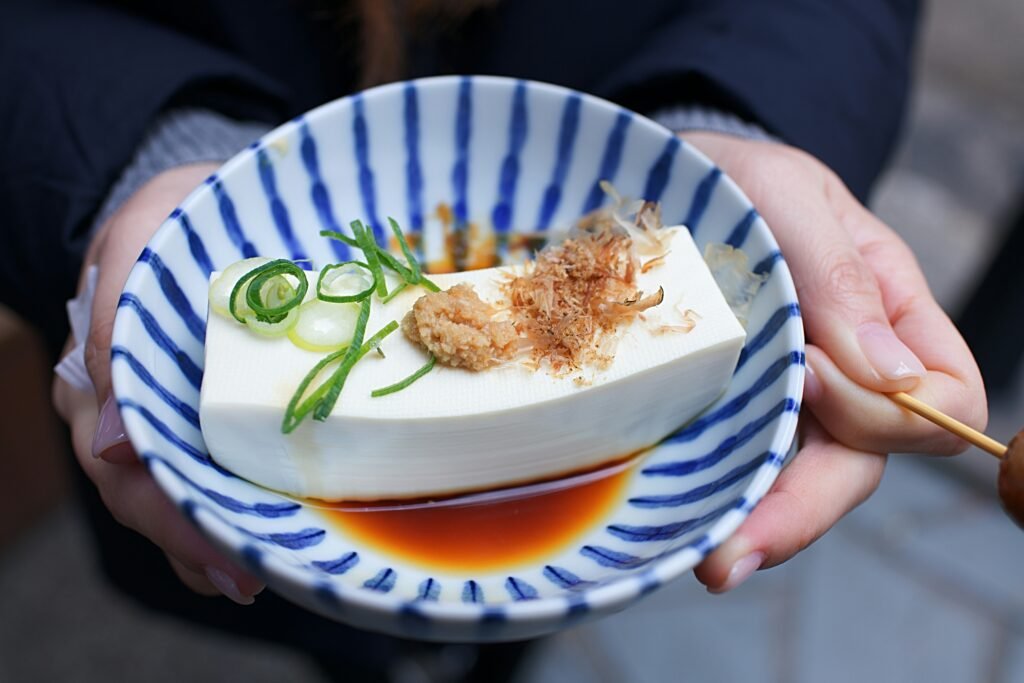
Tofu is primarily made from soybeans, which are coagulated and pressed into a soft, silky block. There are several varieties of tofu available, each with distinct textures and culinary applications. The most common types include silken, firm, and extra-firm tofu. Silken tofu, characterized by its creamy texture, is often used in smoothies, desserts, and sauces, providing a delicate mouthfeel and blending seamlessly into recipes. Firm tofu offers a more structured consistency, making it ideal for stir-fries and grilling, while extra-firm tofu is exceptionally dense and can withstand heavy seasonings and marinades, making it suitable for various cooking methods including baking and frying.
The unique properties of each tofu variety allow it to adapt to diverse culinary styles. In traditional Chinese cuisine, tofu is commonly simmered in soups or stir-fried with vegetables. Meanwhile, in Japan, it is often served cold with soy sauce, green onions, and grated ginger or used in the popular dish called chawanmushi. Additionally, contemporary chefs worldwide have embraced tofu, incorporating it into various fusion dishes, highlighting its exceptional ability to absorb flavors. This adaptability not only aligns with culinary creativity but also showcases tofu’s significance as a protein source for vegetarians and vegans alike.
Nutritional Profile and Health Benefits
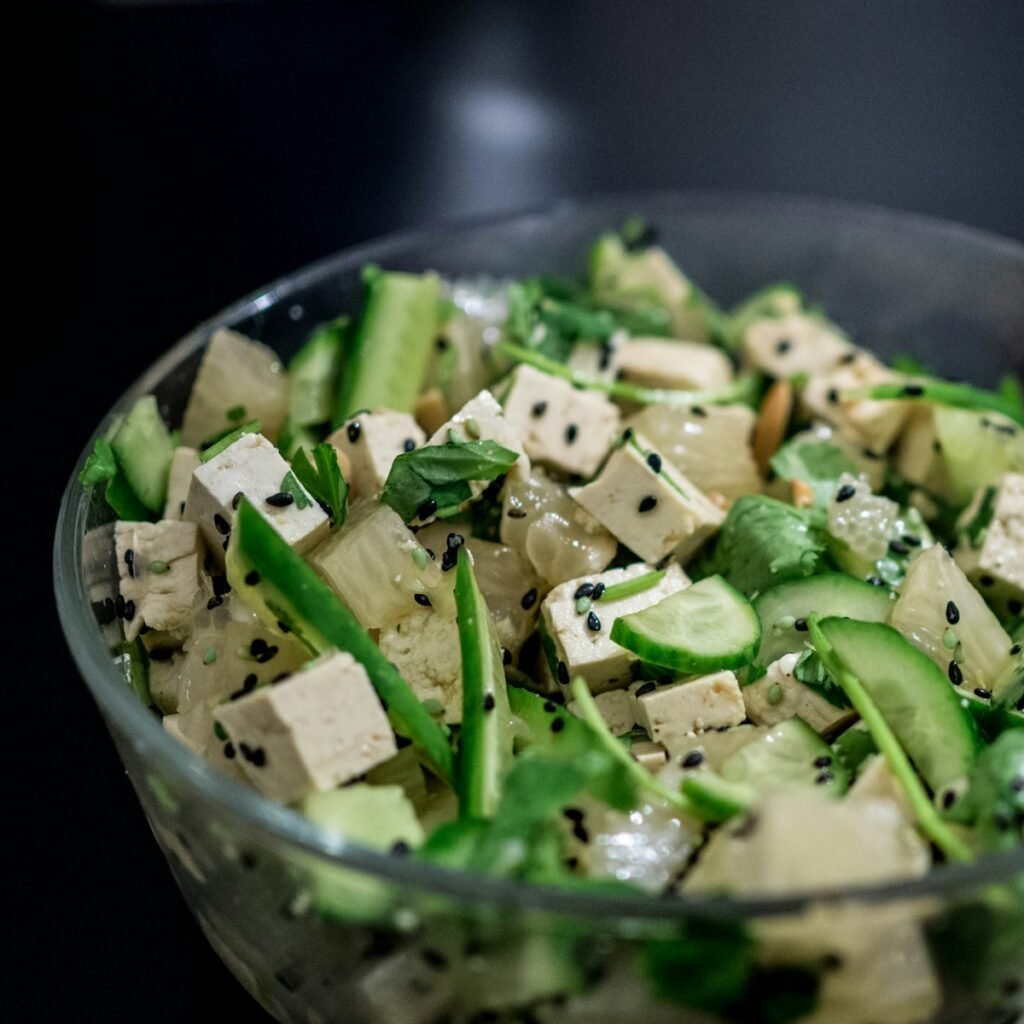
Tofu, derived from soybeans, is a highly nutritious food that provides a myriad of health benefits. It is often lauded for its impressive protein content, making it an excellent choice for vegetarians and vegans. A standard serving of firm tofu contains approximately 10 grams of protein, which contributes to meeting daily protein requirements. Beyond being a rich source of protein, tofu also encompasses all nine essential amino acids, categorizing it as a complete protein source. This is particularly beneficial for those who seek plant-based alternatives to animal protein.
In addition to being protein-dense, tofu is packed with several vital minerals and vitamins. It is an excellent source of calcium and magnesium, both of which play a crucial role in maintaining bone health. Regular consumption of tofu can contribute to improved bone density, reducing the risk of osteoporosis, particularly in postmenopausal women. Additionally, tofu contains iron, which is essential for oxygen transport in the body, and can help combat anemia.
Tofu also supports heart health; it is low in saturated fat and cholesterol-free, which contributes to maintaining healthy cholesterol levels. The presence of isoflavones, plant compounds found in soy, has been linked to a reduced risk of heart disease by promoting healthy blood pressure and improving arterial function. Weight management is another potential benefit of including tofu in the diet, as its high protein content can enhance feelings of fullness, thereby reducing overall calorie intake.
However, individuals with soy allergies or specific dietary restrictions should approach tofu with caution. It is essential for these individuals to consult healthcare professionals or nutritionists to explore alternatives. Overall, tofu stands out as a versatile food that can significantly contribute to a balanced and healthful diet.
Cooking with Tofu: Techniques and Recipes
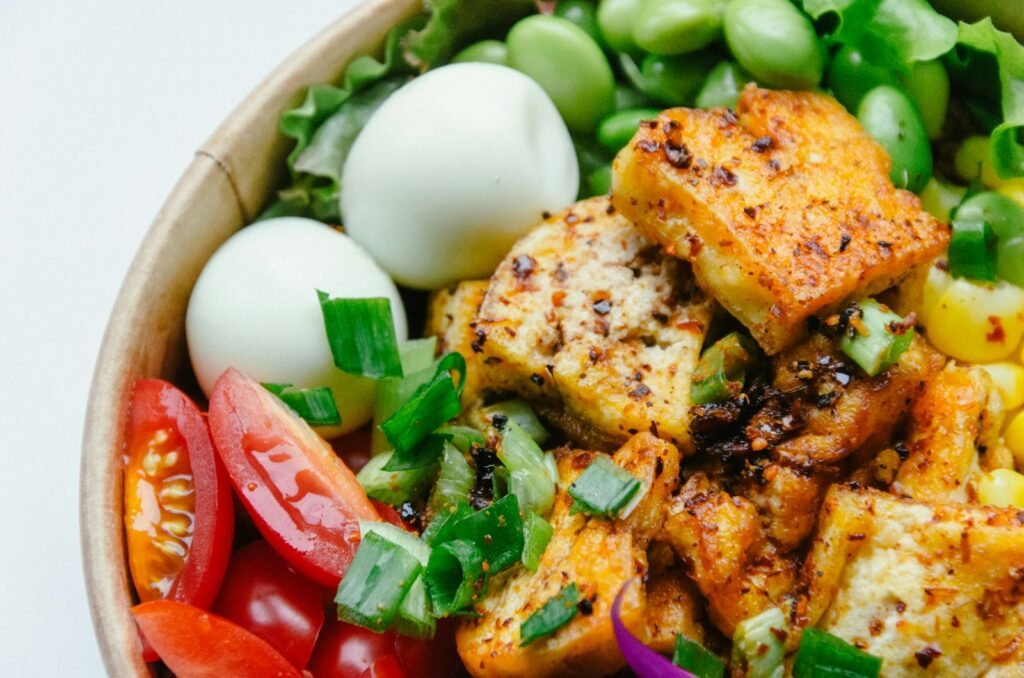
Tofu, a versatile source of plant-based protein, can be prepared using various cooking techniques that significantly influence its flavor and texture. Understanding different methods can help elevate your tofu dishes, making them delightful for both seasoned chefs and home cooks alike.
One of the simplest techniques is frying, which enhances tofu’s crispiness while allowing it to absorb flavors from seasonings or marinades. Begin by pressing firm tofu to remove excess moisture, then cut it into cubes or slices. After marinating the tofu in soy sauce or a blend of spices for at least 30 minutes, sauté it in a hot pan with a small amount of oil until golden brown. This method creates a crunchy exterior while maintaining a soft interior, ideal for stir-fries or salads.
Grilling is another excellent way to enjoy tofu, especially during summer months. Utilize firm or extra-firm tofu for this method, as they hold their shape better over the grill. To prepare, slice the tofu into thick slabs, marinate with your favorite barbecue sauce, or a lemon-herb blend, and let it soak up the flavors for a few hours. Grill on medium heat for about 5-7 minutes per side, until the tofu develops grill marks and a lovely smoky flavor.
Baking tofu offers a hands-off approach that allows for easy meal prep. After pressing and cubing the tofu, toss it with olive oil and seasonings like garlic powder, paprika, or Italian herbs. Spread the pieces on a baking sheet lined with parchment paper and bake at 400°F (200°C) for 25-30 minutes, flipping halfway through. This technique results in a chewy texture, ideal as a topping for grain bowls or incorporated into roasted vegetable dishes.
Finally, steaming tofu preserves its delicate flavor and soft texture, making it suitable for soups or hot pot dishes. Simply place sliced tofu in a steamer basket and steam for 5-10 minutes. This method is beneficial for those seeking lighter preparations and can be enhanced with dipping sauces like ponzu or sesame dressing.
Incorporating tofu into your meals can be both enjoyable and rewarding, leading to healthy and innovative culinary experiences. Experimenting with these cooking techniques will allow you to discover which methods suit your tastes and dietary preferences best. One easy and delicious recipe to try is a tofu stir-fry with colorful vegetables and a savory sauce. Prepare a quick marinade, sauté your preferred vegetables, add in your marinated tofu, stir everything together, and serve over rice or noodles for a satisfying meal. Other options include tofu scrambles, miso soup with tofu, or grilled tofu tacos for a creative twist on traditional favorites.
Popular Tofu Dishes Around the World
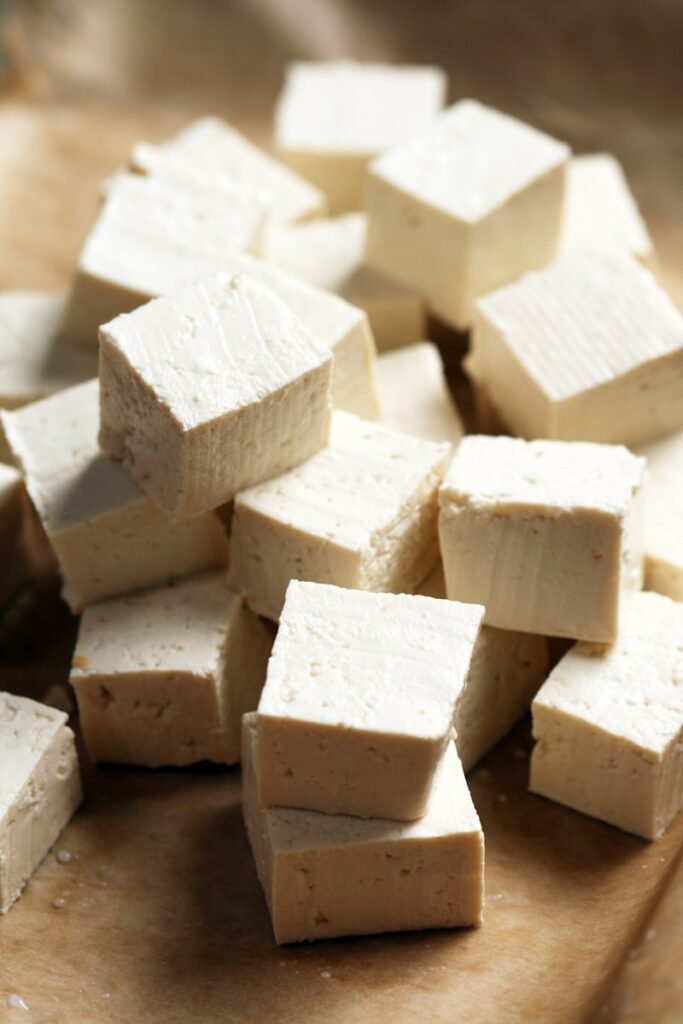
Tofu, a versatile food rich in protein and flavor, has found a prominent place in numerous cuisines worldwide. One of the most iconic dishes featuring tofu is Mapo Tofu, a beloved staple from China. This dish originates from Sichuan province and is characterized by its bold flavors, combining soft tofu with minced meat, typically pork or beef, while being stirred in a spicy bean sauce infused with garlic, ginger, and Sichuan peppercorns. The resulting dish is a delightful balance of heat and numbing sensations, offering a comforting yet invigorating experience cherished by many.
In Japan, Tofu Katsu presents a unique twist on the traditional katsu, where tofu takes center stage. This dish typically involves breaded and deep-fried blocks of firm tofu served alongside a tangy tonkatsu sauce. The preparation method varies, as some recipes emphasize marinating the tofu beforehand to enhance its flavor profile. Tofu Katsu serves not only as a delectable main course but also reflects Japan’s ingenuity in adapting ingredients to create appealing vegetarian options.
Traveling to Mexico, we encounter Tofu Tacos, showcasing how tofu can be creatively incorporated into authentic Mexican flavors. In this dish, crumbled tofu is seasoned with spices such as cumin and chili powder, then sautéed with onions and bell peppers. Served in soft corn tortillas, these tacos cater to both vegetarians and meat-eaters alike. They are often topped with fresh salsa, avocado, and lime, bringing a refreshing brightness that complements the savory tofu filling. This dish emphasizes the adaptability of tofu across cultural contexts, revealing its ability to absorb flavors and add nutritional value.
These examples illustrate how tofu transcends culinary boundaries, offering diverse and delightful dishes that celebrate its versatility. Whether enjoyed in a traditional Chinese recipe or a vibrant Mexican taco, tofu continues to inspire chefs and home cooks alike across the globe.