

The Origins of Yakitori
Yakitori, a beloved Japanese dish featuring skewered and grilled chicken, has a rich history deeply rooted in the cultural landscape of Japan. Its origins can be traced back to the Edo period (1603-1868), a time when urbanization and culinary diversity flourished in Japan’s burgeoning cities. During this era, street vendors began to offer various meats on skewers, making them easily accessible for the growing population of city dwellers seeking affordable and quick meals. It is within this context that yakitori was born, originally showcasing lesser-used parts of the chicken, including the liver and gizzards, as well as other proteins.
The transition of yakitori from a humble street food to a staple in izakayas and restaurants is a fascinating evolution that reflects changing social dynamics and culinary appreciation. As Japan transitioned into the Meiji era, economic advancements and Western influences transformed dining experiences. Yakitori establishments began to emerge, focusing not just on the preparation of the chicken but also on the accompanying sauces and seasonings. The introduction of tare, a savory glaze made from soy sauce, sugar, and mirin, enhanced the flavor profile, contributing to yakitori’s rising popularity.
Moreover, the communal aspect of yakitori enhanced its appeal. Traditionally, izakayas served as social hubs where friends and colleagues gathered to enjoy food and drinks, and yakitori became synonymous with these gatherings. The communal nature of sharing skewers of grilled meat encouraged social interaction, further solidifying its place in Japanese dining culture. Today, yakitori is enjoyed not only in casual settings but also in upscale dining experiences, symbolizing its versatility and evolving status within Japan’s culinary landscape.
Cultural Significance of Yakitori
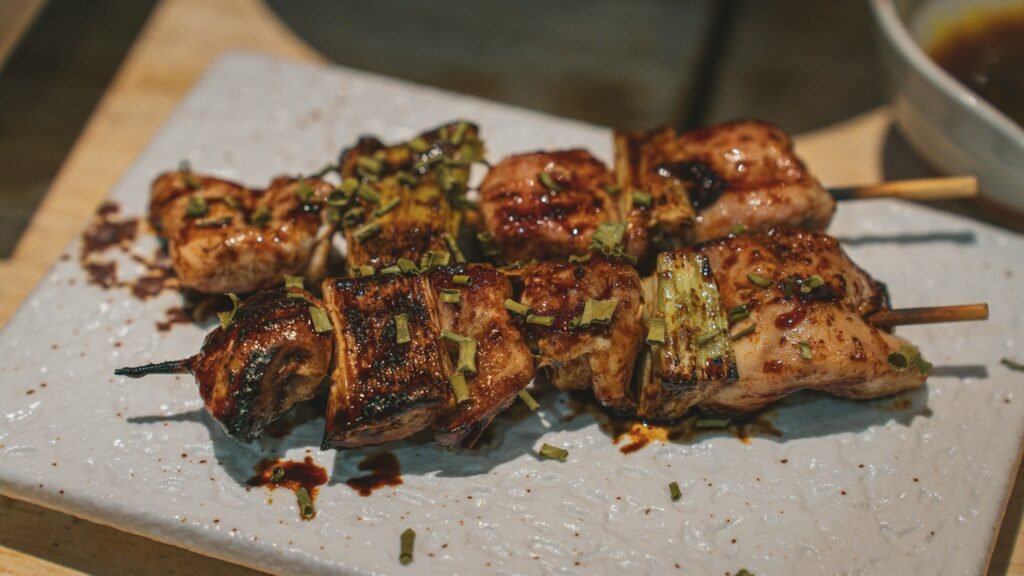
Yakitori, a traditional Japanese dish consisting of skewered grilled chicken, holds a profound place in the cultural fabric of Japan. More than simply a delicacy, yakitori embodies the spirit of communal dining, fostering connections among friends and family. In Japan, sharing food is regarded as an essential aspect of social gatherings, and the act of enjoying yakitori together reinforces bonds and creates shared experiences. Whether it is a leisurely dinner at home or a casual meal at an izakaya, yakitori serves as a focal point for interaction and conversation.
Beyond everyday dining, yakitori is a significant element in various Japanese festivals and celebrations. Street vendors often set up stalls that serve this iconic dish during festivities, making it readily available to attendees. The delicious aroma of grilling chicken, combined with the laughter and chatter of festival-goers, creates a vibrant atmosphere that highlights the joy of sharing food. Additionally, these events allow communities to come together, celebrate their culture, and experience the essence of hospitality through food.
In traditional settings, yakitori signifies Japanese hospitality, known as omotenashi. When hosting guests, offering freshly grilled skewers reflects a commitment to ensuring their enjoyment and comfort. Whether marinated in tare sauce or simply seasoned with salt, the preparation presents a blend of simplicity and sophistication, showcasing the care taken in crafting each skewer. This attention to detail not only elevates the dining experience but also honors the rich culinary heritage of Japan.
In essence, yakitori transcends being merely a dish; it represents a cultural experience that encapsulates the values of community, celebration, and hospitality in Japanese society. Its enduring popularity underscores the importance of shared meals in fostering human connections, making it a beloved aspect of everyday life in Japan.
A Symphony of Unique Flavors
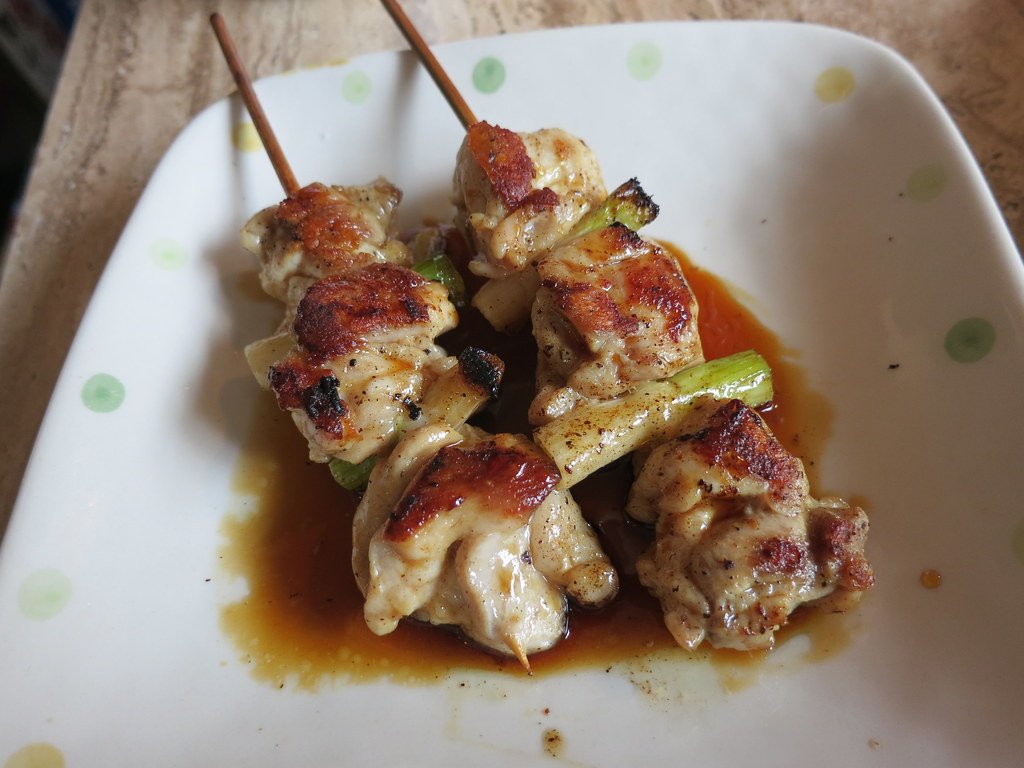
Yakitori, Japan’s beloved skewered chicken dish, encapsulates a delightful fusion of flavors, stemming from the choice of ingredients and cooking techniques. At its core, yakitori offers a variety of chicken parts, each imparting distinct taste characteristics that contribute to a nuanced dining experience. The most common parts include tender thigh, which is rich and juicy, succulent breast that is lean yet flavorful, and various other selections like the heart, liver, and skin that provide unique textures and tastes. By selecting different cuts, chefs create an impressive range of flavor profiles that showcase the very essence of the bird.
To enhance the taste experience further, yakitori is typically seasoned with two primary condiments: tare and shio. Tare is a sweet, soy-based sauce, which complements the natural richness of the chicken. It is often a well-guarded secret, as its ingredients vary by chef, yet its characteristics remain consistent—rich umami flavors balanced with sweetness. The application of tare varies—some cooks prefer to brush it on during the grilling process, allowing it to caramelize, while others serve it as a dipping sauce, adding an extra layer of flavor for enthusiasts to enjoy.
On the other hand, the shio preparation involves simply seasoning the grilled chicken with salt, allowing the unadulterated flavor of the meat to come forth. This method highlights the quality of the chicken, as the seasoning is minimal yet impactful. Furthermore, the grilling process itself, typically conducted over charcoal, infuses the yakitori with a subtle smokiness that elevates its overall taste. The combination of various marinades, seasonings, and the diverse cuts of chicken results in a harmonious symphony of flavors, making each yakitori experience unique and memorable.
Textures: The Delight of Each Bite
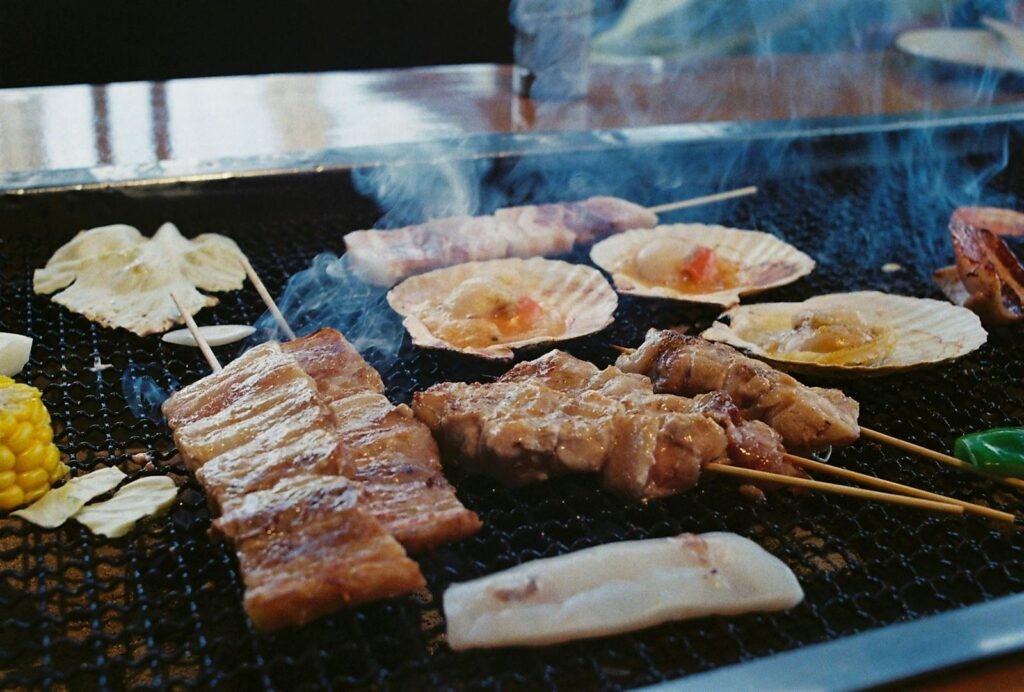
Yakitori, a celebrated Japanese dish, embodies a harmonious blend of textures that contribute significantly to its appeal. The skillful preparation of yakitori centers around the grilling of skewered chicken, which varies not only in the cuts of meat used but also in the cooking techniques employed. The grilling process, particularly over charcoal, is paramount in creating the distinct textures that characterize this delicacy.
The first notable texture in yakitori is the crispy skin, which plays a vital role in enhancing the overall eating experience. When grilled to perfection, the skin becomes delectably crisp, offering a satisfying crunch with each bite. This contrast against the tenderness of the meat creates a delightful layering of textures, ensuring that the palate enjoys a multifaceted sensation. The balance between leathery skin and succulent meat is not merely coincidental; it is a result of precise grilling techniques that allow the fat to render slowly, thereby creating a pleasing crispy exterior.
The art of grill mastery lies not just in achieving desired textures but also in the thoughtful pairing of ingredients that create an unforgettable gastronomic experience. Ultimately, the combination of crispy, tender, and diverse textures within yakitori elevates this iconic dish, allowing it to stand out as a beloved staple of Japanese cuisine. Each bite presents a narrative of culinary craftsmanship that resonates deeply with enthusiasts, making yakitori a cherished culinary tradition.
The Visual Appeal of Yakitori
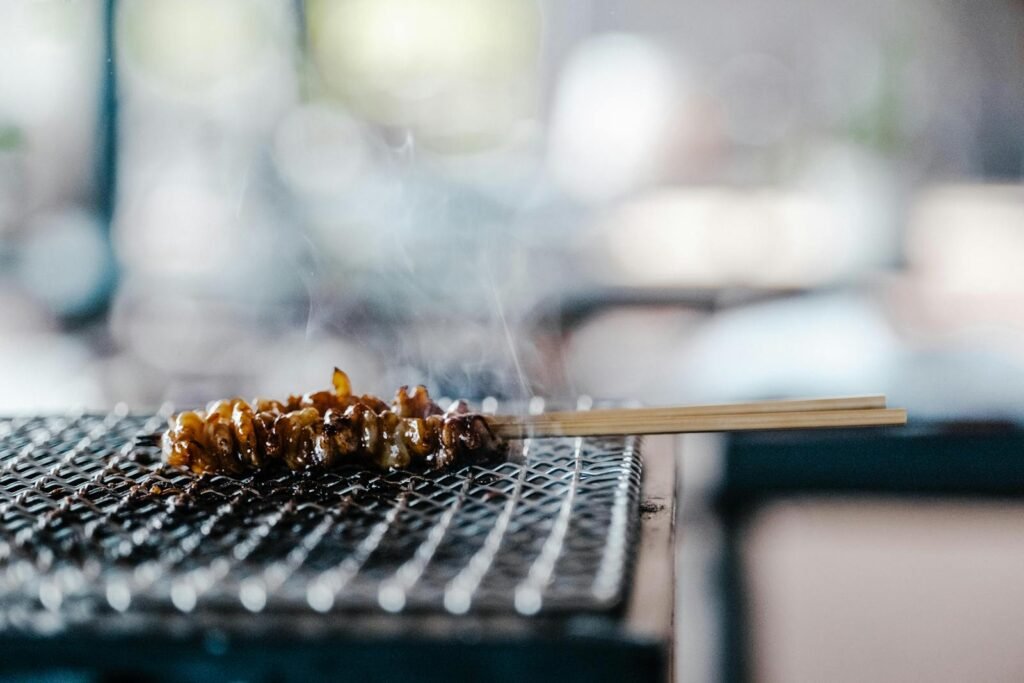
Yakitori, the well-known Japanese dish of skewered chicken, delights not only the palate but also the eyes. The aesthetic qualities of yakitori are integral to its overall dining experience, as vibrant colors and careful presentation come together to create an enticing first impression. Each skewer is not only a testament to culinary skill but also an art form that reflects the essence of Japanese tradition and meticulous attention to detail.
The vibrant colors of yakitori are derived from the variety of ingredients used. While chicken remains the primary focus, the inclusion of seasonal vegetables such as bell peppers, shiitake mushrooms, and scallions adds a colorful contrast. These components are often brushed with glistening tare sauce or a sprinkle of aromatic spices, enhancing the overall visual spectacle. Each ingredient is chosen not only for its flavor profile but also for the visual appeal it brings to the dish, making each skewer an attractive display of colors and textures.
Plating plays a significant role in enhancing the visual impact of yakitori. Traditionally, skewers are arranged neatly on a simple, elegant dish that accentuates their colors. Utensils and garnishes are deliberately placed to complement the presentation without overwhelming it. The use of minimalistic serving plates reflects the Japanese aesthetic values of simplicity and understated elegance, drawing attention to the yakitori itself. This careful arrangement allows diners to appreciate the artistry involved in the dish before they even take a bite.
Furthermore, the experience of enjoying yakitori extends beyond the plate. Dining in traditional izakayas, the ambiance adds to the visual pleasure of the dish. The warm glow of lanterns, the anticipatory sizzle of skewers being grilled, and the lively atmosphere all contribute to a captivating culinary experience. Thus, the visual appeal of yakitori encapsulates more than just the dish itself; it embodies a cultural narrative that celebrates both food and artistry.
The Art of Plating Yakitori
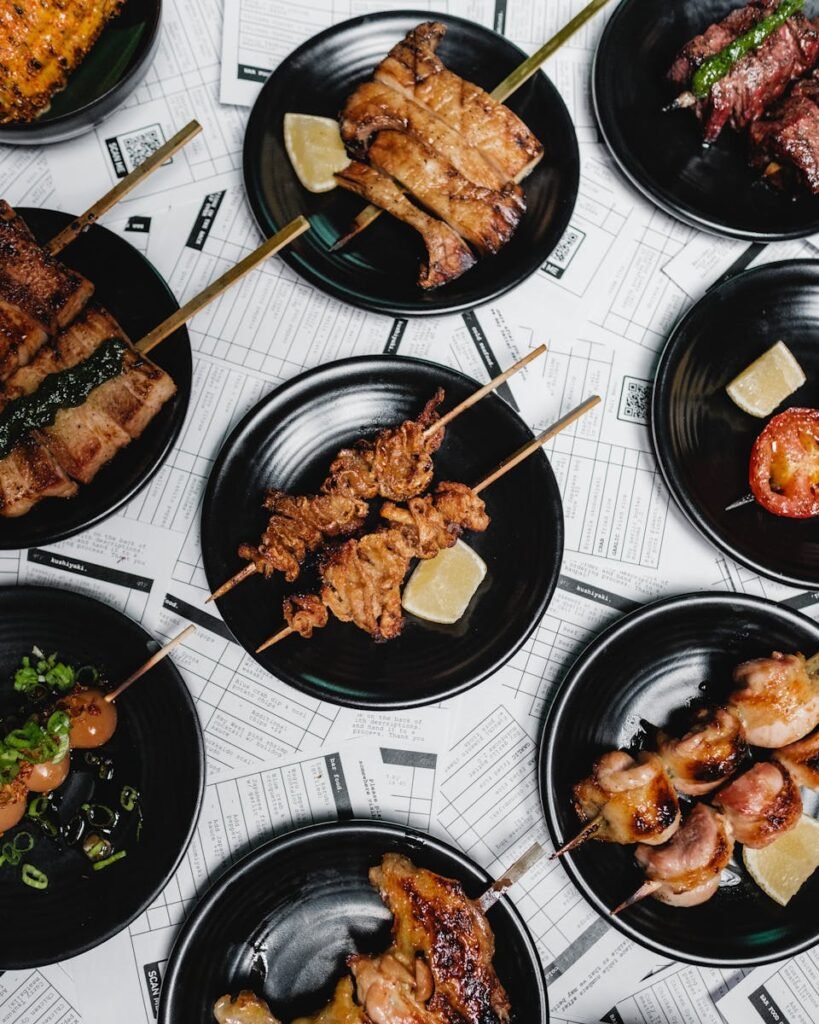
Plating is an essential aspect of enjoying yakitori, as it transforms a simple skewer of grilled ingredients into a visually enticing centerpiece. The presentation not only elevates the dining experience but also reflects the artistry inherent in Japanese cuisine. Traditional plating techniques often emphasize harmony and balance, using earth-toned ceramic plates that complement the natural colors of the grilled items.
In a more conventional setting, yakitori is typically served on rectangular or round plates that allow the skewers to be showcased prominently. Each skewer can be arranged thoughtfully, often in a fan shape or a linear pattern, which draws attention and adds a dynamic element to the presentation. Accompanying these skewers with small bowls of dipping sauces, such as tare or spicy mayo, adds an additional layer of texture and taste, enhancing the overall experience.
In contrast, modern plating approaches may lean towards minimalism, where less is more. Chefs might choose a monochromatic palette or utilize negative space on the plate to draw focus solely to the yakitori. Creating height through artistic stacking of skewers can evoke creativity and intrigue, presenting the dish in a contemporary light. Garnishes, such as finely minced herbs, microgreens, or edible flowers, can provide pops of color, making the dish much more inviting.
Incorporating elements such as wooden boards or slate tiles as serving platters can also set a rustic tone, reminiscent of traditional izakayas. These materials often highlight the organic nature of grilled foods, bringing warmth to the table. Thoughtful garnishing with seasonal vegetables can further reflect the flavors of the season, enhancing both aesthetic appeal and flavor complexity.
Ultimately, the art of plating yakitori goes beyond mere appearance; it creates an experience that engages all the senses, allowing diners to appreciate both the culinary and visual artistry that this iconic dish offers.
Pairing Yakitori with Beverages
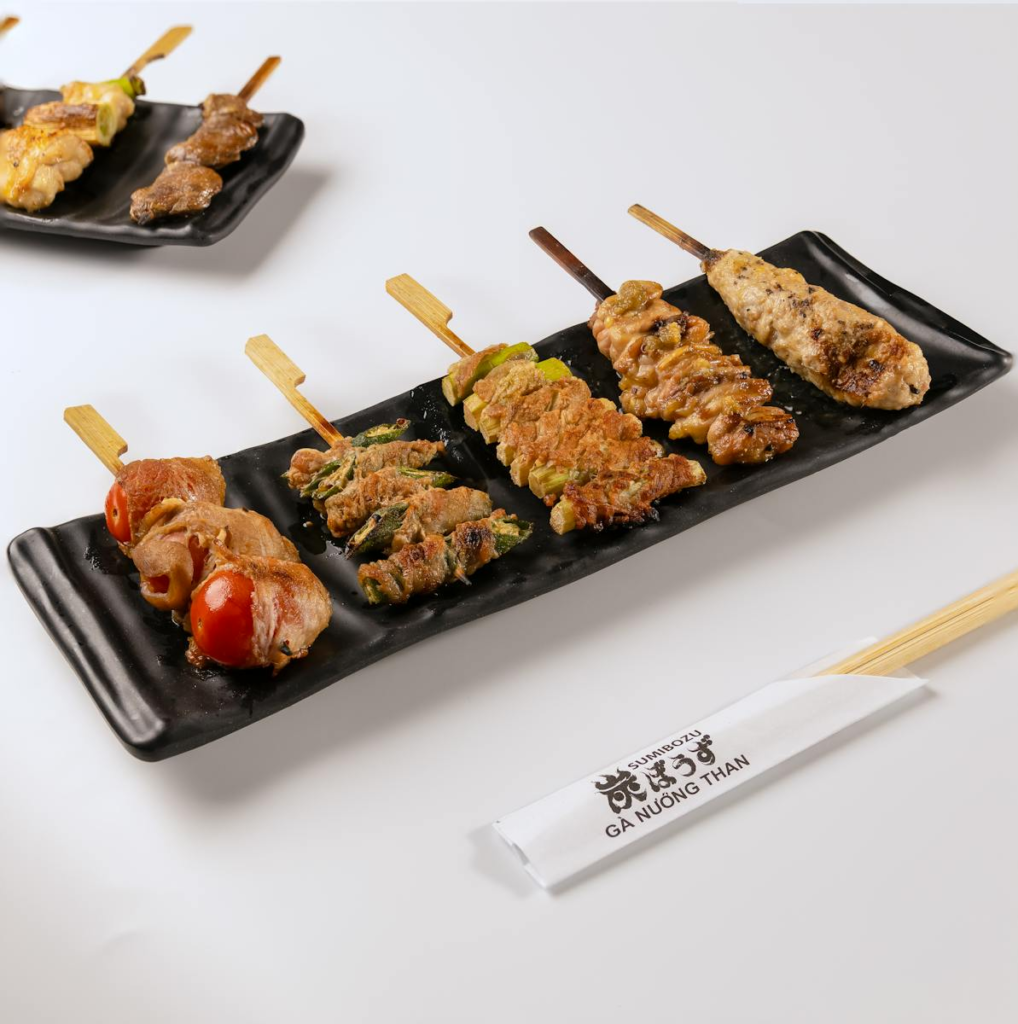
Enhancing the yakitori experience extends beyond the succulent skewers themselves; it involves a thoughtful selection of beverages that can complement and elevate the flavors of each dish. Traditional Japanese beverages, particularly sake and beer, have long been celebrated for their harmonious pairing with the nuances of yakitori. Sake, with its varying profiles ranging from floral and fruity to rich and savory, offers a remarkable versatility that can match the distinct flavors found in different types of grilled skewers. For instance, a light, chilled Junmai Daiginjo sake pairs exquisitely with shio (salt) seasoned yakitori, allowing the chicken’s savory flavors to shine through without overwhelming the palate.
Additionally, beer, especially Japanese lagers like Asahi or Sapporo, provides a refreshing contrast to the umami-rich elements of grilled meat. The crispness and carbonation of these beers cleanse the palate beautifully, making each bite of yakitori more pleasurable. Darker beers, such as stouts or porters, may complement skewers marinated in a tare (sweet soy sauce) glaze, as the roasted notes in the beer can mimic and enhance caramelized flavors.
For those seeking alternative pairings, consider a selection of shochu, a distilled spirit that can be enjoyed neat or mixed in various cocktails. Its higher alcohol content and diverse flavor profiles can offer an interesting contrast to the rich and smoky elements of grilled chicken, while enhancing the overall dining experience. Furthermore, non-alcoholic beverages such as green tea or yuzu-infused sodas can provide a refreshing accompaniment, balancing the meal’s richness and cleansing the palate between bites.
Ultimately, the choice of beverage can significantly influence the enjoyment of yakitori, creating an enriching and memorable culinary adventure. By thoughtfully selecting drinks that complement the flavors of this iconic dish, diners can enjoy a more complete and satisfying experience, celebrating the essence of Japanese cuisine.
Cooking Techniques for Perfect Yakitori

Preparing yakitori at home involves several essential techniques that are critical in achieving the perfect skewered delicacy. Each step, from skewer preparation to grilling, plays a vital role in the final flavor and texture of the dish. The first key step is selecting the right ingredients. Traditionally, yakitori is made using various parts of chicken, including thighs, wings, and even liver. It’s important to choose fresh, high-quality chicken to enhance the overall taste.
Once the chicken is selected, the next step is skewer preparation. Bamboo skewers are commonly used, and they should be soaked in water for at least 30 minutes prior to grilling to prevent them from burning on the grill. Another technique is ensuring uniform pieces of chicken; cutting them into even sizes allows for consistent cooking and prevents some pieces from drying out while others remain undercooked.
Marination is another crucial technique in the yakitori preparation. The chicken can be marinated in a tare sauce, which typically consists of soy sauce, sake, mirin, and sugar. Marinating for at least 30 minutes allows the chicken to absorb the flavors fully. Alternatively, a dry rub of salt can be used, which is more traditional for certain types of yakitori. This method enhances the chicken’s natural flavor while providing a crispy exterior when grilled.
Grilling is perhaps the most significant aspect of cooking yakitori. A high-quality grill, whether charcoal or gas, is recommended to provide the ideal environment for cooking. Adjusting the temperature is essential; grilling over hot coals produces a beautiful char and smoky flavor. It is advisable to rotate the skewers frequently to ensure even cooking on all sides. By monitoring the temperature and cooking times carefully, one can achieve the perfect yakitori, tender and juicy.
A Global Perspective on Yakitori
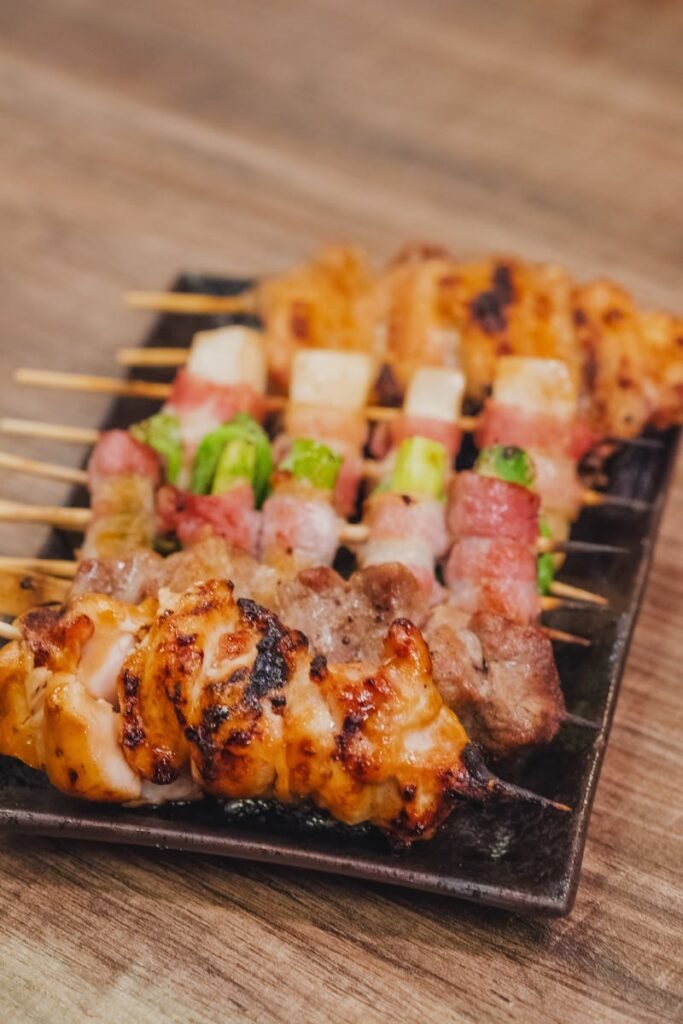
In recent years, yakitori has transcended its origins in Japan to become a beloved dish worldwide. This iconic skewered delicacy is now featured on menus across continents, showcasing a blend of traditional techniques and modern culinary innovations. As countries embrace yakitori, chefs often incorporate local ingredients and cooking methods, resulting in diverse interpretations of this classic dish.
Regional variations of yakitori can be found in various parts of the world. For instance, in the United States, yakitori has been adapted into fusion dishes that cater to a myriad of culinary preferences. Some establishments serve yakitori infused with American barbecue flavors, offering a smoky twist to the serving style. Meanwhile, in Southeast Asia, street food vendors have made yakitori a staple item, often pairing it with local dipping sauces and spices that enhance its flavor profile.
The rise of food trucks and casual dining establishments has also contributed to the globalization of yakitori. Chefs are keen to experiment and reimagine traditional recipes, fusing various cuisines and creating unique flavor combinations. This experimentation not only enhances the dining experience but also broadens the appeal of yakitori to individuals who may be unfamiliar with Japanese cuisine.
Moreover, the growing interest in global cuisine has spurred food enthusiasts to explore authentic yakitori experiences. As a result, many restaurants worldwide are striving to replicate the essence of traditional yakitori as seen in Japanese izakayas. By focusing on quality ingredients and meticulous cooking methods, they aim to preserve the authenticity of this cherished dish while appealing to an international audience.
In summary, yakitori has evolved profoundly in its journey around the globe. The dish continues to thrive, showcasing its ability to adapt and resonate with diverse culinary traditions while maintaining its core essence as a beloved skewered delicacy.