
Understanding Ackee and Saltfish: A Jamaican Culinary Classic
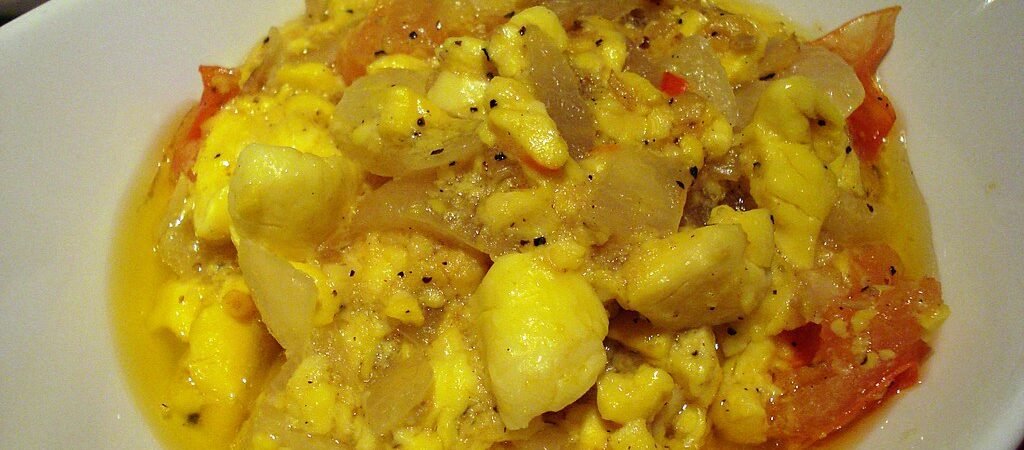
Ackee and saltfish is often regarded as Jamaica’s national dish, celebrated for its rich flavors and cultural significance. To understand this classic dish, it is essential to explore the historical context of its two primary components: ackee and saltfish. Ackee, a fruit native to West Africa, was introduced to Jamaica in the 18th century. Its vibrant yellow flesh and buttery texture make it a unique ingredient, which pairs remarkably well with the salty, preserved fish.
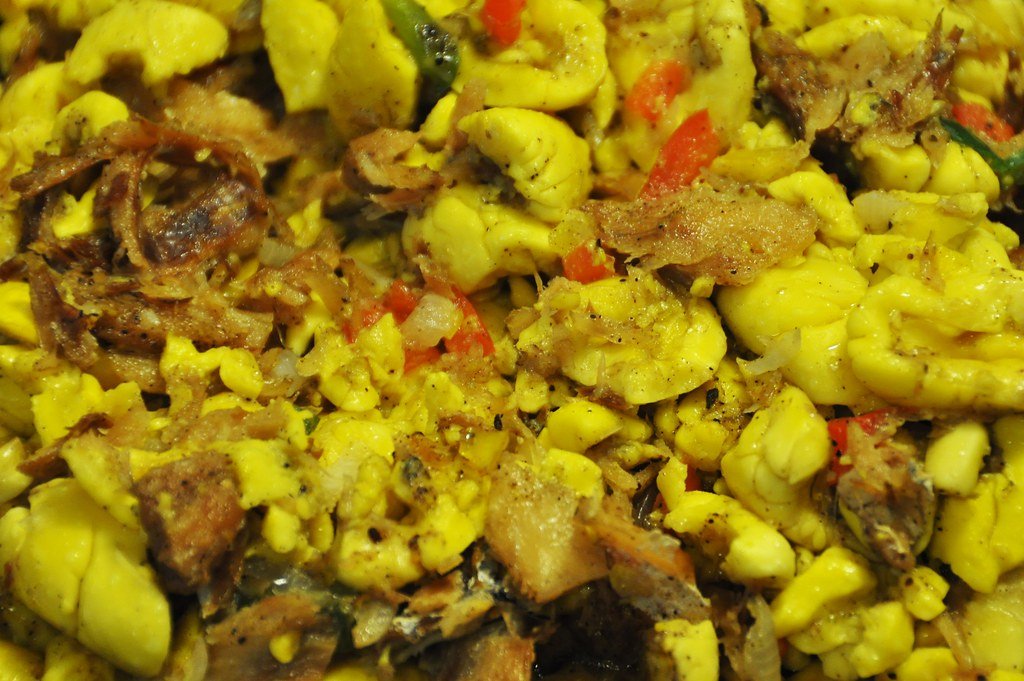
Saltfish, typically made from cod, has a long history in Jamaican kitchens. The preservation method of salting or curing fish dates back centuries, originating from the need for long-term food storage. As a result, it became a staple in many Caribbean islands, including Jamaica. The combination of these two ingredients reflects the influence of colonial trade and the adaptation of African cuisines in the Caribbean, forming an integral part of the island’s culinary identity.
The dish is not just a meal; it embodies the spirit and resilience of the Jamaican people. Ackee and saltfish are typically served for breakfast, often accompanied by sides such as dumplings, plantains, or festivals. However, its variations can differ widely across various regions of Jamaica, with each area adding its unique twist. For instance, in some households, the dish might incorporate spicy additions like Scotch bonnet peppers, while others might highlight the creamy texture of the ackee by minimizing additional seasonings.
With time, ackee and saltfish have transcended geographical boundaries, finding a place in the hearts of many outside Jamaica. It captures not just the essence of its native land but also fosters a sense of community among those who savor this delightful culinary creation. The story of ackee and saltfish is woven into the fabric of Jamaican culture, symbolizing the island’s rich heritage and the delicious fusion of flavors that result from its historical journey.
Selecting the Freshest Ingredients for the Perfect Dish
When preparing ackee and saltfish, the quality of the ingredients you select plays a critical role in achieving an authentic and flavorful dish. The most important ingredient is, of course, ackee, which can be sourced either fresh or canned. If you choose fresh ackee, ensure that it is at its peak ripeness. Look for bright yellow pods that are slightly open at the seams; these indicate that the fruit is mature and ready for cooking. Avoid ackee that appears brownish or has an unattractive, overripe condition, as this can affect both flavor and safety.
For those opting for canned ackee, it is essential to select a reputable brand. Check the label to ensure that the product contains no artificial preservatives and has a short ingredient list. The taste of ackee can greatly vary between brands, so consider trying a few to determine which one best suits your preferences.
Next, focus on the saltfish. Quality saltfish should be firm and not overly dry, indicating proper preservation. When possible, select unsalted or lightly salted fish which allows for better control of the final dish’s salinity. Soaking the saltfish before cooking not only rehydrates it but also reduces the saltiness for a more balanced flavor.
Accompanying vegetables such as onions, tomatoes, bell peppers, and Scotch bonnet peppers also enhance the dish’s flavor. Choose fresh vegetables that are vibrant in color, firm to the touch, and free from blemishes. Lastly, select high-quality spices to season the overall meal—fresh thyme, black pepper, and allspice can elevate the dish significantly.
The dedication put into selecting fresh and premium ingredients will unmistakably reflect in the final dish, enhancing both the taste and presentation of your ackee and saltfish.
Step-by-Step Cooking Instructions for Ackee and Saltfish
Cooking ackee and saltfish, a traditional Jamaican dish, requires attention to detail and proper technique. Begin with the saltfish by soaking it overnight in cold water to remove excess salt. If you are short on time, a quick soak in hot water for about 20-30 minutes can suffice, but this may not remove all the salt. After soaking, debone the fish and cut it into bite-sized pieces. This preparation is crucial for achieving the right flavor balance in the dish.
Next, prepare the ackee. If using canned ackee, drain it and rinse it lightly under cold water. If you have fresh ackee, ensure it is fully ripe and pre-cooked, as raw ackee can be toxic. To cook the ackee, heat a tablespoon of vegetable oil in a pan over medium heat. Gently add the ackee, taking care not to break the delicate flesh. Stir occasionally for about 5-7 minutes until warm and soft, being cautious not to overcook it, which can lead to a mushy texture.
Once both the saltfish and ackee are ready, you can combine them for the finishing touch. In the same pan used to cook the ackee, add another tablespoon of oil, and then introduce chopped onions, garlic, and bell peppers. Sauté these aromatics until they become fragrant, usually within 3-5 minutes. Next, add the saltfish to the pan, tossing well to incorporate. Finally, gently fold in the cooked ackee and allow the mixture to heat through for an additional 5 minutes. Take care to avoid mashing the ackee while mixing.
A common mistake is to rush the cooking process, which can lead to undercooked vegetables or overcooked ackee. Ensure that each component is prepared properly and at the correct timing to maximize flavors. Serve immediately, garnished with fresh herbs or sliced tomatoes, and enjoy the authentic taste of ackee and saltfish.
Perfecting the Seasoning and Serving Suggestions
Cooking ackee and saltfish involves not just mastering the techniques but also perfecting the seasoning to create a well-balanced flavor profile. Seasoning is essential in Jamaican cuisine, as it brings out the natural essence of the ingredients while ensuring a tantalizing experience. To enhance the taste of ackee and saltfish, a collection of traditional seasonings and spices is commonly employed.
Start with key staples such as salt, black pepper, and allspice, which lay the foundation for the dish. Fresh ingredients like thyme, scallions, and garlic add depth to the flavor. Additionally, consider incorporating scotch bonnet peppers for those who enjoy a spicy kick, and bell peppers for a touch of sweetness and color. For a slight smokiness, adding pimento seeds can also be effective. These spices are not just components; they create a symphony of flavors that define authentic Jamaican cooking.
Customizing the seasoning can elevate ackee and saltfish to suit personal preferences. For instance, experimenting with citrus, like lime or lemon juice, can enhance the freshness of the dish, while a touch of sugar may balance out any heightened saltiness. Moreover, herbs such as cilantro or parsley can offer a modern twist while maintaining a connection to traditional roots.
When it comes to serving ackee and saltfish, presentation matters. Serving it with a side of fried dumplings, boiled green bananas, or roasted plantains creates a classic Jamaican breakfast or lunch. A sprinkle of chopped herbs, such as scallions, can provide a vibrant finish. Ensure that the ackee’s creamy texture and the contrasting saltiness of the fish are visually appealing when plated. By paying attention to both seasoning and presentation, one can enjoy an authentic Jamaican dining experience that honors tradition while celebrating individual creativity.