
Introduction to Boeuf Bourguignon
Boeuf Bourguignon is a classic French dish that embodies the essence of comfort food, originating from the Burgundy region in France. This flavorful beef stew is traditionally prepared with tender chunks of beef braised in red wine, typically sourced from the Burgundy vineyards, along with aromatics such as onions, carrots, and mushrooms. The dish’s origins can be traced back to the rural, peasant culture of France, where it was developed as a way to utilize tougher cuts of beef, slowly transforming them into a delectable meal through the process of stewing.
Historically, Boeuf Bourguignon reflects both the ingenuity of rustic French cooking and the geographic characteristics of the Burgundy region. This area is famed not only for its extraordinary wines but also for its hearty culinary traditions, which heavily influence the recipes that originate there. Over the years, Boeuf Bourguignon has gained immense popularity, evolving from a humble farmhouse dish into a symbol of French gastronomy, delighting diners in homes and restaurants alike.
Culinarily, the dish showcases the importance of using quality ingredients, particularly the red wine, which is central to achieving the dish’s rich flavor profile. As it simmers, the beef absorbs the wine, creating a flavorful broth that envelops each ingredient in a warm embrace. This beloved stew is especially suited for cozy nights, where its hearty essence comforts the soul and brings warmth to any gathering. Boeuf Bourguignon is more than just a meal; it is a cultural narrative that speaks to French heritage, culinary artistry, and the joy of sharing food with loved ones.
Ingredients Needed for Authentic Boeuf Bourguignon
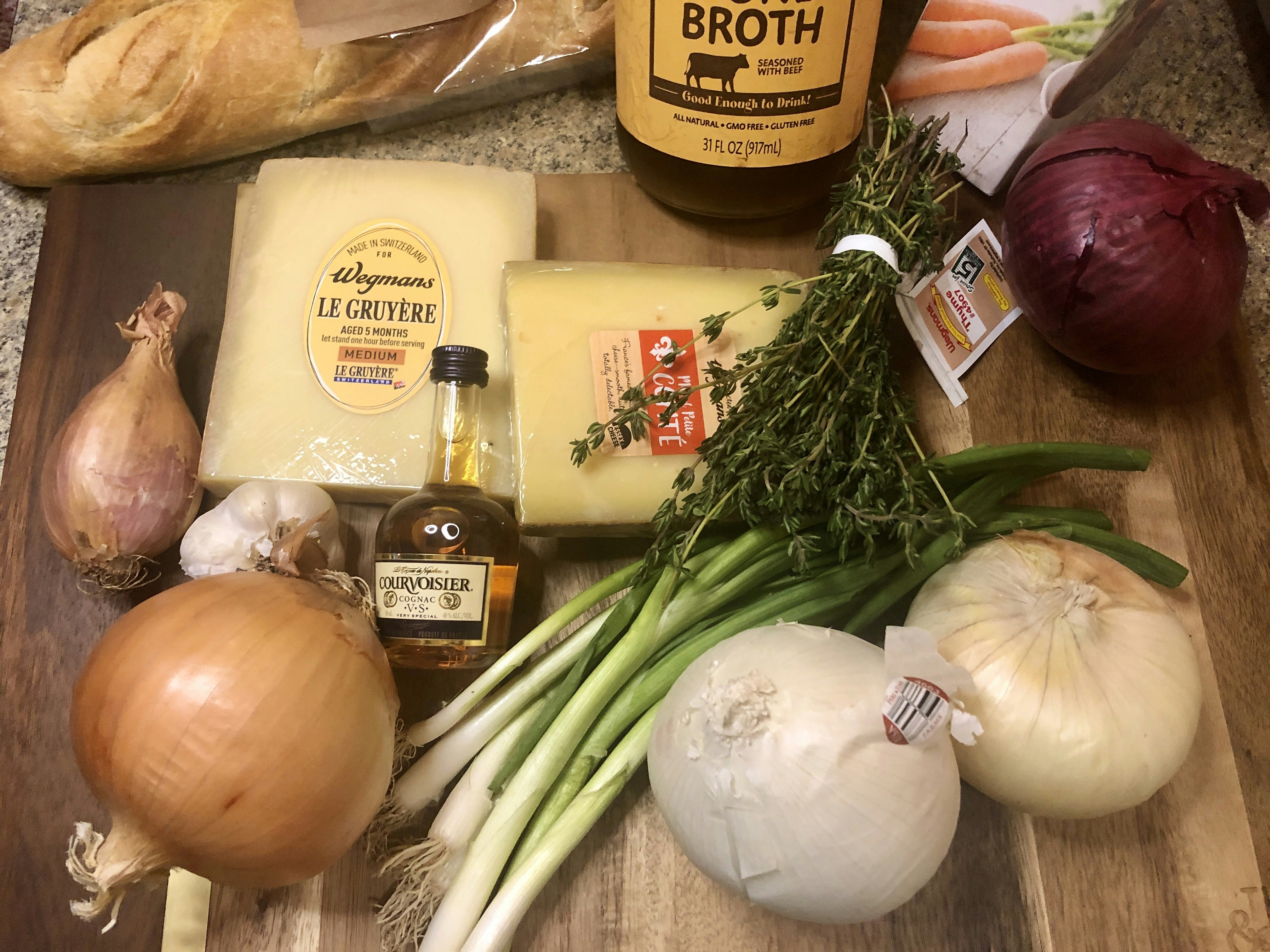
To create an authentic Boeuf Bourguignon, one must focus on selecting high-quality ingredients that not only enhance the flavor of the dish but also contribute to its traditional character. The primary ingredient is beef, and for best results, opt for a tougher cut that benefits from slow cooking. Some recommended cuts include chuck roast, brisket, or even oxtail. These options provide rich flavors and tender textures when cooked properly.
Next, gather aromatic vegetables that play a key role in building flavors. Classic options include onions, carrots, and garlic. Typically, one medium onion and two carrots suffices for a hearty recipe, along with two to three cloves of minced garlic to impart a fragrant depth.
Herbs are essential for an authentic taste; thyme and bay leaves are traditional choices in Boeuf Bourguignon. Using fresh thyme sprigs can greatly enhance the dish, while dried thyme is a convenient alternative. A couple of bay leaves should also be added to the simmering pot to infuse flavor.
Wine is another crucial ingredient, as it not only provides acidity but also enriches the dish’s overall profile. A quality red Burgundy wine, which is where the dish originates, would be ideal. However, any robust red wine such as Pinot Noir can serve a similar purpose, reflecting the dish’s character.
Lastly, don’t overlook the importance of seasoning. A generous amount of salt and freshly ground black pepper can elevate the dish’s flavors throughout the cooking process. Additionally, using high-quality beef broth will ensure that the savory sauce aligns with the authentic essence of Boeuf Bourguignon. Accompanying the dish, consider crusty baguettes or creamy mashed potatoes to soak up the delicious sauce.
Step-by-Step Cooking Instructions
To create a delectable Boeuf Bourguignon, follow these detailed steps to ensure a delightful cooking experience. Begin by gathering your ingredients: beef chuck, red wine, beef broth, onions, carrots, garlic, and herbs. Pay close attention to the quality of your red wine, as it significantly impacts the flavors of the finished dish.
***Step 1: Brown the Meat***
Start by cutting the beef chuck into 1.5-inch cubes. Pat the meat dry with paper towels; moisture can prevent proper browning. Heat a heavy-bottomed Dutch oven over medium heat, adding a tablespoon of oil. Once the oil is hot but not smoking, add the beef cubes in batches to avoid crowding. Sear each side until a rich, brown crust forms, which will enhance the flavor profile during the cooking process. Remove the meat and set it aside once browned.
***Step 2: Sauté Vegetables***
In the same pot, add chopped onions, diced carrots, and minced garlic. Sauté them for about five minutes until they become soft and fragrant. This step builds the foundation of flavor for your Boeuf Bourguignon. You can also deglaze the pot with a splash of red wine, scraping any brown bits from the bottom for added depth.
***Step 3: Combine Ingredients***
Return the browned beef to the pot and add sufficient beef broth and red wine to cover the ingredients. Toss in bay leaves, thyme, and a pinch of salt and pepper. It is vital to keep the simmer low and slow; allow the mixture to come to a gentle boil before reducing the heat. Cover the pot and let it simmer for about two to three hours, or until the beef is tender and flavorful.
***Step 4: Final Touches***
During the last half hour of cooking, check the sauce’s thickness. If you prefer a thicker consistency, remove the lid and let it reduce slightly. Taste and adjust the seasoning as needed. For a finishing touch, toss in sautéed mushrooms and fresh parsley just before serving. These additions not only enhance the dish’s flavor but also bring a lovely aesthetic appeal.
By following these steps carefully, novice cooks can easily recreate this classic French dish, mastering the art of making Boeuf Bourguignon. Avoid common pitfalls by ensuring accurate timing and incorporating ingredients methodically for the best outcome.
Serving Suggestions and Pairings
When it comes to serving boeuf bourguignon, there are numerous options that can elevate your dining experience beyond the traditional presentation. This classic French dish shines when paired with complementary sides that enhance its rich, deep flavors. A popular choice is creamy polenta; its smooth texture and subtle taste provide a delightful contrast to the hearty stew. Alternatively, crusty bread, such as a traditional French baguette, makes for an excellent accompaniment. Its chewy exterior and soft interior are ideal for sopping up the flavorful sauce, ensuring nothing goes to waste.
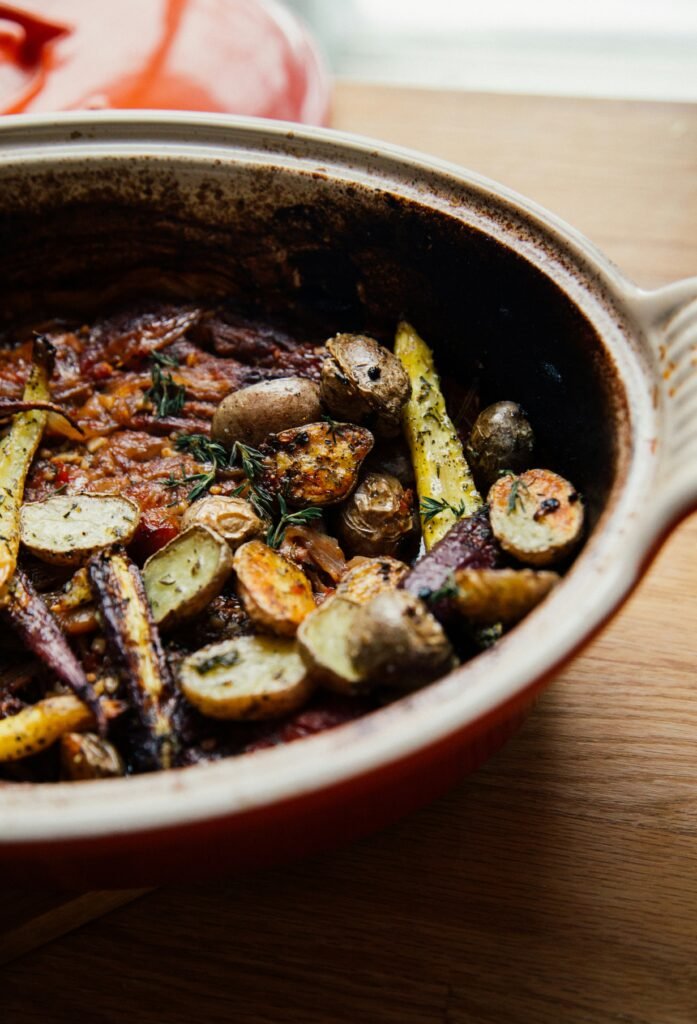
For a more modern twist, consider serving boeuf bourguignon alongside roasted vegetables. Ingredients such as carrots, parsnips, and brussels sprouts, lightly caramelized and seasoned, add not only a savory touch but also a hint of sweetness that balances the dish. Furthermore, a simple green salad can provide a refreshing counterpoint, especially if dressed with a light vinaigrette.
When it comes to beverage pairings, wine plays a crucial role in complementing the intricate flavors of boeuf bourguignon. Opting for a red wine, particularly a Pinot Noir, aligns beautifully with the stew’s key ingredients. This choice echoes the wine used in the cooking process and enhances the overall flavor. Other suitable options include Burgundy wines or a well-structured Merlot, each bringing their own unique profile to the table.
For those who may have leftovers, proper storage and reheating methods are essential to retain the dish’s delicious qualities. Refrigerate the stew in airtight containers; it can last for up to three days. To reheat, gently warm it on the stovetop, allowing the flavors to meld back together. By following these serving suggestions and pairings, your boeuf bourguignon will not just be a meal, but an experience that delights the senses.