
Understanding Souvlaki: The Greek Classic
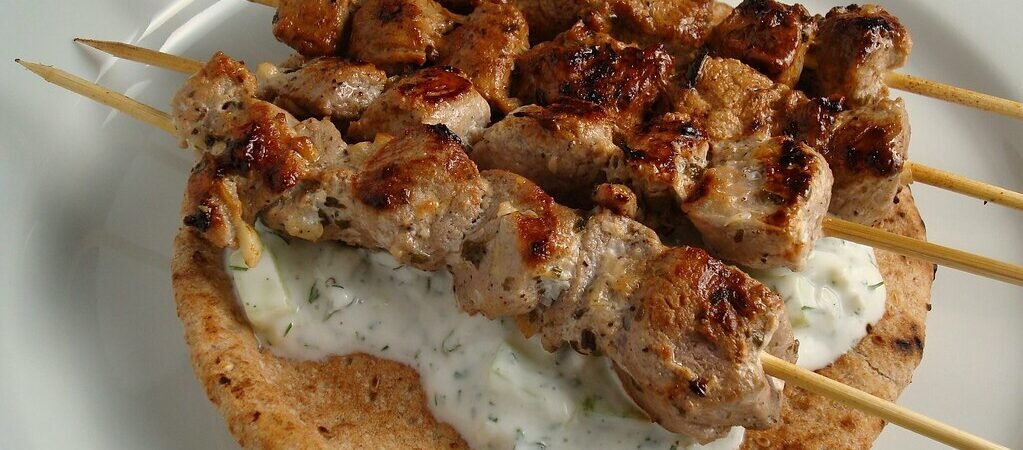
Souvlaki, a cherished Greek dish, holds a prominent position in the culinary landscape of Greece. Its origins can be traced back to ancient times, making it a staple within the Greek diet. The word “souvlaki” itself is derived from the Greek term “souvla,” which means skewer, indicating one of its primary preparation methods. Traditionally, souvlaki consists of small pieces of marinated meat, often skewered and grilled to perfection, making it a popular option for both street food vendors and home cooks.
The cultural significance of souvlaki in Greece is profound. It embodies the Mediterranean lifestyle, highlighting fresh ingredients and the communal aspect of dining. Family gatherings and social occasions often feature souvlaki, encouraging shared moments over flavorful food. The dish has also inspired various regional adaptations, reflecting local tastes and traditions. In particular, you may encounter variations that incorporate different meats such as pork, chicken, or lamb, allowing flexibility to cater to diverse preferences.
In addition to the meat component, the preparation of souvlaki often involves marinating the meat with olive oil, herbs, and spices aimed at enhancing flavor. Common ingredients include oregano, garlic, and lemon juice, which together create a vibrant and aromatic profile. Accompaniments frequently include pita bread, fresh vegetables, and tangy sauces like tzatziki, further enriching the experience of savoring this classic dish. By understanding the origins and variations of souvlaki, cooks can appreciate the depth of this beloved dish and create authentic, memorable experiences in their kitchens.
Choosing the Right Ingredients for Flavor
To create the perfect souvlaki, the selection of high-quality ingredients is paramount. The meat is the star of the dish, and choosing the right type is essential to achieving authentic flavor. Traditional souvlaki can be made using pork, chicken, or lamb. Pork, often favored in Greece, provides a rich taste and tender texture. Chicken is a lighter option, ideal for those looking for a healthier alternative, while lamb offers a unique, robust flavor that many find irresistible. When selecting meat, look for cuts that are well-marbled, as fat adds juiciness and depth of flavor during cooking.
Equally important is the marinade, which plays a crucial role in enhancing the flavor profile of your souvlaki. Fresh herbs such as oregano, thyme, and parsley are quintessential in Greek cuisine and should be integral to your marinade. These herbs bring an aromatic essence that complements the meat beautifully. Additionally, spices like garlic, paprika, and black pepper can add a delightful kick. When preparing the marinade, consider incorporating quality olive oil and fresh lemon juice, as these ingredients not only provide flavor but also help tenderize the meat.
In addition to meat and marinade, garnishing with fresh vegetables elevates your souvlaki. Common accompaniments include tomatoes, cucumbers, and red onion, which add brightness and texture to the dish. Selecting organic or locally sourced vegetables can further enhance the overall taste and nutritional value. For the most authentic experience, seek out Greek ingredients when possible; this could mean visiting specialty stores that carry imported items. By investing time in selecting and sourcing the right ingredients, you can ensure that your souvlaki is packed with flavor and authenticity, making each bite a true culinary delight.
Marinating and Cooking Techniques: Key to Tenderness and Flavor
Preparing the perfect souvlaki hinges significantly on the marination process, which enhances both flavor and tenderness in the meat. To create an enticing marinade, consider combining ingredients such as olive oil, lemon juice, garlic, and a variety of herbs including oregano and thyme. This mixture not only infuses the meat with zest but also helps to tenderize it. A recommended soaking time for meats like chicken or pork is typically between four to twelve hours, while beef may benefit from a longer marination of up to 24 hours. It is vital to store the marinating meat in a refrigerator to ensure food safety.
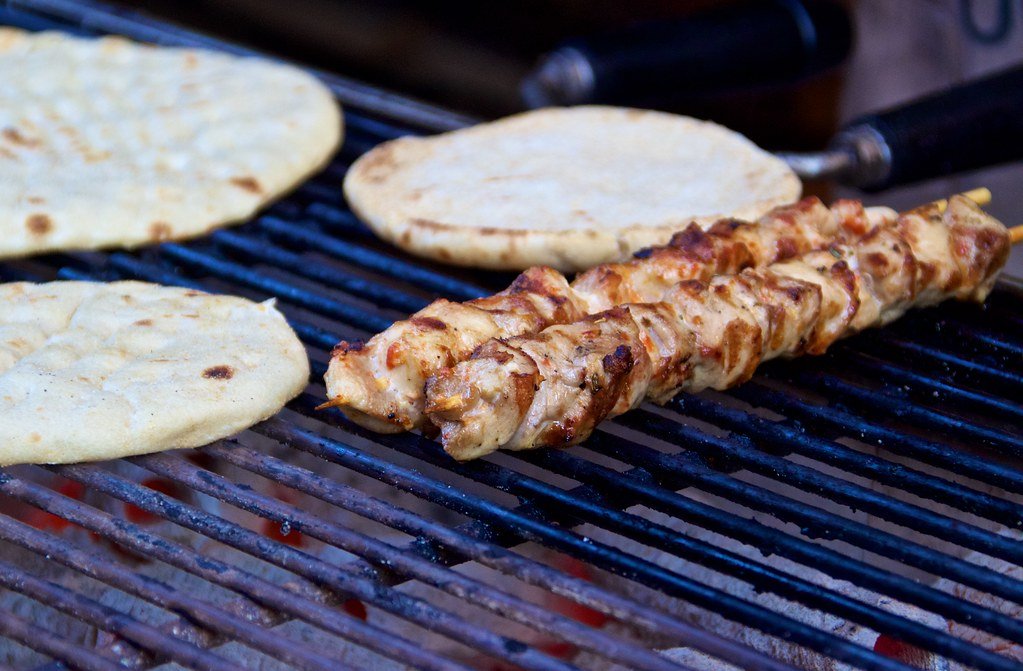
Once the meat is marinated, attention must be turned to the cooking process to achieve that illustrious grilled perfection. Grilling is the most traditional method for cooking souvlaki and works best over medium to high heat. Prior to grilling, preheating the grill is essential to ensure even cooking. The meat should be threaded onto skewers, and as a general rule, pieces should not be crowded to allow for air circulation. Cooking time varies depending on the type of meat, but typically ranges from 10 to 15 minutes, turning periodically to prevent charring.
For those without access to a grill, broiling or using an air fryer offers excellent alternative cooking methods. When broiling, place the skewers on an oven rack positioned close to the heating element, and ensure to monitor the process closely. The air fryer operates efficiently, often reducing cooking time by half, requiring around 8 to 12 minutes at 400°F. Regardless of the method chosen, utilizing a meat thermometer can guarantee achieving the ideal internal temperature, ensuring both safety and palatability.
Serving Suggestions and Accompaniments for a Complete Meal
When it comes to serving souvlaki, choosing the right accompaniments is crucial for creating a fulfilling and balanced meal. Traditionally, souvlaki is often presented with warm pita bread, which not only complements the grilled meat but also serves as a vessel for other delicious toppings. Fresh, fluffy pita enhances the dining experience, making it a quintessential component of the souvlaki presentation.
Tzatziki sauce is another classic accompaniment to pair with souvlaki. This creamy yogurt-based sauce, typically infused with garlic and cucumber, elevates the dish by adding a refreshing contrast to the smoky flavors of the grilled meat. To present this sauce effectively, consider serving it in a small bowl adorned with a sprinkle of fresh dill and a drizzle of olive oil, enhancing both its visual appeal and flavor profile.
A fresh salad is also a perfect way to round out your souvlaki meal. A simple Greek salad composed of ripe tomatoes, crunchy cucumbers, red onions, and olives dressed in olive oil can add a burst of color and nutrition. For those looking to get creative, consider using mixed greens infused with fresh herbs, providing a vibrant contrast to the grilled meat while enhancing the overall freshness of the plate.
When serving souvlaki at gatherings, consider creating a souvlaki bar where guests can customize their wraps using an assortment of toppings, from roasted vegetables to feta cheese. Pair this meal with beverages such as a crisp white wine, Greek beer, or even refreshing lemonade to complement the hearty flavors. For presentation, consider using wooden skewers to serve the souvlaki, and arrange the accompaniments artistically on the plate. These thoughtful touches will not only enhance the dining experience but also leave a lasting impression on your guests.