
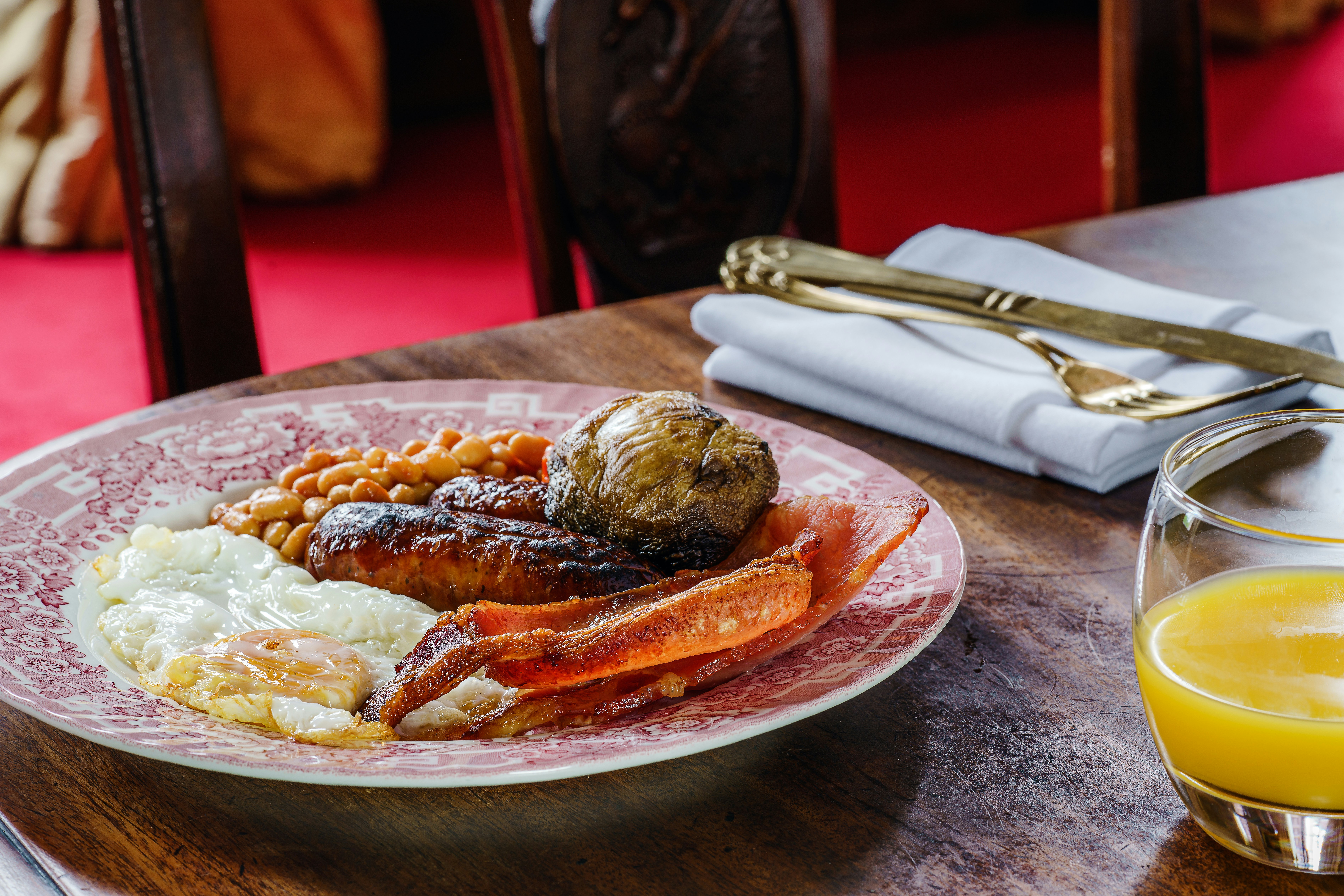
Understanding the Full English Breakfast
The full English breakfast, often simply referred to as a “fry up”, is a traditional British meal that includes an array of hearty ingredients designed to provide the necessary sustenance for the day ahead. With origins tracing back to the late 19th century, this iconic breakfast evolved from earlier meals enjoyed by the nobility and later adapted by the working class.
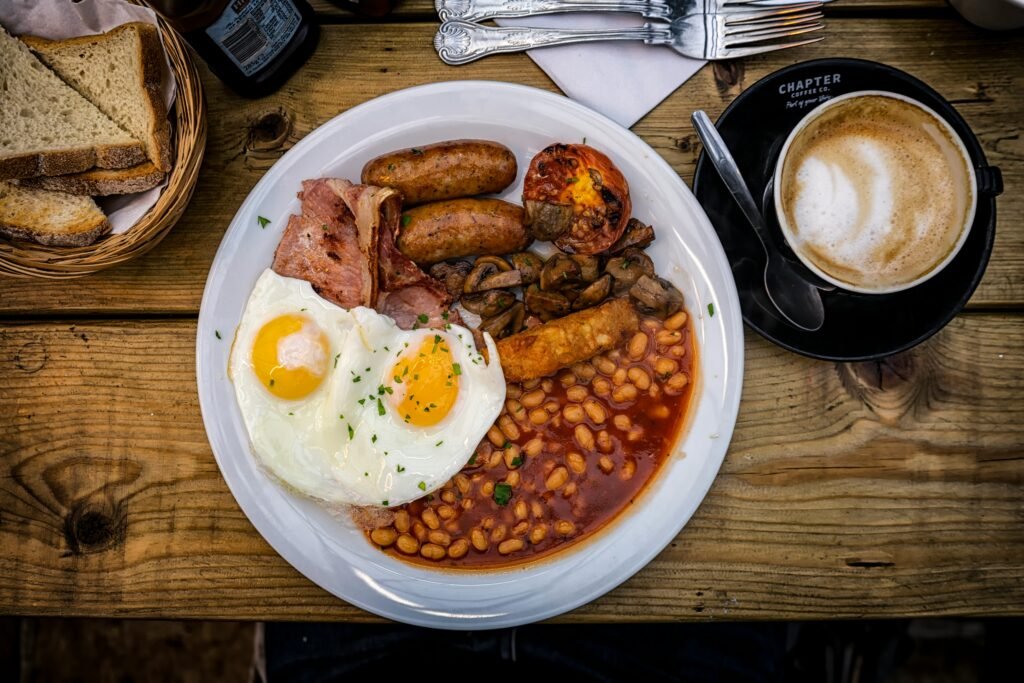
At its heart, a full English breakfast typically features several staple components: fried or scrambled eggs, crispy bacon, sausages, baked beans, grilled tomatoes, and buttered toast. This diverse assortment reflects a balance of flavors and textures, combined to create a fulfilling experience that appeals to a wide range of palates. The meal often emphasizes the concept of using local and high-quality ingredients, showcasing the richness of British produce.
The cultural significance of the full English breakfast cannot be understated. It has become a hallmark of British culinary identity, often served in cafes, restaurants, and even enjoyed at home, reinforcing social connections during leisurely mornings. In contemporary society, the full English breakfast has gained international recognition, frequently appearing on menus beyond the UK’s borders, yet retaining its quintessentially British charm. Furthermore, there are regional variations that exist across the UK; for example, a Scottish breakfast may include haggis, while a Welsh breakfast might feature laverbread. These adaptations illustrate how the full English breakfast can embody local flavors and traditions, appealing to diverse tastes.
In conclusion, the full English breakfast is much more than just a meal; it represents a sense of community, tradition, and cultural heritage, continually evolving while maintaining its delicious essence in the hearts and minds of many enthusiasts worldwide.
Essential Ingredients and Tools Needed
Preparing a traditional full English breakfast requires a specific set of ingredients and tools to achieve the desired flavors and textures. At its core, ingredients typically include classic staples such as eggs, bacon, sausages, baked beans, tomatoes, mushrooms, and toast or fried bread. Each ingredient contributes significantly to the overall flavor profile of the meal, making the selection of high-quality products crucial.
For the best results, select farm-fresh eggs that are free-range, as they tend to have richer flavors and vibrant yolks. When it comes to bacon, opt for dry-cured varieties, which offer a more robust taste, while premium pork sausages made with quality meat ensure a satisfying texture. Canned baked beans can vary, but choosing a brand known for its rich tomato sauce can elevate the dish.
To complement your ingredients, fresh tomatoes and field mushrooms should be ripe and firm, lending their natural sweetness to the breakfast. Wholegrain or sourdough bread is often recommended for toasting because it adds a hearty element that contrasts nicely with the other elements of the dish.
In terms of kitchen tools, a heavy frying pan or skillet is essential for frying the eggs and cooking the bacon and sausages simultaneously. A grill pan can also be employed for a smokier flavor, especially for the tomatoes and mushrooms. Wooden utensils such as spatulas are ideal for turning food without scratching your cookware, while a solid pair of tongs will aid in handling sausages and bacon effectively. Finally, having a decent set of plates and serving dishes will help present your full English breakfast appealingly and authentically.
Step-by-Step Cooking Process
To prepare a perfect full English breakfast, it is essential to follow a systematic cooking process, maximizing both flavor and texture of the ingredients. This traditional meal typically includes eggs, sausages, bacon, baked beans, tomatoes, and toast. Here’s a step-by-step guide to achieving the ideal dish.
Start by cooking the sausages. Heat a frying pan over medium heat, adding a small amount of oil. Once hot, place the sausages in the pan, turning them occasionally. Cook for about 15-20 minutes until they are browned and cooked through. Properly cooked sausages should have a crisp exterior while remaining juicy inside.
Next, move on to the bacon. Use the same pan for additional flavor. When the sausages are nearly finished, add the bacon strips and fry them for around 5-7 minutes until they are golden and crispy. Enjoying adequately crispy bacon will enhance the overall breakfast experience.
Once the sausages and bacon are cooked, it’s time to prepare the eggs. For fried eggs, use a separate pan, heating it with a touch of oil or butter until hot. Crack the eggs into the pan, cooking them sunny-side up or over easy as preferred. Aim for a runny yolk for a dynamic contrast to the crispy elements of the meal.
While the eggs are cooking, you can simultaneously sauté sliced tomatoes in the same pan, cooking them for approximately 2 minutes until they are warm and slightly softened. Additionally, heat baked beans in a small saucepan until they are hot, as these will complement the savory components of the dish.
Finally, toast your bread to perfection, achieving a golden-brown color. Toast can be added to the meal just before serving to ensure it remains crunchy. Once all components are prepared, assemble the ingredients on a warm plate, arranging them attractively to provide a delightful visual before the enjoyment of this classic dish begins.
Customizing Your Full English Breakfast
The classic full English breakfast typically consists of bacon, sausages, eggs, baked beans, tomatoes, and toast. However, there is ample opportunity for customization to accommodate personal tastes and dietary needs. For those who prefer vegetarian or vegan options, consider substituting traditional meats with plant-based alternatives. Vegetarian sausages provide a savory flavor while keeping the essence of the meal intact. Grilled halloumi can also serve as a delightful addition for those who consume dairy.
For a vegan adaptation, replace scrambled or fried eggs with silken tofu, seasoned with turmeric for color and black salt for that distinct eggy flavor. Additionally, sautéed mushrooms and spinach can bolster nutrient content and add texture to the dish. Utilizing baked beans made with reduced sugar or homemade versions can also enhance flavor without compromising health.
Presentation and Serving Suggestions
When it comes to serving, presentation plays a vital role in elevating the dining experience. Arrange the components of the full English breakfast on a warm plate; a traditional round plate often works best. Start by placing the baked beans at one side, complemented by a generous portion of grilled tomatoes. Lay the sausages and bacon artfully, allowing the vivid colors of the vegetables to provide contrast. Adding a sprinkle of fresh chives or parsley can enhance visual appeal and digestibility.
Pairing beverages with a full English breakfast can also enhance the flavor experience. A robust cup of English breakfast tea is a traditional choice, but for those looking for variety, consider serving freshly squeezed orange juice or a rich, full-bodied coffee. By tailoring your breakfast to reflect personal preferences and dietary restrictions, you make this classic dish an inclusive meal that everyone can enjoy, making each breakfast uniquely theirs.