
Introduction to Aloo Gobi
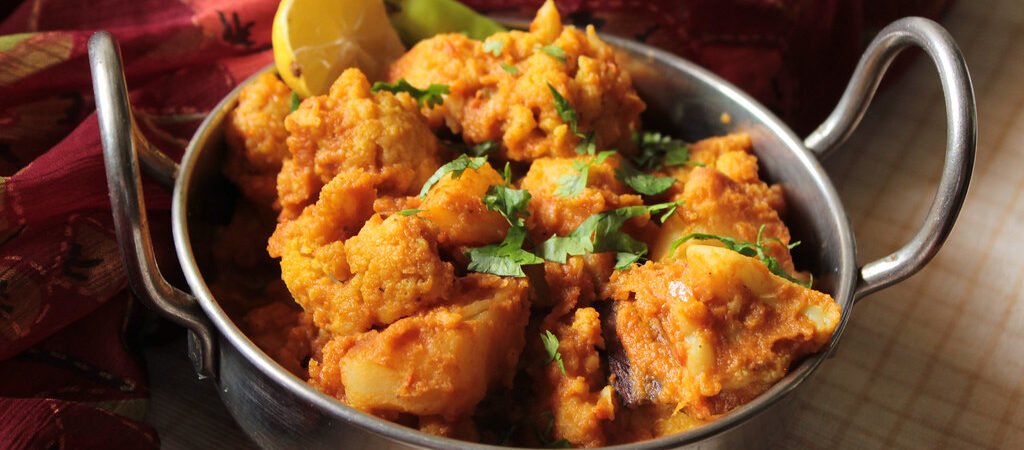
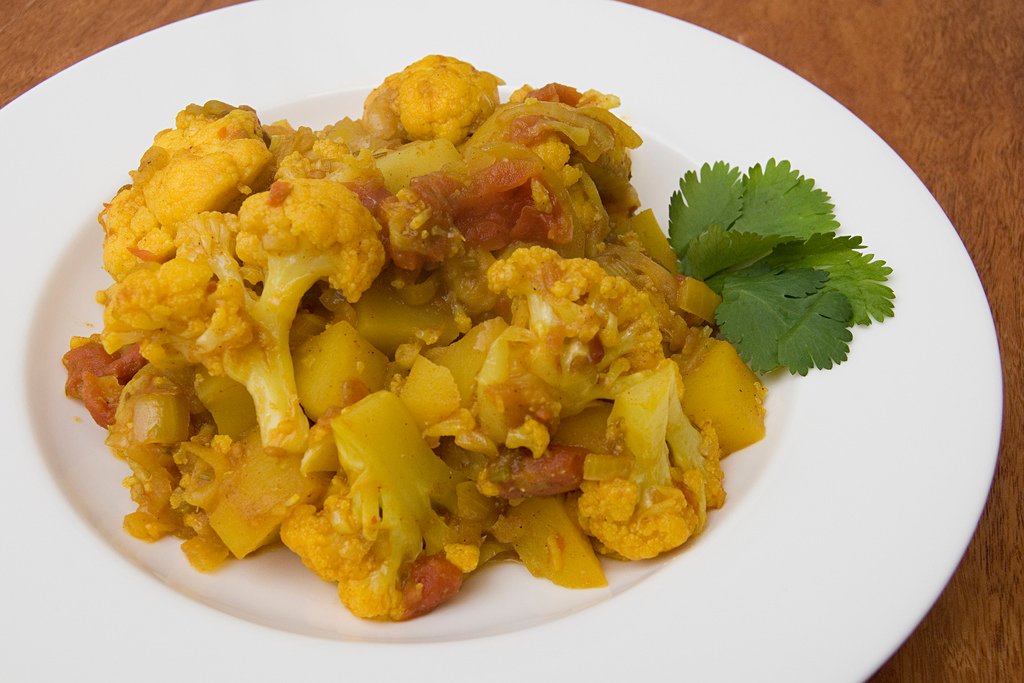
Aloo Gobi is a beloved dish in Indian cuisine, combining two main ingredients: potatoes (aloo) and cauliflower (gobi). Renowned for its vibrant yellow hue, which is typically achieved through the use of turmeric, this vegetable medley is celebrated for its warming flavors and satisfying texture. Traditionally, it is served with Indian bread such as roti or naan, making it a staple in many households across India.
The origins of Aloo Gobi can be traced back to the Indian subcontinent, where it has been prepared for generations. The dish showcases the ability of simple ingredients to create a dish that is both comforting and packed with flavors. Aloo Gobi is not just significant as a culinary delight; it also holds cultural importance within various Indian communities, often featuring prominently in festivals and family gatherings.
This recipe is particularly appealing to home cooks and food enthusiasts for its simplicity and versatility. The dish is not only uncomplicated to prepare but also allows for personal adaptations based on regional variations or dietary preferences. Its popularity extends beyond Indian households, as Aloo Gobi has made its way to the menus of restaurants and homes around the world, appealing to both vegetarians and meat-eaters alike.
As you embark on your culinary journey to create Aloo Gobi, you’ll find that it represents more than just a meal; it embodies the rich tradition of Indian cooking and the joy of sharing food with loved ones. This beginner’s guide aims to equip you with the essential skills and knowledge needed to replicate this classic dish in your kitchen.
Essential Ingredients and Preparation
To create a flavorful Aloo Gobi, it is essential to gather the right ingredients. The primary components of this dish are, as the name suggests, potatoes (Aloo) and cauliflower (Gobi). It is crucial to select high-quality vegetables to ensure the best taste and texture. When choosing potatoes, opt for starchy varieties like Russets or Yukon Gold, which become fluffy when cooked. For the cauliflower, look for heads that are firm, compact, and white, avoiding any with brown spots or wilting leaves.
In addition to the main vegetables, a variety of spices are crucial for flavor enhancement. The staples for Aloo Gobi include cumin seeds, turmeric powder, coriander powder, and garam masala. These spices not only contribute to the dish’s distinct taste but also provide a vibrant color. Optional ingredients like ginger, garlic, and onions can add depth to the flavor profile. Fresh ginger adds a warm spice, while garlic offers a pungent kick. If choosing to include onions, slice them finely and sauté until soft, which mellows their flavor.
Preparation is key in achieving a well-balanced Aloo Gobi. Begin by washing and peeling the potatoes, then cut them into evenly sized cubes for uniform cooking. The cauliflower should be broken into smaller florets. This ensures that both vegetables cook at the same rate and allows for better integration of spices. It is advisable to soak the cauliflower in salted water for about 10 minutes to remove any dirt or potential bugs. Following these steps guarantees a delicious Aloo Gobi that is both visually appealing and delightful in taste.
Step-by-Step Cooking Process
Cooking Aloo Gobi, a popular Indian vegetarian dish made with potatoes (aloo) and cauliflower (gobi), is straightforward yet rewarding. To begin, gather your ingredients: potatoes, cauliflower, onions, tomatoes, green chilies, ginger, garlic, and spices such as turmeric, cumin, coriander, and garam masala. This simple list forms the foundation for a delicious meal.
Start by preparing the vegetables. Peel and cut the potatoes into bite-sized cubes, ensuring they cook evenly. For the cauliflower, separate it into small florets. Rinse both vegetables under cold water to remove any impurities. Prepping is crucial as it allows for a uniform cooking process.
Next, heat a couple of tablespoons of oil in a large pan over medium heat. Once the oil is shimmering, add chopped onions and sauté them until they turn golden brown. This step develops a rich flavor base. Subsequently, add minced ginger and garlic, allowing them to infuse their aroma for about a minute. Follow this with diced tomatoes and let them cook down until they soften.
Once your tomato mixture is ready, stir in the turmeric, cumin, and coriander, cooking the spices for a minute to unlock their flavor. Now, introduce the cubed potatoes and cauliflower florets to the pan, mixing well to coat them with spices. Add a splash of water to aid in cooking and cover the pan. Allow it to simmer for approximately 15-20 minutes, stirring occasionally. This helps the vegetables become tender while absorbing the spices. To achieve the perfect texture, check for doneness—potatoes should be soft but not mushy.
As the dish nears completion, sprinkle garam masala for an aromatic finish. You may also adjust seasoning with salt and chili based on your preference. If you aim for a traditional touch, garnishing with fresh cilantro can elevate the taste significantly. Lastly, remember to avoid common mistakes such as overcooking or under-seasoning to truly master Aloo Gobi. Adapting the recipe for dietary needs, such as using oil alternatives or adding more vegetables, is also encouraged. For an enriching experience, consider consulting a visual cooking guide to support your journey in making Aloo Gobi like a pro.
Serving Suggestions and Variations
When it comes to serving Aloo Gobi, presentation is key to making the dish as appealing as possible. A beautifully plated Aloo Gobi can be achieved by garnishing it with freshly chopped coriander leaves or a drizzle of lemon juice, which not only enhances its visual appeal but also adds a zesty flavor contrast. Serve the dish hot, alongside warm naan or basmati rice for a classic pairing that is sure to delight your guests.
In addition to naan and rice, consider offering a selection of chutneys, such as mango or mint chutney, to complement the flavors of Aloo Gobi. These accompaniments add an extra layer of taste and can elevate the overall dining experience. A side of yogurt can also provide a cooling contrast to the spices in the dish, making it a perfect addition for those who prefer milder flavors.
Aloo Gobi is known for its versatility, allowing for various regional variations that can cater to individual preferences. For instance, adding green peas is a popular modification that not only enhances the color palette but also introduces a subtle sweetness. In some regions, turmeric and garam masala are used to amplify the richness of the spices, while others may favor a milder flavor profile by reducing the amount of chili used.
For a unique twist, consider experimenting with different spices, such as cumin seeds or coriander powder, which can provide a fragrant depth to the dish. Additionally, incorporating vegetables like carrots or bell peppers can transform Aloo Gobi into a medley of tastes and textures that keeps the dish exciting. These variations offer a wonderful opportunity to personalize this beloved recipe, encouraging creativity and a connection to the culinary traditions of various cultures.